
Inspiration
PolyPilot started with a simple observation: modern tools are powerful, but they often demand too much context-switching and manual effort from users. We were inspired by the idea of building an intelligent “copilot” that feels less like a tool you operate and more like a teammate you collaborate with. Our goal was to explore how AI could proactively assist users, reduce friction, and make complex workflows feel more natural and intuitive.
As a team of three, we wanted to challenge ourselves to design something that balanced ambition with practicality—something technically interesting, but also genuinely useful.
What it does
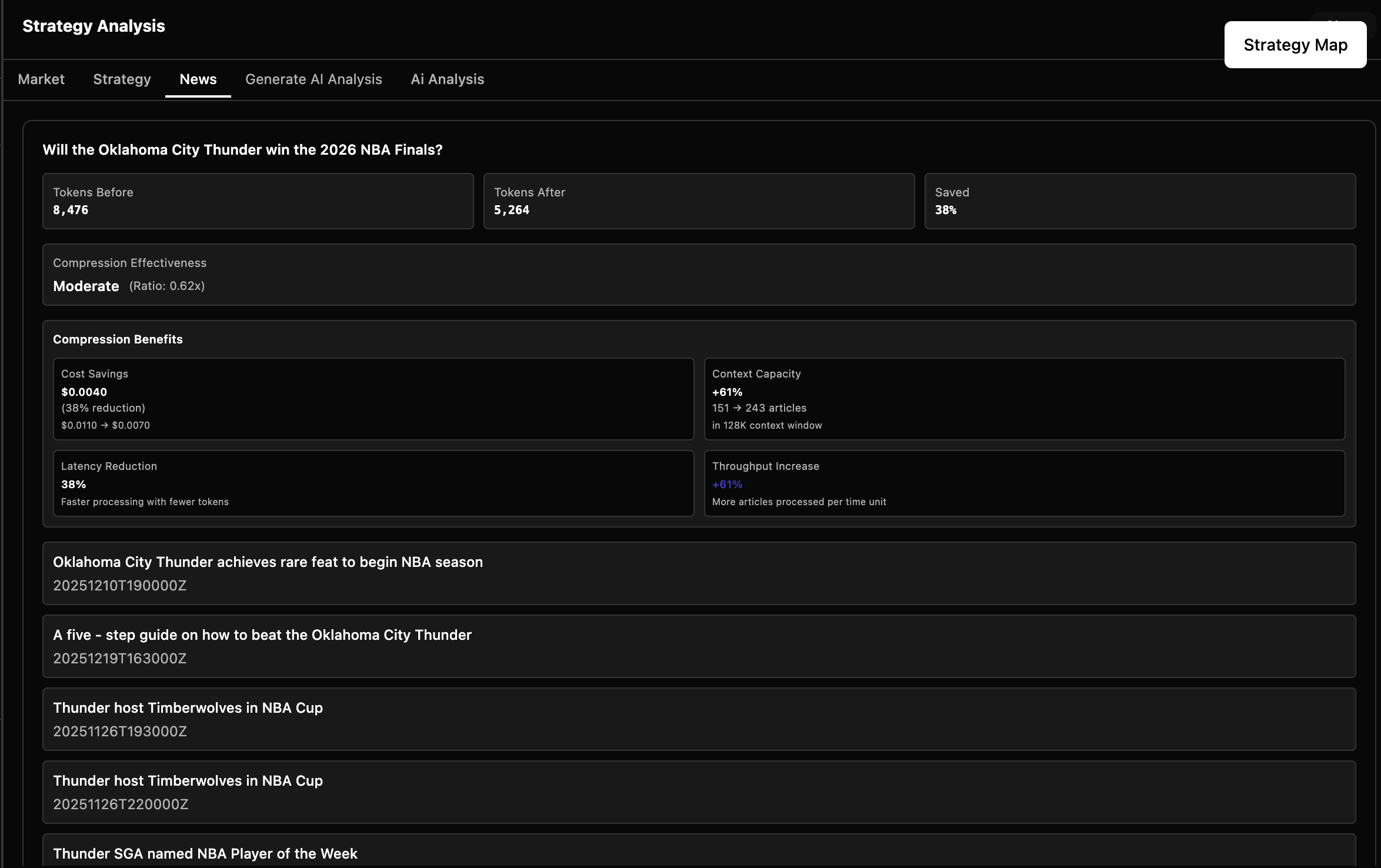
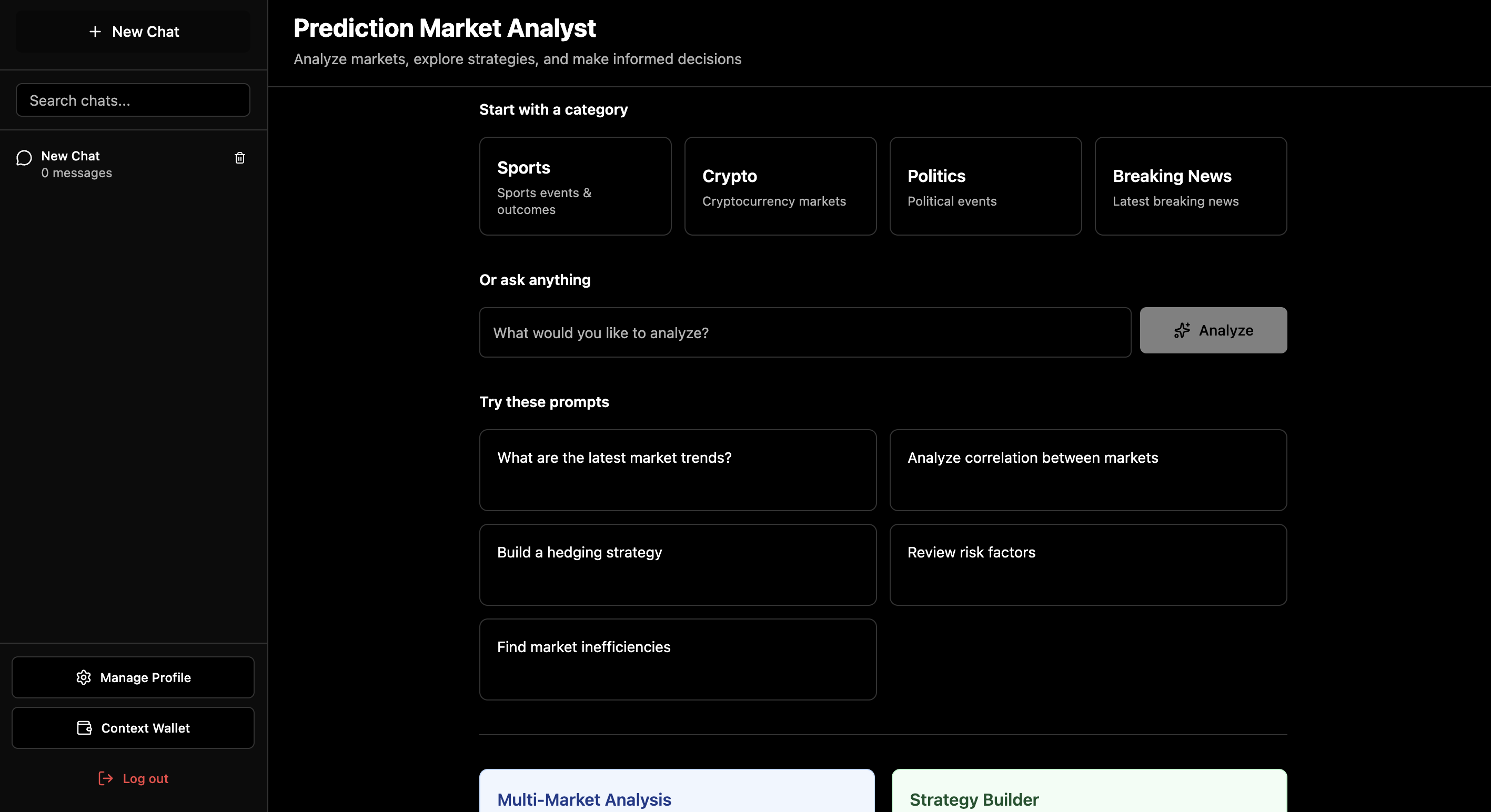
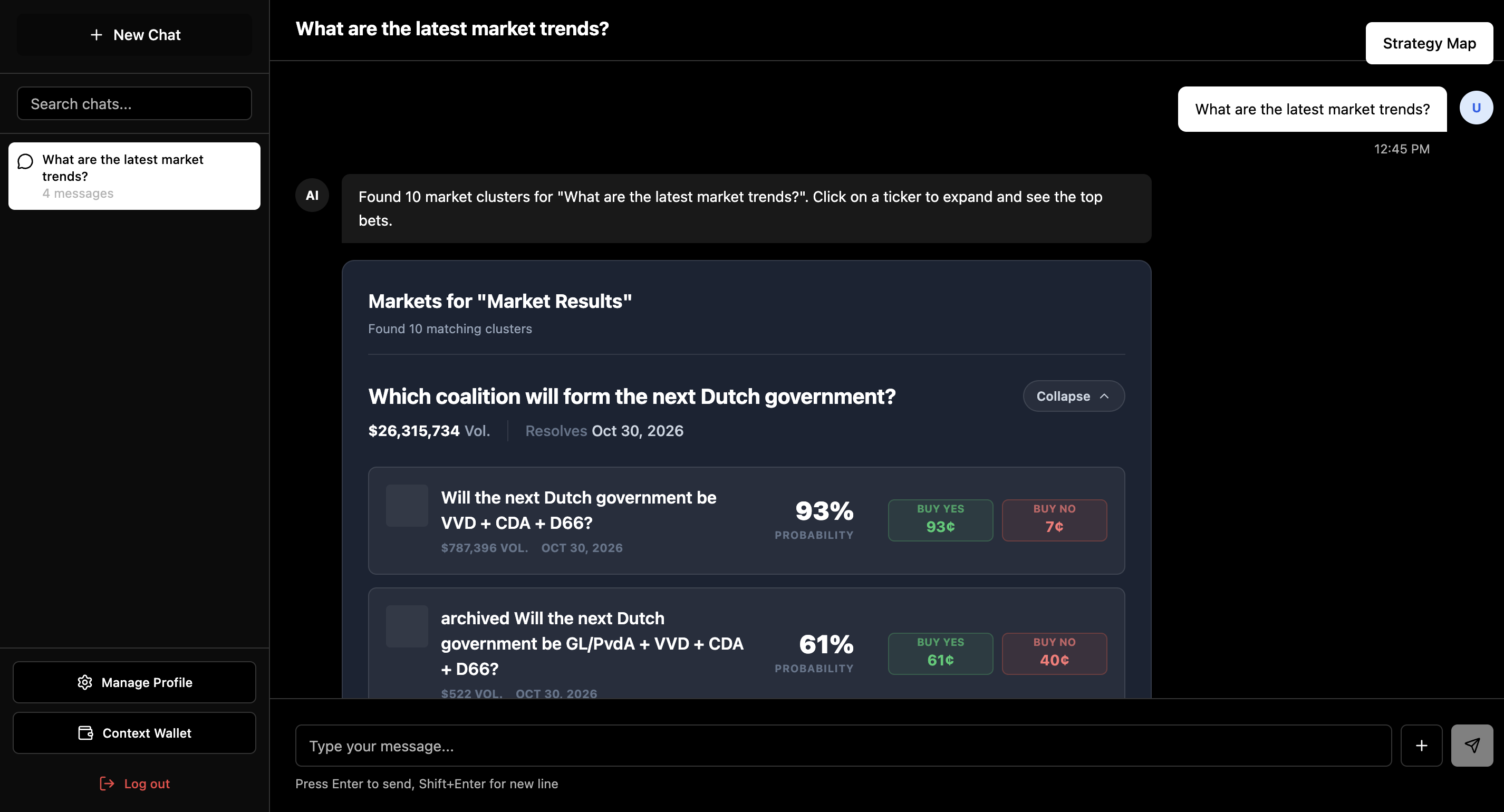
PolyPilot is an AI-powered assistant designed to streamline workflows by intelligently understanding user intent and providing contextual support. Instead of requiring users to repeatedly explain what they want, PolyPilot aims to adapt, anticipate needs, and guide users through tasks with minimal overhead.
At its core, PolyPilot focuses on:
- Reducing repetitive user input
- Providing context-aware assistance
- Acting as a flexible companion rather than a rigid command-based system
The result is a system that feels responsive, adaptive, and aligned with how people actually think and work.
How we built it
We built PolyPilot collaboratively, dividing responsibilities while constantly cross-reviewing each other’s work to maintain a cohesive vision. Our approach emphasized:
- A clean and modular architecture to allow rapid iteration
- Thoughtful integration of AI components with a focus on usability
- Clear abstractions to keep the system understandable and extensible
From the start, we treated this as both an engineering and product-design problem. We iterated quickly, tested assumptions early, and refined the system as we learned more about its limitations and strengths.
Challenges we ran into
One of our biggest challenges was balancing scope with time. It was tempting to keep adding features, but we quickly learned that restraint and focus were just as important as creativity.
Other challenges included:
- Handling ambiguity in user input without overcomplicating the system
- Designing interactions that felt helpful rather than intrusive
- Making technical trade-offs under tight time constraints
We didn’t always get things right on the first try, but each obstacle forced us to rethink our assumptions and improve the overall design.
Accomplishments that we're proud of
We’re proud that, as a small team of three, we were able to:
- Build a functional and cohesive prototype within a short timeframe
- Maintain a strong balance between technical depth and user experience
- Create a project that reflects intentional design decisions, not just raw functionality
Most importantly, we’re proud of how well we worked together—communicating clearly, adapting quickly, and supporting each other through challenges.
What we learned
This project reinforced several key lessons for us:
- Clear problem definition matters more than flashy features
- AI systems are most effective when designed around human behavior, not the other way around
- Collaboration and iteration often outperform isolated “perfect” solutions
We also gained a deeper appreciation for the complexity of building intelligent systems that feel intuitive and trustworthy.
What's next for PolyPilot
Looking ahead, we see several exciting directions for PolyPilot:
- Expanding its ability to retain and reason over longer-term context
- Improving personalization so it adapts more deeply to individual users
- Refining the interaction design to make it feel even more natural
PolyPilot is still early in its journey, but this project laid a strong foundation. We see it not just as a hackathon submission, but as a learning experience and a starting point for building smarter, more human-centered tools.
Built With
- ai
- github
- promptengineering
- react
- restful
- typescript


Log in or sign up for Devpost to join the conversation.