-
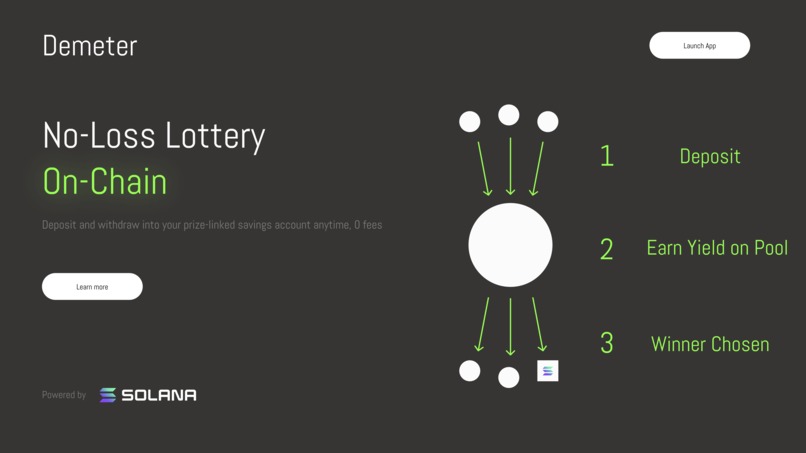
Demo made via Figma
-
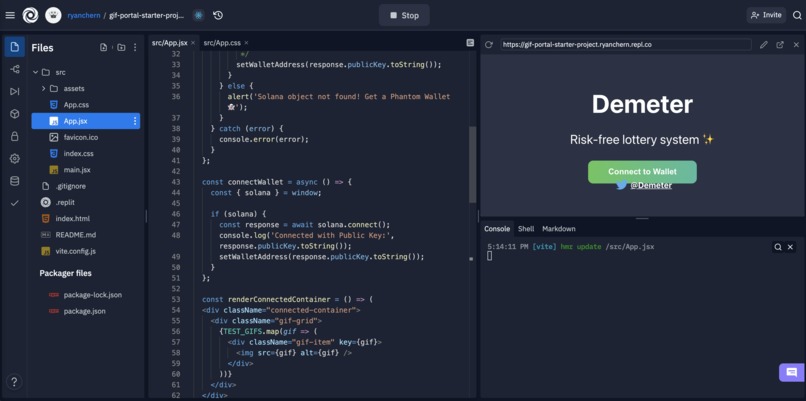
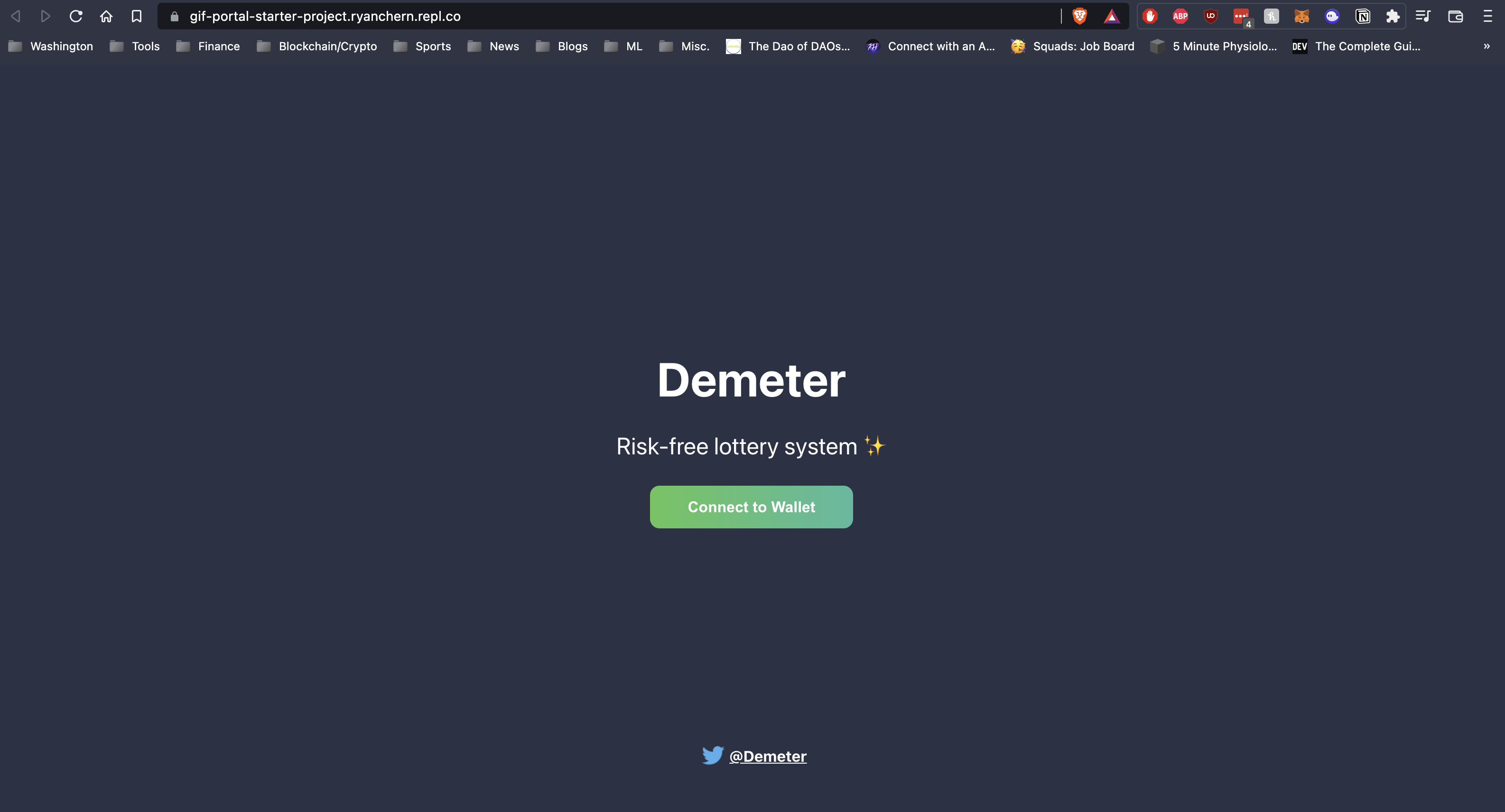
Live website preview
-
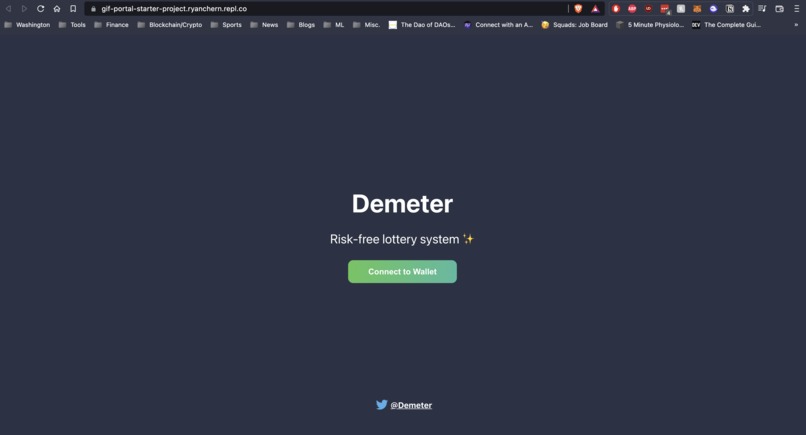
Live website
Inspiration
After stumbling on PoolTogether (no-loss lottery on Ethereum), we did some research on the current size of no-loss lotteries. To our surprise, in the UK alone, over $100 billion is deposited into these specially designated bank accounts. We then soon learned that this is an extremely popular mechanism in other non-US countries as well including India, Argentina, and Sri Lanka. With PoolTogether only having $200 million TVL (Total Value Locked), this only represents 0.2% of the UK’s “TVL”, not even taking into account any other countries. We strongly believe that this already huge market will only grow and that web3 rails/crypto is where users will turn to next.
We then learned that nothing exists on Solana yet – this could be a massive market opportunity given that Solana solves one of PoolTogether’s main problems: gas costs (Solana = $0.00025, Ethereum = >$20). Given that the majority of deposits are in the $1-$20 range (based on UK data), Ethereum is simply pricing out a large portion of its potential users.
That’s what led us to create Demeter – we can provide a better product and product experience than PoolTogether (more on this below).
What it does

Demeter is an on-chain no-loss lottery protocol. The basic process is as follows:
- Users deposit a solana token (e.g. USDC) into a pool via smart contracts
- Yield is generated using the aggregated pool of money by all users
- A lottery system is implemented (smart contracts) and randomly chooses winners. There is a tiered prize pool and a minimum guaranteed return on investment.
We also believe that gamification is one of the most powerful tools in incentivizing savings (the data suggests this as well). In turn, because we are a web3 app, we are able to utilize interoperability and composability to integrate our app with other apps as well. For example, users can increase their likelihood of winning a pool if they hold NFTs issued by other web3 games (e.g. in a metaverse scavenger hunt, the first player to find x item, longest time spent in y area can all have unique NFTs with predetermined point values based on difficulty).
This can also expand to other web3 apps outside of gaming as well – Flipside and Rabbithole are other apps that we’re thinking would make a suitable partner for integration.
The possibilities are endless and the design space is massive.
How we built it
Wireframed the core design and functionality on Figma.
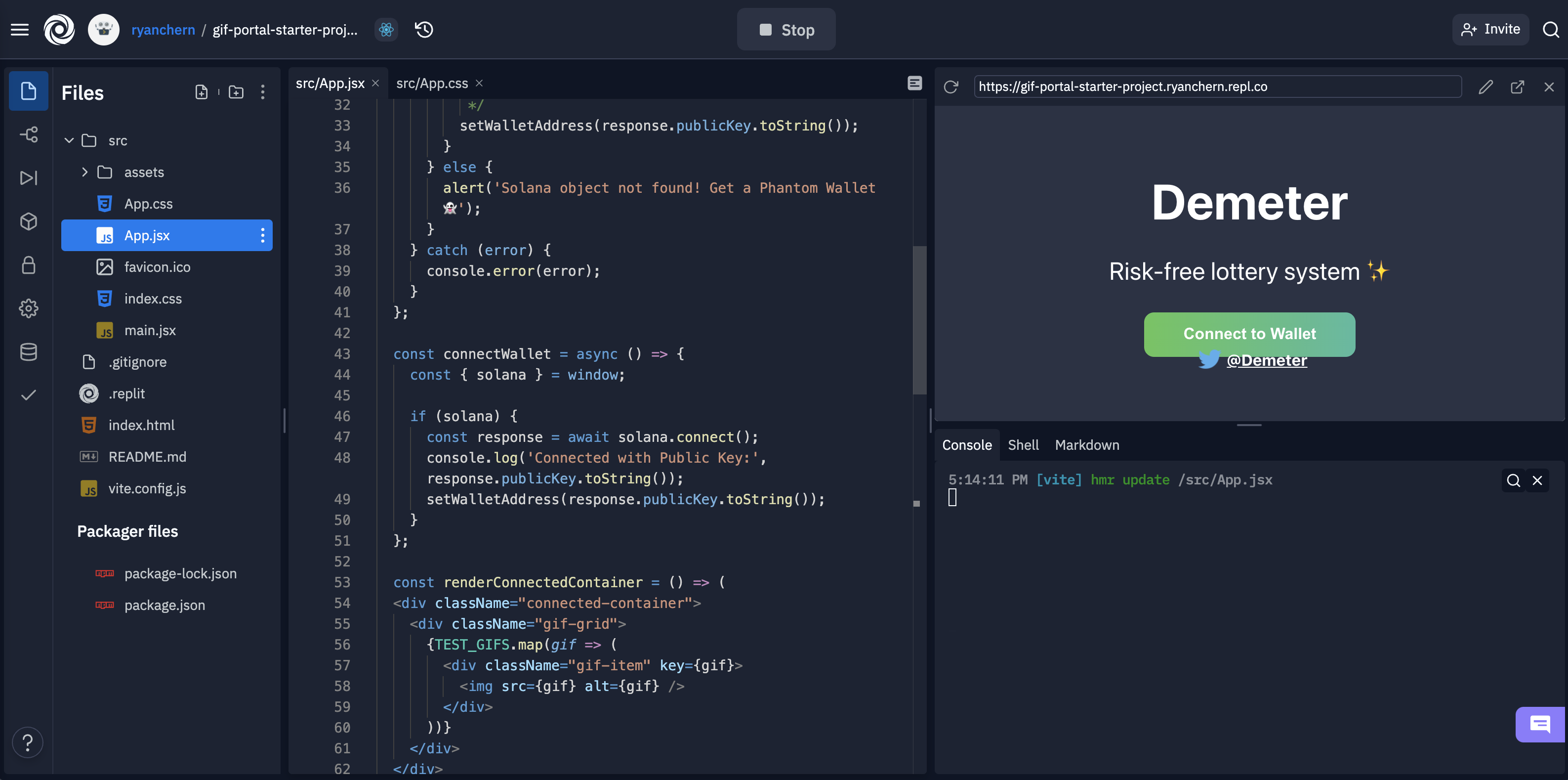
By writing some code in Rust and spinning up a local Solana test validator, we were able to create an interactive webpage where the user can connect their wallet (Phantom wallet). We are then able to read in those values and this should be the launching point for the user to add funds to their account.
Challenges we ran into
Getting the Solana environment and dependencies set up locally was a hassle and took half a day (did not have openssl downloaded).
Coming from some basic solidity experience, it was a very different programming logic when it comes to what information programs (on-chain contracts) store. Parsing the data via Ethereum is what I was used to, and had some trouble accessing the correct information.
Accomplishments that we're proud of
We’re very proud of how far we’ve got done on the initial prototype and where we are in the creation of the MVP given that we started on Wednesday.
We are also proud that we are self-taught programmers with data backgrounds eager to build upon our existing skills.
What we learned
There is high demand for yield products in DeFi (not many have been developed yet on Solana). Other projects such as accrue.finance means that we can leverage composability and interoperability to provide the user with the highest available yield via our pools. We also learned via research and anecdotal evidence that there is a market for higher risk/reward products and the gamification of personal savings/finance. In turn, we will be able to offer unique products not available on any other chains such as by utilizing structured products such as Katana.so.
What's next for Demeter
We aim to build the minimum viable product within the next two quarters. In order for the MVP to come into fruition we will hire an engineer to build out the front end portion of our website. For the back end portion of the project mainly programmed in Rust, both Ryan and Derek will learn Rust and create the first no-loss lottery yield protocol powered on Solana.
Will also be attending the Solana Hacker House in Seattle – hopefully can get live help and meet the core developers on Solana.

Log in or sign up for Devpost to join the conversation.