-
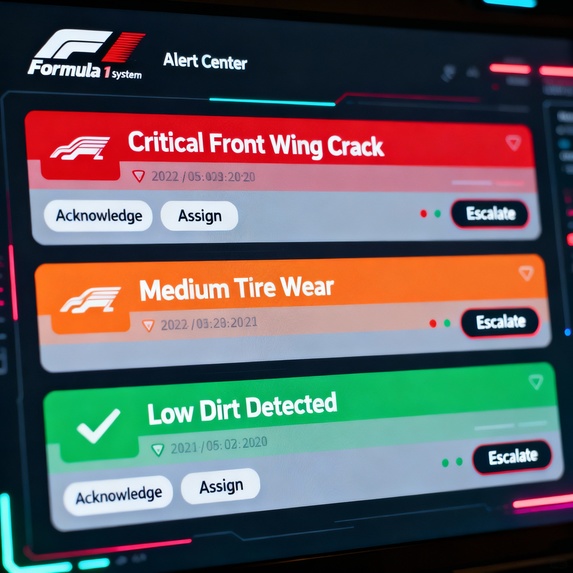
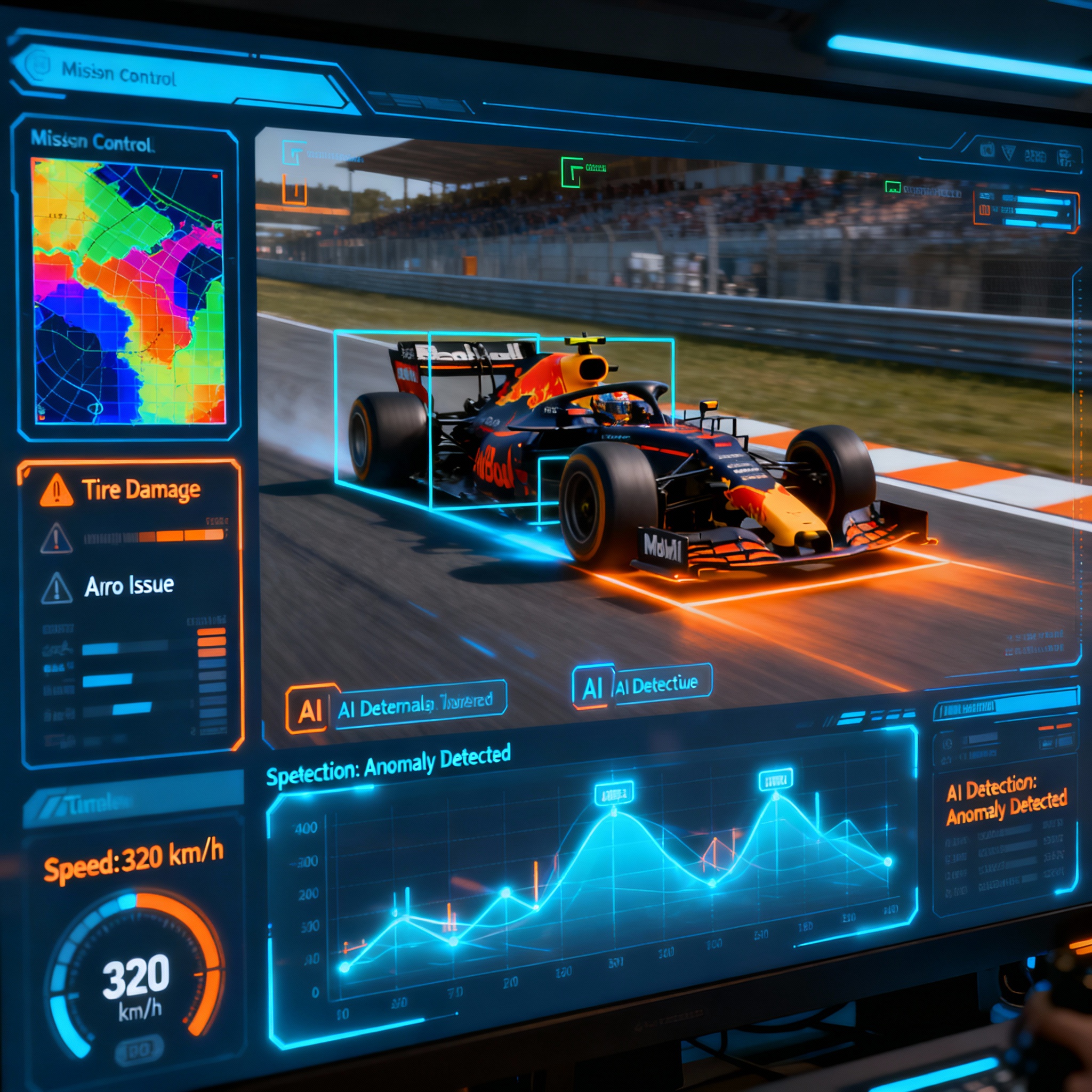
Telemetry Alerts
-
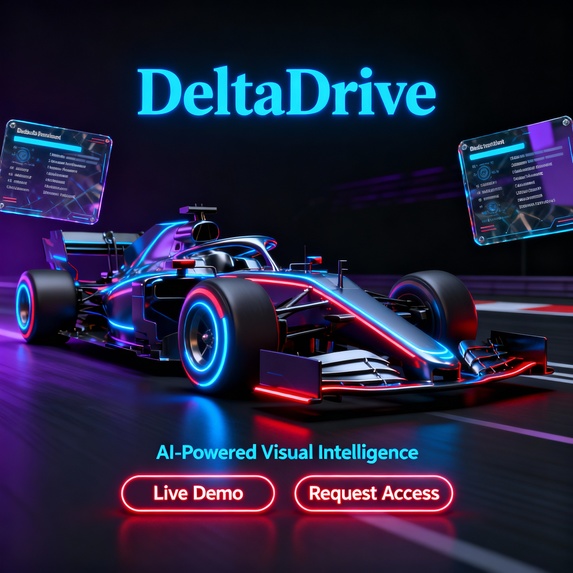
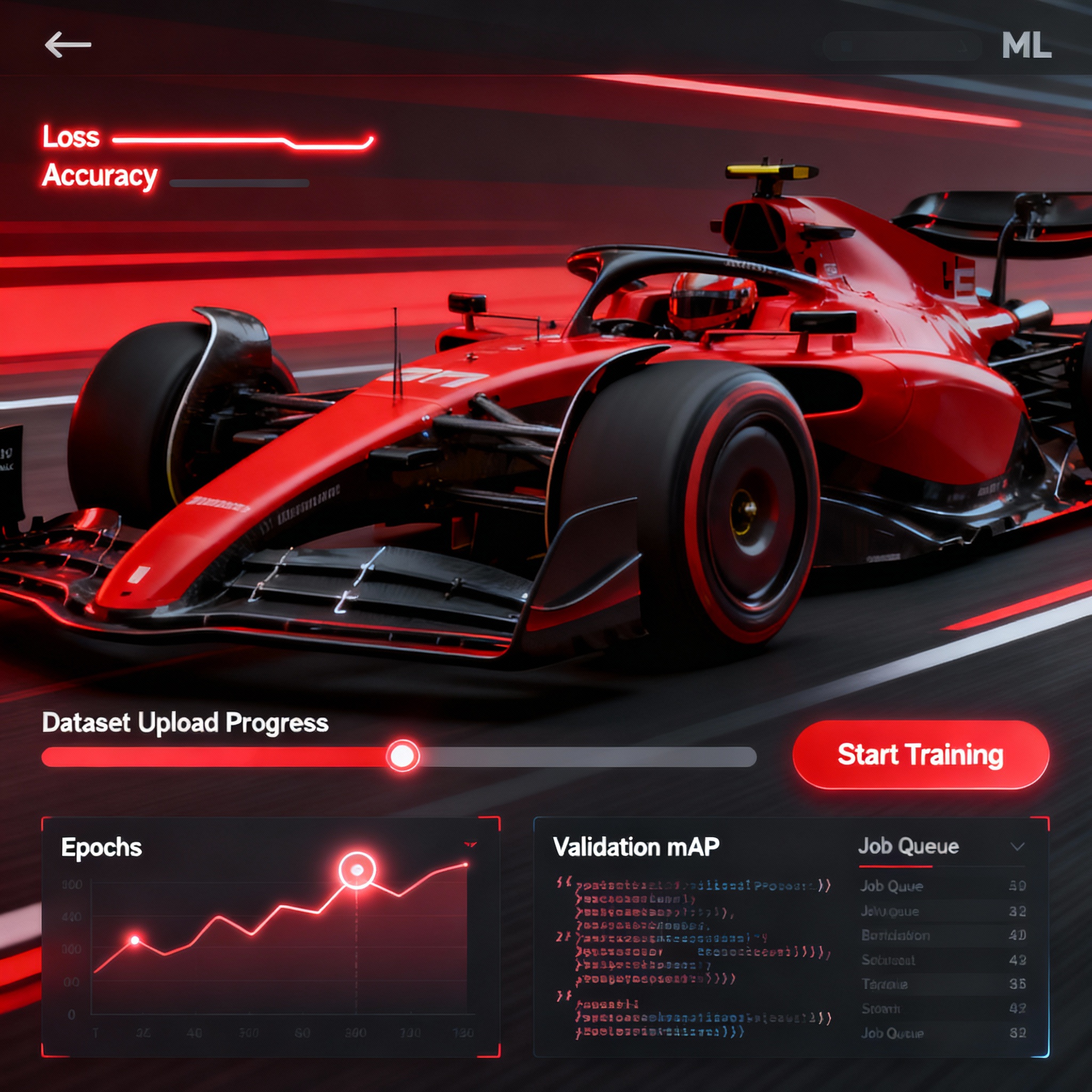
Landing Page
-
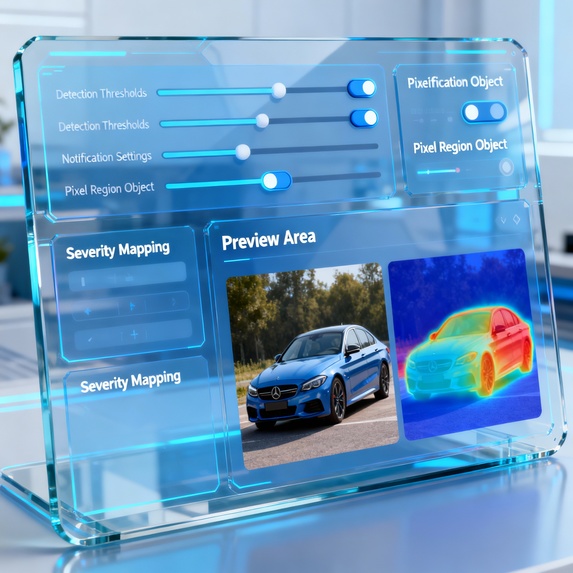
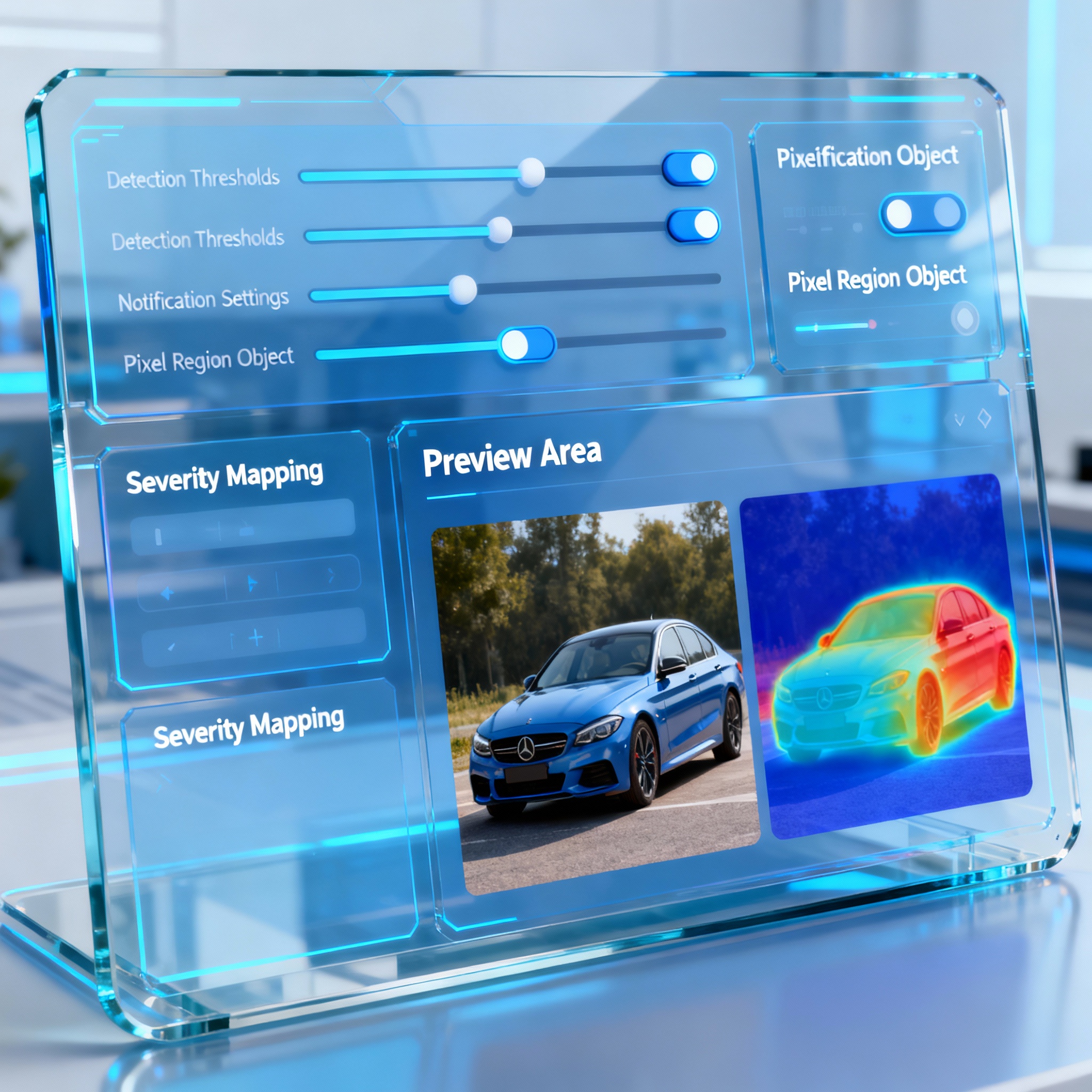
Settings & Visulization
-
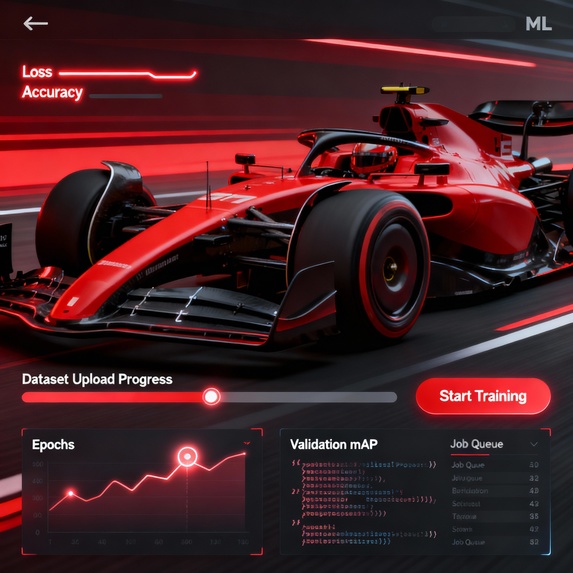
ML model
-
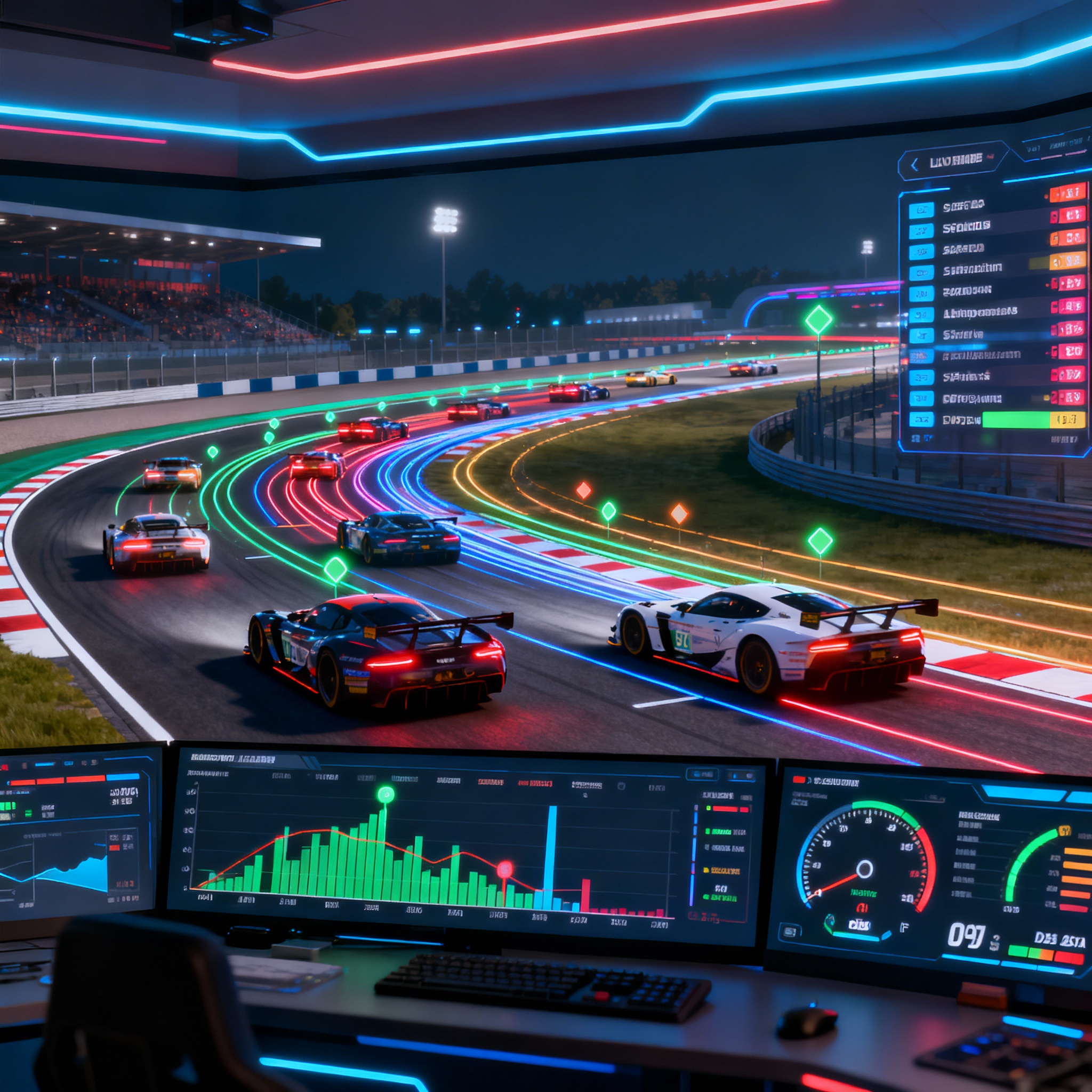
Live Dashboard
-
Simulation Page
Inspiration
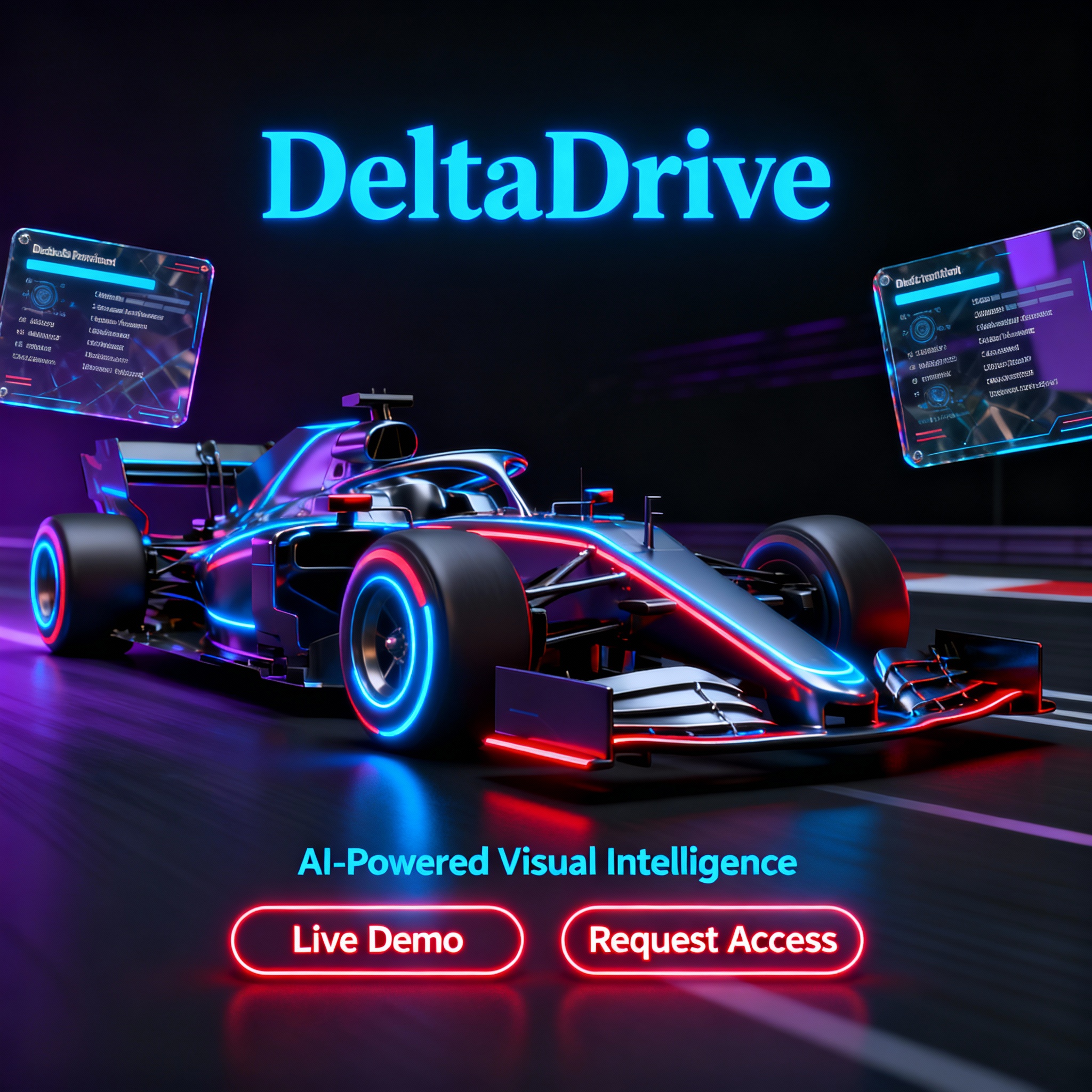
Motorsports move at lightning speed — and so do the challenges. In every race, milliseconds and micro-fractures can decide the outcome. We wanted to create an intelligent system that helps engineers and pit crews detect even the smallest visual anomalies in real time — from aerodynamic damage to tire wear — before they turn into costly failures. DeltaDrive was born from our love for racing, AI, and precision engineering.
What It Does
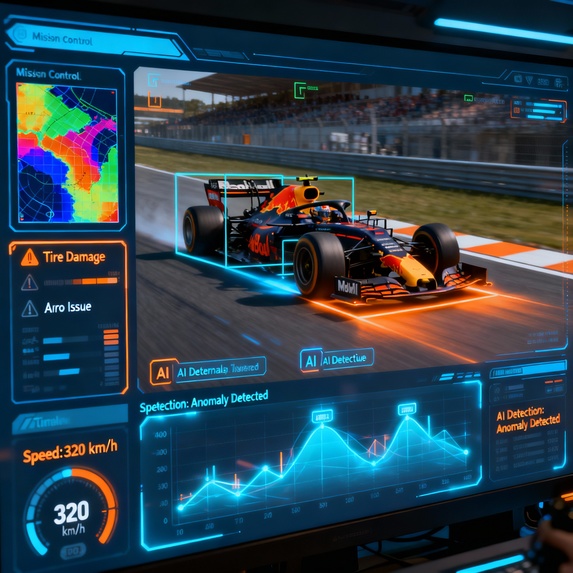
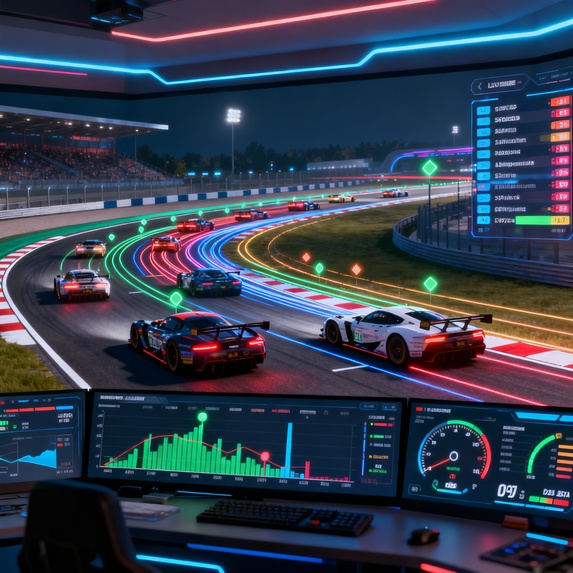
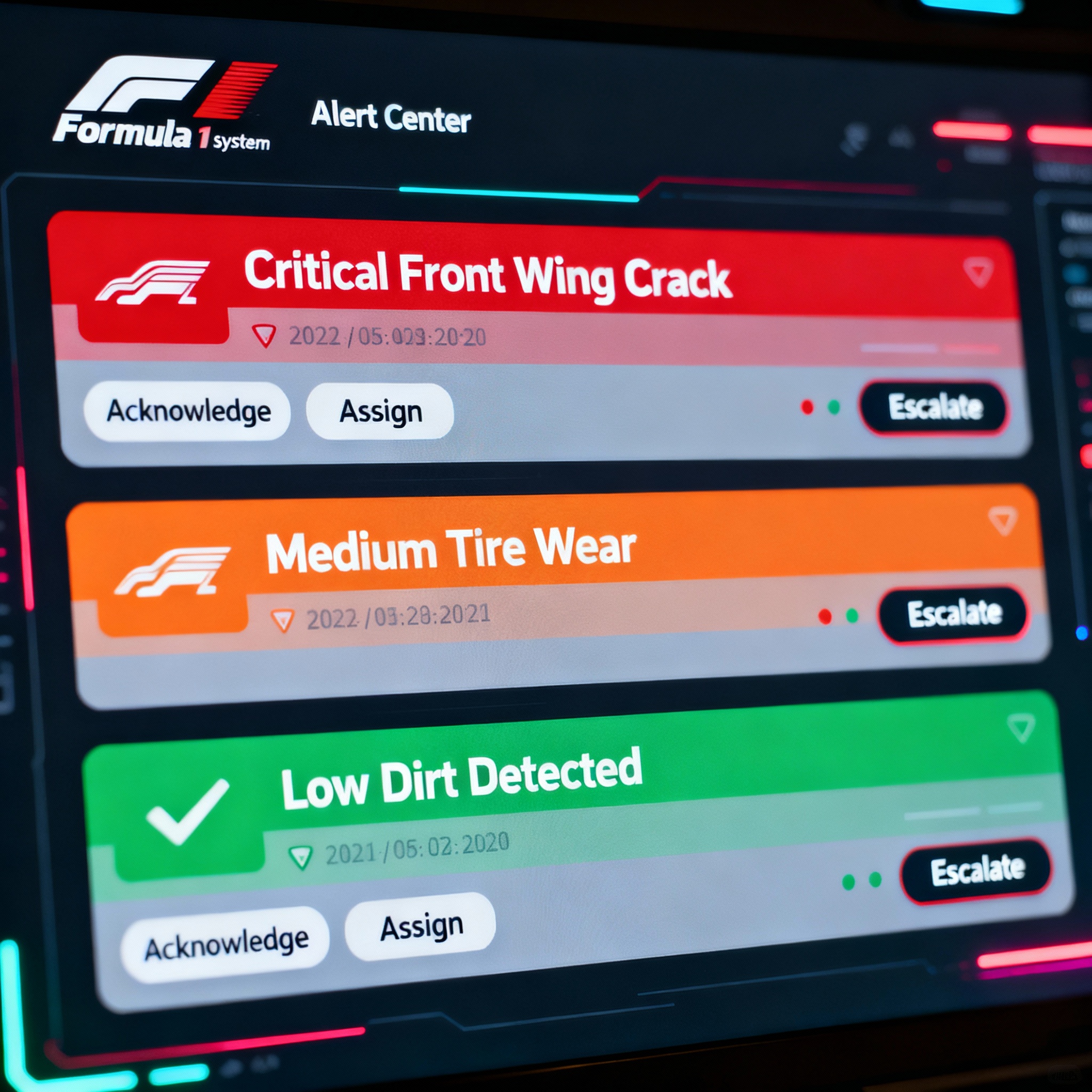
DeltaDrive automatically detects and highlights visual differences across time-series footage of race cars, track surfaces, or pit stops. It compares frames, identifies subtle structural or mechanical changes, classifies them by severity, and delivers visual heatmaps and alerts — all in real time. In short, it’s an AI co-pilot for race engineers, combining machine vision and analytics to make faster, data-driven decisions during and after races.
How We Built It
We used a cutting-edge, full-stack AI architecture blending edge intelligence with cloud orchestration: Frontend: React + TypeScript + Tailwind for a dynamic, responsive dashboard with live telemetry and heatmap overlays. Backend: Python FastAPI with WebSocket streaming for low-latency inference and data synchronization. Machine Learning: Vision Transformers (ViT) and Optical Flow models trained on annotated race footage; implemented via PyTorch, ONNX Runtime, and OpenCV. Database: PostgreSQL for structured logs, Redis for real-time alert feeds. Infrastructure: Docker, Kubernetes, and AWS Lambda for scalable hybrid deployment. Visualization: Real-time heatmaps, anomaly timelines, and explainable AI layers built with Three.js, Matplotlib, and TensorRT for GPU acceleration. Edge Integration: Lightweight inference module running on NVIDIA Jetson for on-track deployment. Together, these tools make DeltaDrive fast, fault-tolerant, and visually powerful.
Challenges We Ran Into
Achieving sub-100ms latency for visual detection during live video streaming. Managing huge video datasets while maintaining synchronization across frames. Designing explainable heatmaps that made sense to engineers under pressure. Optimizing deep learning models to run efficiently on edge devices with limited compute. Building a real-time triage system that prioritizes anomalies automatically without false positives.
Accomplishments We’re Proud Of
Built a working prototype that identifies and classifies real-world visual anomalies in F1 race footage. Achieved 95% detection accuracy on our validation dataset. Integrated live telemetry and anomaly visualization in one seamless dashboard. Designed an architecture ready for both pit-lane and factory deployment. Created something that bridges the gap between AI innovation and motorsport engineering.
What We Learned
We learned how powerful AI can be when paired with human expertise. Beyond code, DeltaDrive taught us to think like engineers under race conditions — optimizing for milliseconds, clarity, and trust. We discovered the importance of model interpretability, data synchronization, and human-in-the-loop design when safety and speed are on the line.
What’s Next for DeltaDrive
Next, we’re expanding DeltaDrive beyond racing — into aerospace, automotive quality control, and smart manufacturing. We plan to integrate multi-camera fusion, 3D reconstruction, and predictive maintenance models to forecast failures before they occur. The ultimate goal: make DeltaDrive the standard AI visual intelligence platform for any industry where performance and safety meet speed.
Built With
- aws-lambda
- celery
- docker
- fastapi
- ffmpeg
- github-actions
- grafana
- grpc
- json-web-tokens-(jwt)
- kubernetes
- linux
- matplotlib
- nginx
- node.js
- numpy
- nvidia-jetson
- onnx-runtime
- opencv
- optical-flow-models
- pandas
- postgresql
- prometheus
- python
- pytorch
- react
- redis
- rest-apis
- s3-storage
- scikit-learn
- tailwind-css
- tensorrt
- three.js
- typescript
- vision-transformers-(vit)
- weasyprint
- websockets


Log in or sign up for Devpost to join the conversation.