-
-

Logo
-
-
-
-
-
-
-
-
-
-
-

Inspiration
Every study app summarises. You read the summary, feel like you studied, and learn nothing — because recognising a phrase is not the same as being able to use it.
The question that actually stalls people is narrower: "what is this even for?" You can recite the quadratic formula and still have no idea why anyone would want a discriminant.
So Delphious was built around a different output. Not a summary of your lesson, but a game you have to play correctly, and a working tool you can put your own numbers into.
What it does
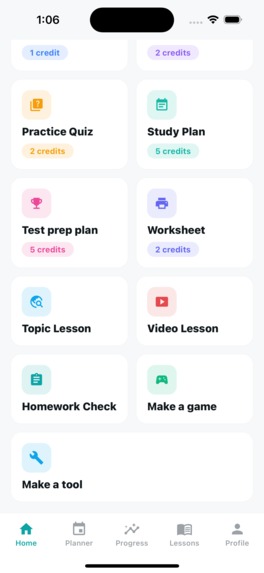
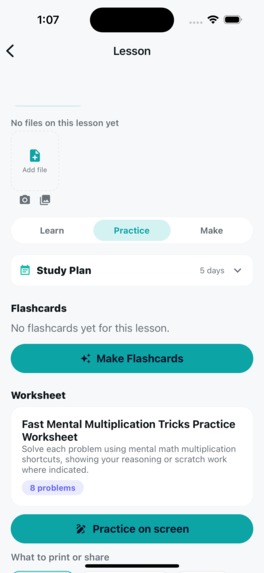
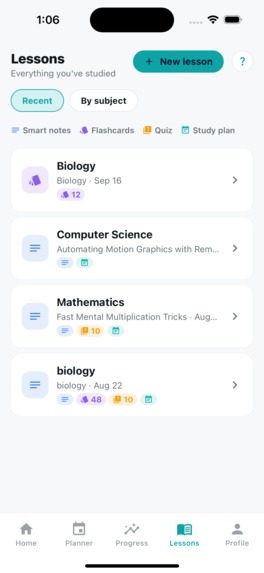
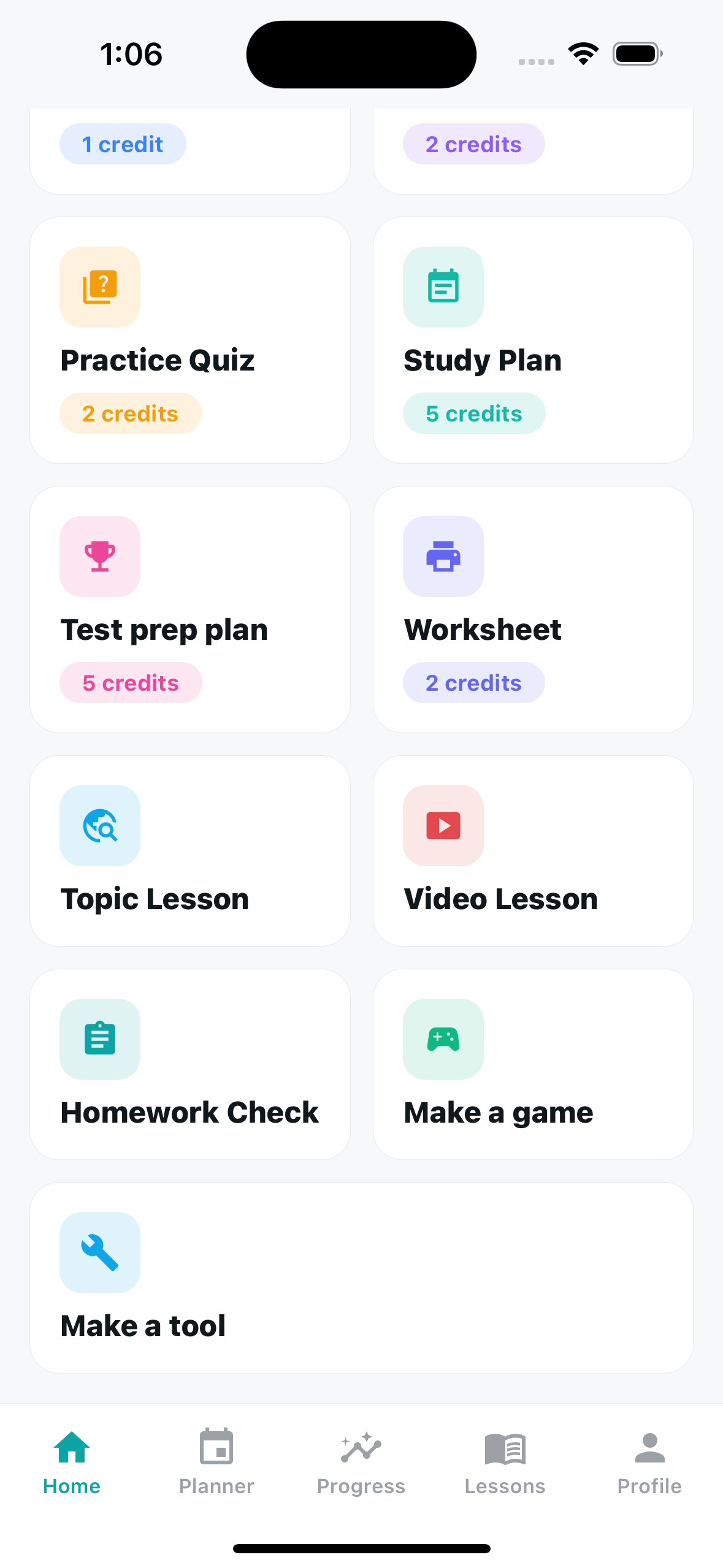
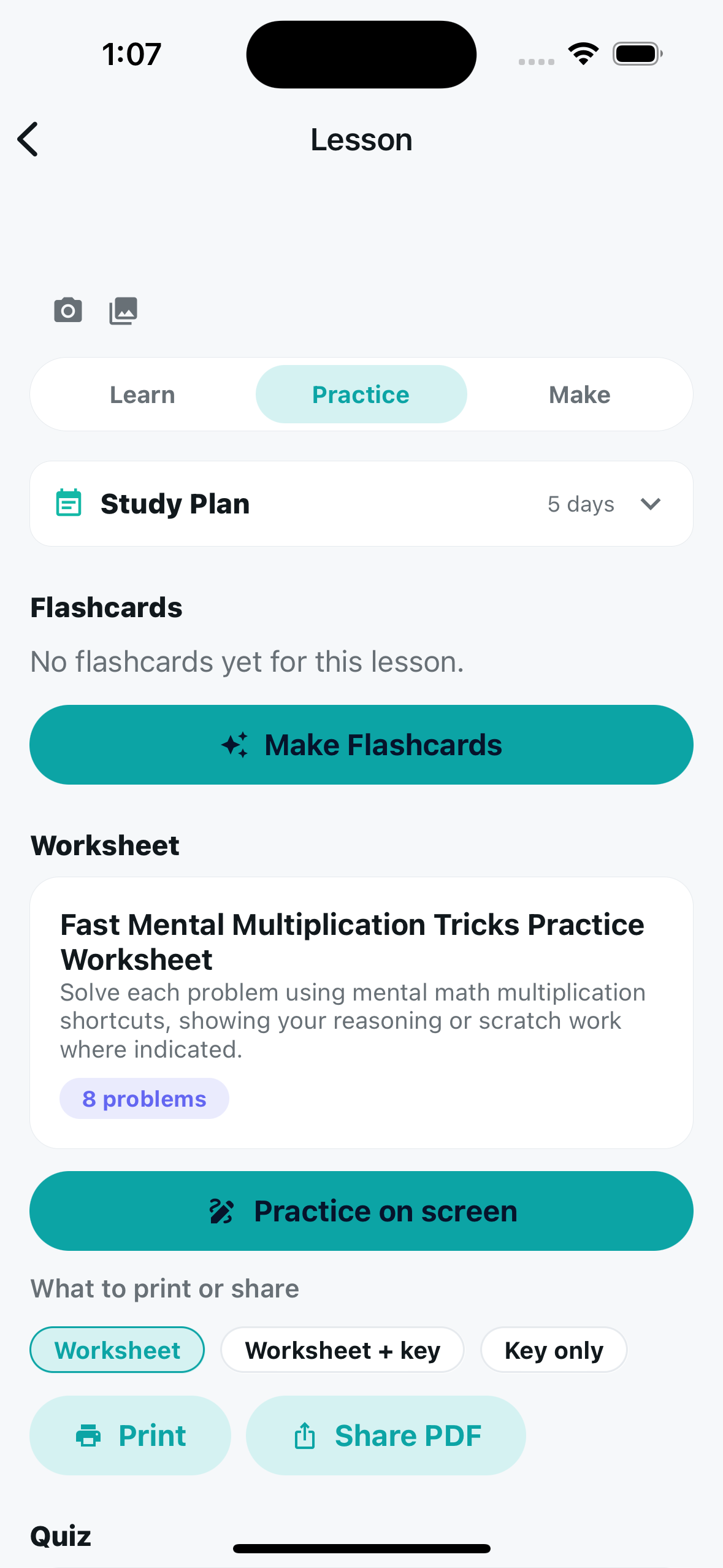
Bring whatever you already have — typed notes, a photo of your homework, a PDF, a lecture video, a YouTube link, or just a topic — and Delphious turns it into practice that asks something of you:
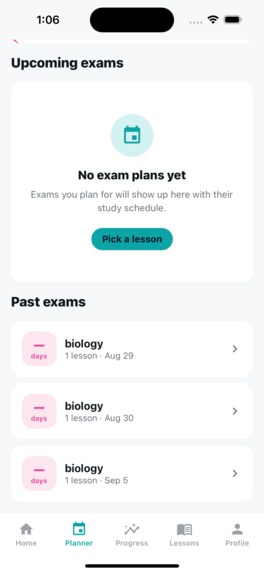
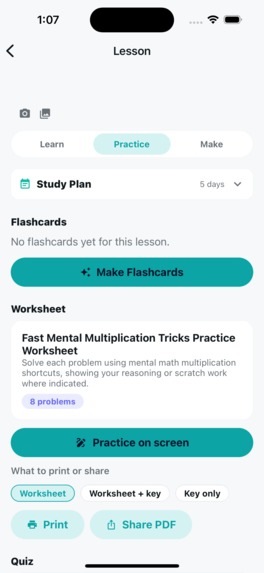
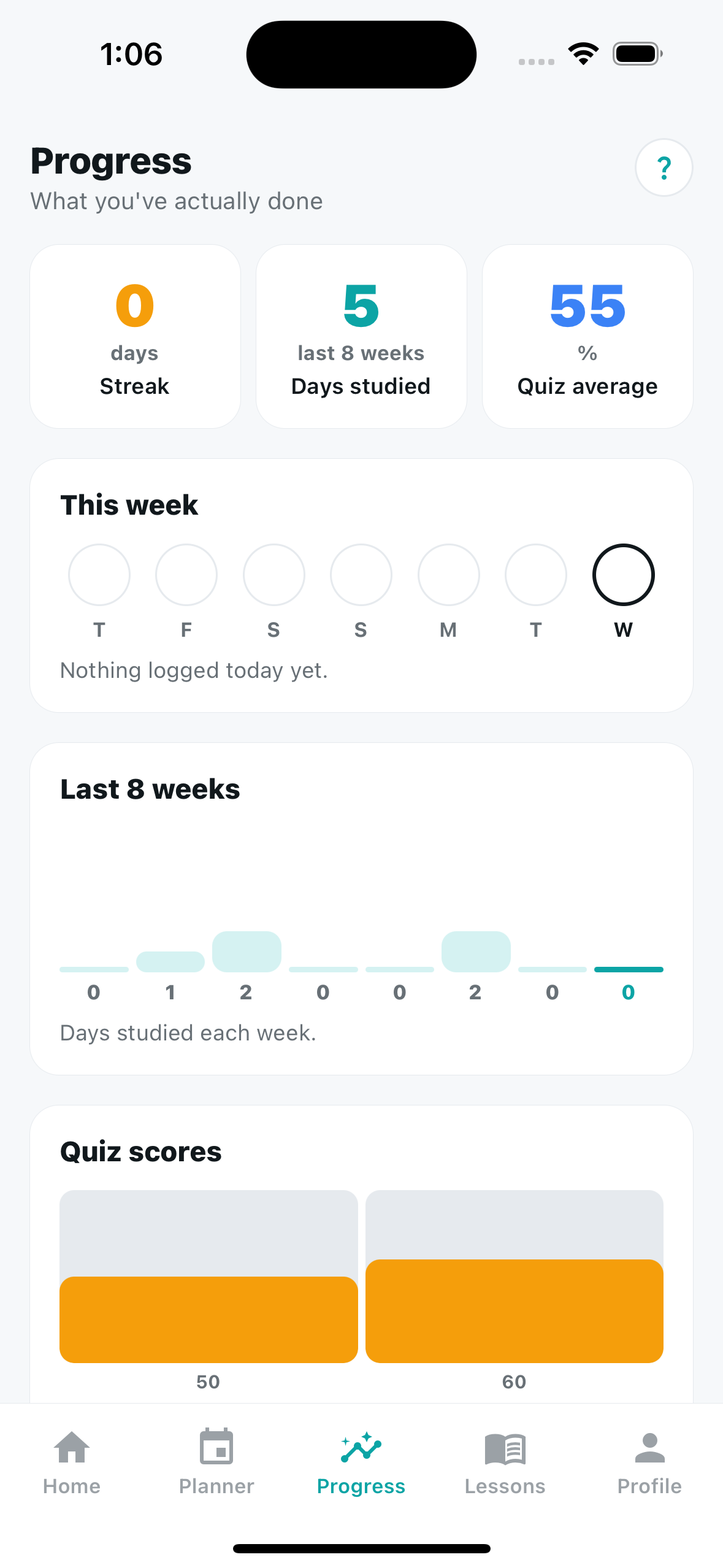
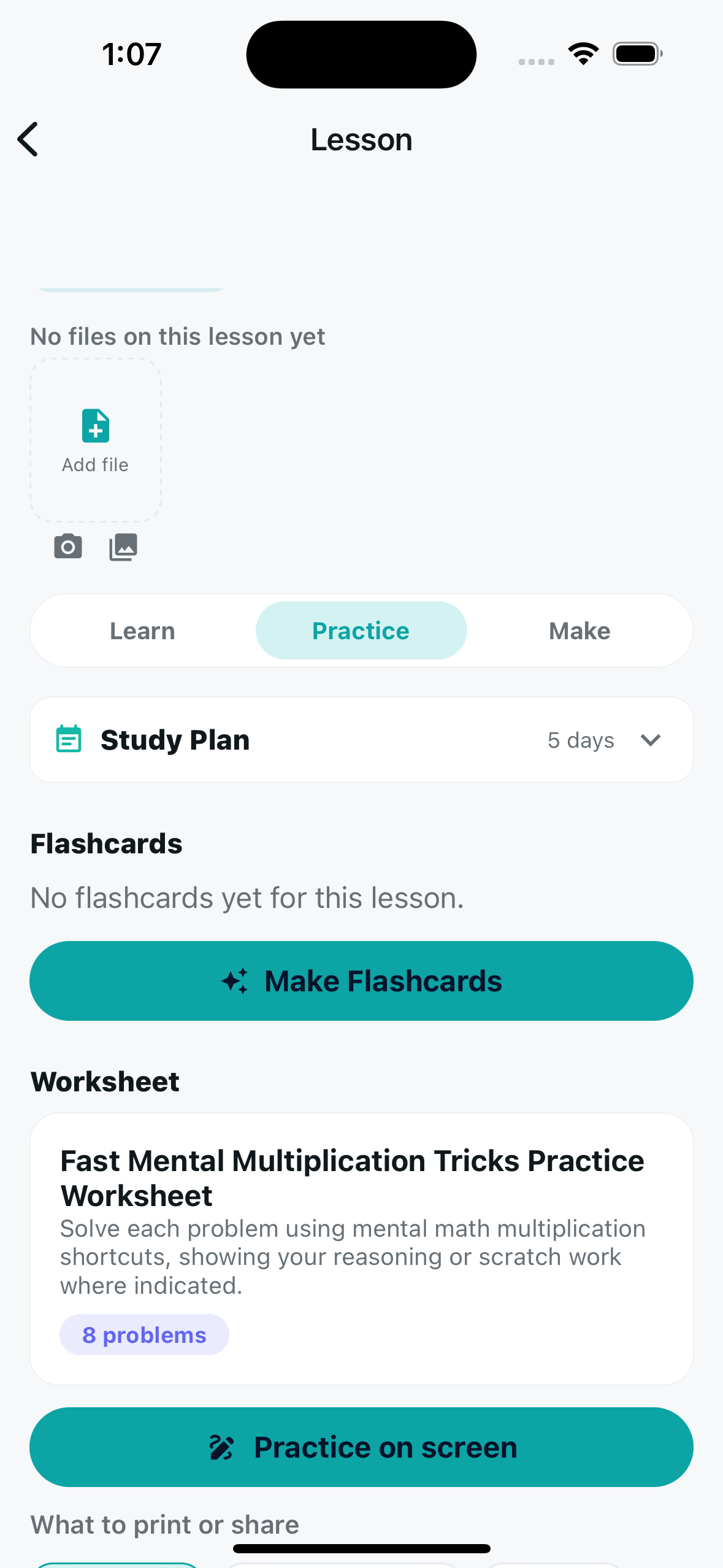
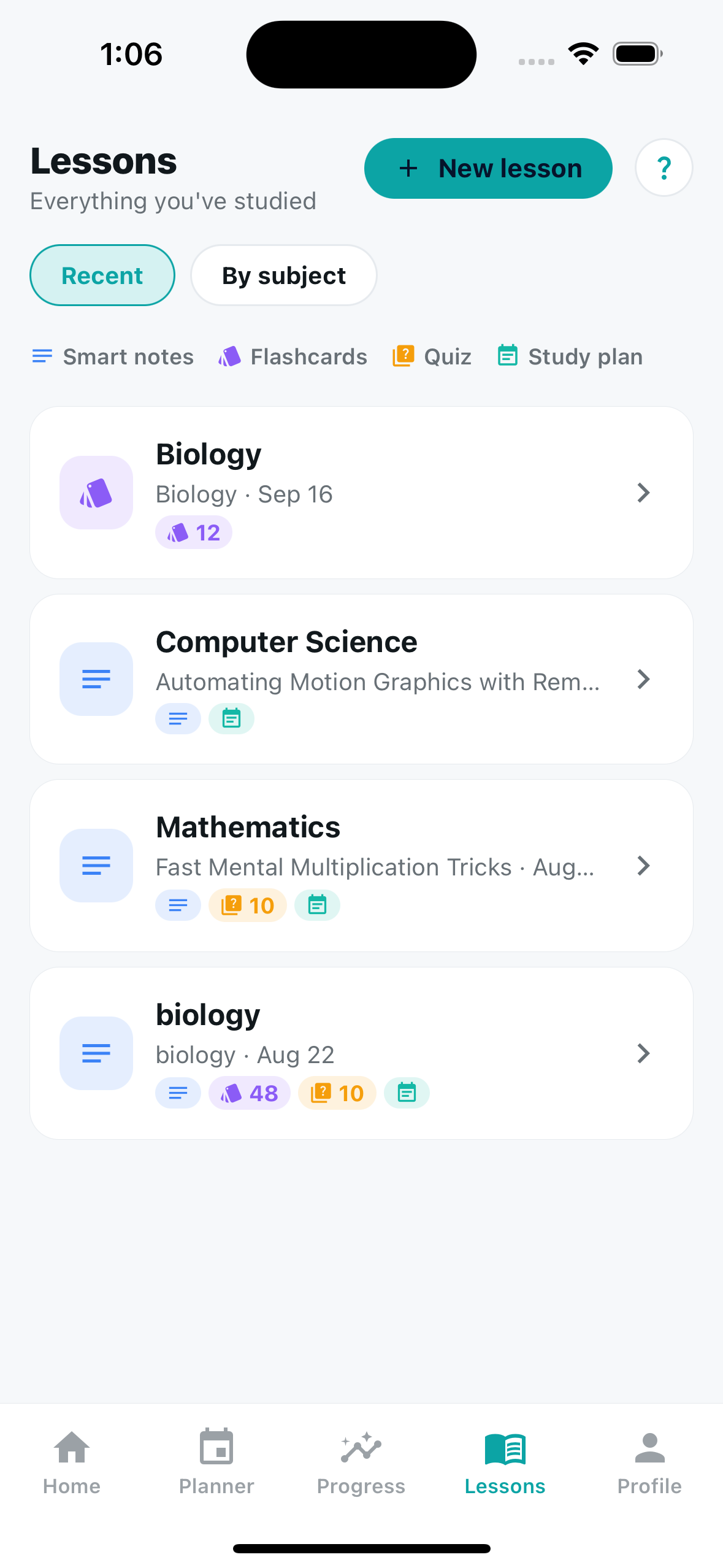
- Smart notes, quizzes, flashcards and printable worksheets, with spaced repetition so the cards you find hard come back sooner
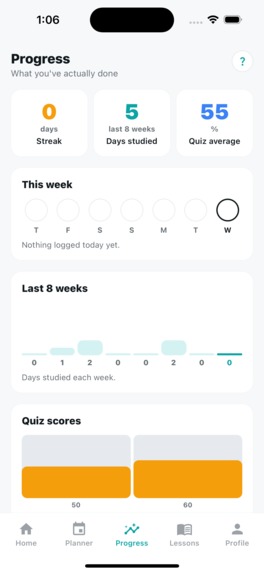
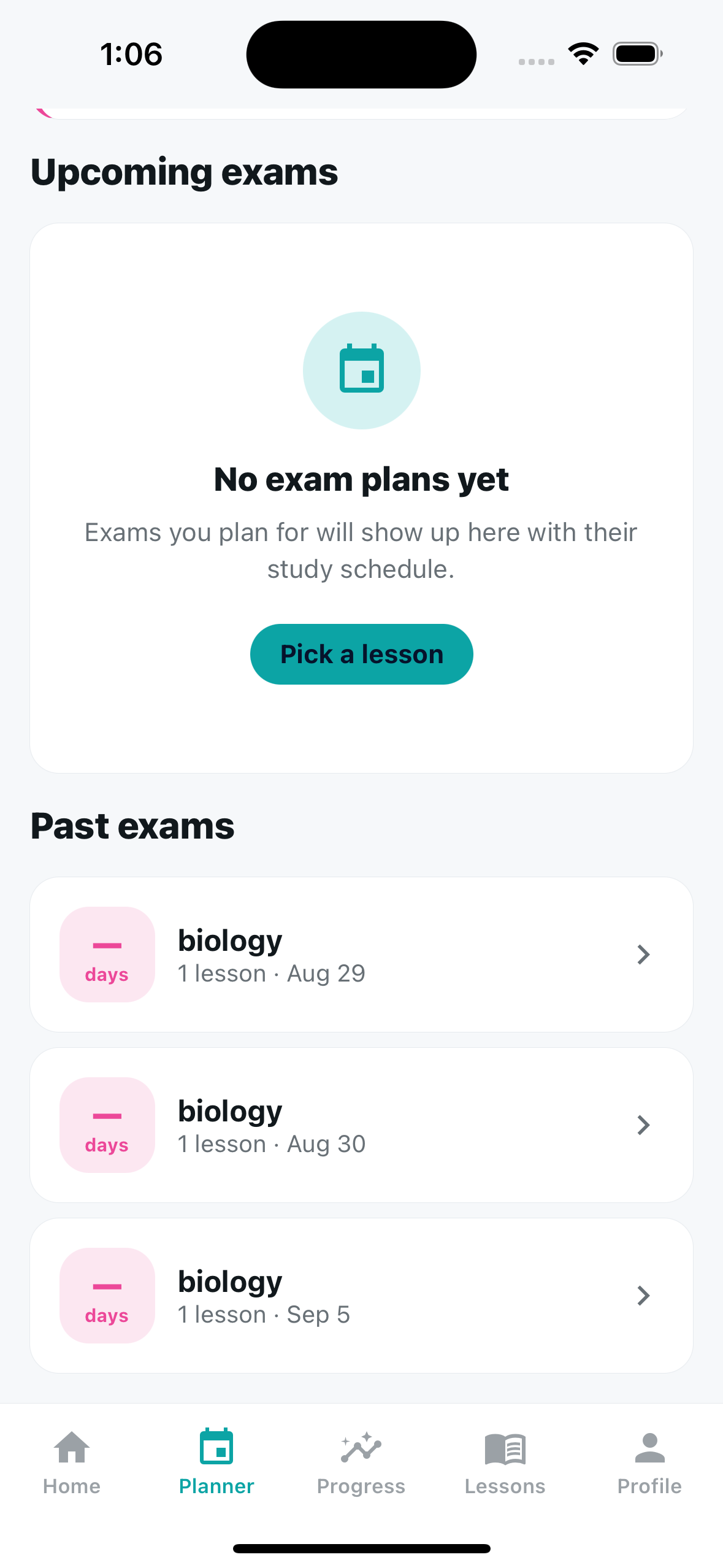
- Study plans and exam plans built from your own quiz history, so the questions you keep getting wrong come first instead of being averaged away
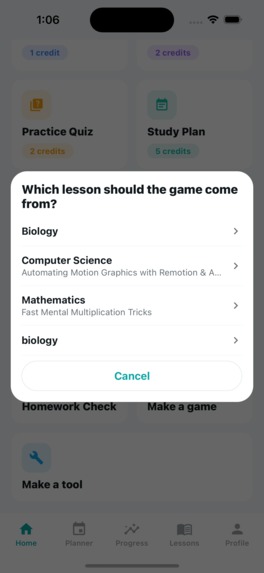
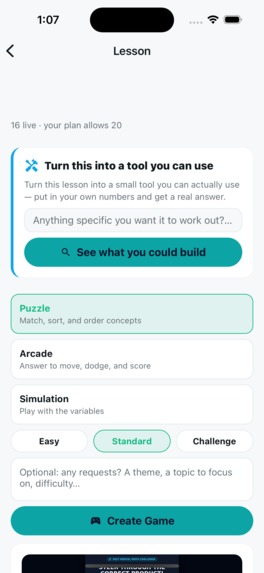
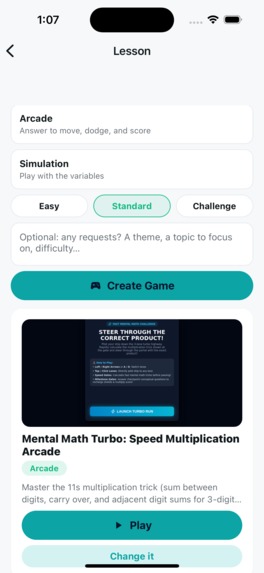
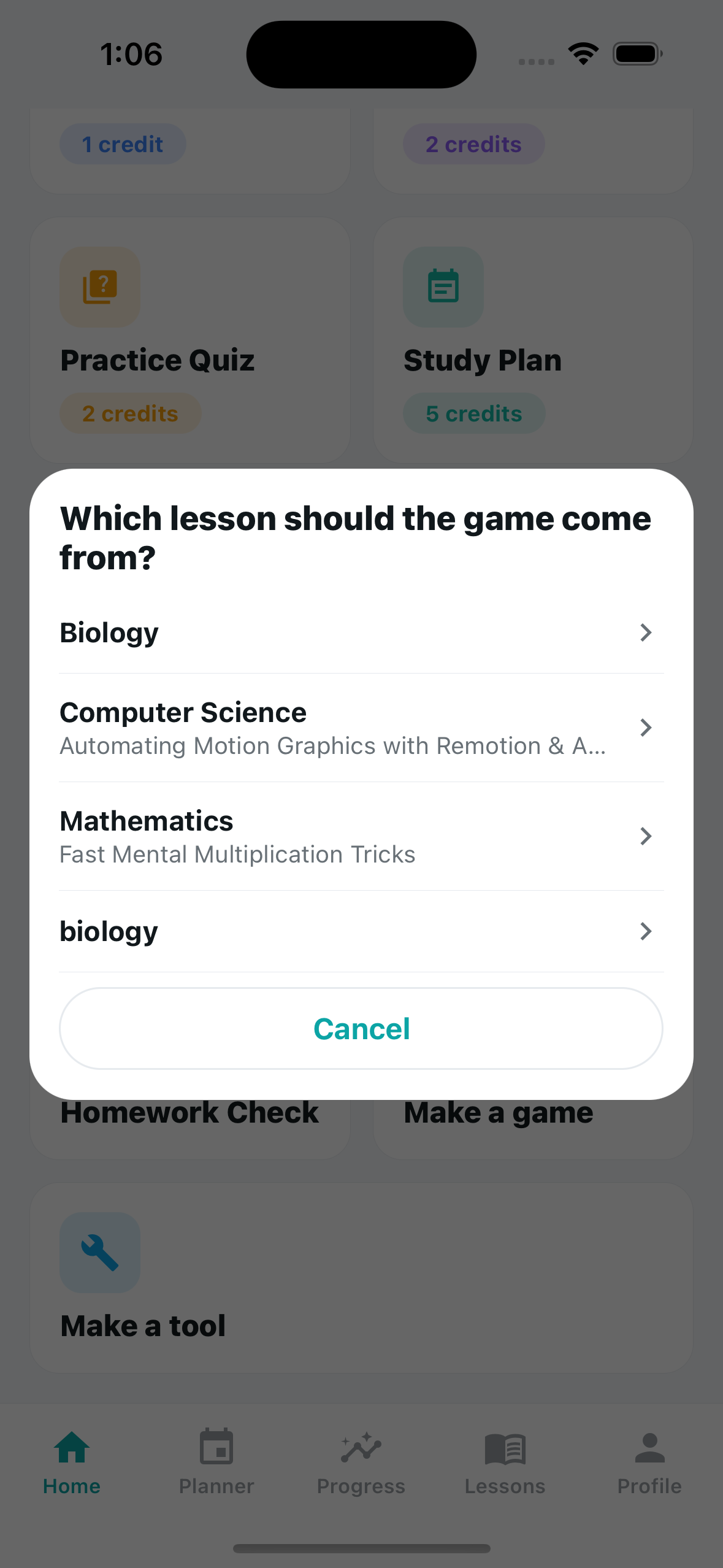
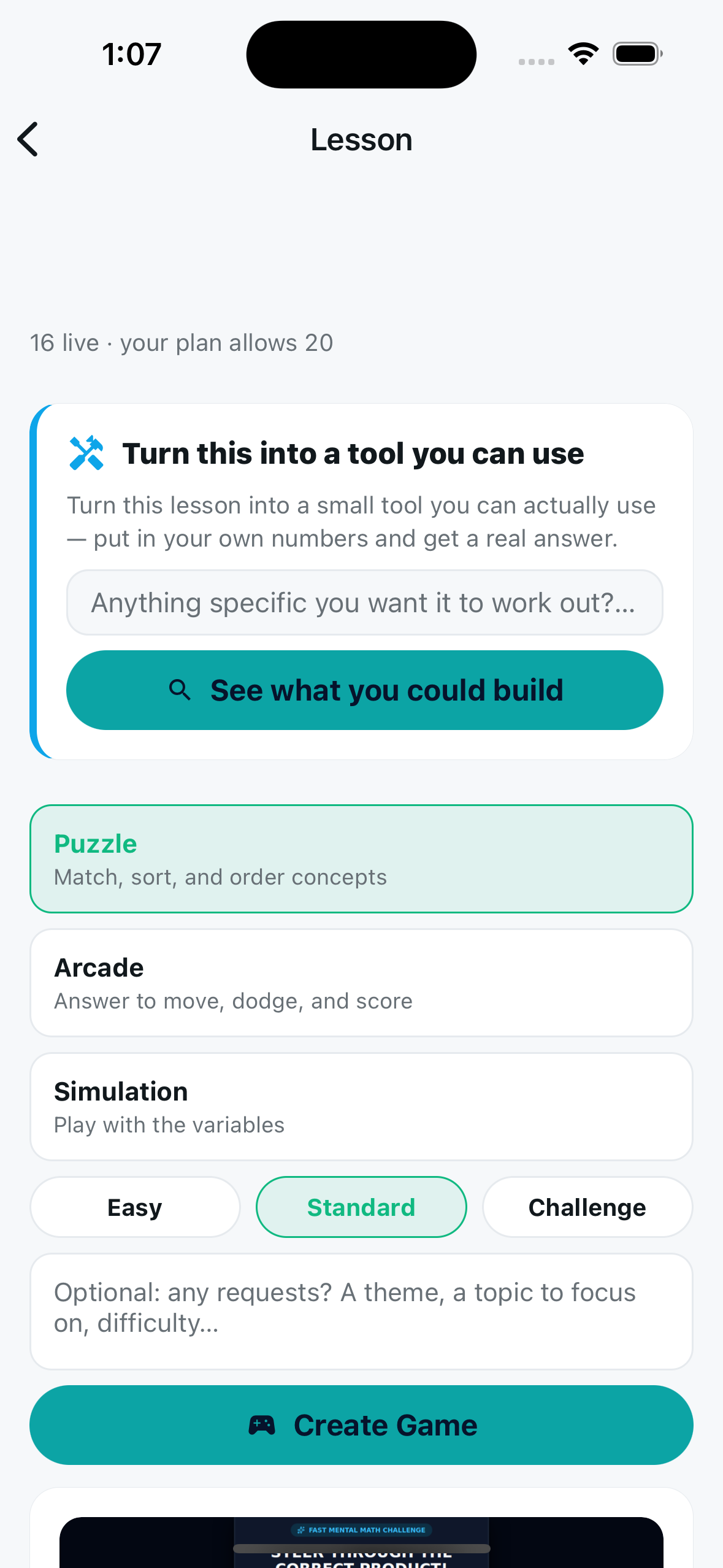
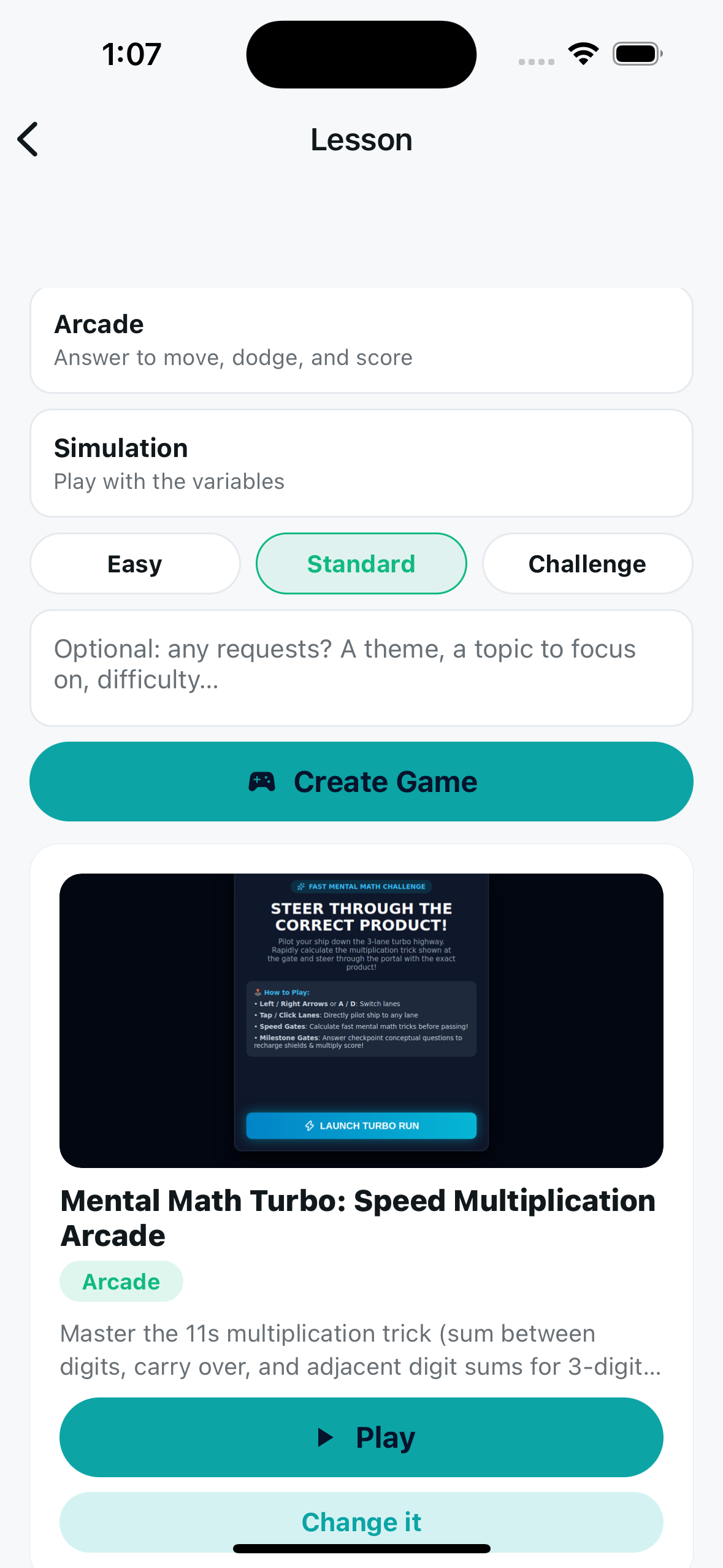
- A playable mini-game where the mechanic is the lesson. Not "match the term to its definition" — for a lesson on cellular respiration it built Respiration Run, where you collect the molecules that belong to the current stage and dodge the ones that don't. You cannot get through it without knowing which is which
- A real tool for your own numbers — the thing that answers "what is this for?" — showing its method and its limits alongside the answer
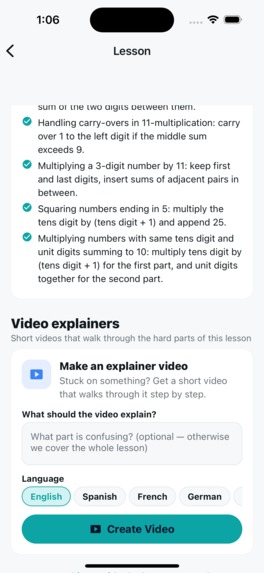
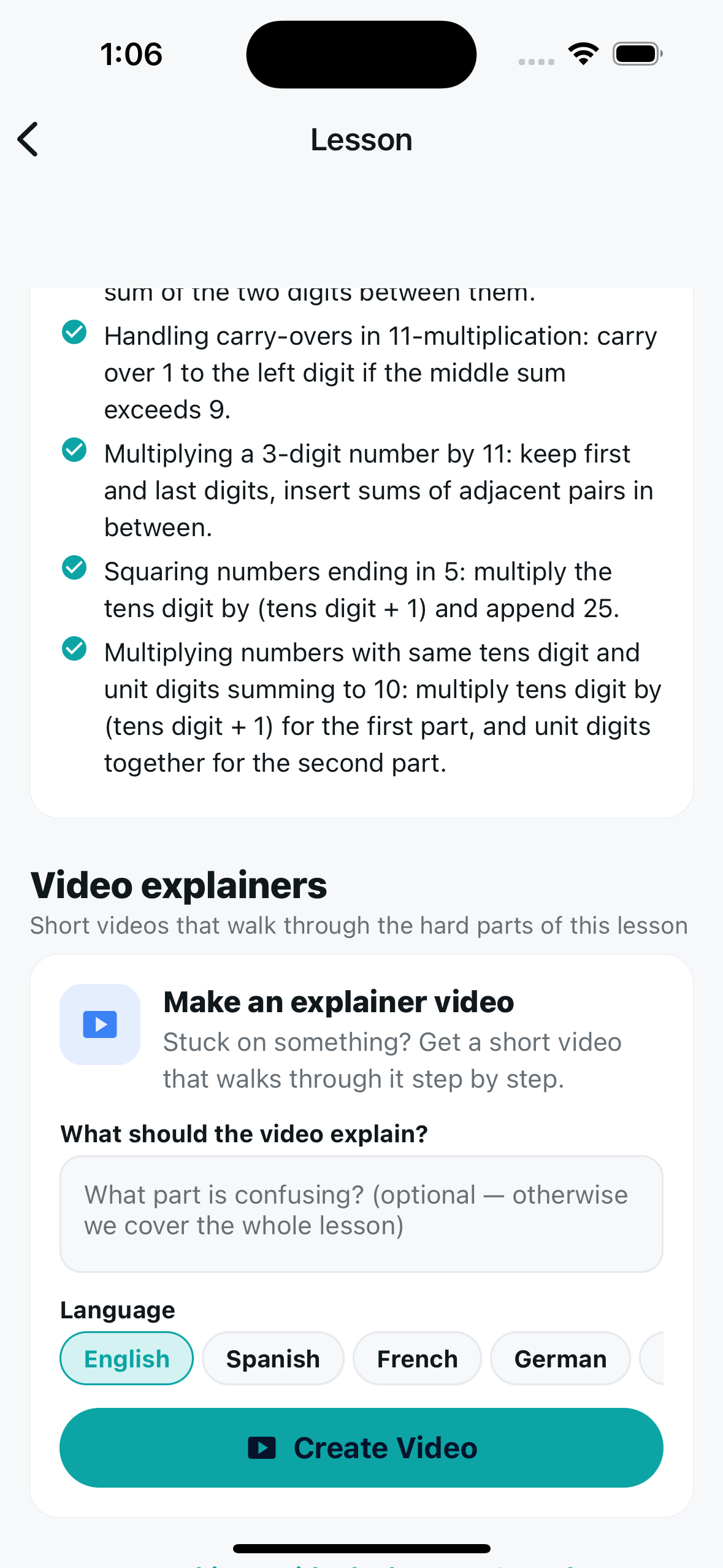
- A short explainer video for the part you're stuck on
How we built it
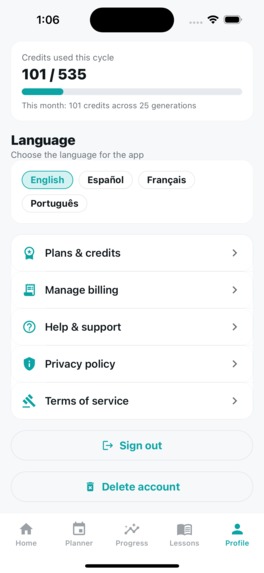
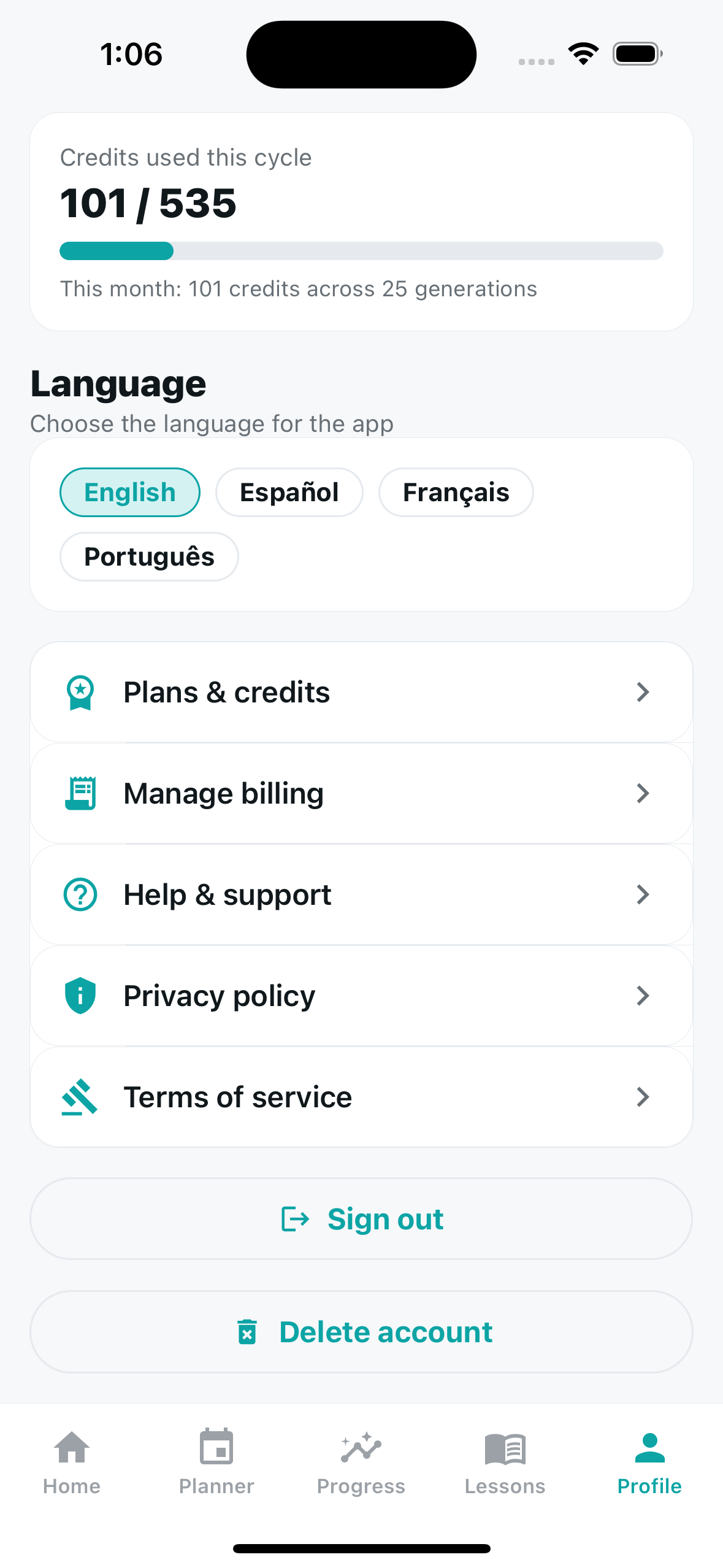
The app is React Native, and ships in English, Spanish, French and Portuguese from day one.
Everything you can generate is made on our own infrastructure rather than on your phone, which is what makes it possible to build a real playable game or a working calculator rather than a description of one. Text generation runs on Gemini; the games and tools are built by a coding agent that writes and compiles an actual small web app, then publishes it. Videos are assembled from a structured script, so the model writes the words and a fixed template handles the visuals.
The part we care about most is being right. A confidently wrong calculator is the worst thing an education app can ship, and the obvious safeguard doesn't work: if the same model writes both the formula and the answers to check it against, a wrong method produces matching wrong tests and everything passes.
So a second, independent pass is given the method and the test inputs — never the expected answers — and has to work them out for itself. Anything where the two disagree is thrown away before it is ever built. What survives then has to actually run and produce the right numbers before anyone sees it. Nothing ships on trust.
Challenges we ran into
Making generation affordable. Building a game is minutes of real compute, and for a while those jobs competed for capacity with our own release builds — so a heavy week could starve the thing people were paying for. Moving generation onto dedicated hardware fixed it, and let us price each job from what it genuinely cost rather than a guess.
Checks that can't fail aren't checks. Every generated game is screenshotted at phone size and flagged if it looks blank. Now it has to produce the picture before it can pass.
Getting onto the App Store. The last stretch was all pipeline: a new build system. None of it was the app itself, and all of it had to be right before anyone could try it.
Accomplishments that we're proud of
- Practice you cannot complete without actually understanding the material
- A tool pipeline that refuses to ship maths it cannot independently verify — checked twice, by two methods, before you ever see it
- Pricing metered from what each request really costs, so it stays honest in both directions
- Four languages from the first release, not as a later addition
- Error reporting that carries no personal data and no lesson content by design
What we learned
Summarising feels like studying and isn't. Our first instinct was better notes. But someone who has read a good summary and someone who understands the material look identical right up until the test. The product only got good when we insisted the output be something you have to do.
Models reach for whatever shape fits every lesson. Ask for a practice game and you reliably get "match the term to its definition" — because it works for chemistry, history and French alike. That generality is exactly why it teaches nothing. We had to forbid it outright.
One confidently wrong answer costs more than ten missing features. A calculator that quietly gives the wrong number does more damage than no calculator, because you have no way to know. That single risk shaped more of this build than any feature request.
Nobody waits patiently for a spinner. Building a game or a video is minutes of genuine work, and a blank loading screen makes that read as broken rather than busy.
Testing on your own phone isn't testing. The app ran beautifully on exactly one device for weeks, which turned out to say very little about anyone else's.
What's next for Delphious
- Android — the groundwork is already done
- Showing the work while it happens, instead of a spinner, so a few minutes of real building feels like progress rather than a long wait
- Tools built from a specific piece of homework, not just a lesson
- Understanding how people actually use it, measured in our own database rather than handed to anyone else
Built With
- expo.io
- revenuecat

Log in or sign up for Devpost to join the conversation.