-
-
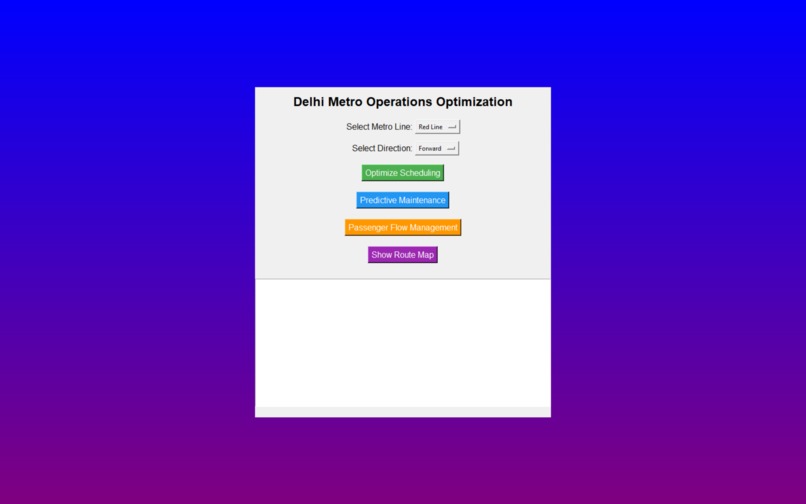
User Interface
-
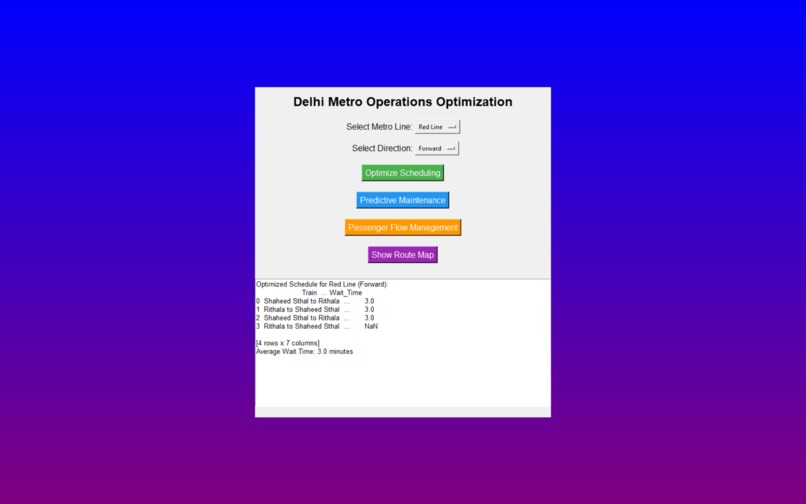
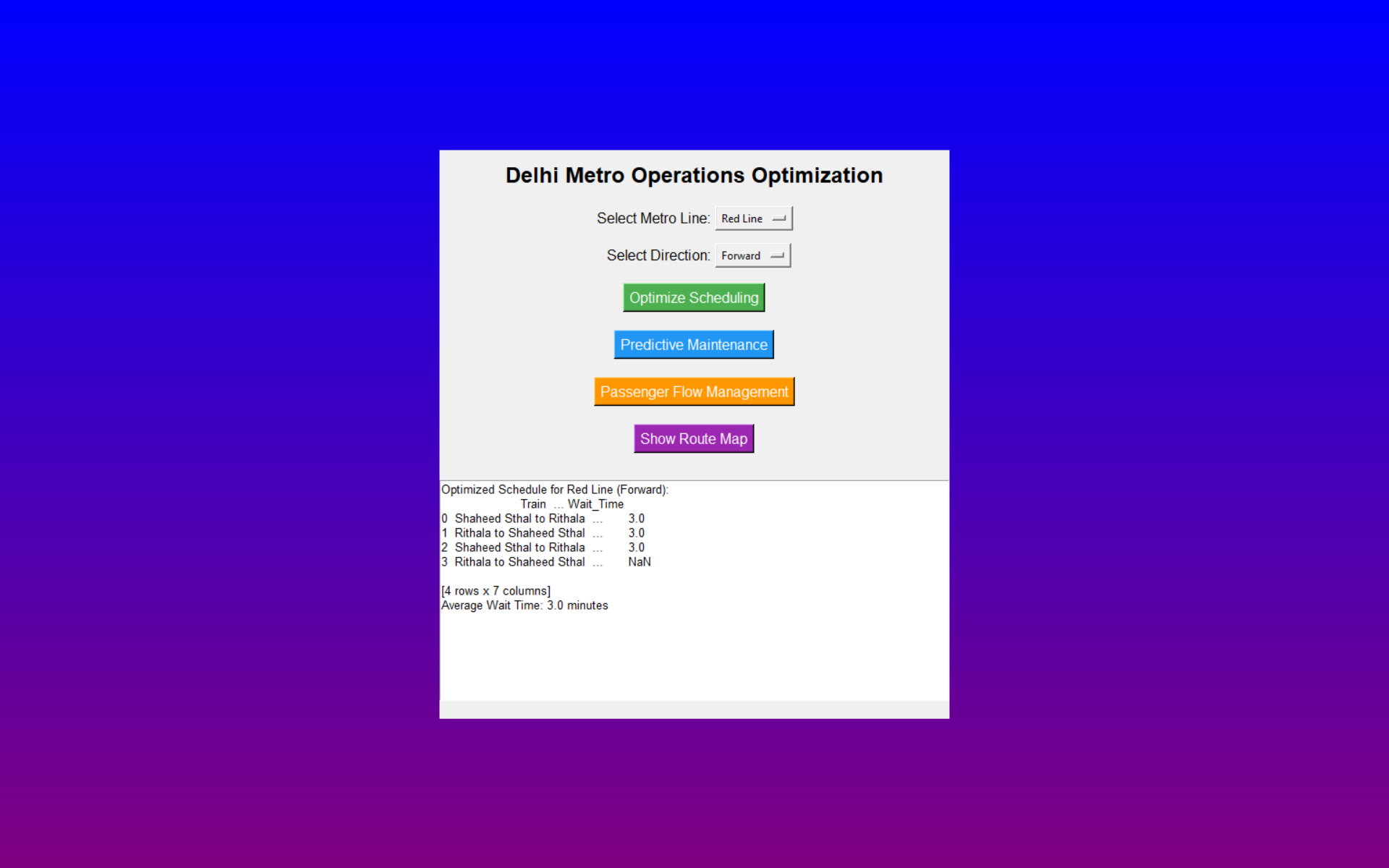
Optimized wait time
-
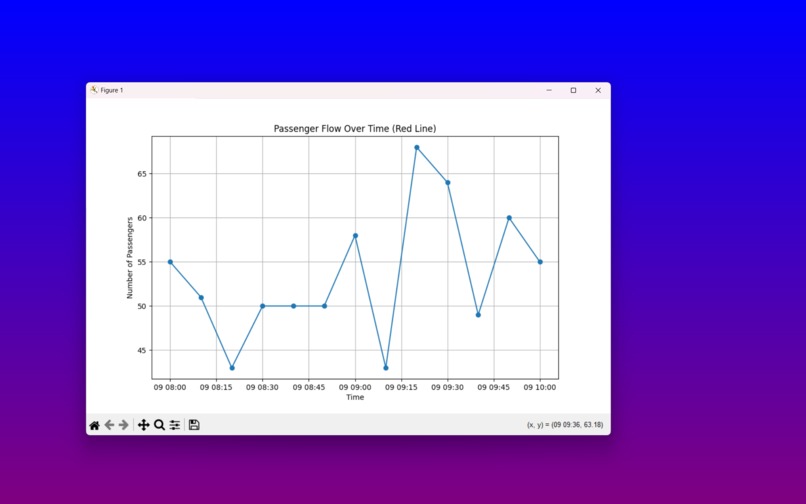
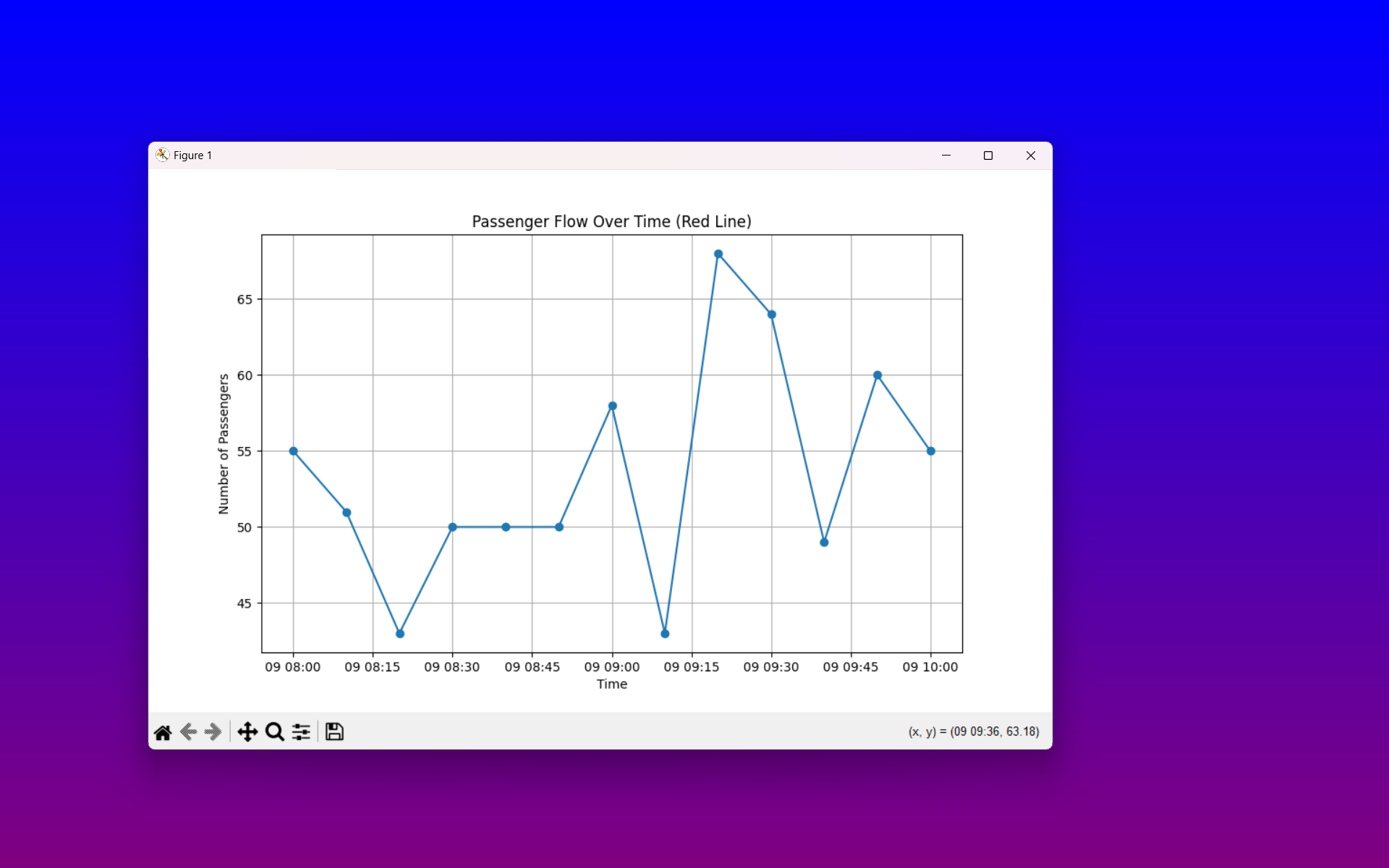
Passenger flow
-
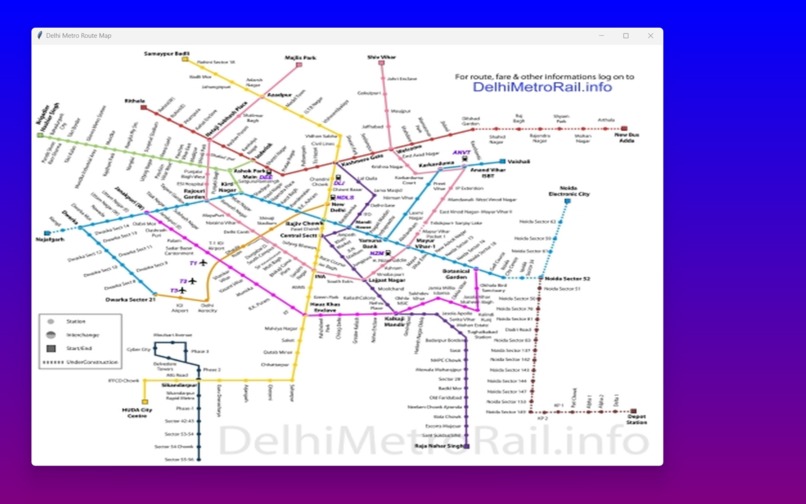
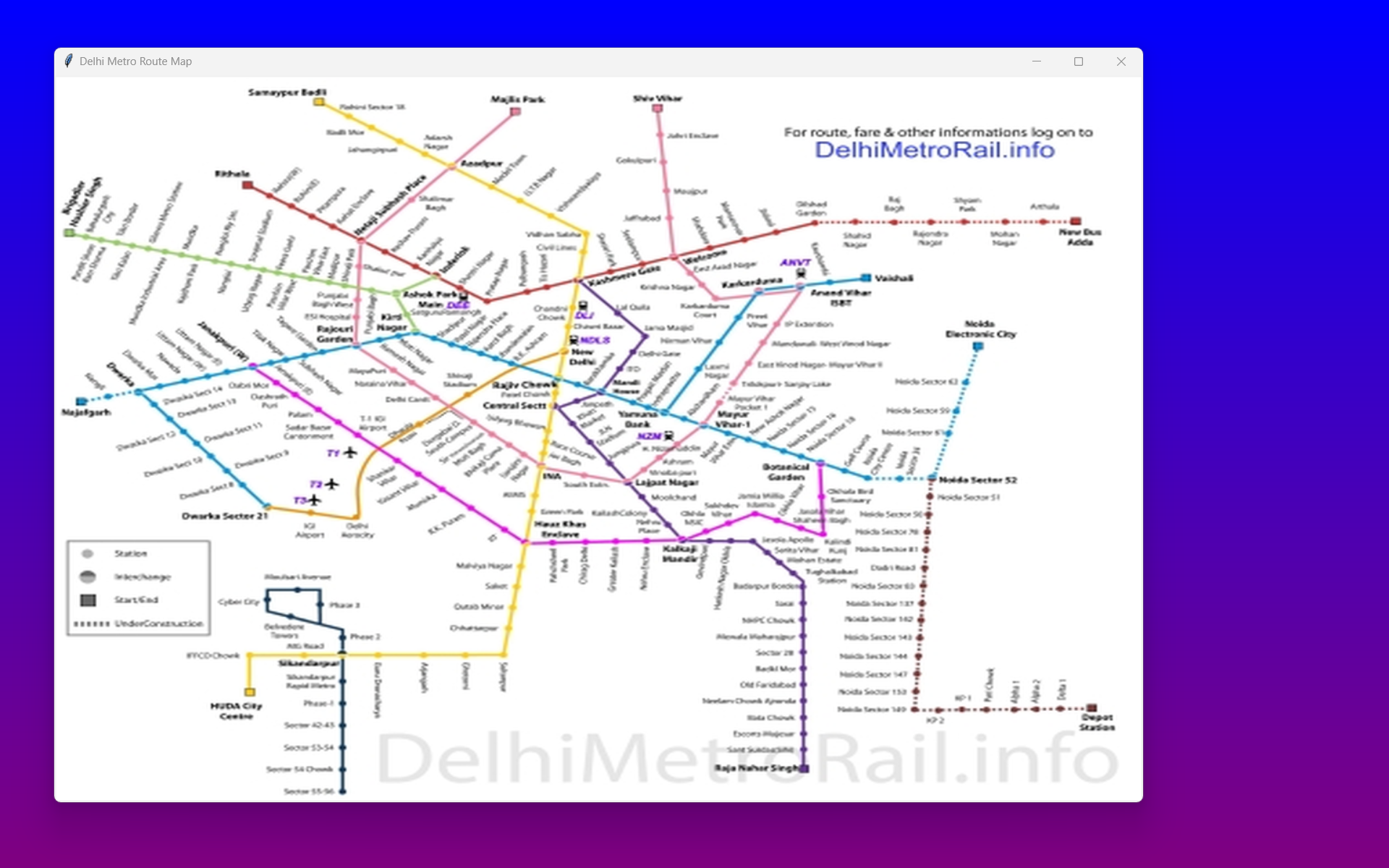
Route Map
-
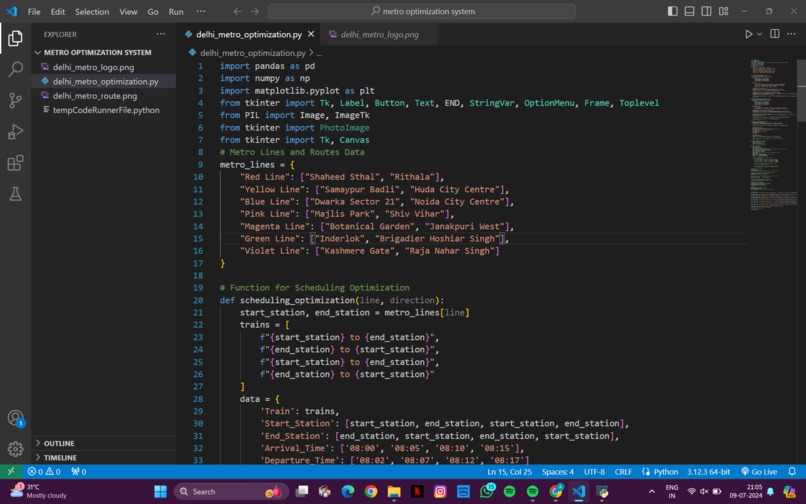
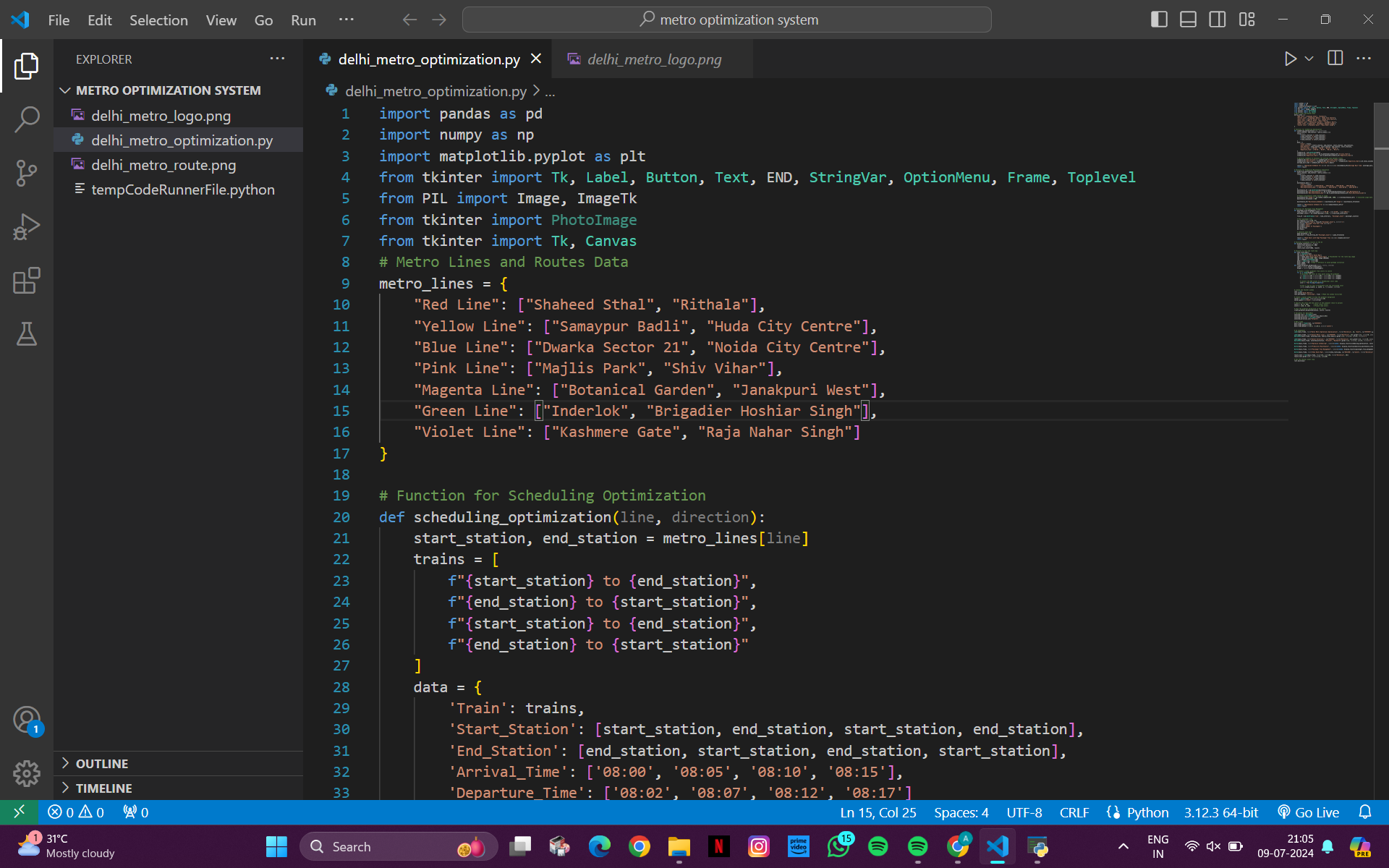
Code screenshot
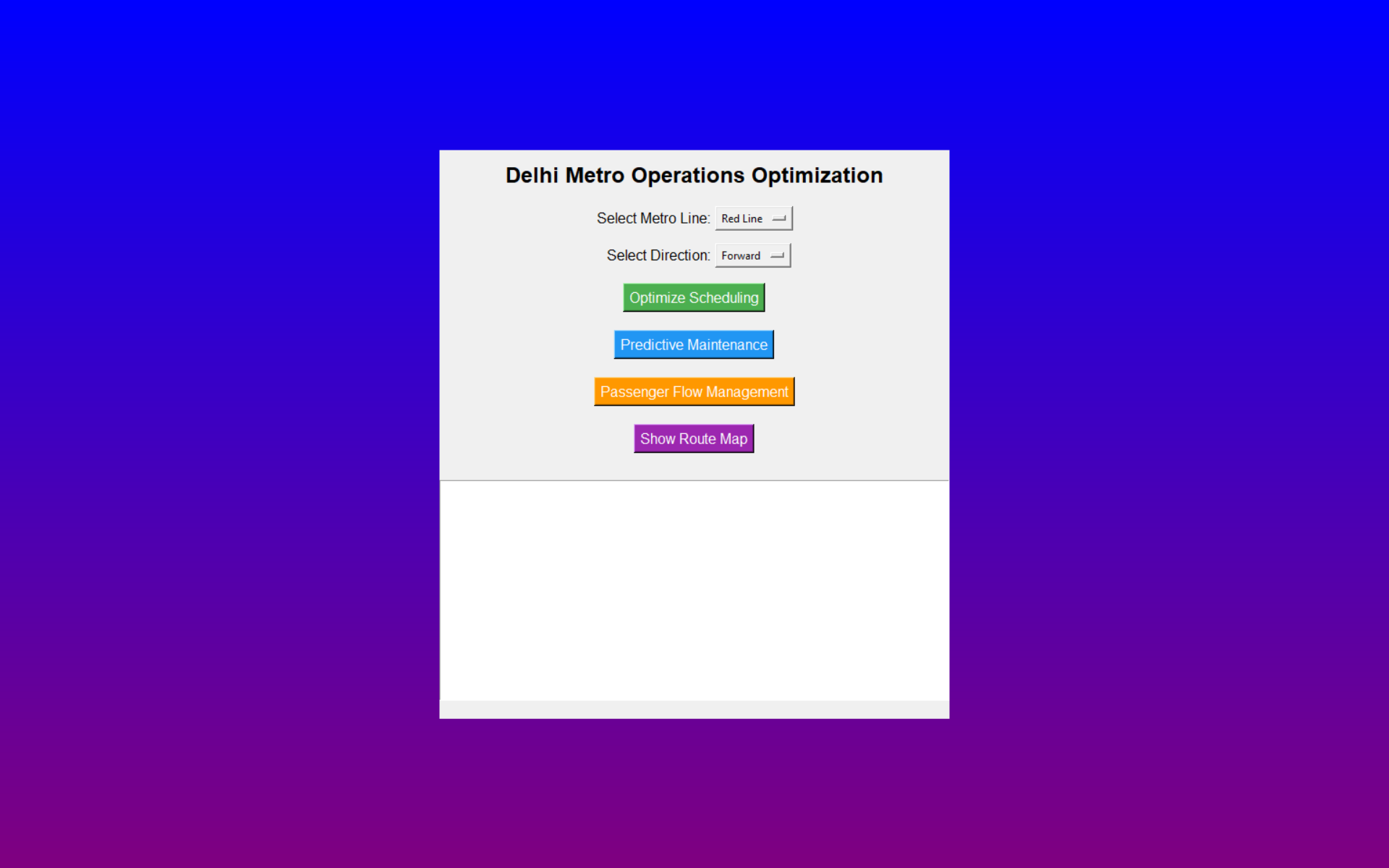
This is a Data Analysis Project with a Proper User Interface
Inspiration
The inspiration behind the Delhi Metro Optimization System stems from the need to enhance urban transportation efficiency, reduce passenger wait times, and ensure timely maintenance of metro trains. We aimed to create a solution that leverages data-driven insights to improve the overall metro experience for commuters.
What it does
The Delhi Metro Optimization System provides:
Scheduling Optimization: Minimizes waiting times by optimizing train schedules. Predictive Maintenance: Simulates and predicts maintenance needs based on train usage. Passenger Flow Management: Analyzes passenger flow to identify peak hours and improve crowd management. Route Map Display: Displays the comprehensive route map of the Delhi Metro.
How we built it
We built the system using Python and Tkinter. The key components include:
Data Management: Dictionaries to store metro lines and routes. Optimization Algorithms: Functions to optimize schedules and simulate maintenance. Visualization Tools: Matplotlib for passenger flow graphs and PIL for displaying images. User Interface: Tkinter for the GUI, with features like option menus, buttons, and text widgets to interact with the application.
Challenges we ran into
Data Integration: Ensuring accurate representation of metro schedules and routes. Algorithm Efficiency: Developing optimization algorithms that run efficiently on large datasets. User Interface Design: Creating a user-friendly and visually appealing interface. Real-Time Data Handling: Managing and simulating real-time data for maintenance and passenger flow.
Accomplishments that we're proud of
Successfully implementing a fully functional optimization system for metro operations. Creating an intuitive user interface that enhances user experience. Developing efficient algorithms for scheduling, maintenance, and passenger flow analysis. Achieving accurate and meaningful visualizations for data-driven decision making.
What we learned
The importance of data accuracy and efficient algorithm design in optimization systems. Techniques for integrating various Python libraries to build a cohesive application. Best practices in UI/UX design for developing intuitive user interfaces. The value of teamwork and collaboration in solving complex problems.
What's next for DELHI METRO OPTIMIZATION SYSTEM
Real-Time Data Integration: Incorporating live data feeds for dynamic scheduling and maintenance updates. Advanced Analytics: Enhancing predictive models with machine learning for better maintenance prediction. User Feedback: Gathering user feedback to further improve the system’s functionality and usability. Scalability: Extending the system to cover more metro lines and potentially other urban transit systems.
Built With
- matplotlib
- numpy
- pandas
- python
- seaborn
- tkinter
- visual-studio

Log in or sign up for Devpost to join the conversation.