-
-
thumbnail
Inspiration
Déjà Vu was inspired by the idea that small coincidences can become turning points in our lives—moments so perfectly aligned that they feel destined. I wanted to explore the magic of longing, hope, and the quiet belief that true love is out there waiting. The project blends romance, whimsy, and a touch of fantasy, echoing the feeling of wishing upon a star and having the universe gently answer back.
What it does
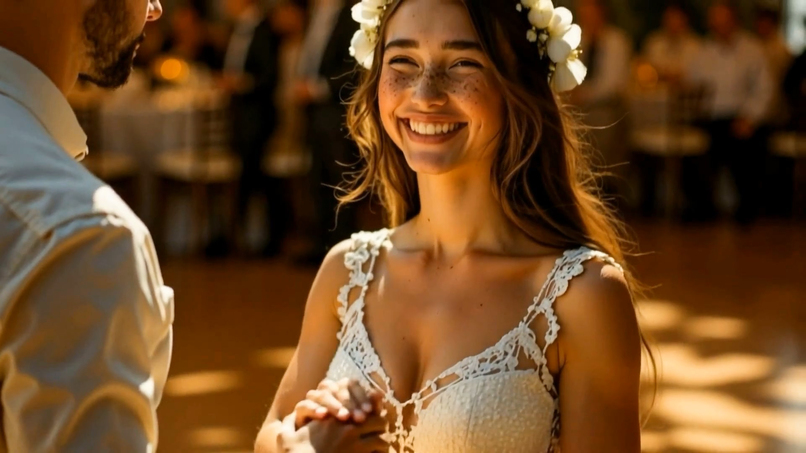
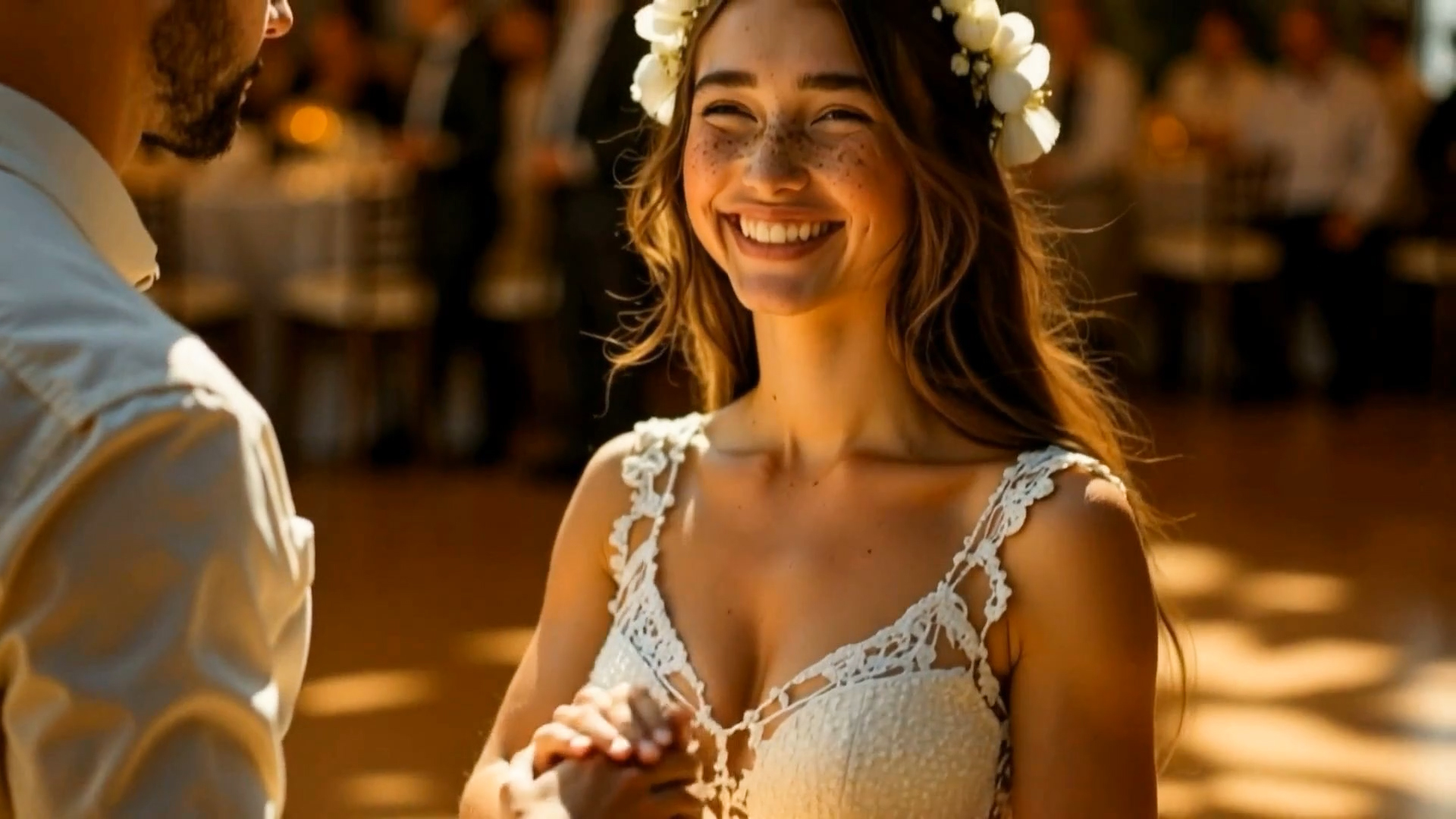
The video tells the story of a young woman who deeply hopes to meet her one true love. On the night of a full moon, she wishes on her cherished locket. As she stands atop a rooftop, her scarf drifts away on the wind and is discovered by a stranger—someone unknowingly connected to her wish. When he arrives at the same festival wearing her scarf, their eyes meet, and the spark of something real begins. It’s a simple, magical love story about fate stepping in at exactly the right moment.
How we built it
All imagery and motion were generated using AI creative tools, including OpenArt and Kling. These models provided the stylized characters, environments, and cinematic transitions. The music was produced in Suno and refined in Adobe Audition. Adobe Premiere Pro was used for editing, pacing, color adjustments, and shaping the romantic tone of the film. The narrative was built visually through curated shots, rhythm, and emotional sequencing rather than dialogue.
Challenges we ran into
One major challenge was maintaining visual consistency across different shots and generations. Clothing textures, facial details, and festival lighting could shift from one model to another, so a great deal of time went into matching color palettes and smoothing transitions. Another obstacle involved generating believable emotional expressions—AI tools can struggle with subtle romantic beats like longing looks, softness in the eyes, or gentle smiles. Crafting these moments required multiple iterations and careful selection. Finally, conveying a whole love story with no dialogue meant relying heavily on visual storytelling, pacing, and small gestures to carry the emotional arc.
Accomplishments that we're proud of
We’re proud of how the final story conveys warmth, hope, and connection in such a short runtime. The moment where the stranger appears wearing her scarf is a powerful visual payoff, and the festival atmosphere turned out beautifully. The video’s emotional clarity—built entirely through music and visuals—is something we’re especially happy with.
What we learned
This project reinforced how important it is to guide AI tools with precise emotional intent. Even with powerful models, achieving consistent romantic expression requires careful iteration, curation, and editing. We also learned how effective music can be in shaping narrative rhythm, especially in a story with no dialogue. Overall, Déjà Vu became a lesson in balancing AI generation with traditional cinematic instincts.
What's next for "Deja Vu"
I’d love to explore this romantic universe further—maybe a follow-up scene where the couple meets again, or a short series exploring magical coincidences that bring people together. Future versions may introduce more detailed character animation or expand on the fantasy elements hinted at in the original. There’s also potential for a longer music-driven short film that continues their love story.
Built With
- adobe
- kling
- openart


Log in or sign up for Devpost to join the conversation.