DeHR
Inspiration
The inspiration for DeHR stemmed from the increasing frequency of major data breaches in the healthcare sector and the pressing need for a secure, patient-centric, and interoperable electronic health records (EHR) system. The vision was to leverage the decentralized capabilities of web5 to create a resilient solution that puts patients in control of their health data.
What it does
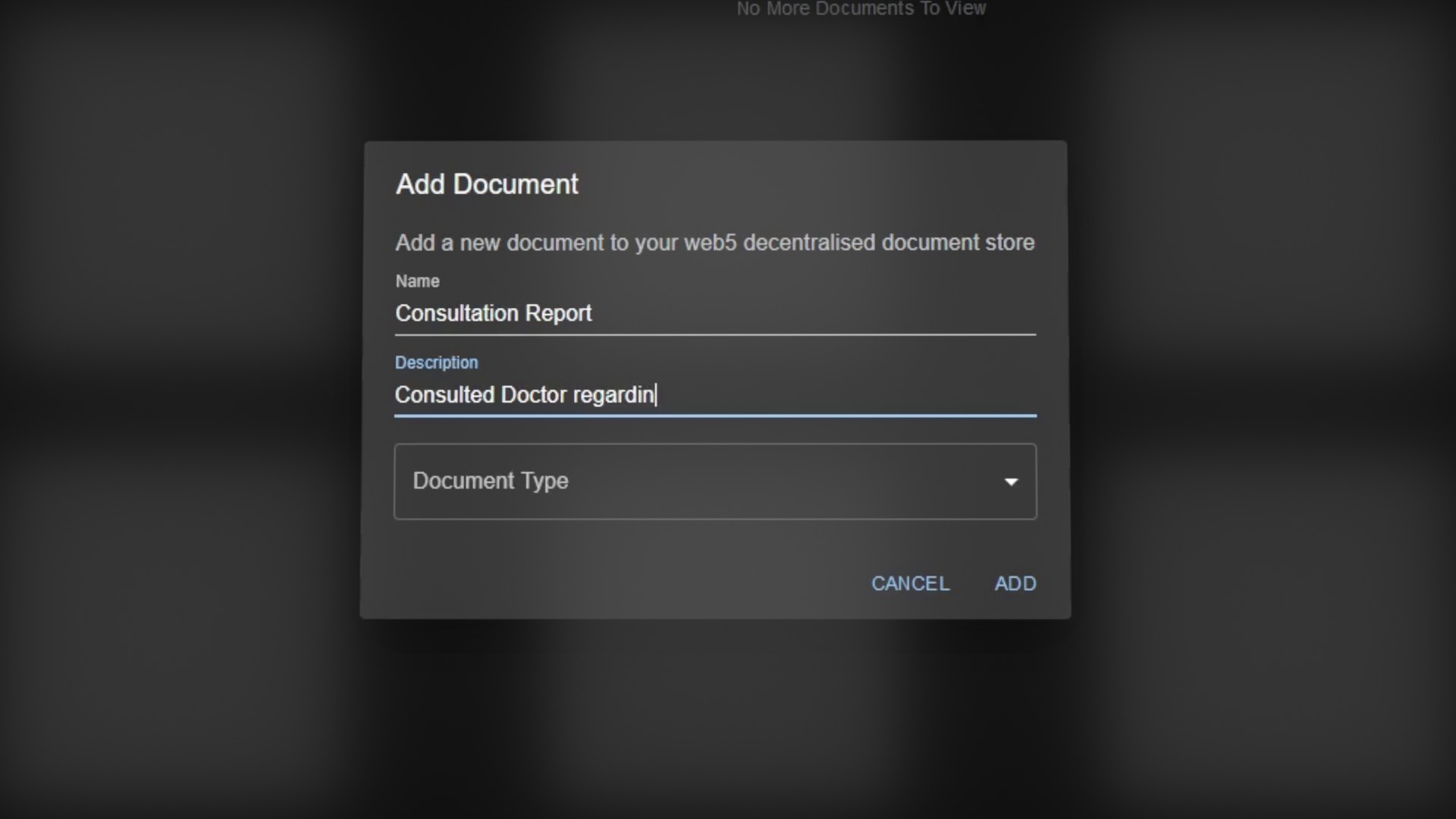
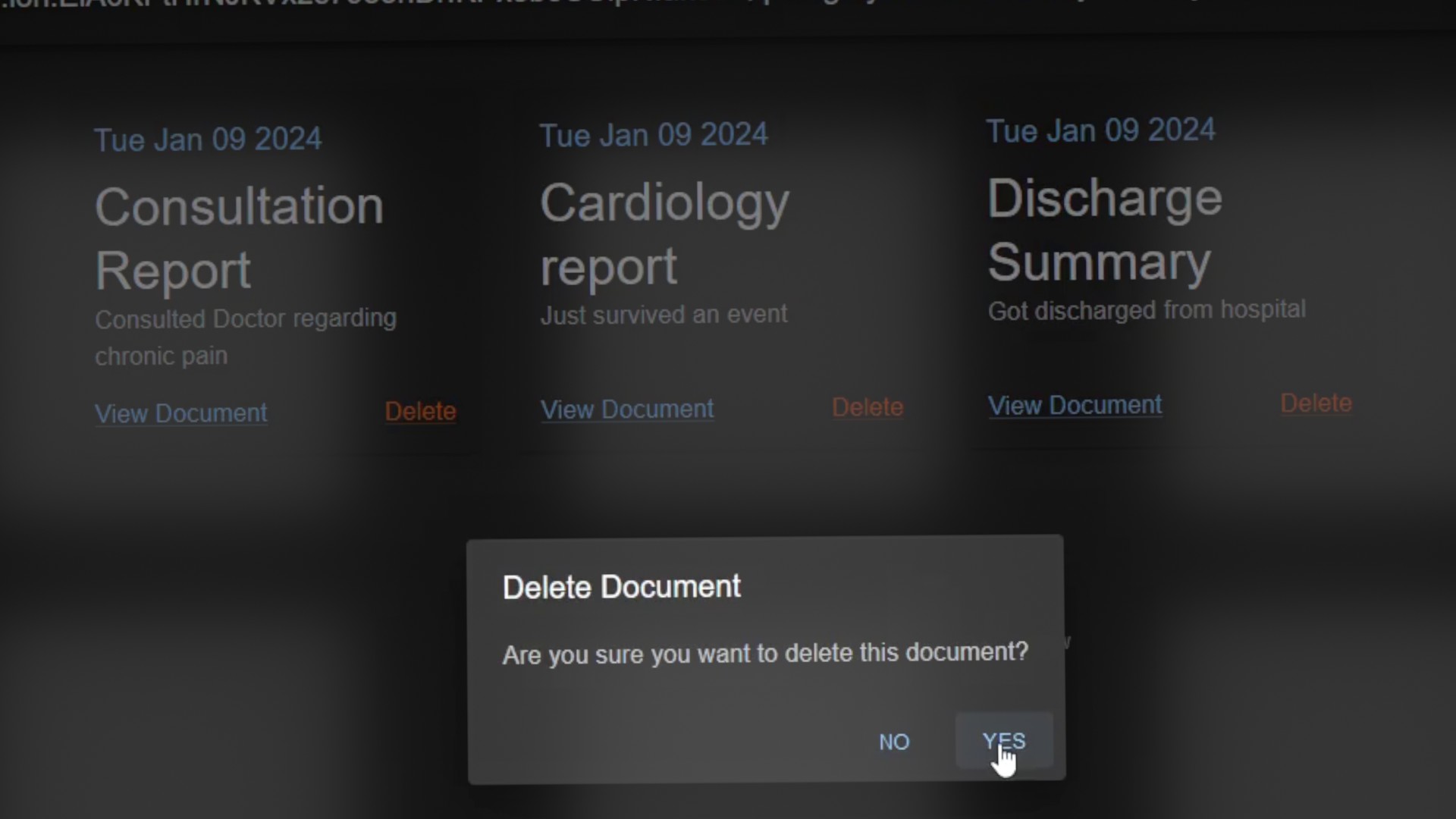
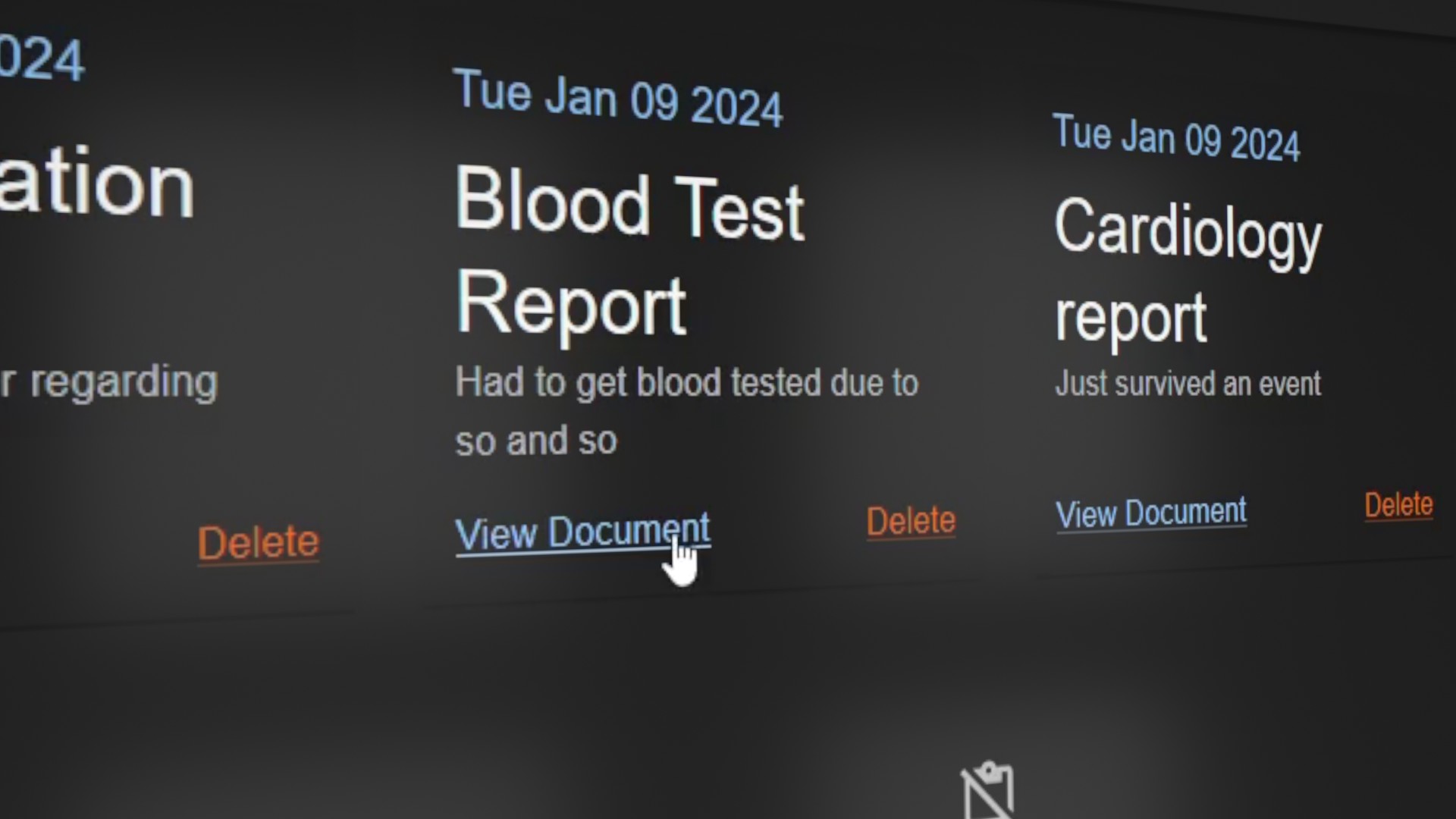
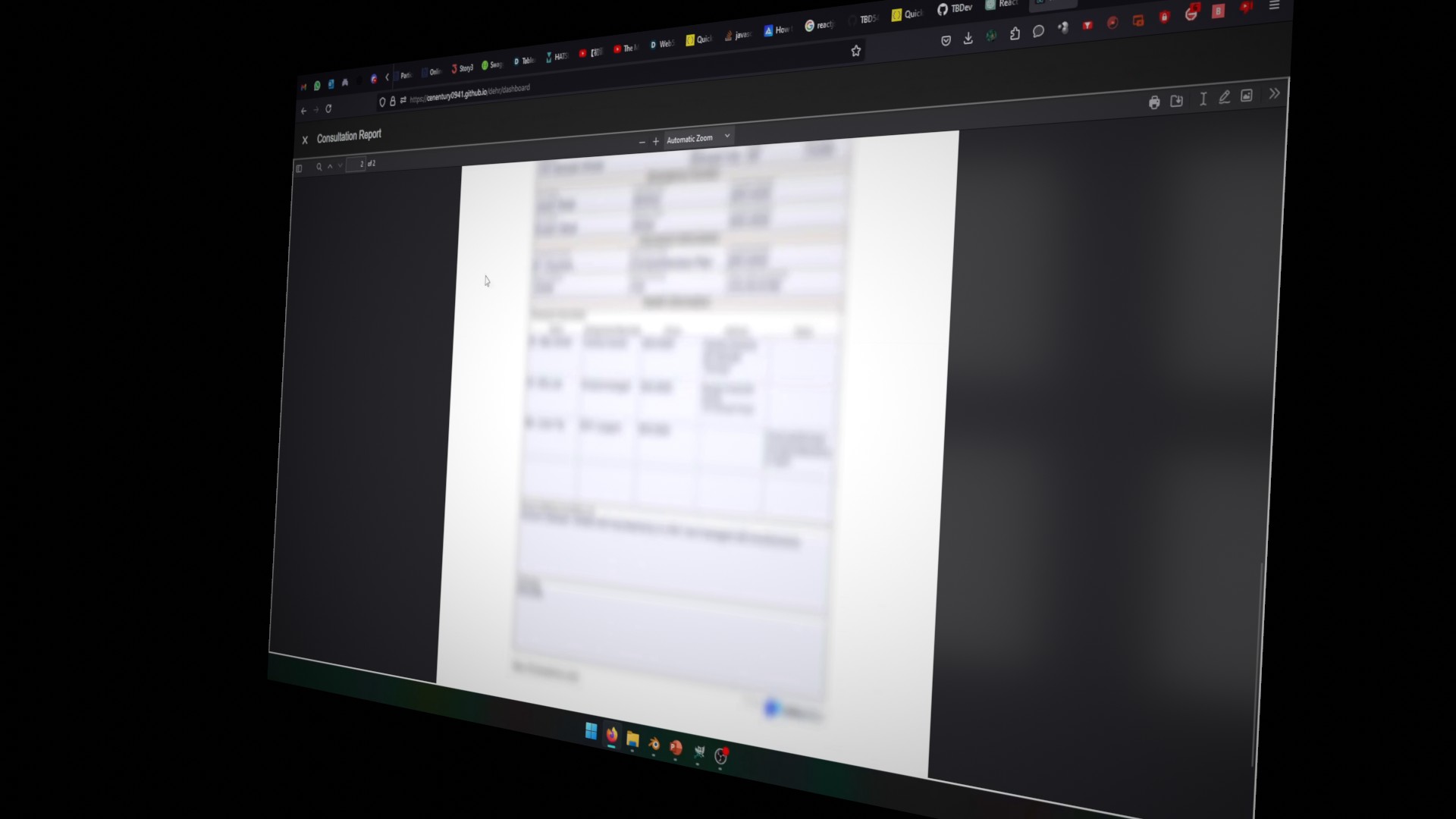
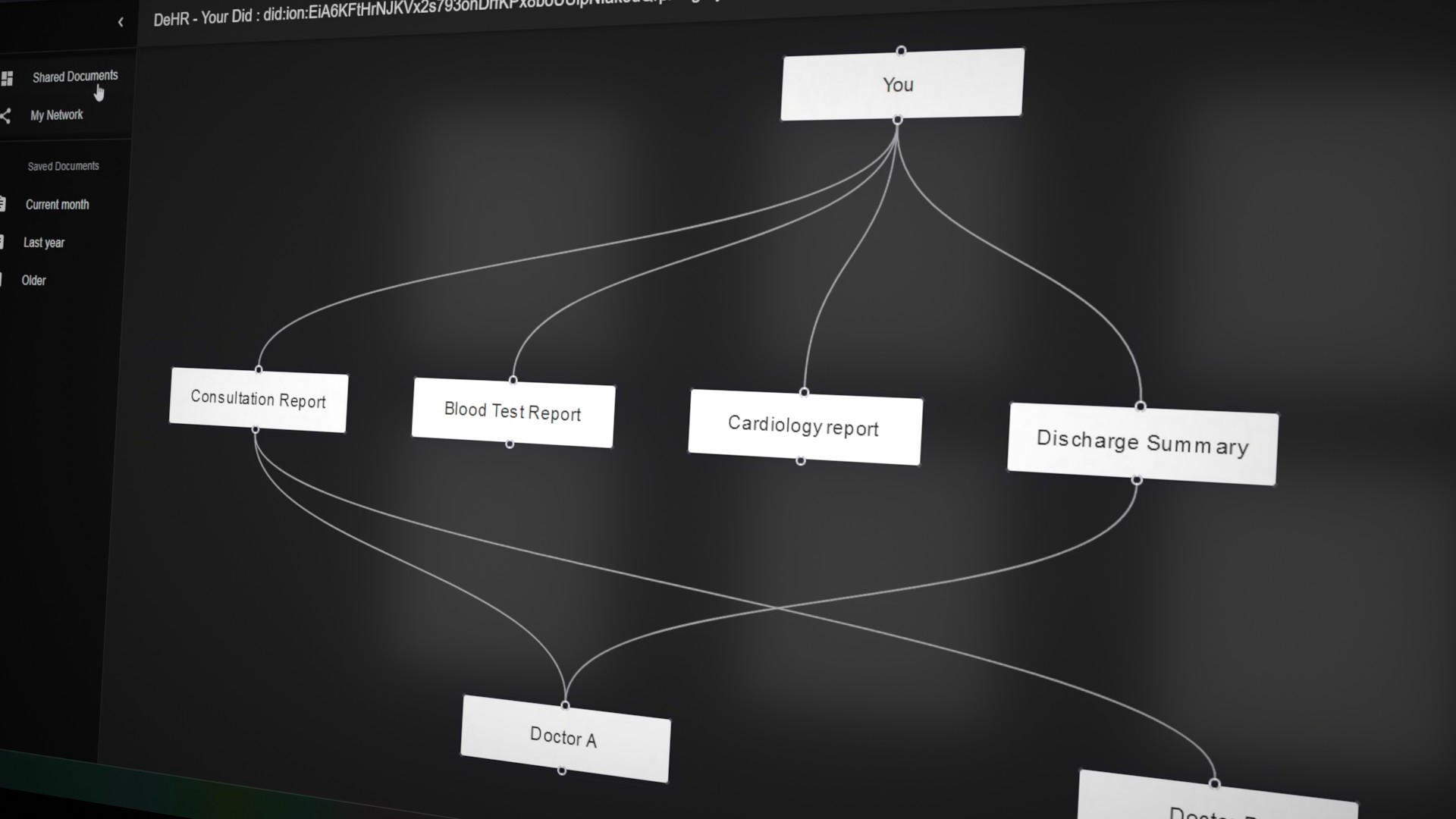
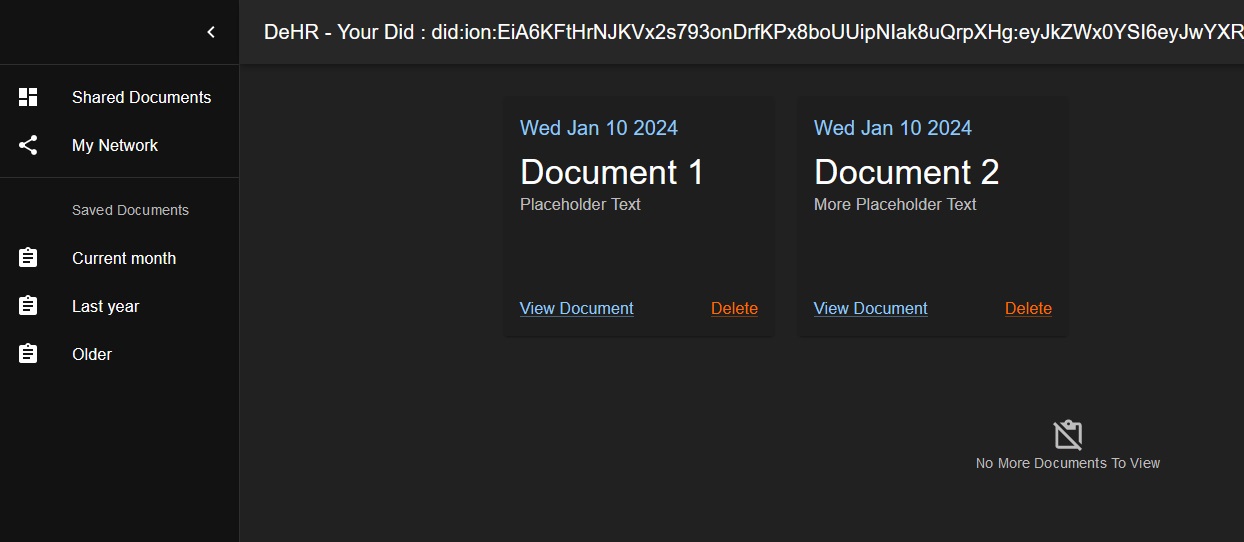
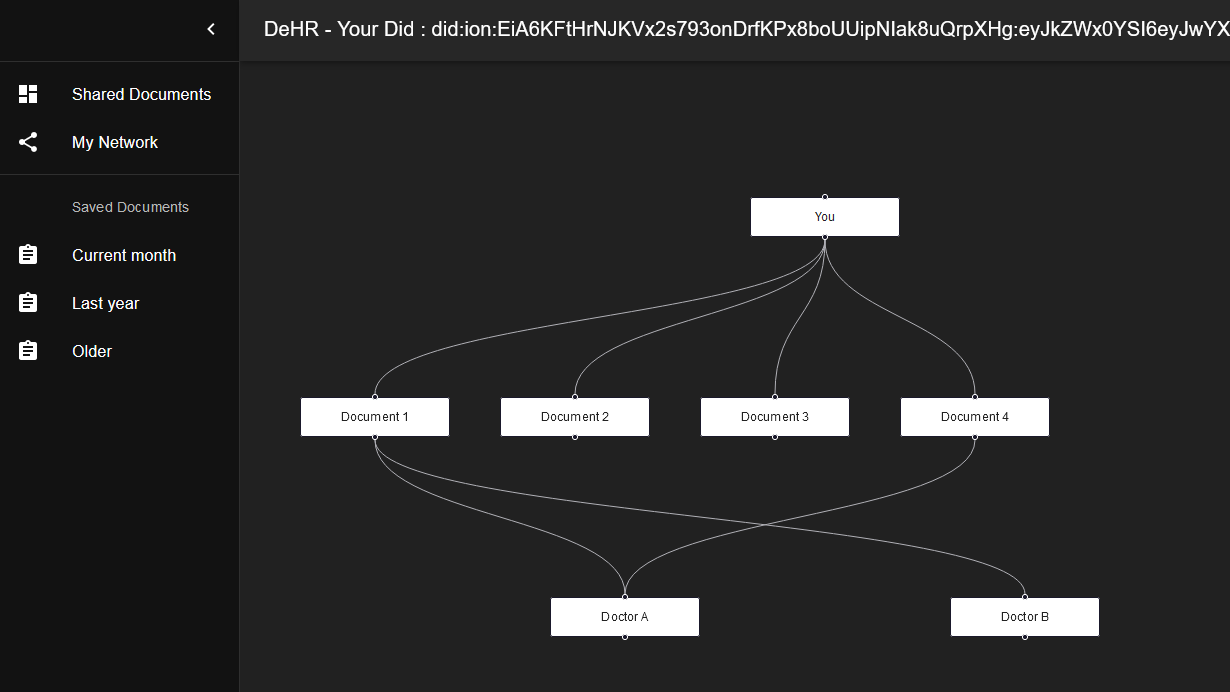
DeHR is a decentralized electronic health records platform powered by web5. It allows patients to securely store, manage, and share their health records across different healthcare providers. Through the use of decentralized web nodes and Unique Decentralized Identifiers (DIDs), DeHR ensures the privacy and security of patient data. Patients have full control over who can access their health records, facilitating seamless transitions between healthcare providers while maintaining data integrity.
How we built it
The development of DeHR involved leveraging the capabilities of web5's decentralized infrastructure. We utilized web5's decentralized web nodes to store and distribute health records across a network of nodes, reducing the reliance on a centralized point of failure. The implementation of DIDs enabled patients to manage access and permissions to their data securely. The system was designed with a user-friendly interface to enhance the overall user experience for both patients and healthcare providers.
Challenges we ran into
One significant challenge was ensuring the seamless interoperability of health records across diverse healthcare systems.
Accomplishments that we're proud of
We are proud to have developed a robust and secure platform that empowers patients, prioritizes data privacy, and enhances the efficiency of healthcare information exchange. Successfully implementing decentralized infrastructure and ensuring a user-friendly experience were notable achievements.
What we learned
The project provided valuable insights into the complexities of developing decentralized healthcare solutions. We learned about the importance of balancing security with usability, addressing interoperability challenges, and the need for comprehensive educational initiatives to promote adoption. Understanding the nuances of decentralized identifiers and their role in giving patients control over their health data was a key learning outcome.
What's next for DeHR
Moving forward, the next steps for DeHR involve scaling the platform to accommodate a larger user base. Continuous refinement based on user feedback, adherence to evolving healthcare regulations, and exploring potential partnerships within the healthcare industry are essential aspects of DeHR's future development.
Built With
- mui
- react
- web5

Log in or sign up for Devpost to join the conversation.