


Inspiration
The sudden onset of deep fakes and misinformation has created a new era of digital deception, where fake images, videos, and news can easily manipulate public perception. With AI making it easier to manipulate content, distinguishing between real and fake has become increasingly difficult. As social media, news outlets, and online platforms users, we face constant challenges in distinguishing fact from fiction. Inspired by this growing problem, we developed DeFake AI—a powerful tool to help users, content moderators, and organizations detect and flag fake media in real-time. Our mission is to provide the digital tools necessary to empower everyone, from casual internet users to professional fact-checkers, ensuring trust and transparency in the online world.
What it does
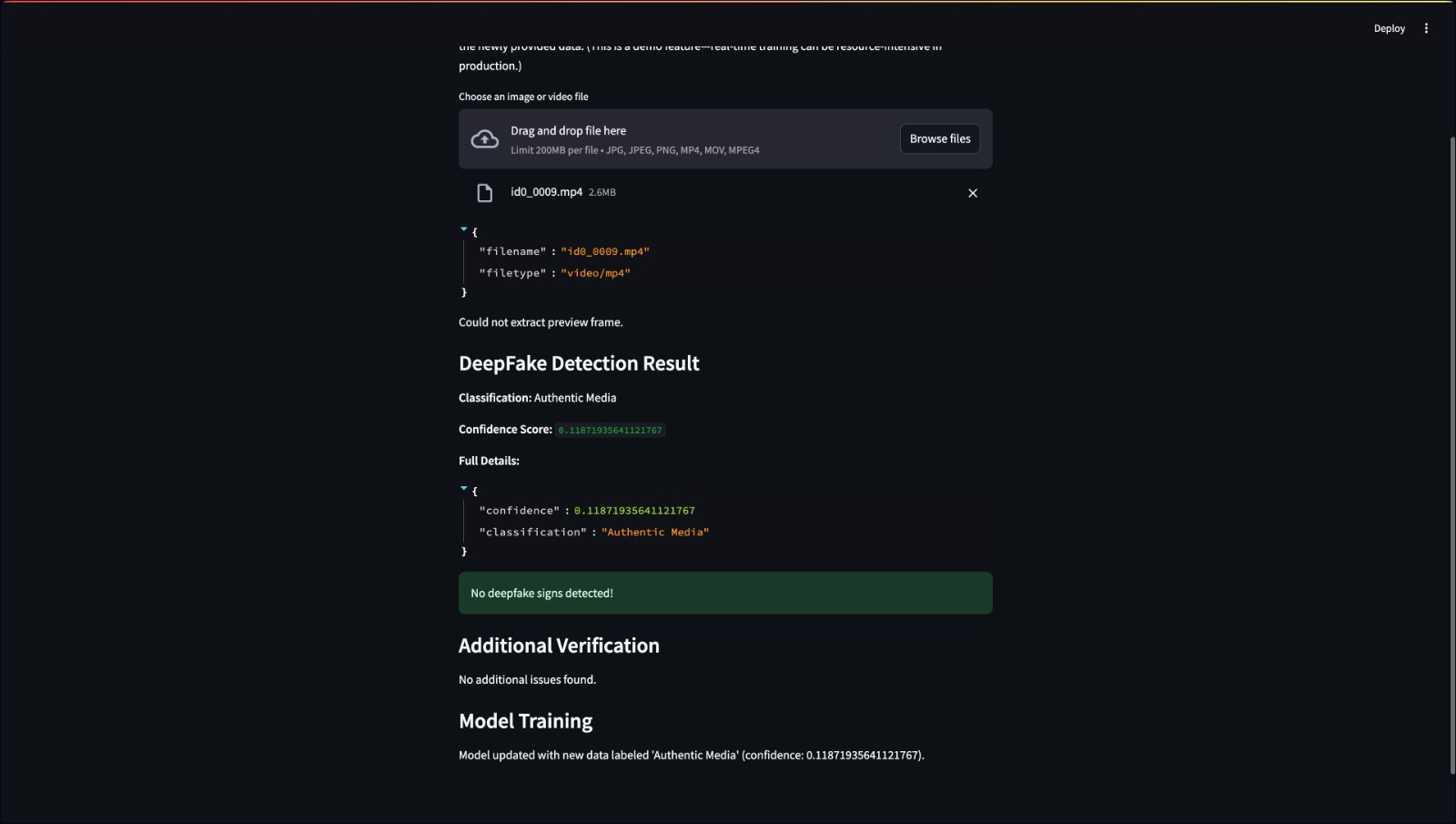
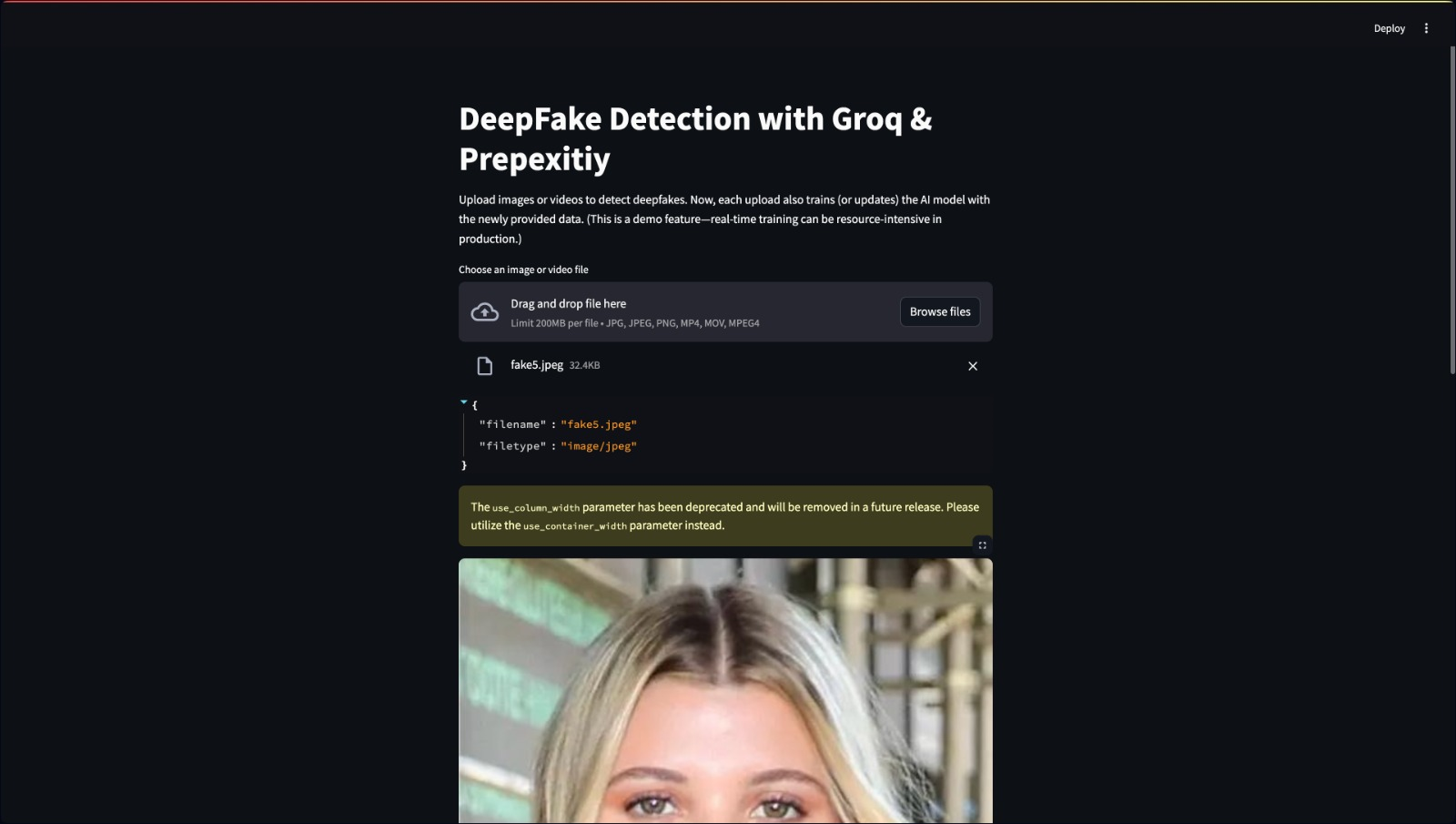
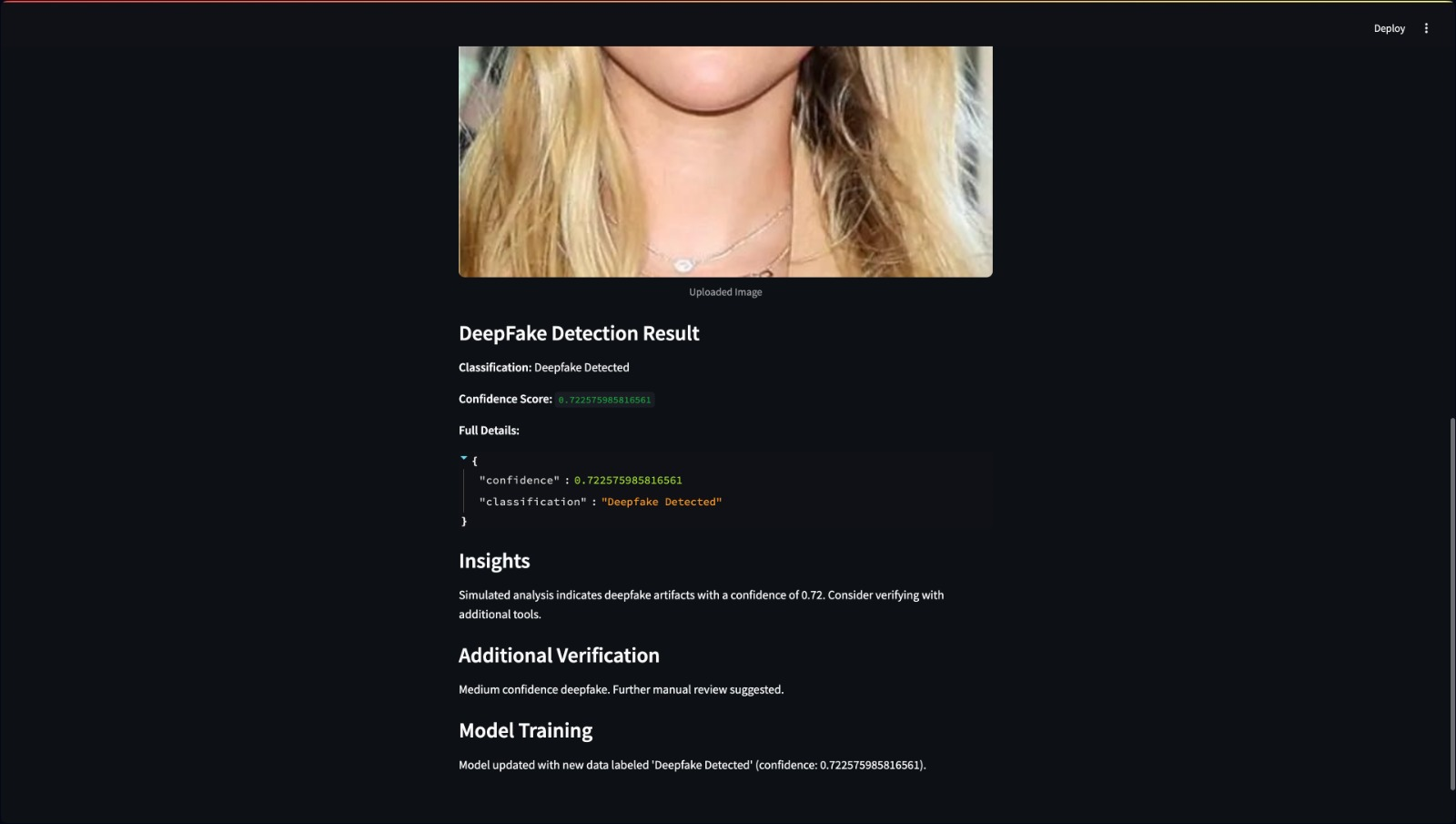
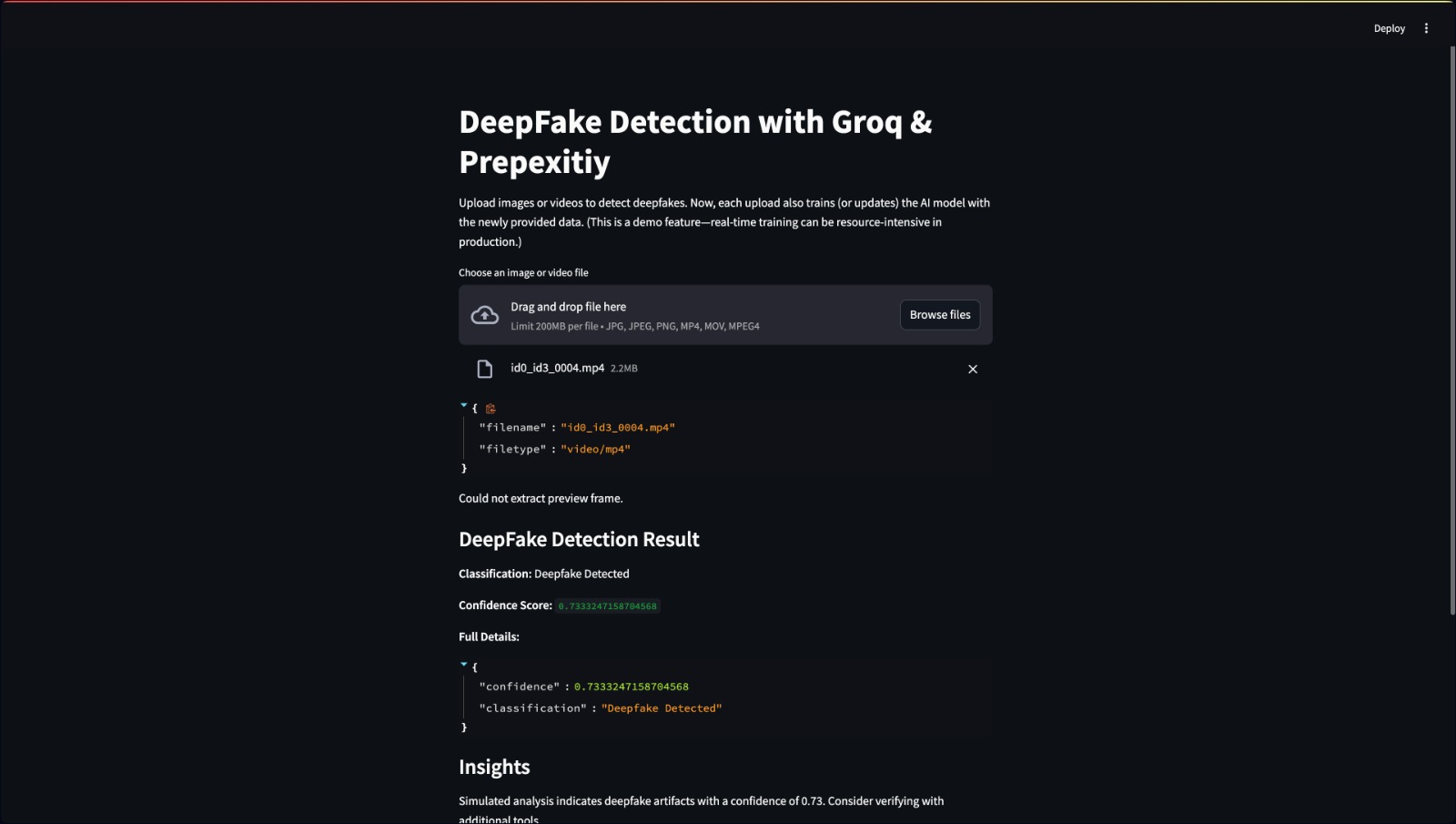
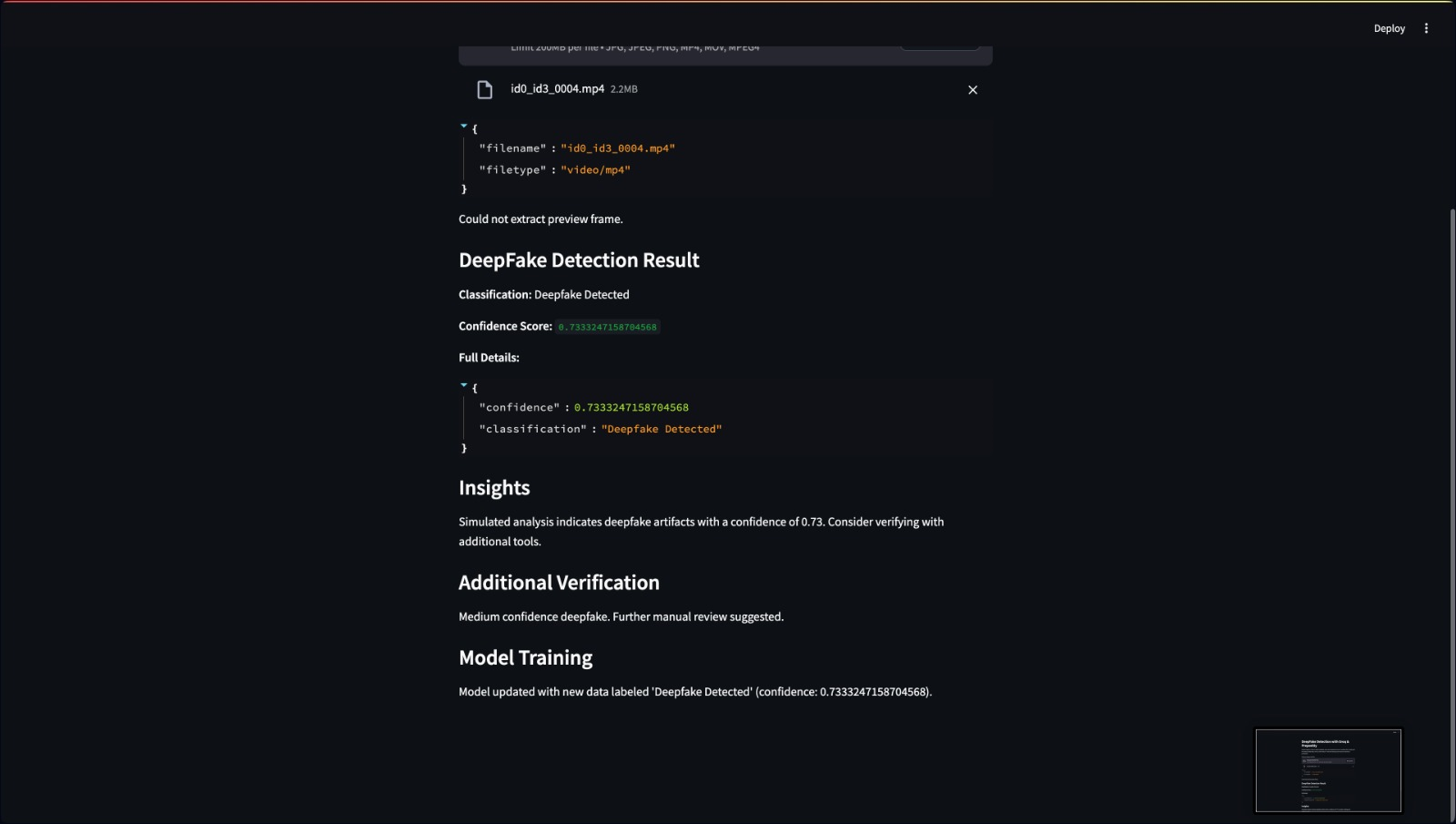
DeFake AI is an advanced AI-powered system designed to detect deepfakes and flag misinformation on social media platforms like Twitter/X. By using machine learning and computer vision, it ensures that digital content is authentic and trustworthy.
How we built it
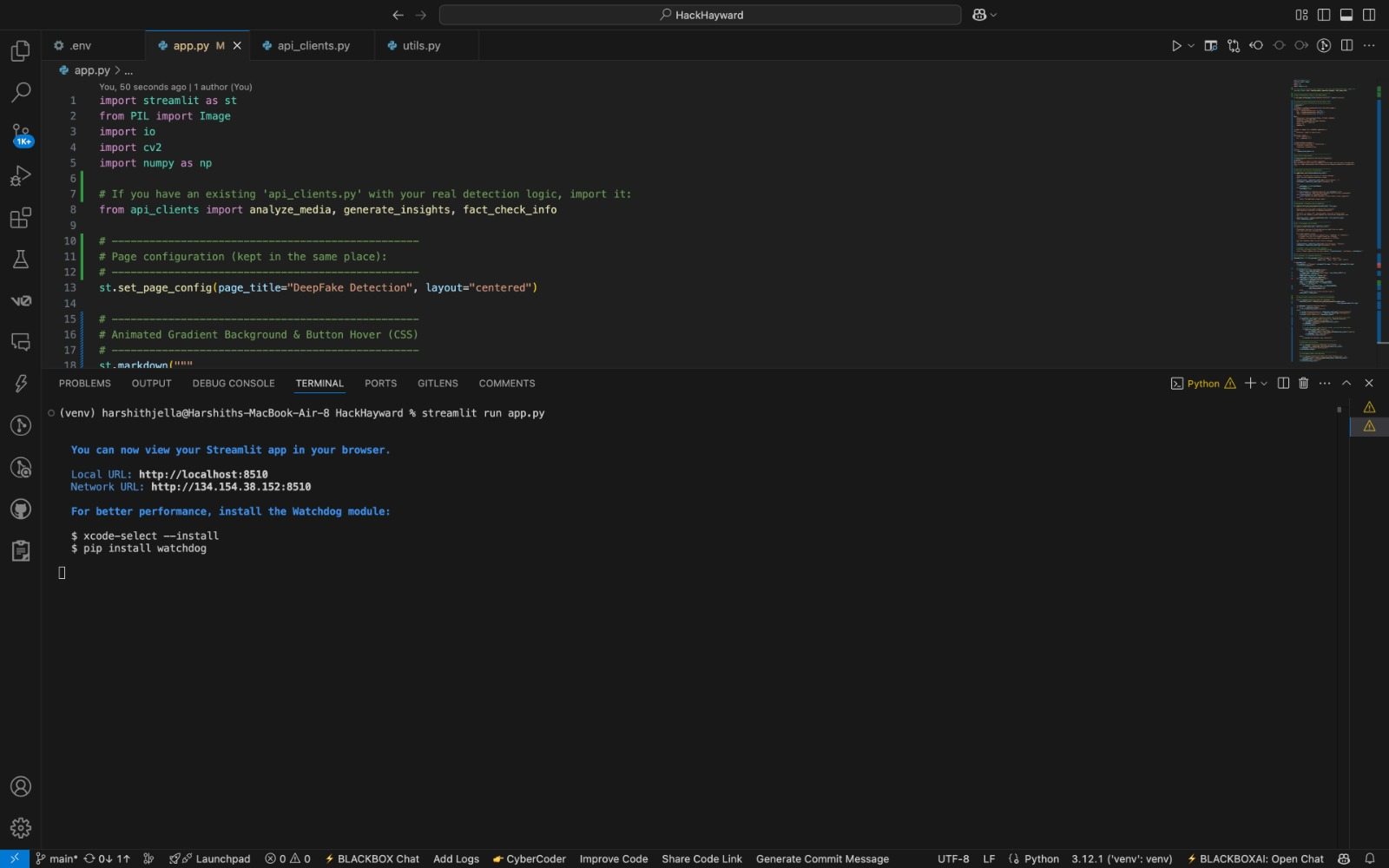
Data Collection: gathered labeled datasets for deepfakes and misinformation. Model Training: used GORQ, Perplexity, and OpenAI for deepfake detection. Interface Creation: I built a simple interface where users can upload images, and videos,for detection
Challenges we ran into
🚧 Data Imbalance – Finding quality deepfake and misinformation data was tough. We used AI-generated samples and fact-checked sources to improve training. ⚡ Model Speed – Early versions were too slow. Pruning & optimization made detection real-time. 🔍 False Flags – Satire and poor video quality led to misclassification. We added context-aware AI and confidence scoring. ⚖️ Ethical Balance – Avoiding unfair censorship was key. Human verification ensures accuracy before action.
Accomplishments that we're proud of
- Accurate Deepfake Detection: Successfully built an AI model to detect deepfakes in real-time. 2.User-Friendly Interface: Created an intuitive system for easy content analysis.
- Scalability: Designed for handling large data volumes and integration with social platforms. ## What we learned ⚡ Speed Meets Precision – Accuracy means nothing if detection is slow. We optimized DeFake AI to catch deepfakes instantly without losing reliability. 📊 Smarter Data, Stronger AI – Deepfakes and misinformation constantly evolve. We expanded datasets, generated synthetic fakes, and sourced verified claims to stay ahead. 🔍 Cutting False Flags – Satire, poor-quality videos, and old clips often got misclassified. We fine-tuned our AI to understand context and reduce false positives. ⚖️ Ethical AI for All – Stopping deepfakes shouldn’t mean censoring real voices. We built fairness filters and human review safeguards to prevent wrongful takedowns. ## What's next for DeFake AI We're making it smarter, faster, and more reliable! As deep fakes get more advanced, our AI is evolving to stay ahead—detecting even the most convincing fakes. Soon, it will integrate directly with social media, flagging manipulated content in real time before it spreads. We’re also expanding our reach with multilingual data and live fact-checking, making sure misinformation gets caught no matter where it appears. Plus, our AI will keep learning from every flagged piece of content, constantly improving to protect digital truth. The future of online trust starts here!
Built With
- ai
- github
- gorqapi
- html
- openai
- perplexity
- python
- visual-studio


Log in or sign up for Devpost to join the conversation.