-
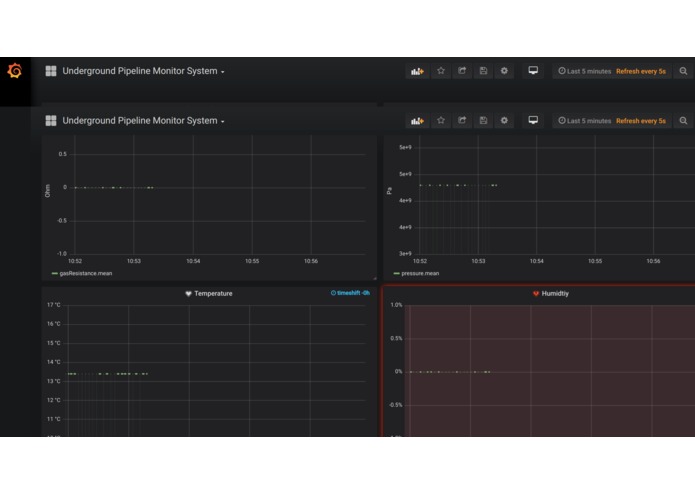
Monitor System 1
-
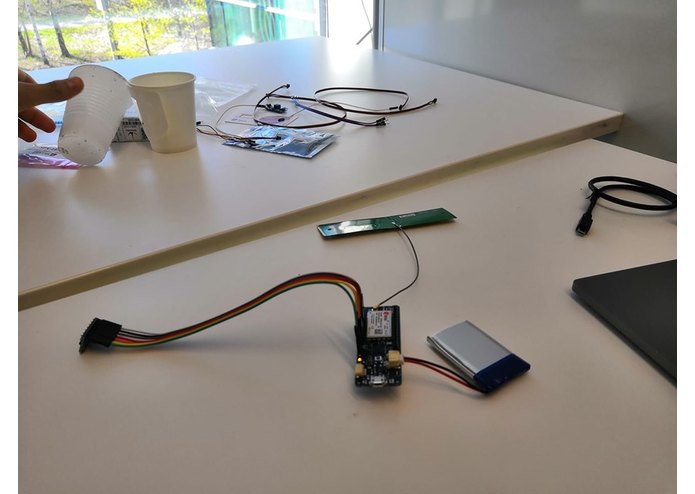
IoT Device with NB-IoT
Inspiration
Blockage and pollution are two main problems existing in sewers that have serious bad effect.
What it does
Monitoring and forecasting the sewerage condition via sensors distributed in the sewerage, leveraging IoT and machine learning.
How we built it
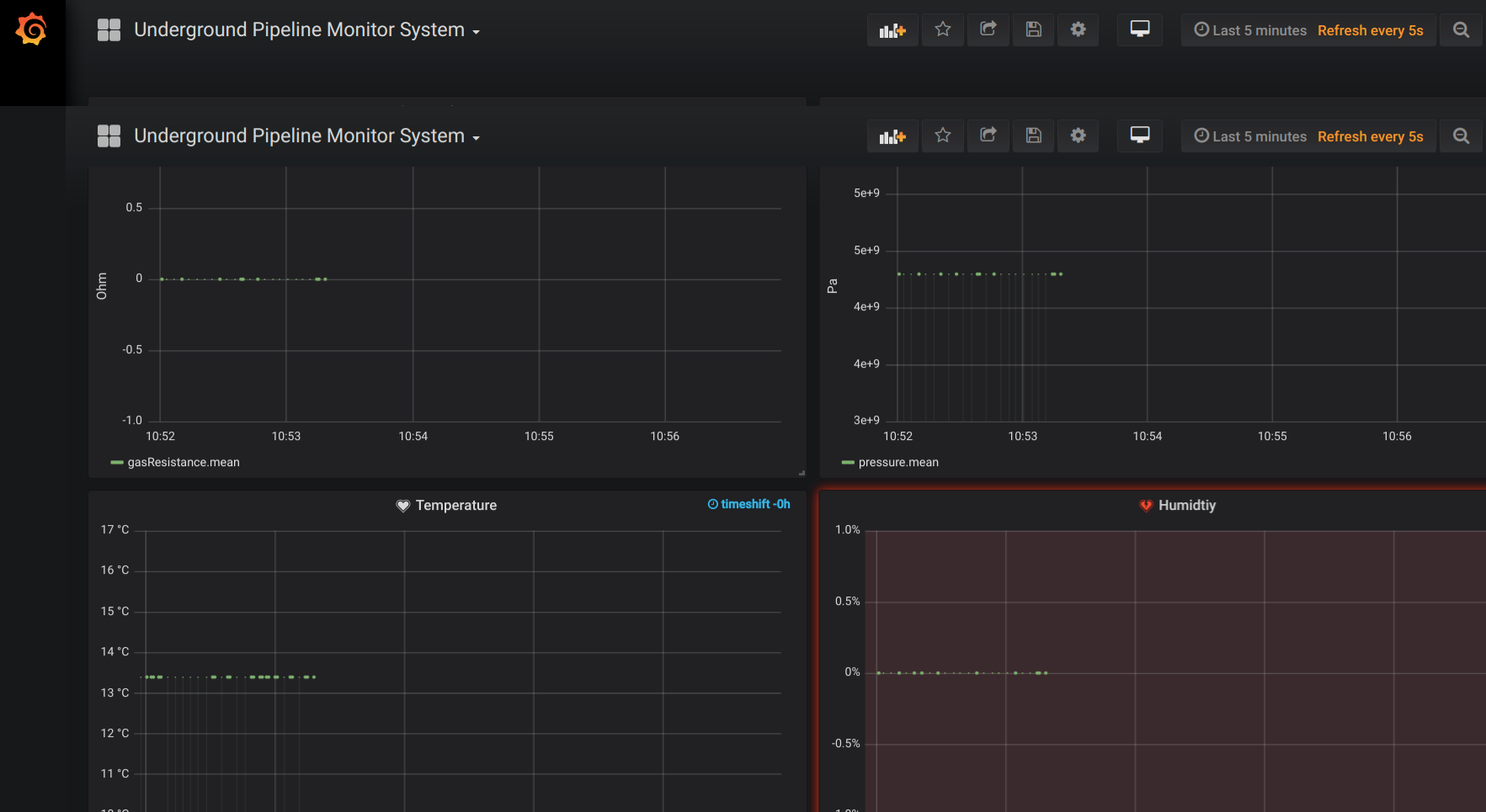
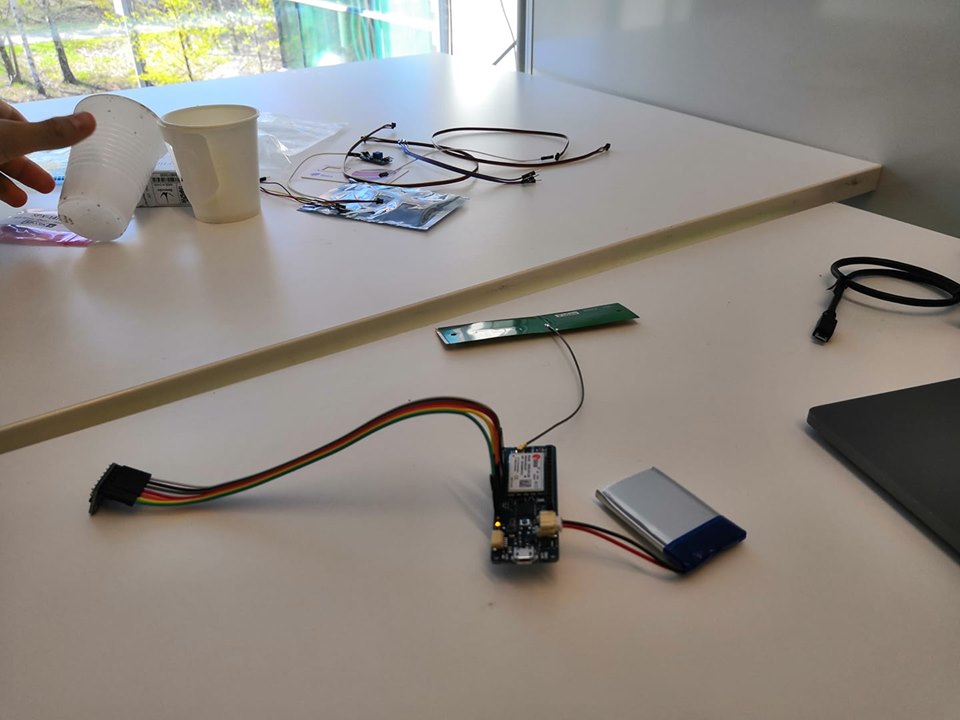
A comprehensive underground pipeline monitor system First, we deploy many sensors underground in sewers, which can collect data and transmit it through the Nb-IoT network and Internet to the Amazon cloud computing platform(AWS). In AWS, we deploy an MQTT server that can receive data from sensors, and then save the data into the database server(InfluxDb). Data in the database be visualized by Grafana directly, and it can also be used to feed the machine learning algorithm to do prediction.
Challenges we ran into
Limited sensors and time, and lack of time for collecting enough data to feed the machine learning algorithm.
Accomplishments that we're proud of
In the deep learning part, we had difficulty to find very large datasets. We know all deep learning algorithms are data hungry, so it is a tough problem. In order to handle the problem, I designed the improved LSTM networks to improve the training of the model.
What we learned
How to develop a complete IoT project using NB-IoT, Web Development, Visualization, Deep Learing(LSTM) within two days.
What's next for DeepIoT
Get the MVP and test it in real life.
Built With
- amazon-web-services
- c
- grafana
- influxdb
- mysql
- nb-iot
- python
- tensorflow


Log in or sign up for Devpost to join the conversation.