-
-
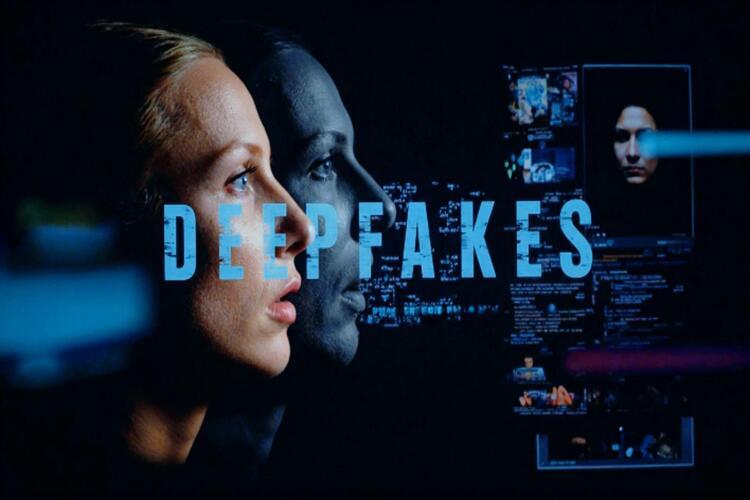
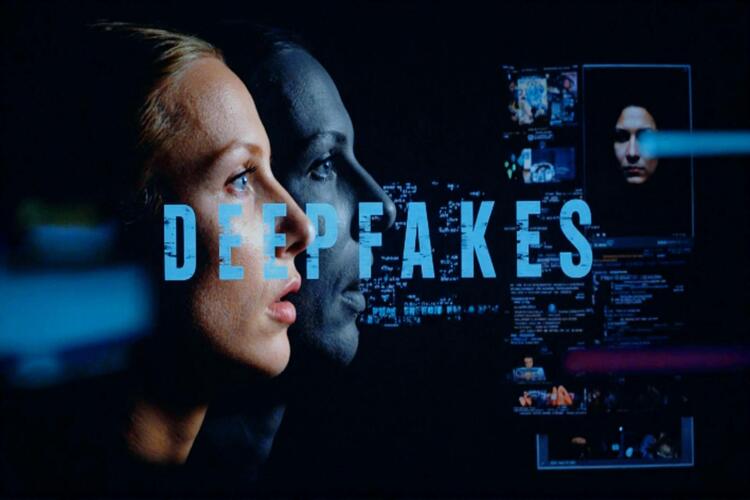
DEEPFAKES | AI TRUE CRIME DOCUMENTARY
Inspiration
The project was inspired by the growing impact of deepfake technology on society and media. With AI-generated videos becoming increasingly realistic, misinformation and manipulated content have the potential to influence public perception and even legal cases. I wanted to create a documentary that not only explores real-life instances of deepfakes but also educates viewers on the importance of verifying facts and staying critical of what they see online. The goal was to make a compelling narrative while encouraging media literacy and awareness.
What it does
"Deepfakes" is an AI-powered documentary that investigates real-life cases involving deepfake technology. It combines AI-generated visual reconstructions with AI-made footage, providing a clear narrative of events while highlighting how easily misinformation can spread. The documentary offers educational commentary on techniques for identifying manipulated media, the risks of deepfakes in criminal and social contexts, and steps viewers can take to verify information. Essentially, it functions as both a true crime documentary and a public awareness tool.
How I built it
I started by researching notable deepfake cases, gathering publicly available videos, images, and news reports. The AI was used to reconstruct or illustrate events, adding clarity where original footage was missing or manipulated. For visuals, I used deep learning models that generate realistic faces and scenes, while keeping the content ethically responsible by clearly labeling AI-generated portions (Saga AI, Mago AI, OpenArt AI, ImagineArt AI, LTX Studio, Hailuo AI). Narration and text overlays (Eleven Labs & CapCut) were created with AI-assisted scripting to maintain accuracy and conciseness. Finally, all elements were edited together with time-synced audio, explanatory graphics, and animations.
Challenges I ran into
One major challenge was balancing realism and ethical responsibility. While AI can convincingly recreate faces or events, I have to avoid creating misleading content. Ensuring factual accuracy while using AI visuals required constant verification. Finally, presenting complex AI concepts in a way that was understandable to a general audience required multiple iterations of scripting and editing.
Accomplishments that I am proud of
I successfully produced a documentary that educates viewers on deepfakes while maintaining ethical integrity. The project effectively blends AI-generated visuals with verified real-world content, creating a compelling narrative that feels both informative and engaging. I also managed to simplify complex AI detection concepts into visual explanations that are easy to understand.
What I learned
Through this project, I learned how to responsibly use AI to enhance storytelling without compromising factual integrity. We gained insights into AI deepfake technology, media verification techniques, and the importance of clear communication when presenting sensitive topics. Additionally, we developed technical skills in AI video generation, deepfake detection, and audiovisual editing.
What's next for DEEPFAKES | AI TRUE CRIME DOCUMENTARY
Next, I plan to create a dynamic documentary experience that evolves as new cases emerge. Ultimately, the goal is to empower audiences to critically assess digital content and understand the ethical implications of AI in media.
Built With
- capcut
- elevenlabs
- hailuoai
- imagineartai
- ltxstudio
- magoai
- openartai
- sagaai

