-
-
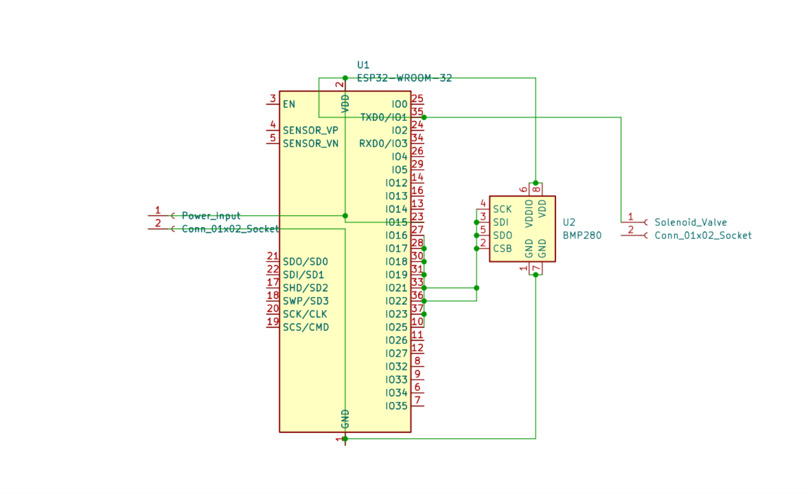
Schematic
-
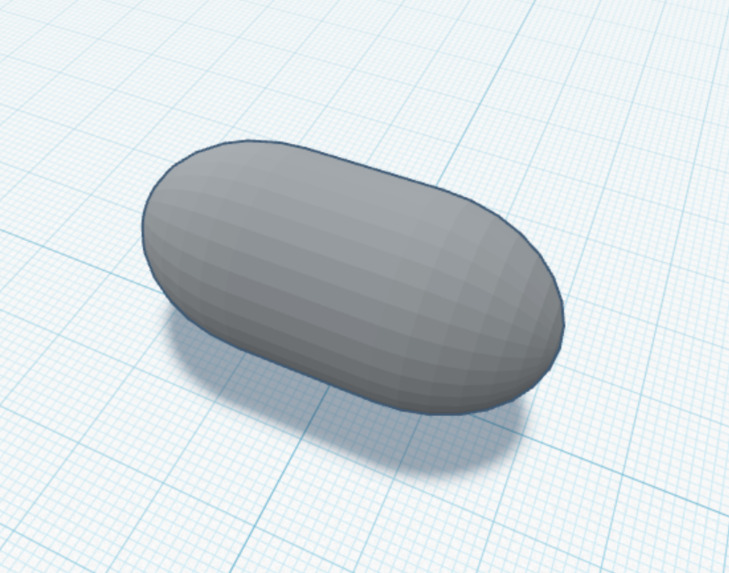
Titanium (Grade 5) Capsule
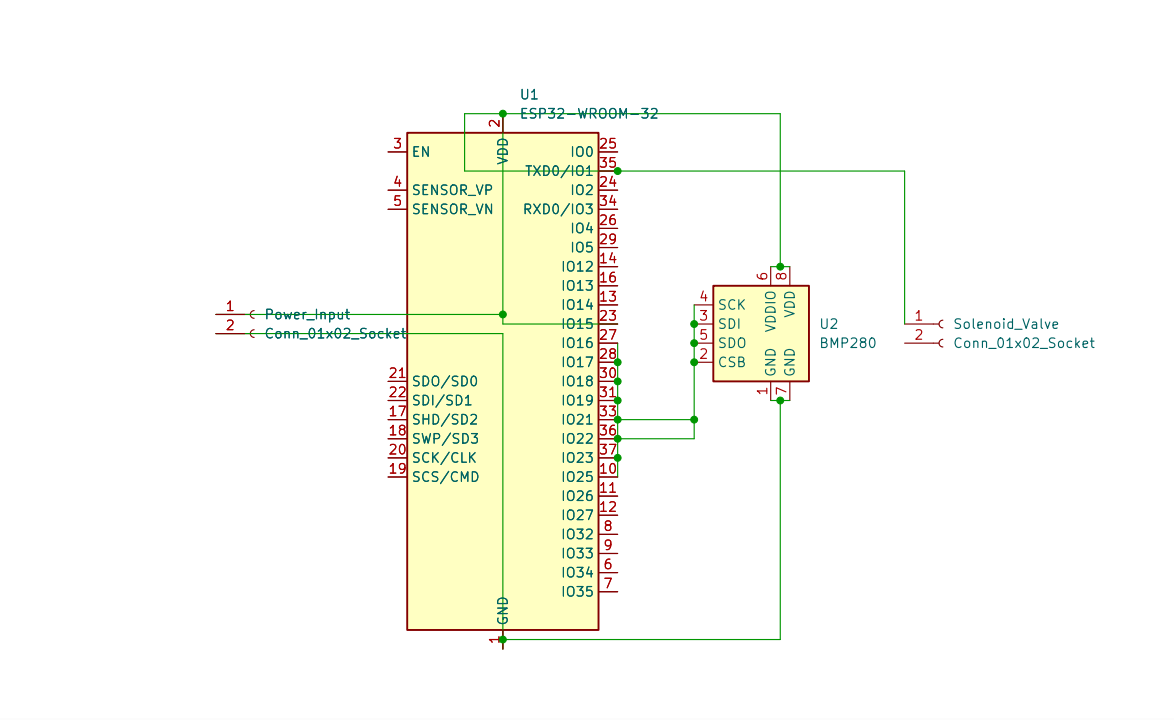
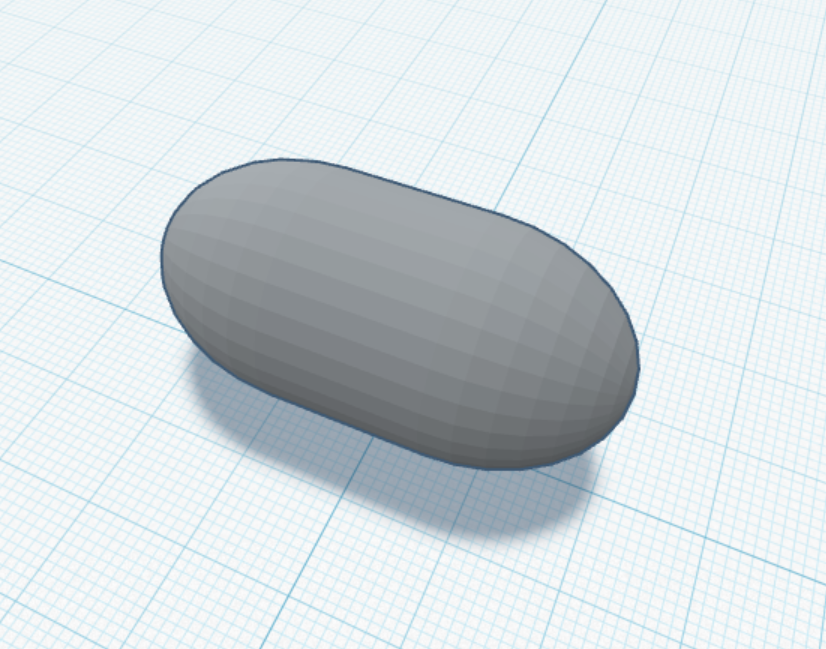
Inspiration
The deep ocean remains one of the most extreme and least explored environments on Earth. When maritime accidents or data losses occur in abyssal depths, recovering critical forensic information is an immense engineering challenge due to crushing pressures, corrosive saltwater, and zero visibility. This inspired us to build a robust, autonomous data rescue system.
What it does
The Deep-Sea Forensic Data Rescue System is an advanced hardware and software suite designed to safely extract, secure, and analyze flight recorder data and critical logs from submerged or distressed marine vessels. It utilizes titanium-enclosed modules, automated acoustic triggers, and an AI-driven telemetry diagnostics pipeline to ensure data integrity even under extreme aquatic duress.
How we built it
- Hardware & Enclosures: Designed heavy-duty pressure-resistant housing and integrated embedded microcontrollers with secure storage modules.
- Software & Telemetry: Developed low-level data extraction scripts and a robust dashboard for forensic analysis.
- AI Integration: Implemented automated anomaly detection algorithms to filter corrupted telemetry sectors and reconstruct missing data packets.
Challenges we ran into
- Simulating deep-water pressure constraints and corrosion factors on prototype housing materials.
- Optimizing data recovery speeds under low-bandwidth underwater acoustic communication channels.
- Filtering severe signal noise to accurately reconstruct corrupted forensic data logs.
What we learned
We gained profound insights into extreme-environment embedded systems engineering, acoustic data transmission limits, and advanced forensic data recovery protocols under physical constraints.
Built With
- bmp280
- cad
- esp32
- micropython

Log in or sign up for Devpost to join the conversation.