-
-
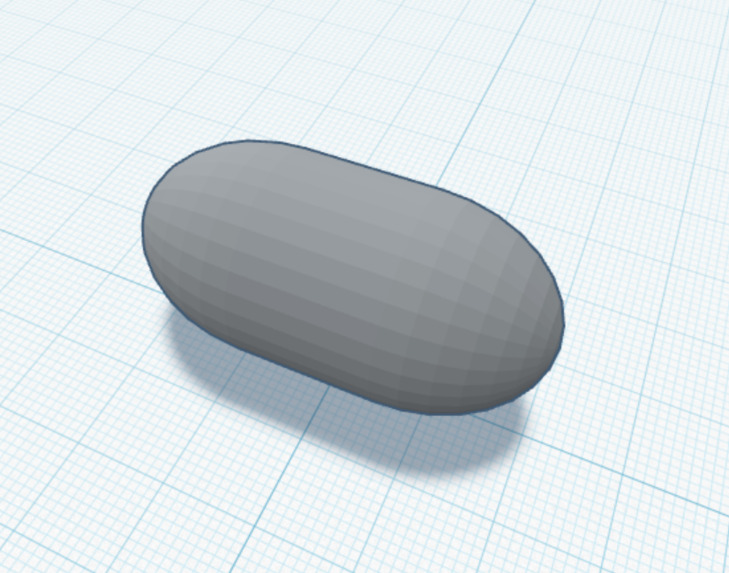
Titanium (Grade 5) Capsule
-
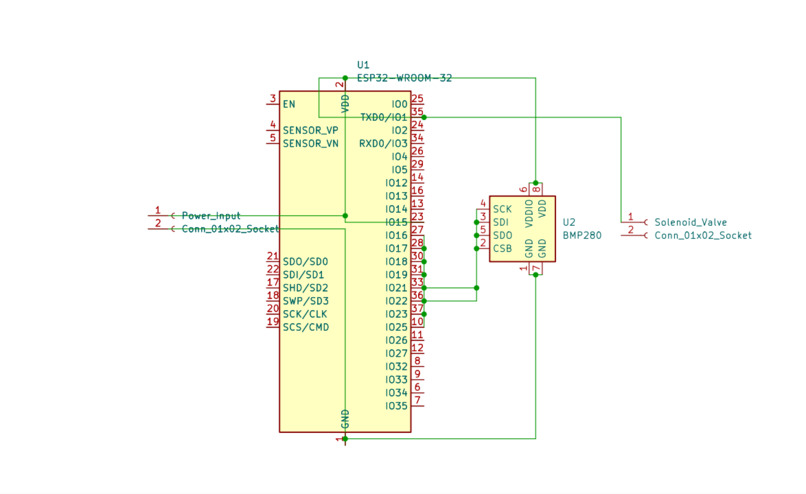
Schematic
Inspiration
Our inspiration came from the vulnerability of marine research equipment in the deep ocean. Accidents can lead to the loss of irreplaceable forensic and environmental data. We wanted to create a resilient solution that could survive deep-sea conditions and autonomously rescue this critical information, ensuring scientific data remains accessible even in catastrophic scenarios.
What it does
The Deep-Sea Forensic Data Rescue System is an autonomous capsule designed for data survivability at extreme ocean depths. It serves as a hardened, high-pressure-rated enclosure for forensic data. Integrated sensors continuously monitor the environment. In the event of an emergency (detected by pressure triggers or external signals), the system can activate a mechanism, like a small solinoid-controlled lift bag, to ascend and transmit a signal, facilitating the data's recovery.
How we built it
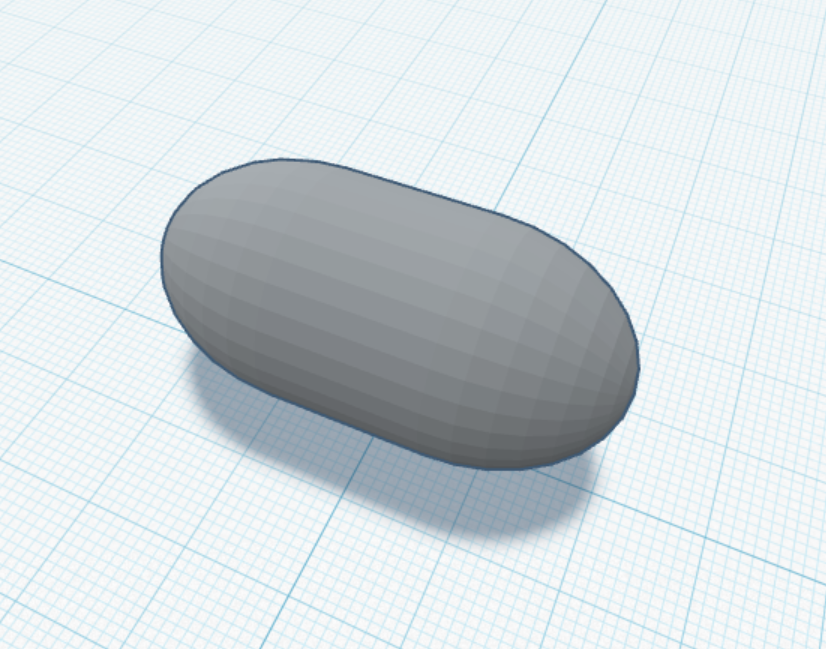
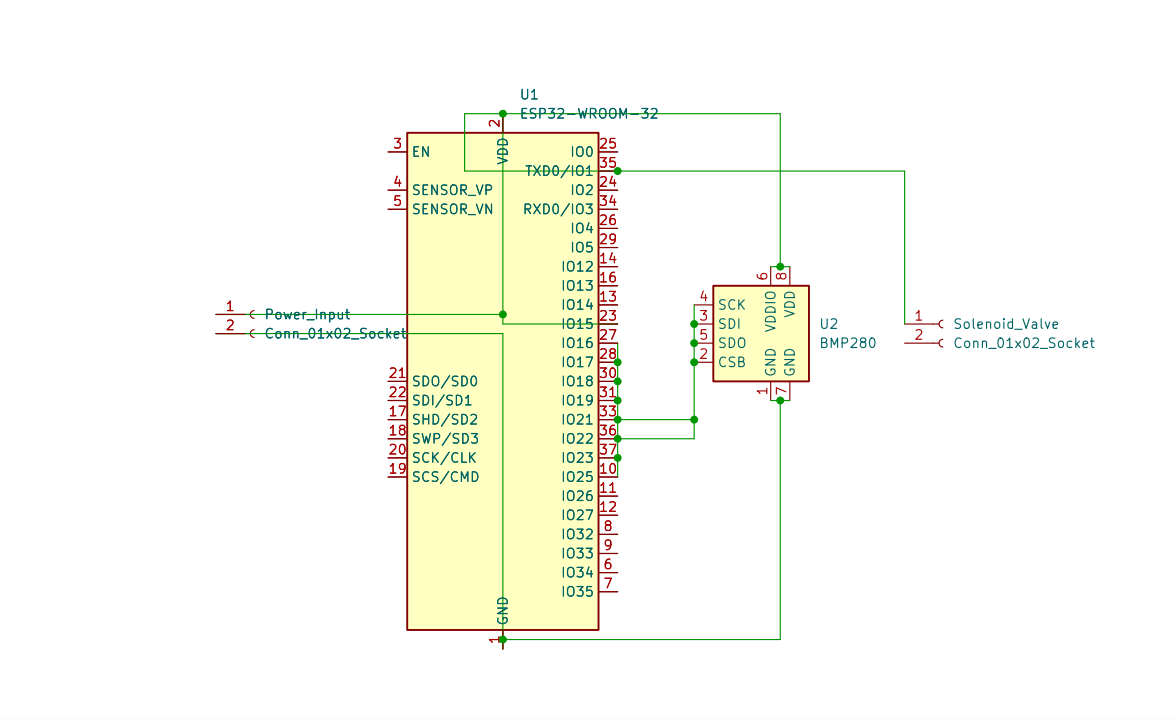
We began by designing a pressure-tolerant capsule structure using CAD, optimized for high-strength materials (conceptually simulated as Grade-5 Titanium). The electronics are centered around the low-power ESP32 microcontroller, integrated with high-precision BMP280 pressure and temperature sensors to monitor external conditions. We developed custom firmware in MicroPython to process sensor data and control an emergency deployment solenoid. Finally, we prototyped and tested the physical structure and electronic integration.
Challenges we ran into
One of the significant challenges was modeling and simulating the capsule's structural integrity for extreme deep-sea pressures. Designing a reliable autonomous trigger mechanism—like a solinoid activation for the lift bag—that would function under high-pressure conditions while remaining low-power was also difficult. Additionally, ensuring seamless integration between the BMP280 sensor and ESP32 with accurate pressure trigger points posed initial technical hurdles.
Accomplishments that we're proud of
We are proud of designing a viable, autonomous solution for data rescue in such a hostile environment. We successfully integrated micro-electronics (ESP32) and sensors for automatic emergency response. Creating a high-pressure-rated CAD design and robust firmware demonstrates a significant engineering achievement for a student team.
What we learned
We gained deep insights into deep-sea engineering, including pressure-rated materials and structural design principles. We also enhanced our skills in MicroPython firmware development with ESP32 and integrating different sensors and control systems. The project reinforced the importance of planning for failure and designing resilient autonomous systems.
What's next for Deep-Sea Forensic Data Rescue System
Our next steps involve building and testing a full-scale physical prototype. We aim to perform controlled pressure tests to validate the capsule design and its activation mechanism. Integrating more advanced communication methods, such as acoustic modems, to transmit recovery coordinates is also part of our future development plan.
Built With
- bmp280
- cad
- esp32
- micropython

Log in or sign up for Devpost to join the conversation.