-
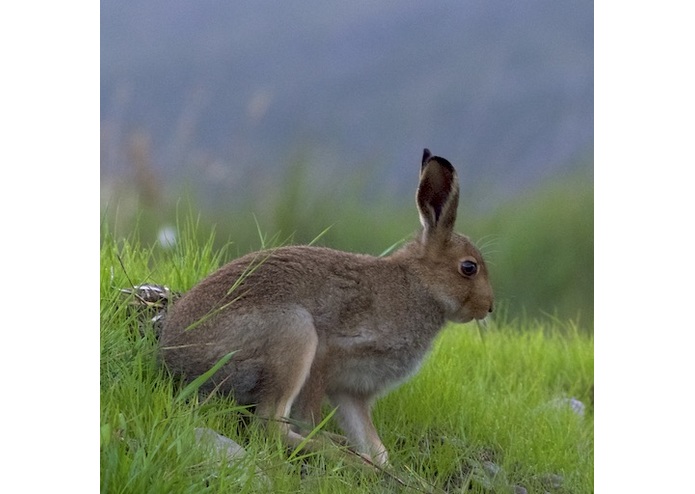
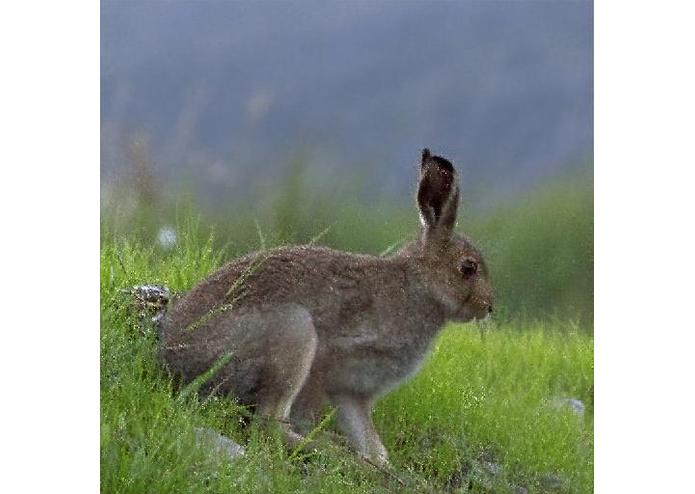
Original
-
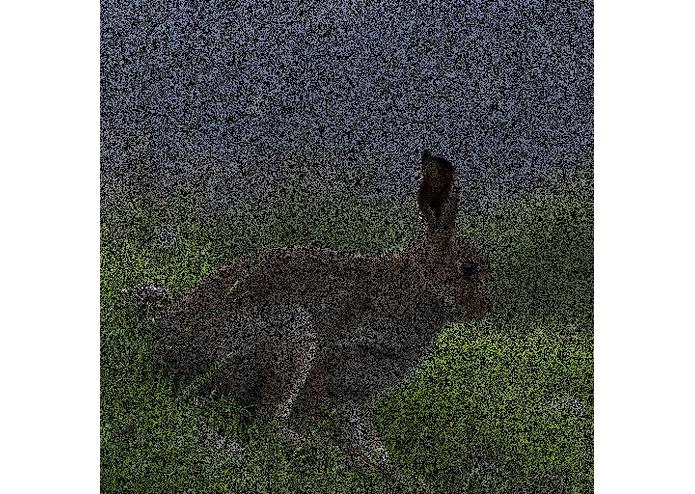
Deconstructed
-
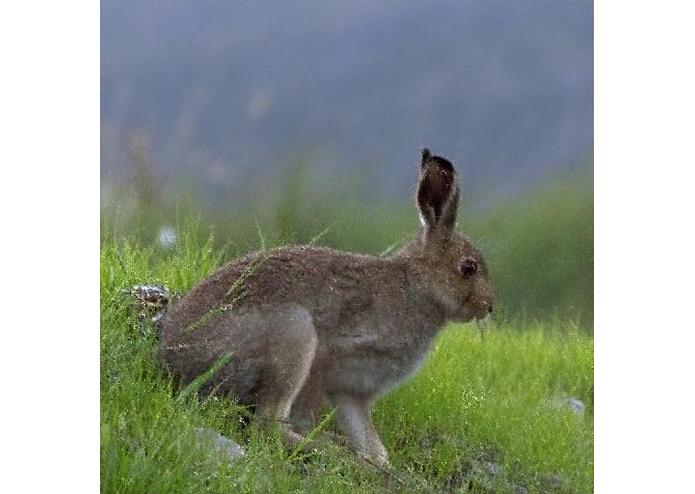
Restored_1
-
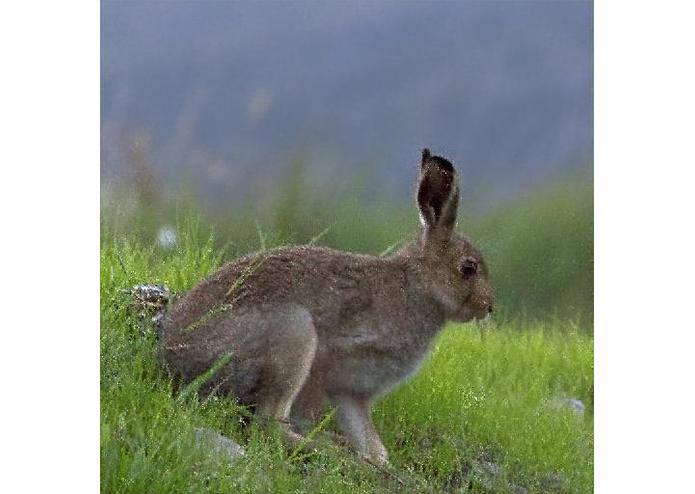
Restored_2
-
Restored_3

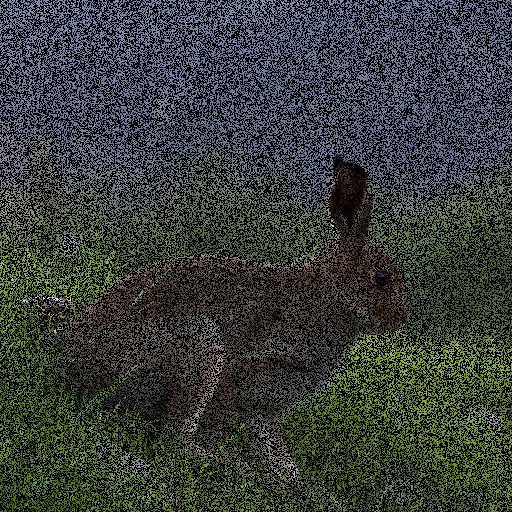



Most of the time, we fail to capture the beautiful moments through camera/mobile. The imagine quality lacks something always. Deep restoration will provide the flexibility to capture anything at go without compromising the beauty.
Different form of deep learning are becoming a popular tool for image generation and restoration. Generally, their excellent performance is imputed to their ability to learn realistic image priors from a large number of example images. we show that, on the contrary, the structure of a generator network is sufficient to capture a great deal of low-level image statistics prior to any learning.
We took help of paper "Deep Image Prior" by Dmitry Ulyanov, Andrea Vedald and Victor Lempitsky to build our models with changes in the data is represented. The architectures differ from those used in the actual paper, but Python3 with PyTorch, torchvision , NumPy, CUDA and cuDNN came handy to help us.
We were not prepared for this algorithms and we didn't had resources to train our model good. We went for constrained training.
The results are not bad!
How to design architecture, which requires less training time without on the quality of output.
Some more nice CNN architecture with quite good hardware or AWS to train model better.
Built With
- cudda
- gpu
- python
- pythrorch

Log in or sign up for Devpost to join the conversation.