-
-
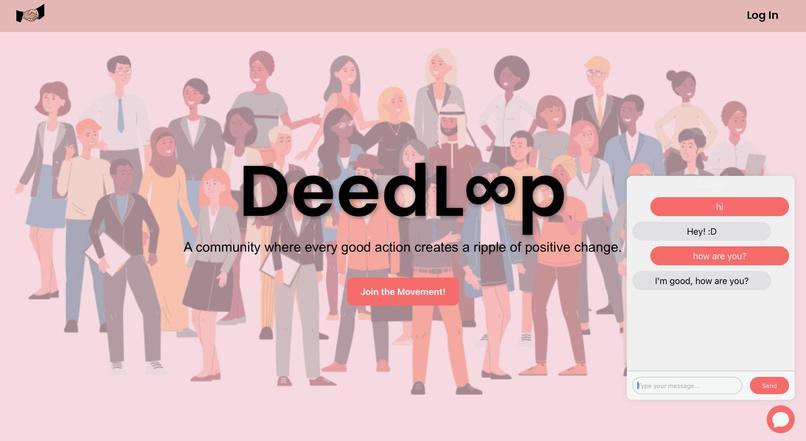
HomePage
-
-
-
Inspiration
DeedLoop was born out of a desire to foster a community based on meaningful service exchanges without the involvement of money. The idea was to create a platform where users can offer and receive services freely, creating a loop of generosity and connecting people to make everyday life easier and more fulfilling. Whether it's a small favor or a larger commitment, each service helps build a sense of community and combat loneliness. Many of us face times of isolation or need help with small tasks that can feel overwhelming, especially when financial barriers get in the way. We saw an opportunity to build a platform that encourages people to help each other, without monetary transactions, by leveraging the power of community.
What it does
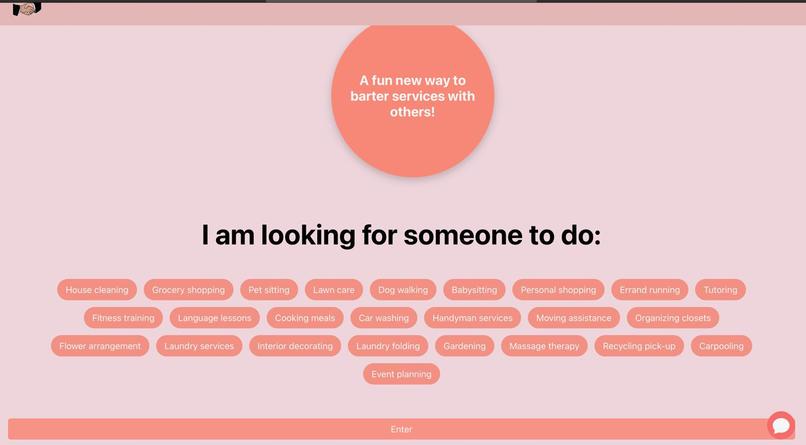
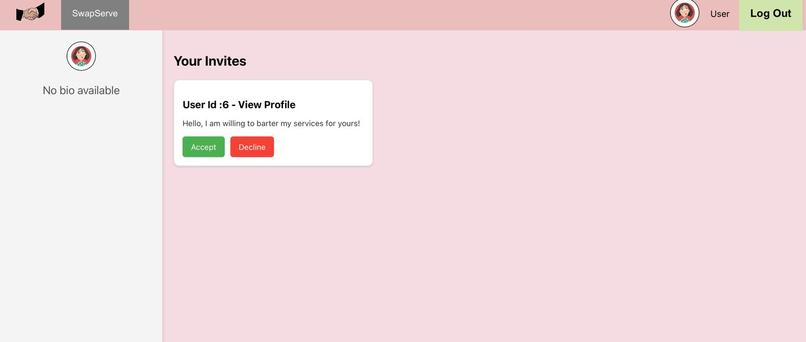
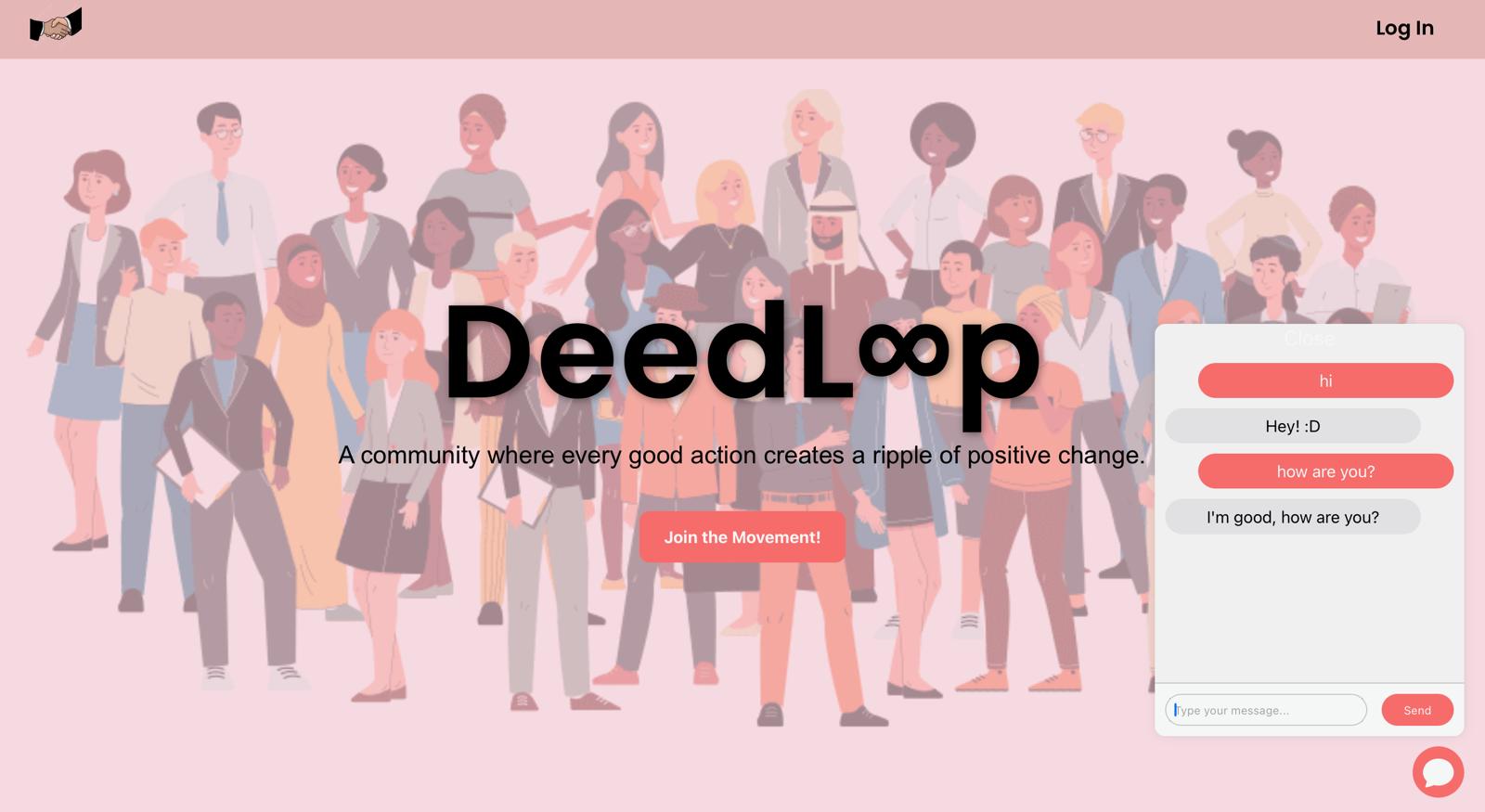
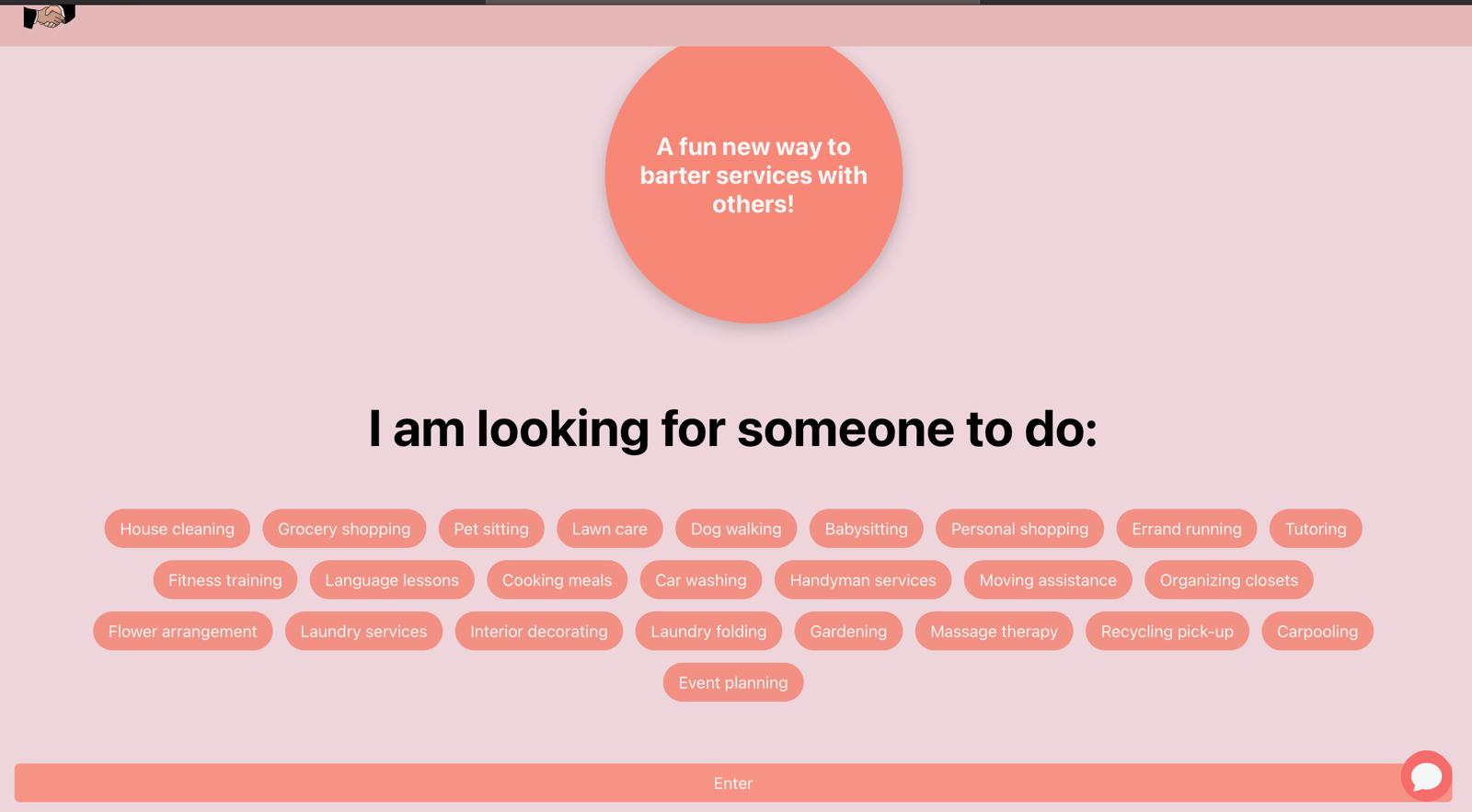
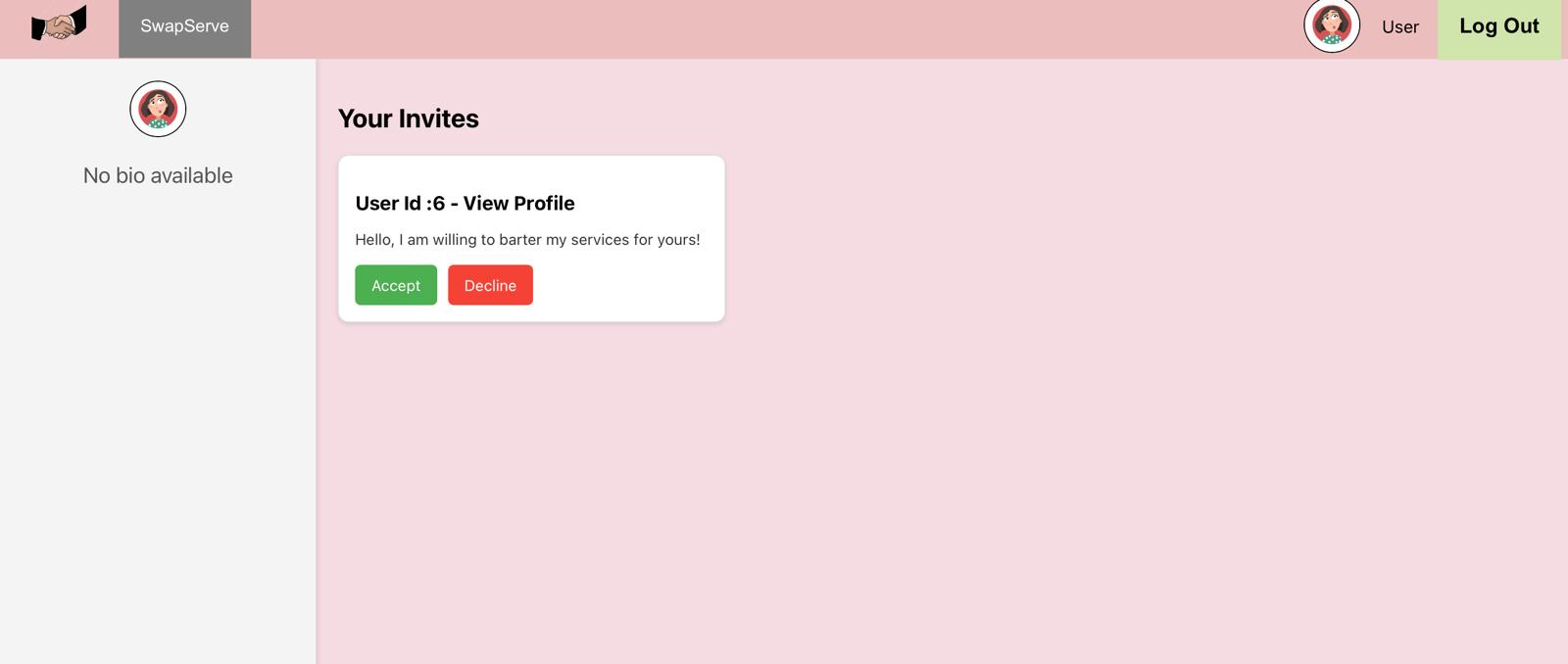
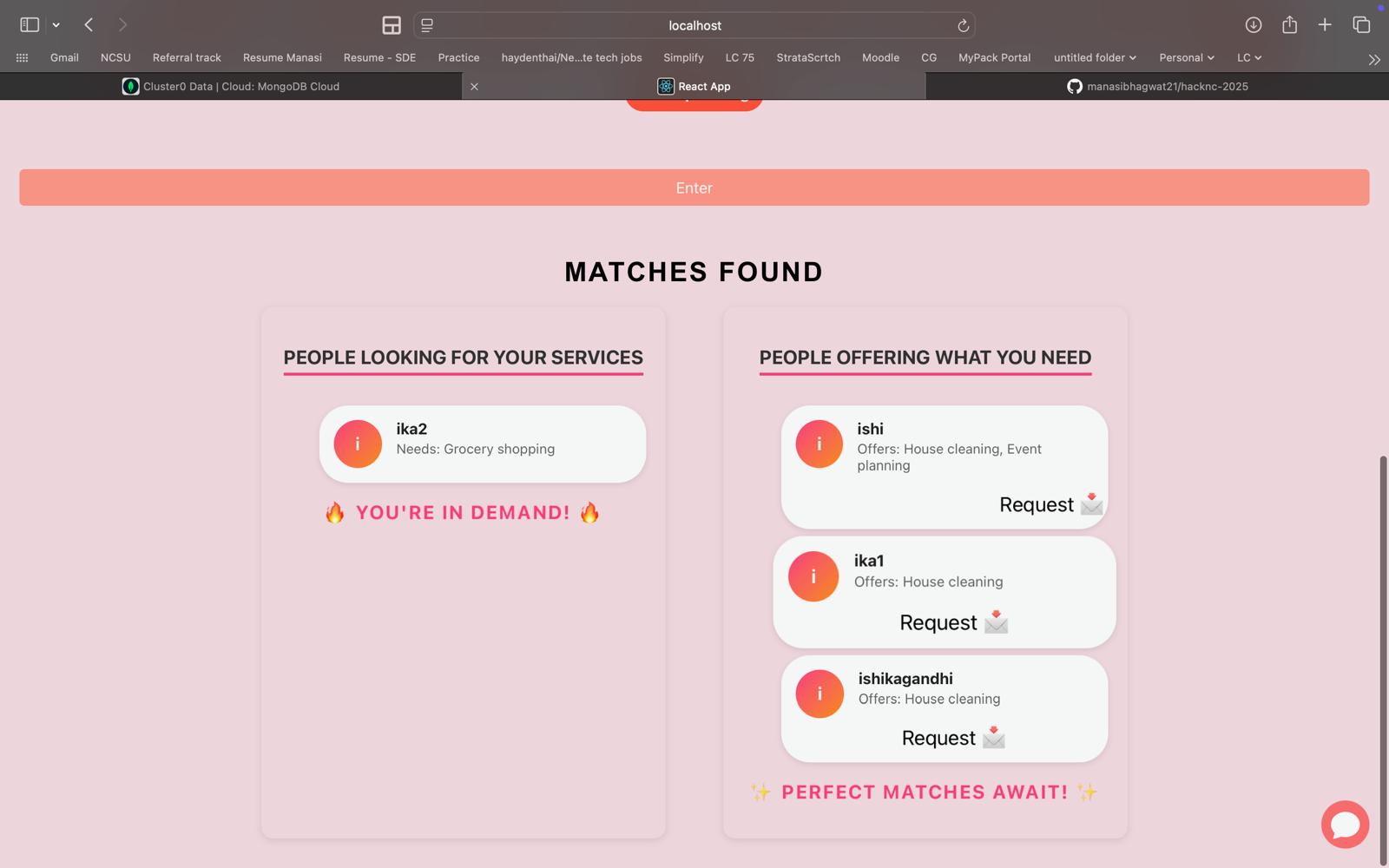
DeedLoop is a community-driven platform that facilitates the exchange of services through a barter system—connecting users based on their unique needs and the services they are willing to offer. Key features of the platform include:
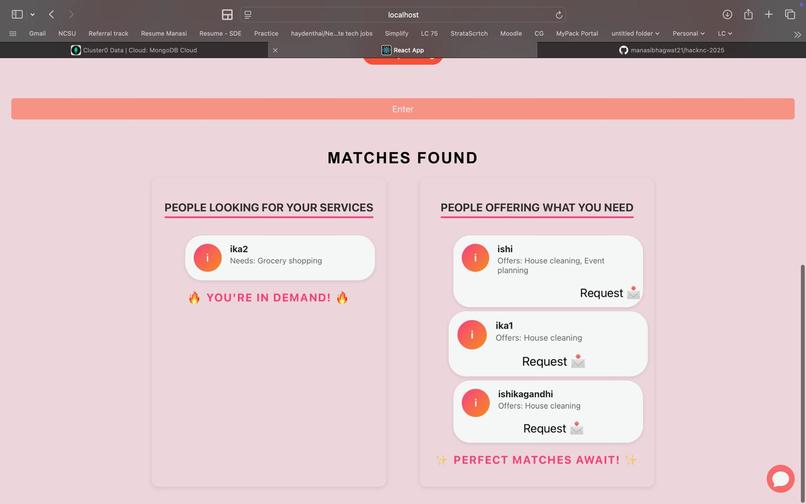
Service Exchange Barter System & AI Matchmaking: Matches users based on their offered services and requests, ensuring meaningful connections. Pay It Forward System: Users can list resources or services they are willing to give, creating a continuous cycle of kindness. Local & Global Events: Enables users to create and join events, like Secret Santa exchanges or neighborhood clean-ups, providing opportunities to give back to the community. Guidance Chatbot: A helpful chatbot, powered by DialoGPT, connects users to mental health resources and appropriate support communities when they need it most.
How we built it
The development of DeedLoop involved using a combination of technologies to create a seamless experience:
Frontend: We used React to build a responsive and dynamic user interface that makes it easy for users to navigate and connect with others. Backend: FastAPI was employed to handle the API requests, ensuring fast and efficient communication between the frontend and the database. Database: MongoDB was used to store user data, event information, and service details. Its flexible document structure allowed us to efficiently handle a variety of data types. AI: DialoGPT was integrated to provide mental health chatbot capabilities. It uses natural language processing to connect users with mental health resources and support groups. User-Centric Design Focus: Every feature was designed with the end-user in mind. We aimed for a simple, intuitive design that could easily onboard new users.
Challenges we ran into
While building the project in one day was an exciting and rewarding challenge, it came with its own set of difficulties:
Time Constraints: With a tight timeline, it was challenging to balance building all the core features with ensuring the application was functional and user-friendly. Integrating AI Responsibly: Using AI for matchmaking and mental health chatbot functionality required careful consideration of user privacy and data security. Ensuring the chatbot gave helpful, non-judgmental advice was crucial. Database Scalability: As we designed the platform, ensuring the database could scale to handle an expanding user base and large event data was a significant technical challenge. We also had to design the database to handle complex queries for matching users based on services offered and requested. Real-Time Interaction: Ensuring smooth real-time communication with GenAI chat and event features was another challenge. Implementing real-time event updates and interactions required careful planning for data synchronization.
Accomplishments that we're proud of
We are proud to have:
Built a platform that connects people based on service exchange rather than money, fostering a sense of community and generosity. Successfully integrated AI-driven matchmaking and a chatbot for support to feel welcomed, providing real-time assistance to users. Created a Pay It Forward System, encouraging users to give services freely, helping others in ways both big and small. Developed a user-friendly platform that can be accessed by people from various backgrounds, fostering inclusivity.
What we learned
Building DeedLoop taught me several valuable lessons:
AI Integration in Social Good: Using AI matchmaking for connecting people based on their needs and services has shown how technology can positively impact real-world connections. User-Centric Design: The platform's design was built with the user experience at its core. I learned the importance of simplicity and ease of use, ensuring that people of all ages and technical skill levels can participate in this service exchange. Building for Scalability: We designed the platform with scalability in mind, ensuring that the system could handle a growing number of users and events.
DeedLoop was built with the mission of creating a compassionate and generous community where acts of service define the interactions. The platform’s AI-driven service matching, mental health support, and event-driven features make it unique in the way it fosters meaningful connections. Despite the technical challenges, the result is a platform that helps people grow and thrive together.
WeThrive, WeGrow, GiveNGet.
What's next for DeedLoop - Circle of Good Deeds!
Looking ahead, we plan to:
Expand our platform's capabilities to support more diverse services and local initiatives. Integrate mobile app support for both Android and iOS to make the platform more accessible and user-friendly. Continue enhancing the AI chatbot to better serve users’ mental health needs and connect them to appropriate resources. Expand our community outreach, aiming to bring more users from around the globe to join the loop of generosity and goodwill.

Log in or sign up for Devpost to join the conversation.