-
-
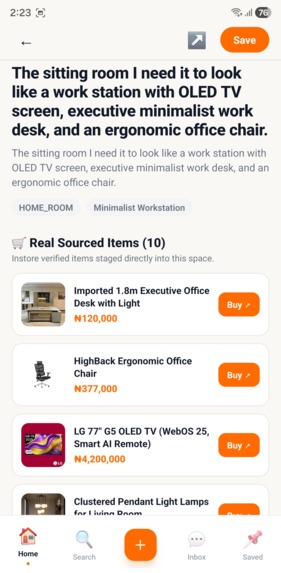
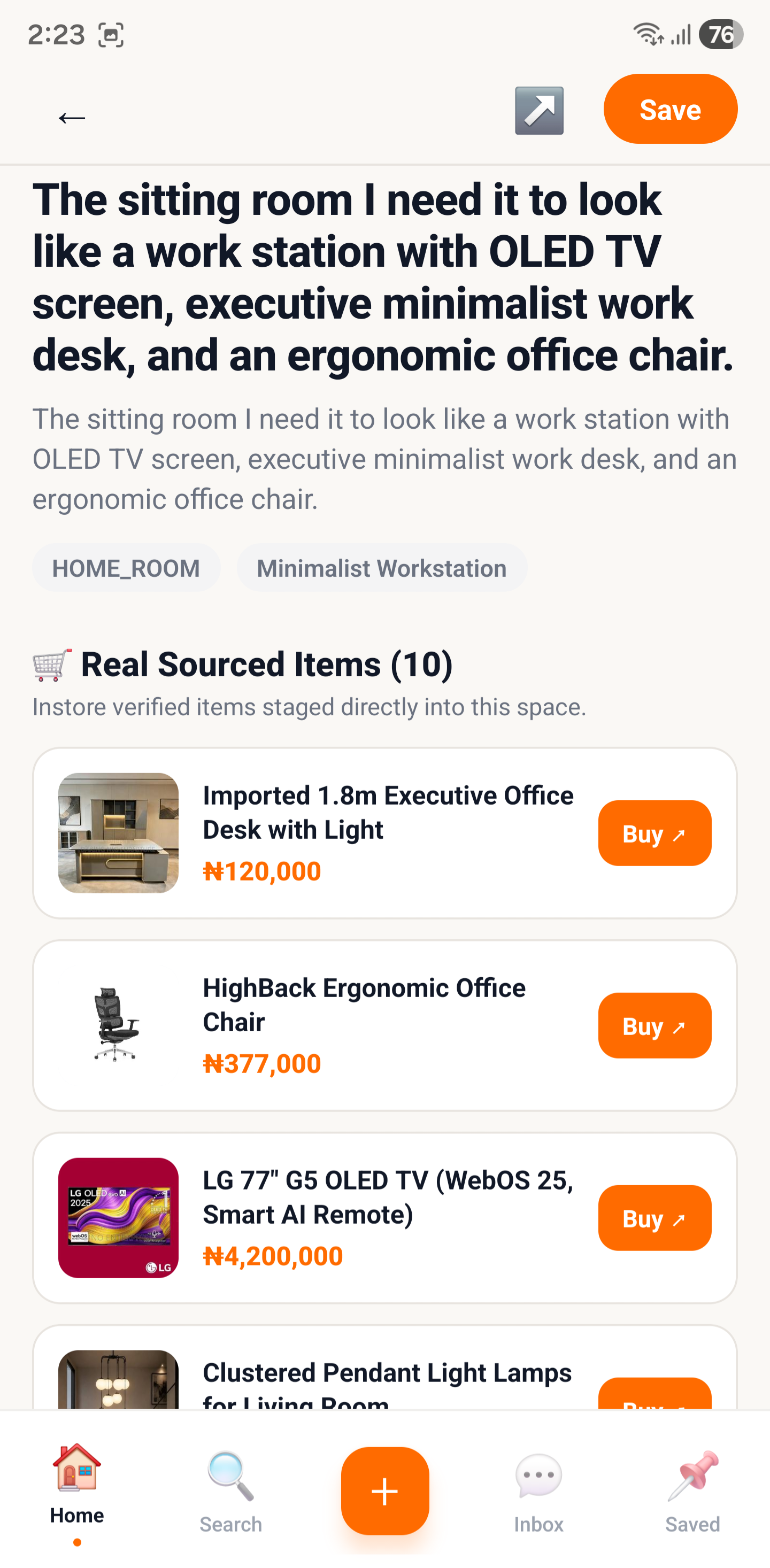
Real Instore Item
-

Signup Screen
-
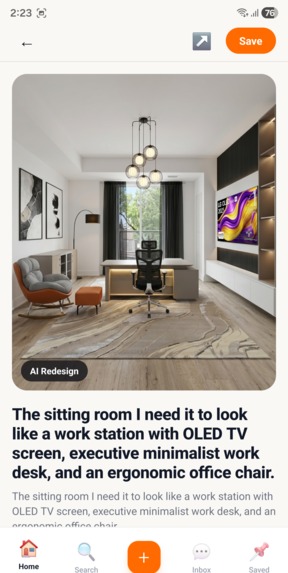
Redesigned Home
-
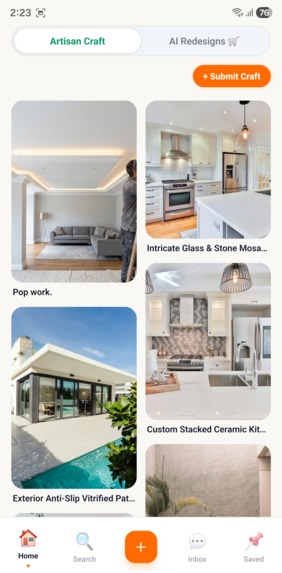
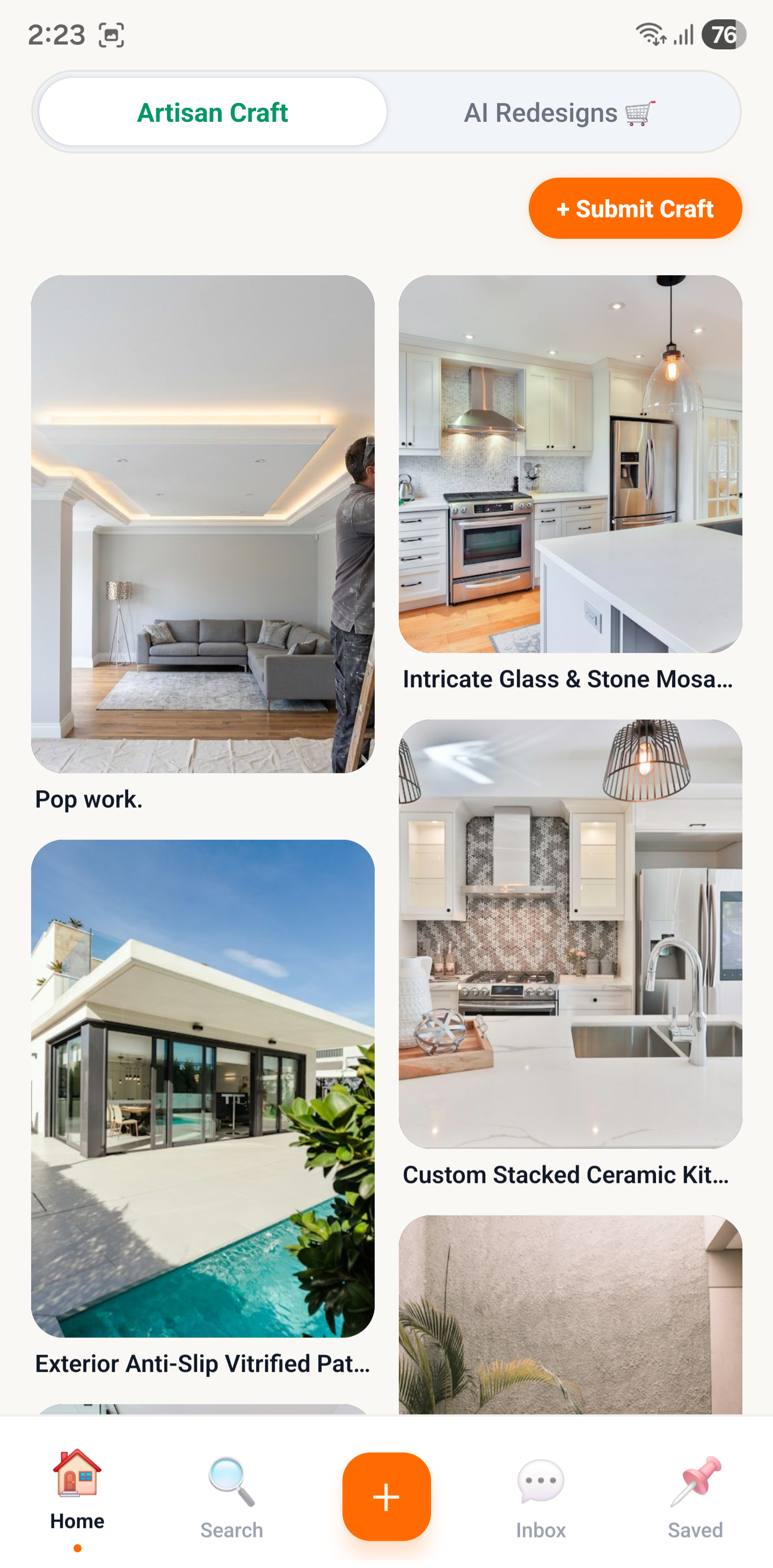
Home Screen
-
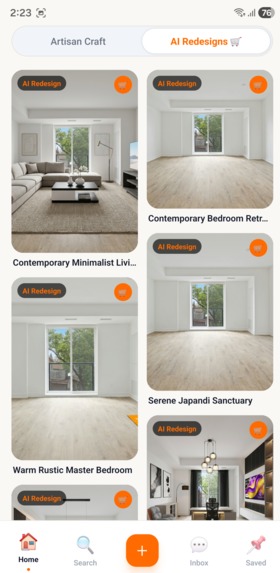
Ai redesign Screen
-

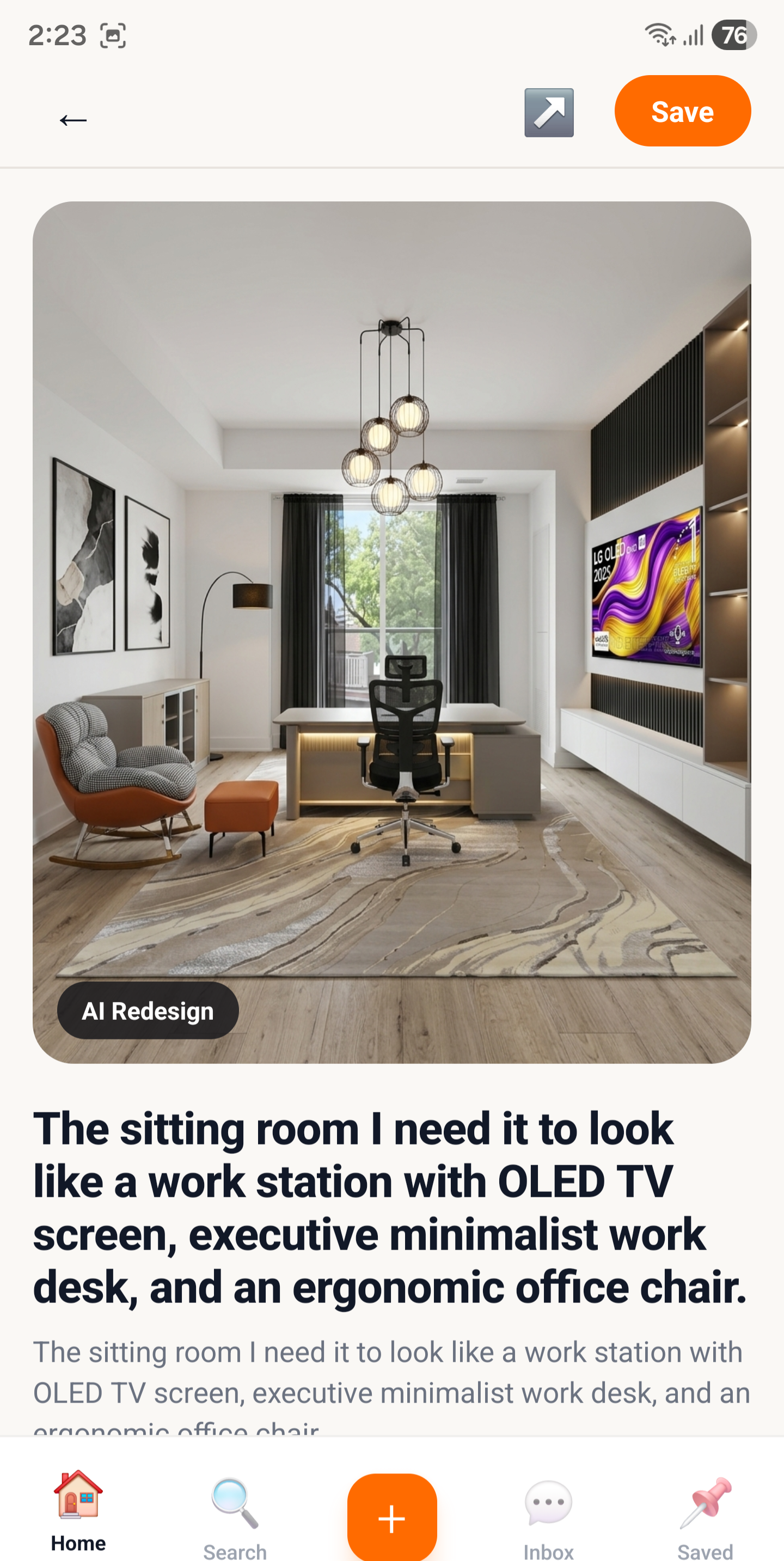
Redesign Image With Purchasable items
-

App Icon
-
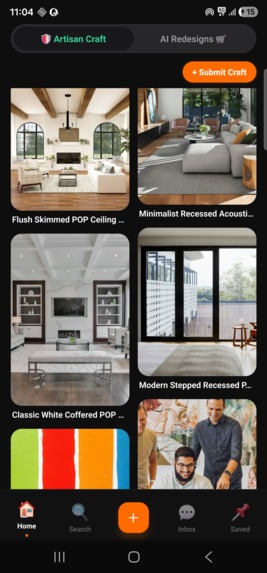



Inspiration
After my team and I lost in a previous hackathon, we sat down together to ask ourselves a hard question: What can we build that truly stands out and solves a genuine, everyday pain point?
That was the moment the idea for Decox was born.
We had experienced this frustration firsthand. Whenever we tried using generative AI tools to brainstorm room redesigns—whether for a home office, gym, bedroom, or kitchen—we consistently got back "AI slop": gorgeous fantasy renders filled with hallucinated furniture that does not exist in any store. You fall in love with a room concept, but there is no way to actually buy the sofa, the light fixture, or the rug.
We asked ourselves: why shouldn't an AI room redesign be grounded entirely in products and craftsmanship you can actually buy in real life?
What it does
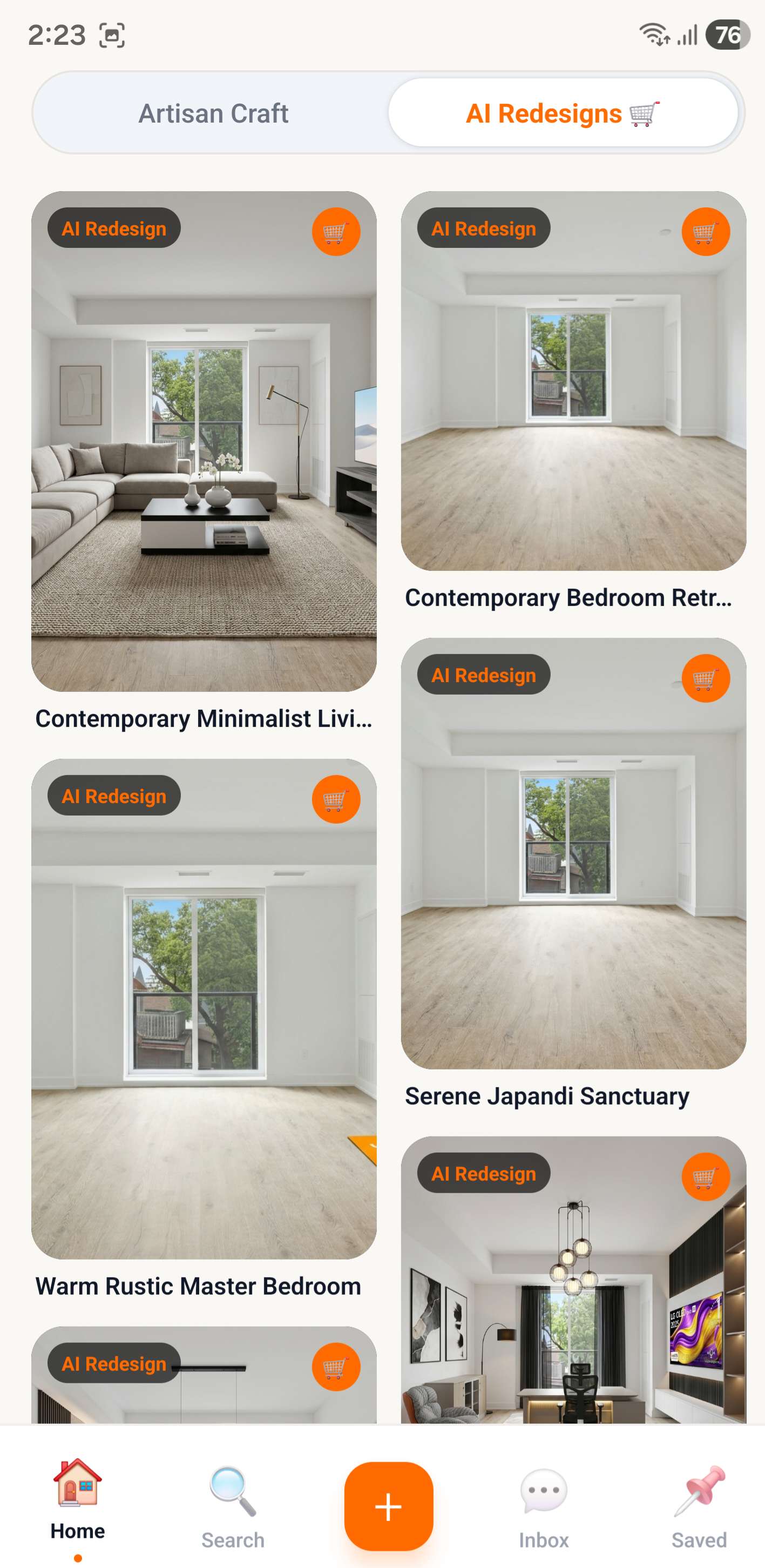
Decox is a mobile-first spatial redesign engine that bridges the gap between AI inspiration and real-world execution.
Instead of generating synthetic, unbuildable mockups from scratch, Decox grounds every design in reality:
- Snap & Specify: You take a photo of your existing room (living room, bedroom, office, or patio) and describe your style and preferences.
- Live Store Sourcing: Decox uses intelligent web retrieval agents to search real e-commerce stores (such as Jumia, Jiji, and Amazon), finding actual in-stock furniture and decor items with verifiable prices and direct purchase URLs.
- Hallucination-Free Spatial Staging: Rather than inventing fictional objects, Decox uses multimodal spatial image editing to realistically place the sourced items into your room photo, preserving your room's real-world geometry, walls, doors, windows, and natural lighting.
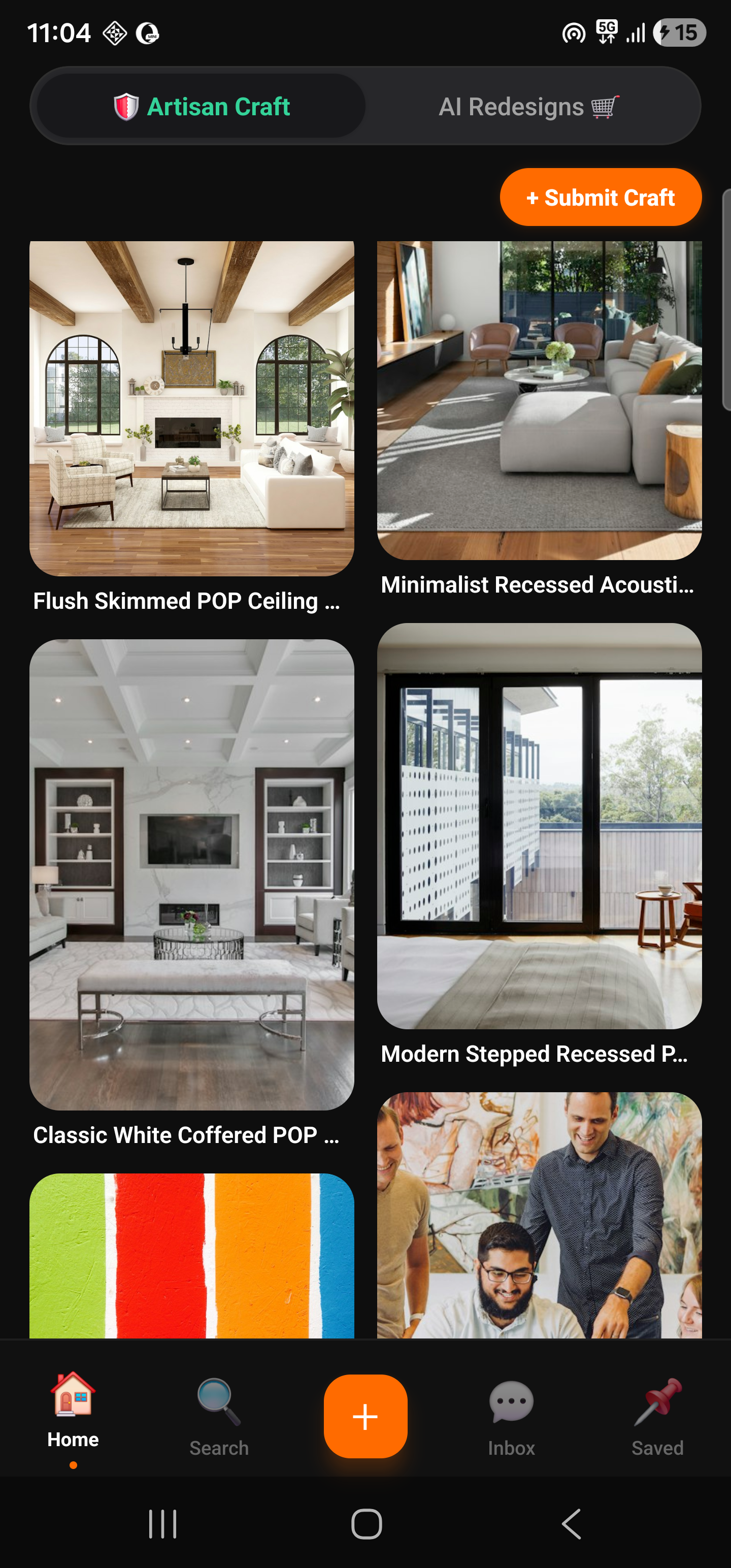
- Local Master Artisan Matching: For custom physical finishes that can't be bought off the shelf (such as POP ceilings, fluted wood paneling, screeding, or interlocking paving), Decox matches the design directly to vetted local human craftspeople with instant in-app contact.
The result is a photorealistic, achievable redesign where every single item can be bought or built with one tap.
How we built it
We built Decox with a production-grade, multimodal stack:
- Mobile Client (React Native & Expo): Developed with TypeScript, featuring native camera capture, responsive masonry inspiration feeds, interactive before/after redesign views, and in-app artisan messaging.
- Agentic AI Orchestration (Python & LangGraph): Structured as a stateful
RoomDesignStategraph running on FastAPI. It analyzes room architecture, routes tasks between retail commerce sourcing and artisan craftsmanship, and orchestrates the staging pipeline. - Multimodal Spatial Reasoning (Google Gemini 3.8 Flash): Leveraged for room perception, structural boundary analysis, prompt synthesis, and spatial image composition.
- Live Commerce Extraction (Parallel.ai): Powers real-time search across e-commerce platforms to extract verifiable product titles, live pricing in Nigerian Naira (NGN), product photography, and direct checkout links.
- Semantic Artisan Matching (PostgreSQL & pgvector): Cloud SQL database utilizing pgvector embeddings to semantically index and match physical craftsmanship requirements with local artisan portfolios.
- Cloud Infrastructure (Google Cloud Platform): Containerized via Docker and deployed serverless on Google Cloud Run, with media stored securely in Google Cloud Storage (GCS).
Challenges we ran into
Originally, we set out to build an all-in-one residential estate platform where gated estates could manage daily tenant repairs through vetted artisans while offering AI redesign as a secondary feature.
However, building an entire multi-tenant estate management system alongside an advanced multimodal AI staging engine quickly became overly complex, fragile, and prone to breaking. With the hackathon deadline looming, we were stuck and realized we were spreading ourselves too thin.
We made the tough but necessary decision to unstuck ourselves: we stripped away the bloated estate management features, trashed the secondary clutter, and laser-focused entirely on refining our core, high-impact solution—grounded AI room redesign with real products and real artisans.
Accomplishments that we're proud of
Seeing the pipeline work end-to-end felt like magic—it is a dream come true for our team to build something that solves a real-world frustration so cleanly.
You provide your prompt, pick your style, and the AI does the rest: sourcing real products from live stores, preserving your room's real layout, and staging real items with accurate pricing. No fake furniture, no hallucinated mockups—just a grounded, actionable room transformation ready for execution.
What we learned
We learned that a great product is not defined by how many features you cram into it, especially when those features are things users never asked for.
The biggest lesson was the power of ruthless focus: sticking to one core idea and refining it until the user experience is smooth, reliable, and delightful.
What's next for Decox
Our immediate priority is hardening backend stability and polishing every flow:
- Enhancing room decluttering and spatial staging precision.
- Expanding live e-commerce coverage and localized retailer integrations.
- Growing the verified artisan portfolio network.
If we are fortunate enough to win, our goal is to fund our Google Play Console developer account, complete production RevenueCat in-app subscriptions, and officially launch Decox on the Google Play Store as our team's first-ever published mobile application!
Built With
- langraph
- parallel
- python
- react-native

Log in or sign up for Devpost to join the conversation.