Inspiration
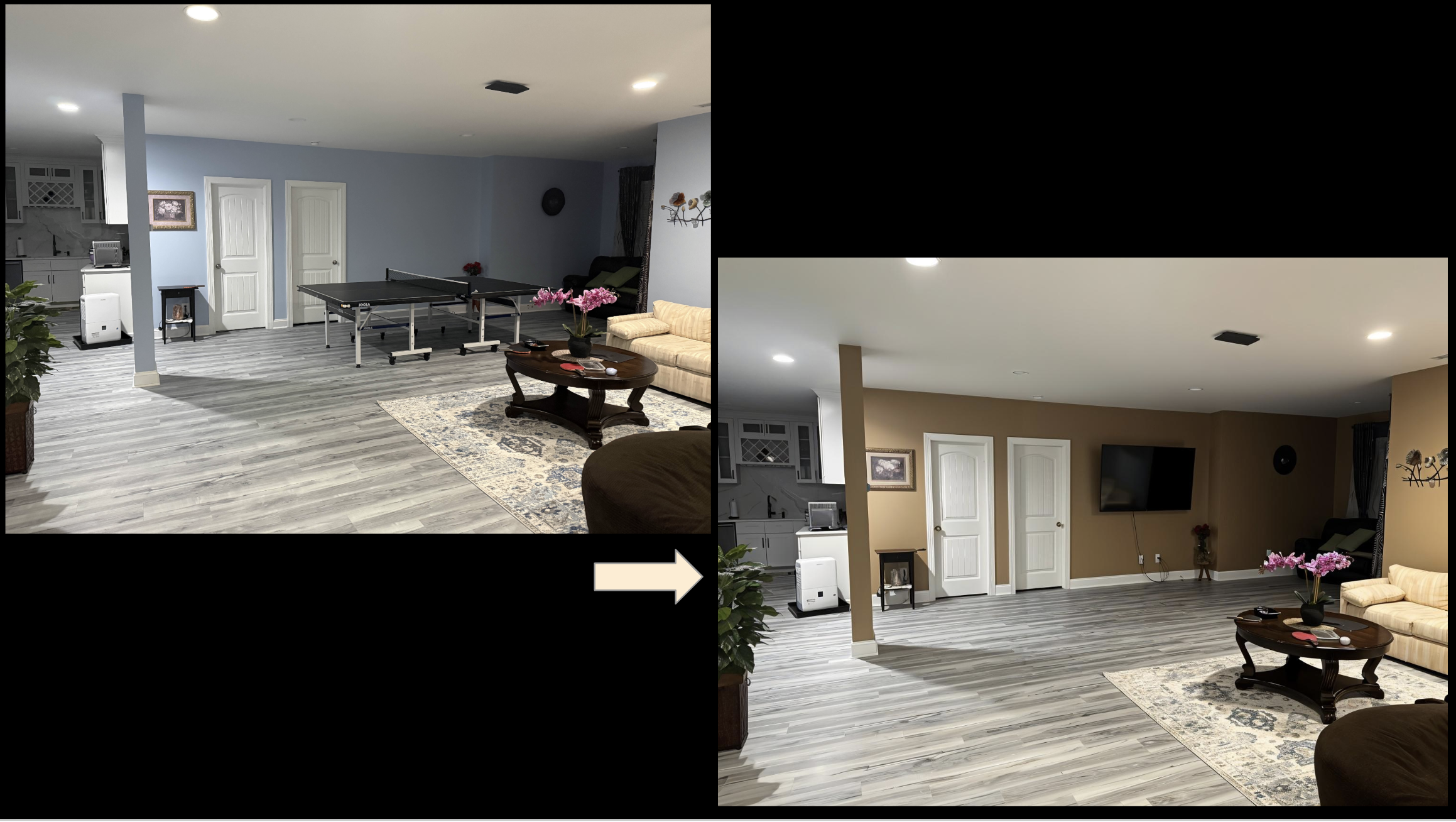
Recently, my family was trying to furnish our basement but had a hard time picturing how different furniture and layouts would actually look in the space. We realized this is something a lot of people struggle with. Most can’t afford an interior designer, but buying expensive furniture without knowing how it will look feels like a gamble. So we thought to create DecorAI!
What it does
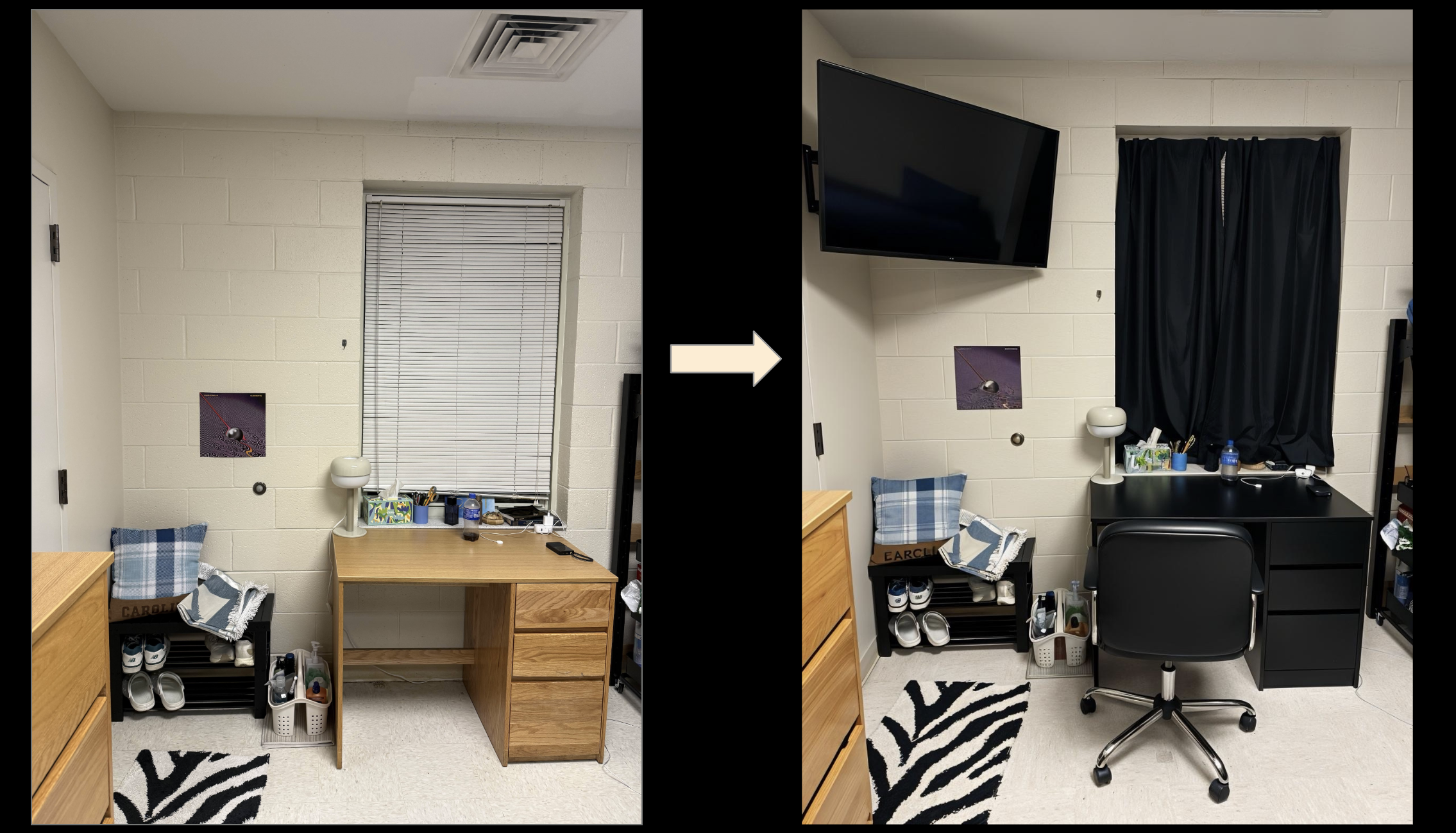
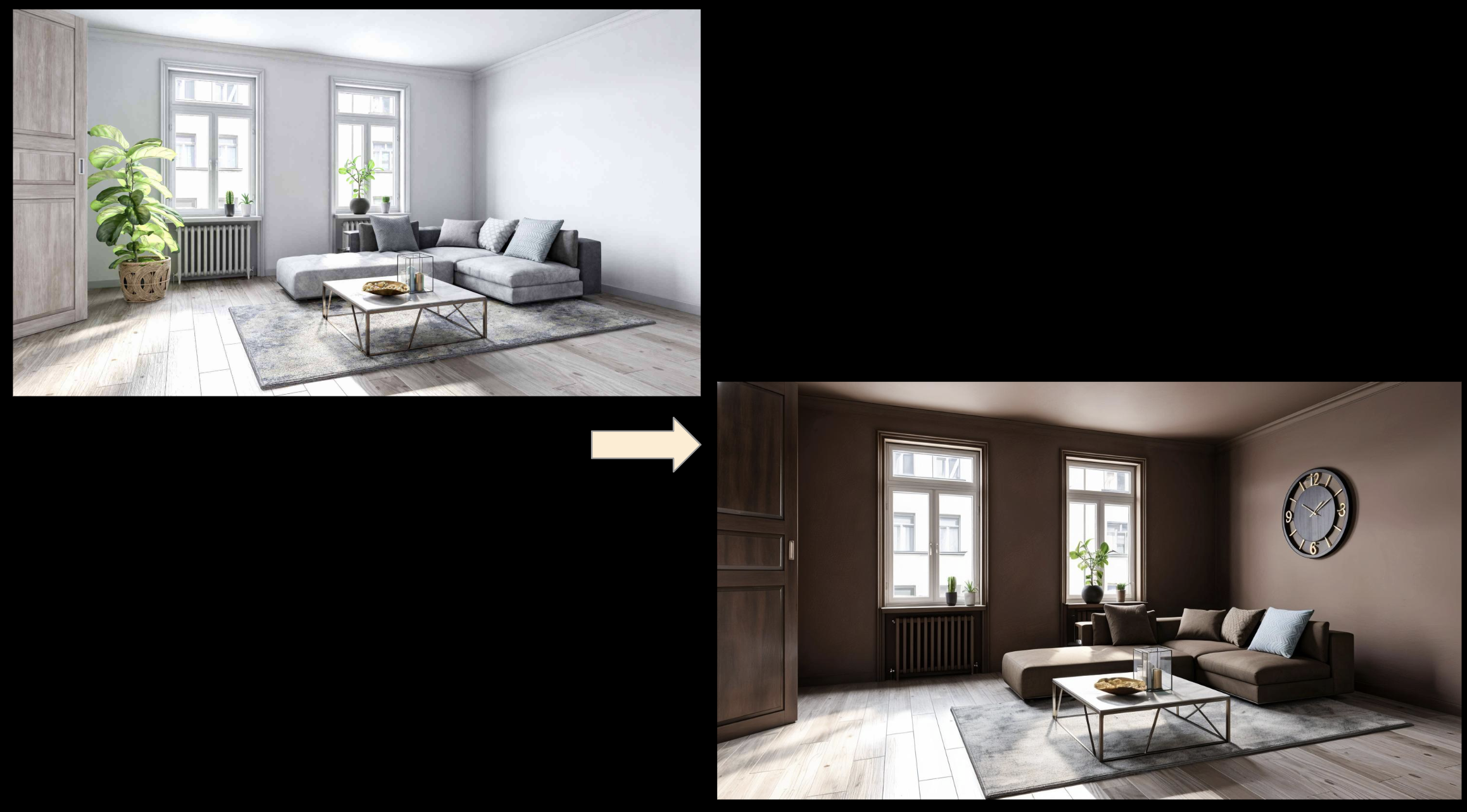
DecorAI turns any room into a professionally designed space in just three steps. You upload a photo of your room, describe your style preferences, and our AI generates personalized design visuals. From there, our design consultation feature gives expert advice, and the product lookup tool recommends real Lowe’s products with links and prices so you can bring the design to life.
How we built it
We built DecorAI with an Express backend using TypeScript and a simple HTML, CSS, and GSAP frontend. We used the Decor8 AI API for room visualizations, OpenAI’s GPT-4 for design consultations and smart product suggestions, and connected everything to Lowe’s product database. The frontend includes smooth animations and an intuitive layout that makes it feel like a professional design tool anyone can use.
Challenges we ran into
The hardest part was getting multiple AI systems to work together smoothly. At first, we tried scraping Lowe’s website for live product data, but it caused too many issues with reliability and bot detection. We decided to switch gears and use GPT-4 to generate product recommendations with direct search links instead, which made everything run more consistently and scale much better.
Accomplishments that we're proud of
We’re really proud that we managed to bring together several complex APIs, into one smooth experience. It took time to get everything working together, but seeing it all come to life in a simple, user-friendly app was incredibly rewarding. The best part is that it solves a real problem we ran into ourselves, which makes it feel even more meaningful.
What we learned
We learned how to connect multiple AI APIs, handle their different data formats, and work within rate limits. Along the way, we gained experience with asynchronous JavaScript, API design, and building responsive interfaces with GSAP animations. One of the biggest takeaways was that the best solution is not always the most complicated one. When we switched from web scraping to using AI-generated recommendations, the app became cleaner, faster, and more reliable.
What's next for DecorAI
Next, we want to add AR features that let users visualize designs in real time through their phone cameras. We also plan to expand beyond Lowe’s by including more retailers, giving users a wider range of choices. On top of that, we want to add user accounts where people can save their designs and shopping lists (add to cart feature), and eventually build a community space where users can share their room makeovers and inspire each other.


Log in or sign up for Devpost to join the conversation.