Inspiration
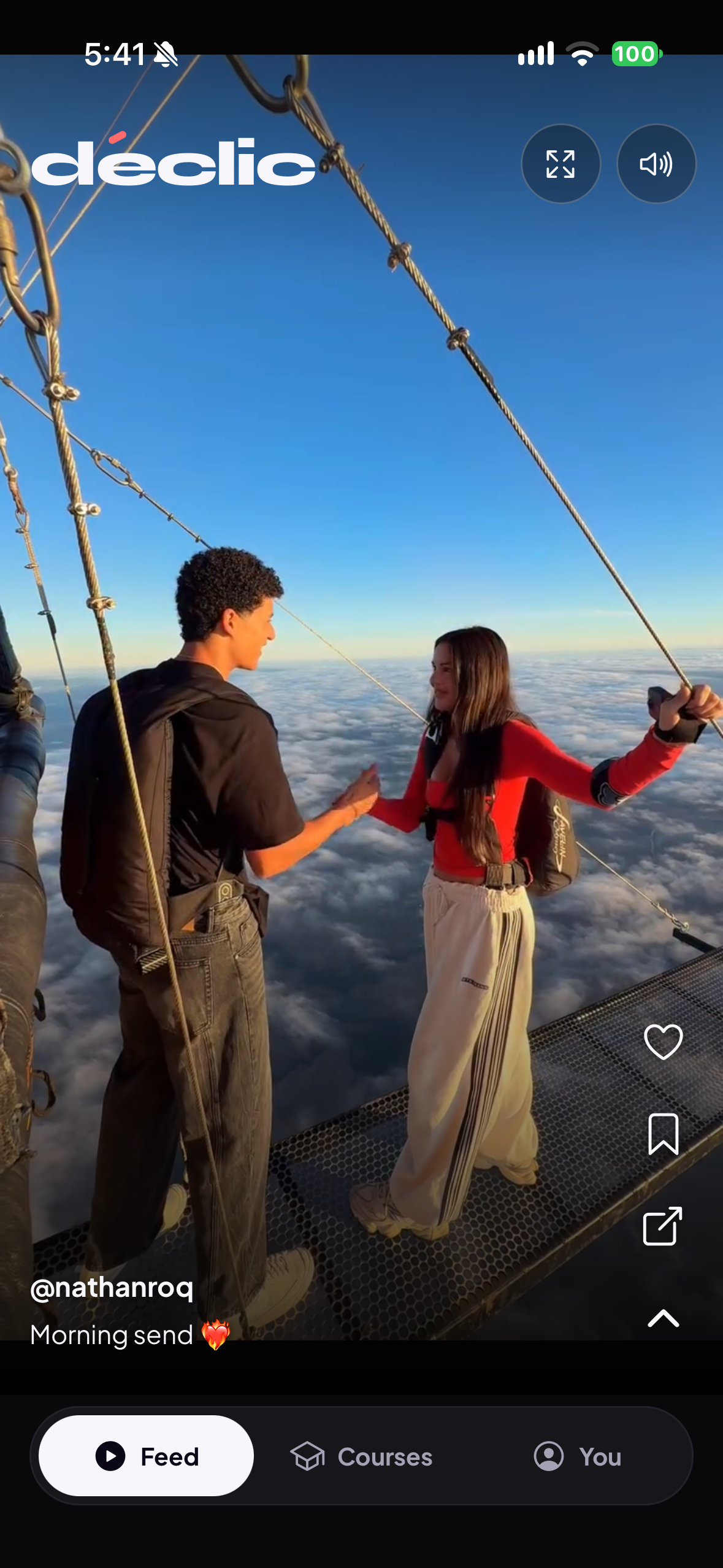
We all scroll reels and Tik Tok during our "5 minute break" when studying. Sometimes an educational video will pop up mid-scroll, and you'll learn something you didn't expect. The problem is that the video probably has nothing to do with the midterm you have tomorrow.
What if it was something you actually needed to learn?
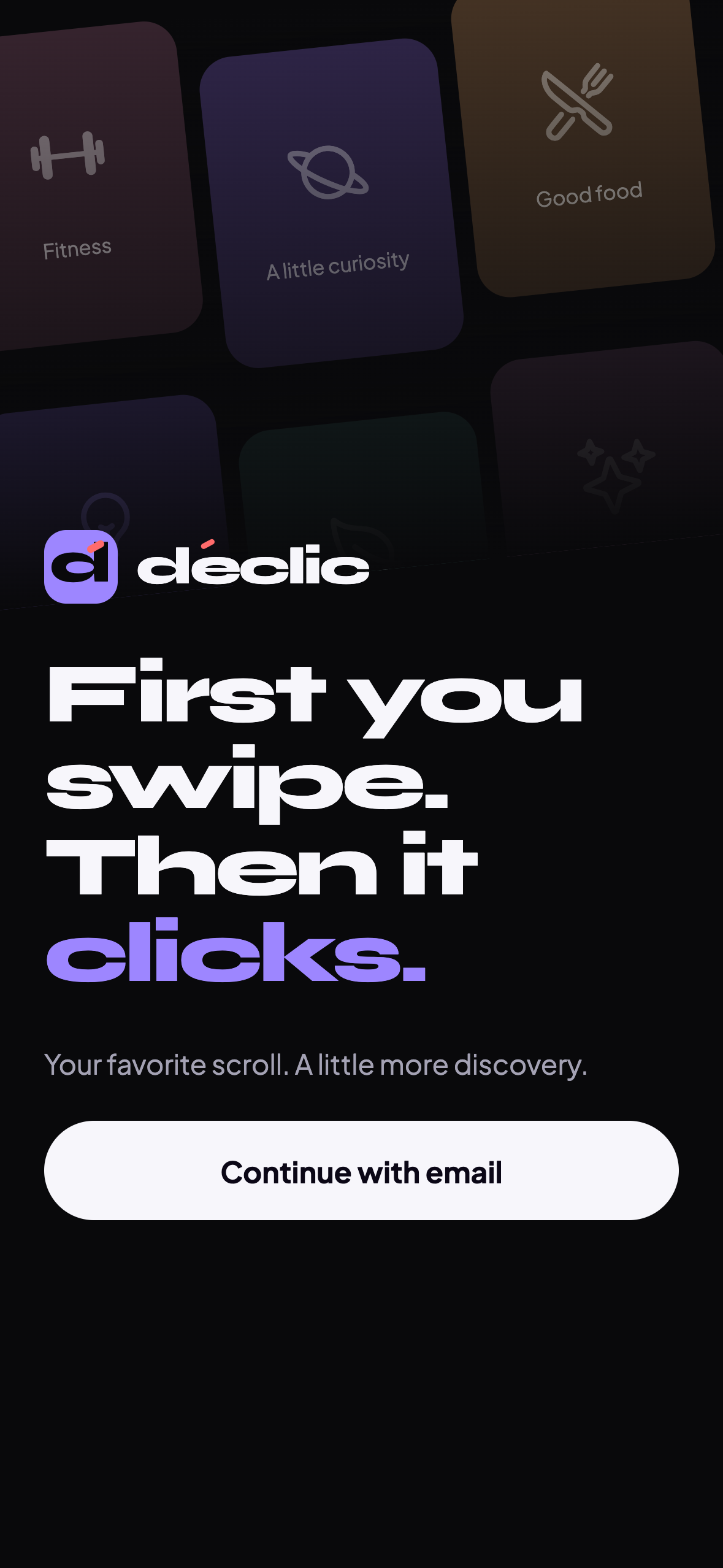
We wanted to keep the part of scrolling that already works and make some of that time count towards something that will actually benefit you. That's where Déclic comes in.
What it does
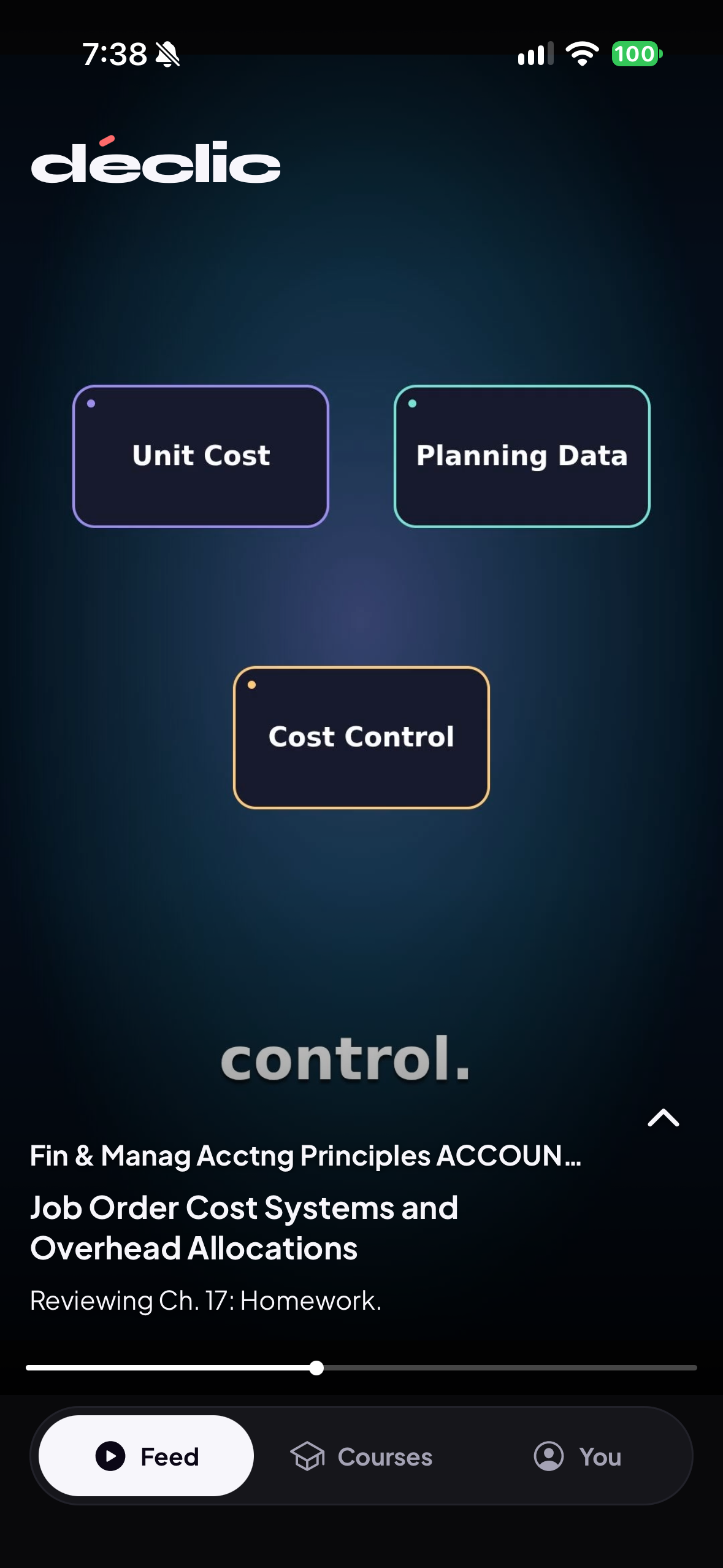
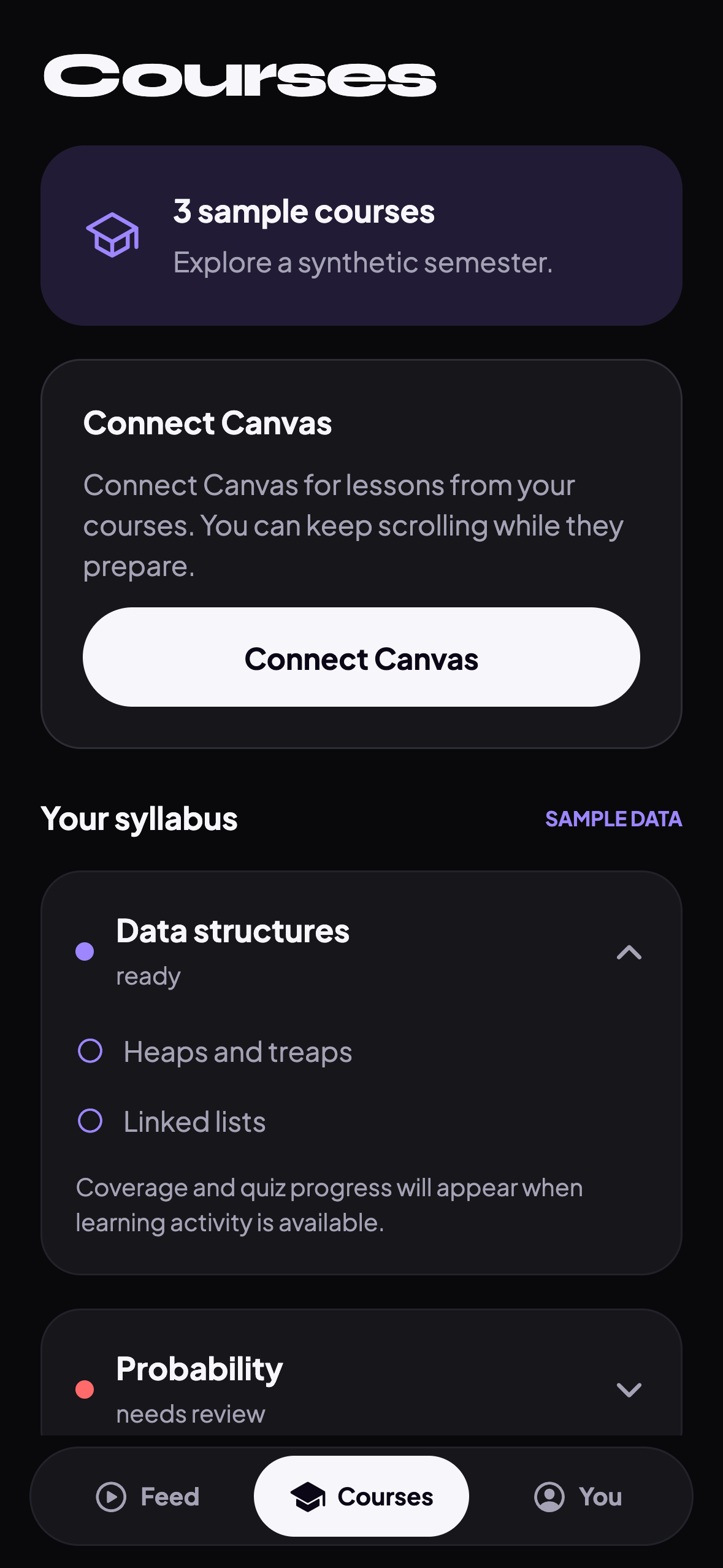
Once you connect your Instagram and Canvas, Déclic's agentic workflow maps out all the topics covered in your lectures, homeworks, and midterms for each course. Most importantly, it will keep track of when each topic is taught, and when it can show up in an exam.
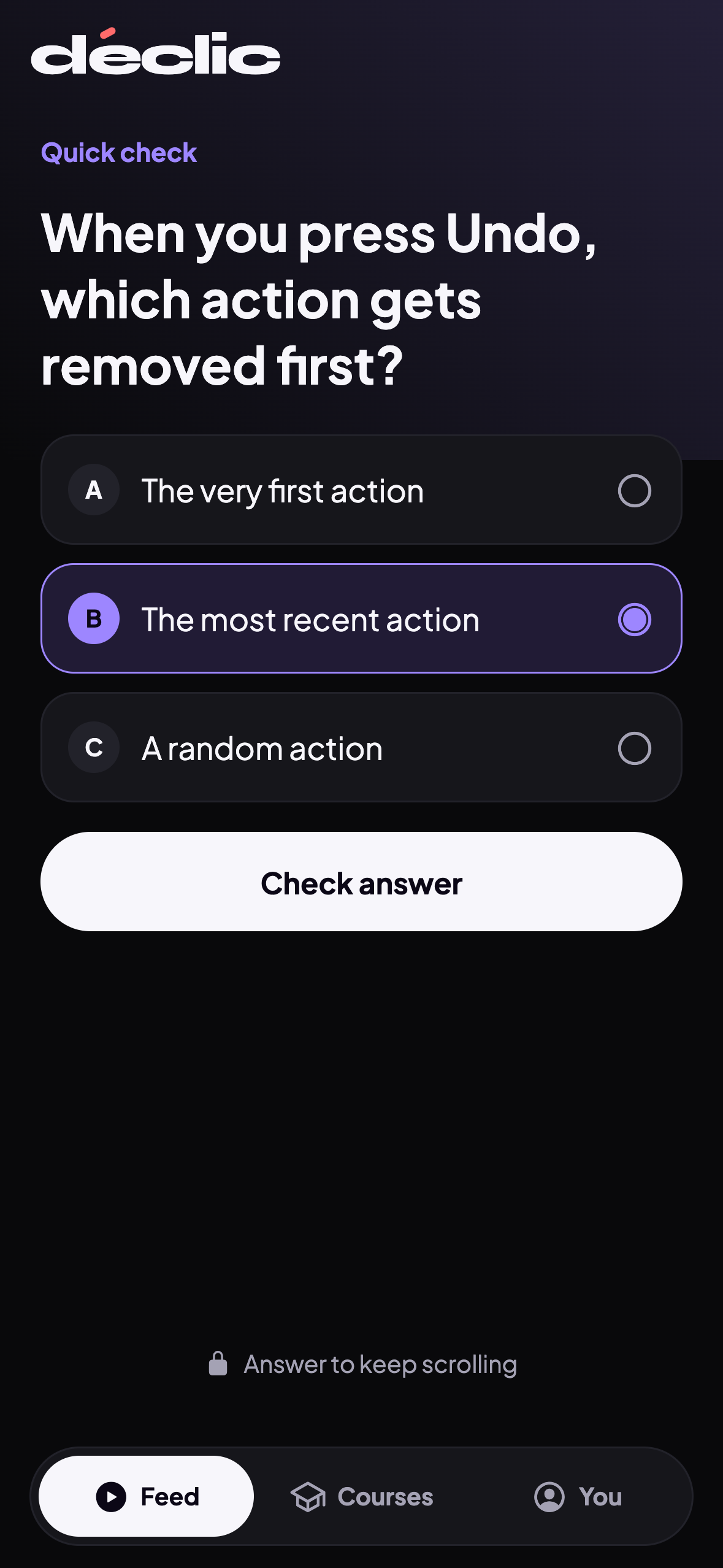
We then create short form videos in different engaging formats for each topic that is relevant to your coursework, and sprinkle them throughout your for you page in our app. We use algorithms utilizing researched-back engagement and memory retention methods to sprinkle in these educational videos throughout your page, increasing the frequency as your scroll session lengthens. We also bring up quizzes after topics are covered in video to keep you from forgetting what you just learned and to ensure you're still learning.
How we built it
We built the mobile app with React Native, backed by a FastAPI service. We use MongoDB Atlas to store course profiles, generation jobs, and learning progress, and Supabase for authentication and content storage. We use an agentic Gemini workflow to parse through your Canvas materials and data to turn them into a map of courses, topics, assessments, and other relevant information. We also utilize Gemini embeddings to identify lessons across users with similar topics to prevent wasting resources on generating videos of the same topic.
For video generation, we use the Claude API to plan and script lessons. We use Claude Opus 5.5 in a harness with FFmpeg and Remotion for video programming, development, captioning, and generation off of various video templates and boilerplates. No 2 videos are exactly the same. We use the ElevenLabs API for text to speech with different voices to keep videos unique.
For the feed and recommendation algorithm, we use exam timings, quiz results. time since review, and course balance to rank lessons. We slowly trickle in more and more feeds as your scroll time goes up as you'll be more engaged and use methods from various research papers to best place videos and quizzes to keep your memory sharp and prevent you from forgetting topics you learn.
Challenges we ran into
Canvas data was messier than we anticipated and we had to rework the Gemini workflow to be able to search for and find all important information. For example, a deadline can tell you when an exam is, but you might have to go looking to find out what will actually be covered on it. We had to wire it to connect details across sources and handle events when it couldn't come up with timelines or a list of topics.
We also had to manage pulling videos from Instagram without an official API to make your feed personalized and make the app actually interesting. We had to find workarounds that allowed your Instagram feed to meet you right on our app. Coming from an IOS simulator to an actual phone also brought up authentication and session issues.
More importantly, we had to make the generated videos something that you'd actually watch. No matter how engaged someone is, videos still have to be engaging and interesting while covering topics in different ways, mixing in humor, and finding ways to cover various disciplines and subjects such as STEM, History, Business, and more.
Accomplishments that we're proud of
For 36 hours, we managed to get a fully end to end working app that supported Canvas and Instagram integrations, ran on your phone, and generated engaging, funny, and interesting educational videos. Everything we imagined possible for this project ended up on a working app on our phones by the end of the hacking period.
From Canvas mapping to quiz generation to automatically generating videos of Stewie and Peter Griffin explaining linked lists, all while having our own feeds content with comments and everything we use in a normal scroll session, we were able to tie everything together into a functioning user experience.
What we learned
There were so many ends covered in this project. We got to strengthen our system design skills by utilizing different databases and AI workflows and designing an API supporting all these integrations. Researching how recommendation algorithms keep you engaged and how memory retention for newly learned content taught us beyond the technical end of this project. Lastly, exploring how to get AI to consistently create creative, engaging, funny videos while still teaching you subjects was nothing to dismiss.
What's next for Déclic
There's so much more to be done.
- Streamline system logic to be more efficient and production ready
- Make Canvas and Instagram integrations more user friendly and add support for other short form content apps like TikTok and LMSs like Schoology or Classroom.
- In-app AI tutor for concepts you're struggling with or want to learn
- More AI video forms and better animations, 3d models, and outlines.
- Support human-created content for topics as well to have more variety
And more :)
Built With
- apis
- claude
- claude-api
- docker
- elevenlabs
- fastapi
- ffmpeg
- gemini
- gemini-api
- mongodb
- node.js
- pymongo
- python
- react-native
- s3
- sdks
- supabase
- typescript
- xcode


