

InspirationDECLARATION:
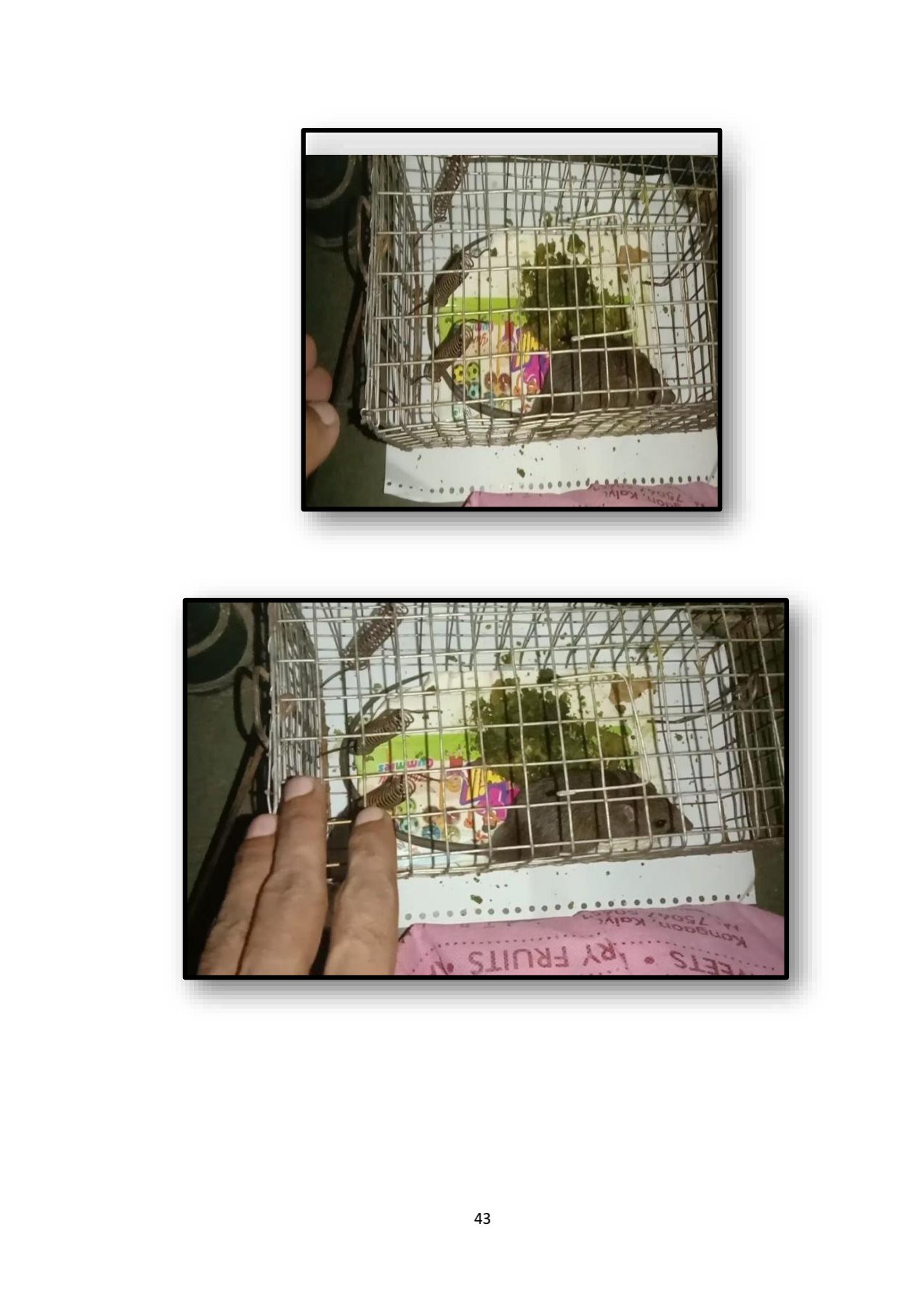
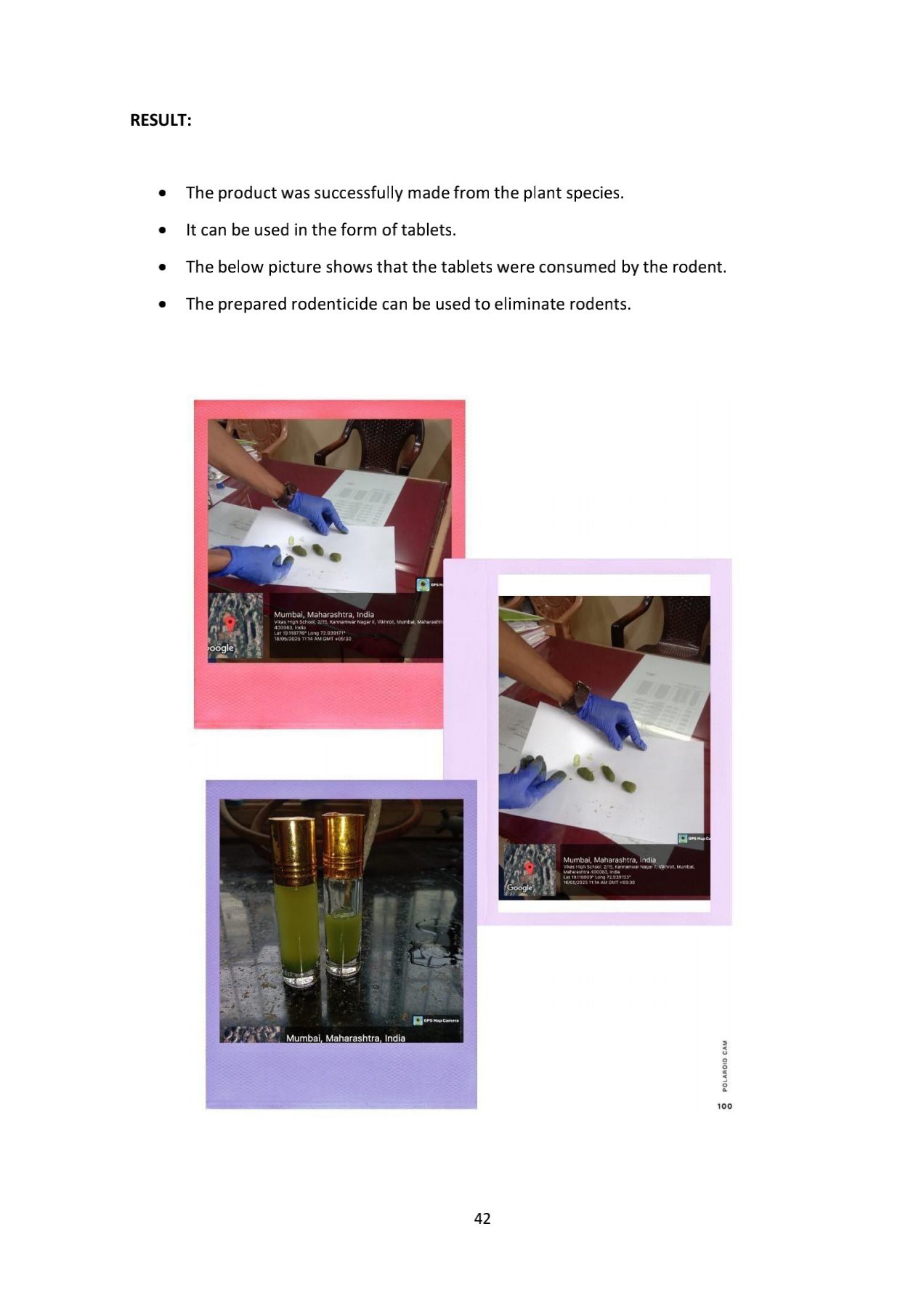
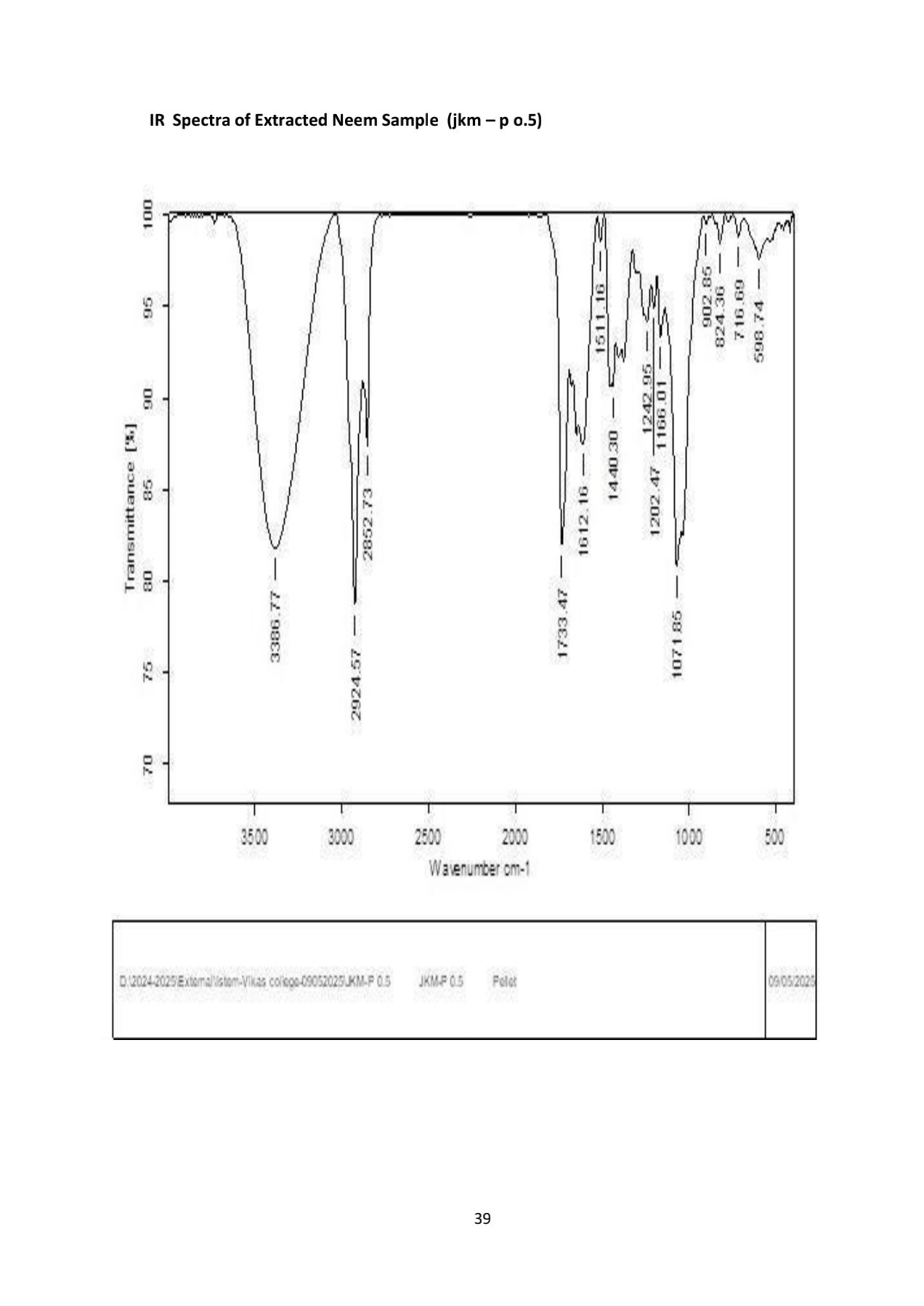
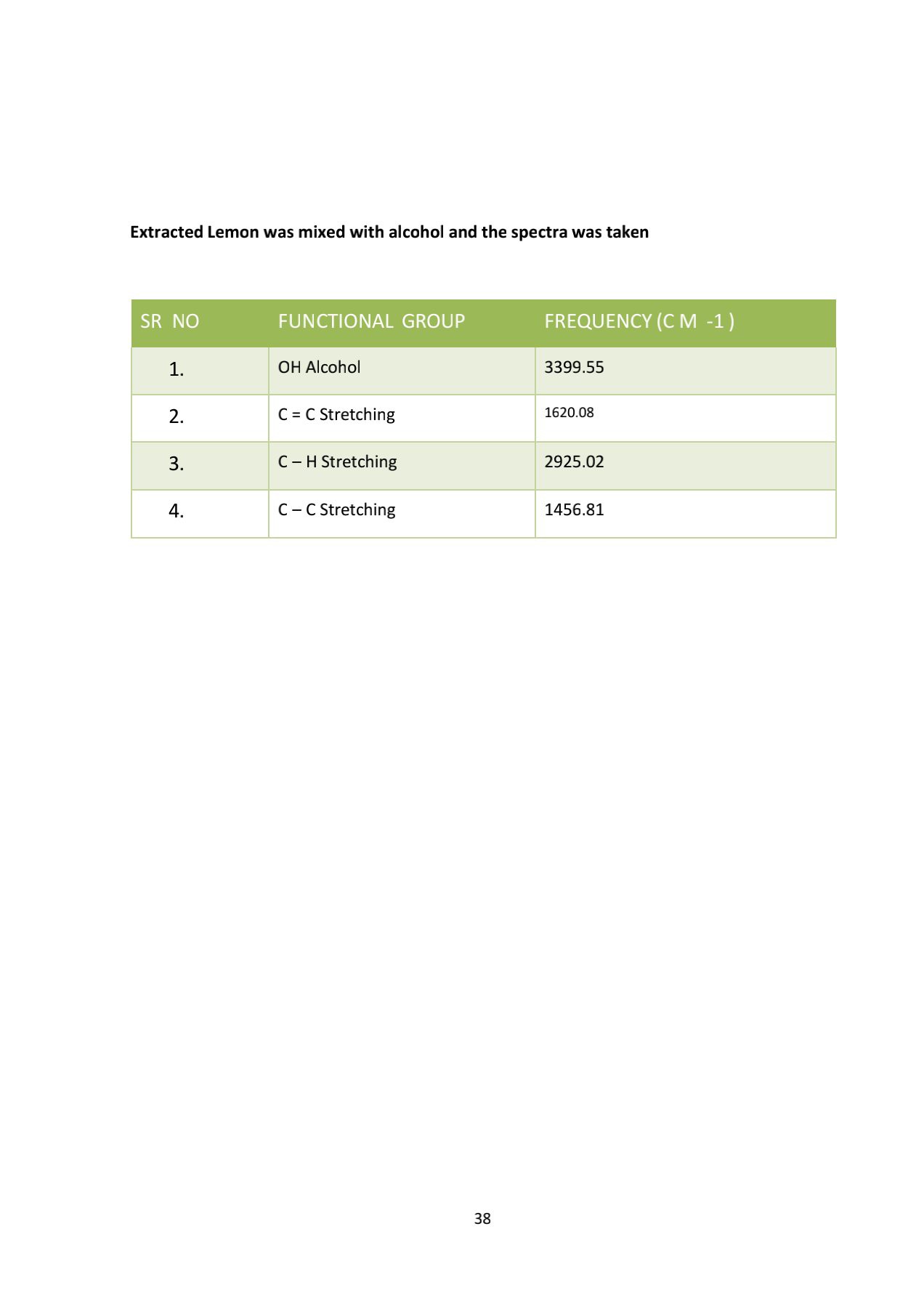
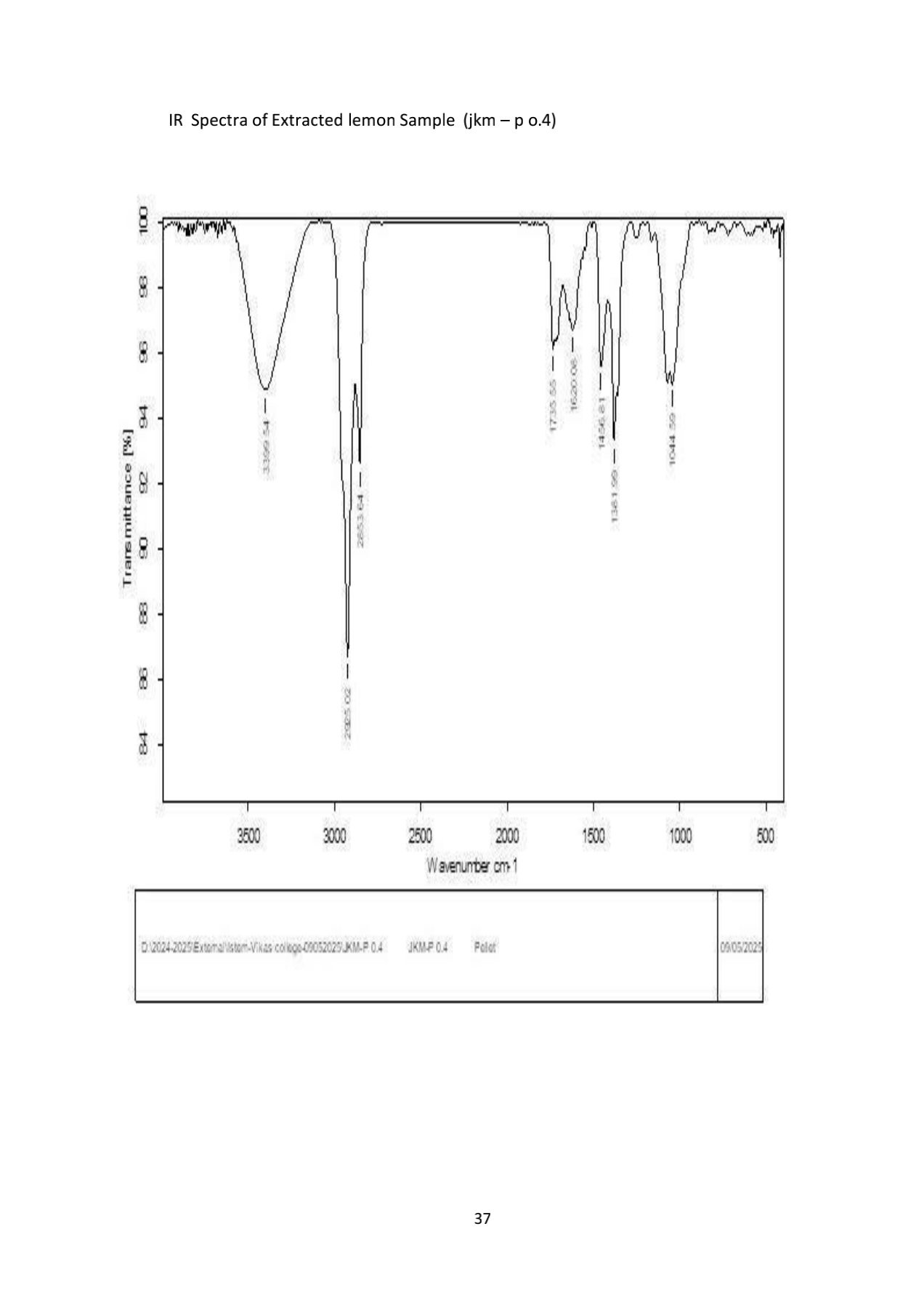
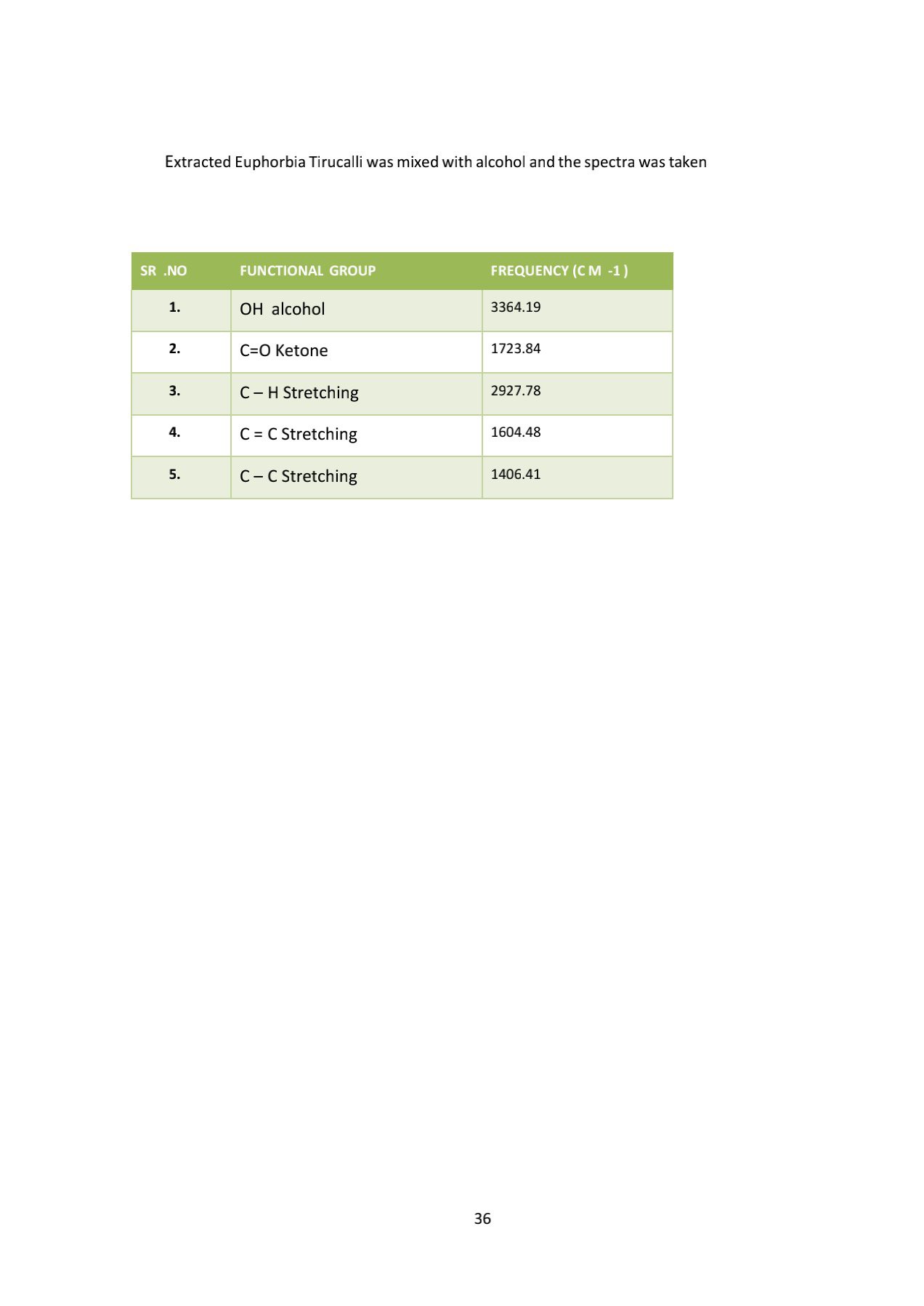
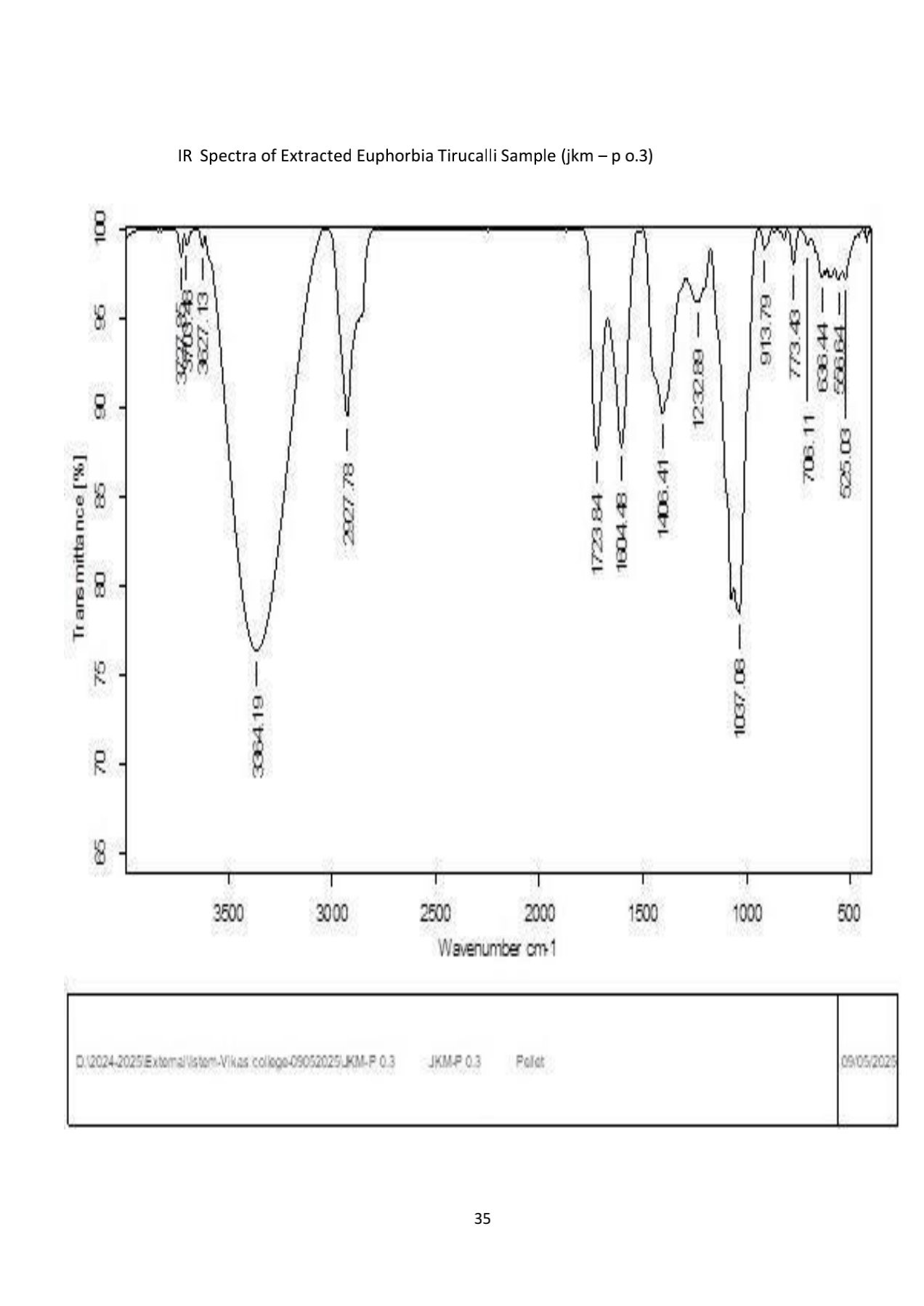
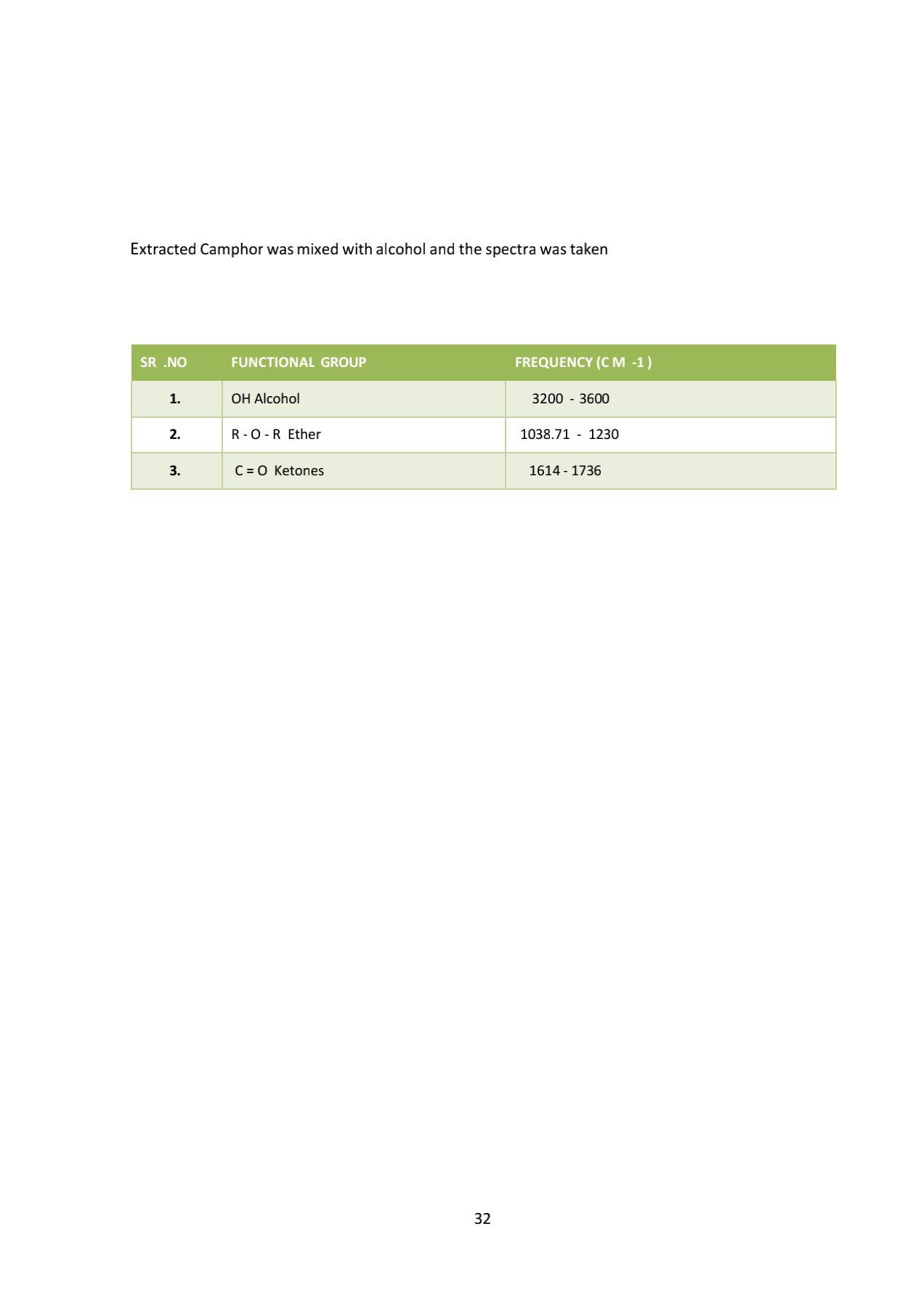
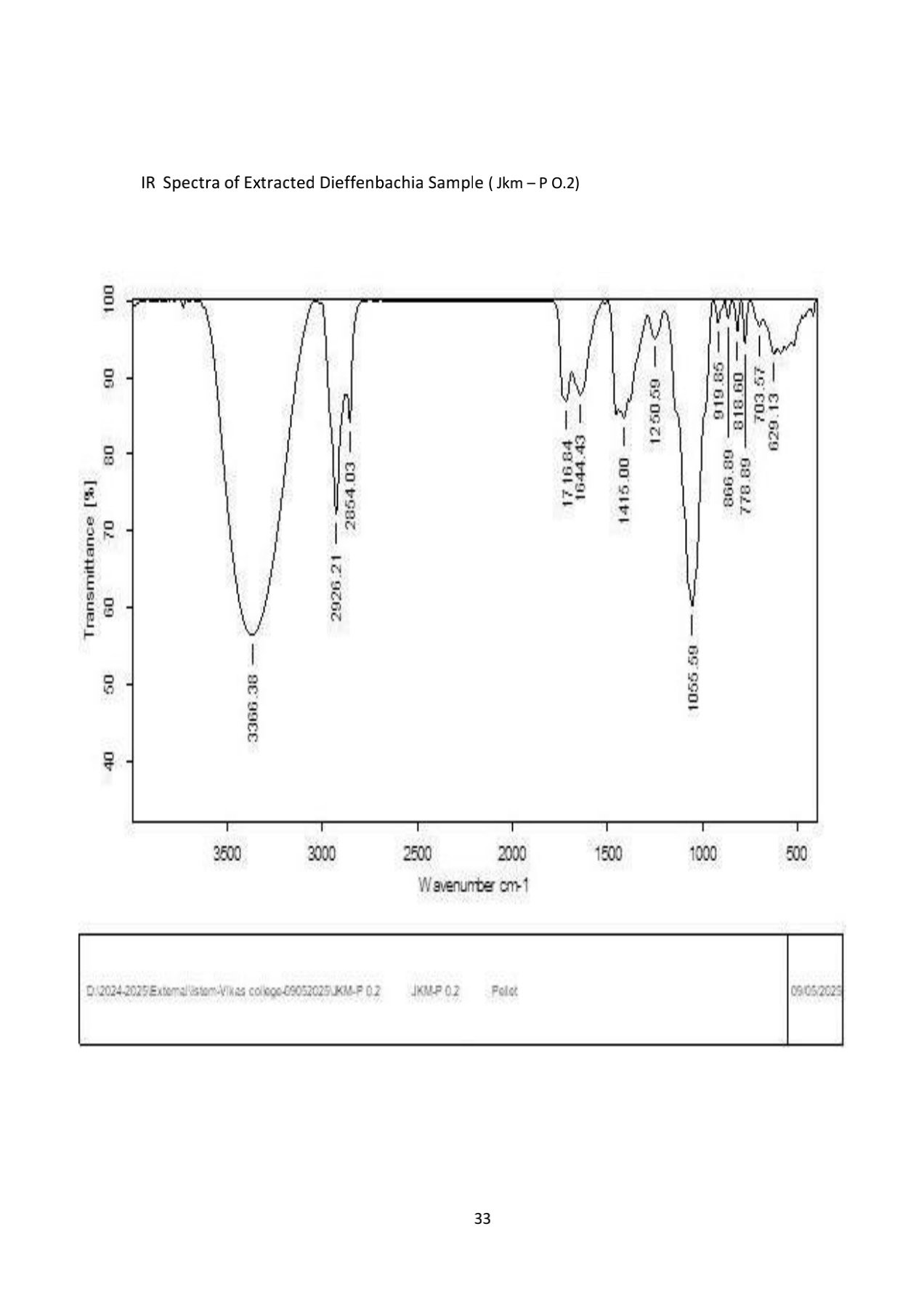
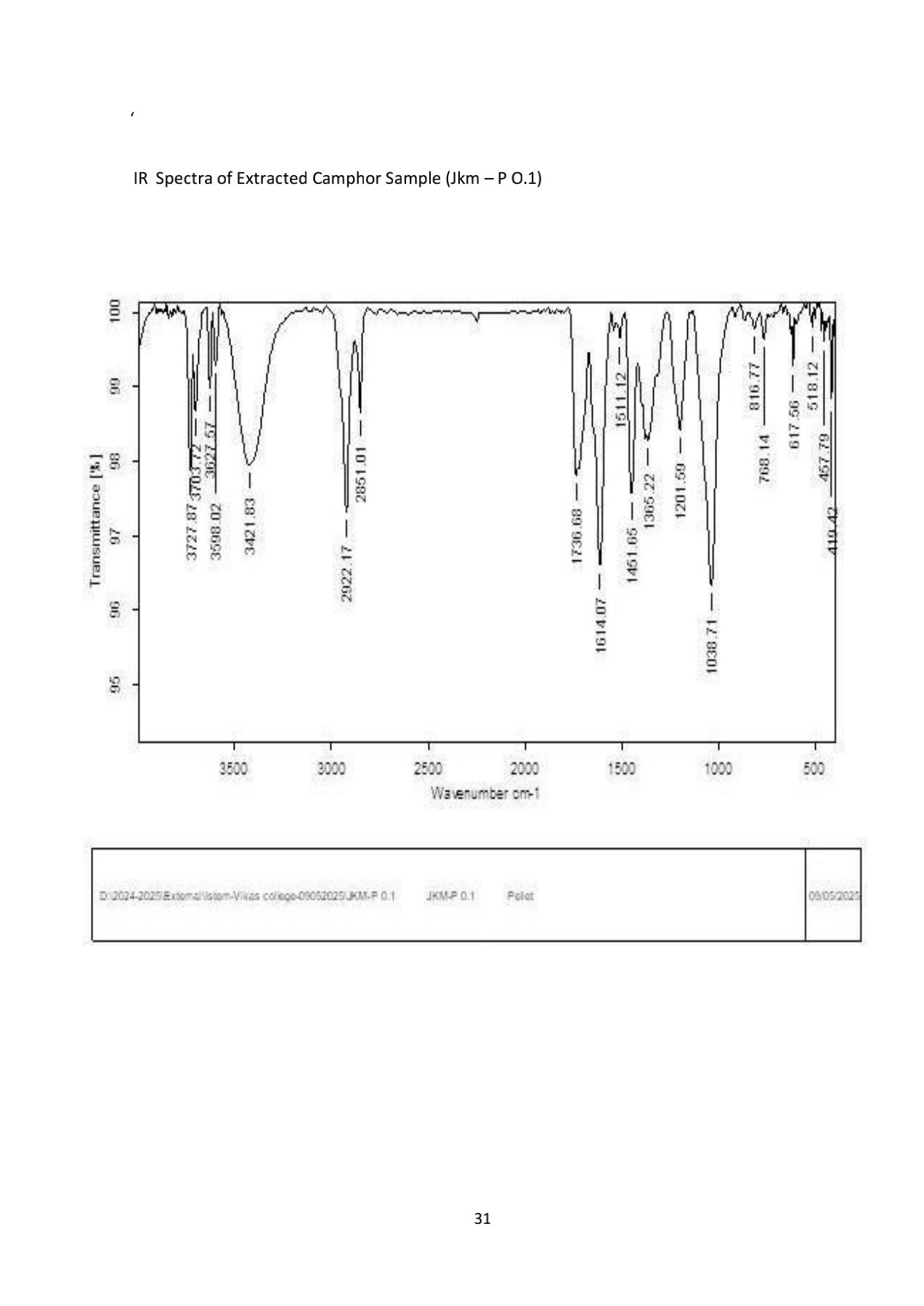
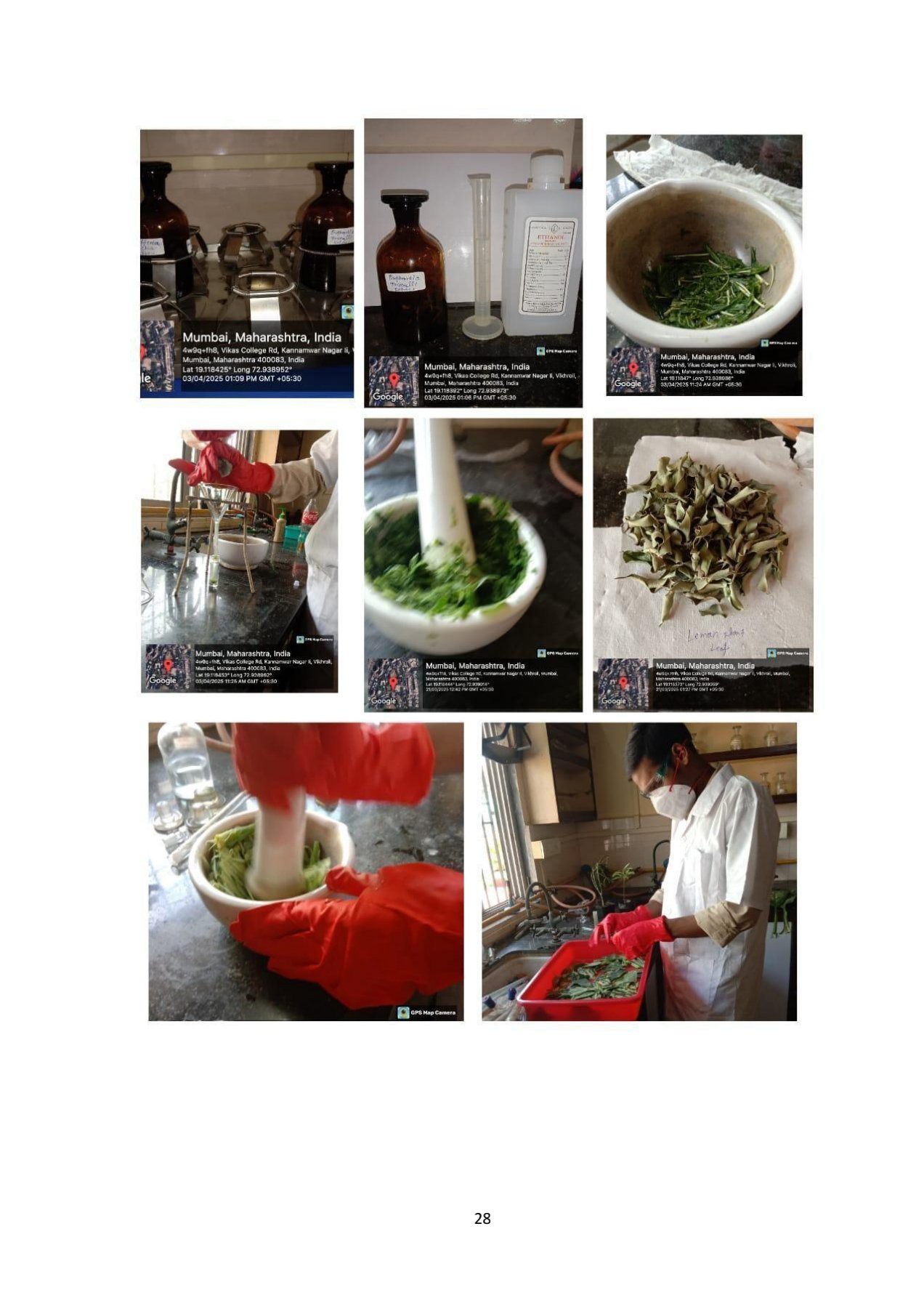
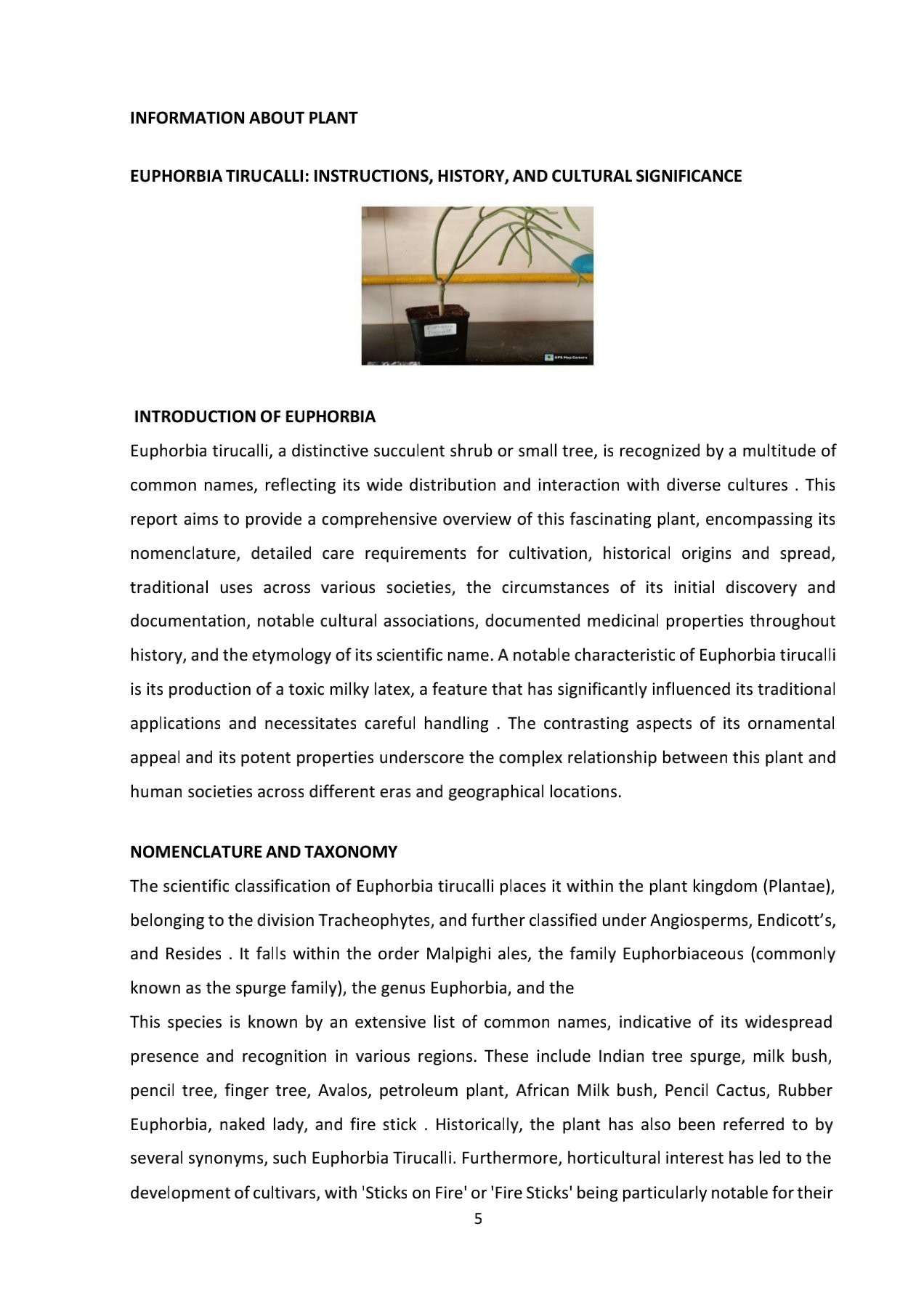
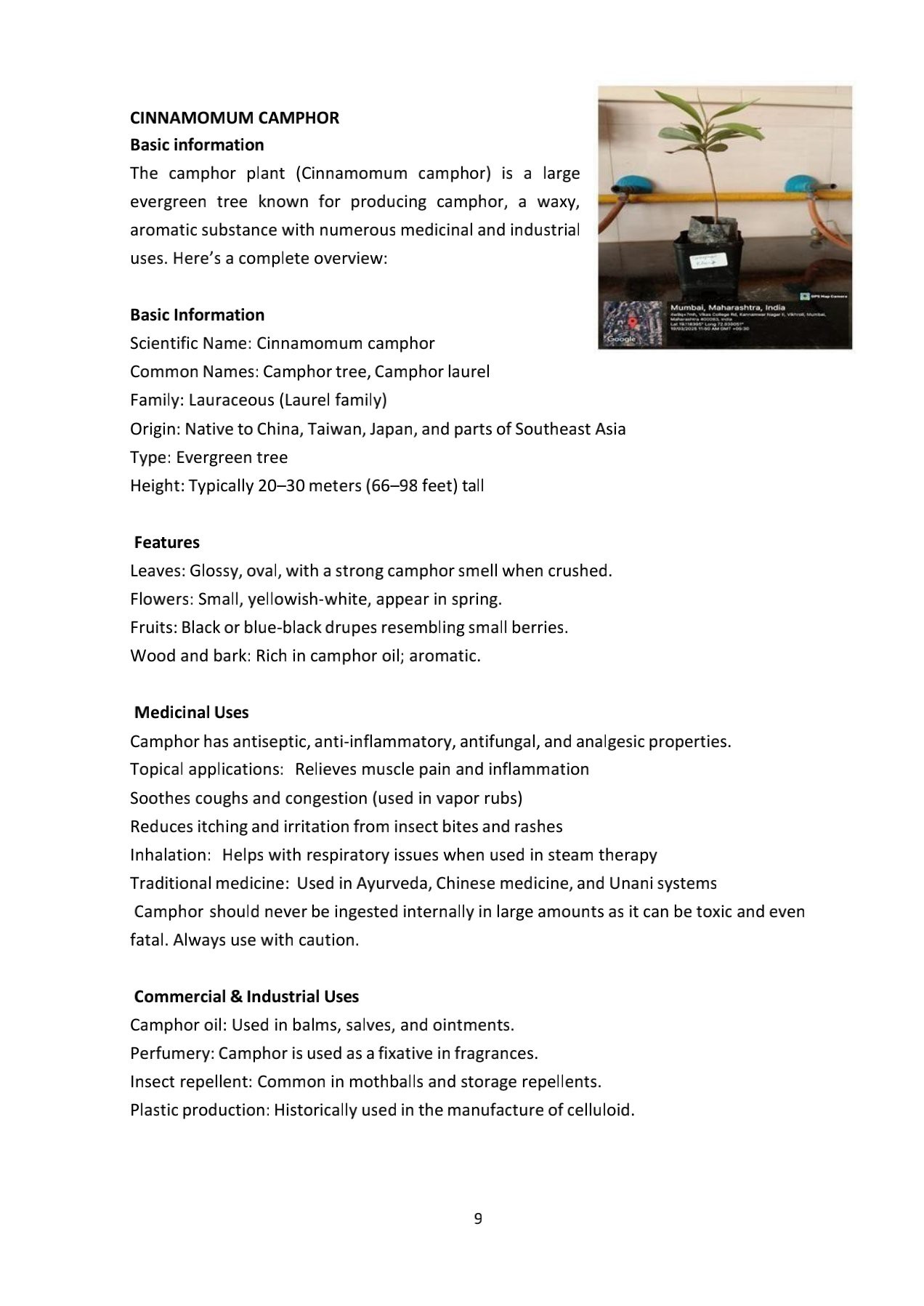
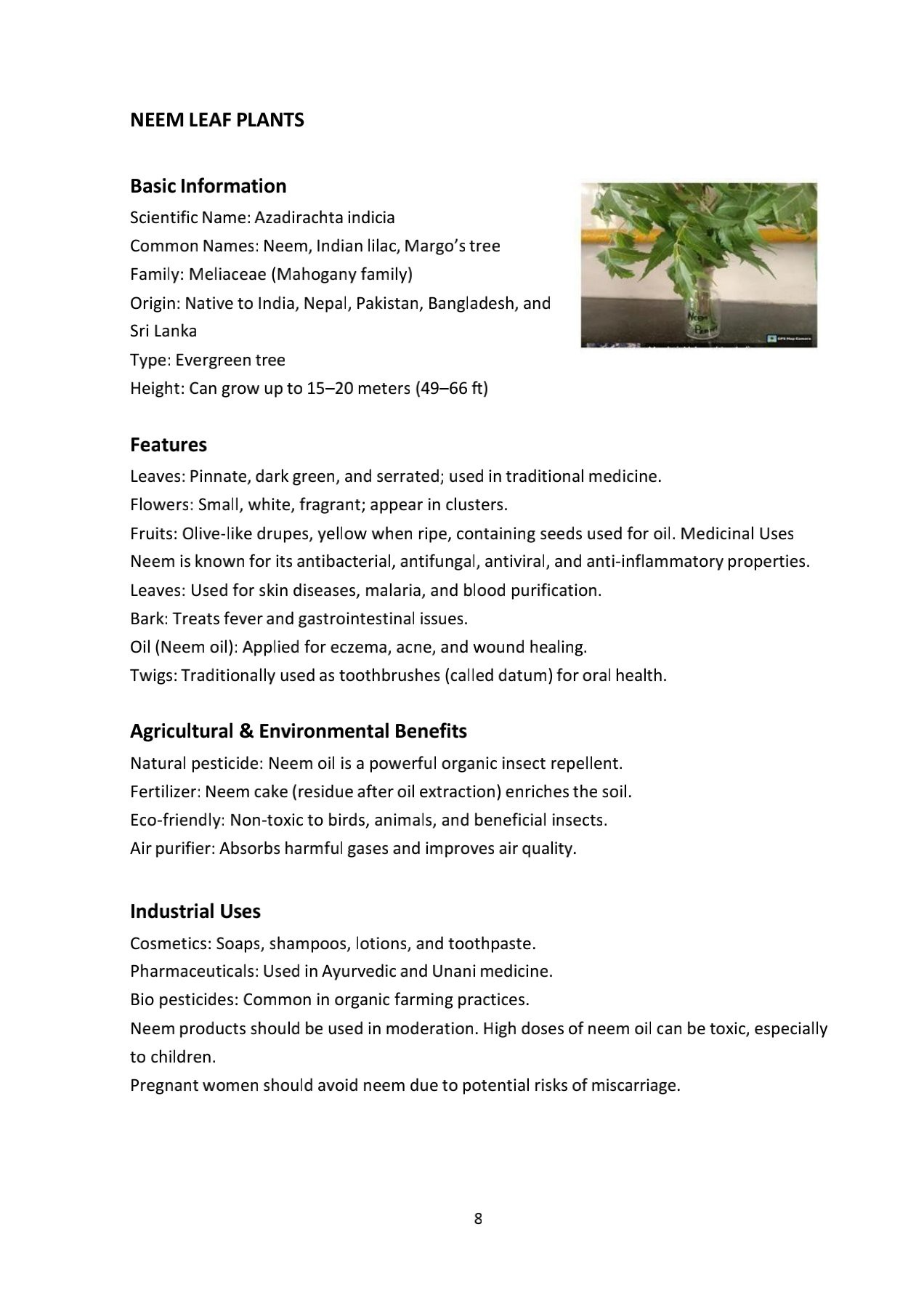
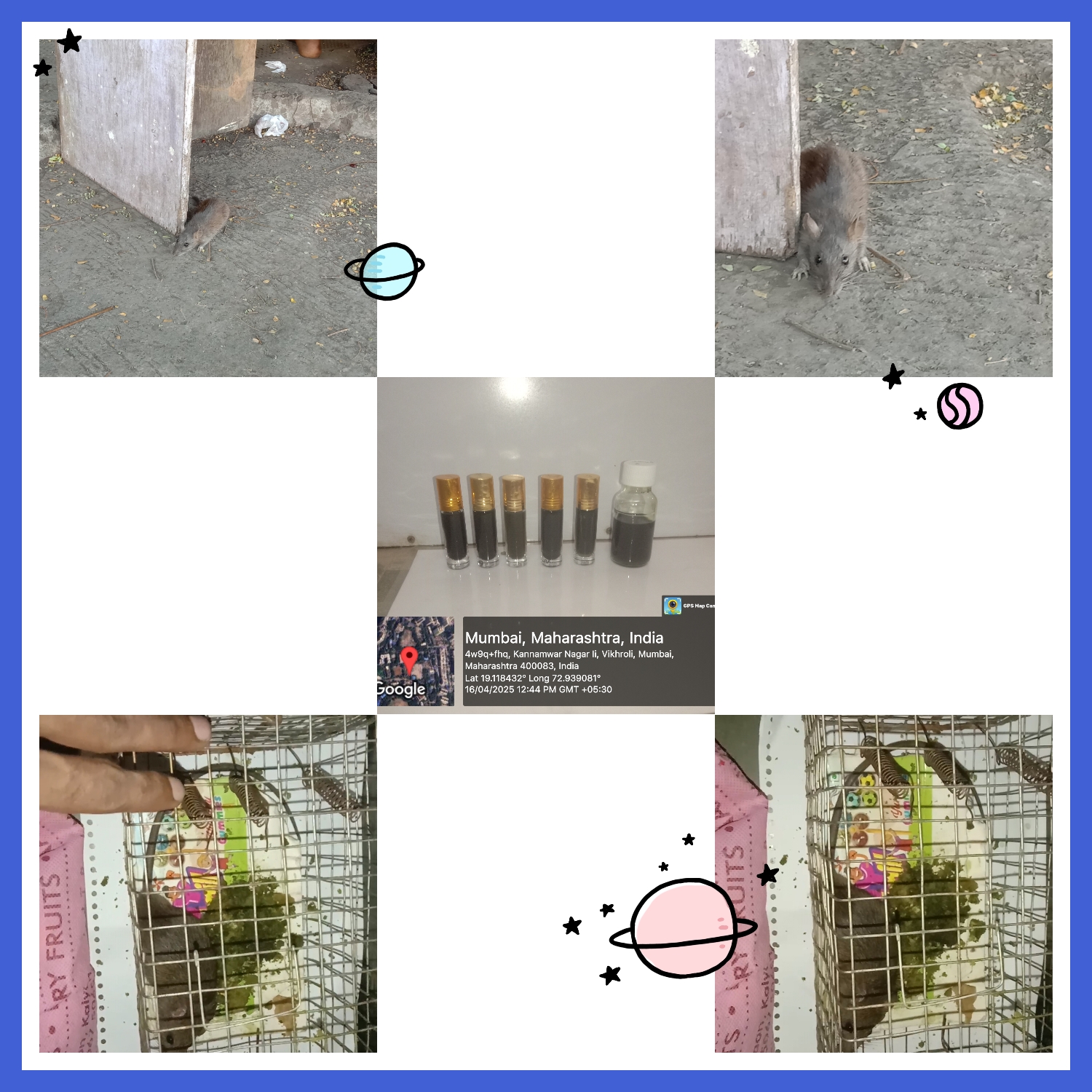
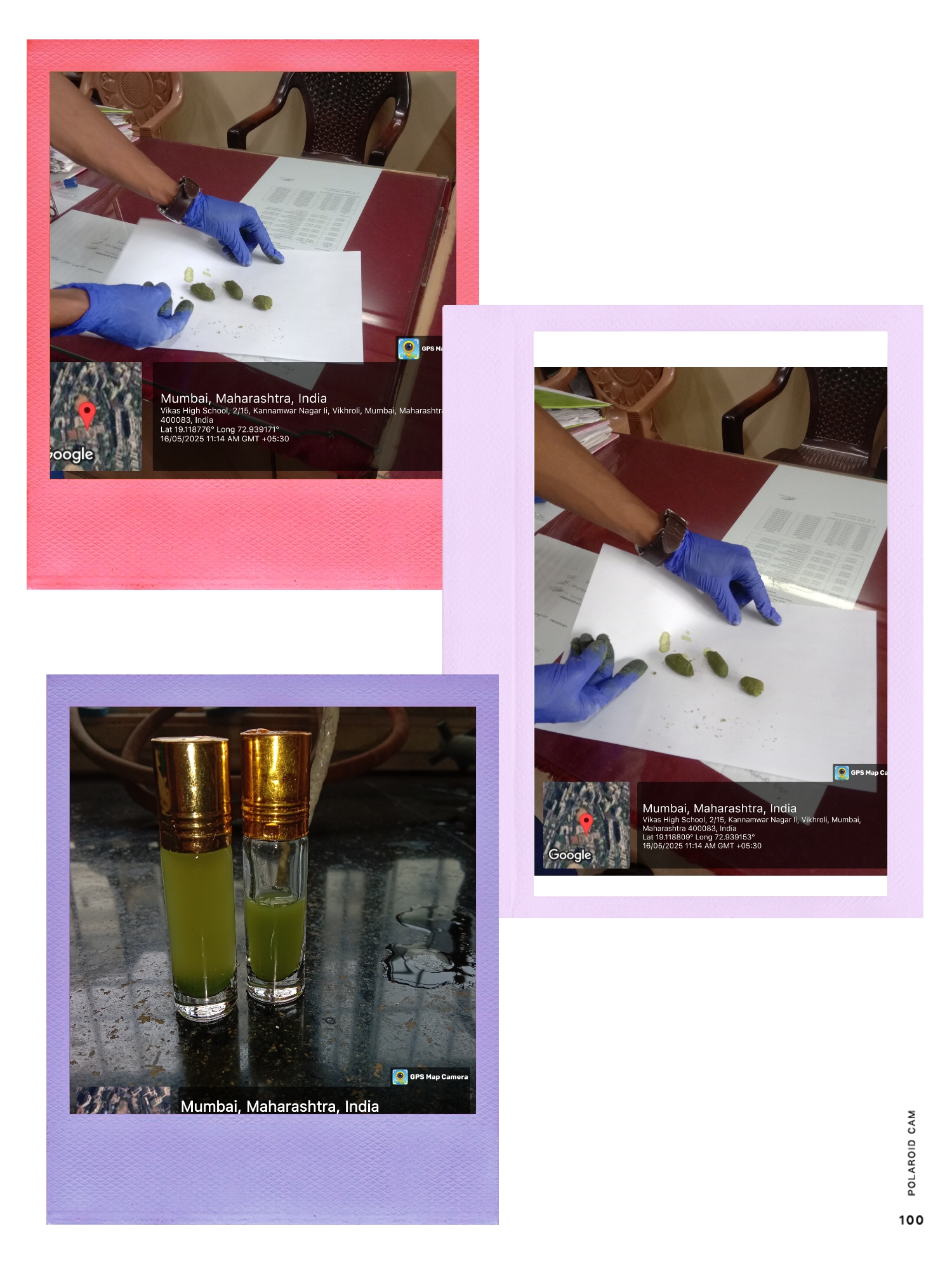
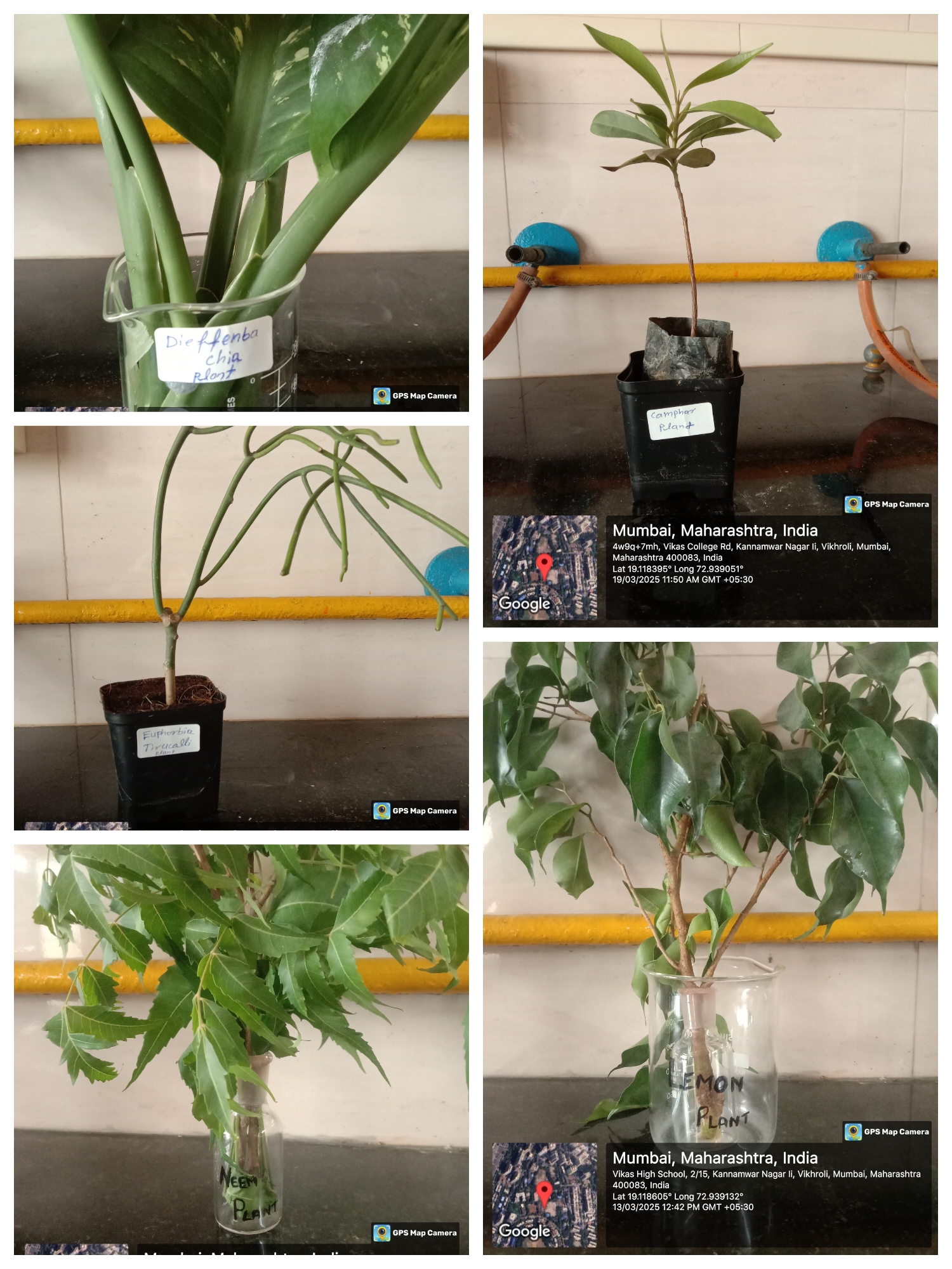
I, hereby declare that the research project entitled, “SYNTHESIS OF RODENTICIDE FROM PLANT SPECIES” has been submitted as dissertation for partial fulfillment of Master of Science by paper in Chemistry at Vikas College of Arts, Science and Commerce. The project was carried out under the guidance of Ms. Sheetal Sanas. This document has not been submitted to any other university or scientific organization for any other degree or diploma. Student Sign: Student Name: JITENDRA KUMAR MAHENDRA PRASAD SYNTHESIS OF RODENTICIDE FROM PLANT SPECIES Submitted to the UNIVERSITY OF MUMBAI, MUMBAI For the partial fulfillment of MASTER OF SCIENCE ORGANIC CHEMISTRY BY PAPER IN 2024-2025 Submitted by JITENDRA KUMAR MAHENDRA PRASAD M. Sc .part II Seat no-1124026 Sem-IV Underthe guidance of Ms. Sheetal Sanas DEPARTMENT OF CHEMISTRY VIKAS COLLEGE OF ARTS SCIENCE AND COMMERCE, VIKHROLI -83 ABSTRACT: The rodenticide effects of five crude plant extracts (Euphorbia tirucalli, Dieffenbachia, lemon, and camphor & Neem) solved by ethanol, hexane and petroleum ether were studied under laboratory and field conditions at the Governorate. The obtained results revealed that under laboratory conditions only three plant extracts, particularly those extracted by ethanol, promised to be used as a rodenticide against the albino rat, These are and camphor extracts. Moreover, ethanol dieffenbachia exhibited a high toxic effect against the rat when compared with the other two ethanol plant extracts. The changes in the internal organs related to euphorbia tirucalli, dieffenbachia lemon ,and camphor treatments (ethanol extract) were a significant reduction in body weight, significant increases in the internal organs weight (liver, kidney, heart, brain, spleen and lung), cloudy appearance, congestion and bleeding in the liver, kidney and heart, noticeable dark color of the spleen as well as obvious congestion and bleeding in the brain. Under the field conditions, ethanol extract of achieved the highest value of population reduction (67.7) of the Norway rat, R. norvegicus. The the phytochemical constituents of the same three plant extracts indicated that glycosides, flavonoids, siphoning, tannins, and sterols may be responsible for the rodenticide effect observed in the present study. Keywords : Plant species , poison, rodenticide, plant extract, high toxic RESULT: • The product was successfully made from the plant species. • It can be used in the form of tablets. • The below picture shows that the tablets were consumed by the rodent. • The prepared rodenticide can be used to eliminate rodents. CONCLUSION: • The resultant product can be used to eradicate rodents from house/ agriculture field, etc. former benefits plants food agriculture land & pesticides • The rodenticide that was prepared was effective on the rodents.
What it does
How I built it
Challenges I ran into
Accomplishments that I'm proud of
What I learned
What's next for DECLARATION: “SYNTHESIS OF RODENTICIDE FROM PLANT SPECIES”
Built With
- arabian
- bhojpuri
- china
- english
- gujrat
- hindi
- london
- usa


Log in or sign up for Devpost to join the conversation.