-
-
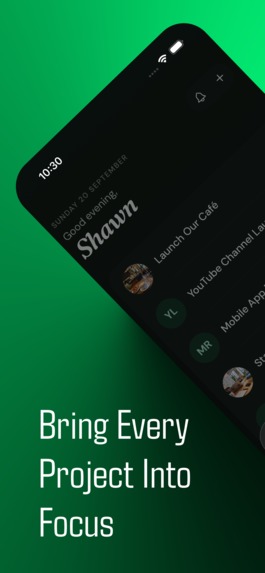
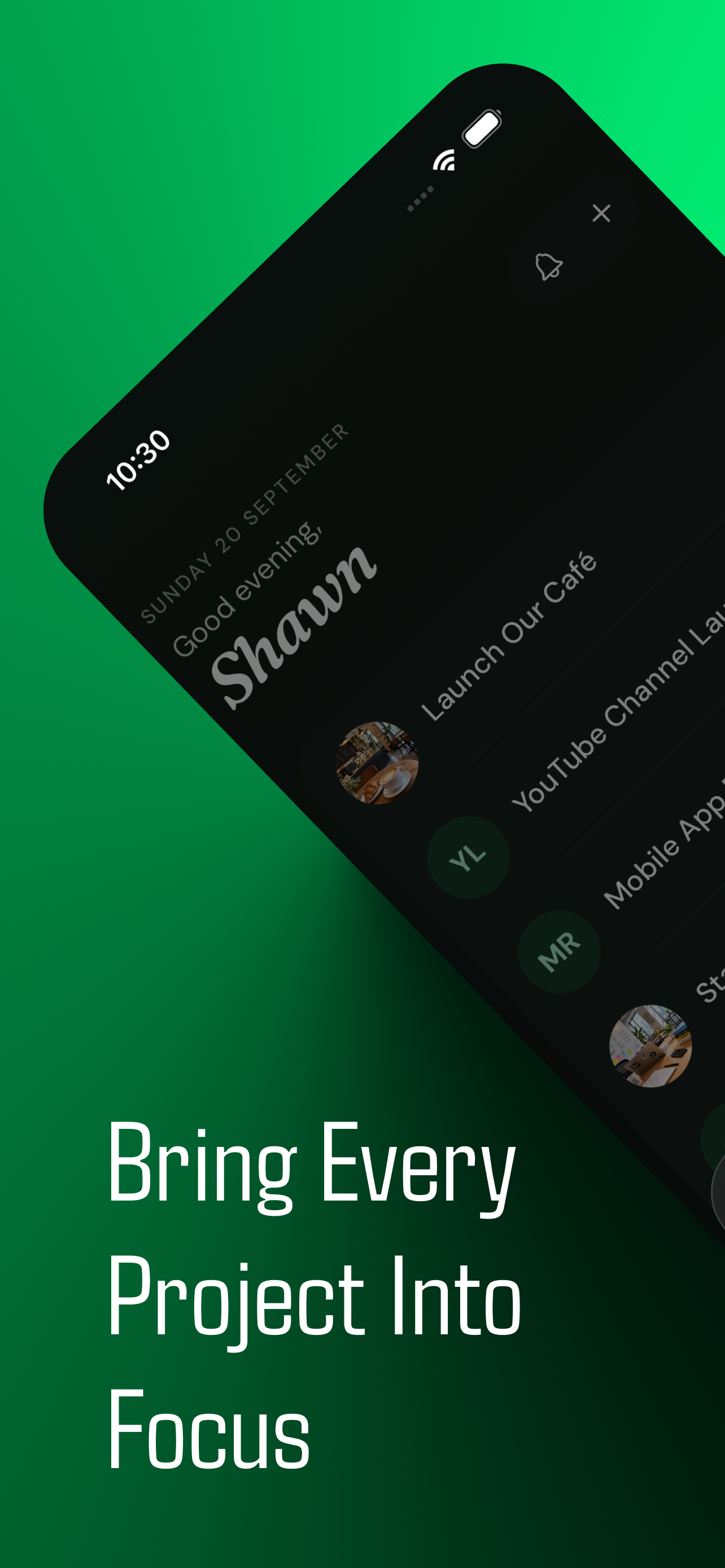
Bring every project into focus
-
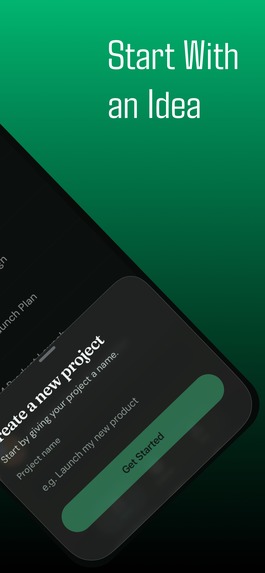
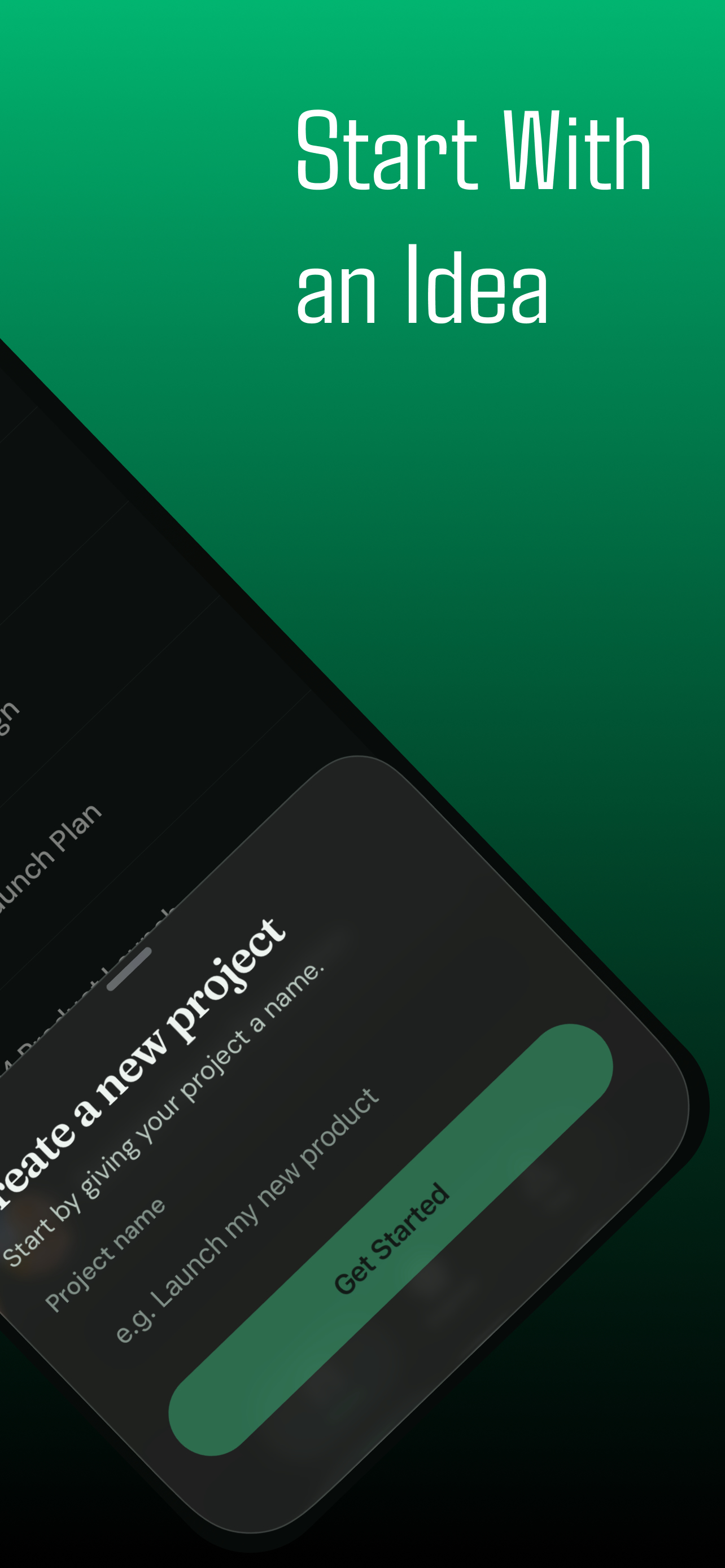
Start with an idea
-
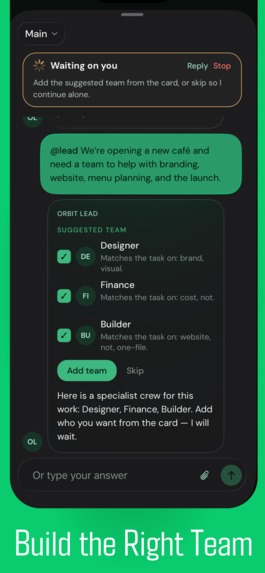
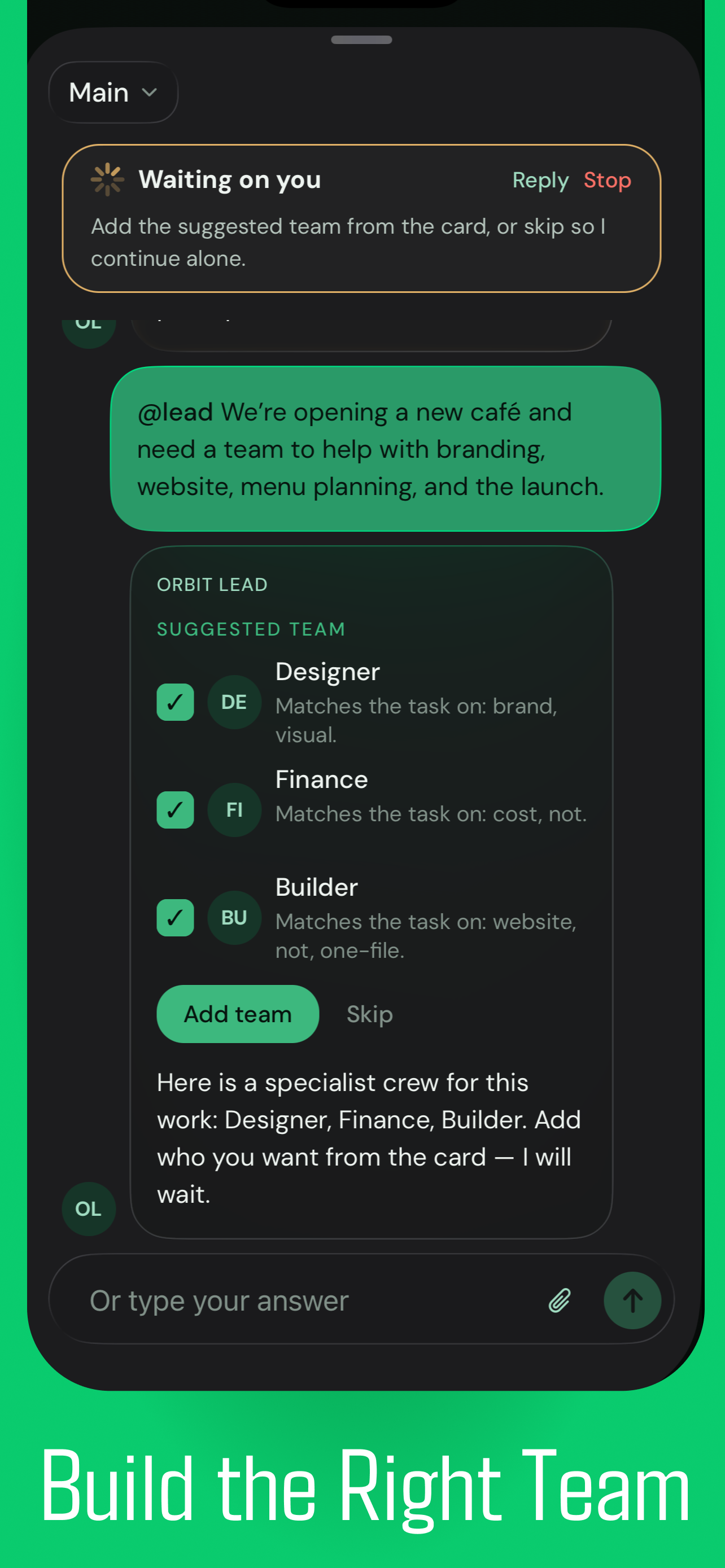
Build the right team
-
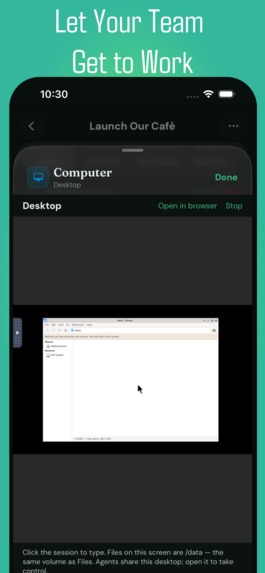
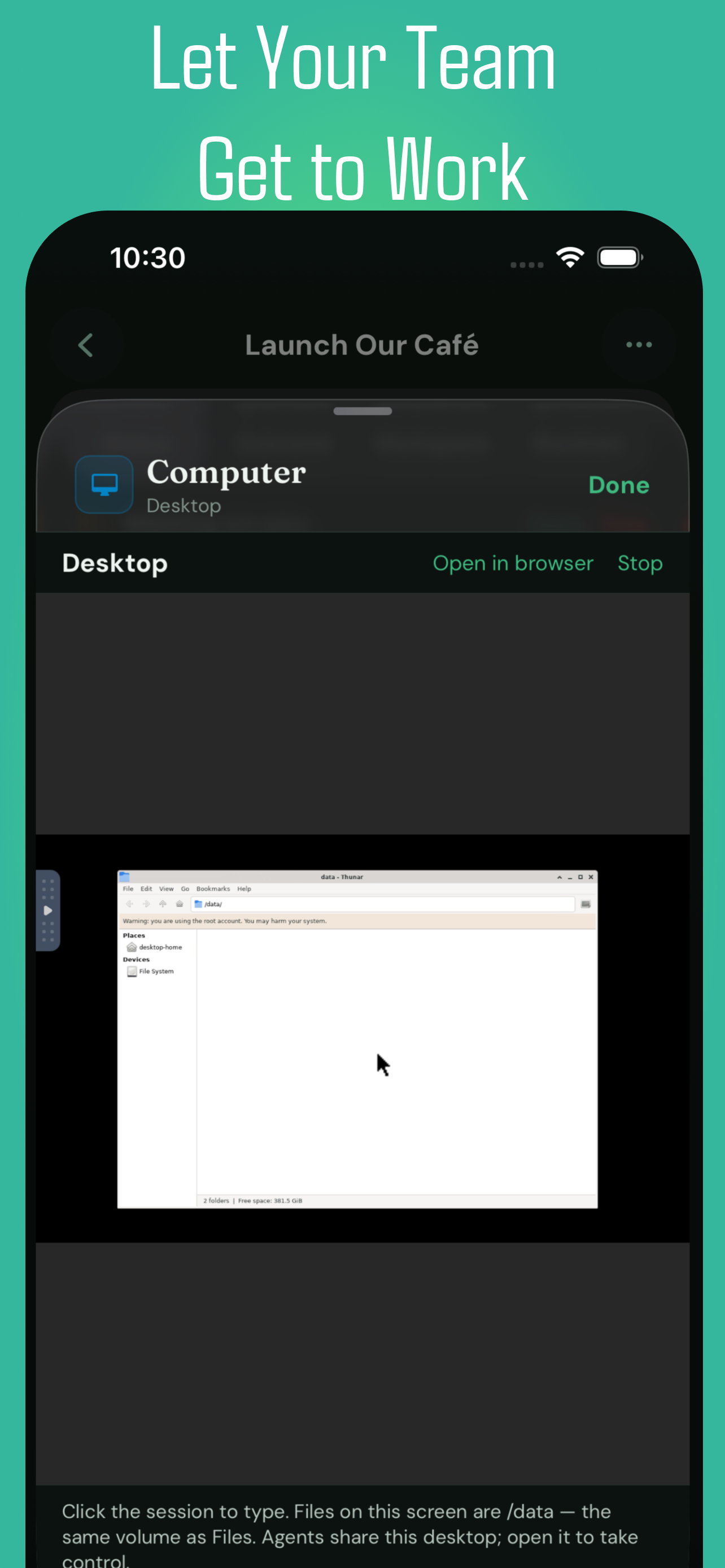
Let your team get to work
-
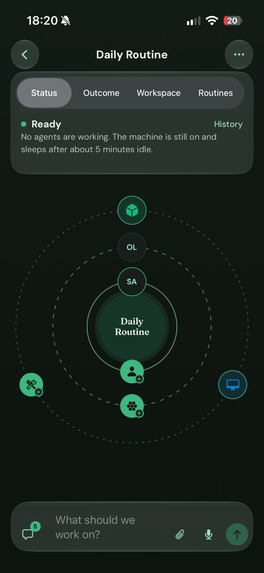
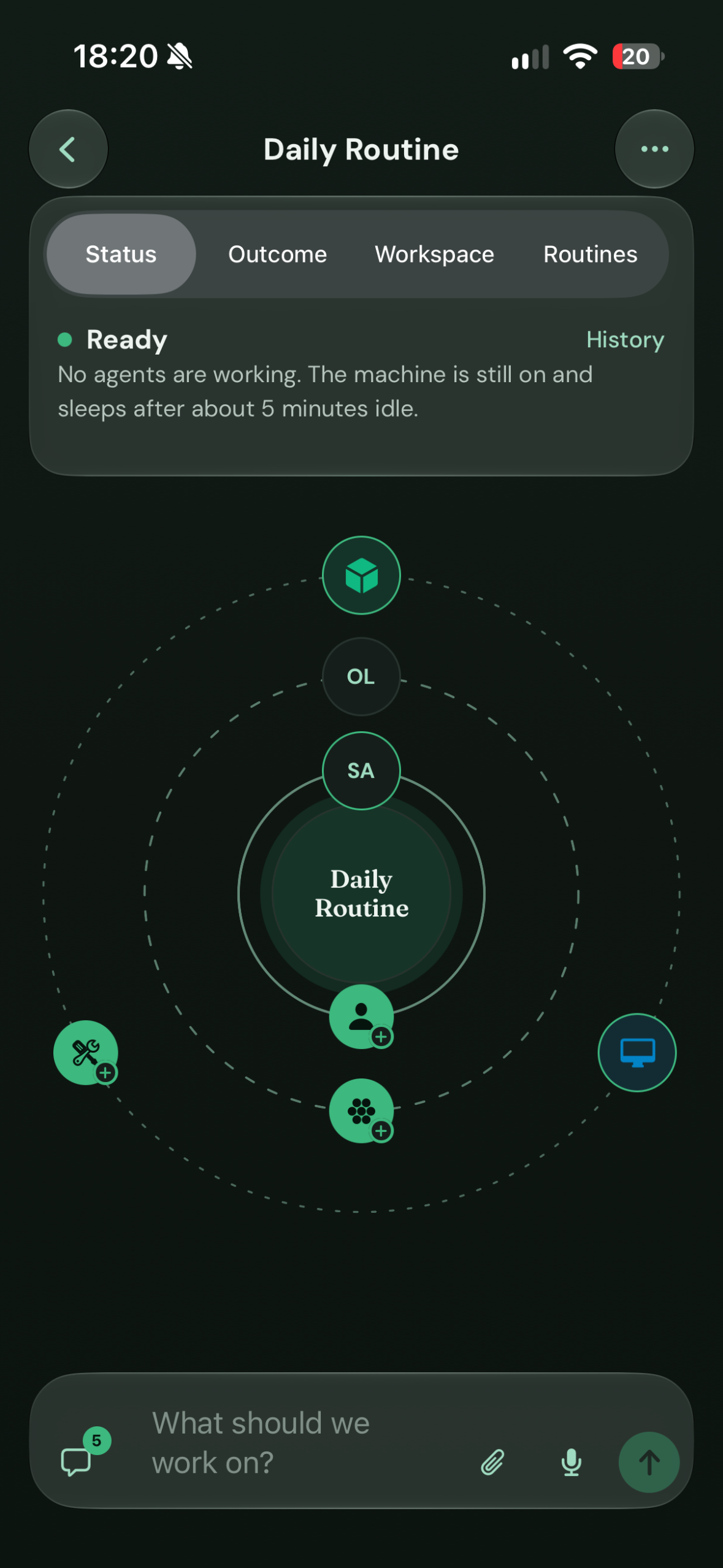
Orbit in the room!
-

Decillion AI - our logo :)

Inspiration
A small team needs a launch, a campaign, a research pass, or a first version of a product. The usual choices are an agency retainer or a private chat with a model.
The retainer bills hours. The chat belongs to one person. The moment a partner needs to catch up, someone pastes a transcript into Slack and the work splits in two. The tools in between ask you to assemble models, prompts, and pipelines before the job itself has started.
We wanted a simpler brief. Write the outcome the way you would brief a contractor. Get a crew of specialists staffed to that outcome. Keep every person who owns the work in the same room. Inviting a partner should be joining the project, not buying another seat.
What it does
Decillion is that room.
You describe the outcome in everyday language. The app recommends specialist agents from the market: research, design, operations, builder, whatever the job needs. You accept the crew or pick your own. Every project has a lead, because a team with no lead is not a crew.
The work then lives in one project:
- Chat for the people and the agents, in threads. Files are stored once and referenced on the message.
- One shared plan: the outcome, the tasks, and the artifacts already produced, so one agent does not rebuild another's work.
- A computer for the project when the work needs files or a desktop. It sleeps when it is idle. Opening the file list does not wake it.
- People. A co-founder, operator, or hire joins the same project and sees the brief, the crew, and the thread.
You can run with agents only. The room is ready when a person should be in it.
How it makes money. Decillion is usage-priced, through the RevenueCat SDK. In the app you buy consumable credit packs: 2,000, 5,000, or 10,000 credits. Credits pay for the work: model tokens at the catalog rate; the project computer by the minute it is awake; and the agent by the minute of its own time. A project can set one budget that bounds every run, including work that continues after you leave. Leave it blank and the prepaid wallet is the limit. You pay for work, not for logins.
How we built it
The app is a client. It holds the account and sends the person’s actions to one platform. The product rules live there, so the phone never keeps a second copy of the business.
A project is the system of record. The brief, the conversation, the crew’s work, and the plan are one log on that project. The app writes what the person said. The runtime writes what the agents did. Everyone in the room sees the same history live, and the same history again after a reload.
The crew runs on a computer that belongs to the project. A send is a single handoff: the platform accepts the turn, queues it, and finishes it even if the app closes. That computer is started when the work needs files or a desktop, and it sleeps when it is idle. Reading the files does not wake it.
Payments are a separate path with the same identity. RevenueCat sells the credit packs through the App Store. The platform credits the wallet of the account that paid, then meters model use, computer time, and agent time against that balance.
Challenges we ran into
Keeping the work alive. A job has to finish even if the person closes the app. The platform accepts the turn once and carries it from there.
Charging for real work. Waiting is not failure, and a finished job cannot be given away. The wallet is checked up front. The charge follows what the crew actually used.
Not billing a glance. Opening files, or waiting for a desktop, must not start the computer or pretend it is ready before a person can use it.
One job, one result. Without a shared plan, every specialist redoes the work.
Accomplishments that we're proud of
- The first public version is on the App Store. The room is something a person can download.
- The loop is the whole product. A brief, a recommended crew, one shared room, files, a computer when the work needs one, and a seat for a real person.
- The price matches the product. RevenueCat sells credit packs. Those credits meter tokens, computer time, and agent time. Inviting someone does not add a seat.
- The run survives the app. One send, owned by the server. A queued turn is kept. The engine that did the work is the one that writes the answer, so the transcript and the job are the same record.
What we learned
The hard problems were not "add another model." They were whose purchase this is, whether the machine is awake and who pays for that minute, and who is allowed to write this message. Get those wrong and the product looks finished while the work or the money quietly disappears.
A crew is a staffing decision. Recommending agents from the brief, pinning a lead, and giving them one plan changed the product more than any model swap. A person has to be able to join late and still be in the original room.
We also learned to bound the wait. A better crew is worth a few seconds. An advisor with no deadline is how you lose someone on a spinner. If the recommendation misses its time, we staff from the catalog and continue.
What's next for Decillion AI
The App Store release is the start.
Next is the first session: a new account reaches a project whose crew has actually replied, without a tour of the machinery. The credit pack should be obvious at the moment the wallet is empty, because that is when the pricing has to make sense.
Then distribution. Decillion is for people who already have an outcome. We will spend the time after release with that audience: showing the room, learning which jobs they staff first, and tightening the product around those jobs. One growth loop, measured, then the next.
The room stays the product. More of the work visible in it. Less of the stack in the way.
Built With
- artificial-intelligence
- crewai
- docker
- expo.io
- ios
- nestjs
- node.js
- python
- react
- react-native
- revenuecat
- typescript
- websockets


Log in or sign up for Devpost to join the conversation.