In an increasingly digital and globalized world, conducting secure transactions can be a challenging task. Whether it's buying a product online, hiring freelancers, or engaging in complex business deals, both parties often face a fundamental problem: how can they trust each other? To address this issue, our team embarked on a project called "Decentralized Contract." Our goal was to develop a robust escrow contract system that would provide a safe and reliable environment for transactions, protecting the interests of both buyers and sellers.
Inspiration
The inspiration for the Escrow Contract project stemmed from witnessing frequent disputes and trust issues in high-value transactions. The lack of a reliable intermediary often led to conflicts and financial losses, whether it was purchasing property, acquiring intellectual property rights, or engaging in business agreements. This prompted me to develop a solution that would facilitate secure and transparent transactions by implementing escrow contracts.
What it does
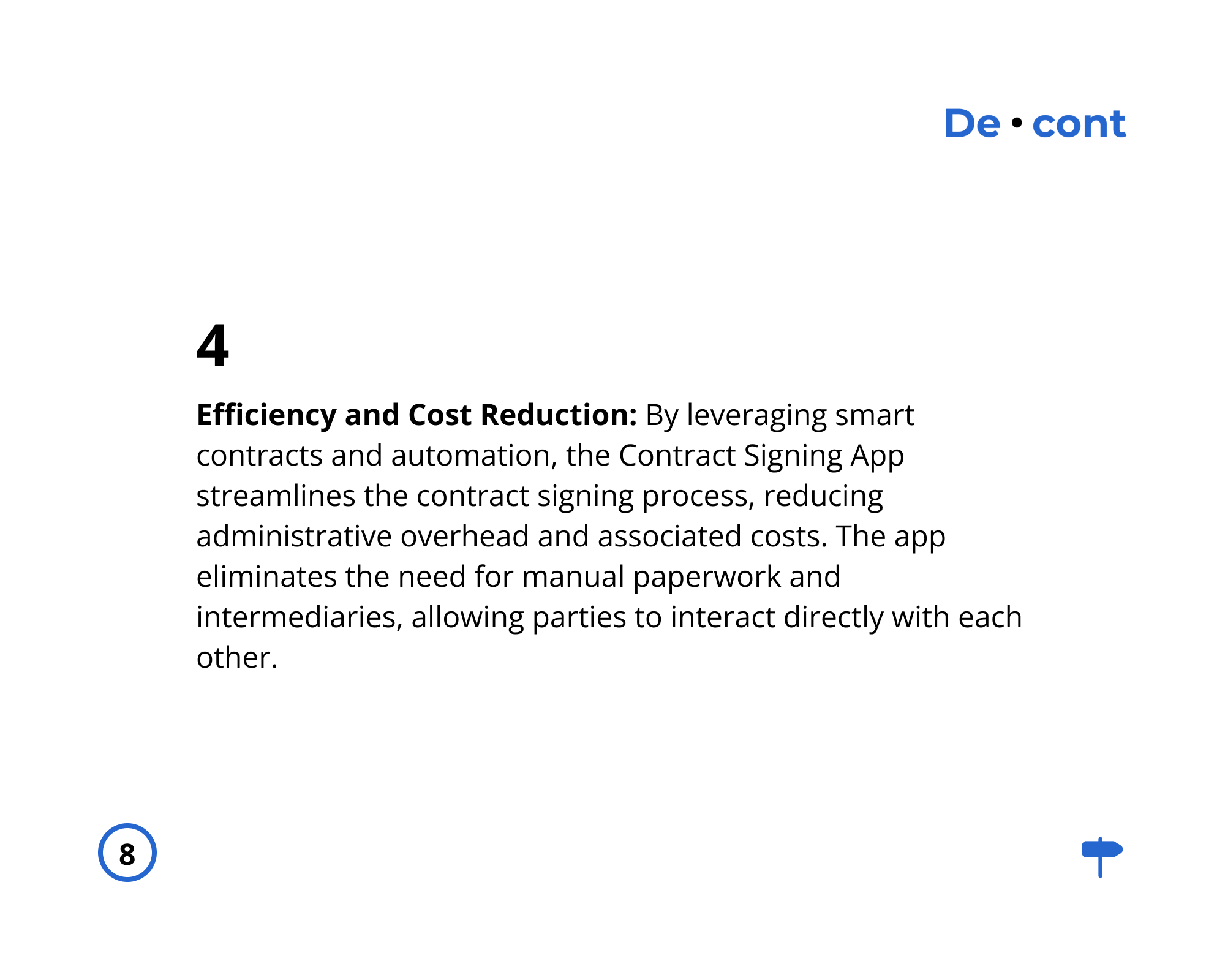
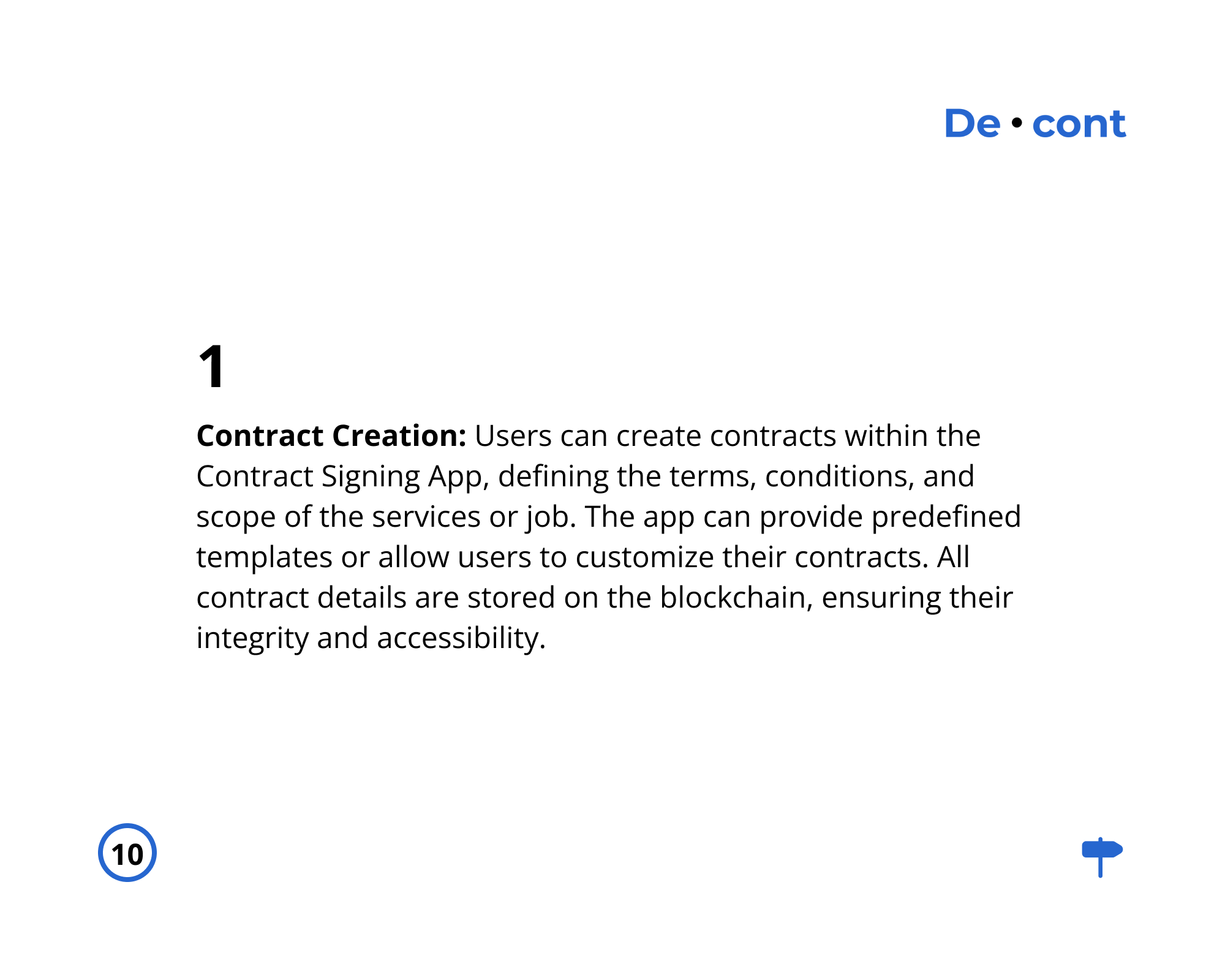
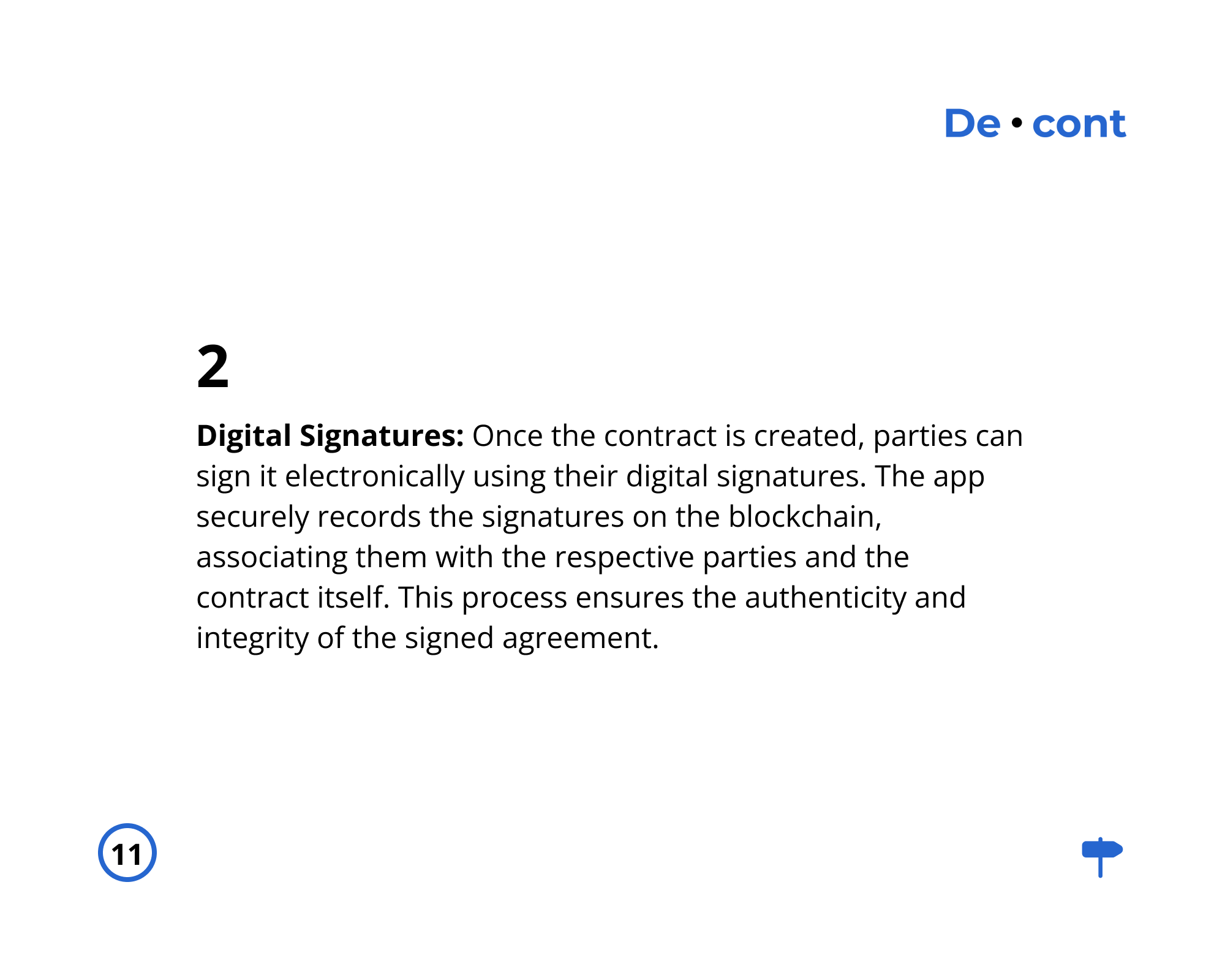
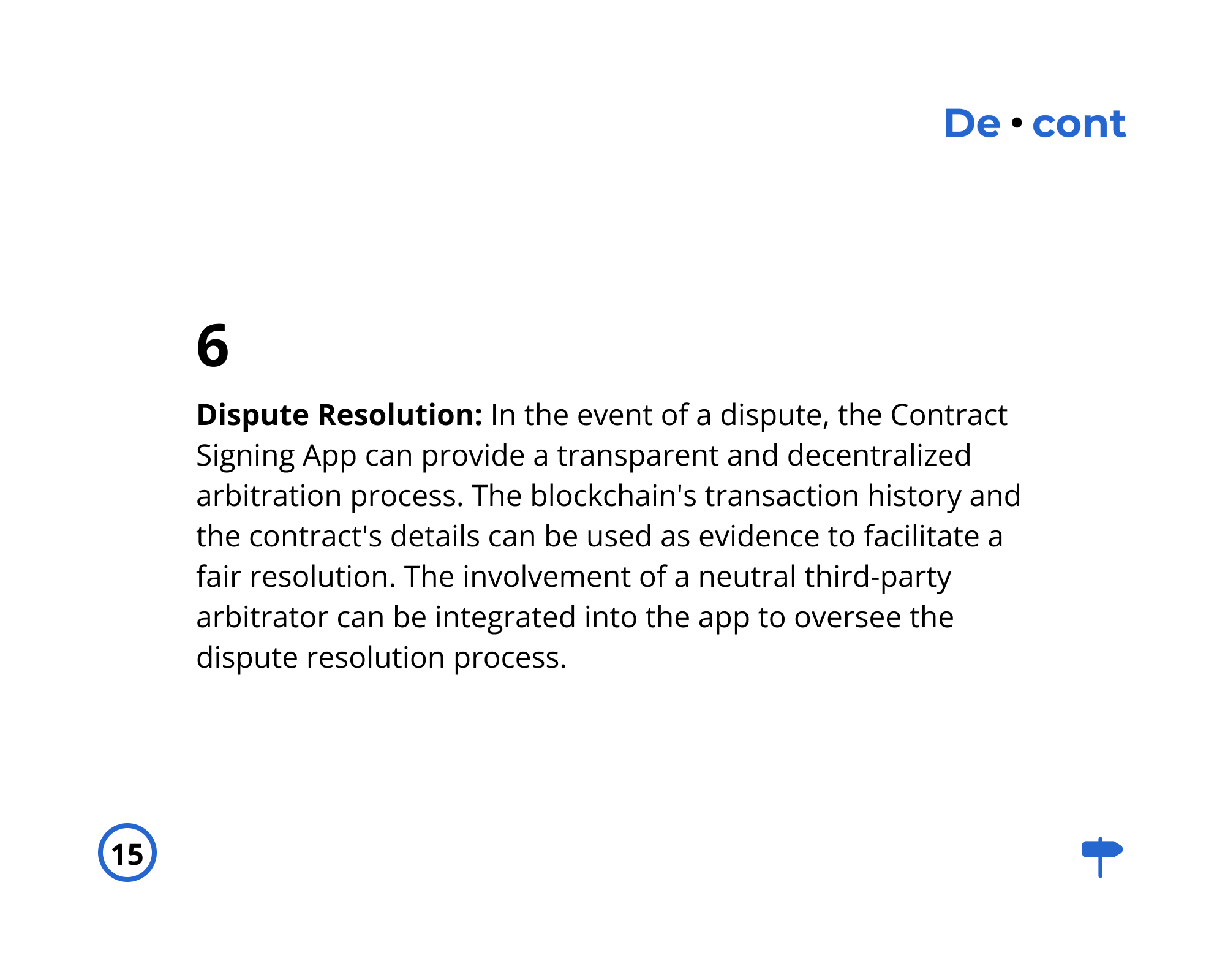
Decentralized Contract is an innovative project that introduces a secure and transparent escrow contract system built on blockchain technology. The platform serves as a decentralized intermediary, ensuring trust and fairness in transactions between the parties involved. It eliminates the need for traditional intermediaries, such as banks or legal institutions, by leveraging smart contracts and cryptography to automate the contract execution process.
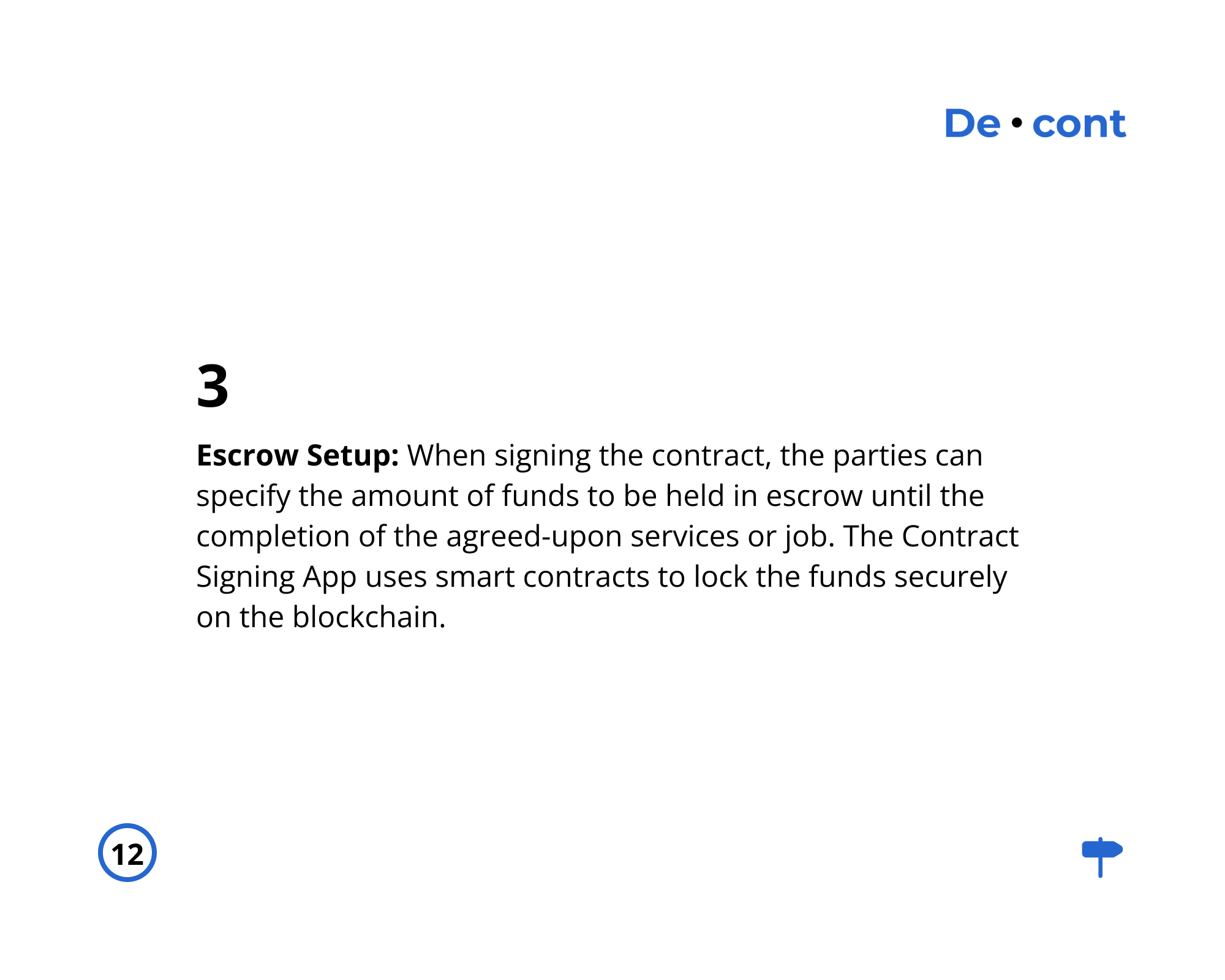
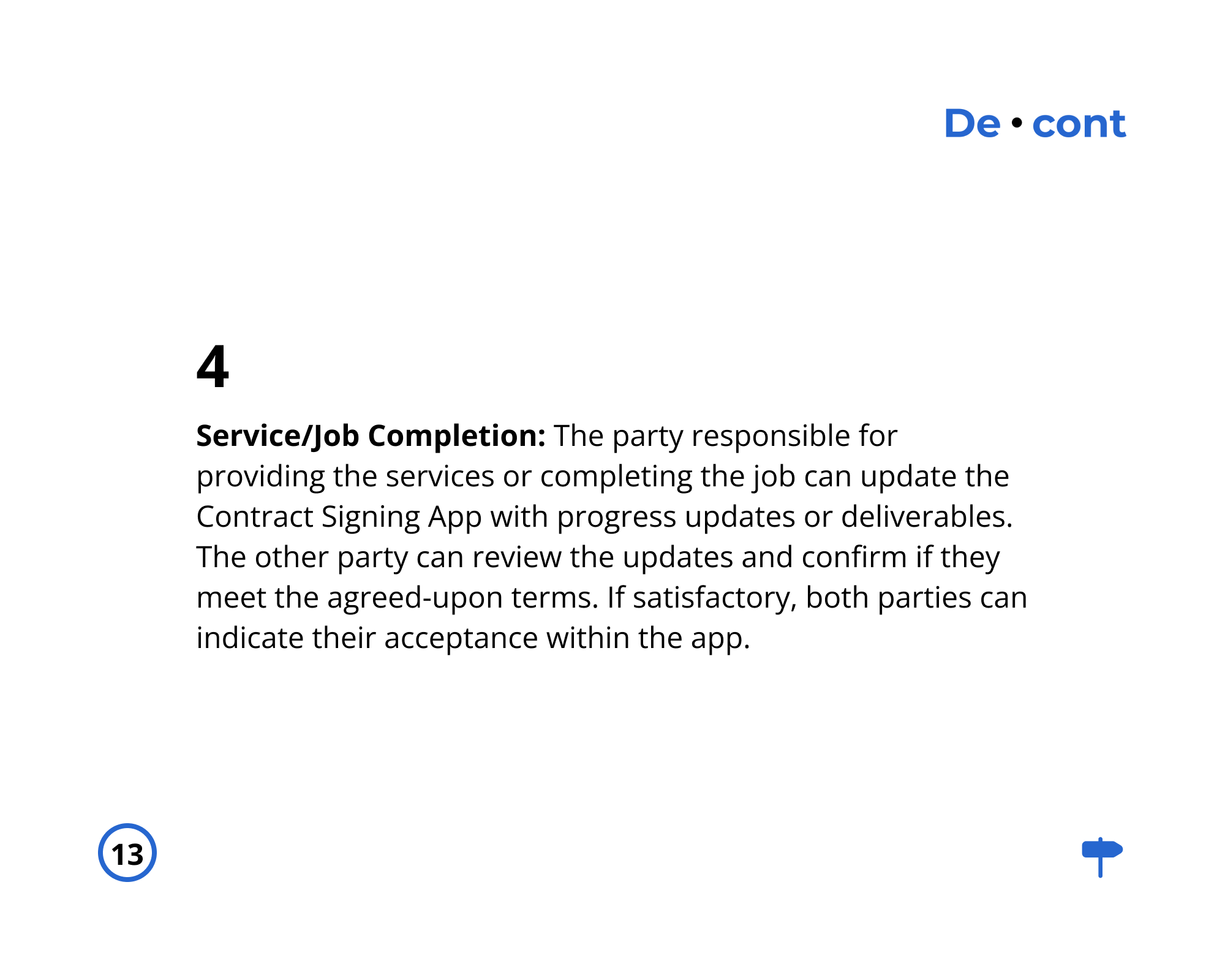
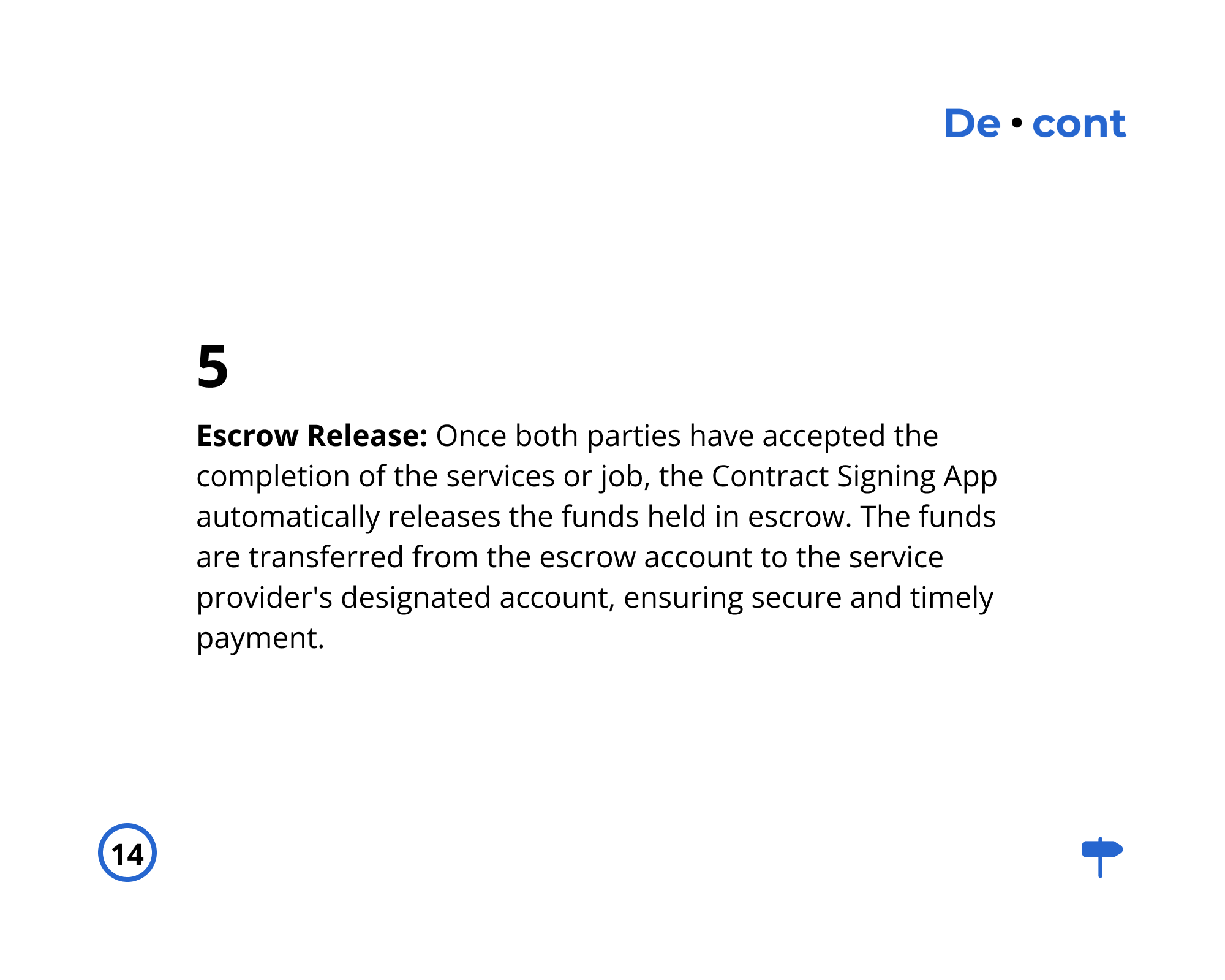
Decentralized Contract allows individuals or businesses to create and enter into escrow contracts for various types of transactions, including online purchases, real estate deals, freelance agreements, and more. The platform securely holds the funds or assets involved in the transaction until all predefined conditions are met. Once the conditions are fulfilled, the funds are automatically released to the designated recipient, ensuring a smooth and reliable transaction process.
How we built it
Building Decentralized Contract required a team with expertise in blockchain development, smart contract programming, cryptography, and user experience design. The project was divided into several key phases:
Research and Conceptualization: The team extensively studied existing escrow systems and blockchain technologies to determine the optimal approach for a decentralized escrow contract platform. They identified the advantages and limitations of various blockchain platforms and selected the most suitable one for their project.
System Design and Smart Contract Development: The team designed the architecture of the platform and created smart contracts to facilitate escrow transactions. They used a combination of programming languages and frameworks, such as Flow and Cadence, to build the core functionalities of the escrow contract system.
** User Interface and Experience Design:** Simultaneously, the team focused on developing an intuitive and user-friendly interface for the platform. They conducted user research, designed wireframes, and iteratively developed the front-end components to ensure a seamless user experience.
Blockchain (Flow) Integration and Testing: During testing, the Decentralized Contract team successfully integrated and tested the profile contract and its transactions, demonstrating its functionality and reliability. However, challenges arose with the escrow contract due to errors related to the flow playground, specifically involving the FlowToken contract. These errors hindered the flow of transactions within the escrow contract, requiring further investigation and resolution. The team remains committed to resolving these issues, exploring alternative testing environments, and refining the platform to deliver a comprehensive and reliable escrow contract system.
Deployment: Due to challenges encountered during testing, the deployment of the Decentralized Contract platform could not proceed as planned. Skipping testing for the escrow contract and attempting to deploy it on a testnet environment while addressing errors proved unsuccessful. The team is actively working to resolve these challenges, ensuring a stable and secure platform that upholds user trust.
Challenges we ran into
The Decentralized Contract team faced significant challenges during development and testing, primarily due to the buggy nature of the flow playground, and the testing environment used. The playground exhibited unexpected behaviours and inconsistencies, making it challenging to conduct reliable testing of the escrow contract. These bugs hampered error identification and resolution, causing delays in the deployment process.
Moreover, an error occurred when attempting to deploy the FlowToken contract, a crucial component for the escrow contract's functionality, on the flow playground. Despite the team's efforts to address the issue, the error persisted, posing a significant obstacle to successful integration. These challenges highlighted the importance of robust testing environments and emphasized the need to explore alternative options or workarounds to mitigate the encountered errors.
Moving forward, the team is dedicated to finding a more reliable testing environment, ensuring comprehensive testing of the escrow contract
Accomplishments that we're proud of
Successfully testing and integrating the profile contract and its transactions provided the team with valuable insights and experience in working with blockchain technology. This accomplishment reinforced our confidence in the platform's underlying architecture and functionality, validating the robustness of our approach.
Although setbacks were encountered during the escrow contract testing, we consider them valuable learning experiences that emphasized the importance of rigorous testing and quality assurance. These challenges have further fueled our commitment to resolving the errors, refining the platform, and ultimately delivering a secure and trustworthy escrow contract system that meets the needs and expectations of our users in the future.
What we learned
Throughout the development of Decentralized Contract, the team gained valuable insights and lessons:
Blockchain Technology: The team deepened their understanding of blockchain technology, smart contracts, and decentralized applications (DApps).
Security Best Practices: Developing a secure platform required the team to stay updated on the latest security best practices and industry standards, enhancing their knowledge of secure coding practices and vulnerability mitigation.
The setback we encountered served as a valuable learning experience, emphasizing the importance of rigorous testing and quality assurance. It highlighted the need for comprehensive testing methodologies to identify and address errors and vulnerabilities. We remain committed to resolving these issues, refining the platform, and delivering a secure and trustworthy escrow contract system in the future. This experience has reinforced our dedication to enhancing our testing and quality assurance processes, ensuring the platform's stability and reliability moving forward.
What's next for Decentralized Contract
Building upon the lessons learned, the next steps for the Decentralized Contract project include:
Fixing the underlying errors: The team will prioritize resolving the encountered errors during testing and deployment, ensuring a stable and reliable escrow contract system.
Successful deployment: Once the issues are resolved, the team aims to successfully deploy the Decentralized Contract platform, providing users with a secure and efficient escrow solution.
Platform expansion: The team plans to expand the platform's functionalities to support a broader range of transactions, catering to more complex and specialized escrow agreements.
Integration with Multiple Blockchains: To enhance interoperability and user choice, the team intends to integrate the platform with multiple blockchain networks. This will provide users with options and flexibility when selecting the most suitable blockchain for their escrow needs.
Enhanced Security Features: Continuous improvements in security measures, such as multi-factor authentication and encryption enhancements, will be implemented to enhance the platform's security and protect user transactions.
Global Adoption: The team aims to promote the adoption of the Decentralized Contract platform on a global scale. By establishing partnerships with businesses, organizations, and governments, they will facilitate secure and trustworthy transactions worldwide, ensuring the platform's widespread use and impact.
These future endeavours reflect the team's commitment to delivering a reliable, secure, and globally accessible escrow contract system, enabling users to conduct transactions with confidence.
Built With
- cadence
- flow
- javascript
- react


Log in or sign up for Devpost to join the conversation.