-
-
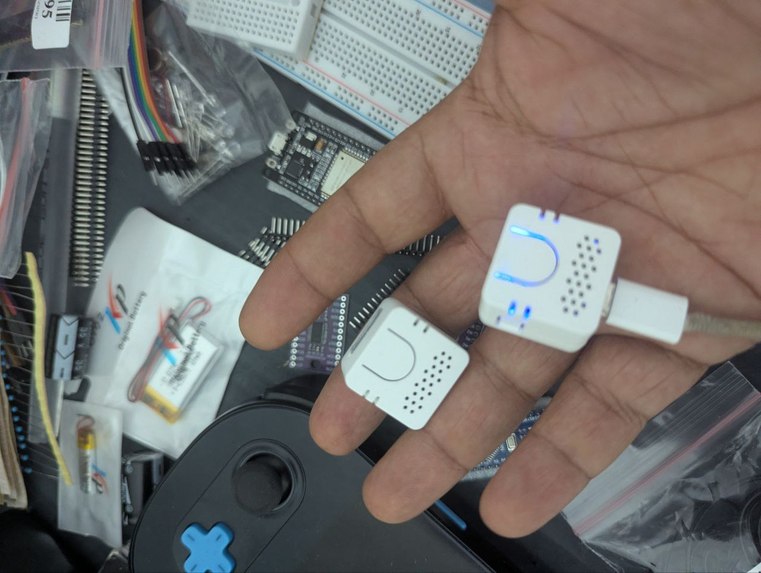
Device
-
Logo
-
Variants
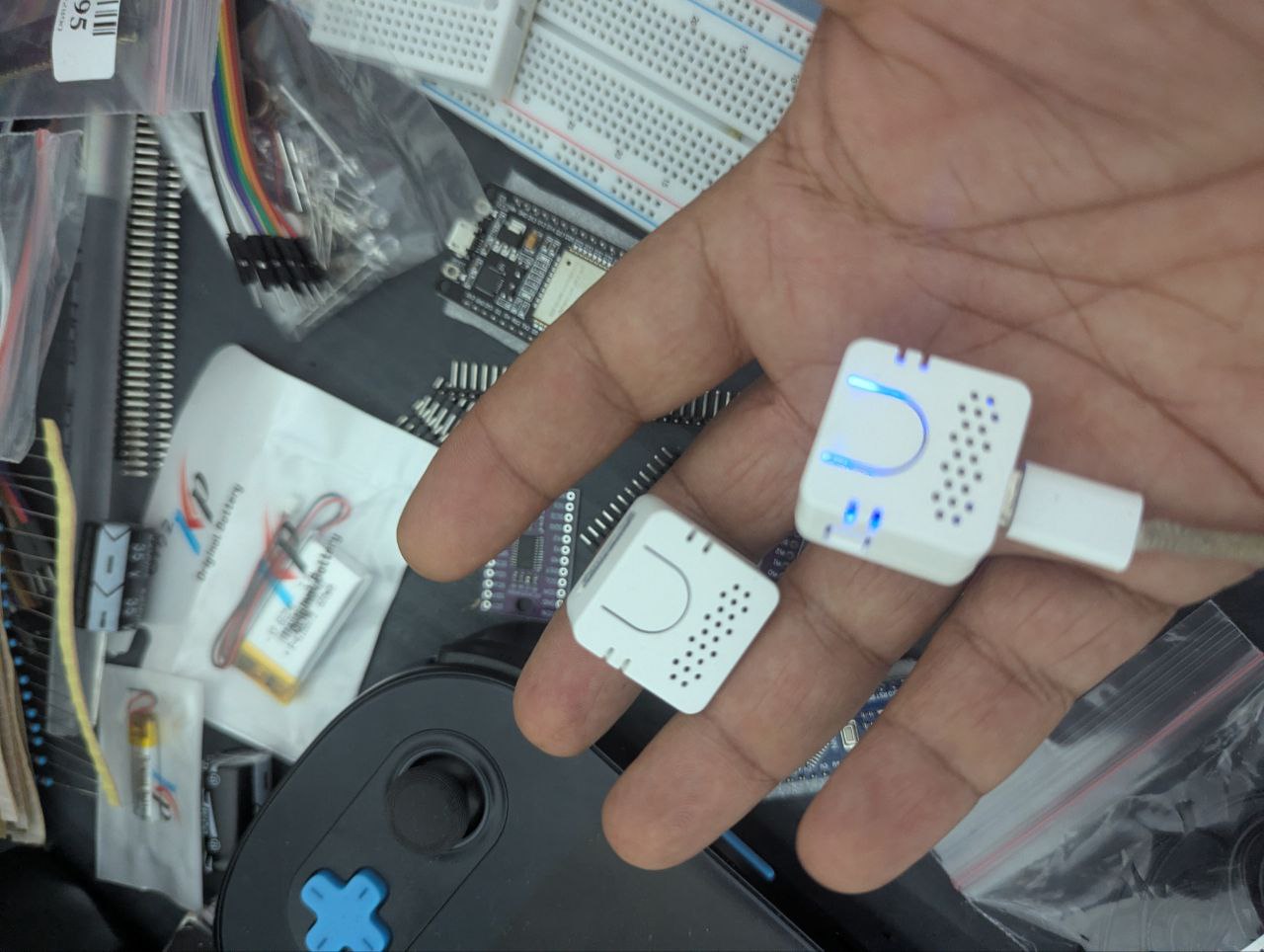
Inspiration
Decentra Merch was born from a 2 AM question: "Why is the physical world so disconnected from the cryptographic truth of the blockchain?" We live in a world of deepfakes, manipulated market data, and centralized servers that can be shut down at a whim. I wanted to build something I could touch that only reacts to what is provably true. I wanted to turn cold, hard math into something tactile—like a flashing light for a market alert or an encrypted voice note you can only hear if you hold the right digital key.
What it does
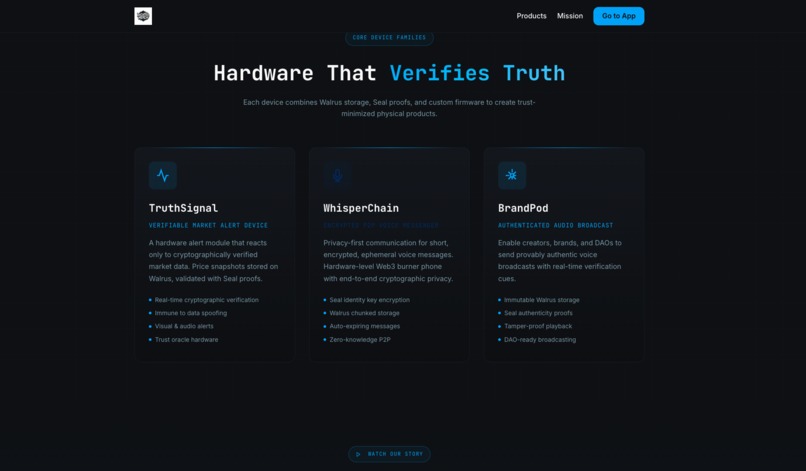
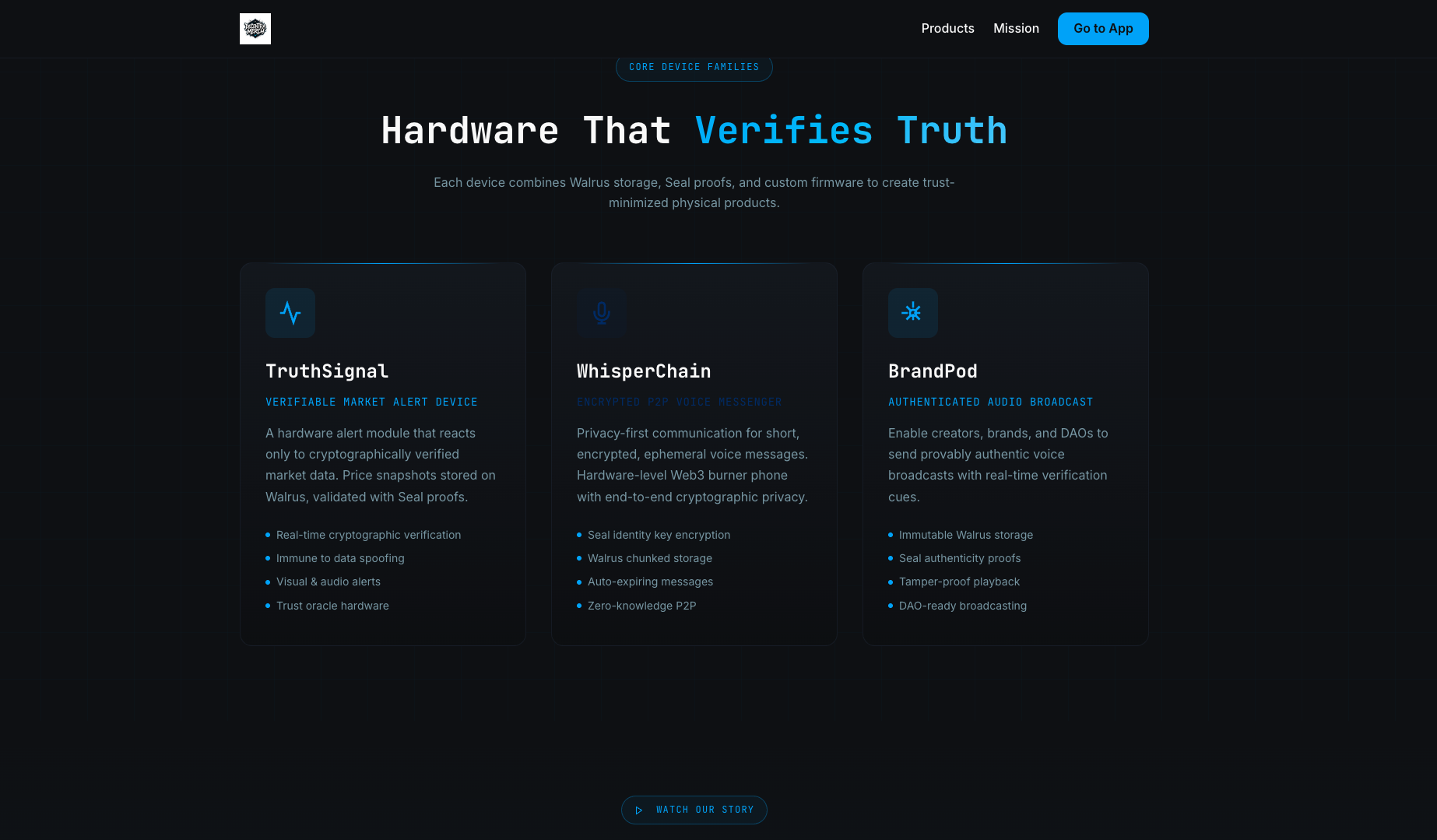
Decentra Merch is a hardware-focused collective building the physical layer of decentralized systems. We’ve developed three core device families:
- TruthSignal: A desk-side ticker that triggers physical alerts (lights/sound) ONLY when market data is verified via Seal proofs and pulled from Walrus storage. It’s a "Trust Oracle" you can keep on your desk.
- WhisperChain: A hardware "burner phone" for the Web3 era. It records voice, encrypts it using Seal identity keys, and stores it as a blob on Walrus. It only decrypts when the target device proves it has the right credentials.
- BrandPod: An authenticated audio broadcast module that lets DAOs and creators send provably genuine voice messages to their community’s physical space.
How we built it
We went "full stack" from silicon to storage:
- Hardware: Used ESP32 microcontrollers for their built-in Wi-Fi and lightweight processing power.
- The Verifier: We implemented a local verification logic where the device fetches data blobs from Walrus and runs them against Seal signatures.
- Firmware: Written in C++ using the Arduino framework, specifically optimized to handle cryptographic handshakes without a middleman server.
- Storage Layer: All assets—whether it’s a price snapshot or an encrypted voice memo—are stored as decentralized blobs on the Walrus Protocol.
Challenges we ran into
The biggest hurdle was "The Stateless Handshake." Microcontrollers have very limited memory, so trying to verify large cryptographic proofs locally was like trying to fit a gallon of water into a shot glass. We had to get creative with how we chunked data from Walrus and handled the Seal identity keys to ensure the device didn't crash while trying to "prove" the data was real.
Accomplishments that we're proud of
We successfully moved the "Source of Truth" from a centralized API (like a standard weather or price API) directly to a decentralized storage layer. Seeing the TruthSignal LED turn green only after a proof was validated—and staying red when we fed it "fake" data—was a massive win for us. We proved that hardware can be just as trustless as a smart contract.
What we learned
We learned that "Vibe Coding" is most effective when you have a strong "North Star." For us, that was Cryptographic Authenticity. We also learned that building for the decentralized web requires a mindset shift: you aren't just "fetching data," you are "verifying reality." It taught us a lot about the efficiency of for handling physical-world data blobs.
What's next for Decentra Merch
We want to turn this into an open-source "Decentra-Hardware SDK." Imagine any developer being able to take an off-the-shelf ESP32 and turn it into a verified Web3 device in minutes. We plan to expand the device family to include "Trust-Minimized Smart Locks" and "On-Chain triggered E-Ink displays."

Log in or sign up for Devpost to join the conversation.