-
-
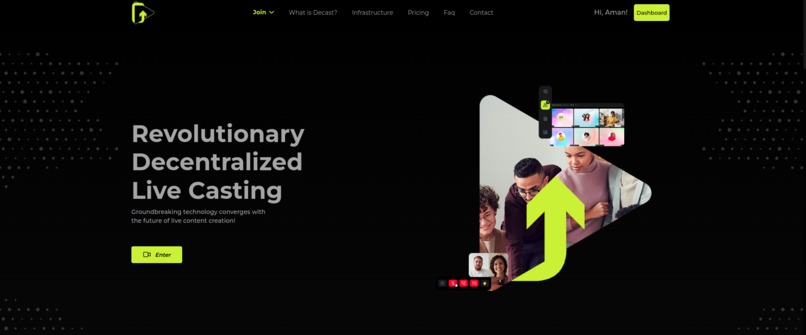
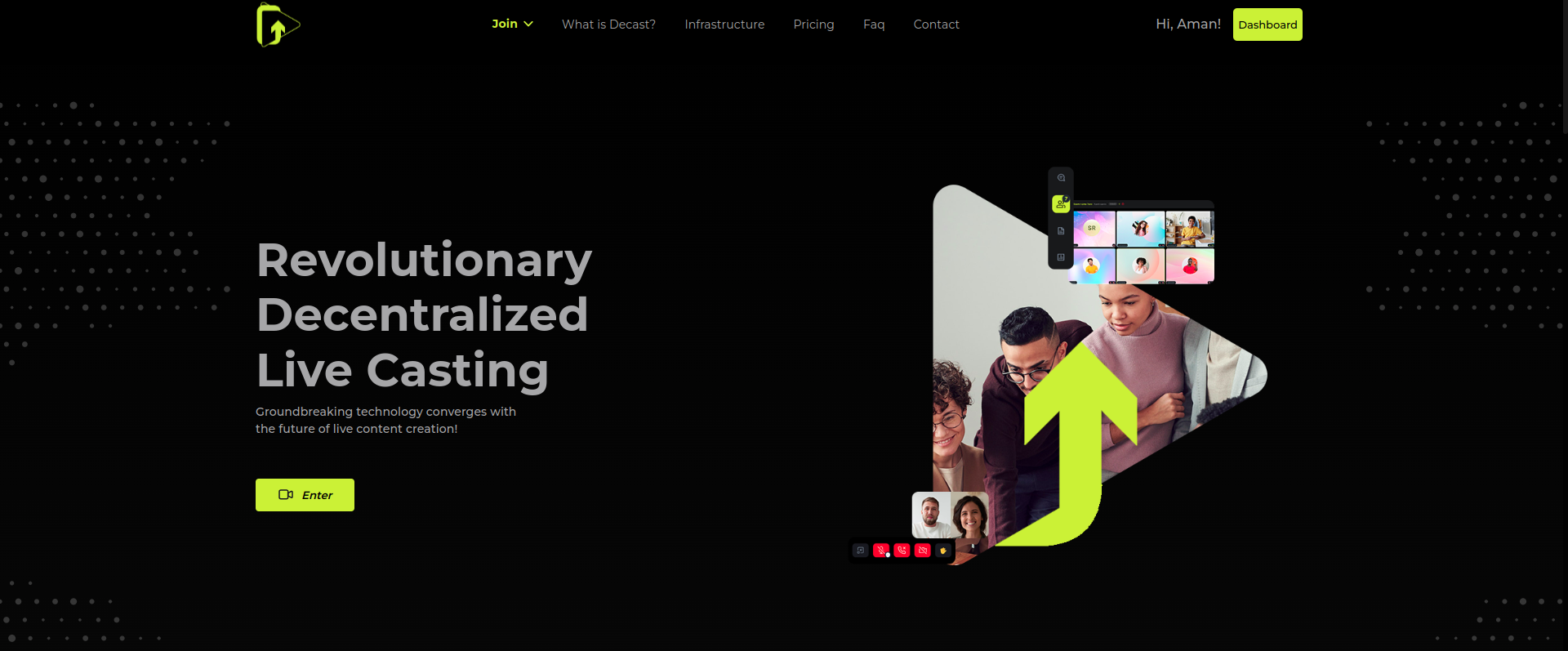
Decast homepage
-
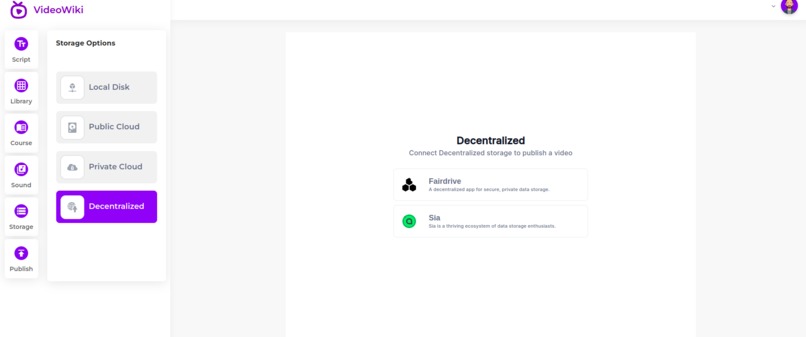
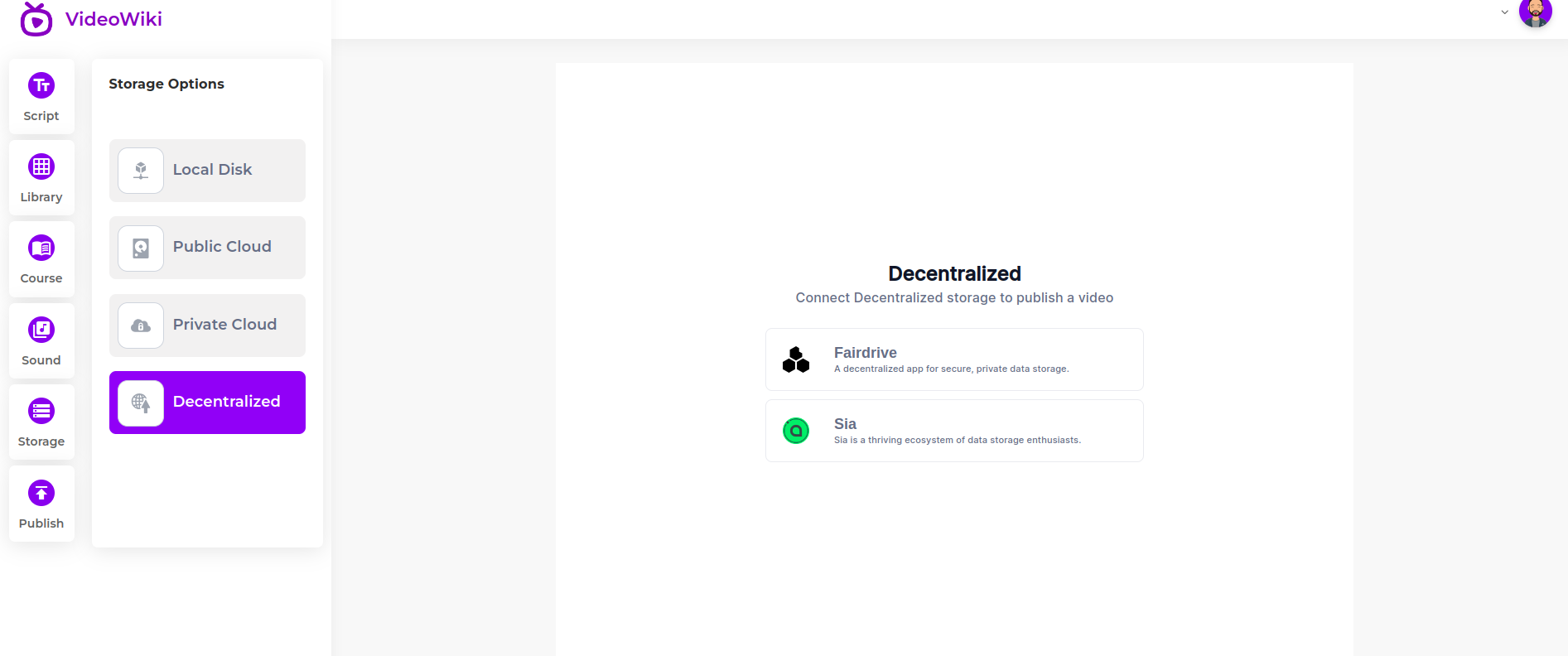
Upload to Sia on Editor
-
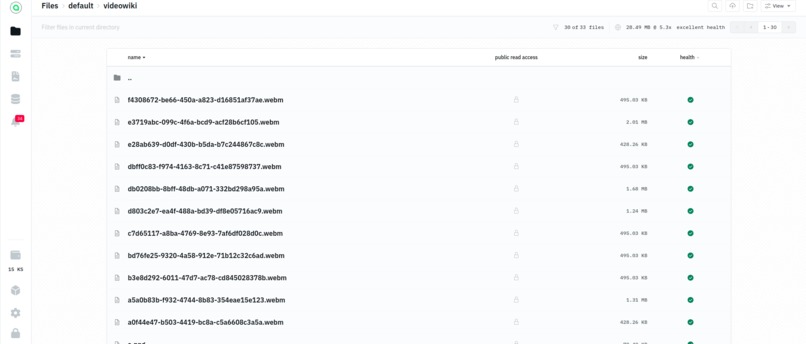
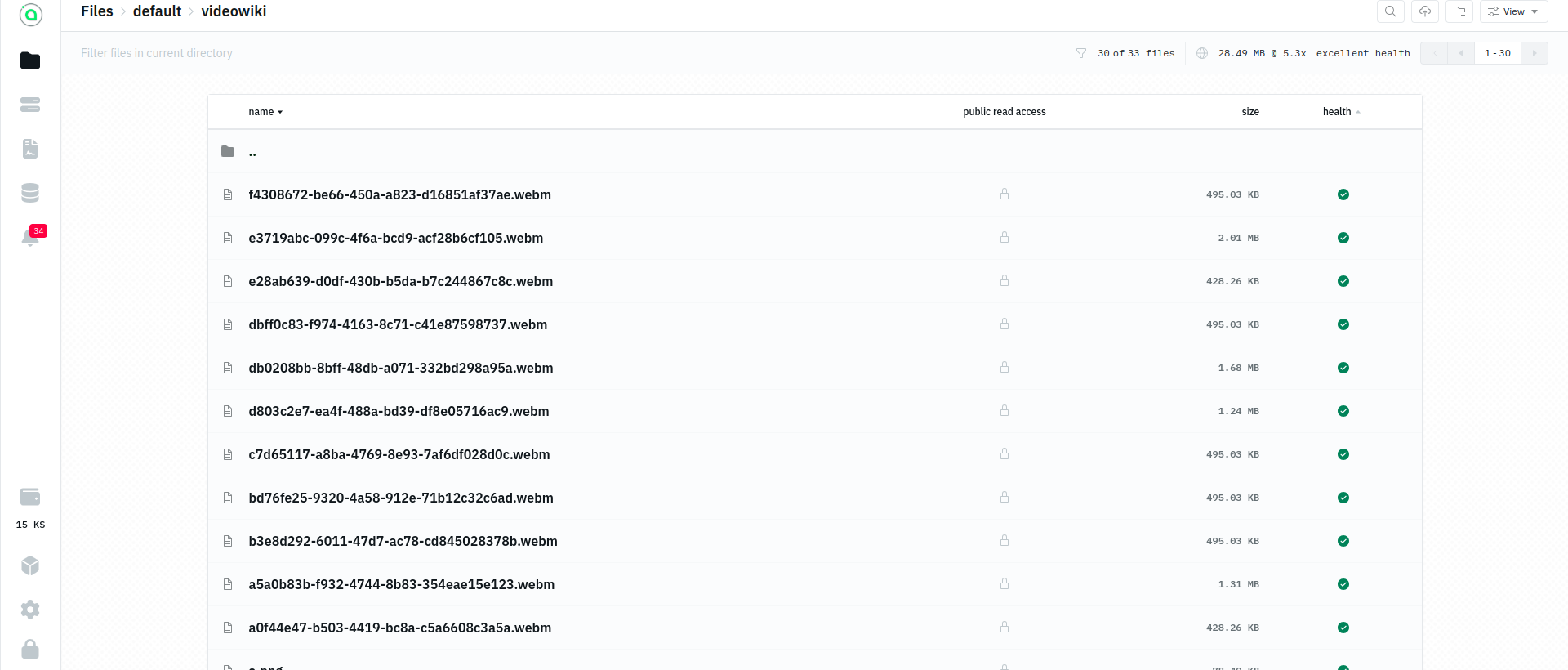
Sia Renterd Dashboard
-
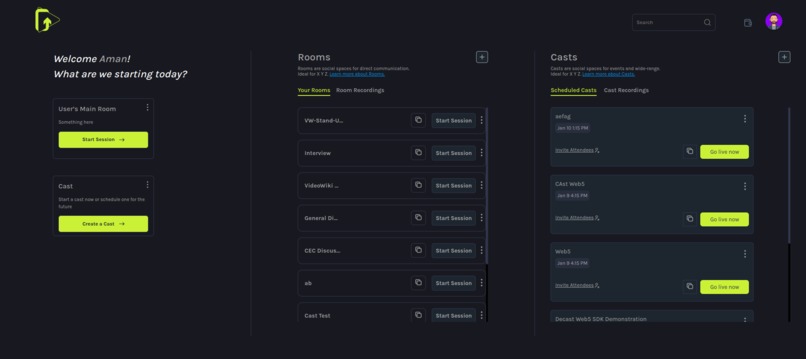
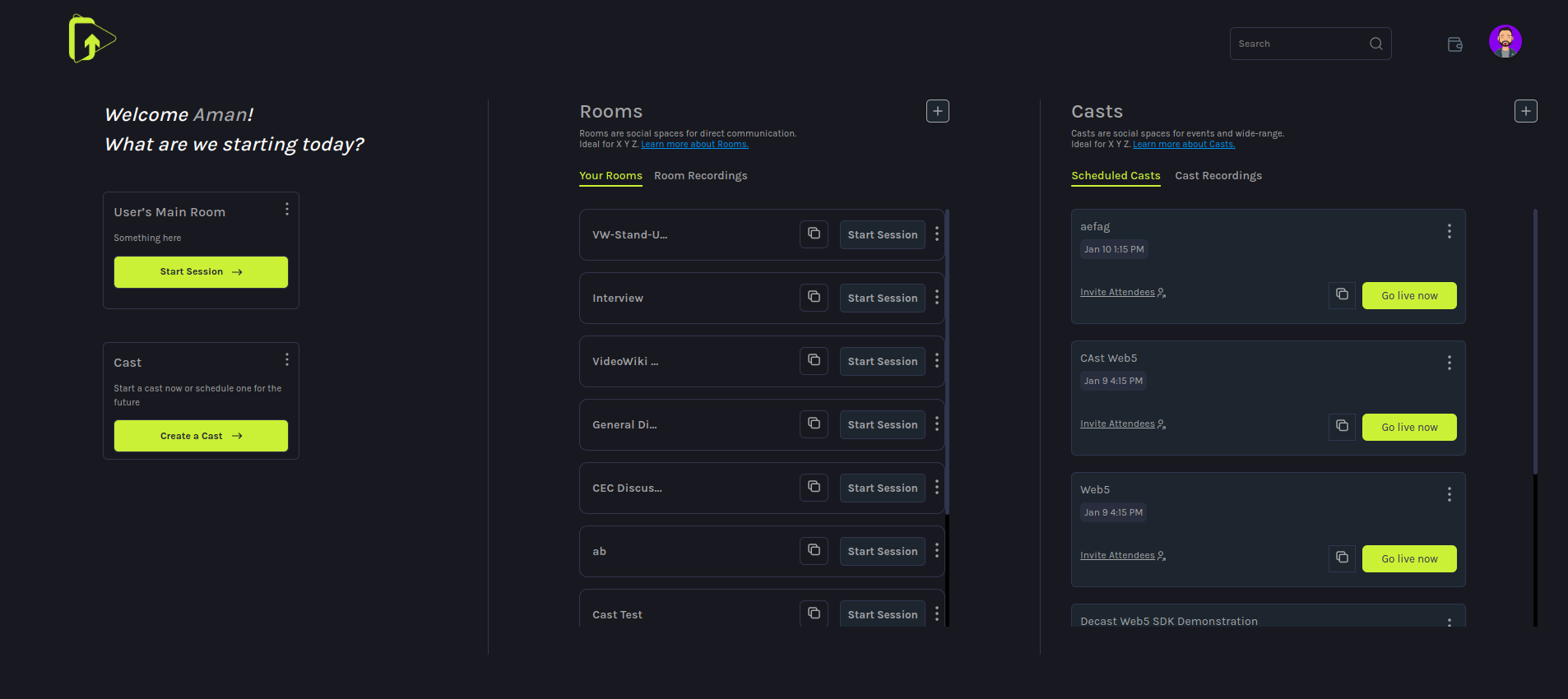
Decast Dashboard
Inspiration
Table of Contents
Project Summary
Creativity & Inspiration
What it does
About Product
How Decast harness the power of Sia
Adoption of Sia in Decast
What is it - What it does & Practical Viability
Solution - Technical Complexity
Prototype & Technology - Rapidly developed, working, and ready for use.
Technology - Innovation
Design & Implementation
Social Impact
Creator Experience
Viewer Experience
What's next for DECAST
Team & Contacts
Project Roadmap
Acknowledgements & Accomplishments
What We Learned Along the Way
Next steps
Creativity & Inspiration
If you have ever downloaded any content over torrent, you'd know that the popularity of the content enhances its speed of downloading. This is peer2peer sharing of resources. Each user downloading the content also shares a bit of their bandwidth to become a node for others and strengthen the network.
Peer-to-peer (P2P) torrent technology and the concept behind Decast are similar in their decentralized approaches but serve different purposes. Let us explain how P2P torrent works and then highlight how Decast essentially reverses that concept for video casting:
What it does
Decast - Decentralized P2P network for Video Casting:
Decentralized Video Streaming: Decast essentially reverses the P2P torrent concept to enable decentralized video streaming. Instead of downloading a file, users stream video content from multiple distributed sources.
Distribution of Live Video: In Decast, the live video content is distributed across a network of users who contribute their resources to the streaming process. This distribution is not limited to a central server but utilizes the combined resources of the participating nodes.
Dynamic Content Delivery: Just as in P2P torrents, where users contribute parts of a file they have, in Decast, users contribute parts of the live video stream they have, creating a dynamic and distributed network for content delivery.
Efficient Resource Utilization: Decast optimizes resource utilization by tapping into the available bandwidth and processing power of multiple nodes. This ensures a smoother and more reliable streaming experience for users.
Scalability and Reliability: Instead of getting heavily loaded when more users join a video cast, Decast would actually become stronger and lighter. Similar to the P2P torrent's ability to scale with the number of users, Decast scales and load-balances its video stream to optimize connections as more users join the network. The decentralized approach enhances reliability and enhances uptime while lowering the risk of service interruptions.
Community-Driven Streaming: Decast embraces a community-driven approach, allowing users to actively participate in the casting process. Contributors share their resources, creating a collaborative ecosystem that benefits both content creators and consumers. A financial incentive is shared between the actors of the ecosystem building a thriving reward system for Creators, Operators, and Promoters.
How Decast harness the power of Sia
Redundancy: Sia distributes redundant file segments globally, eliminating single points of failure and achieving unmatched uptime and throughput.
Cost savings: Competitive hosts drive down storage costs, savings passed to Decast creators and users.
Reliability: Smart contracts enforce uptime, bandwidth agreements. Sia achieves reliability that centralized providers can't match.
Proof-of-storage: Verifies hosts provide expected uptime and bandwidth.
Security: Client-side encryption protects videos. Sia keeps your data truly private.
Censorship resistance: Decentralization resists censorship for uninterrupted video delivery.
Scalability: Sia's global host network allows Decast to scale storage as needed.
Automation: Sia handles redundancy, encryption, decentralization - Decast focuses on video delivery.
Modular integration: Sia exposes modular JSON API endpoints perfect for integration.
Future-proofing: Integrating blockchain storage future-proofs Decast's backend.
By integrating with Sia's decentralized storage network, Decast establishes a secure, private, and reliable platform for video delivery and streaming.
Adoption of Sia in Decast
Decast can leverage Sia's decentralized storage network for secure and reliable storage of the final edited videos after post-production.
Video Post-Production- After editing sessions are complete, the final video assets are compiled and rendered into their final forms.
Encryption and Upload- The finished videos are encrypted client-side before being uploaded to Sia for robust, private storage.
Distributed Redundancy- Sia shards and distributes the encrypted video fragments across its global host network to eliminate single points of failure.
Video Delivery and Streaming- When viewers request a video, fragments are rapidly retrieved from Sia hosts and re-assembled for streaming playback.
Sia's built-in redundancy ensures high availability and throughput to support uninterrupted streaming at scale.
By only using Sia as the backend storage layer, Decast can focus on video editing and post-production while benefiting from Sia's security, reliability and cost efficiencies. Sia's decentralized infrastructure provides censorship-resistant video storage resistant to tampering or removal.
What it does & Practical Viability
Decentralized Casting with Distributed P2P Computing

From live casting to post-production, Decast empowers content creators with cutting-edge AI technologies, offering unparalleled opportunities for innovation and self-expression.
Challenges we ran into and Technical Complexity
Sia Integration with Decast
Integrating Sia's decentralized storage presents a number of initial challenges for Decast. A steep learning curve exists in fully leveraging Sia's architecture compared to traditional centralized storage, requiring investment in expertise. Engineering complexities also arise in adapting video editing workflows to decentralized processing while maintaining quality controls. Additional effort is needed in optimizing how video shards are stored and retrieved across the network. Tight platform integration between Decast and Sia's backend is crucial for seamless user experiences. There are also upfront costs in development and integration, as well as ongoing expenses for bug fixing and permissions management. On the infrastructure side, properly setting up high-performing Sia nodes and managing the daemon introduces operational overhead. Building integrations with centralized systems like S3 for backup creates further technical debt. However, by proactively developing knowledge and anticipating these challenges, Decast can realize the long-term benefits of Sia's decentralized storage. The initial time and resources required are an investment into a more secure, affordable and resilient platform.
Frontend Development with Vue.js
Building the frontend of Decast posed its set of challenges, primarily revolving around the utilization of the Vue.js framework. Vue.js is known for its flexibility and simplicity, but integrating it seamlessly with the diverse functionalities of Decast required careful consideration. Ensuring a smooth user experience, real-time updates, and responsive design demanded meticulous attention to detail. Overcoming these challenges involved collaborative problem-solving and leveraging the strengths of Vue.js to create an intuitive and engaging user interface.
Backend Complexity with Django and AI Integration-
Decast's backend, powered by Django, served as the core engine driving the platform. The integration of an AI model into the backend introduced complexities related to content segmentation and scene suggestion. This involved breaking down textual content into multiple segments and providing creators with appropriate scene recommendations. Developing a robust backend infrastructure that seamlessly incorporated these AI-driven features required a deep understanding of both Django and the specific AI algorithms in use.
Video Upload and Processing-
Facilitating creators to upload their video clips and ensuring efficient processing added another layer of technical complexity. Managing video content involves handling large file sizes, optimizing storage, and ensuring swift processing without compromising quality. The challenges here included implementing secure and scalable video upload functionality, integrating it with the backend AI model, and maintaining a seamless workflow for content creators.
Blockchain Integration and Smart Contract Development-
In preparation for the upcoming Blockchain Incentivized Testnet, our team delved into integrating blockchain technology, specifically Ethereum. The complexities of writing smart contracts in Solidity and ensuring seamless interaction with Decast's functionalities added a layer of intricacy. Implementing features like wallet issuance, casting credits, and creating a secure environment for blockchain transactions required a deep understanding of blockchain protocols and smart contract development.
Adapting P2P Torrent Concept to Video Casting-
The transition from traditional P2P torrent technology to a specialized decentralized video casting platform presented a unique set of challenges. Unlike file downloading, live video streaming demands real-time synchronization and efficient distribution of content. Adapting the decentralized model to this context required the development of sophisticated algorithms for content synchronization, load balancing, and dynamic resource allocation.
Real-time Video Distribution and Sync-
Enabling decentralized video streaming involves handling the complexities of real-time video distribution across a network of nodes. Decast had to overcome challenges related to latency, synchronization issues, and ensuring a consistent streaming experience for users regardless of their geographical location. The development team invested significant effort in optimizing the video distribution algorithms to guarantee seamless live streaming.
Dynamic Contribution and Resource Sharing-
In a P2P torrent system, users contribute parts of a file they possess. In the case of Decast, users contribute segments of the live video stream they have access to. The challenge here was to create a dynamic contribution model, ensuring efficient resource utilization without compromising the quality of the video stream. This involved developing algorithms to incentivize active contributors, manage bandwidth dynamically, and handle varying user participation levels.
Scalability and Load-Balancing-
Decast's promise of scalability and reliability required robust mechanisms for load balancing as more users joined a video cast. Unlike traditional centralized streaming services that may experience increased load, Decast aimed to become stronger and lighter with more users. Achieving this involved intricate load-balancing algorithms and decentralized decision-making processes to optimize connections and distribute the streaming load across the network.
Blockchain Integration for Incentive Mechanism-
The implementation of a decentralized incentive mechanism, involving the creation and distribution of native tokens on a blockchain, introduced its set of challenges. Integrating blockchain technology (Ethereum in this case) required developing smart contracts in Solidity and ensuring secure and transparent token transactions. Additionally, the team had to address scalability concerns associated with blockchain interactions in a real-time streaming environment.
Community-Driven Collaboration-
Creating a community-driven streaming ecosystem involved overcoming challenges related to fostering active participation and contribution. Designing effective reward systems, managing financial incentives, and ensuring fair distribution among creators, operators, and promoters required a thoughtful approach. The team addressed these challenges by developing a comprehensive governance model and reward distribution algorithm to foster a thriving and collaborative community.
Further implementation of the KNOWLEDGE token and other associated protocol will be implemented on the Ethereum blockchain and the smart contract being written in Solidity. ChainLink is to be used for Oracle to get the real-time price of the cryptocurrency and other off-chain data.
Accomplishments that we're proud of with our Innovation
As an advanced Decentralized Live Casting platform powered by decentralized infrastructure as a service to host events, live streams and private rooms for phygital meetups, Decast uses generative AI for post production and management of all your video data in the most secure manner.
Other than the usual advantages of decentralization with governance and ownership, Decentralized and Distributed systems will provide better performance and resilience to build applications in future.
• Decentralized and Hyperconverged Networked: able to adapt to the growing computing needs of edge computing, where processing occurs closer to the data source. Optimal for scenarios where Edge computing requires low-latency responses.
• Democratized Ownership and Access to the Community: access to deploy apps on shared infrastructure which cultivates a collaborative, dynamic, and innovative ecosystem for diverse contributors to collectively shape the future of digital services
• On-Demand Costs and Revenue Share: creating a sustainable and collaborative ecosystem where platform operators are fairly compensated, users have pay-per-use fee, and the community supports the ongoing infrastructure maintenance and protocol improvements.
The recorded events and meeting sessions, which can be edited using our platform to create content and use it for future reference. With easy-to-share video content that can be made from the Cast in a few clicks, our platform sets new standards for content post-production. Thanks to this hackathon our solutions can reach a wider audience and have a bigger impact.
Design & Implementation
Decast not only makes content creation easier but also builds an ecosystem based on content creation. Every content creator and active contributor on the platform is rewarded for their contribution through network native cryptocurrency.
We can use native token on the network it runs on like Ethereum, Solana, Matic, etc supported by our platform.
Minting of the tokens
A certain amount of tokens would be minted every time new event is created or modification is made into existing content. The number of tokens to be minted can be determined by
What event creator stakes or buys bandwidth from node operators
A concept similar to “bitcoin halving” can be implemented where the event starts with a certain number and halves it after a certain number
A volumetric measure of the content can be done where the number of tokens minted will be proportional to the time of viewing
Token Distribution and Rewards
The tokens minted would then be distributed among the viewers based on their view cycle as a reward. This rewards viewers for their engagement and time spent on the platform.
Event creators would also have the option to contribute custom/creator tokens into the reward pool. These tokens, combined with the reward tokens, would form a liquidity pair that could be distributed as a reward to viewers. This approach incentivizes event creators to actively participate in the ecosystem and contribute to its growth.
Successful event creators would receive additional rewards for hosting well-oriented, successful events that reach a broad audience. This encourages creators to focus on creating content that resonates with viewers and attracts a large following.
Viewer Engagement and Token Utilization
Viewers would have the ability to redeem the rewarded tokens. These tokens could be used to support their favorite events and creators, encouraging a sense of community and appreciation.
Additionally, viewers could use their reward tokens to purchase NFT tickets and passes for events or acquire exclusive NFT moments from the events, allowing users to collect and own special moments from their favorite content.
Staking of the tokens
The staking of the tokens follows a straightforward model where the consumer is required to stake INFRA tokens in any of the decentralized exchanges. Staking must be done in the pools which are recognized by the site. This staking would unlock tiers of accessibility.
This benefits the platform and the customer both. The customer-side benefits being:
Customers earn LP tokens to provide liquidity.
Since the staked tokens belong to the consumer, it gives the consumer the freedom to withdraw the stake as and when needed.
The consumer benefits from the growing price of TECH.
The benefits to the platform are:
High liquidity of the token ensuring wider adaptation.
As the number of consumers grows, so does the price of TECH Token.
Since no token is centrally held, it helps the project ethos of decentralization.
Using Fiat Currencies
Since cryptocurrencies are still in its early phase of adoption, it is important to have Fiat currencies as a payment option. People who don't want to use cryptocurrency can use a pay-as-you-go subscription model using traditional currency. A certain amount of currency can be added to the wallet which eventually gets exhausted based on the usage. Also, creators can convert their earnings in KNOWLEDGE token to fiat for withdrawal.
Social Impact
In 2017, business events alone involved 1.5 billion participants from 180 countries, and contributed $2.5 trillion of spending while supporting 26 million jobs, according to a 2018 study by Oxford Economics.
Prior to the start of the pandemic, the global conference industry was contributing to 0.138 to 5.31 billion tons of CO2 equivalent (GT CO2e) per year, or the same as the annual greenhouse gas emissions of the entire United States, suggested Fengqi You, professor at Cornell University.
While professionals complain about "Zoom fatigue" after spending countless hours on online platforms, a poll conducted by Nature found that 74 percent of its 900 survey respondents agreed that virtual conferences should continue after the pandemic as it increases accessibility, followed by the lowering of carbon footprints and costs. The primary reason for not wanting to continue virtual conferences was the poor networking opportunities which all combined begs for a sustainable and innovative online solution to make the experience more engaging while staying sustainable.
With Decast we can optimize physical events by adding simple casting features that increase the reach of events without the additional harmful effects. Decast uses attendee infrastructure as part of the network to further strengthen its power using the unused bandwidths and computational power of the operating node while rewarding the operator with sustainability rewards.
A hybrid system could reduce a conference’s carbon footprint and energy use by two-thirds while maintaining more than 50 percent in-person participation. The algorithms will give preference to the viewer nodes such that the idle infra is optimized with the best energy efficiency for the network. A system built to reward sustainable usage and participation.
Project roadmap
○ Video Editor
§ Single teacher use cases
§ Class records and single user edits
§ Publishing and Curriculums
○ Collaboration and edits Jan 2024
○ Event records and AI edits Feb 2024
○ Blockchain Incentivised Testnet - March 2024
§ Wallet Issuance and Casting Credits
§ Playground released for testnet
What We Learned Along the Way
Building a pioneering platform like Decast has been an incredible learning experience. We gained valuable insights into decentralized systems, community engagement, and bringing unconventional ideas to life.
Decentralization is Challenging but Powerful
Working with decentralized infrastructure exposed real complexities compared to centralized solutions. But the benefits for security, resiliency, and community ownership outweigh the hurdles faced.
Community is Crucial for Platform Adoption
Designing effective incentives and governance is key to fostering an engaged community. Active contributors are what enables decentralized platforms to thrive.
Iterate Rapidly and Ship Often
Shipping an early MVP and incrementally adding features is better than aiming for perfection from day one. Quick iterations and user feedback accelerate development.
Leverage Partnerships for Specialized Expertise
Collaborating with partners like Sia enabled us to focus on our core competencies while inheriting the strengths of decentralized infrastructure.
Think Long-term and Stay Resilient
The path of decentralized innovation requires grit. Believing in the long-term vision and bouncing back from failures is imperative.
By internalizing these lessons, we can build on Decast's foundations to create an even more inclusive and empowering platform. The future looks bright as we move forward!
What's next for Decast
In our upcoming roadmap, we target:
Collaborative video-based content creation.
Complete decentralized storage and management of the video content
A subscription-based cashflow using Stripe and Blockchain-based cryptocurrencies


Log in or sign up for Devpost to join the conversation.