WHACK26 DEBBelobers
📖 Brief
This is the project that we built as a team for the 2026 Warwick Hackathon, wherein over 400 students took to one of four coding briefs set by real software companies, and built a working solution over a 24-hour period.
Our Brief Was: Build something that opens a door to the unexplored, whether that's new data, new ideas, or something novel that no one has seen before.
💡 Overall Plan
Our plan was to create a piece of software that simulated a world across multiple different dimensions, which the user can switch between. This gives the user a novel experience of an otherwise ordinary world.
The hyperbolic "dimension" of our project would heavily inspired by the artwork of M. C. Escher, particularly his depictions of impossible geometry and alternative spatial representations, for example the Poincaré Disc.
🚀 STAGE 1: Making The Minimum Viable Product (MVP)
Plan
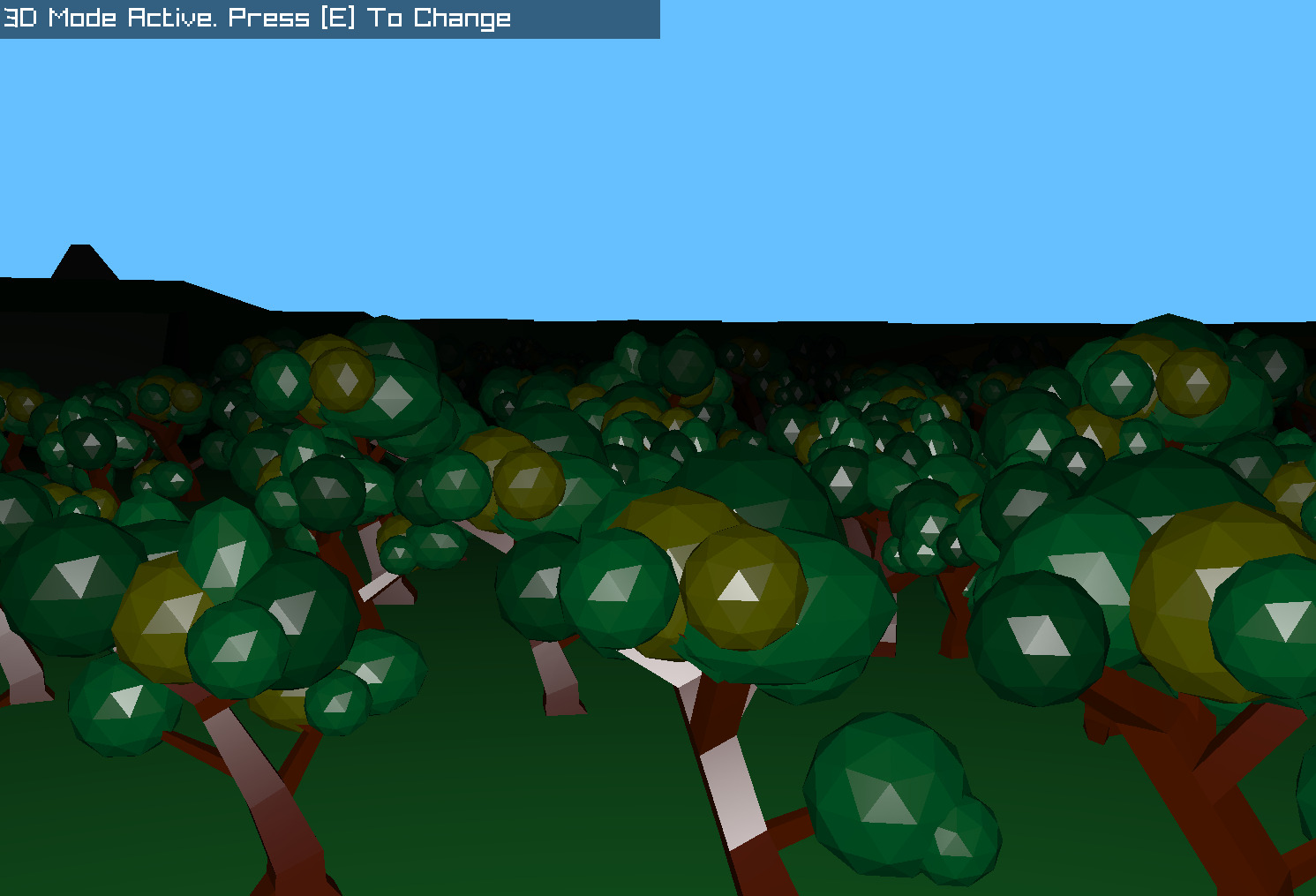
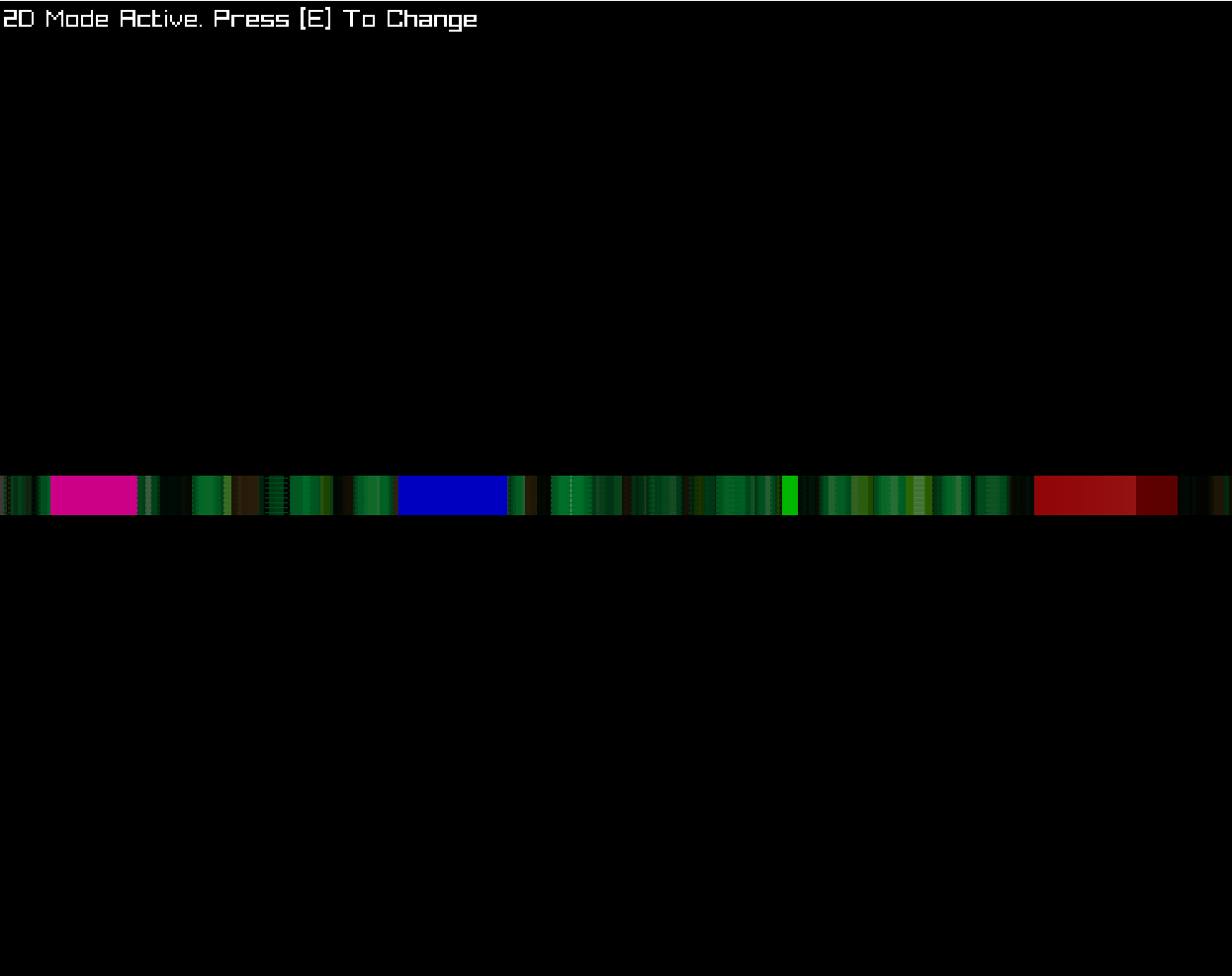
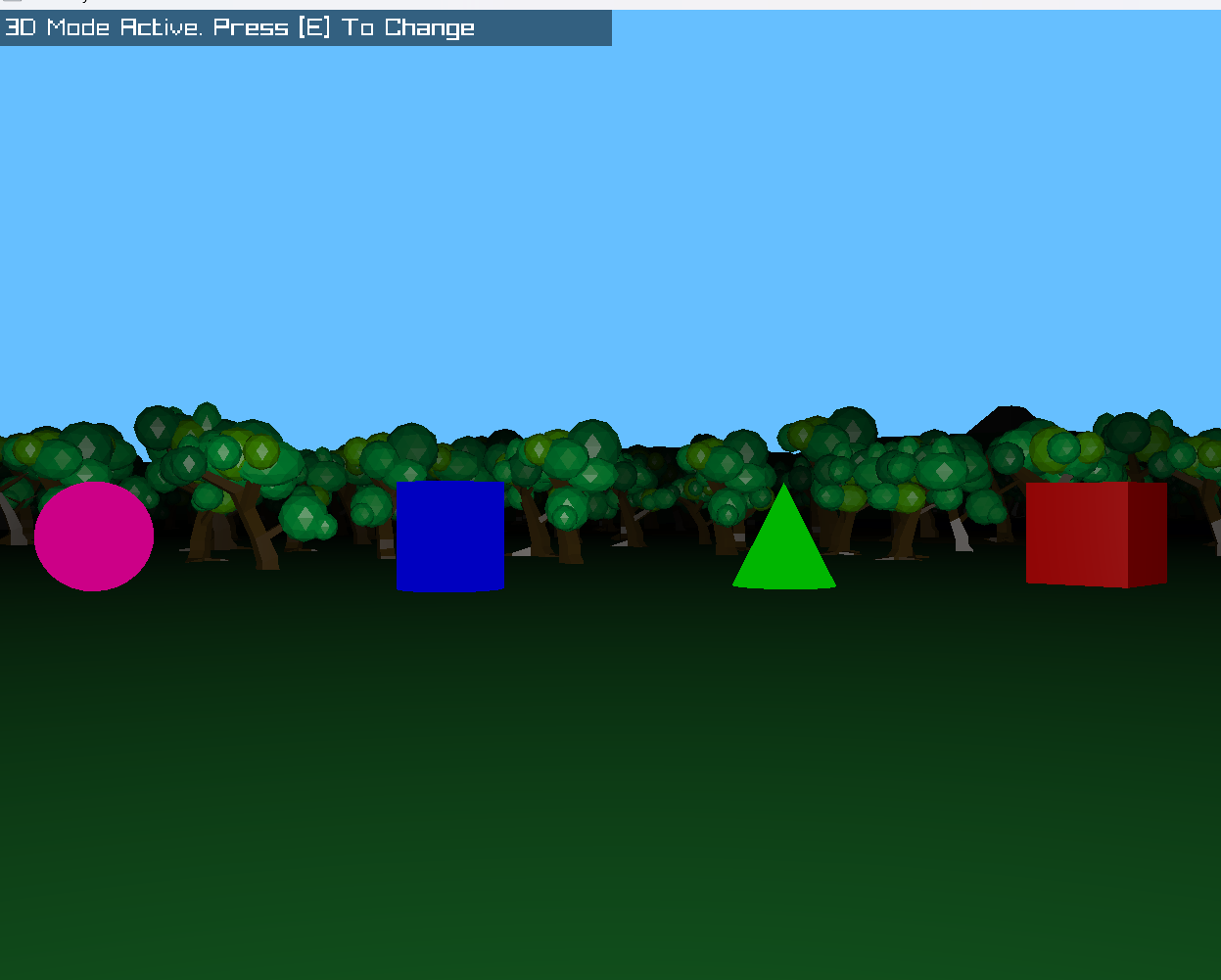
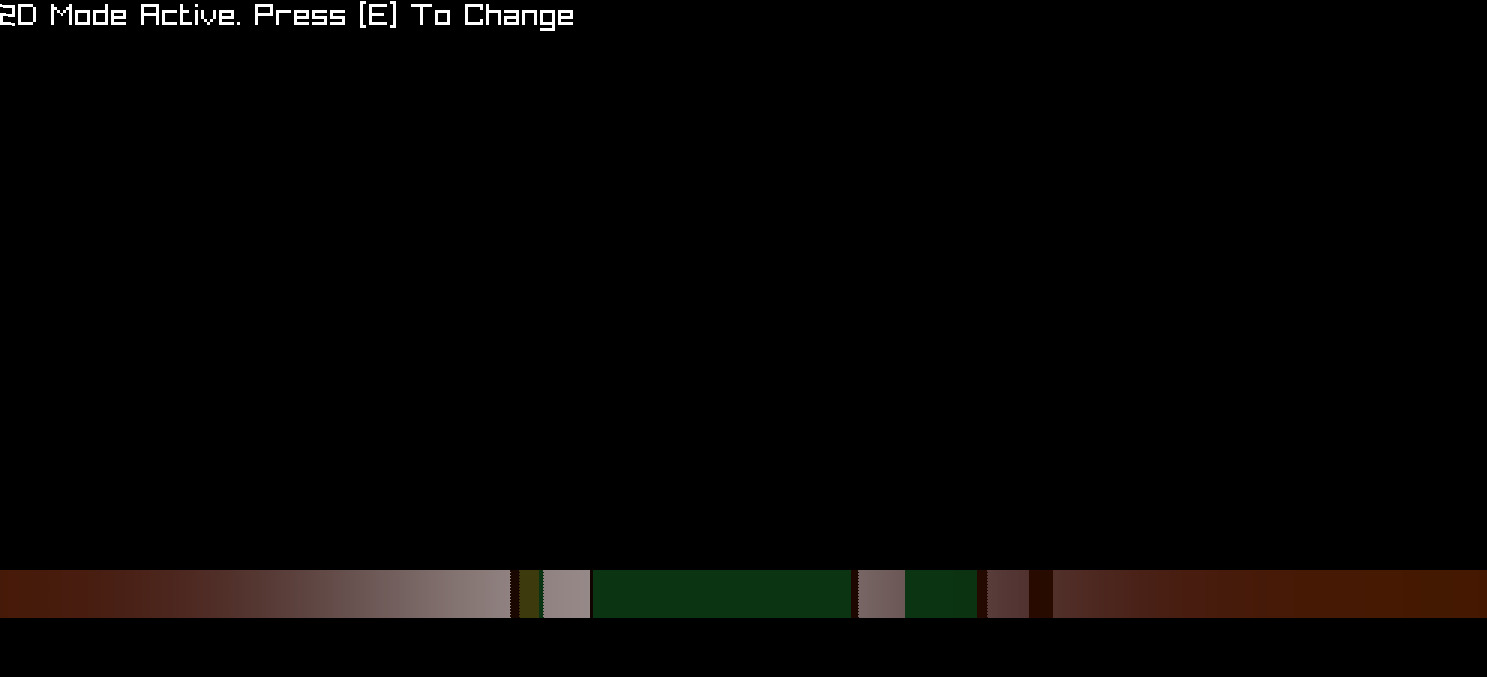
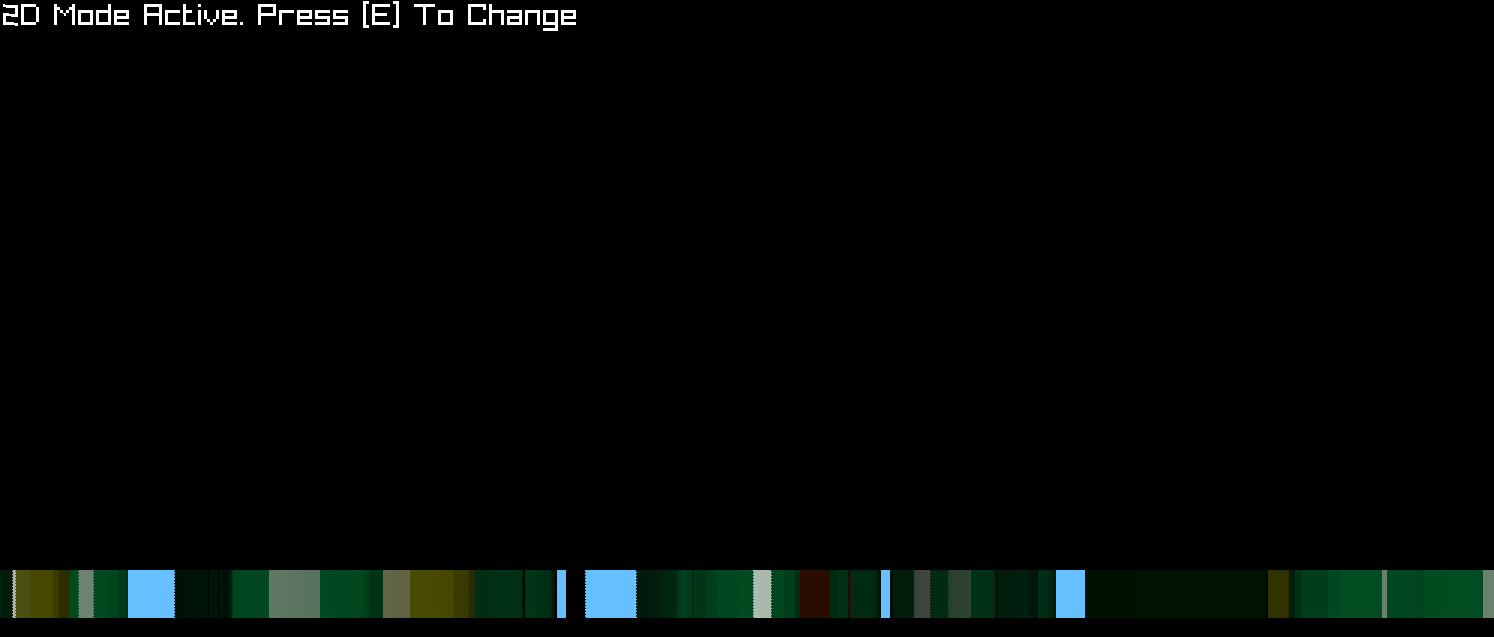
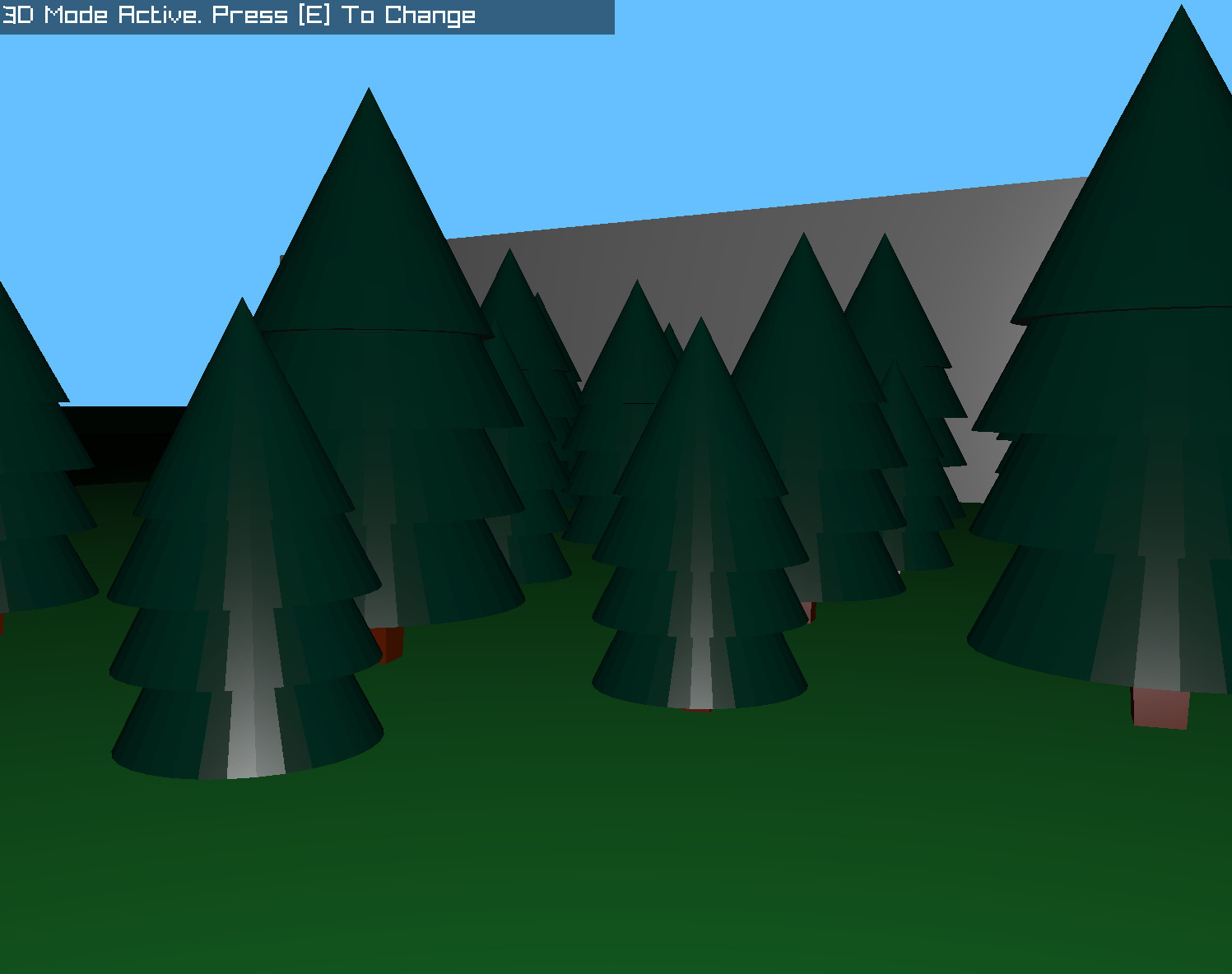
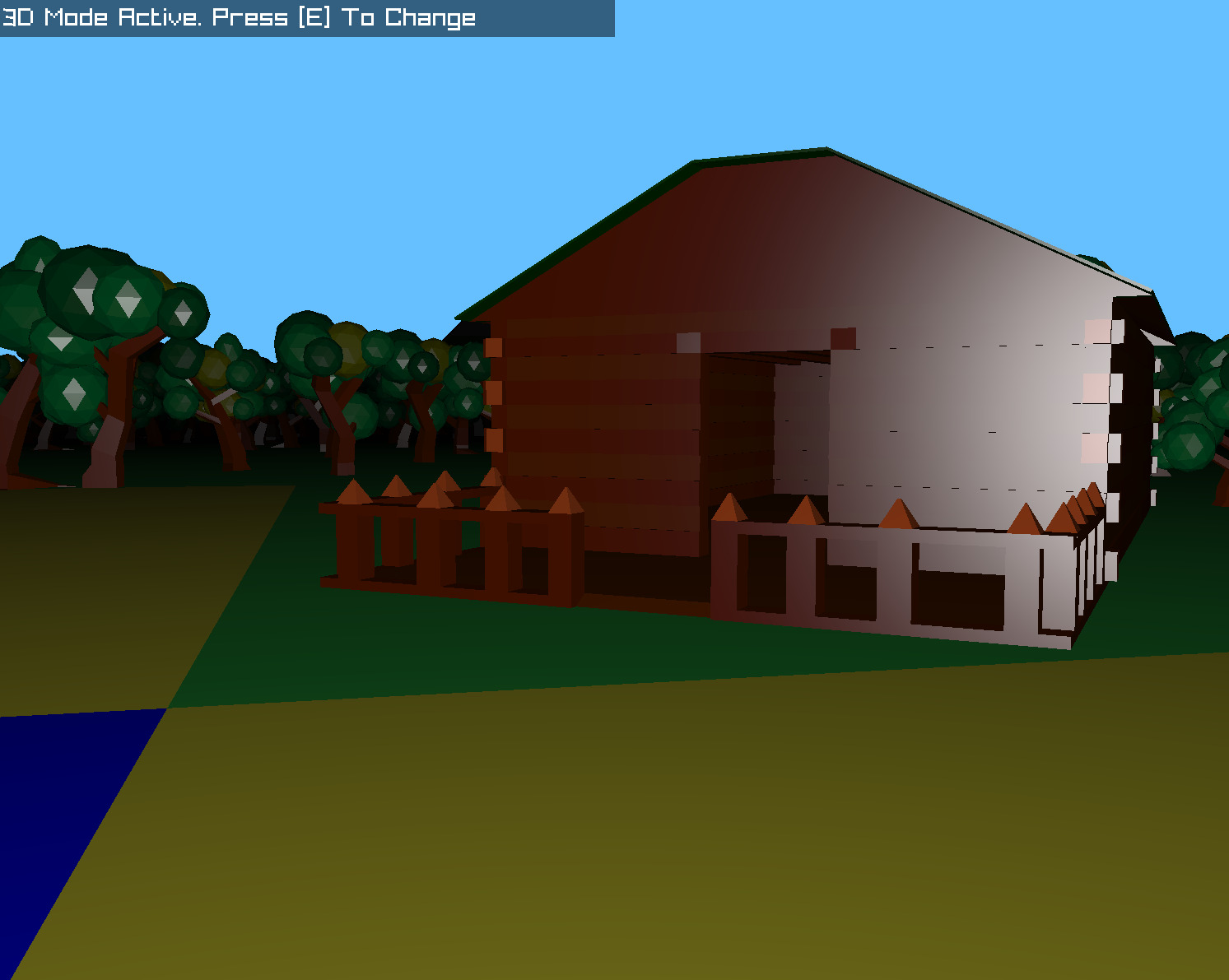
Our aim with the MVP was to make a simple simulation featuring Blender-crafted assets, with the ability to toggle between 2D and 3D representations of a simple world.
A first-person user would be able to navigate the world and explore how the different modes affect their perspective.
Challenges
- The main challenge at this stage was getting to grips with the raylib library for graphics development as a team. Particularly for developing shaders that could be used to represent depth within our simulation, hooking everything together for this was tough.
- Another challenge on a team level was that initially, the coding tasks on hand only really lent themselves to being developed by at most two programmers. This meant that two of us were redundant. However we negotiated this as a team by taking on two auxiliary roles- developing the assets for the simulation and doing research on the highly complex future goal of implementing hyperbolic space into the simulation. This actually helped to reduce timing issues since these tasks performed sequentially would have taken a lot of time and potentially would have been a bottleneck later down the line; but our choice to split the roles here ended up being a real asset to finishing on time.
🌠 STAGE 2: Extending The Minimum Viable Product
Plan
Building on MVP, the project we aimed to include one further dimension/spatial representation- hyperbolic space. With a lot of research and cooperation, this feature was developed- and it definitely acts as the core of our code's complexity.
Challenges
- The challenge with building a non-euclidean spatial representation was that it is not something that we as humans can easily visualise, so we had to take a lot of time researching the concepts and behaviours surrounding the theory. The way that we combated issues here was having two members of the team simultaneously working on the code and rubber-ducking off of one another. We also made use of a few useful libraries for our mathematical processes.
🌌 STAGE 3: If We Had More Time...
We would have hoped to significantly extend the MVP by introducing more dimensions to the project- 4D, and other non-Euclidean representations of space- thus enhancing the unique nature of what we built. Despite some early research into the fourth dimension, it was decided on a feasibility basis that the hyperbolic dimension would be the better choice to extend our MVP.
🏆 Methods For Our Successes
- [Careful Version Control]- We managed branches, large amounts of code and libraries in a way that minimised workloads for others whilst also making working as a team very easy.
- [Prior Research]- We performed detailed and extensive research into all parts of our project, from the graphics package and language that we used, to the mathematical theory behind non-euclidian space.
- [Working And Communicating As A Team]- We worked well as a team, from delegating tasks to prioritising one anothers' strengths throughout the process. This, combined with working in pairs when the going got tough, allowed us to make progress and be efficient without causing immense levels of stress.
🛠️ Libraries, Engines & Software
- raylib – Our main graphical engine, heavily built around the raylib library.
- rlgl – Our hyperbolic mode makes use of this related, lower-level raylib library.
- Blender – Used to create the assets for the project.
- Visual Studio Code – Used for all code development.

