Death Clock AI
Death Clock AI started with a simple idea: most people know that sleep, exercise, smoking, alcohol, diet and other habits affect long-term health, but the impact of those choices can feel distant and easy to ignore. So the app makes it personal.
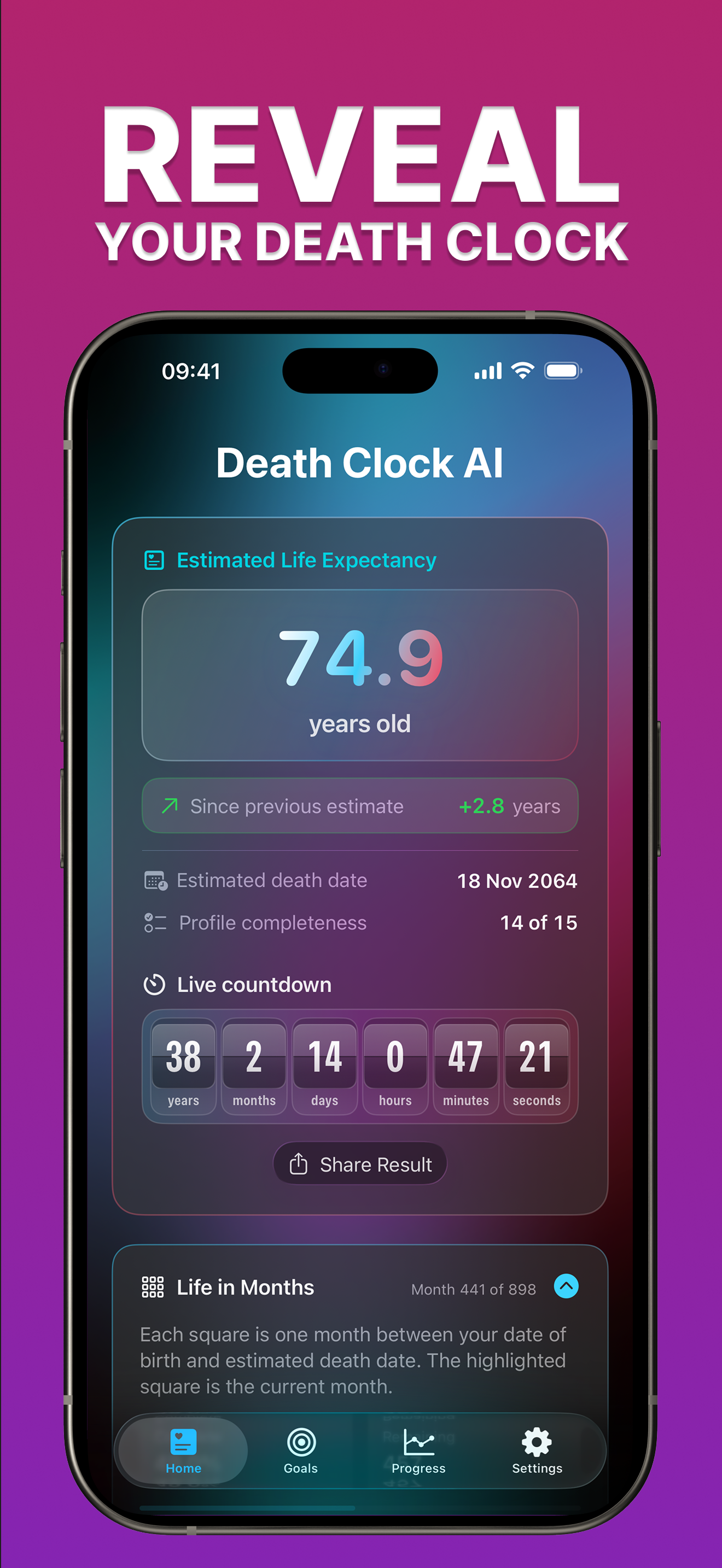
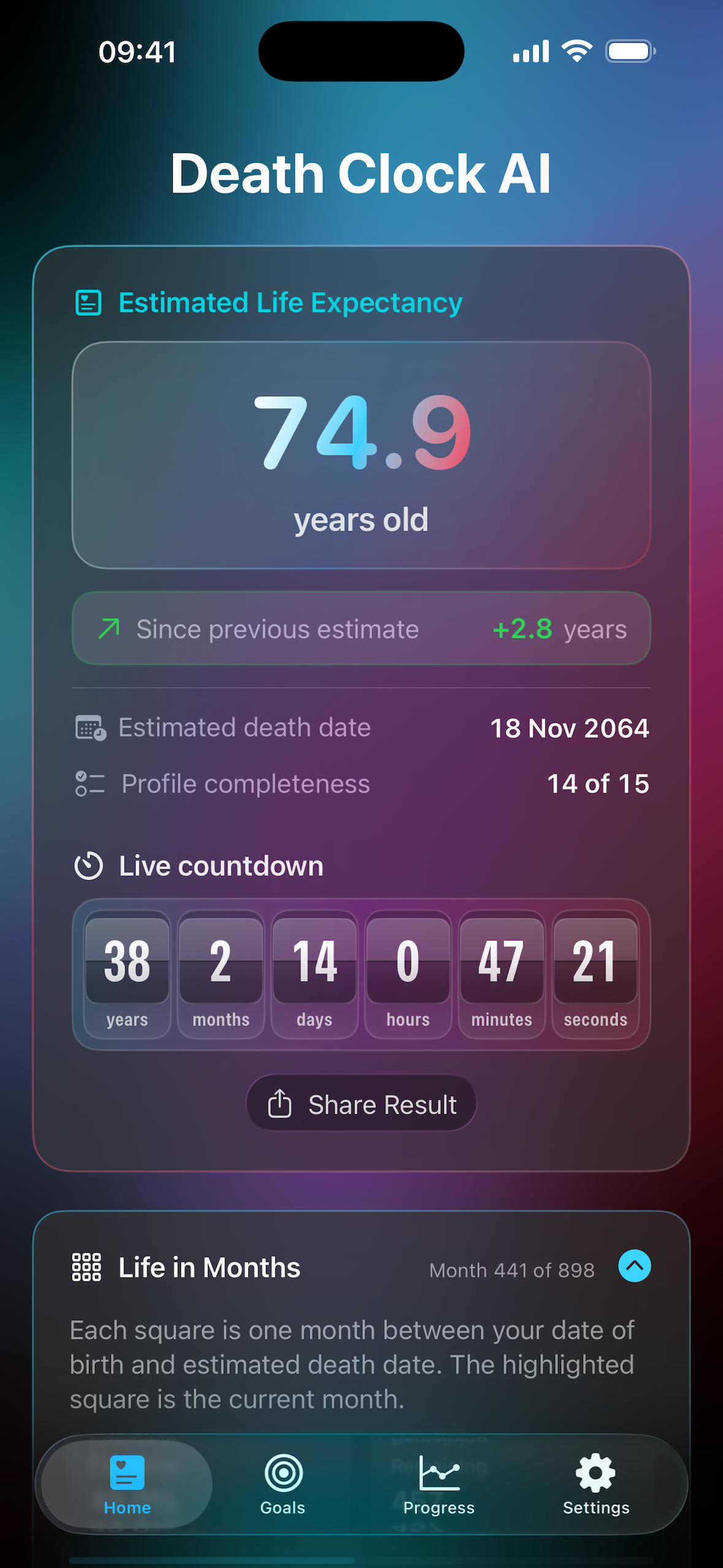
You answer a short questionnaire about your health and lifestyle, then get an educational life expectancy estimate, an estimated death date and a live countdown showing how much time you might have left.
That first reveal is intentionally a bit shocking. Part of the appeal is simply the novelty of seeing your own "Death Clock" and asking, "When might I die?". But I wanted the app to go further than that.
From curiosity to something useful
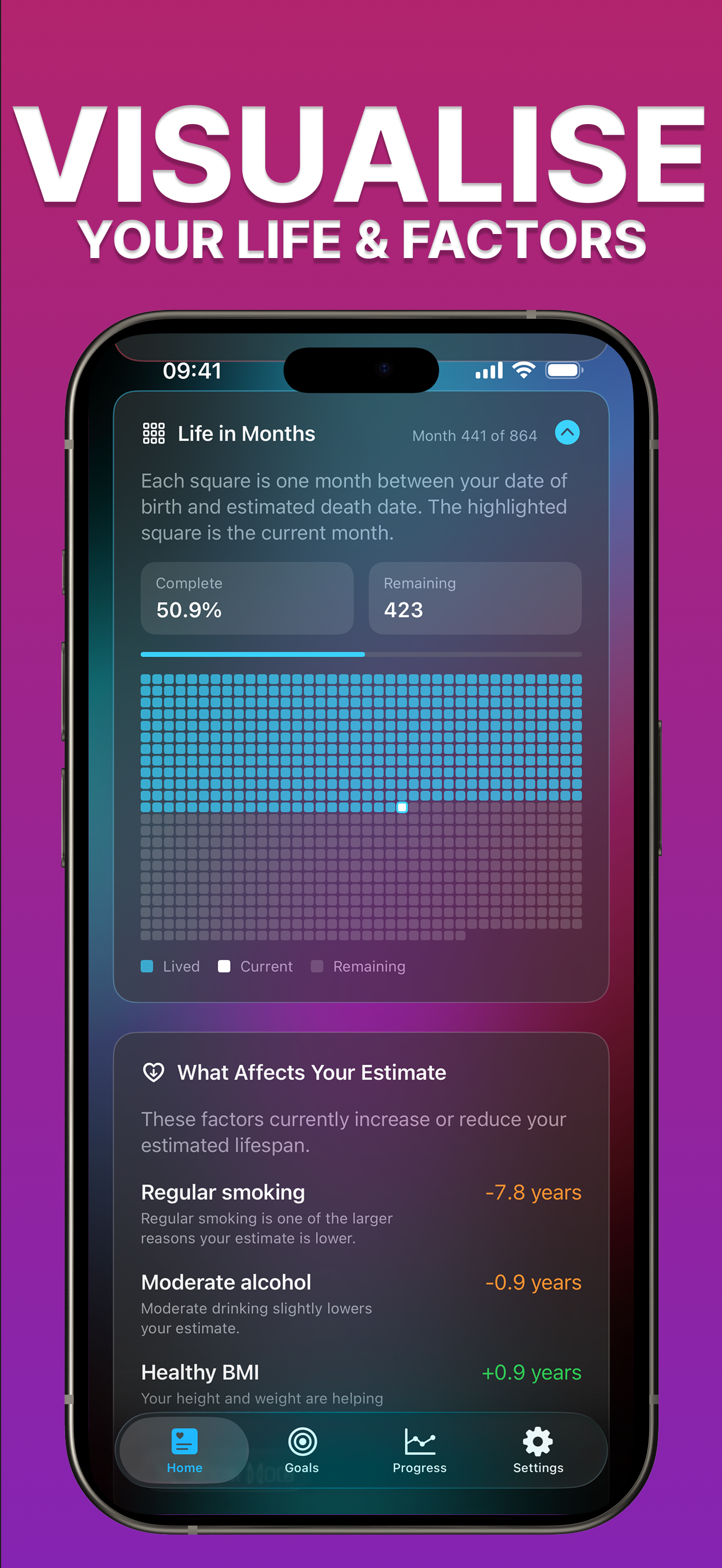
The app helps you understand why you got the result you did.
You can see the main lifestyle and health factors affecting your estimate, and visualise your life month by month instead of just looking at a single number.
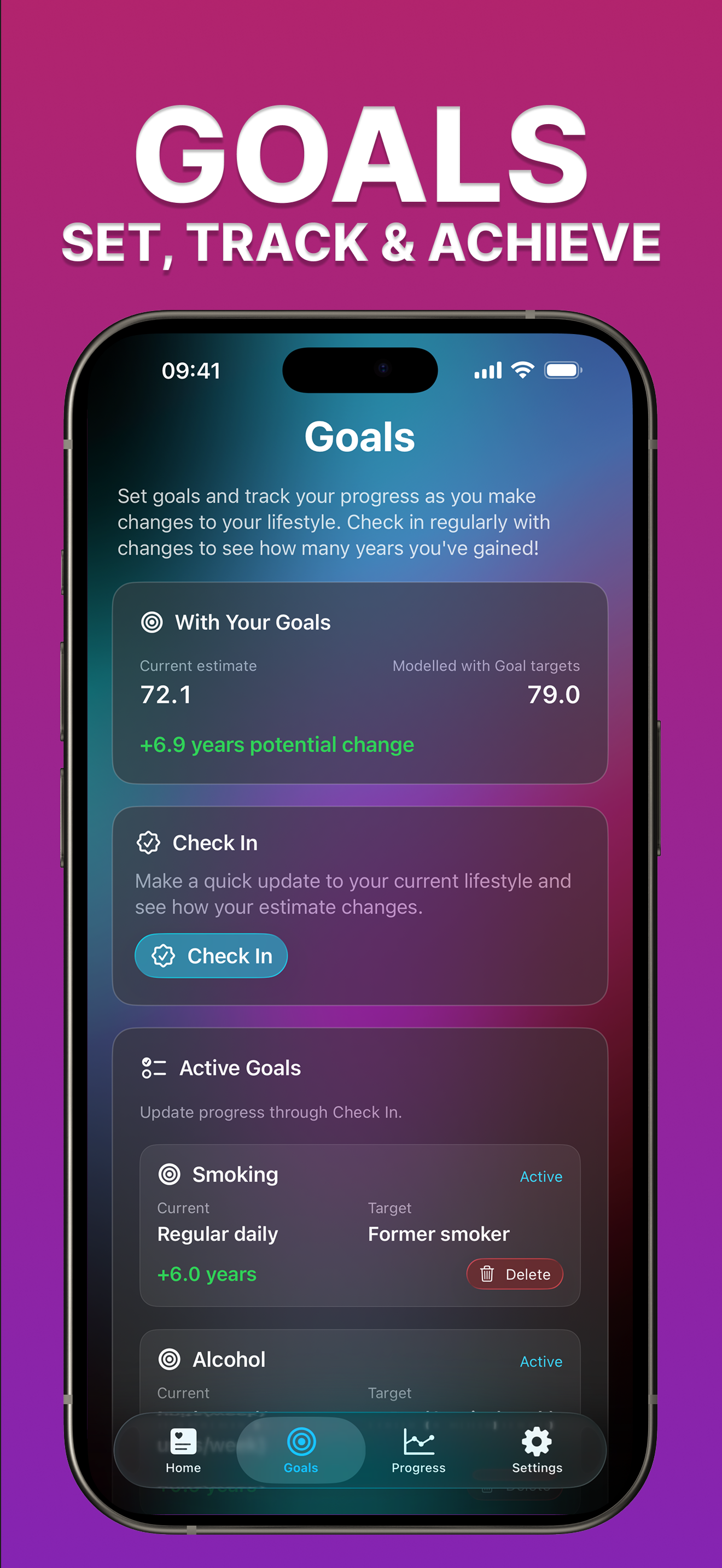
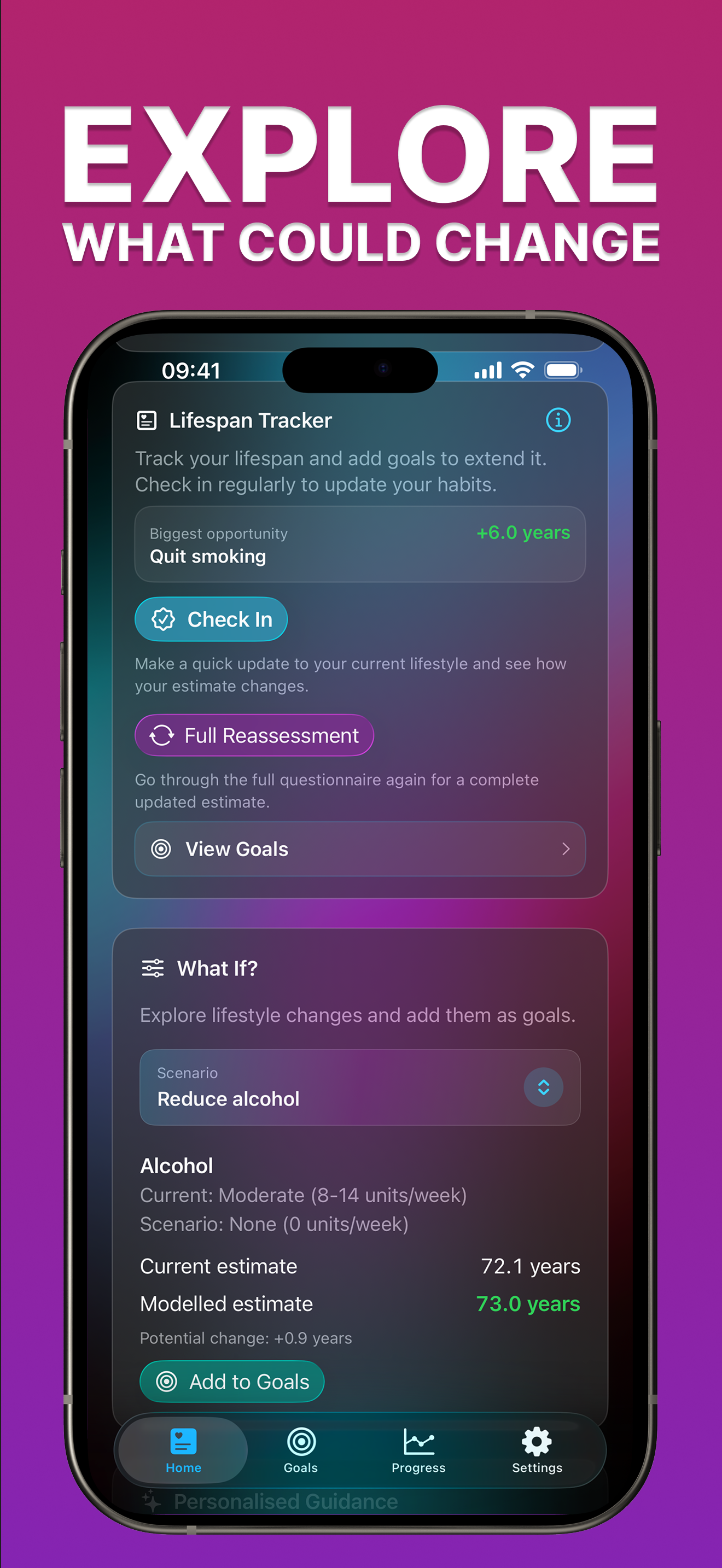
You can also try changing different habits to see how they could affect your estimated lifespan. If there is something you want to improve, you can set a goal and come back later to update what has changed.
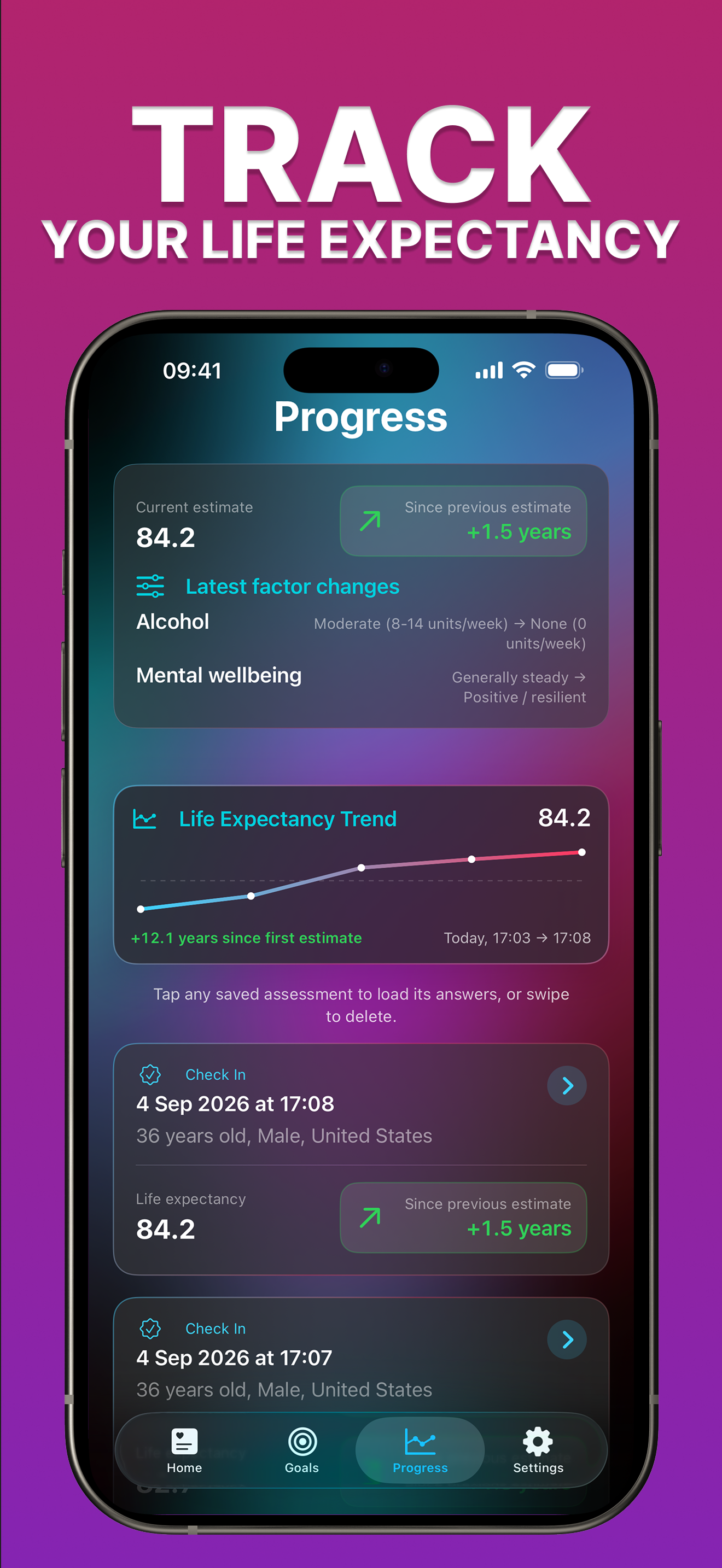
As you do that, the app keeps a history of your estimates so you can see whether your lifestyle changes are moving things in a healthier direction over time.
The idea is to take the initial curiosity of seeing your death date and turn it into motivation to make positive changes.
Keeping people engaged
Death Clock AI is designed to be something you can come back to, rather than a one-off calculator.
You can set a weekly reminder, update your habits as they change, track goals and see how your estimate develops over time.
There is also a Home Screen widget that keeps your Death Clock visible outside the app, and you can share an image of your result with friends, including a QR code that links back to the app.
That keeps some of the fun and novelty of the original Death Clock idea, while giving people a reason to keep using it.
Private and personalised
The app works offline, requires no account, and keeps assessment data on-device.
The life expectancy calculation itself is deterministic, so the same answers produce the same estimate. Apple's on-device Foundation Models are used separately to personalise the guidance shown to the user.
This keeps the actual estimate consistent while still allowing the advice around it to feel more relevant.
The goal
The main challenge was making sure Death Clock AI wasn't just an app someone opened once for the shock of seeing a death date and then forgot about.
The Death Clock is still the hook, and I wanted it to feel fun, visual and memorable. But the bigger aim is to use that attention to help people understand how their habits can affect long-term health, see where healthier changes could make a difference, and stay motivated to improve over time.
Death Clock AI doesn't claim to predict exactly how long someone will live and isn't medical advice. The estimates are educational. The purpose is to make the link between lifestyle and longevity feel more real, personal and actionable.

Log in or sign up for Devpost to join the conversation.