Inspiration
As a parent of two boys, ages four and six, I’ve been trying to be more intentional about spending meaningful time with them, especially in the evenings. But like many parents, I’m also busy. I’m a designer, I work late, and while I try to read books to them or have bedtime chats, it’s not always easy to find the time or energy.
Sometimes my kids ask me things like: “Papa, why is my hair black?” “Why is the sky blue?” “What is air?” “Why does it rain?” Or even harder questions after a tough day at kindergarten, like: “Why did my friend hit me?” “I couldn’t stop crying. Is that bad?”
Parenting in those moments is incredibly challenging. I don’t always have the right answers. I’m not a perfect storyteller. I search YouTube, I read parenting books, I try to learn and grow, but I also get emotional, or overwhelmed, or just unsure of what to say.
Lately, when I don’t know the answer, I’ve started asking ChatGPT and listening to the response with my kids. Sometimes I record myself reading a book and save it so they can hear my voice again later. On long car rides or early mornings, we play those recordings. They love it. It becomes part of our rhythm.
It reminds me of when my wife was pregnant, and we had a book called “The Father’s Voice – 5 Minutes a Day.” I always meant to read it out loud to the baby, but I was young, busy, and distracted. I wish I had done more. Sometimes she was alone. Sometimes I wasn’t present enough. That still stays with me.
So part of this idea is also for fathers like me. For busy parents who want to show up even when they can’t always be there in person.
Now, we live in Germany. My parents are in Korea. My kids love their grandparents, but they’re far away. I started wondering: Your word builds their world.
What it does
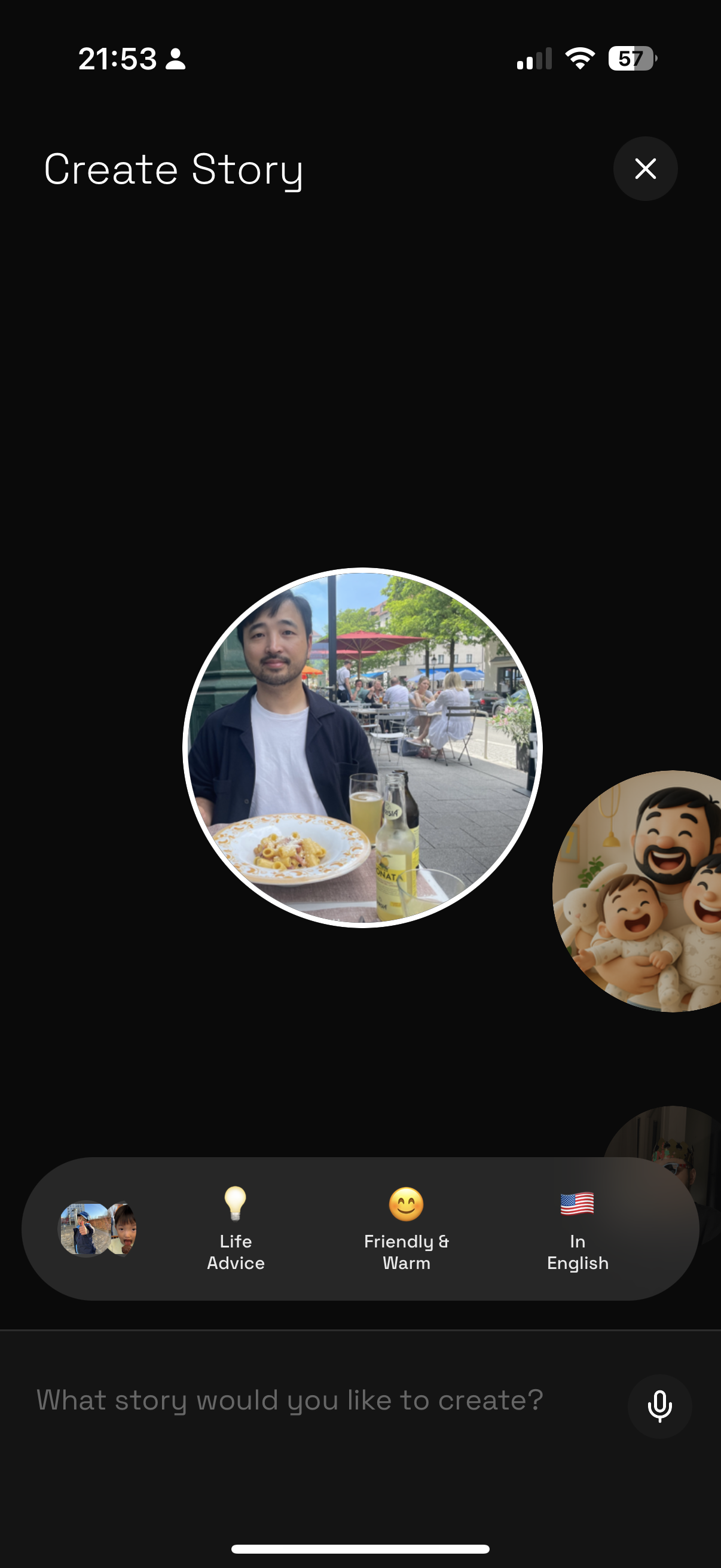
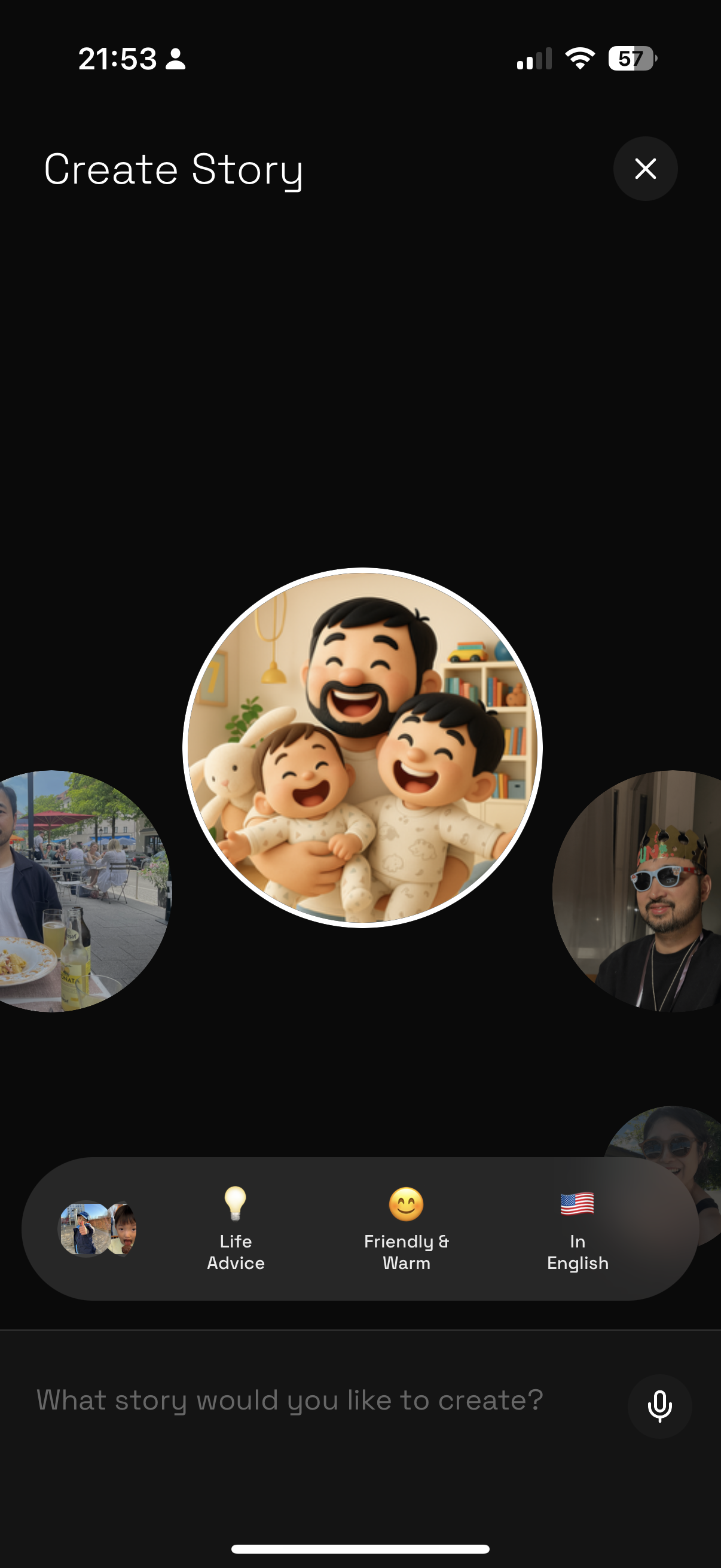
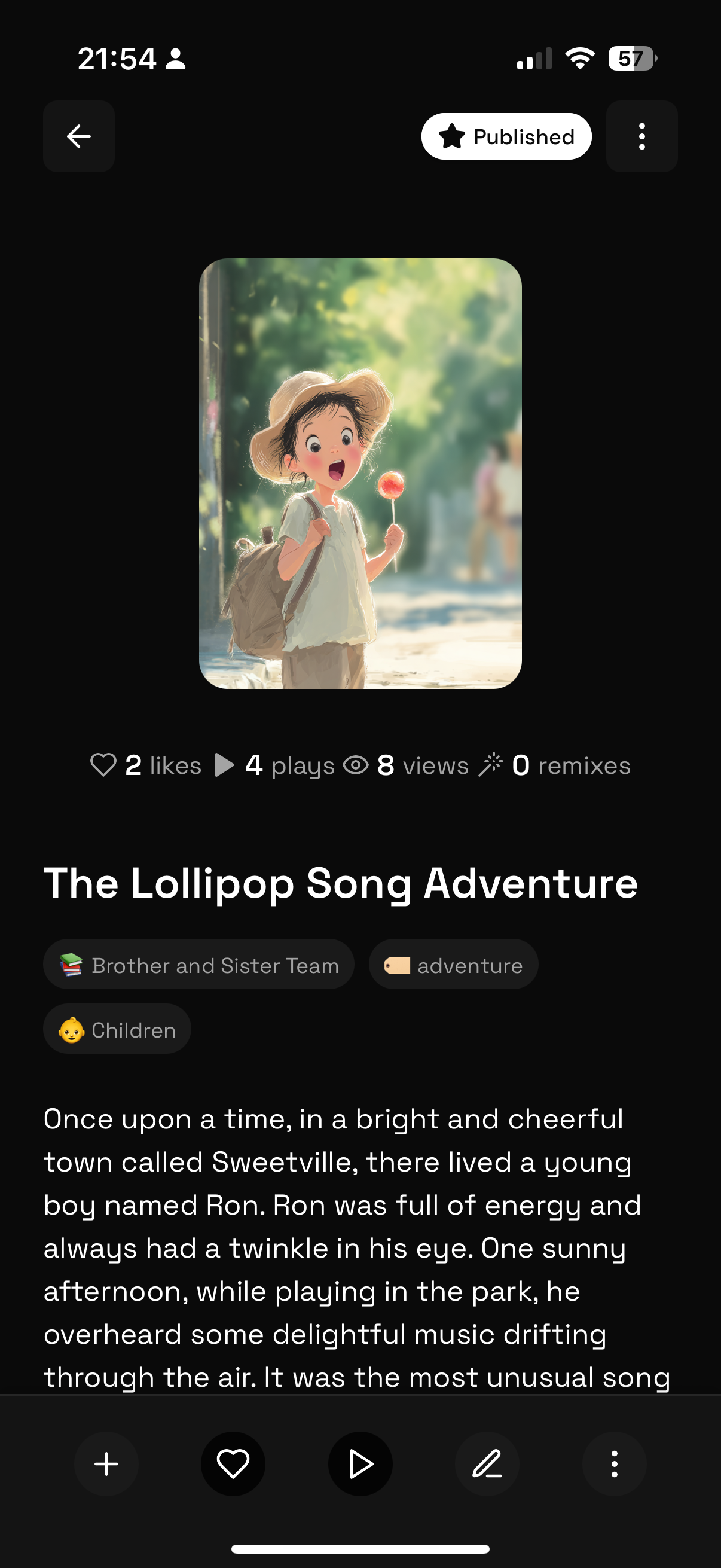
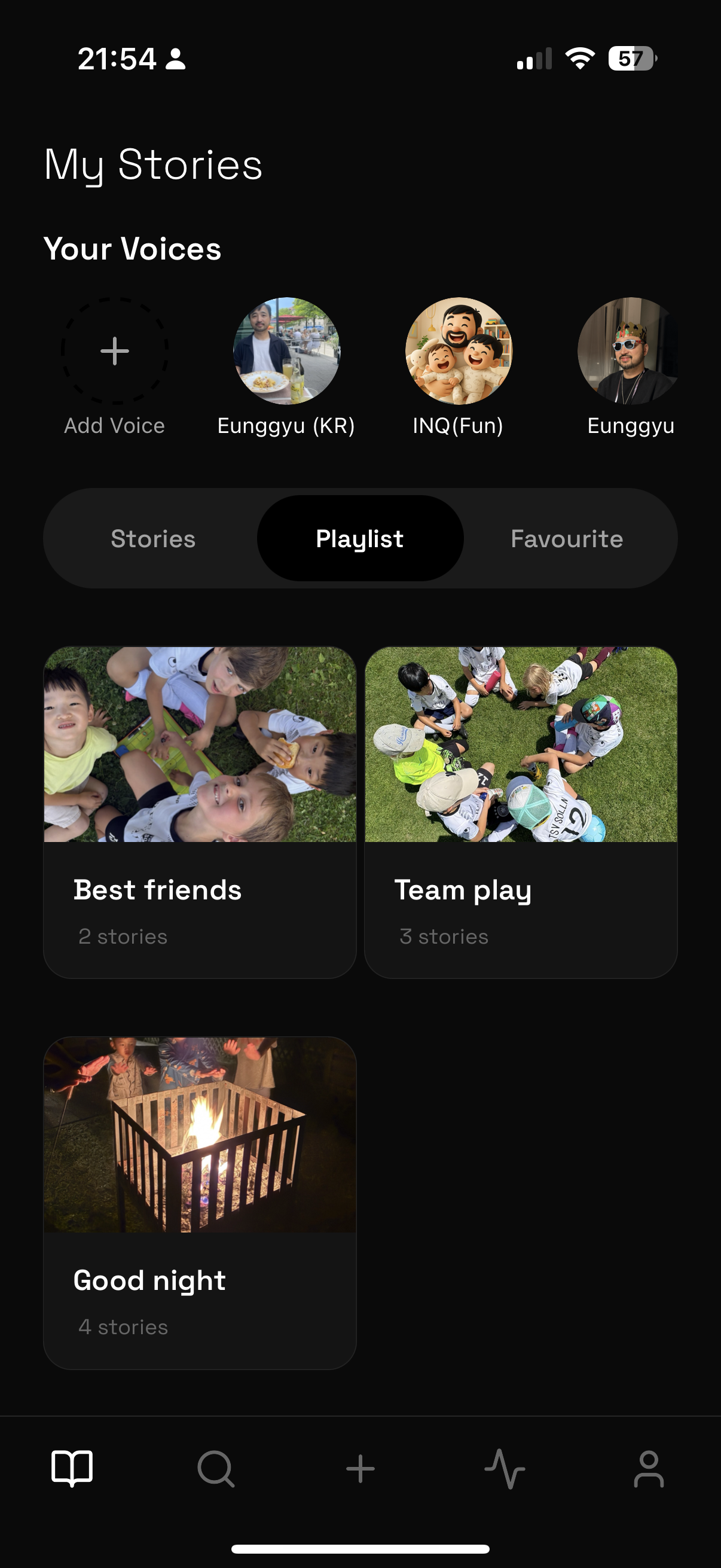
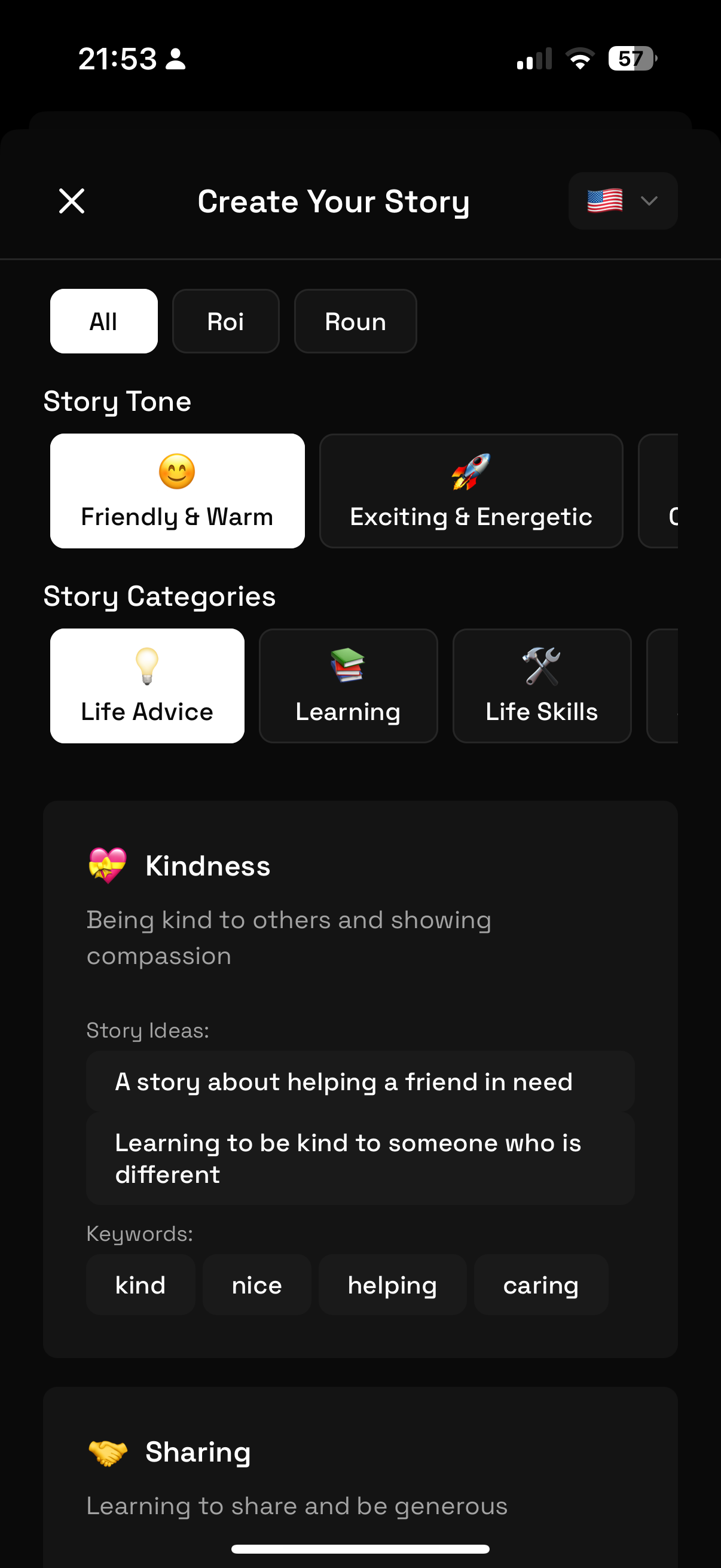
Dear My Child is a storytelling companion for parents — not just for bedtime, but for real-life parenting moments. Whether your child is asking, “Why is the sky blue?” or “Why did my friend hurt my feelings today?” this app helps you respond with love, intention, and presence. It’s not always easy to find the right words — especially in the middle of a busy day, or when emotions are high. As parents, we often need time to reflect, think, and craft what we want to say. This app gives you that space.
You can:
- Observe what your child is curious about
- Reflect on what kind of story might help them grow, feel safe, or feel seen
- Turn that into a short prompt or idea
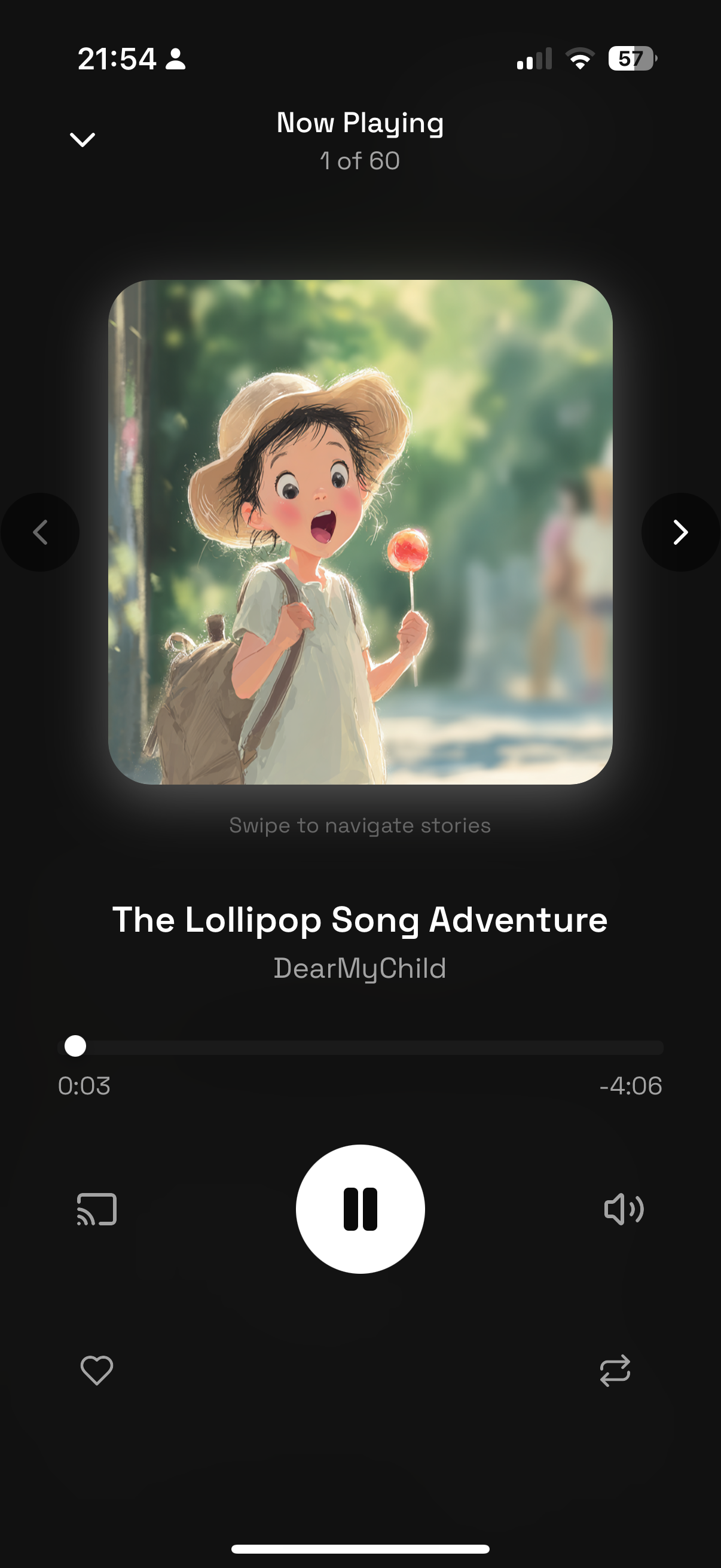
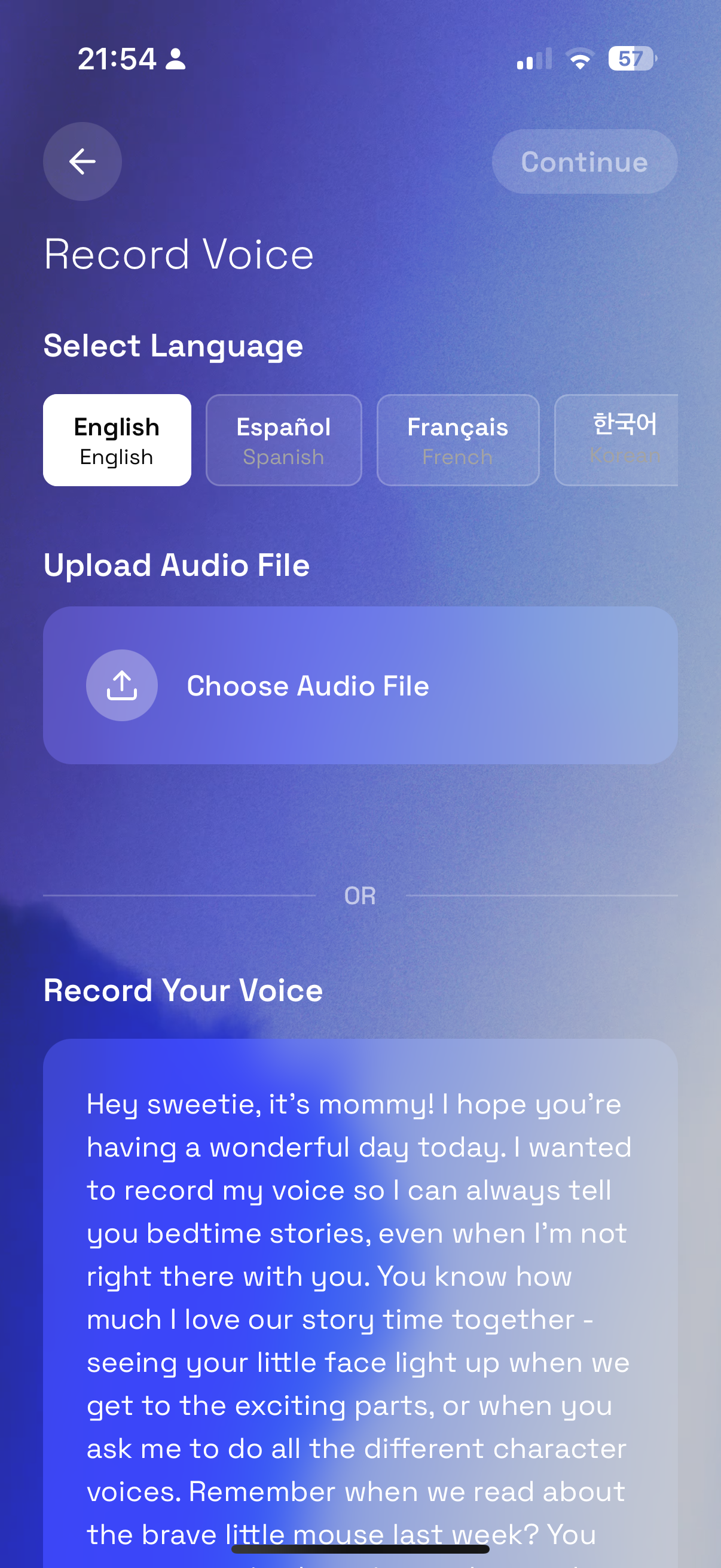
- Let the app help you shape it into a story — then narrate it in your own voice
Because crafting a story — and telling it in your voice — creates a completely different kind of connection. You’re not handing them a screen. You’re giving them a story that’s about them, for them, from you.
It’s parenting through storytelling. And it changes everything.
How we built it
Dear My Child is a cross-platform mobile app built with React Native, designed from day one to eventually support both iOS and Android — though the initial launch will focus on iOS. I started building using Bolt.new, which allowed me to move quickly and create a clean, component-driven structure for the app. From there, I integrated:
- OpenAI API – to generate thoughtful, age-appropriate stories based on simple prompts or parenting questions
- Eleven Labs API – to convert the story into a personalized audio file using the parent’s cloned voice
- Supabase – to manage story data, audio storage, and user metadata
For the design side, I created key screens in Figma — not for production handoff, but to help visualize the emotional tone and flow I wanted. That helped me stay close to the original vision throughout development.
I used tools like Expo and Cursor for building, deploying, debugging, and fixing bugs quickly — which was essential as a solo developer/designer.
This project is built with care, speed, and intention. Using all the modern tools that let one person create something meaningful from end to end.
Challenges we ran into
This was my first time building a mobile app — and while the beginning felt smooth and exciting, the second half was a very different story.
I used vibe coding tools like Bolt to move fast early on. It felt great — like wireframing through code. But once I started working with real data, refining the UI, and trying to match my visual designs, everything slowed down. Fine-tuning the details, adjusting layouts for mobile, debugging bugs — it all became surprisingly time-consuming.
Looking back, maybe I didn’t plan things out in a fully structured way. But that fast, fluid start actually helped me find the product’s shape. So even if it wasn’t traditional, it worked for me — at least up to a point.
Expo was both a blessing and a challenge. It made deploying and testing easier in theory — but in practice, there were moments when things just didn’t behave the same in the web preview as on an actual phone. I spent entire days trying to fix “bugs” that turned out to be browser limitations, not actual app issues. And I sometimes struggled to get the mobile preview working reliably, which slowed me down even more.
Compared to building web apps in Bolt (which I’ve done for other projects), mobile development felt like a different world — more fragile, more specific, and often more frustrating when working solo.
But that’s part of the learning curve. And this project taught me a lot — not just about React Native, but about how to build with patience when the vibe coding magic starts to wear off.
Accomplishments that we're proud of
As a designer, I’ve always wanted to make something real. Not just a concept or a prototype, but an actual product that people — especially parents like me — could use and feel something from.
With Dear My Child, I did exactly that. I had an idea, and I built it. It works. And that alone feels like a huge achievement.
Using Bolt gave me the freedom to move fast. I could turn an idea in my head into a working interface in a matter of hours. That immediacy felt like having a creative superpower.
Of course, there were plenty of tough moments too. Especially when working with AI — when the tools didn’t do what I expected, or misunderstood what I asked. Sometimes it felt like I was burning time, energy, and tokens with nothing to show for it. That was frustrating.
But I kept going. I took breaks when I needed to. I reminded myself why I started. And I always came back to it — step by step, day by day.
I’m proud that I built something meaningful from end to end, on my own. I’m proud that I used AI not just to speed things up, but to bring warmth and presence into the experience. And I’m proud that this project came from something deeply personal: the desire to be a better parent, and to share that journey with others.
Most of all, I’m proud that I built this for my kids.
What we learned
There’s a lot of talk right now about vibe coding — the excitement, the potential, the ideas. People are exploring what’s possible with AI and no-code tools. But what many are still looking for are real, tangible products. Things that actually work, that are well-designed, and that feel meaningful.
That became my personal mission with Dear My Child. I didn’t want to just talk about what’s possible — I wanted to build something that proves it.
The biggest lesson I learned through this experience is that I’m not wrong to believe in this approach. I can take an idea and turn it into something real. I don’t need a big team or a long runway. I just need the right tools, a clear vision, and the patience to keep going even when it gets hard.
And that realization — that I can take a thought, a question, a moment with my child, and build a product around it — feels like a kind of superpower.
That’s what I’m taking forward with me: This works. I can do it. And I can keep building.
What's next for Dear My Child
I was the sole designer and developer on this project, building it while raising two young kids. It was time-consuming, often exhausting — but deeply meaningful. And I’m not stopping here. I’ve talked about this idea with many close friends. Normally, when you share a startup idea, people say “oh that’s nice” and move on. But with this one, the response was different. Just a few sentences in, and people would light up and say, “That’s cool.”
Why? Because this concept touches something universal. We all have a deep emotional connection to our parents — and to the idea of being a parent ourselves. Even as adults, we still feel like someone’s child. We miss our parents. We remember their voices. We crave their presence, especially in difficult moments.
And that’s when I realized — this app isn’t just for young kids. It’s for anyone who wants to feel connected. Imagine someone who has lost a loved one. They still have an old voice recording, and now they can use it to create new stories, new memories. Or a parent who is far away, divorced, or sick — who still wants to be present in their child’s life, even if they can’t be there every day. The voice of a loved one can offer comfort, encouragement, even wisdom — long after the words were first spoken.
I’ve come to see that voice isn’t just sound — it’s memory, emotion, identity. And when a story is told in the voice of someone you love, it hits differently. It stays with you.
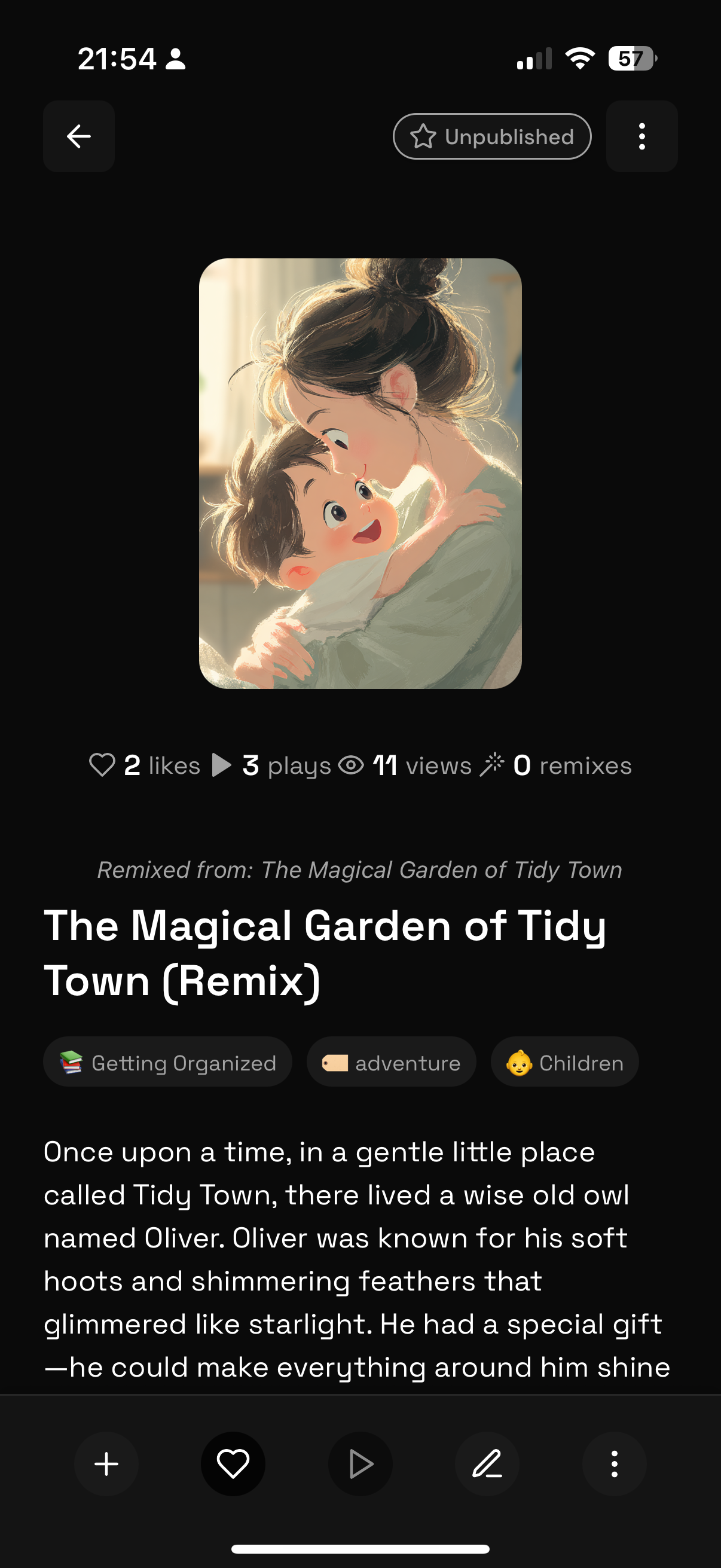
That’s why I’m doubling down on this project. I want Dear My Child to become the app that helps parents — especially new and younger parents — show up more intentionally. I want to build not just an app, but a community where people can share parenting moments, swap story ideas, and remix each other’s stories in their own voices.
Imagine a space where you can:
- Get inspired by other parents’ real-life stories
- Discover meaningful prompts based on common parenting situations
- Customize those stories with your own twist, in your own voice
- Give your child something that feels deeply personal, over and over again
This is just the beginning. There’s so much more I want to explore — emotionally, creatively, and technically. But for now, I’m proud of what I’ve built, and I’m excited to keep going.
Built With
- bolt.new
- elevenlabs
- expo.io
- figma
- framer
- midjourney
- openai
- supabase
- testflight
- unicornstudio


Log in or sign up for Devpost to join the conversation.