-
-
Logo
-
Simple approach
Inspiration
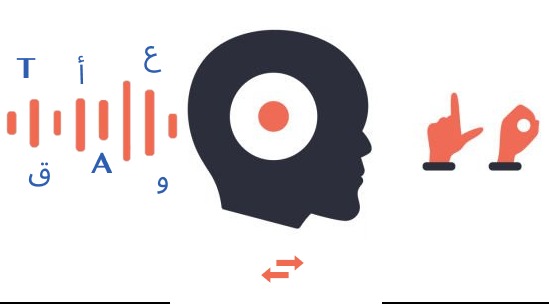
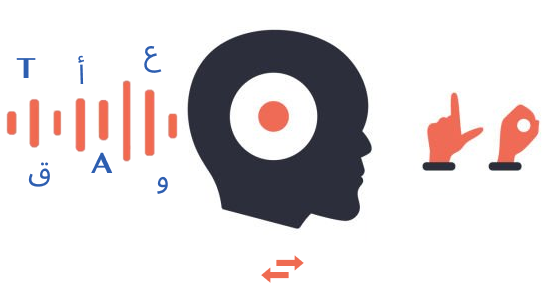
Our inspiration for Deafon stems from a desire to bridge the communication gap between the deaf community and the hearing world. Every day, millions of deaf individuals face significant barriers in education, healthcare, and social interactions due to communication challenges also normal people when they need to communicate with them. By enabling fluent communication through a bi-directional sign language translation system that integrates video, text, and audio, we aim to empower these individuals to lead more inclusive and fulfilling lives. In simple words, we translate between different sign languages and also we translate from these languages to multiple vocal languages.
What it does
Deafon is a transformative communication tool that facilitates real-time, bi-directional translation between sign language and a lot of spoken/written languages. It supports Arabic, Indian, and English, making it accessible to a broad user base. Through our multimodal system, users can input sign language via images and video, which Deafon translates into spoken words and text, and vice versa. This allows both deaf individuals and those unfamiliar with sign language to interact seamlessly.
How we built it
We built Deafon by harnessing the power of a Snowflake large language model, complemented by advanced computer vision techniques for gesture recognition. This combination allows for robust translation of sign language into spoken and written language, and vice versa. We tailored the Snowflake model to understand and generate language based on sign language input, making it highly specialized for this application. We integrated multimodal inputs to ensure the system can process and output information through images, video, audio, and text. Our development process involved iterative testing and feedback from real users to refine the accuracy and usability of our translations. Also, we use the benefit of it's integration with Streamlit to build our user-friendly interface.
Challenges we ran into
One of the major challenges was enhancing the model's ability to accurately recognize and translate diverse sign language dialects and idiomatic expressions. Achieving low-latency real-time translation was also demanding, given the complexity of processing multimodal inputs. Additionally, ensuring that our application is accessible and user-friendly for all potential users, regardless of their tech-savviness, presented a unique set of design challenges.
Accomplishments that we're proud of
We are particularly proud of Deafon’s ability to perform real-time translation with high accuracy, which has significantly improved from our initial prototypes. The positive feedback from early testers, especially within the deaf community, has been incredibly rewarding. Our system's ability to facilitate everyday communications in educational, healthcare, and workplace settings demonstrates its impact.
What we learned
Throughout this project, we've gained deeper insights into the unique needs and challenges faced by the deaf community. We've learned the importance of inclusive design and user-centric development. Technologically, we've advanced our expertise in multimodal AI systems and improved our ability to handle large-scale, real-time data processing.
What's next for Deafon
Moving forward, we plan to expand the range of languages Deafon supports and enhance the system's contextual understanding to handle more complex conversations. We aim to integrate Deafon with other platforms and services, such as educational tools and emergency response systems, to broaden its utility. Additionally, we're exploring partnerships with technology and accessibility advocates to ensure Deafon reaches those who can benefit most from it.
Built With
- api
- deep-learning
- machine-learning
- python

Log in or sign up for Devpost to join the conversation.