-
-
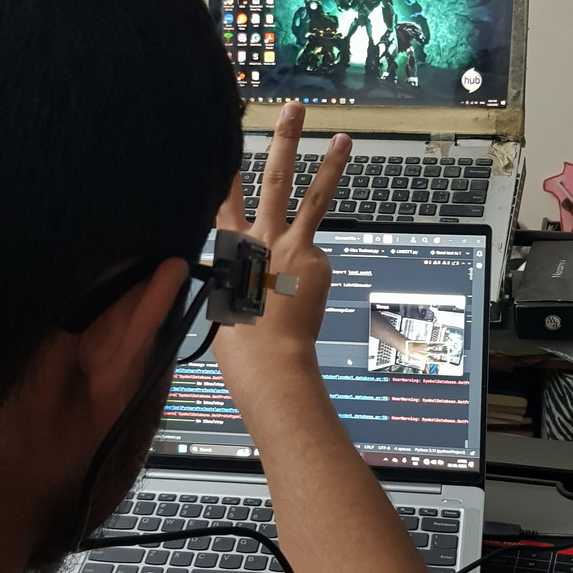
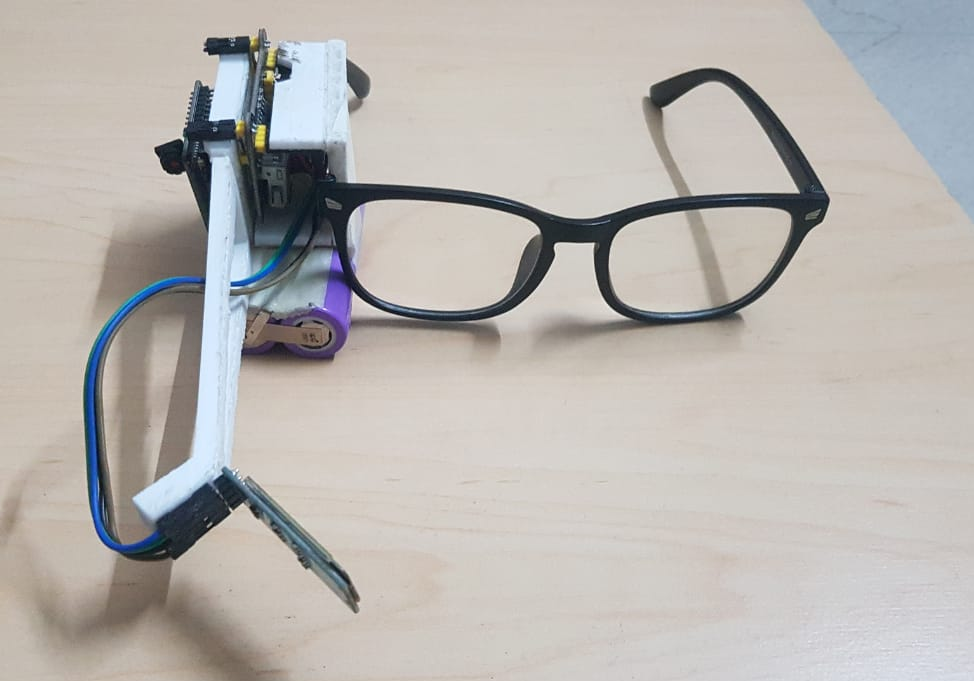
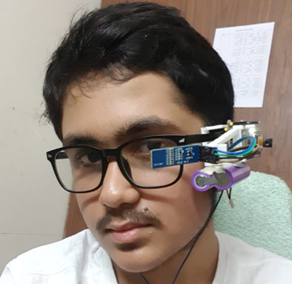
Glasses Prototype
-
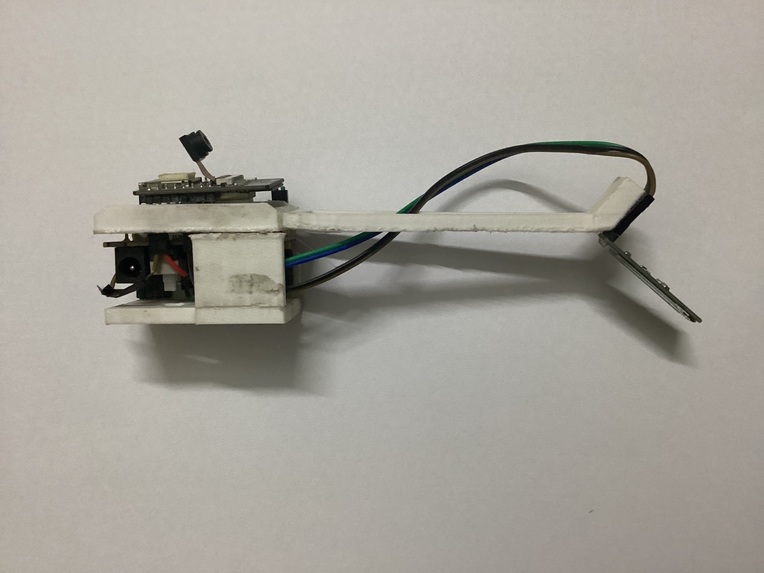
Glasses Prototype
-
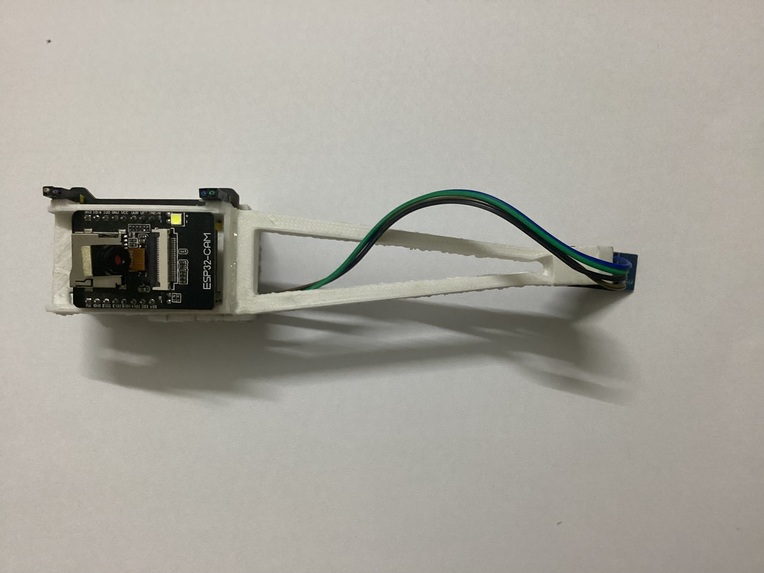
Glasses Prototype
-
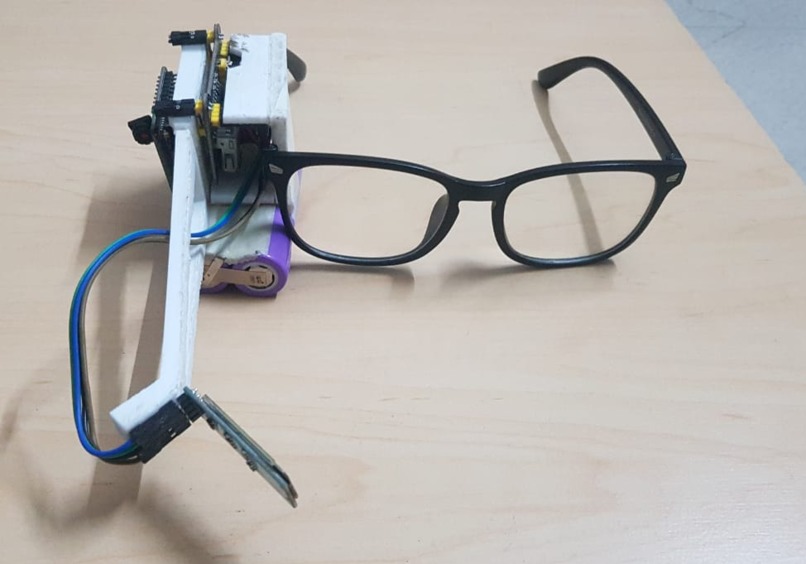
Glasses Prototype
-
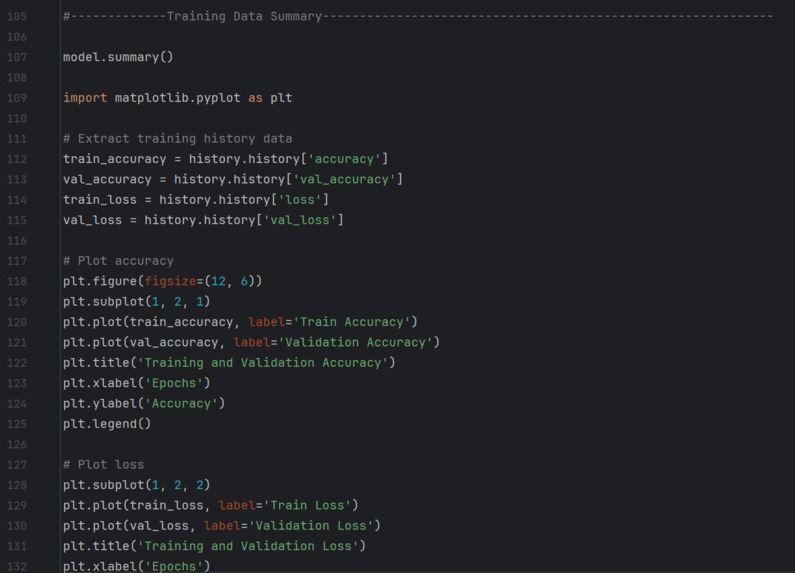
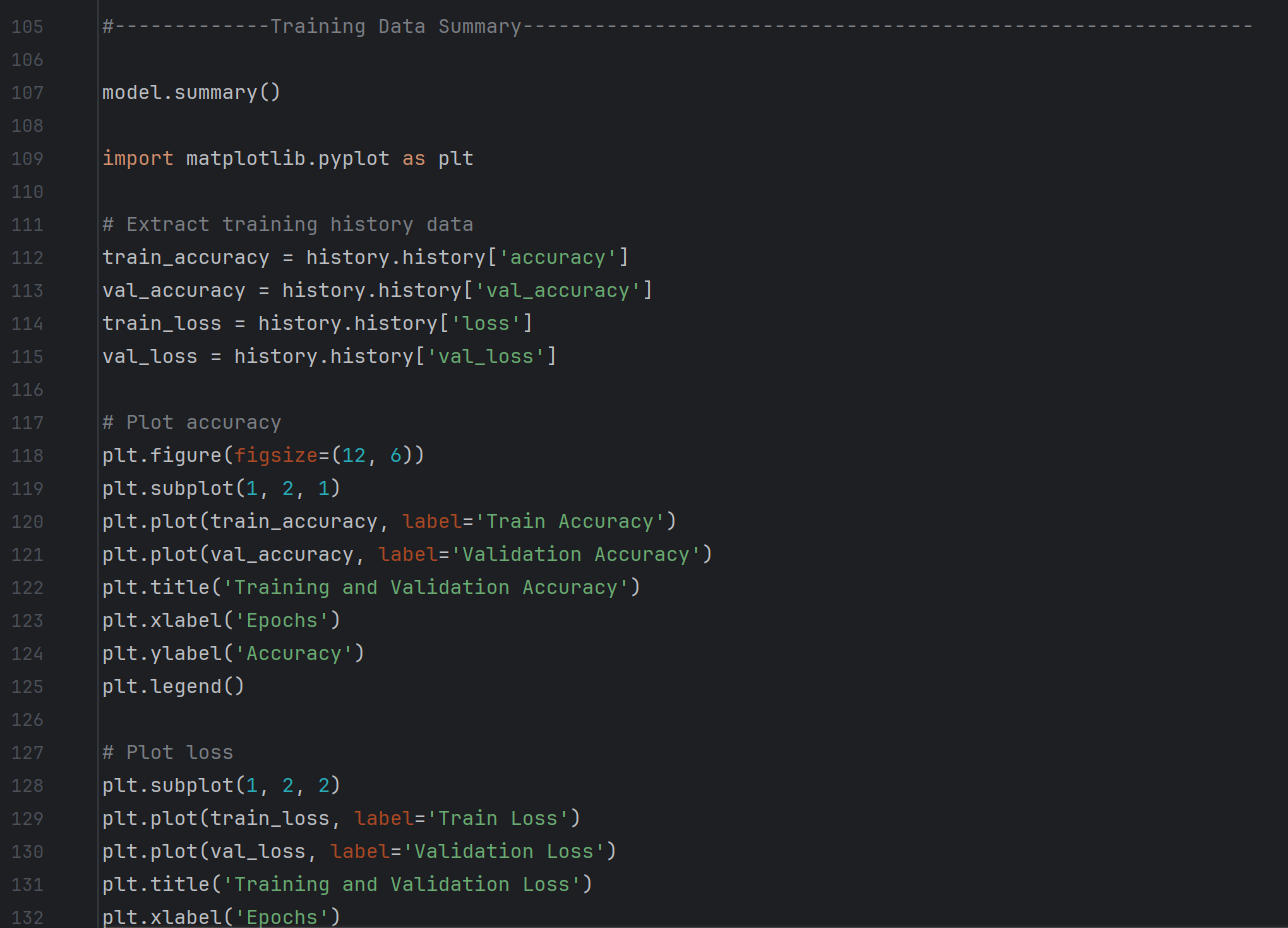
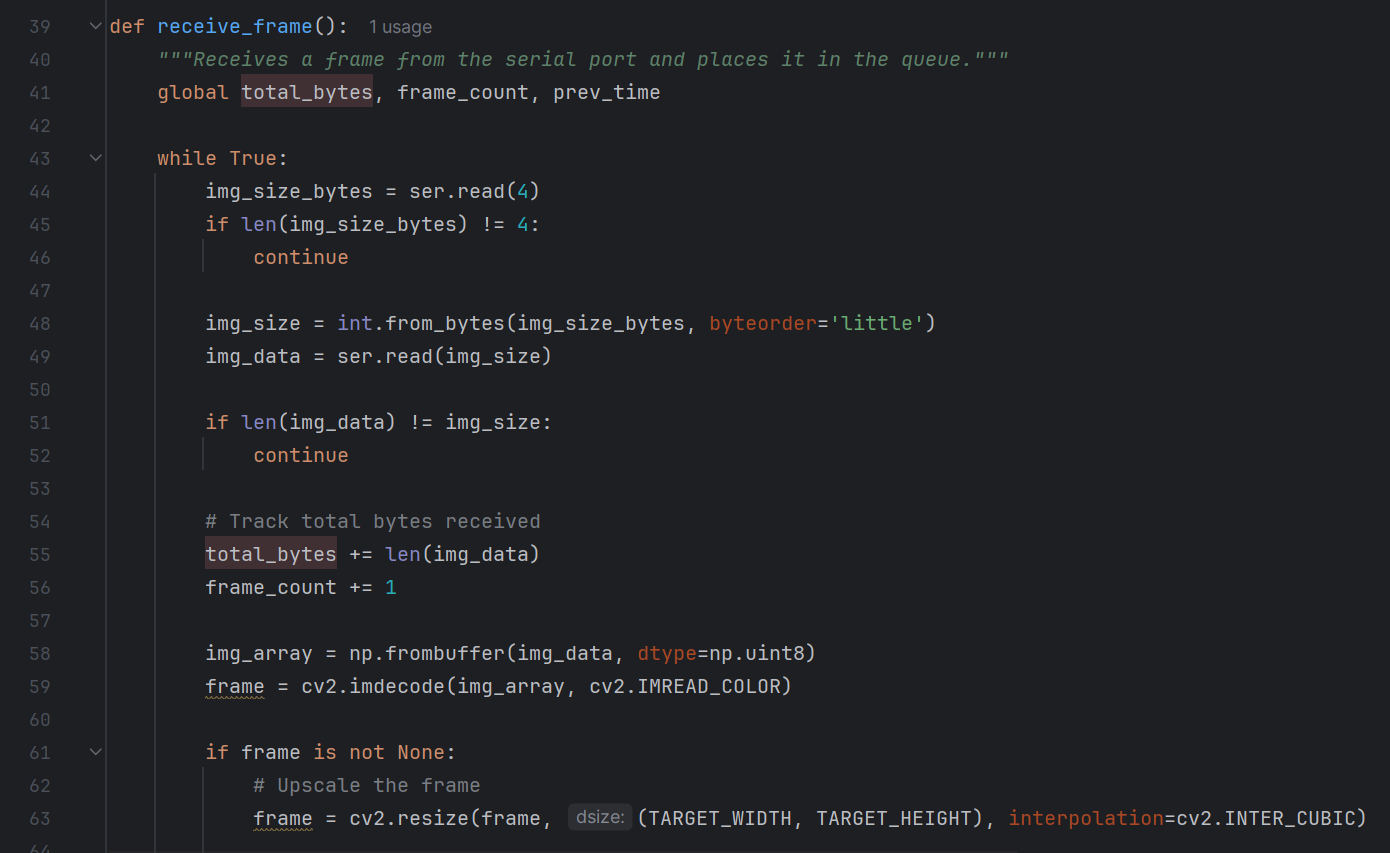
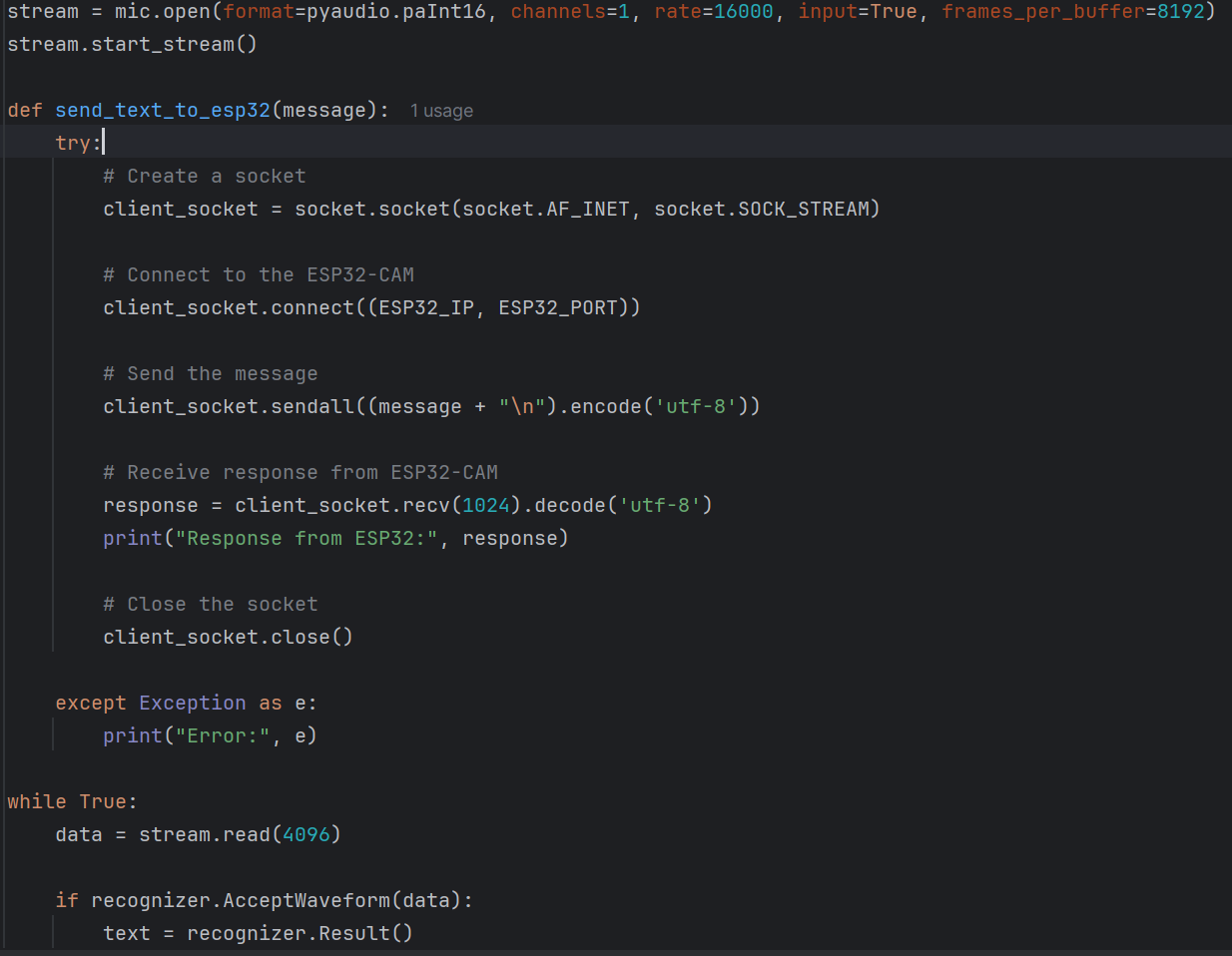
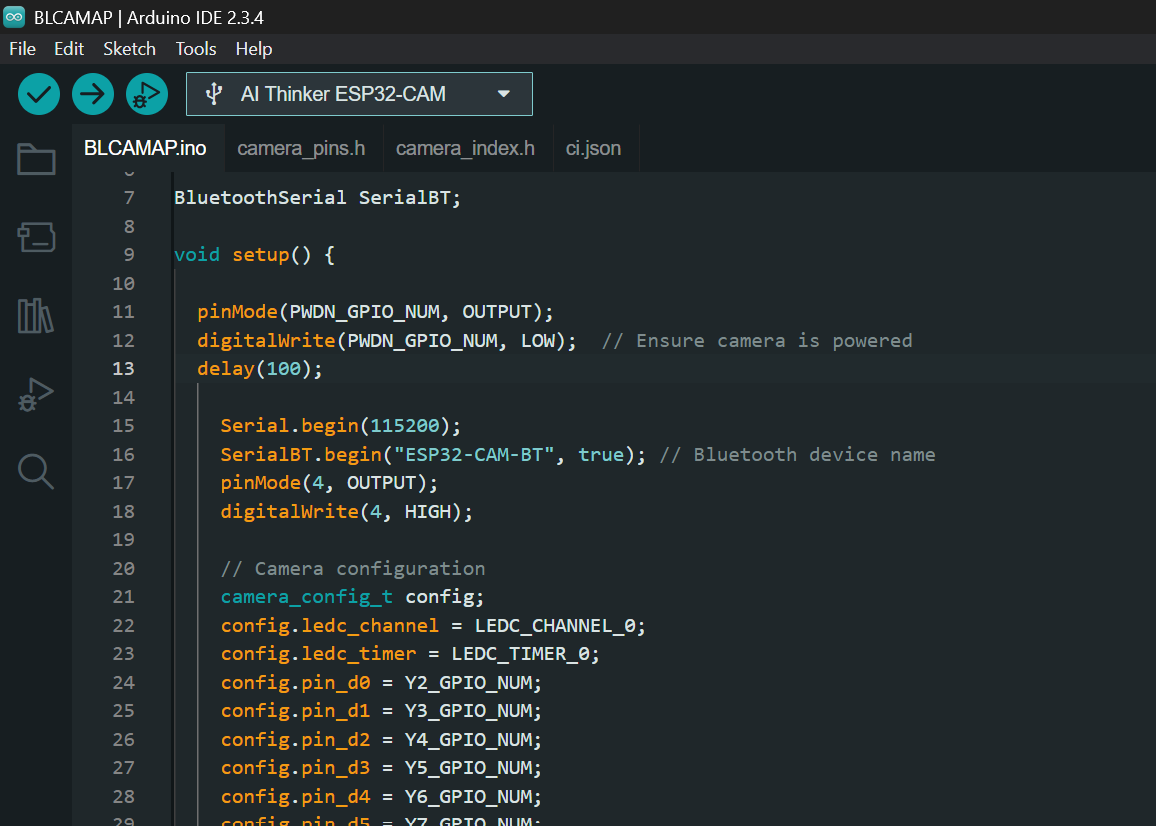
Code Snippet
-
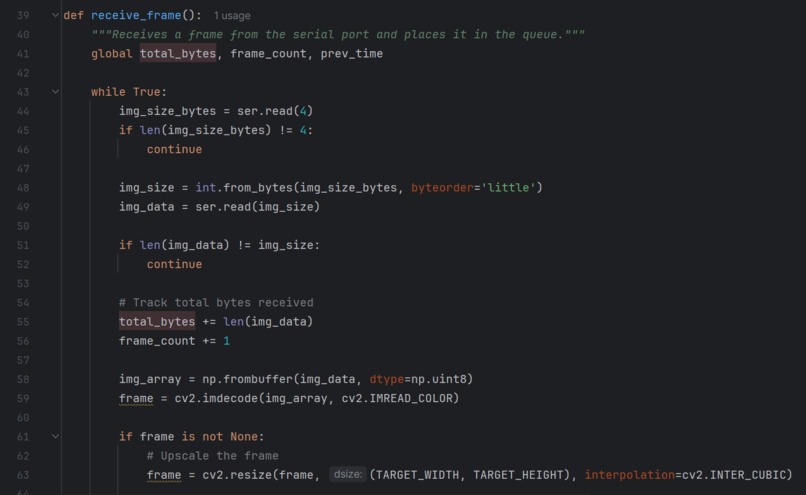
Code Snippet
-
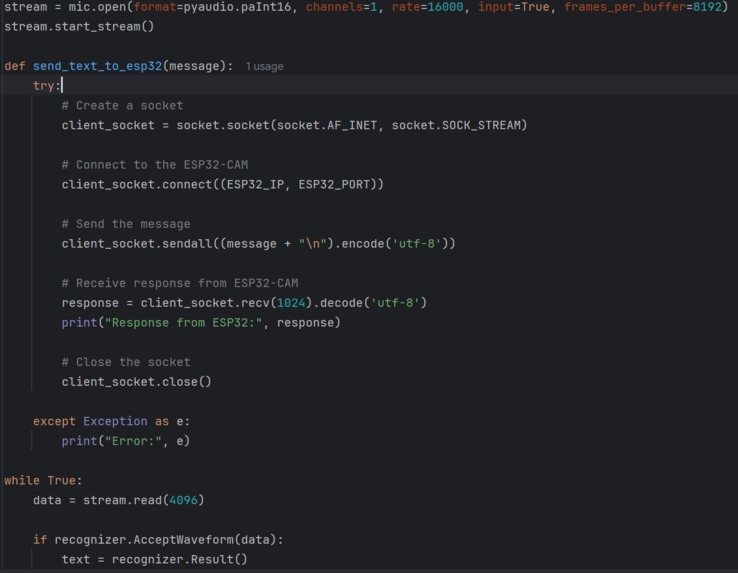
Code Snippet
-
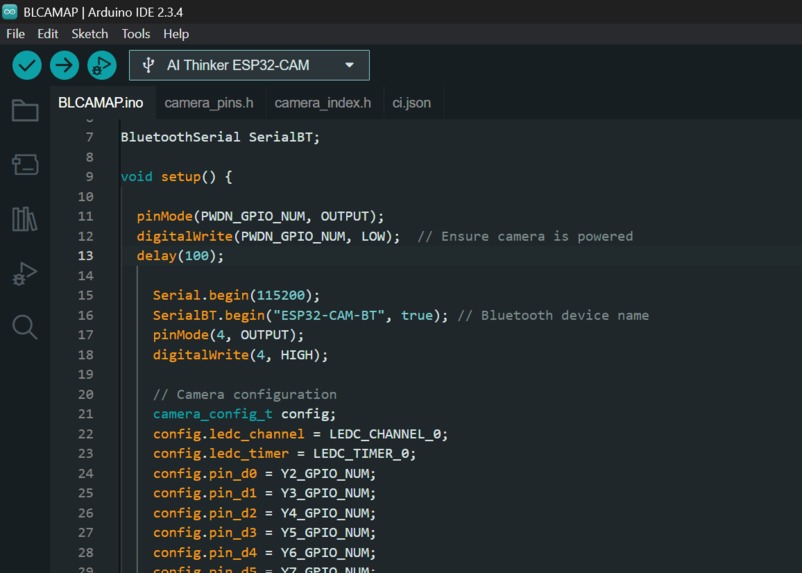
Code Snippet
-
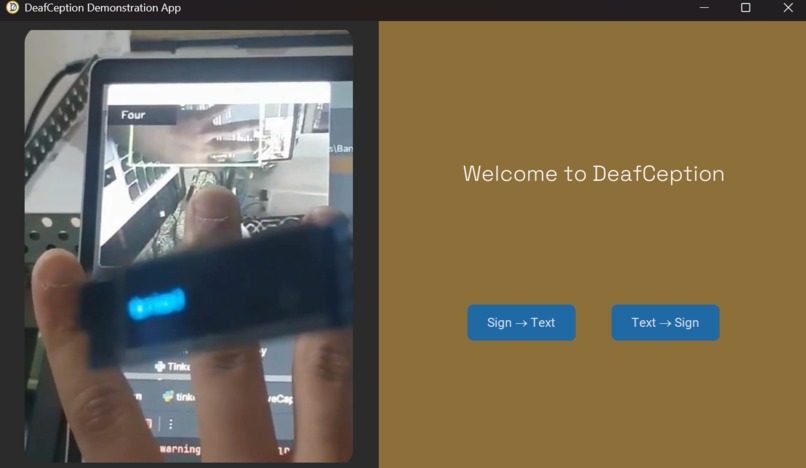
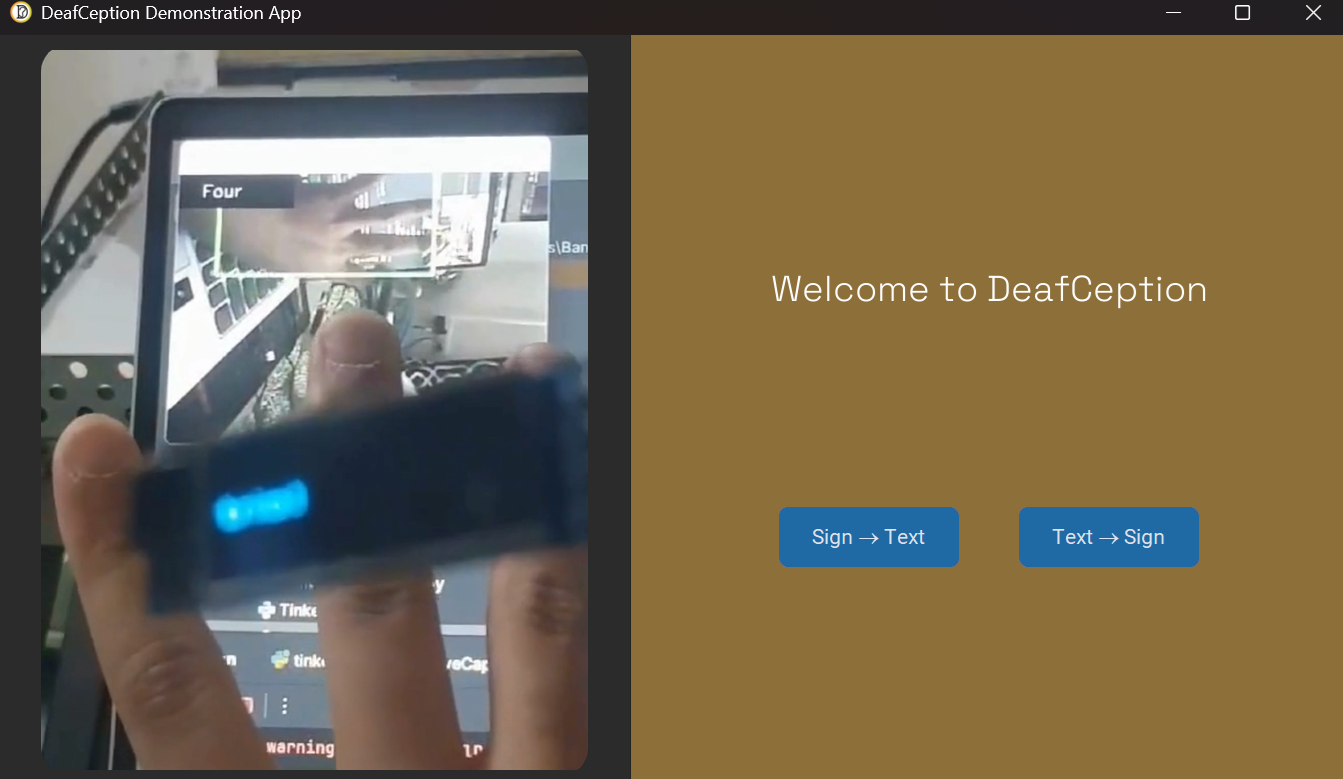
App Landing Page
-
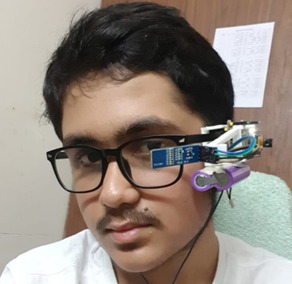
Glasses prototype
-
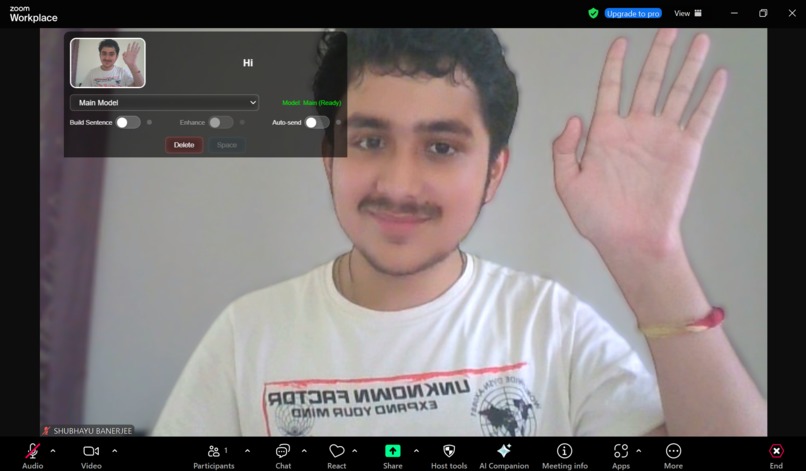
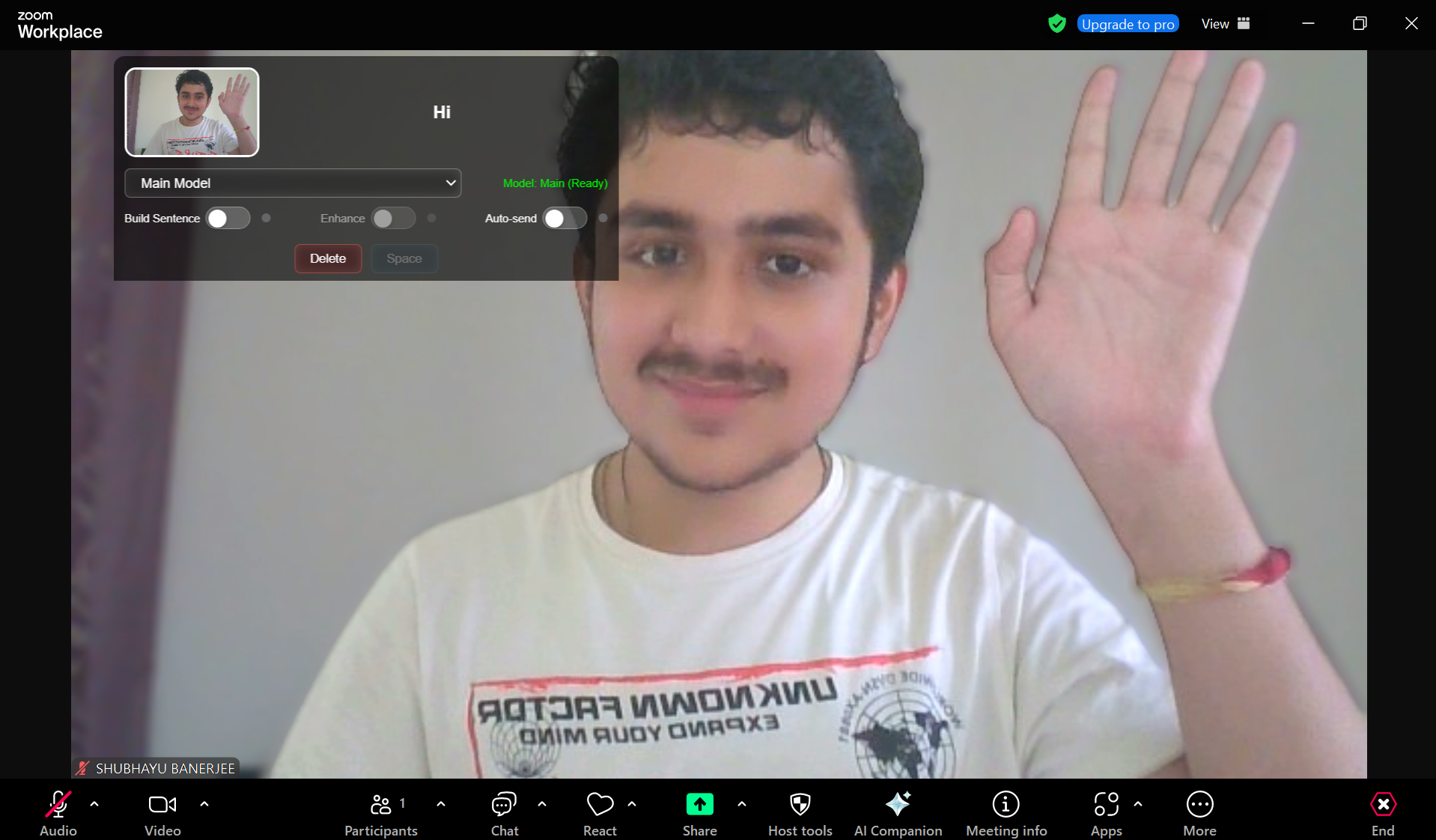
Beta App With Zoom
-
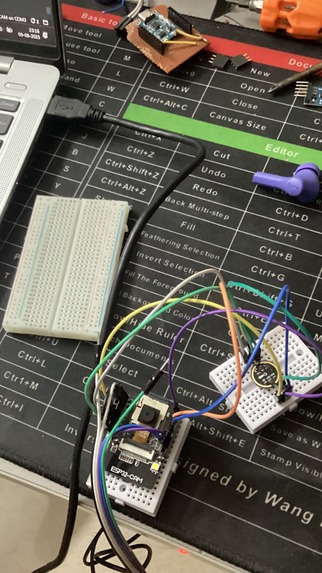
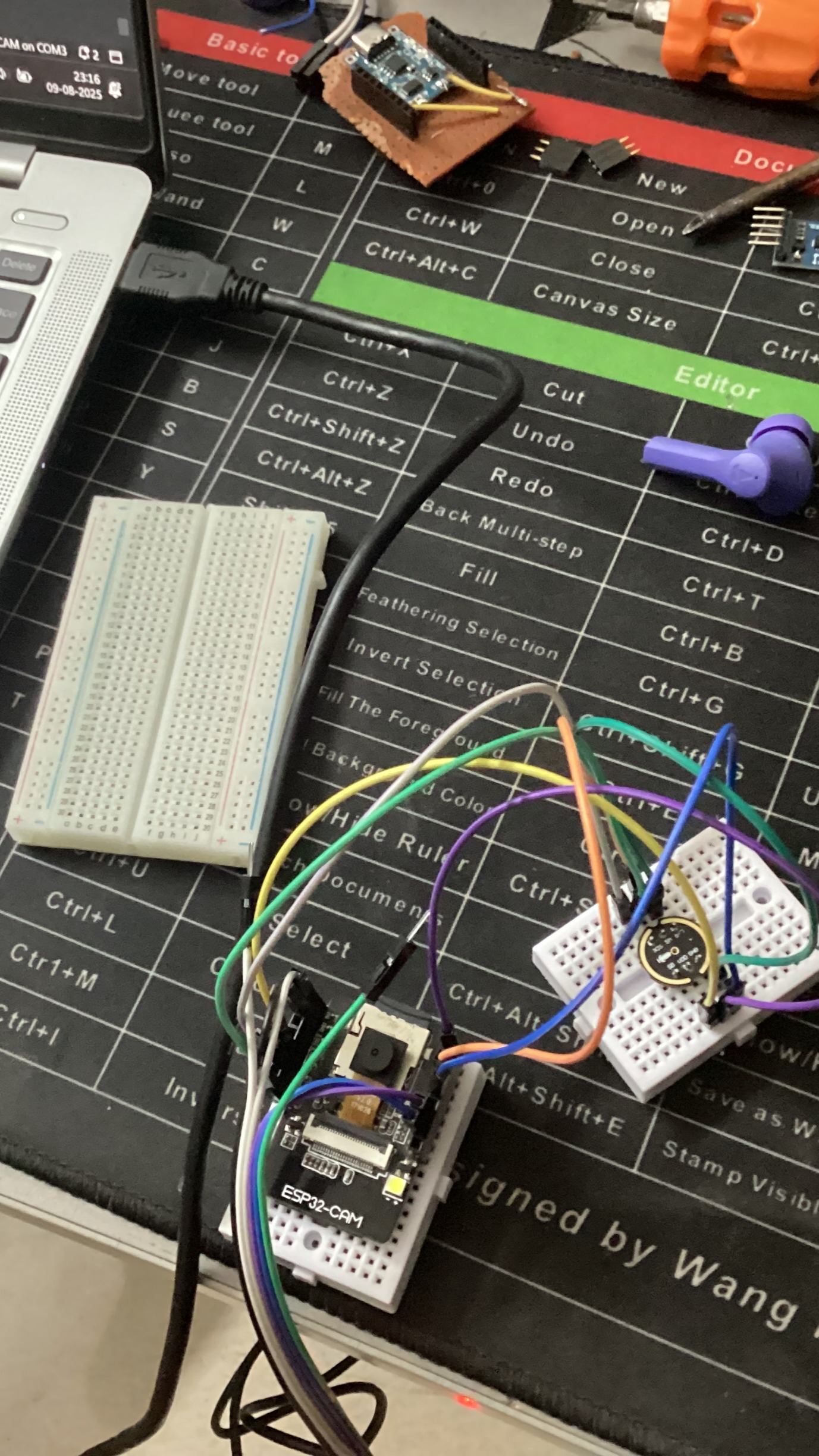
Building an add on cam-mic system to let AI know what you're signing about.
-
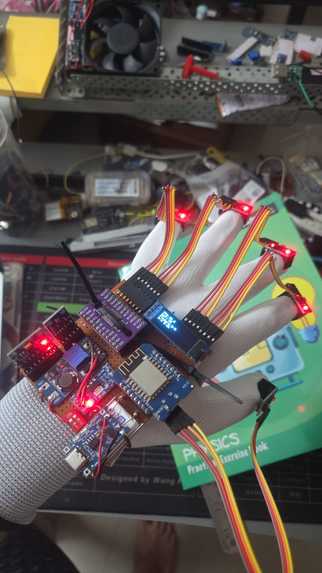
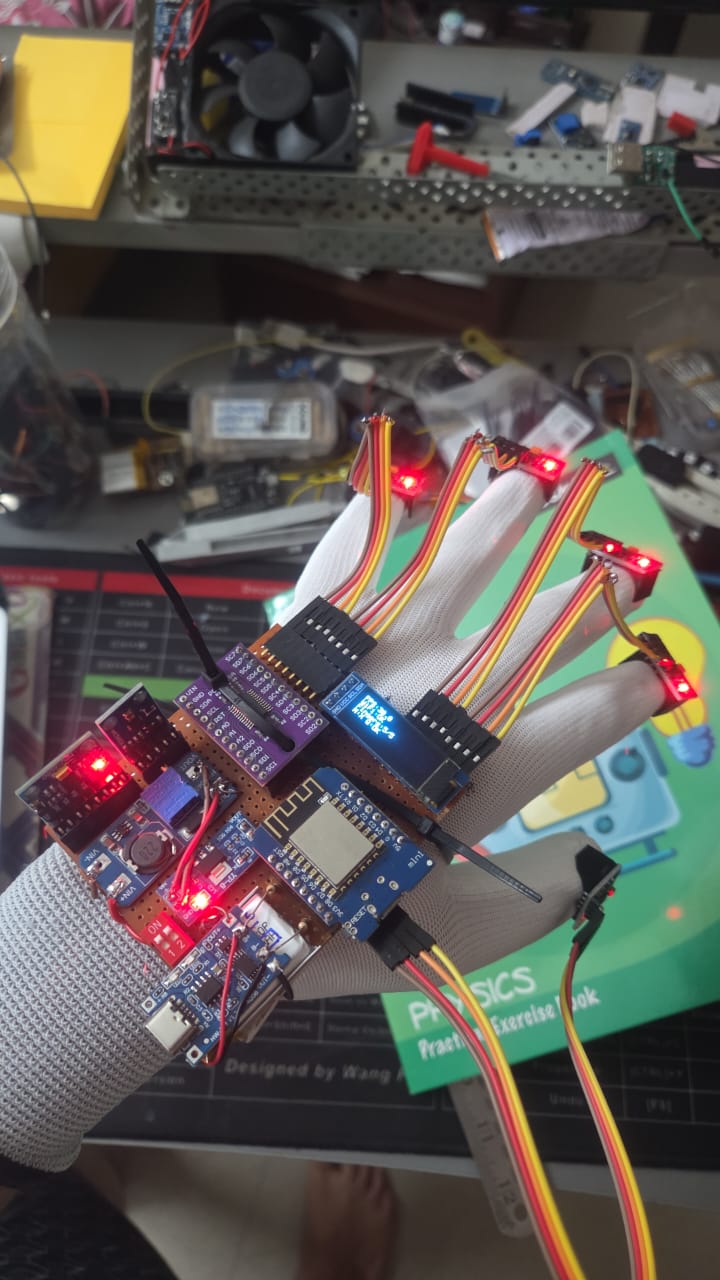
Glove Prototype
-
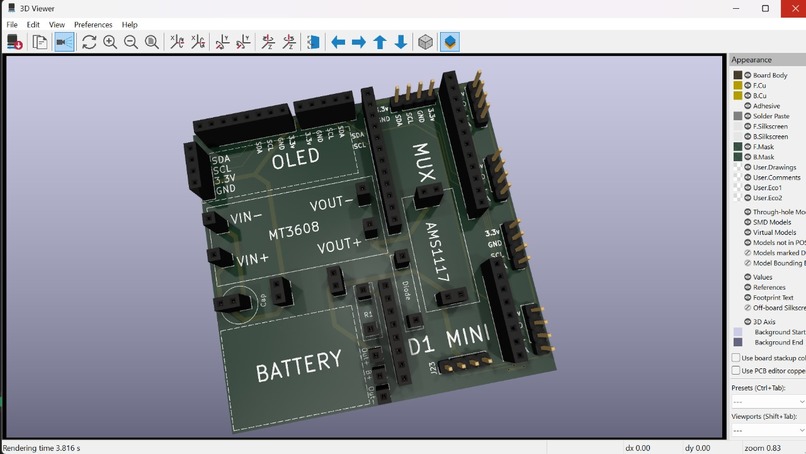
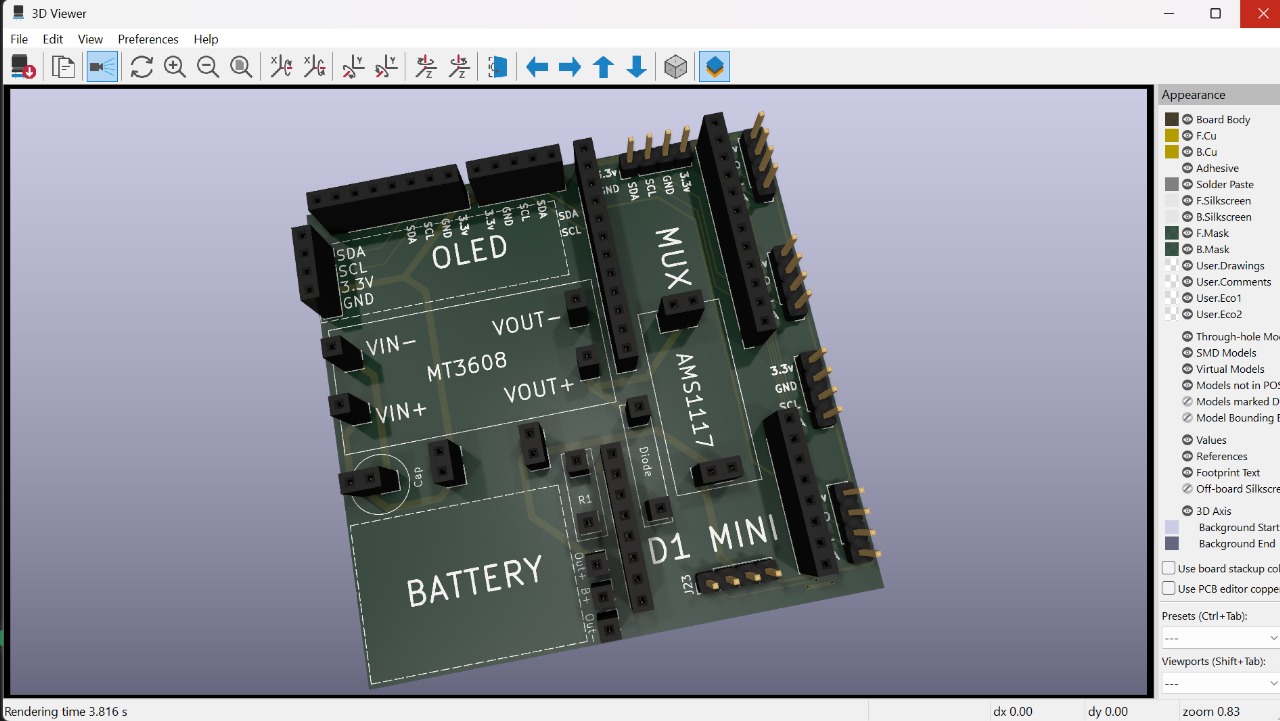
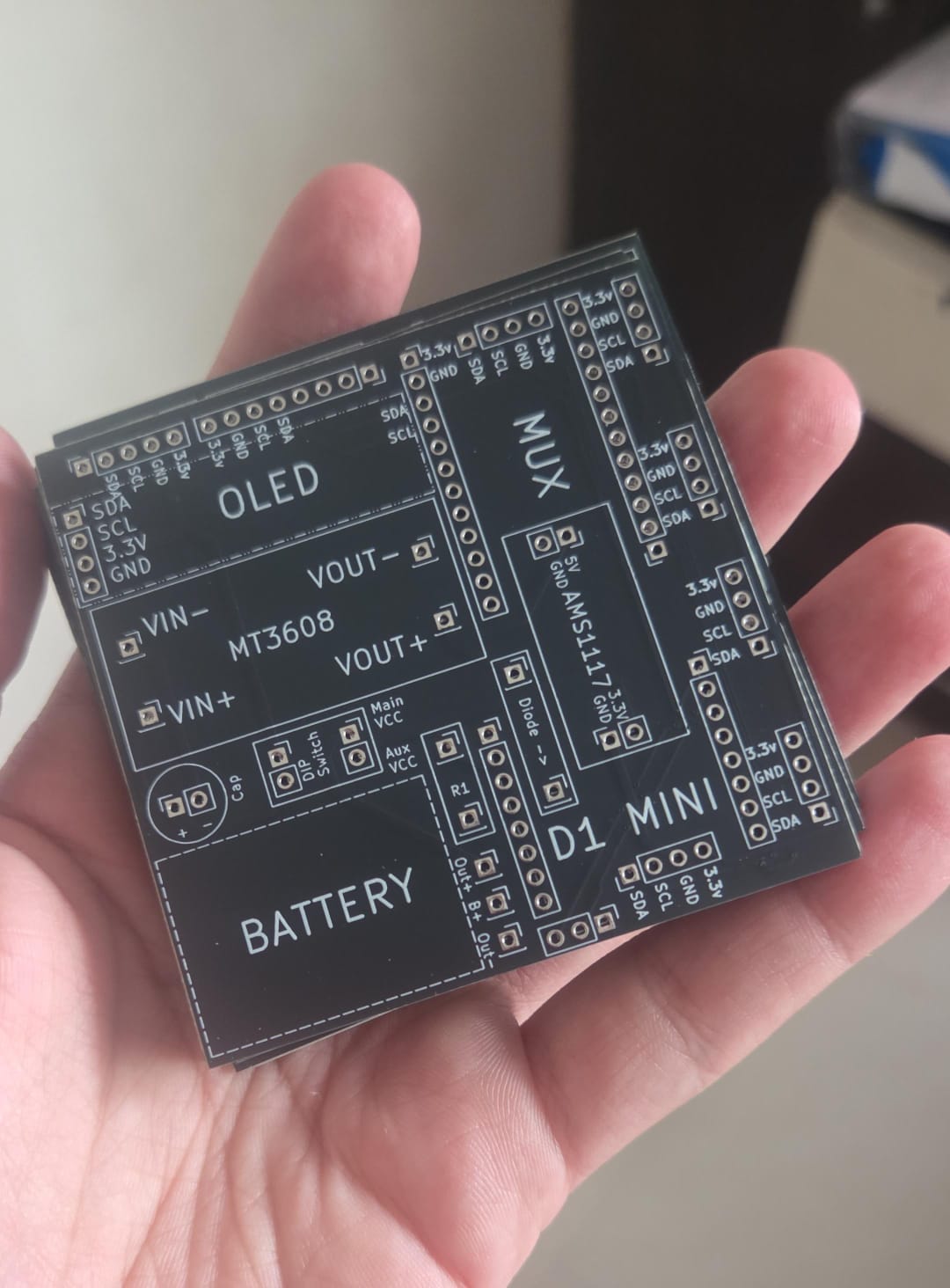
Custom PCB
-
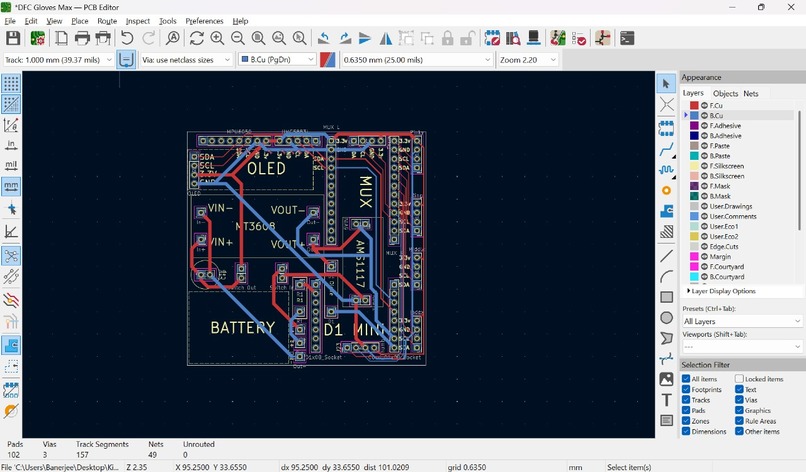
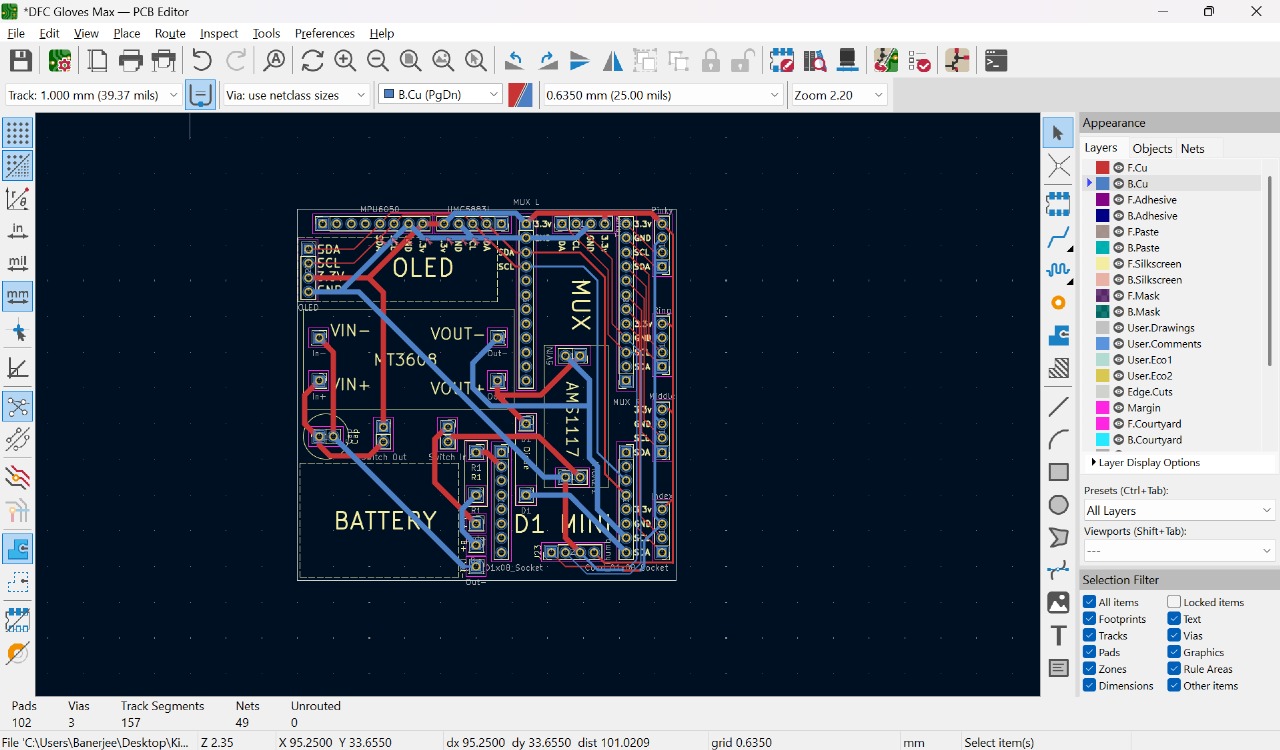
CustomPCB Design
-
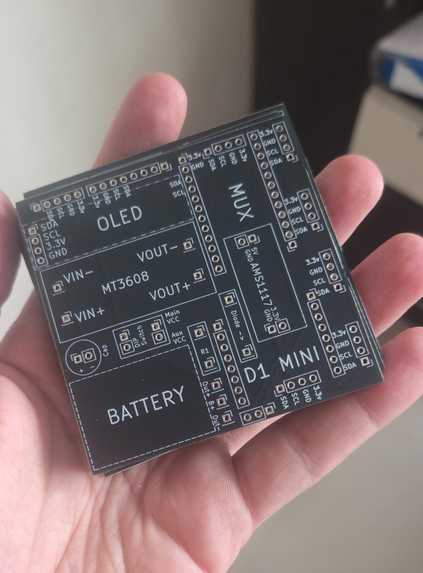
Custom PCB
-
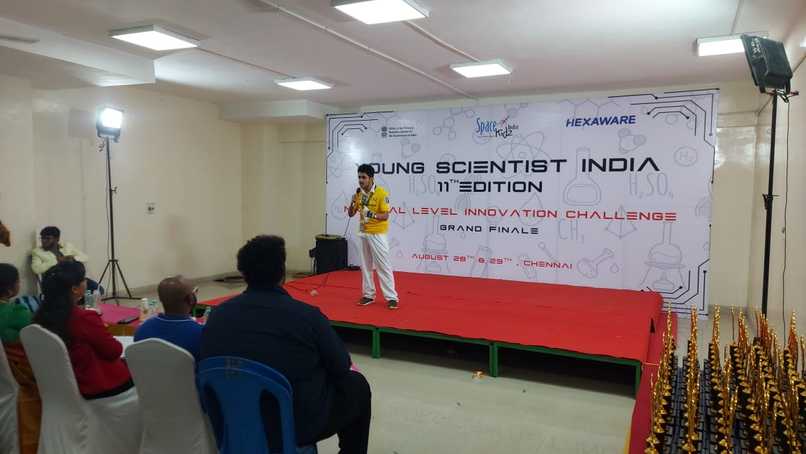
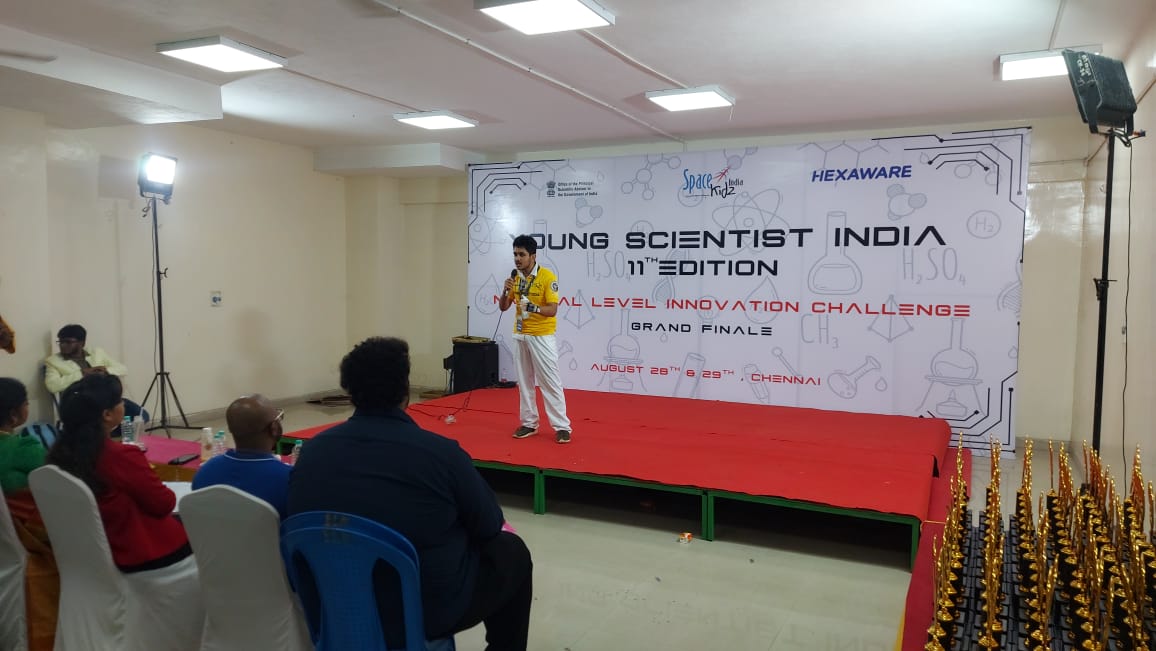
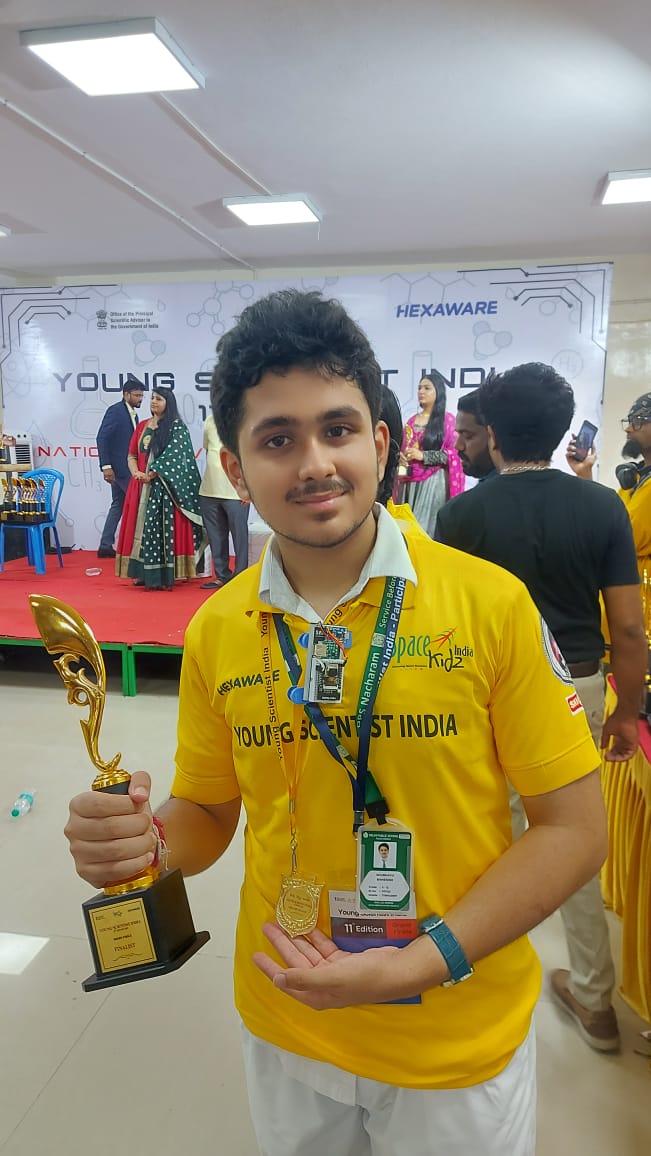
At YSI 11
-
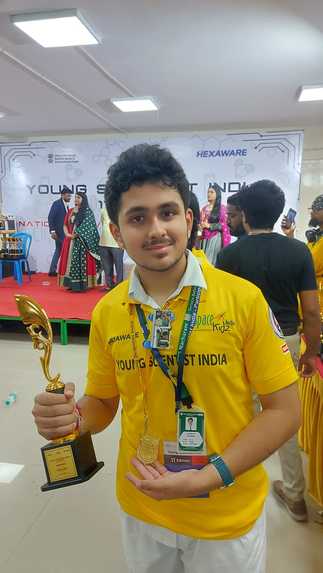
At YSI 11
-
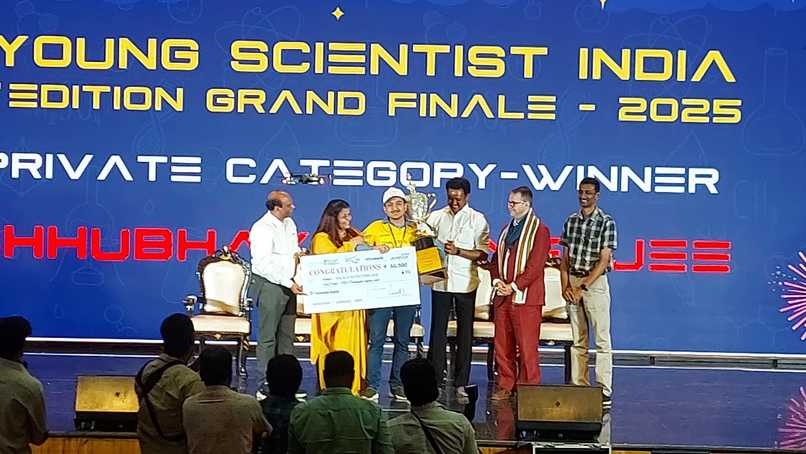
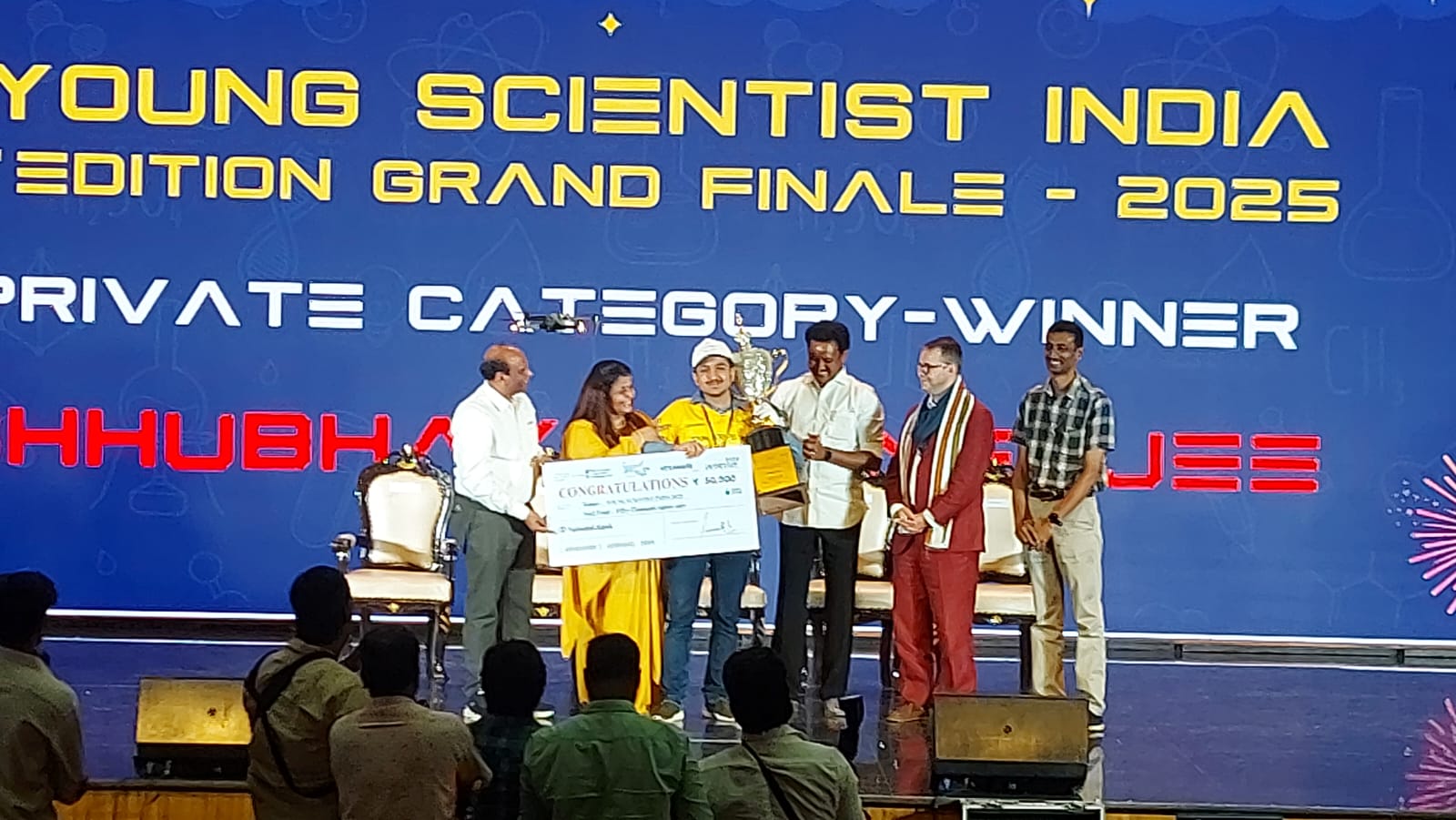
Grand Winner a(Private Category) at YSI 11 - 50K INR (~567 USD) Seed Funding
-
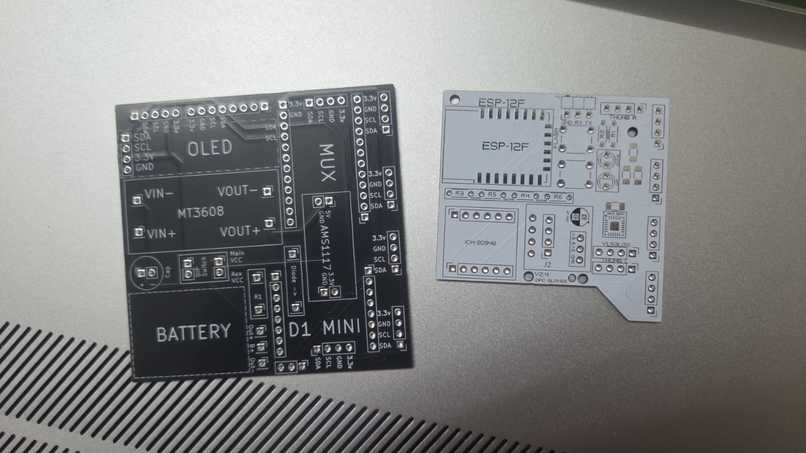
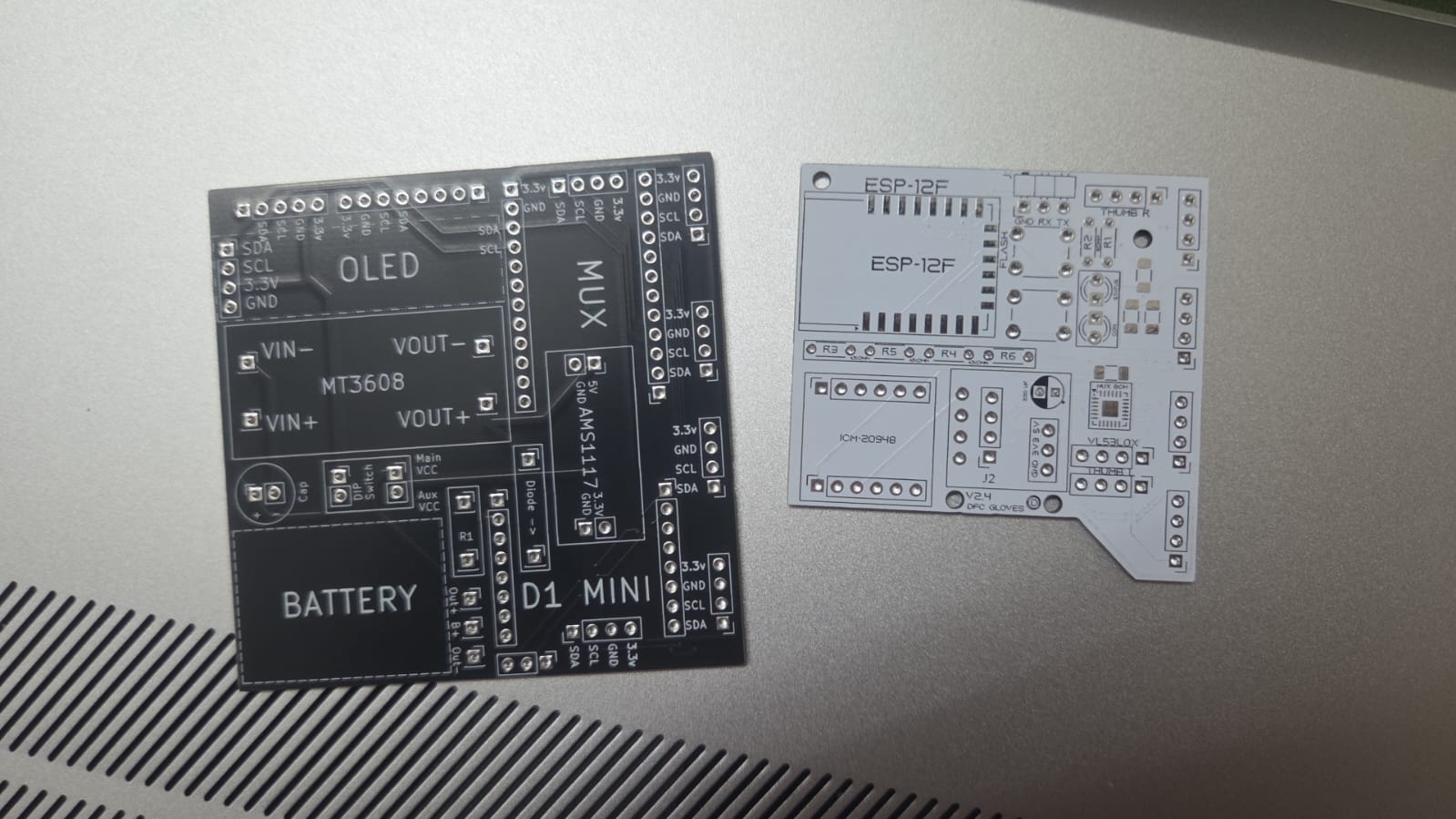
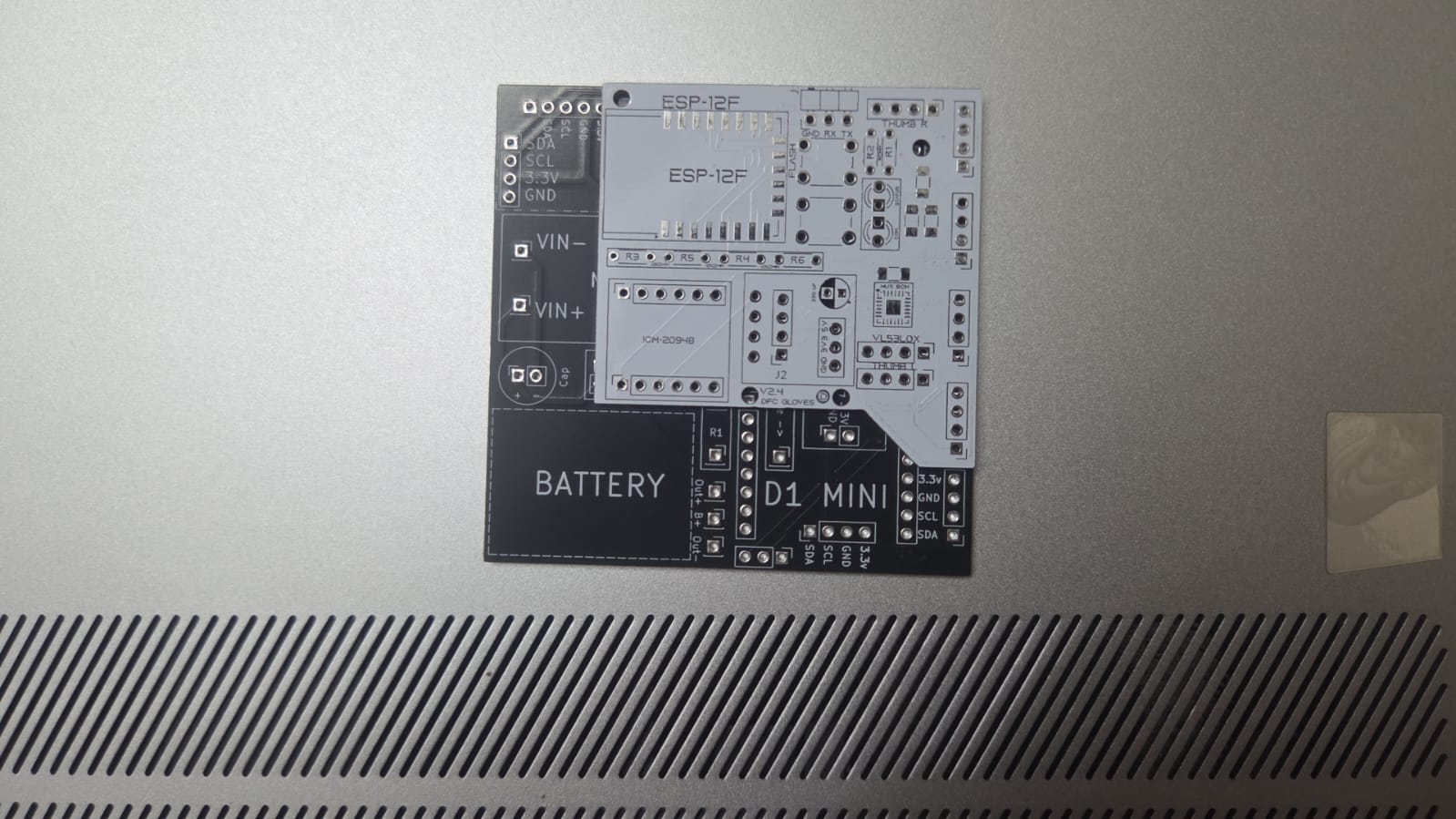
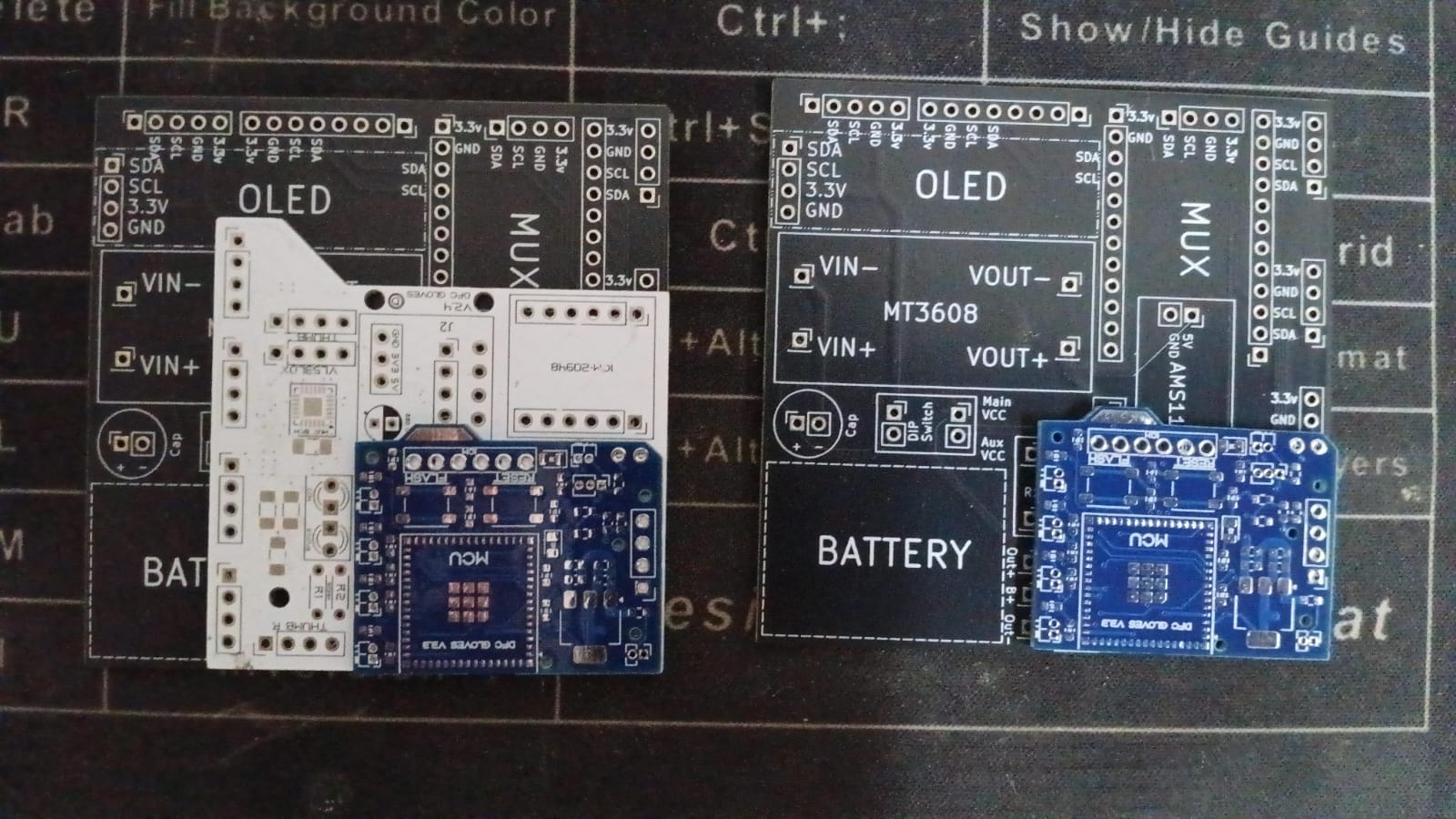
V1 (left) vs V2 (Right)
-
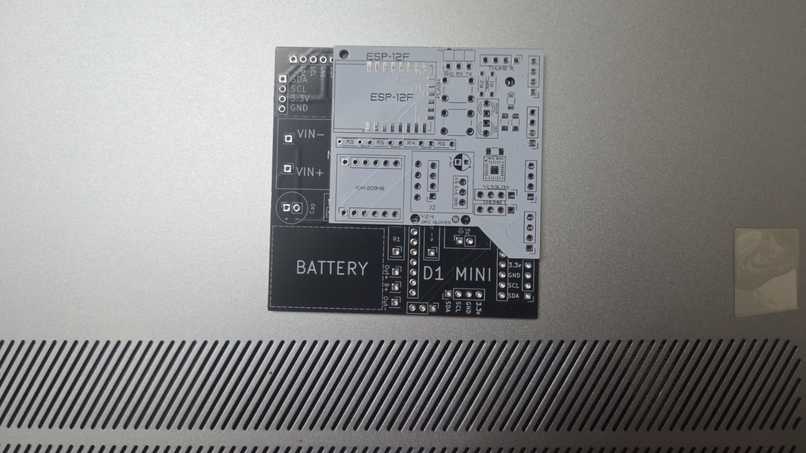
48% Surface area Reduction in version 2 (white PCB)
-
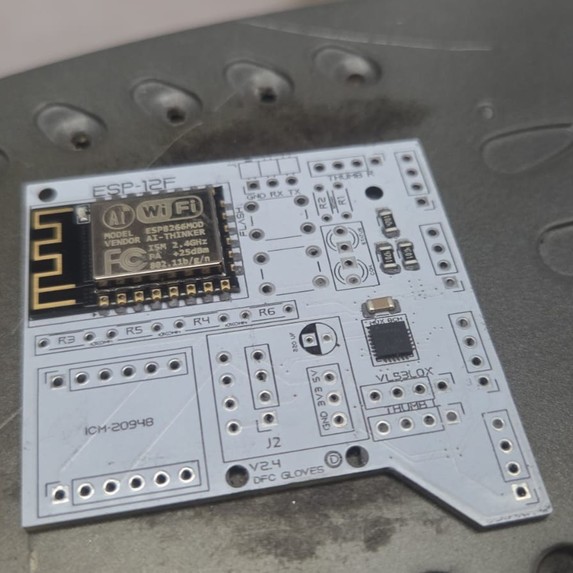
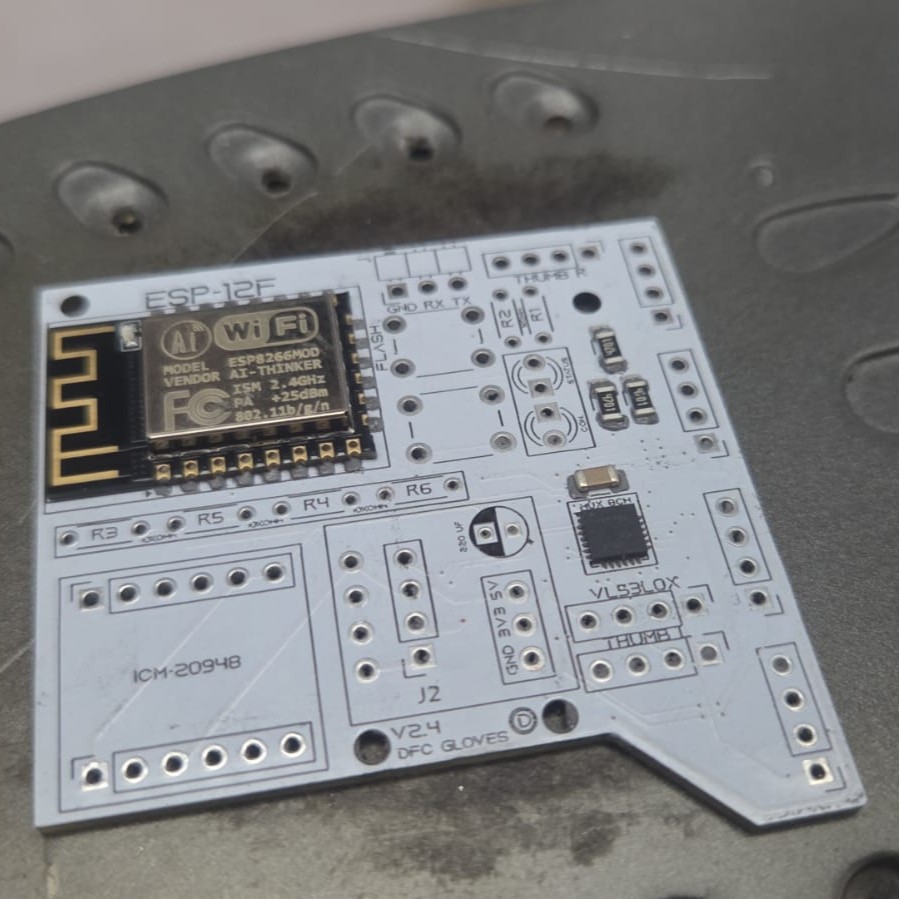
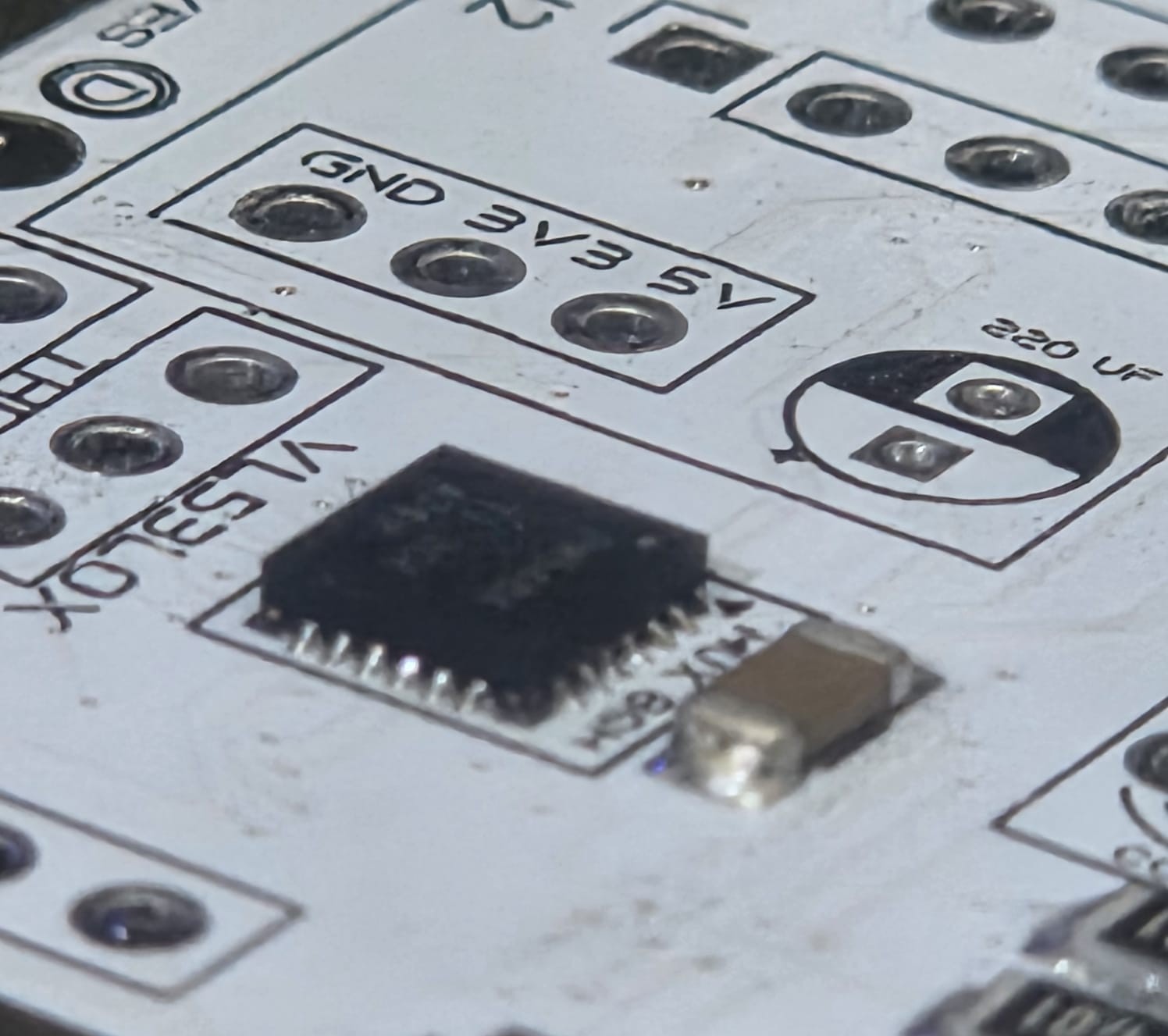
SMD Components
-
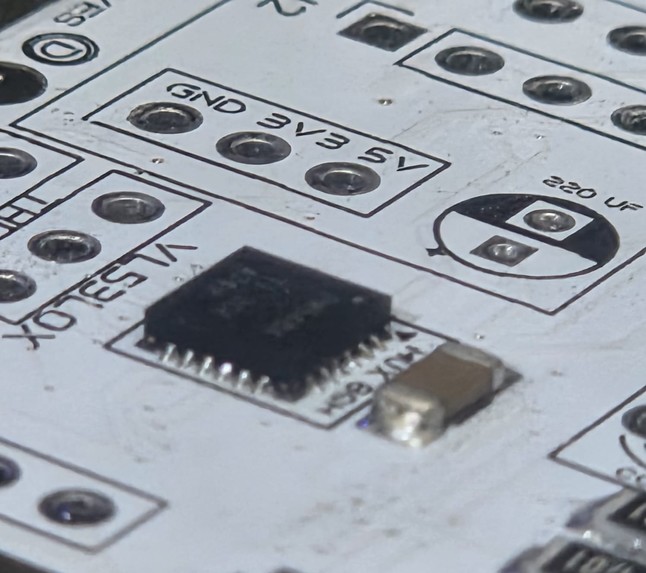
SMD components for the first time on V2
-
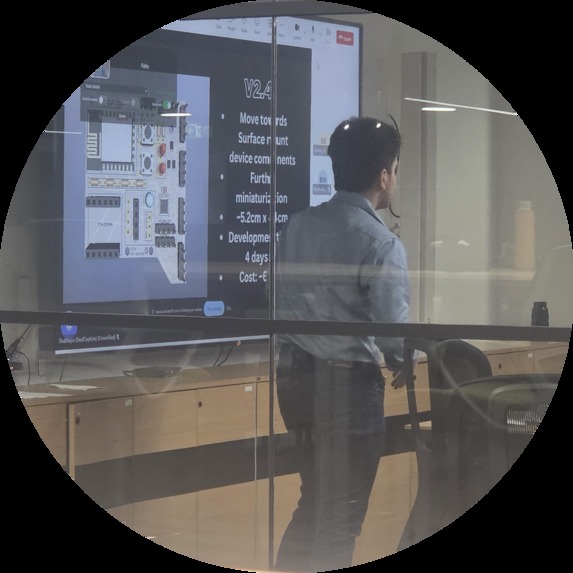
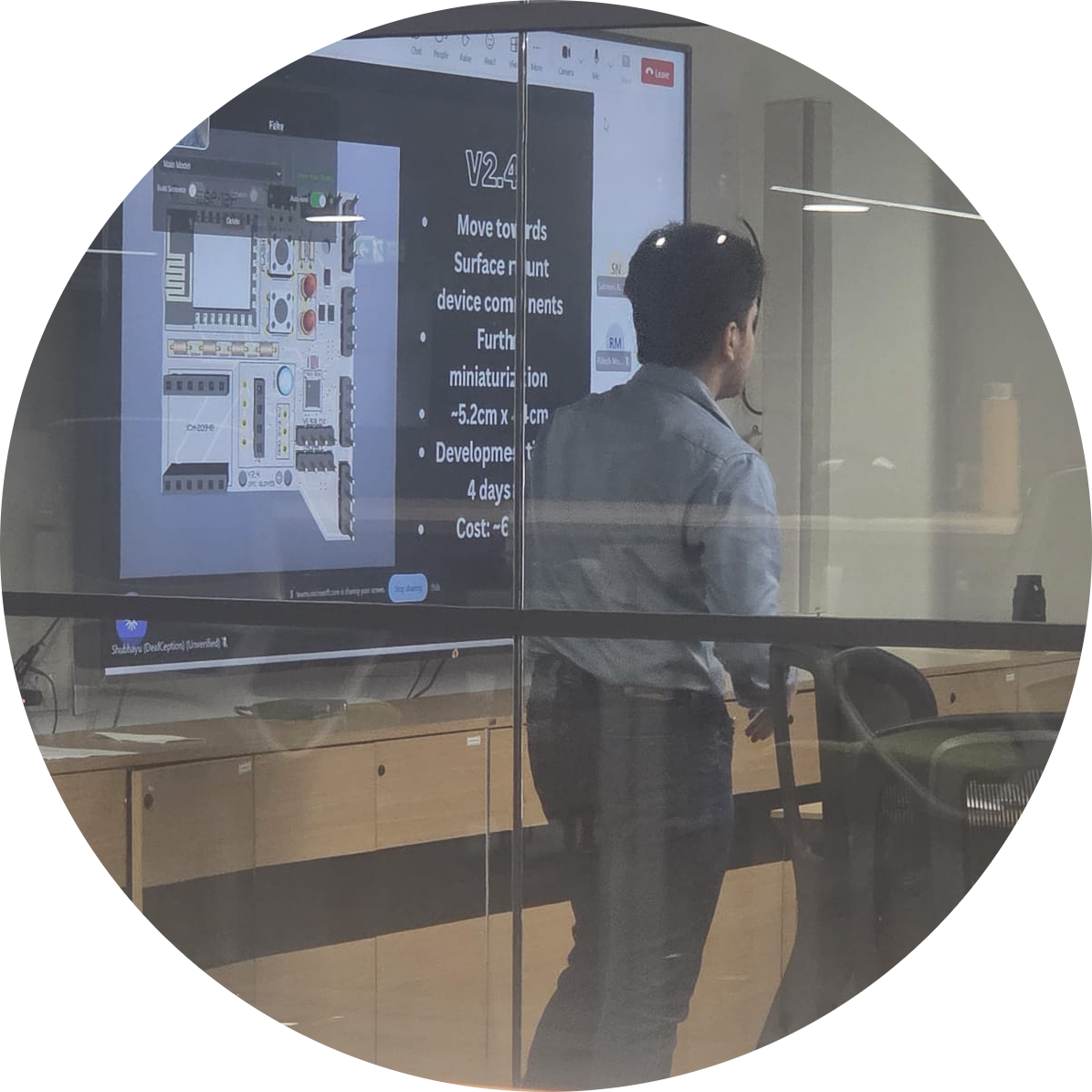
Pitching to T-Hub, Bosch
-
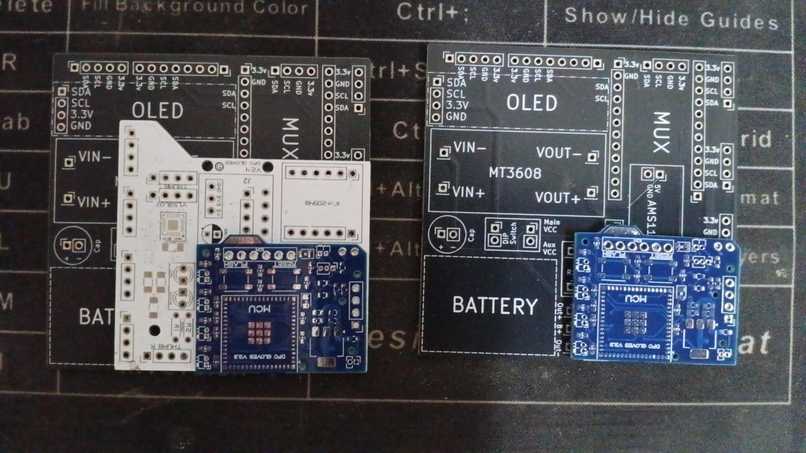
3rd Generation Chips (Blue) vs previous generation.
Visit the website here!
To be heard, To be expressed
Inspiration
It all started when I saw a deaf employee at a store, unable to work alone without another worker for assistance.
Over 430 million people in the world are Deaf or hard of hearing. Do you see 1 out of 19 people deaf around you? No? Well that should be enough to show you how severe the problem is. You probably don't even see 1 out of 1000 deaf people around you. They are excluded from society and economy, living tough isolated lives. Governments worldwide yet lose over $980 billion everywhere from lost productivity from these individuals.
In 2025, most still rely on notepads or captions to communicate. It's frustrating slow and doesn't work. Sign language isn't widely understood, even by many family members. Assistive tech exists, sure, but real-time, two-way SL translation? Barely there. The Deaf community deserves better. I've built DeafCeption to smash these barriers and finally give everyone a voice - signed, spoken, or heard.
DeafCeption officially became an idea at master's union high school startup league in 2024 October. Since then I have won many laurels; most notably recently receiving over 400k INR in seed funding and grants as of just March 2026. (In reality, Fiscals years and corporate CSRs only mean we have access to ~100k INR, explained later)
It has managed to place itself 1st under Private school innovations in the Young Scientist India 11 competition 2025-26, backed by the Office of the Principal Scientific Advisor to the Government of India. The Startup is also backed by T-Hub, Telangana (state) Government and Bosch. Recognized and awarded by the leading technology institutions of India such as IIT Hyderabad and IIT Madras.
What it does
DeafCeption is a real-time, AI-powered, bi-directional sign language translator, not just online, but offline too. It converts ISL and ASL gestures to text and speech (currently in total ~170 gestures), and also takes spoken language and translates it into sign language animations. Currently it is in the prototype/piloting stage. We already have a beta version out working with zoom, google meets, webex, microsoft teams etc. If it takes a video input, we can work with it! It captures sign language in real time from the camera, translates in under 0.1ms inference on an i5-13420H and outputs caption directly on the video feed itself for all to see. Also can type into chat and synthesize voice into microphone. And get this, 170 gestures is more than most deaf people know! And it's also more than most current prototype solutions (there are no good real time products yet!).
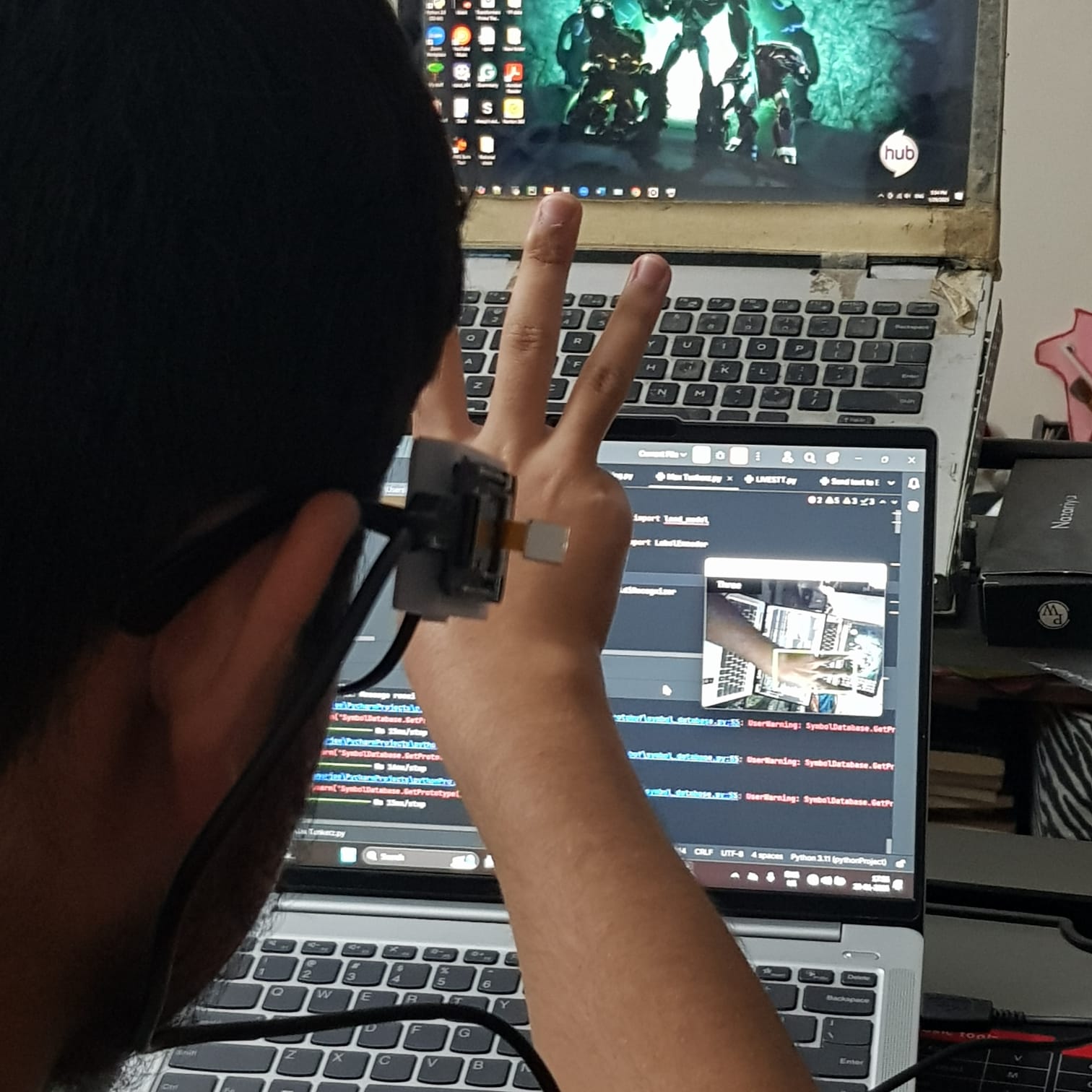
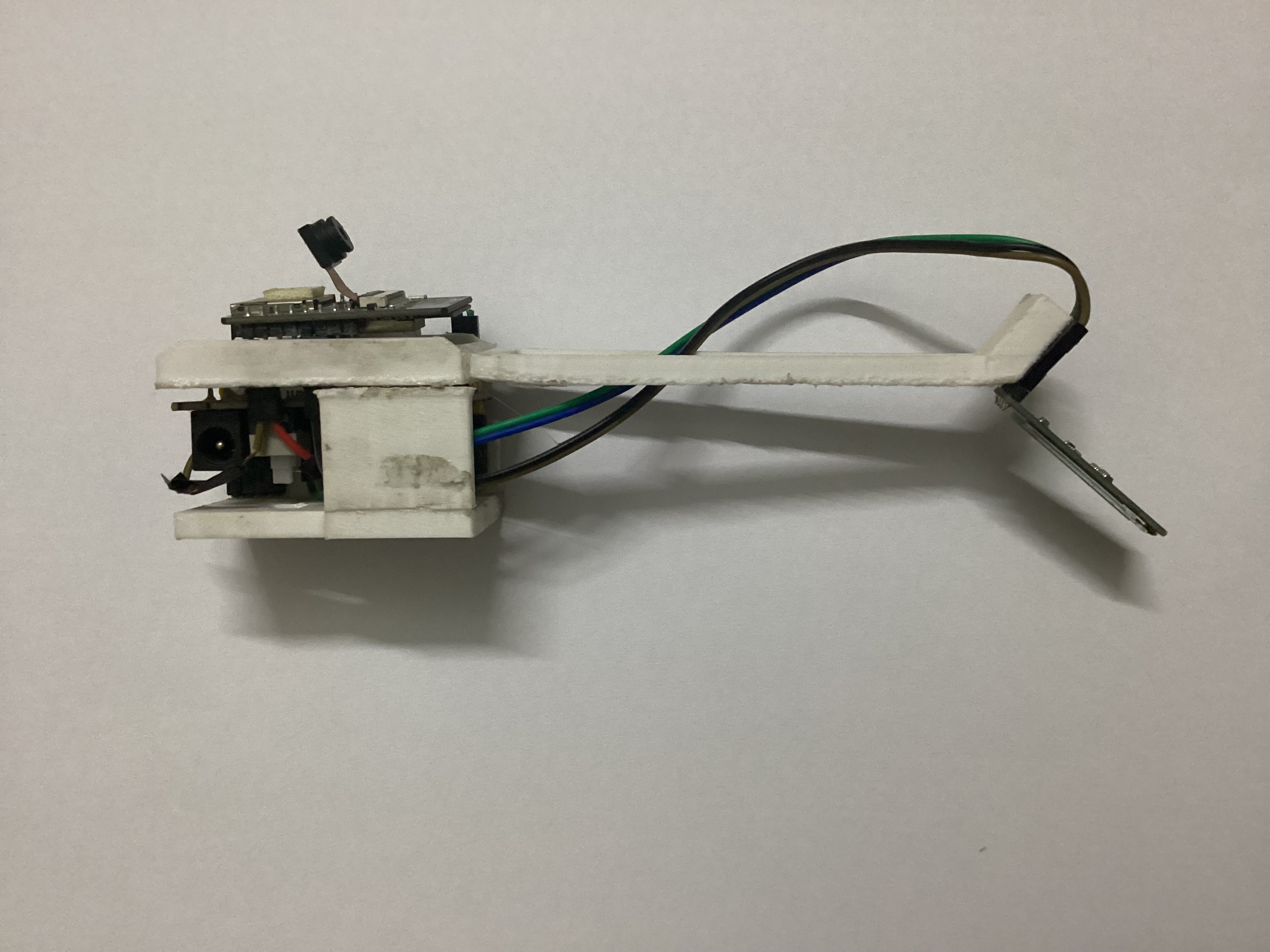
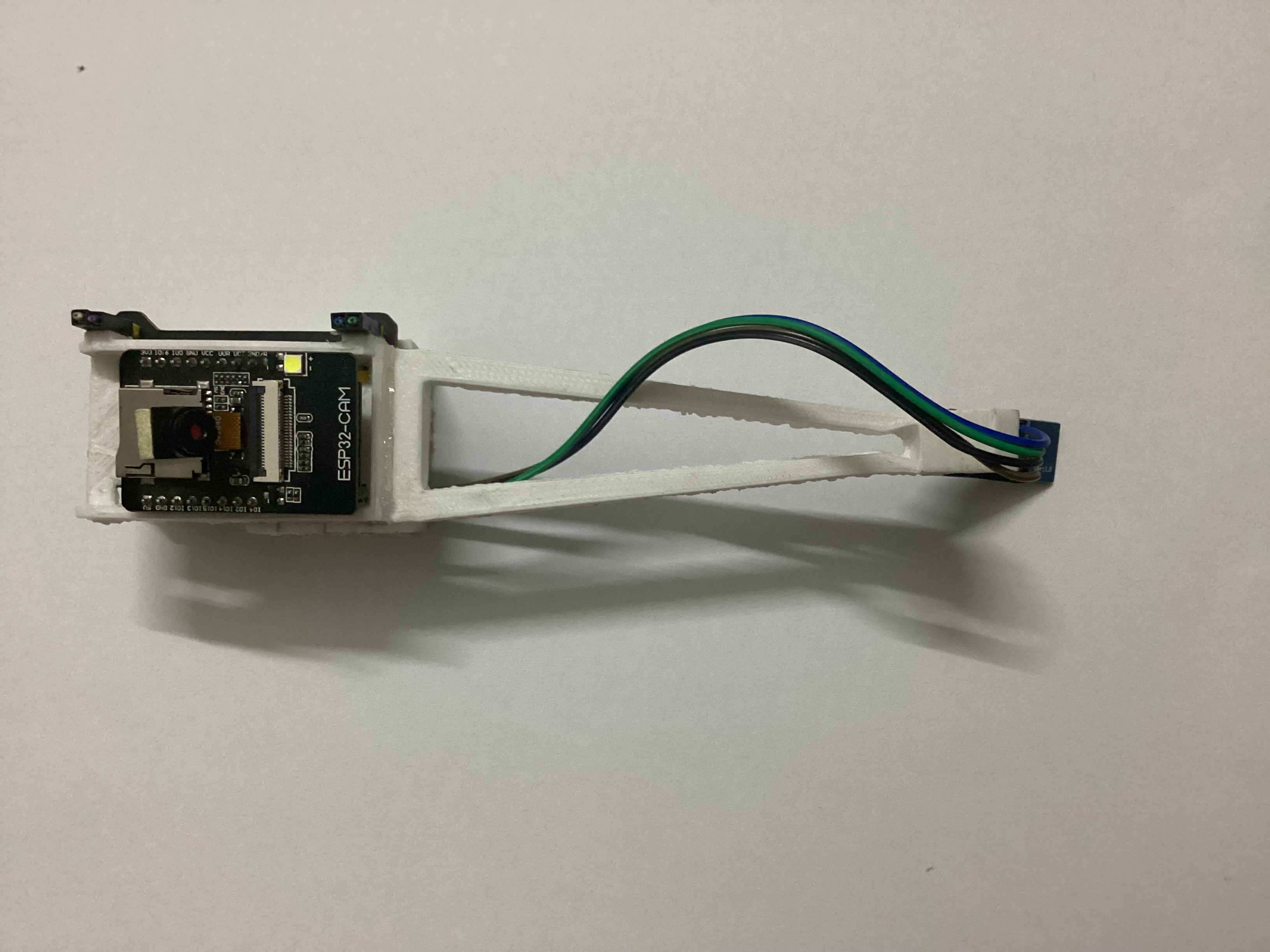
Bonus: I've built a smart glasses prototype that enables users to sign any-time, anywhere and get live translations sent to their phone and is also said out loud. Speech to text converts what the other person says and displays on the phone. The best part? The final product is planned to be under 30$. It's currently under 110 grams and planned to be under 80 grams and 2x smaller than the current prototype. I'm also planning to integrate it with a small cuff to track hands in 3d space for even more accurate gesturing.
The glasses have since been phased out for sign language translation gloves; refer project images. These gloves process in gestures in just 1 millisecond; they helped me crack top 10 Private innovations at YSI 11 Space Kidz India out of 2k+ submissions. (PS: Got 1st place and 50k INR from it!) They are supported by a camera pendant (esp32) that gathers context about the surrounding for more intelligent signing.
For proprietary and patent reasons (filed for one!), I can not provide latest EXE right now, but you can try a limited web demo given in the "try it out" below. ** **I'm also currently continuing work for translation gloves paired with a microphone and camera for context. Gen 3 complete components for the first time, along with 74% reduction in surface area, and 2x the battery life over gen1
Currently one of the only companies that provides such tech is BrightSign. ~ $2400 per hand, on the other hand (pun not intended), my final product is envisioned to be just about $25-35 per hand. Yup, proprietary tech sucks. Right now it costs just about $21.
Why don't people just use their phones? Well I've surveyed around 30 deaf individuals, and about 80% would love such a device. Using phones is clunky and slow. It's also not their native way of communicating. In fact, the reliance on a phone for texting slows down interaction and frustrates both parties. Signing is faster, and the text just appears on the phone. The hearing person can just speak into the phone.
How I built it
I ditched traditional CV-heavy approaches and went for a custom sequential model that uses 150+ features per frame. This lean model (only ~225KB!) offers 94–99%+ accuracy in under 0.1ms. That's right, under 0.1ms; with average time being about only 0.05ms. It supports about 170 ISL/ASL signs currently and can be retrained easily by the user for personal variation. (Hardware = core i5-13420H, 16gb RAM, no GPU, about 5% cpu usage, light enough to easily run on modern phone hardware). It performs better than some of the best published sign language translators in research papers. Here's my own!
To handle dynamic gestures (like spinning hands for “Wednesday”), we have built hybrid model systems, employing sophisticated motion detection/classification systems paired with the sign language systems, while still maintaining very low computational costs. The app also includes procedurally generated sign animations for converting spoken language into SL visuals. TensorFlow powered the training, and the whole pipeline is designed to run fast on consumer-grade hardware.
Sign language grammar and normal language grammar is not the same. I've had to use LLMs to translate the conversions and to enhance sign language sentences. For example:
-Sign Language: YESTERDAY STORE I GO. -English: I went to the store yesterday.
LLMs were instrumental to enable this.
Challenges I've ran into
Most SL translation tech is stuck in static-frame land - motion just breaks it.
CNN-based models were too heavy and slow for real-time inference and personalized training.
Dynamic gesture tracking was a pain - we had to think outside the box with models and advanced motion recognition techniques. Not just the normal check if point has moved since last frame.
English grammar ≠ SL grammar. Getting procedural SL animations to make sense meant rethinking sentence structure parsing. Here's a demo of text to sign language, currently it's images from a database: Watch Here
Shrinking of PCB Size, currently our 3rd gen is roughly 74% smaller surface area wise than our first generation. To achieve this I had to design 4 layer PCBs and use complete SMD components. Our 4th generation (in Design) will have all components, from IMUs to power supplies, firmly on the board itself without increasing size beyond 10% over generation 3. Completely indigenously developed board.
Check out a view of the Meeting software for live translation in meetings in the "try it out" section below. - Also please do understand that the demo link runs on a free server, and would probably take a minute or so to provide the first translation as the server must fire up. After that it's quicker. Also we had to put a rather small model due to server limitations of just 0.1 CPU being allotted in free tier.
Demos of the current working generation of glove is available below too.
Bonus - Our first solution was actually glasses - we used ESP32 Cam and made a real working glass prototype for offline communication, take a look! Check it ou!
Accomplishments that we're proud of
Successfully collaborated with a local deaf institution (Hellen Keller Degree College for the hearing handicapped)
** Won National Rank 34 at AI Tinkerpreneur Competition held by AIM and Niti Aayog in collaboration with Intel. Sponsored Invite by government to exhibit at the India AI Summit 2026**
Winner at YSI 11 Private Innovations. 50K INR (~567 USD) Awarded in seed funding. 2024-25
Won 3rd place at IIT Hyderabad's Pre-AI summit Pitch Competition - 15k INR 2025-26
** Won 1st place at IIT Madras's Pre-AI summit E21 Competition - 35k INR 2025-26**
Awarded silver medal in Dr. Homi Bhabha Bal Vaidnyanik Competition. 2024-25
Won the 1st round of the High School Startup League by Master’s Union. 2024-25
Accepted for T-HUB x Telangana Gov. x Bosch Accelerator Program, now also backed by them and have received grant. P.S: We couldn't use the Bosch grant of 3 Lakh INR as it was tied to their CSR which means it has to be used by the end of the fiscal year, which was not possible for me as I have my 10th grade boards. (2025-26)
** Achieved Made in India PCBs from the onset of 3rd Generation **
Selected for tech demos at AISC and AIFC - AI Student Community & AI Faculty Community - Nationwide (India) Initiatives by Central Board of Education (CBSE) and Intel India.
Achieved 97%+ accuracy with sub-1ms inference on a model smaller than your average meme 🔥
Created a bi-directional SL translator that actually works, in real-time, in real scenarios.
Creating a Sign Language Translation Glove
Created a Camera pendant that allows for real time context to be obtained and fused with Glove translations
Designed a system lightweight enough to run on average laptops, yet flexible enough to scale to wearables and mobile apps.
What we learned
There is a real need and want for real time Sign Language translation in the deaf community.
Sign language isn’t just a set of hand signs — it’s a fluid language with its own grammar and movement-based meanings.
Lightweight models can outperform massive ones if you play it smart with feature extraction and architecture.
There’s massive untapped potential in using procedural animation + NLP for generating SL, but it takes finesse.
What's next for DeafCeption
Translator Gloves Improvement: Miniaturize. Reduce bulkiness. Currently exploring home made cheap flex sensors for 1/5th the price of the IMUs used for each finger. Move onto full indigenously designed board by next generation. (As in no commercial IMUs and power circuitry. Right now only microcontroller and basic power regulation is indigenously designed)
Procedural Animation Refinement: Make SL animations and natural-looking and move away from current picture based animation.
Model Personalization UI: Let users train their own gestures without needing to code.
Wider Language Support: Add more SL dialects - especially underrepresented ones.
Support for people to add their own signs and train the model locally.
Built With
- arduinoide
- bluetooth
- esp32
- machine
- machine-learning
- mediapipe
- natural-language-processing
- python
- speech-to-text
- tensorflow
- text-to-speech


Log in or sign up for Devpost to join the conversation.