-
-
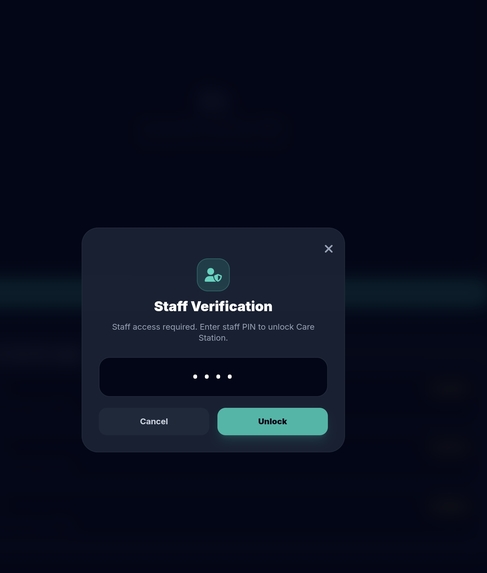
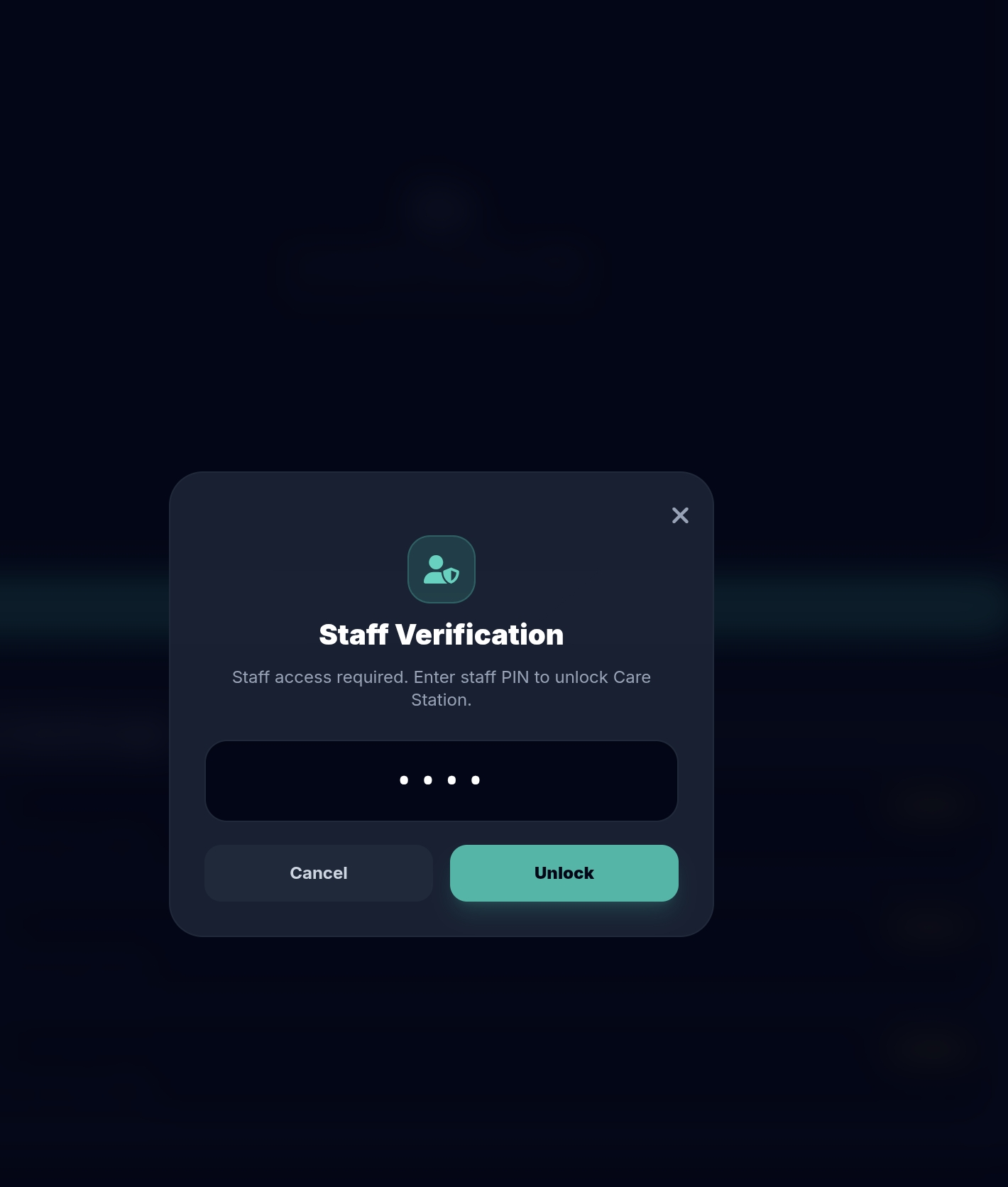
Pin for medical team :1234
-
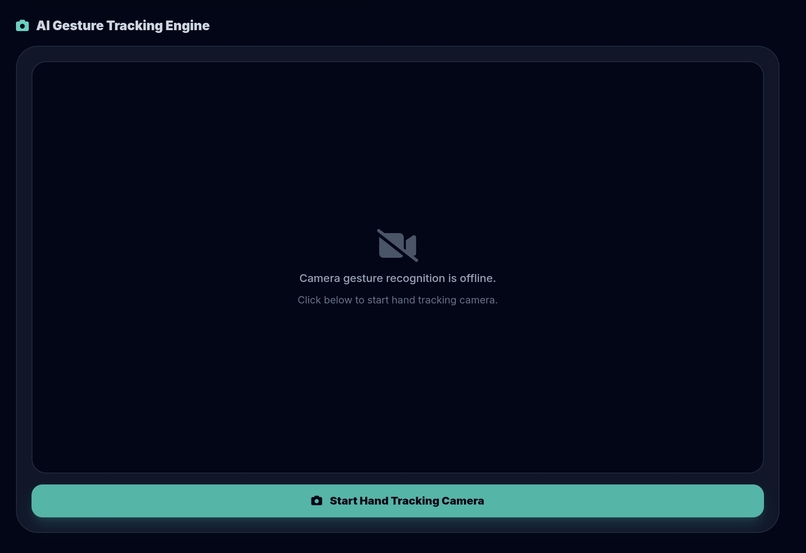
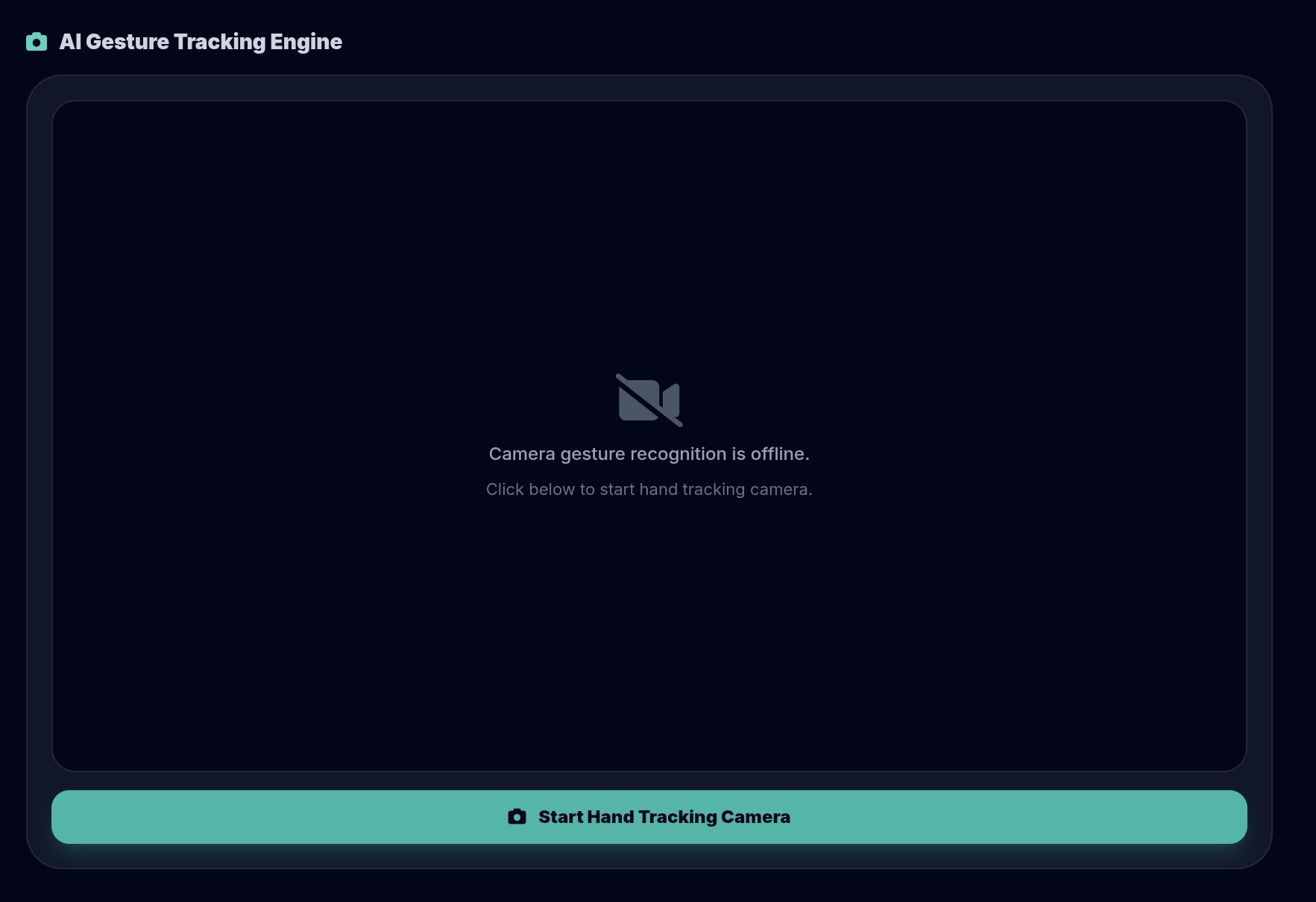
Camera
-
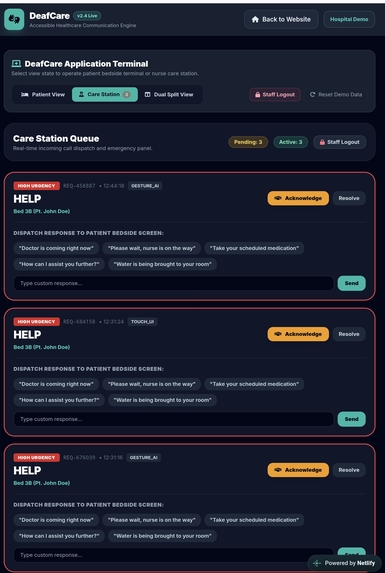
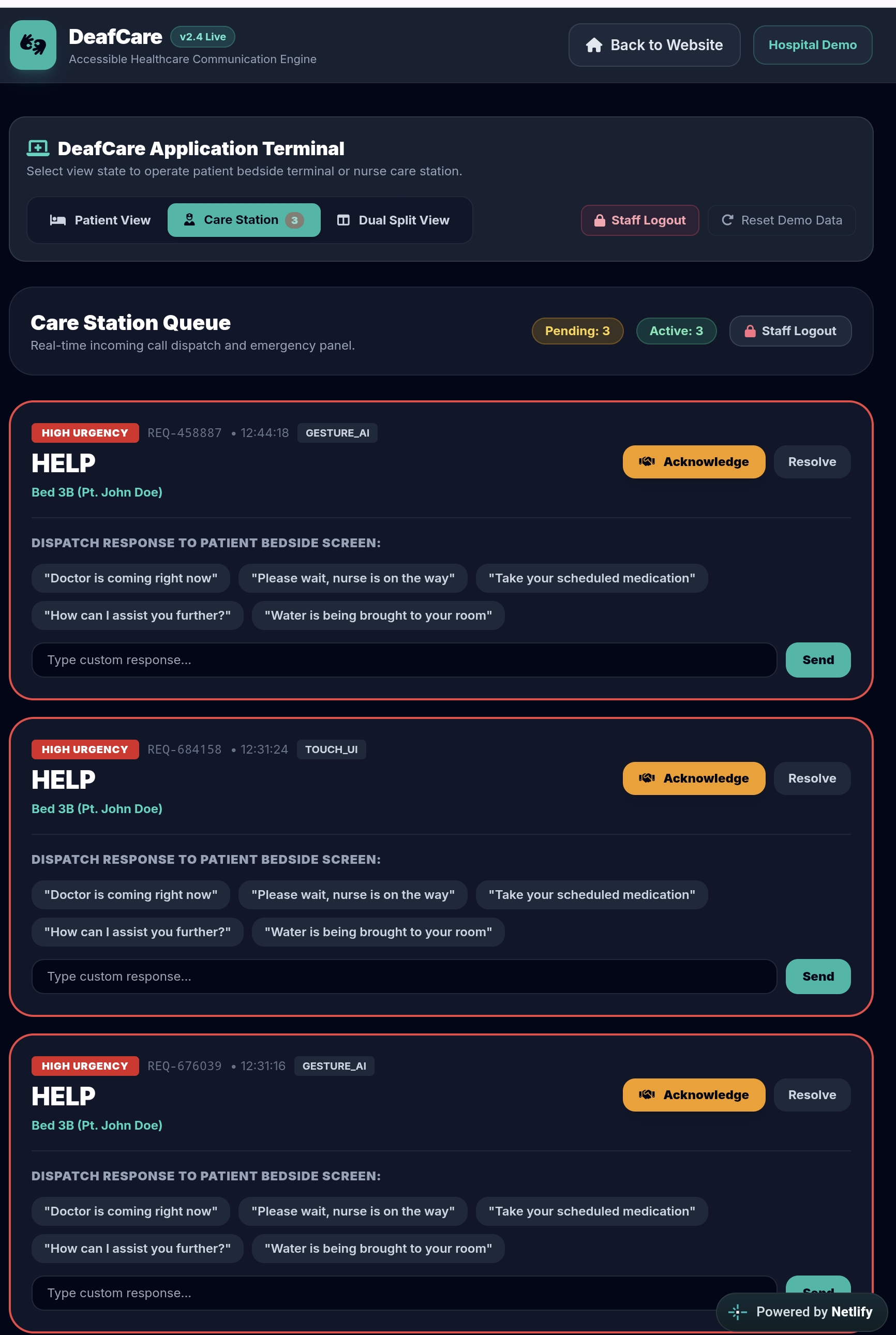
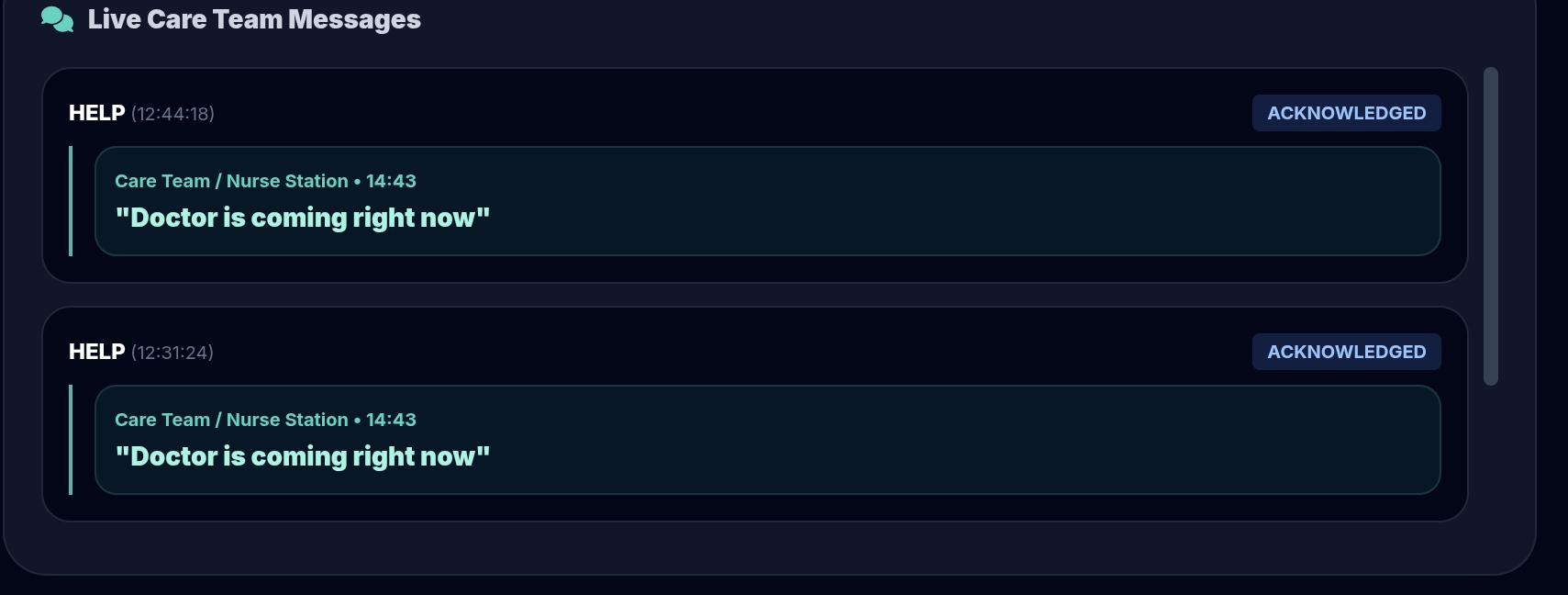
Care team view
-
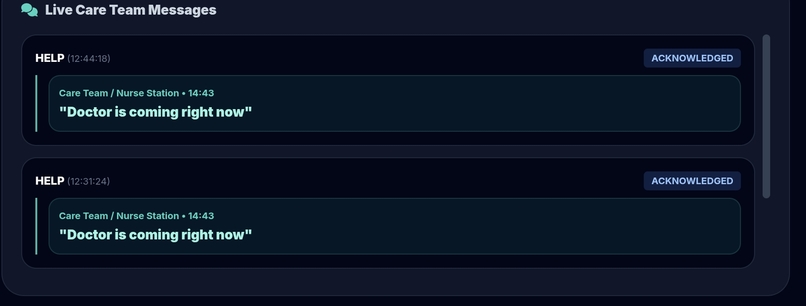
Patient response
-
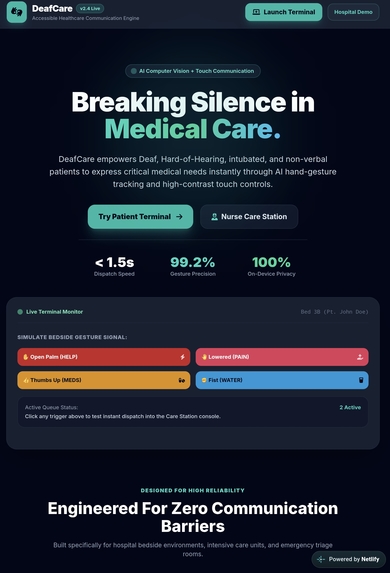
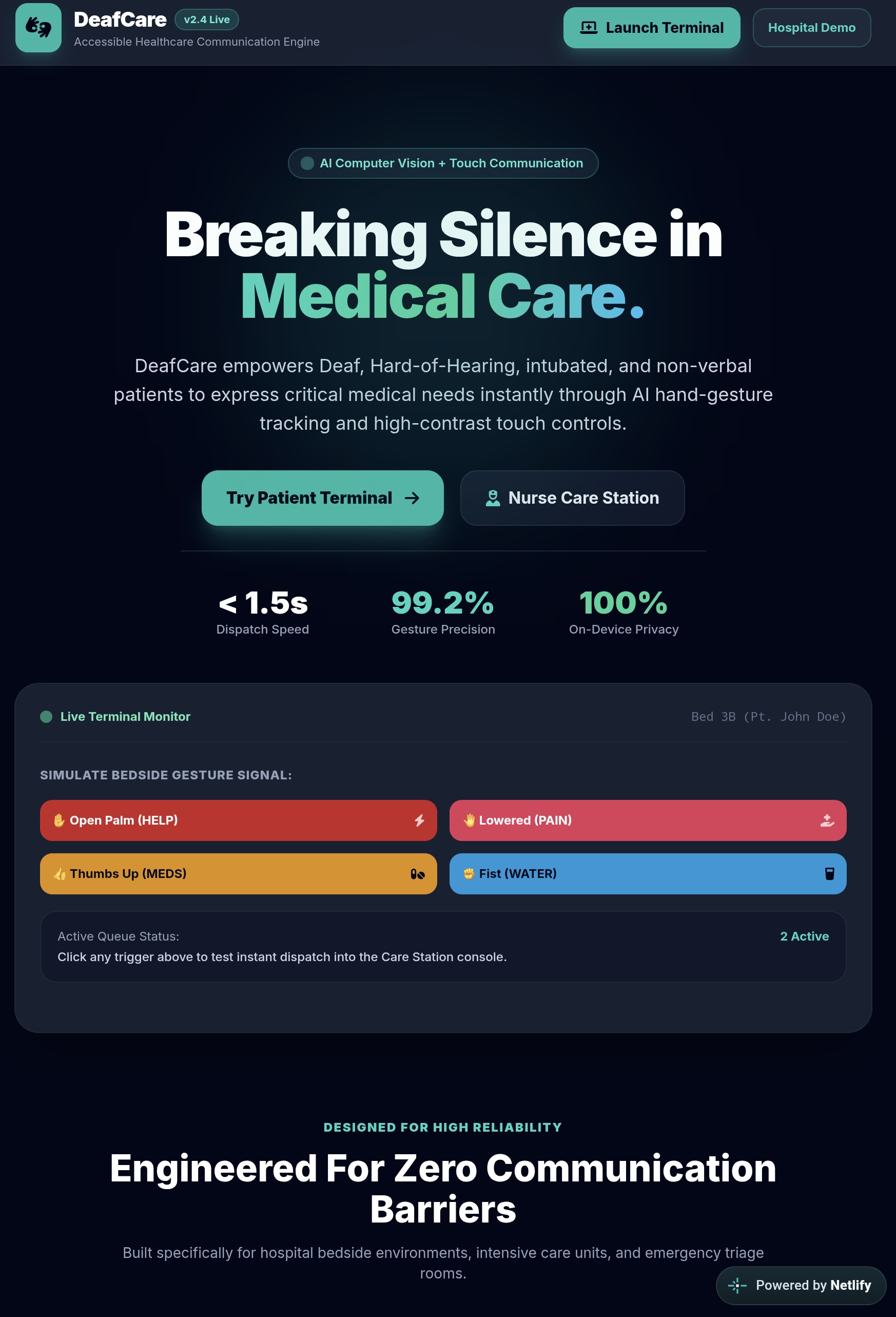
Patient view
Inspiration
DeafCare Bridge was inspired by a problem I have seen closely in my own life: communication can become a major barrier when a deaf person needs healthcare. Explaining symptoms, understanding questions, and communicating with healthcare workers can be difficult when appropriate sign-language support is not available.
I wanted to explore how technology could make this interaction more accessible without requiring expensive specialized equipment. This led me to build DeafCare Bridge, an AI-assisted healthcare communication prototype designed to help bridge communication between deaf patients and healthcare workers
What it does
DeafCare Bridge is a web-based prototype that combines computer vision, natural language processing, and accessible interface design.
The prototype provides:
Accessible symptom and health-information input for deaf users A limited medical sign-recognition component for selected signs Conversion of patient input into structured, easy-to-understand clinical summaries Visual two-way communication concepts between patients and healthcare workers A simple interface designed around reducing dependence on spoken communication
I focused on demonstrating the concept rather than claiming to provide a complete clinical or sign-language translation system.
How we built it
I started by identifying the communication points where a deaf patient may face difficulties during a healthcare interaction. I then designed a workflow that could convert different forms of patient input into information that a healthcare worker could understand more easily.
I developed the web interface using HTML, CSS, and JavaScript, and incorporated AI-oriented components for language processing and the prototype's sign-recognition workflow. I tested the system using a controlled vocabulary of medical-related signs and simulated patient–healthcare-worker interactions.
Challenges we ran into.
One of the biggest challenges was the limited availability and complexity of medical sign-language data. Healthcare communication involves a much larger vocabulary and context than a small prototype can realistically cover.
I therefore restricted the recognition component to a controlled set of signs rather than presenting it as universal sign-language translation. Another challenge was designing the system so that AI-generated information would remain understandable and useful without presenting it as a medical diagnosis
What we learned.
This project taught me that building an AI healthcare solution is not simply about making a model work. Accessibility, clarity, limitations, and the consequences of incorrect information are equally important.I learned more about:
Designing technology around a real accessibility problem Combining AI concepts with a practical web interface Structuring unstructured patient information Working with computer-vision and NLP concepts Testing AI systems with controlled inputs Recognizing the limitations of AI in healthcare and accessibility Challenges
One of the biggest challenges was the limited availability and complexity of medical sign-language data. Healthcare communication involves a much larger vocabulary and context than a small prototype can realistically cover.
I therefore restricted the recognition component to a controlled set of signs rather than presenting it as universal sign-language translation. Another challenge was designing the system so that AI-generated information would remain understandable and useful without presenting it as a medical diagnosis.
These limitations helped me understand an important part of engineering: a responsible prototype should clearly communicate what it can do, what it cannot do, and where further research is needed.
What's next for Deaf Care
DeafCare Bridge is a starting point for my broader interest in affordable technology for healthcare and people with disabilities. In the future, I would like to explore larger and more diverse sign-language datasets, better real-time recognition, multilingual support, and eventually integration with accessible medical devices.
My goal is to use engineering not just to build technically interesting systems, but to create technology that can make everyday healthcare more accessible.
Built With
- artificial-intelligence
- computer-vision
- css
- html
- javascript
- machine-learning
- natural-language-processing
- netlify
- responsive-web-design


Log in or sign up for Devpost to join the conversation.