-
-

A clear adaptive plan that turns tasks and deadlines into a realistic daily schedule.
-
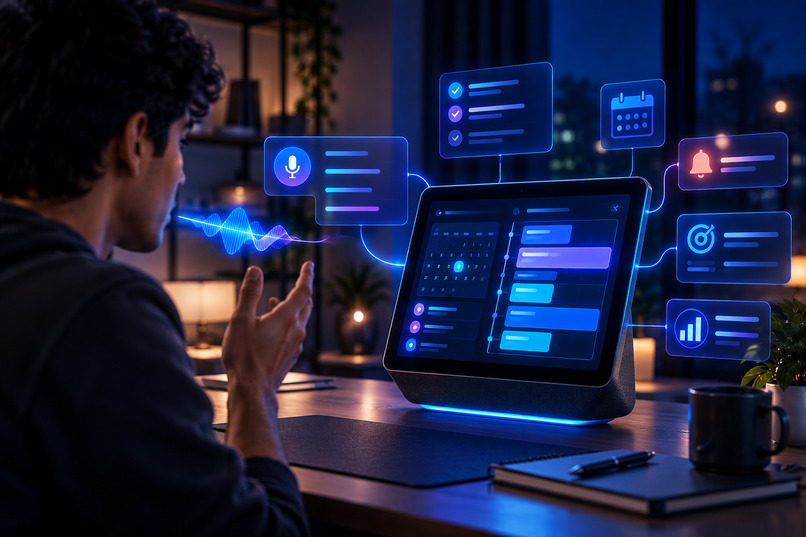
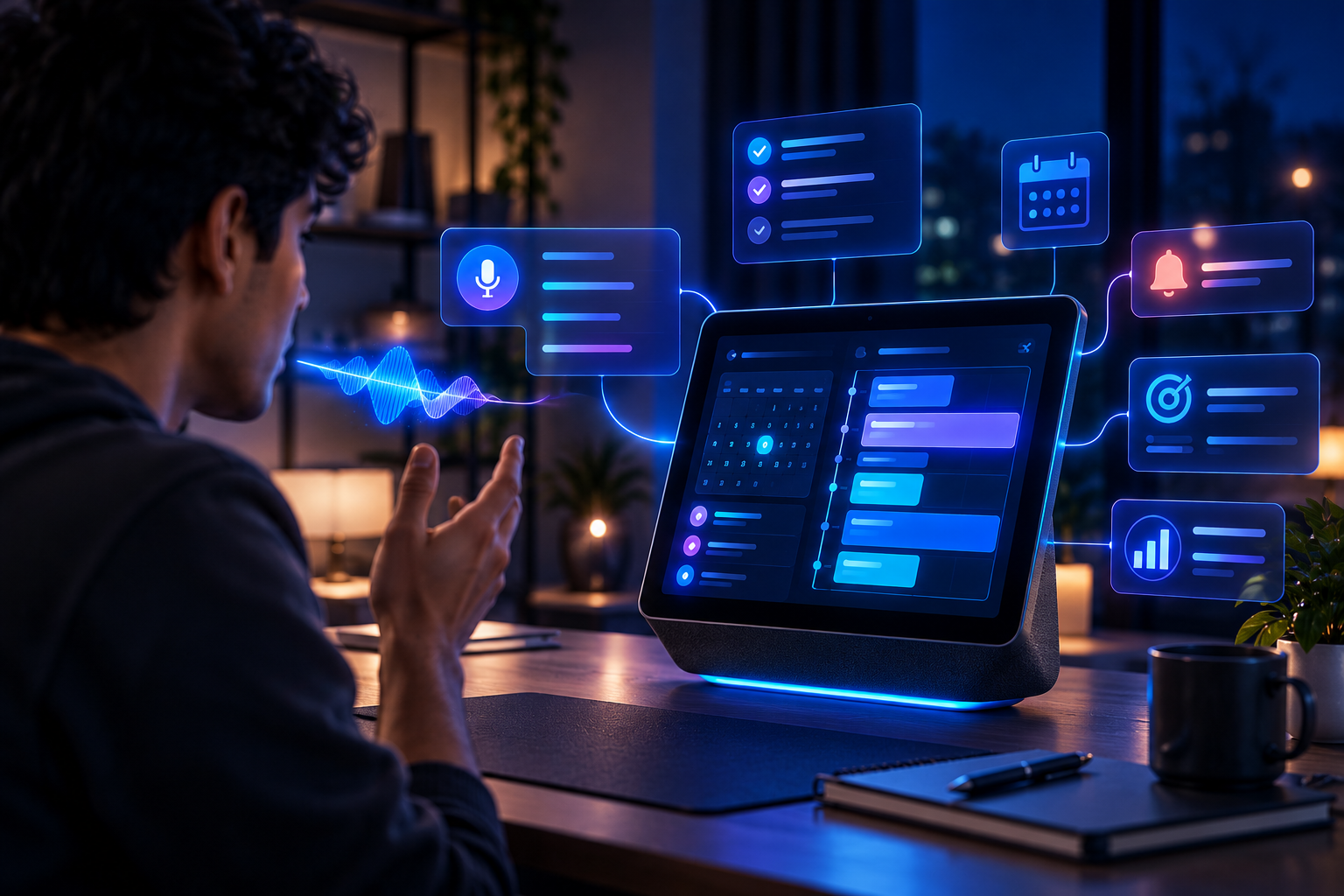
Capture tasks naturally through conversation and receive an actionable plan in seconds.
-
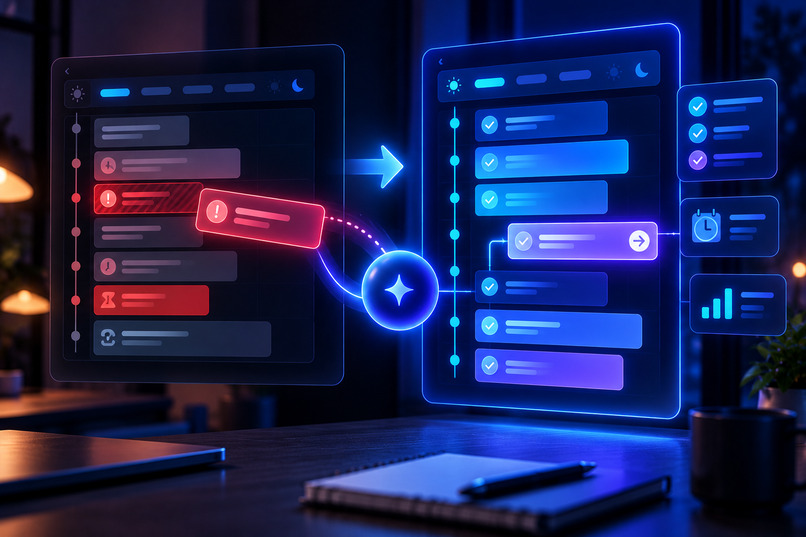
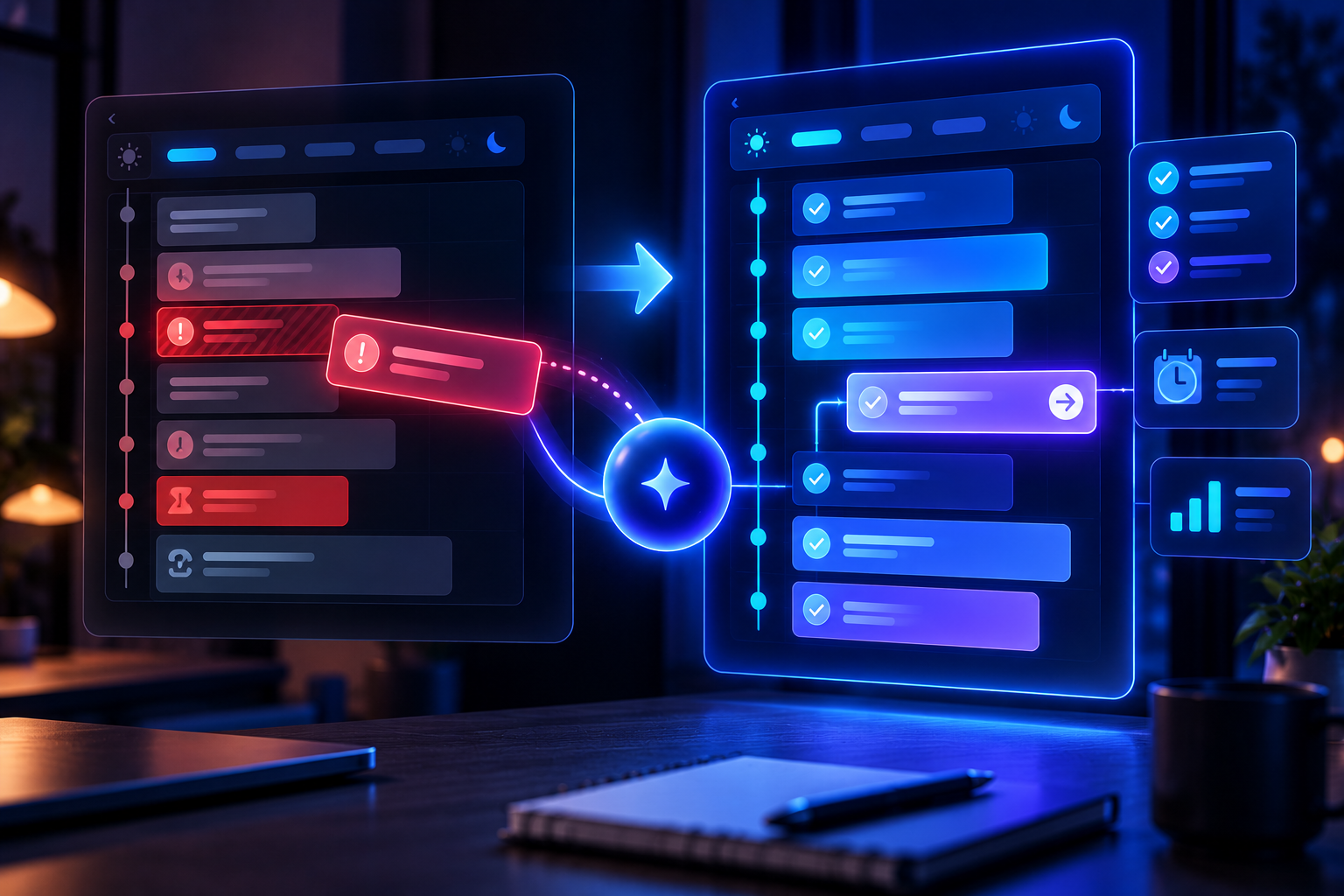
When life changes, Deadline Zero reshapes the schedule while protecting important deadlines.
-

Stay on track with one clear next action, focused work sessions, and visible progress.


Inspiration
Deadlines usually fail because plans are static while real life is not. A task can be forgotten, a meeting can run late, or a higher-priority assignment can appear with no warning. We wanted to build a planning assistant that feels natural to use in the moment: say what needs to be done, get a realistic next action, and adapt the plan when the day changes.
What it does
Deadline Zero is an adaptive task-planning assistant designed for Alexa+ and MCP.
Users can capture tasks conversationally with a deadline, estimated duration, priority, flexibility, dependencies, and scheduling constraints. Deadline Zero then creates a practical schedule, identifies the next best action, tracks progress, and replans when work is completed, delayed, skipped, or changed.
Key capabilities include:
- Capture tasks with deadlines, duration estimates, priorities, and notes
- Create a deterministic schedule around unavailable time
- Respect dependencies and earliest/latest start windows
- Show the next best action
- Simulate schedule changes before saving them
- Start and end focused work sessions
- Track task progress and completion
- Replan automatically when priorities or availability change
- Delete a user's planning data on request
- Present a visual plan through an MCP App while keeping the experience usable by voice alone
How we built it
The backend is a TypeScript MCP server using Streamable HTTP and Fastify. It exposes 13 focused MCP tools for task capture, planning, replanning, progress, focus sessions, and privacy controls.
The scheduling engine is deterministic rather than dependent on an LLM. It sorts work by deadline, priority, flexibility, dependencies, available time, and scheduling constraints. This keeps plans explainable and predictable.
The app includes:
- TypeScript and Node.js
- Fastify for the HTTP server
- Model Context Protocol SDK with Streamable HTTP
- MCP Apps SDK for the visual schedule experience
- PostgreSQL persistence with optimistic concurrency control
- Zod for validated tool inputs
- JWT/JWKS validation for production OAuth token verification
- Docker for local service packaging
- Vitest, ESLint, Prettier, and GitHub Actions for quality checks
We also created a complete Alexa+ submission package with a manifest template, store metadata, six required icon sizes, a carousel image, and first-party privacy and terms pages.
Challenges we ran into
The most important challenge was making the schedule useful without making it unpredictable. A planner must handle deadlines, dependencies, missing estimates, unavailable periods, and changes during the day without moving work into the past or placing a dependent task before its prerequisite.
We solved this with a deterministic planning engine, explicit validation, what-if simulations, bounded planning windows, and recovery messages that suggest a clear next action.
Another challenge was designing for both voice and screen-based use. The visual plan is helpful for a quick glance, but every essential operation must still produce a concise, understandable spoken result. The MCP App therefore supports inline summaries, optional fullscreen expansion for dense schedules, accessibility-friendly typography, and voice-first fallbacks.
What we learned
We learned how to structure MCP tools so each action has a clear purpose, a small schema, a useful response, and a recoverable failure path. We also learned that production readiness depends on more than the planner: account linking, privacy, secure token validation, data deletion, latency, visual accessibility, and realistic end-to-end testing are all essential.
Validation
Deadline Zero has automated coverage for the planning engine, persistence behavior, MCP protocol flow, authentication failure handling, public privacy/terms pages, and store-media routes.
The project currently passes:
- 14 automated tests
- TypeScript type checking
- ESLint
- Prettier formatting checks
- Production build
- Dependency security audit
Local MCP tool calls benchmark below Amazon's 500 ms response target. Final Alexa+ deployment, OAuth account linking, simulator testing, and certification require the developer account and a public HTTPS deployment.
Built With
- 2.1
- alexa+
- apps
- context
- docker
- eslint
- fastify
- http
- jwt
- mcp
- model
- node.js
- oauth
- postgresql
- prettier
- protocol
- streamable
- typescript
- vitest
- zod

Log in or sign up for Devpost to join the conversation.