-
-
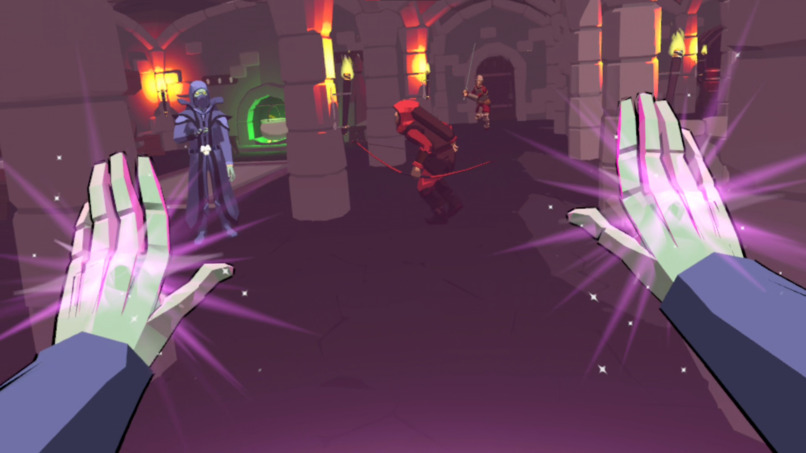
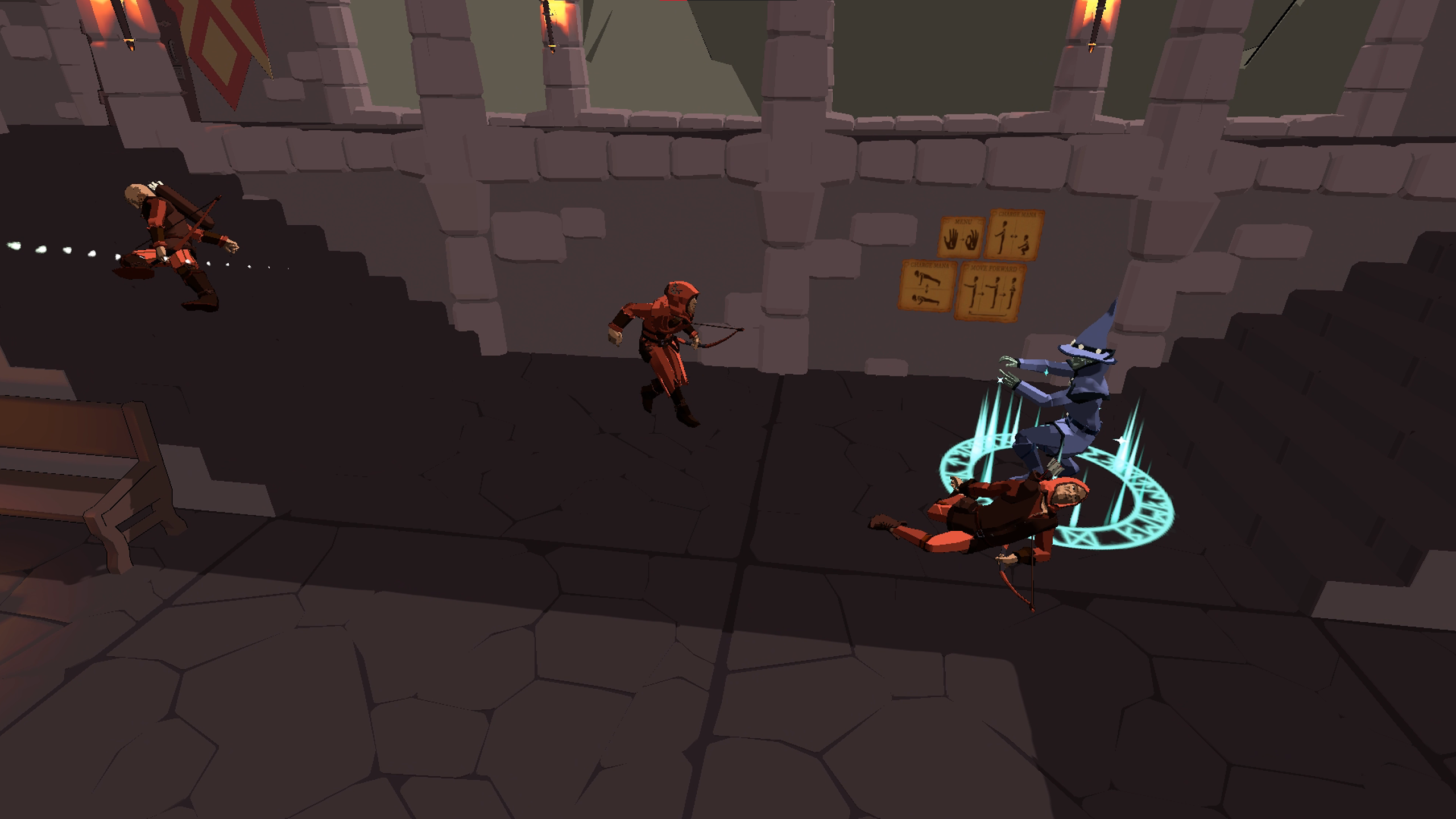
Holding forcefield while Other player fights Archer
-
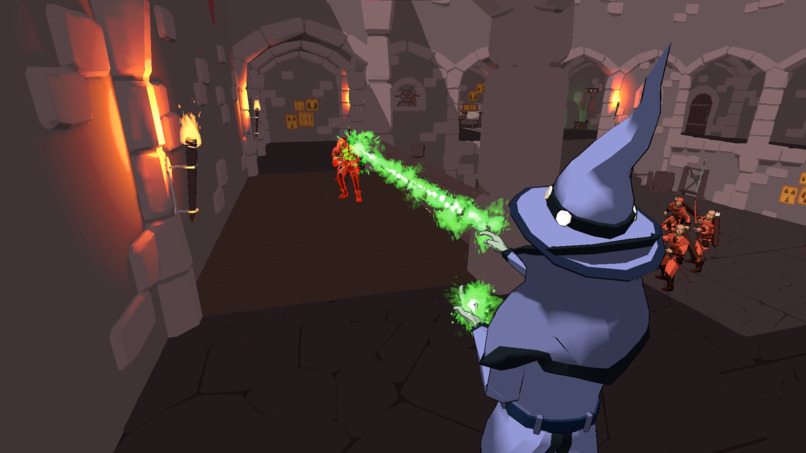
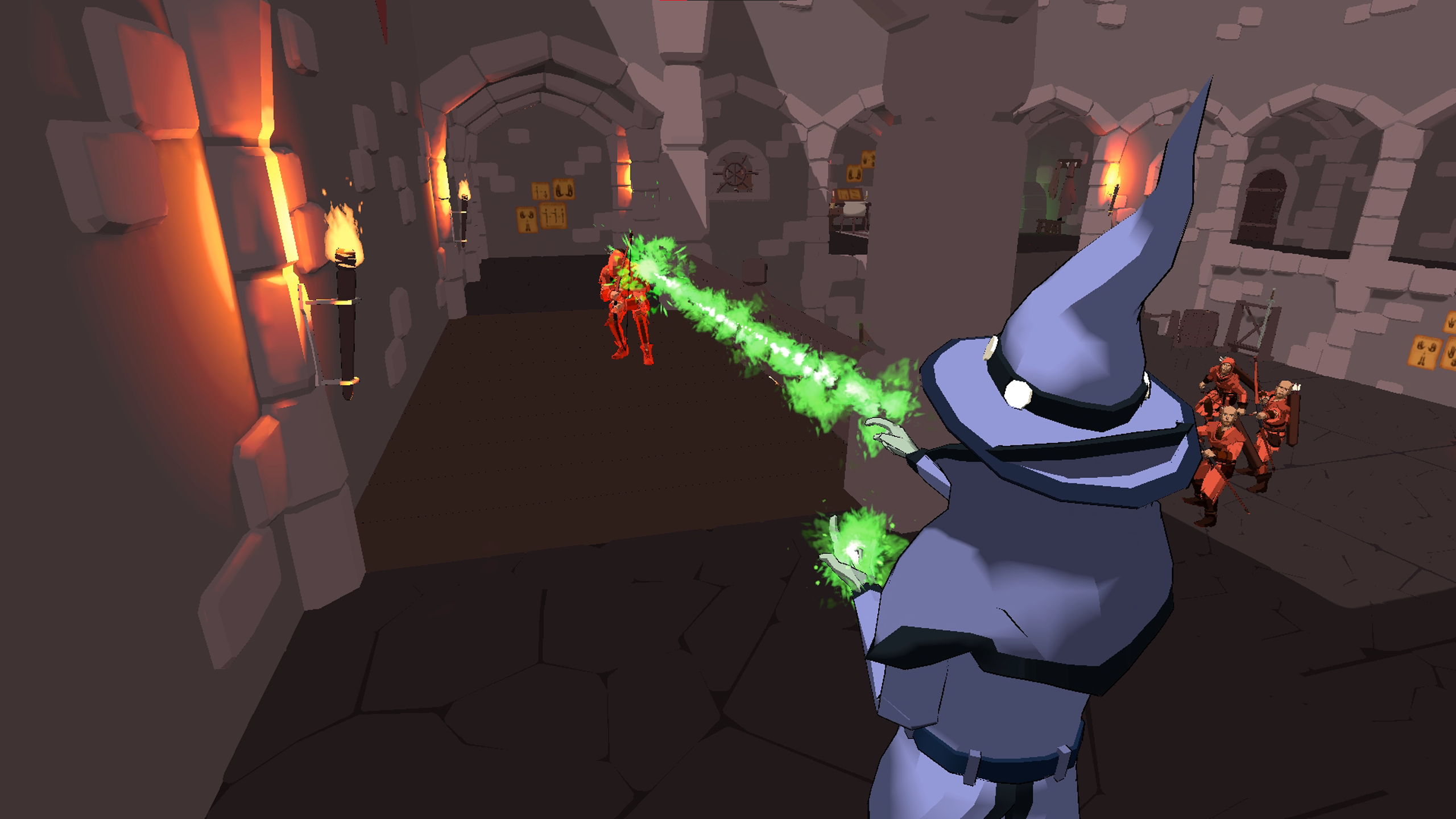
Shooting Fireballs at Archer
-
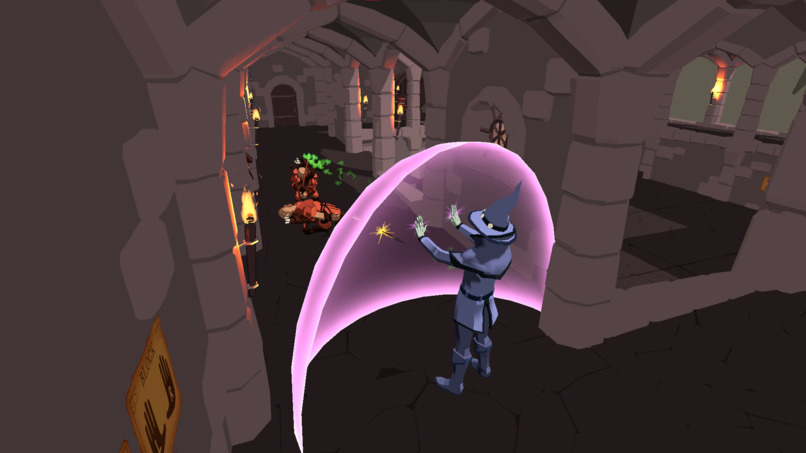
Blocking Archers with Forcefield Spell
-
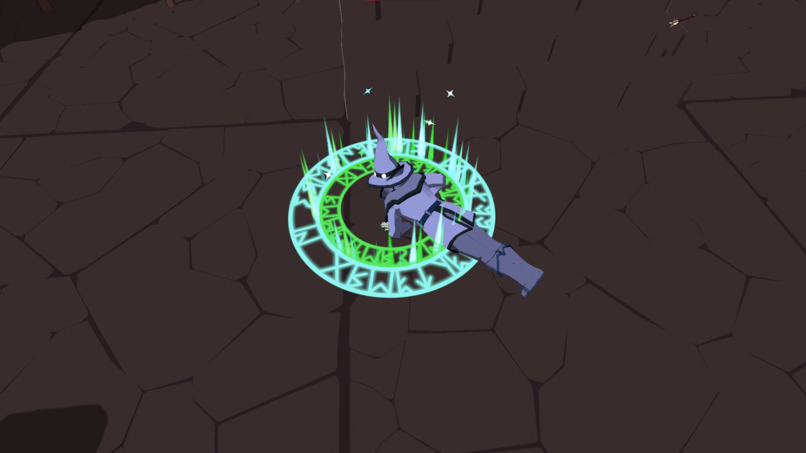
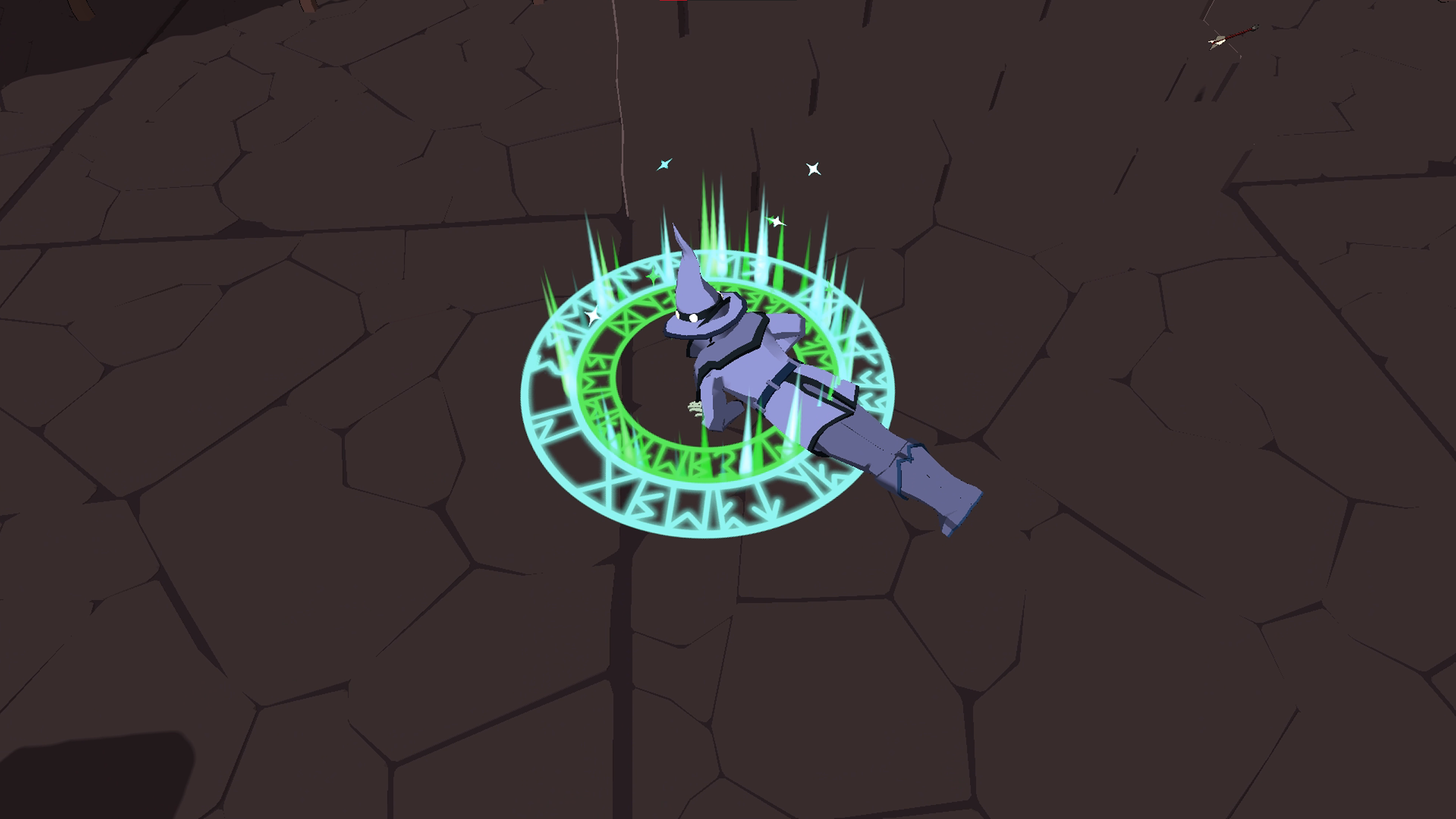
Regenerating Mana & Health with a Pushup
-
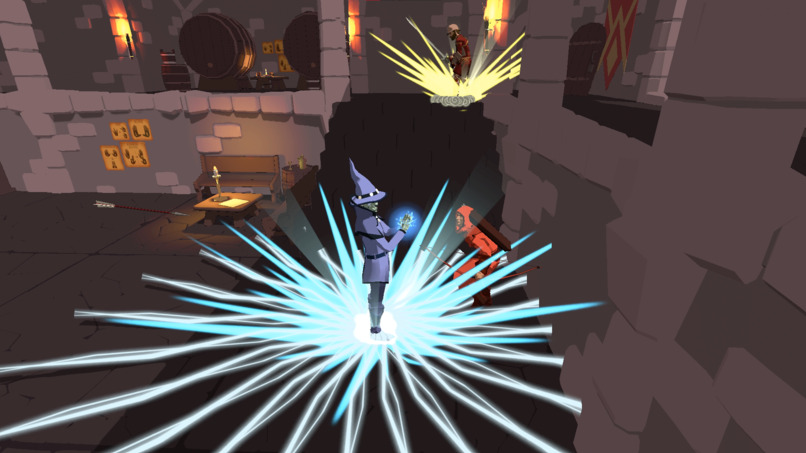
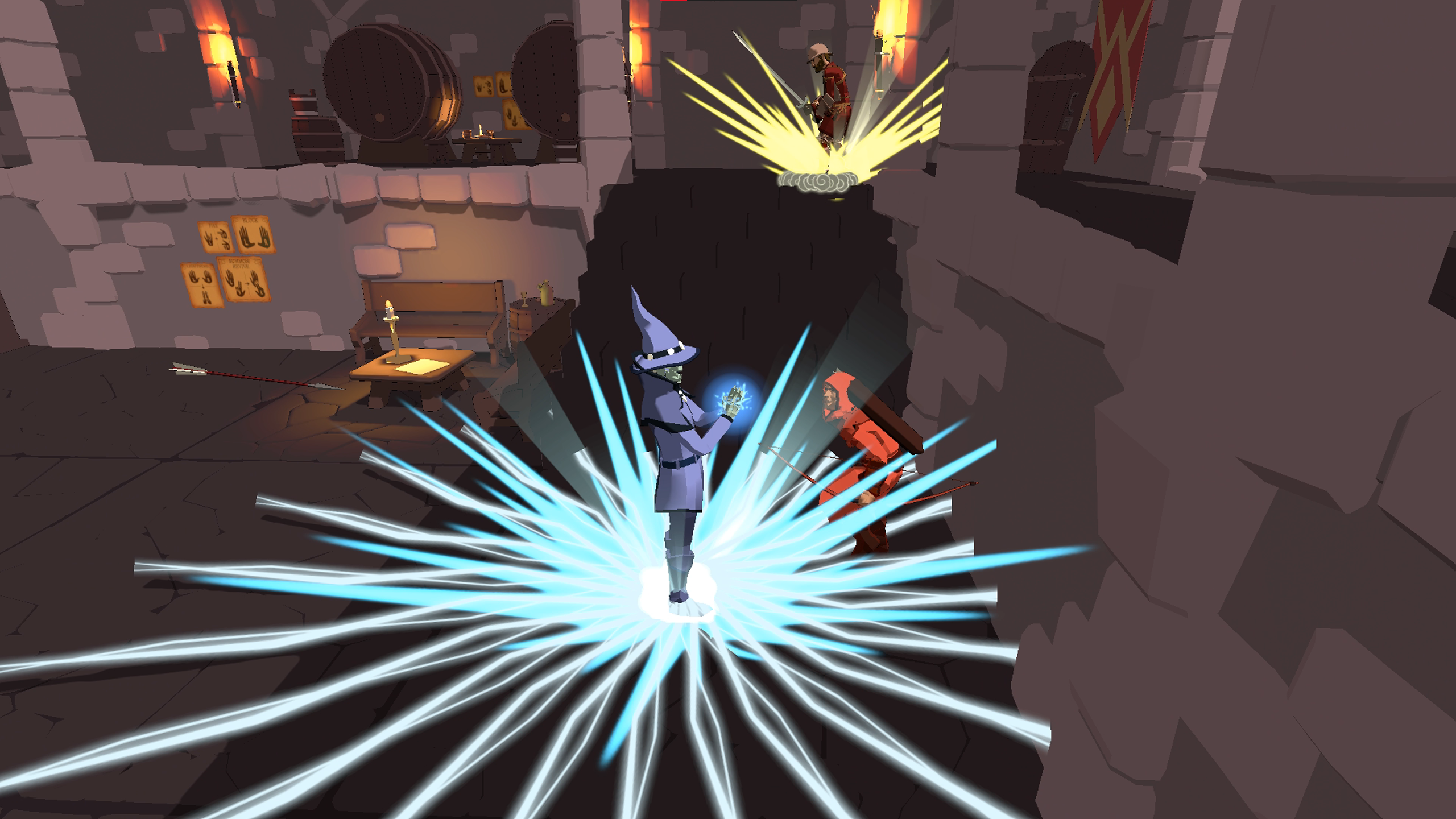
Casting Lightning Explosion
-
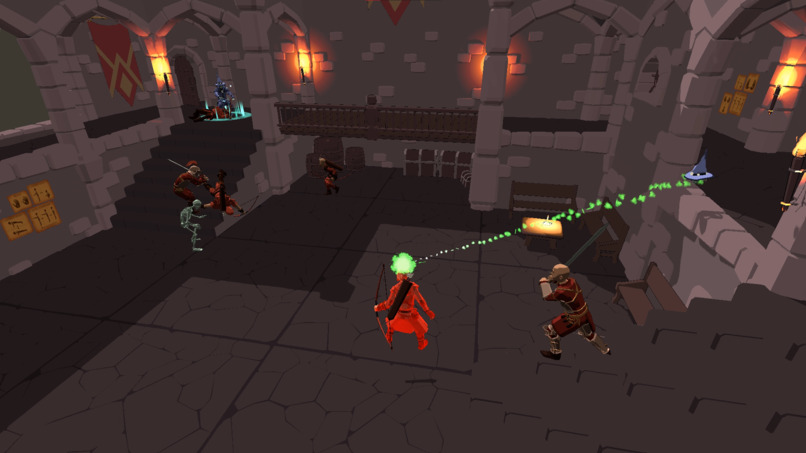
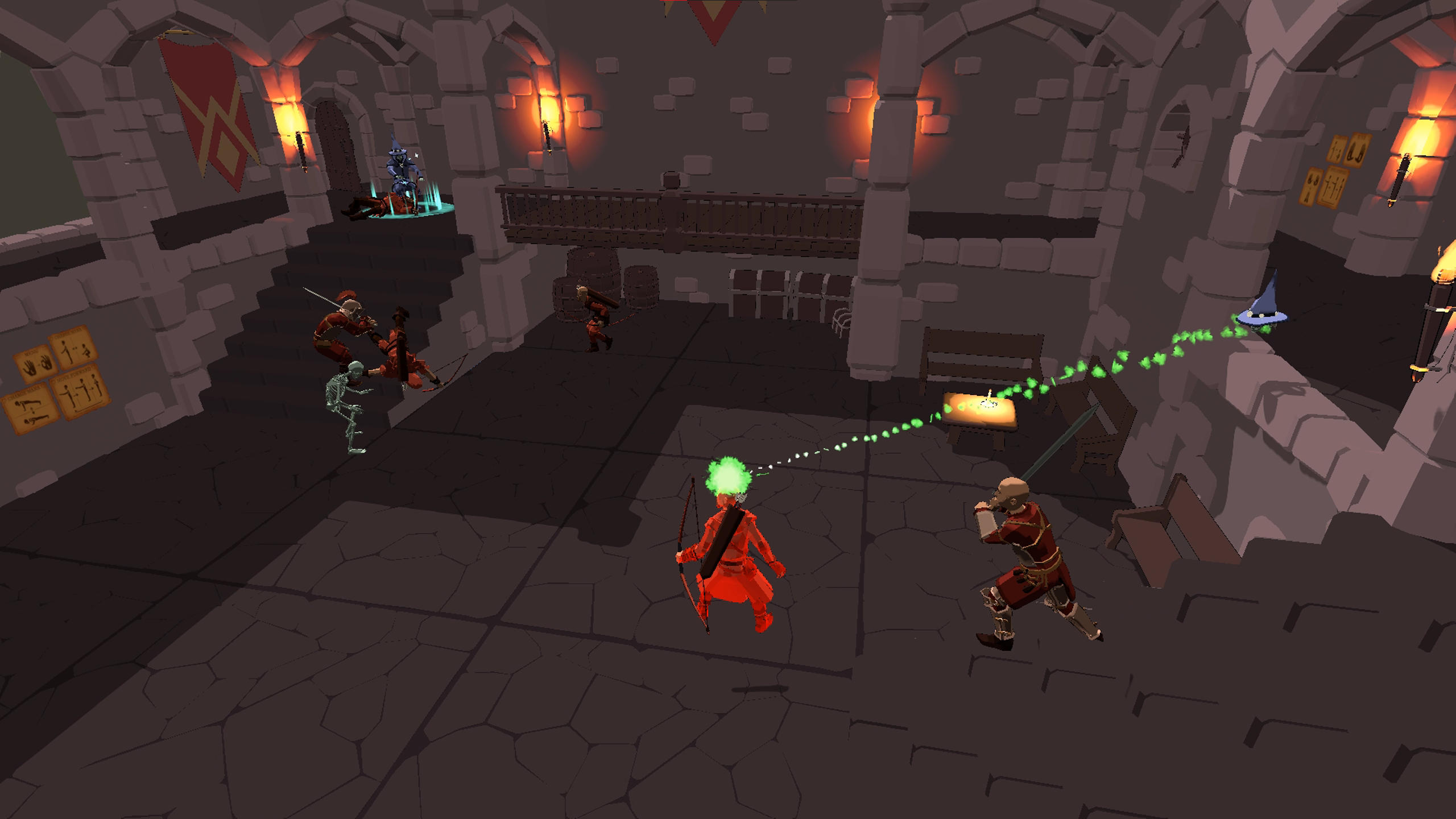
VR & PC Players fighting
-
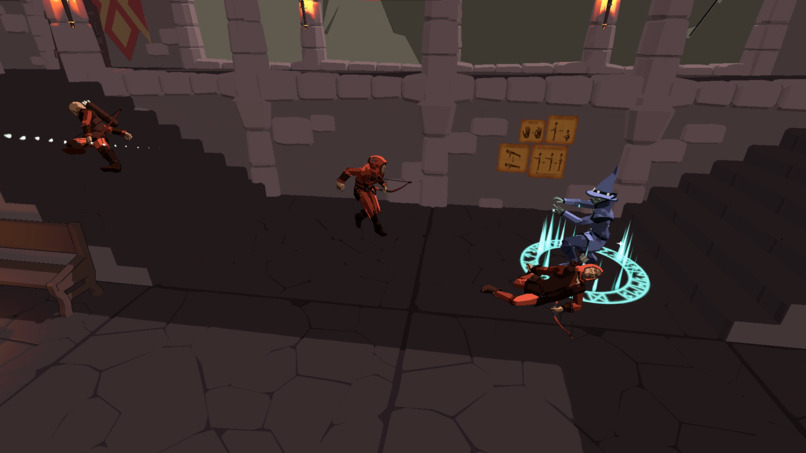
Regenerating Mana with a Squat
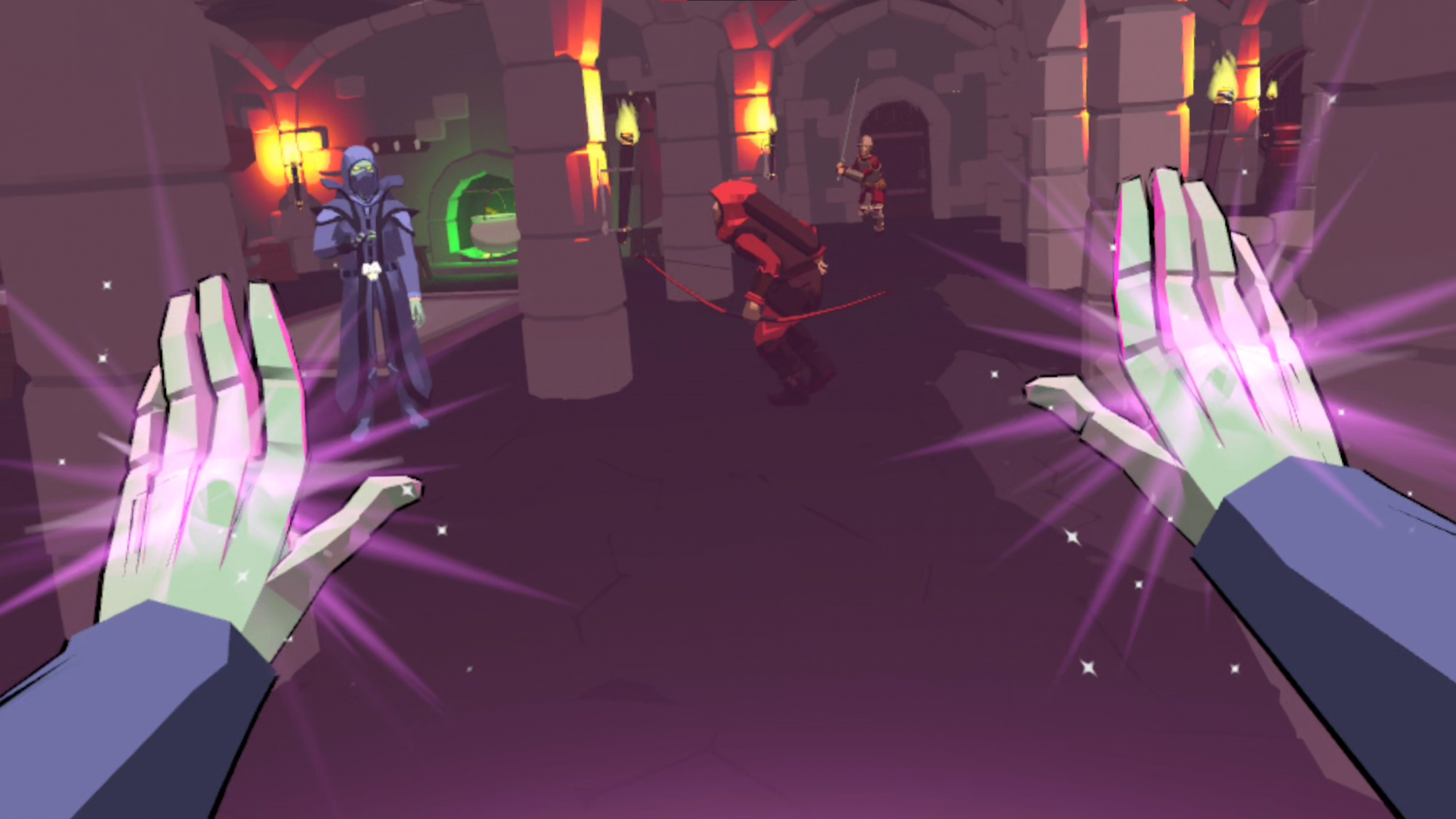

Inspiration
It's no secret that working out is essential for a healthy lifestyle, but from experience, it has always been intimidating to approach. Building muscle doesn't need to be complicated: compound calisthenic exercises are a great starting point for anyone looking to improve their physical health.
There are plenty of VR fitness apps out there, but very few explore fitness beyond cardio. Our goal with Deadlift was to give players another option for supporting their physical health, so we chose to focus on muscle-building exercises. Adding multiplayer was an essential addition for us too; a fitness journey is best walked with others, and peer motivation plays a big role in staying consistent.
What it does
Deadlift is an introduction to calisthenic workouts through the medium of a power-fantasy arena fighter. Players become wizards who cast spells with their bare hands and recharge their mana by doing real squats and push-ups.
Players join each other in a room, customise the arena's settings and start waves of enemies, from sword-wielding warriors to archers who keep their distance. Each player's arsenal includes:
- Fireball: a two-handed cast that charges in one hand and fires from the other's fingertip, aimed where you look.
- Lightning Explosion: a devastating close-range area of effect attack, that depletes your mana but leaves nothing in your surrounding area.
- Forcefield: a protective bubble to shield yourself from incoming attacks.
- Summon: revives fallen teammates and summons skeletons to fight on your side.
- Grapple Locomotion: reach out, grab and yank to fly across the arena.
When your mana runs dry, a quick squat will regen some of it, or do a push-up to get back health & more mana!
Proximity voice chat lets teams call out threats, and the run ends when every fighter is down.
How we built it
Deadlift was built in Unity 6 and C#, using the Meta Interaction SDK for hand interactions and the Meta Movement SDK for full-body tracking and pose recognition. Photon Fusion 2 and Photon Voice power the networking and VoIP.
- Gesture recognition: ISDK hand-shape recognition combined with custom active states, such as arm-extension and joint-distance checks for the grapple.
- Exercise detection: push-up and squat recognition built on Movement SDK body-pose data.
- Enemy AI: a host-authoritative director spawns and scales waves, and each enemy type runs its own state machine.
- Shared bodies: full-body tracking is synced across players, so you can monitor your teammates' form.
- Art and performance: a custom toon shader and a GPU optimisation pass keep the stylised look running smoothly on Quest.
Challenges we ran into
Networking. A big chunk of development went into the multiplayer back-end. Players need to communicate and help each other out, which means syncing spells, enemies, revives and full-body poses without jitter.
Gesture design. It was difficult to come up with hand poses that are easy to remember but hard to trigger by accident. Most of our spells require two hands, which greatly lowers the chance of false positives. For example, the fireball is charged by forming a "rock" hand pose with one hand and fired with a flick of the other hand's finger. The flow feels intuitive and almost never misfires.
Exercise detection. Telling a real push-up apart from someone just crouching, across different body sizes and heights, took a lot of iteration and calibration.
Locomotion. Fully hand-tracked locomotion that feels fast enough for the gameplay was hard to get right. Teleporting felt too instant and underwhelming. We settled on a "grapple hook" that has players reach out, grab and yank. It also supports our design pillar of "high-calorie movements", which keeps players from standing still.
Accomplishments that we're proud of
- A full workout loop where calisthenics is the core mechanic, not a minigame.
- Fully controller-free play, including fast locomotion.
- Two-handed gestures with near-zero false positives.
- Working co-op with voice chat, revives and synced bodies.
- Making our playtesters hate us for the straining workouts.
What we learned
VR fitness has a lot of untapped potential beyond cardio, and our testers were excited to see a game built around strength training. We also learned that great hand-tracking design is about intent: avoiding accidental casts matters as much as recognising deliberate ones.
What's next for Deadlift
Deadlift is planned to launch in spring 2027 on the Meta Horizon Store. To strengthen its fitness and social side, we'll add leaderboards and an in-game performance tracker for your reps and progress. A progression system and currency will reward players with cosmetic items to customise their wizard, which keeps them coming back.


