Inspiration
The spark for DE-CONTRACTOR ignited from a critical issue we observed within government agencies: instances where officials tampered with government bills or forged them to further their own interests. This unsettling problem highlighted the urgent need for a solution that could bring transparency, accountability, and security to government contract management. The inspiration for DE-CONTRACTOR, therefore, was born out of a desire to address these challenges head-on.
What it does
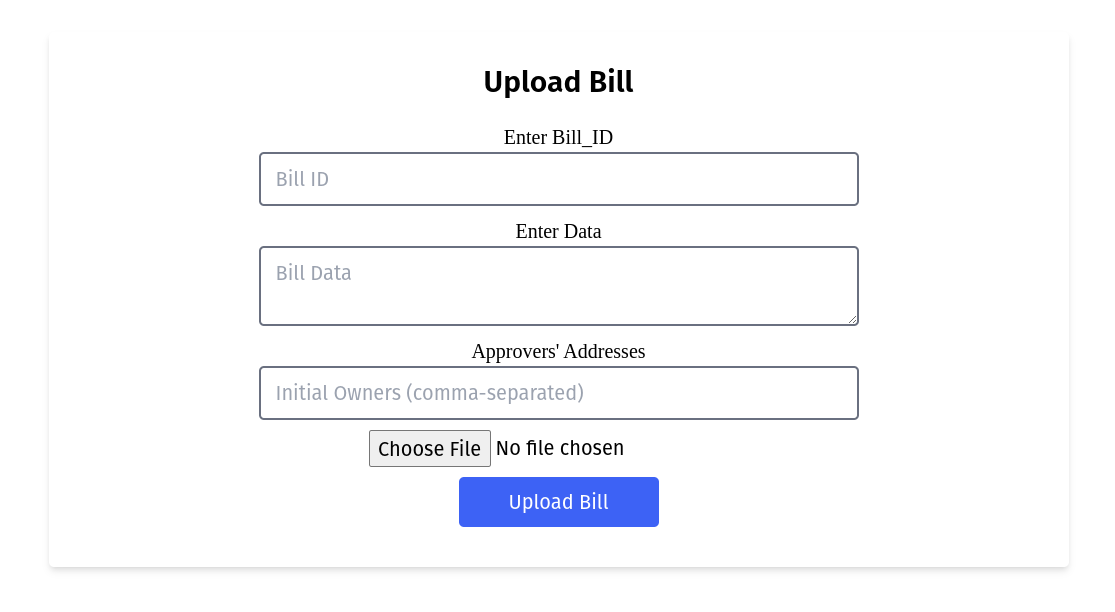
Uploading Government Bills: DE-CONTRACTOR allows government agencies to securely upload their bills onto a blockchain ledger. This process ensures that the bill data is tamper-proof and immutable, eliminating the possibility of unauthorized alterations.
Authorization and Signatures: Bills within the system are associated with designated authorized personnel. When a bill requires approval, the authorized person signs the transaction on the blockchain. This cryptographic signature guarantees the legitimacy of the approval process.
Bill Data Tracking: Once uploaded, DE-CONTRACTOR provides an intuitive interface to track and monitor the BILL DATA associated with each bill. This enables quick and easy access to all relevant information, promoting transparency and accountability.
Approval Process: When a bill necessitates approval, it is done based on the unique Bill ID and the associated authorized person. This ensures that only the designated authority can approve or disapprove bills, mitigating the risk of unauthorized approvals.
Approval Status Verification: DE-CONTRACTOR offers a real-time status update feature, allowing users to check whether a bill has been approved or not. This transparency enhances confidence in the government's financial transactions.
How we built it
Smart Contract Development: The heart of DE-CONTRACTOR lies in its smart contract, built using the Solidity programming language. This smart contract defines the rules and logic governing how government bills are managed on the Ethereum blockchain.
Deployment on Ethereum: Once the smart contract was complete, we deployed it onto the Ethereum blockchain. This step ensured the decentralization and security of the contract, making it resistant to tampering or unauthorized alterations.
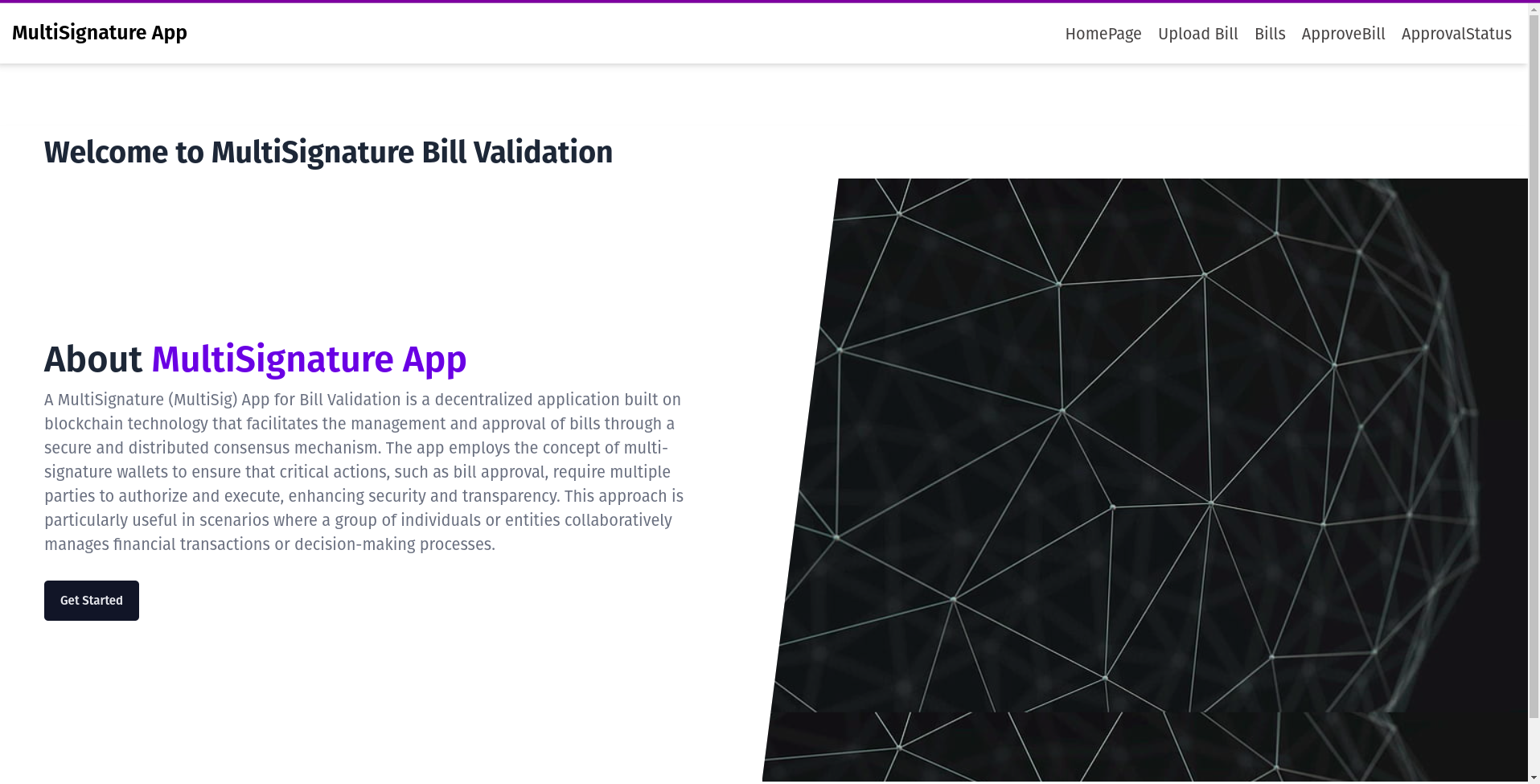
Frontend Development: To interact with the smart contract on the blockchain, we created a user-friendly frontend using modern web development technologies. We focused on creating an intuitive and professional user interface to enhance the user experience.
ABI Integration: We fetched the ABI (Application Binary Interface) of the smart contract into the frontend. This allowed the frontend to communicate seamlessly with the smart contract on the Ethereum blockchain, enabling actions such as bill submission, authorization, and approval.
Component-Based UI: Our frontend development involved the creation of multiple components, each designed to perform specific functions within the application. This component-based approach not only ensured modularity but also contributed to a polished and professional user interface.
Challenges we ran into
Building DE-CONTRACTOR presented several challenges, including integrating complex legal frameworks, ensuring data security, and optimizing system performance. Developing a user-friendly interface that accommodates both tech-savvy and non-technical users was also a significant challenge. Also we faced lot of issue in creating the video for presentation as we were in time constraints and we where not sure of delivering it timely.
Accomplishments that we're proud of
Rapid Deployment: Against all odds, we successfully deployed a fully functional model within a grueling 24-hour timeframe. This feat involved intense coding, sleepless nights, and persistent problem-solving. Despite encountering errors along the way, our team's dedication prevailed, and we delivered on our commitment to bring DE-CONTRACTOR to life. Innovative MEMEY Pitching: In our quest to stand out and capture attention, we didn't just settle for a traditional pitch. Instead, we went beyond the ordinary and created a MEMEY PITCHING strategy. This unconventional approach allowed us to break free from the constraints of standard presentations, captivating our audience's imagination and leaving a lasting impression.
What we learned
Understanding Multisignature Wallets: We learned how multisignature wallets work, making transactions safer by needing multiple approvals. This will help us in future projects.
Creative Presentations: Our MEMEY PITCHING technique showed us the power of creative presentations, making our ideas stand out and engage our audience.
Blockchain's Strong Security: DE-CONTRACTOR confirmed that blockchain is super secure, keeping data safe from changes. This will influence our future work with blockchain.
Teamwork and Flexibility: We realized that working well together and being adaptable in fast projects are crucial. Good communication and being able to change with user needs are key.
Always Learning: DE-CONTRACTOR reminded us to keep learning. Technology changes fast, so staying updated is vital for making modern solutions


Log in or sign up for Devpost to join the conversation.