-
-
Loading page
-
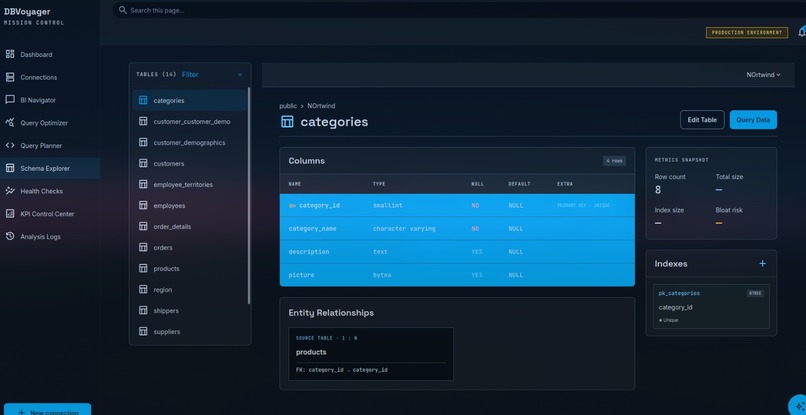
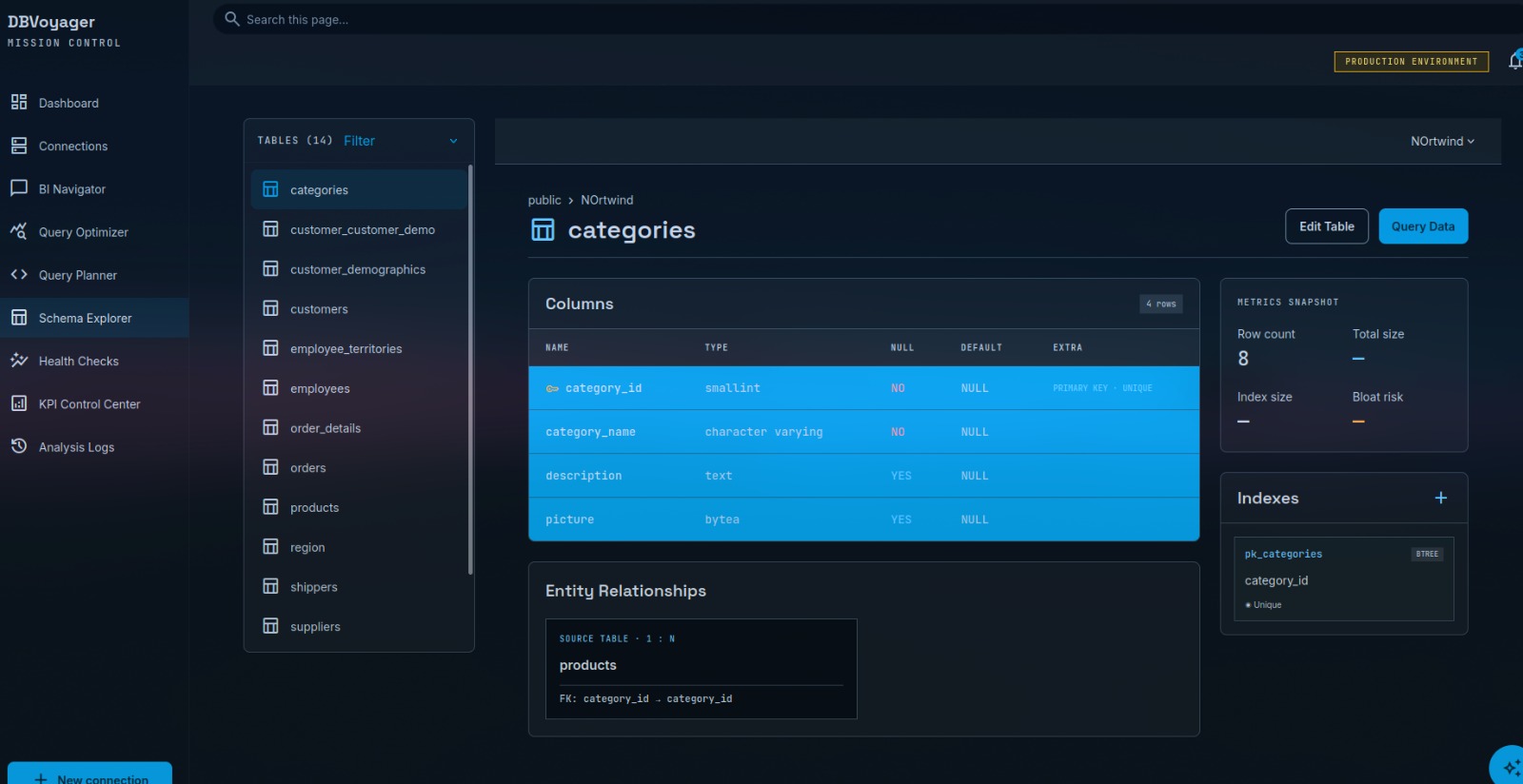
Schema visualizer
-
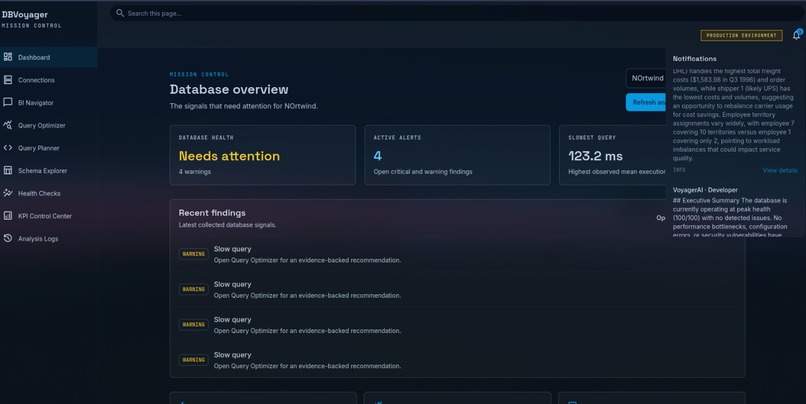
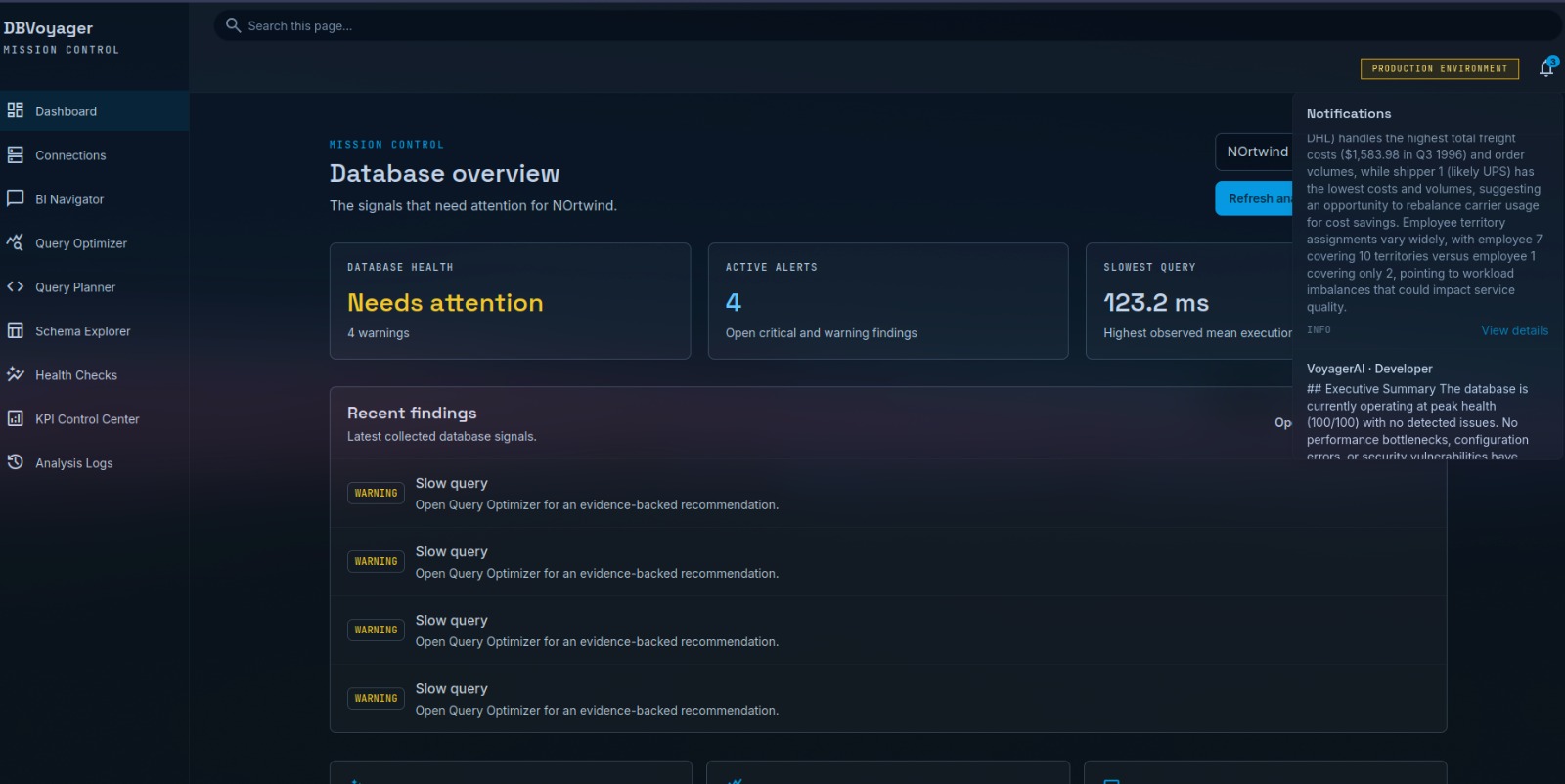
dashbaord
-
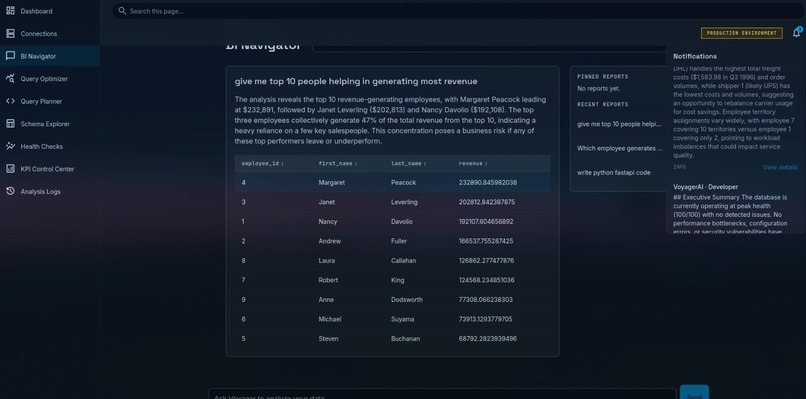
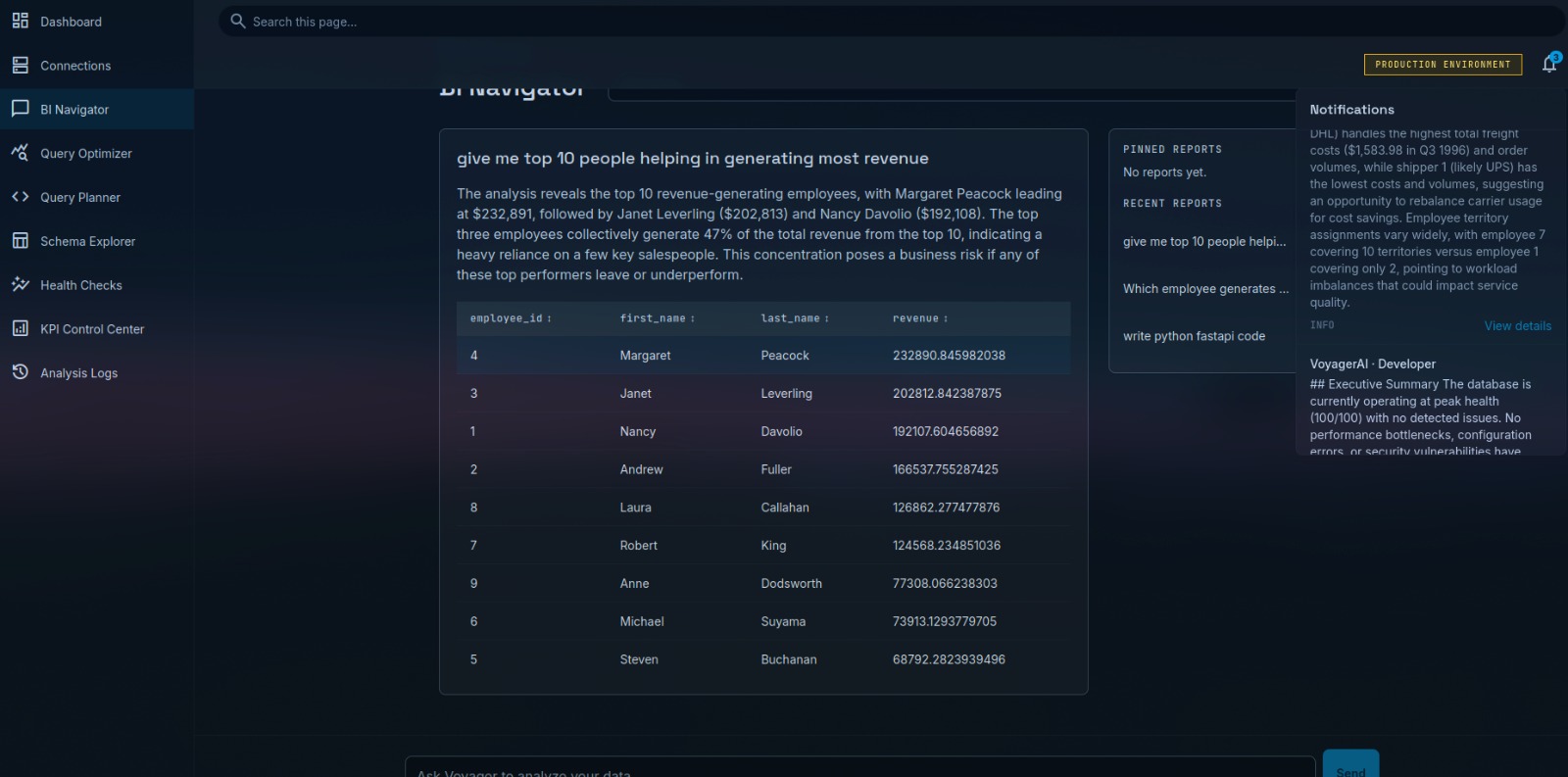
Business intelligence chat
-
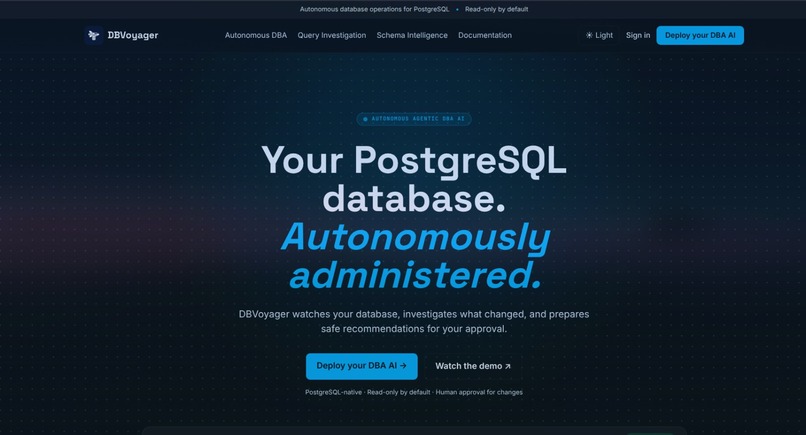
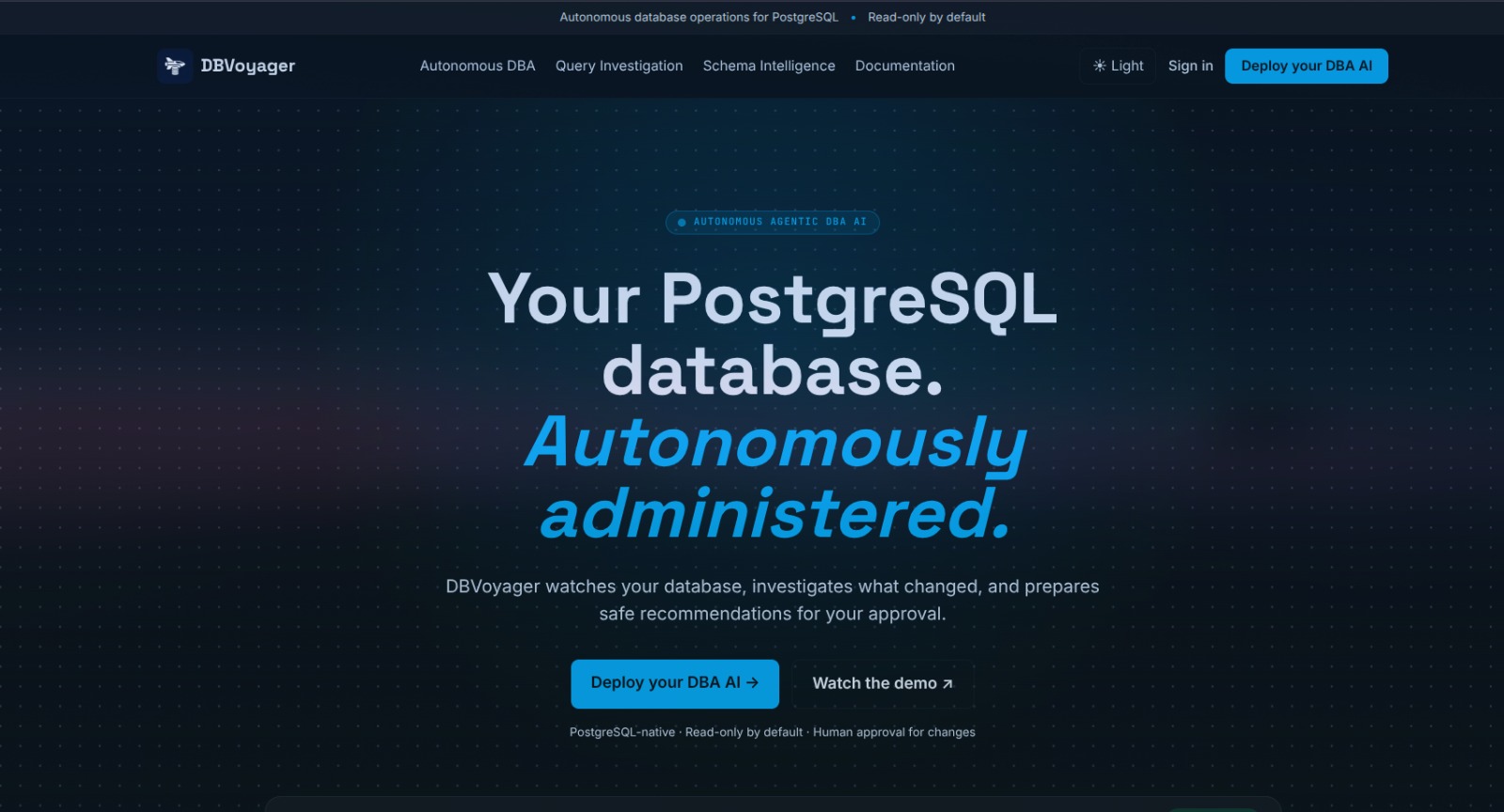
Landing page
-
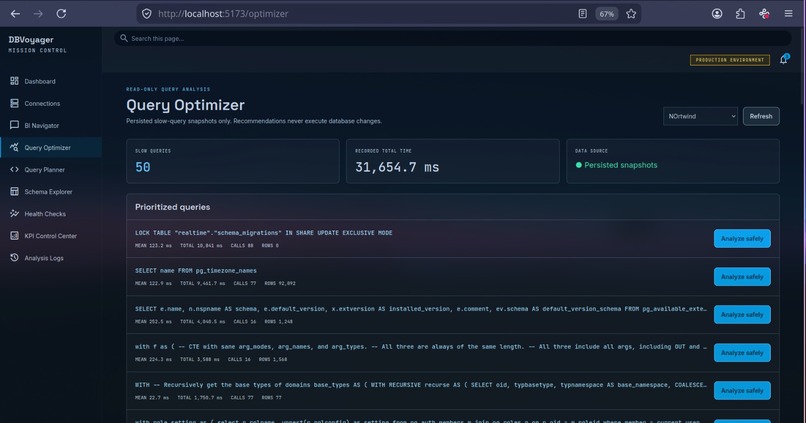
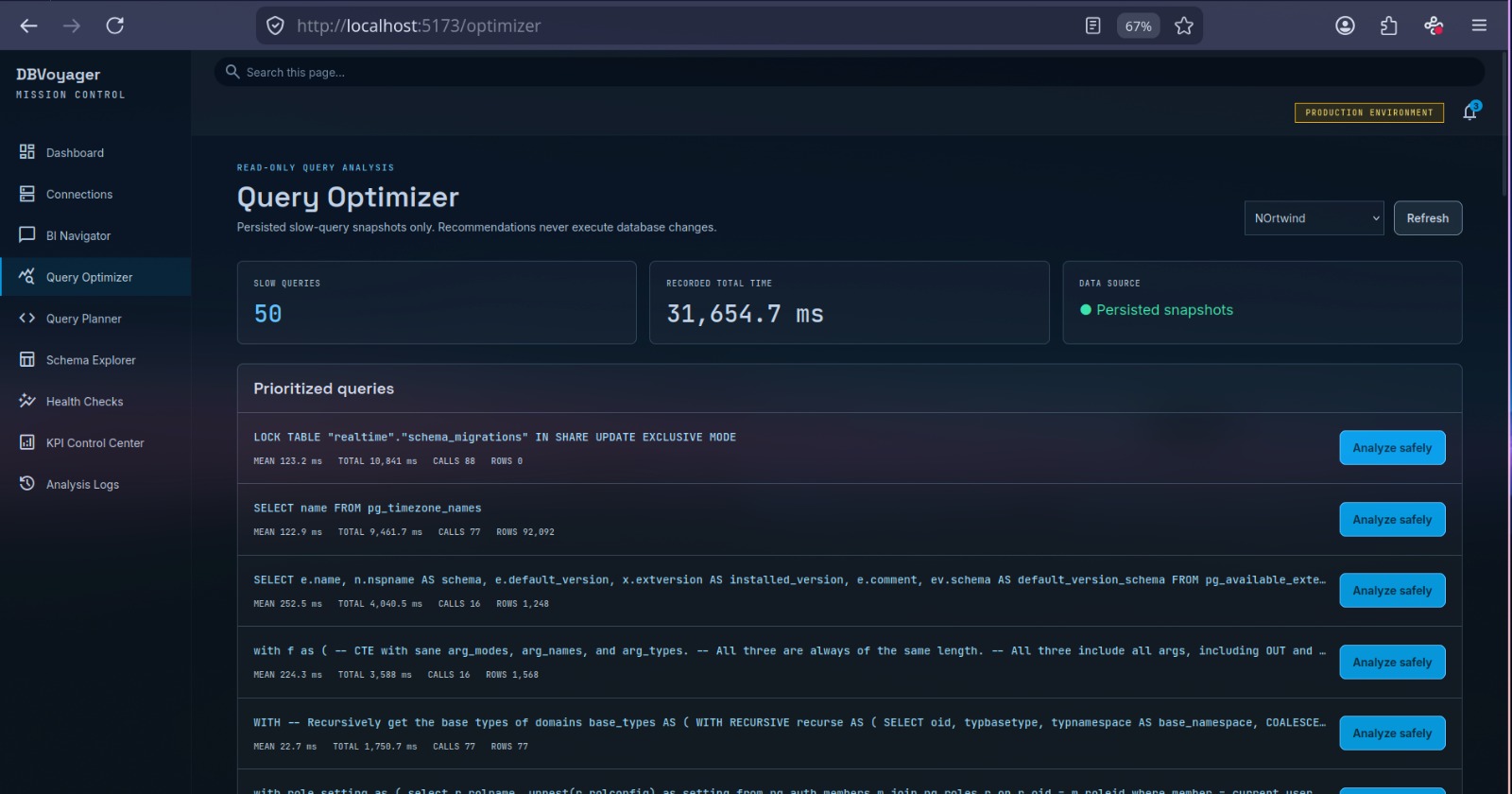
query optimizer
Inspiration
We kept seeing the same problem on every team the engineering lead drowning in query plans while the manager just wants to know why sales dropped. They're both staring at the same database through completely different windows. And every "AI database tool" we found just generated SQL and called it a day. No real workflow, no follow through, no intelligence behind it. We wanted to build something that actually manages the database, not just talks to it.
What It Does
DBVoyager is an AI agent that runs your entire database workflow. It generates and optimizes queries, detects bottlenecks, monitors continuously, and surfaces insights without you having to ask. There's a business chatbot for managers who don't know SQL and a full developer section for engineers who need execution plans and index diagnostics. One platform, both audiences.
How We Built It
We used Codex for building out the infrastructure and writing the backend code, GPT-5 for architecture planning and the business-facing features, and DeepSeek for the higher-volume tasks inside the agentic loop where cost mattered. The real work was the workflow connecting them monitor, detect, reason, act, report rather than any single model call.
Challenges We Ran Into
Time was brutal. We had to cut features we actually liked. Memory management inside long agentic sessions was harder than expected models don't just "remember" state, you have to architect that explicitly. We also hit the classic problem of components built separately that didn't fit together cleanly once we tried to compose them. And multimodel latency is real; making it feel fast took more work than expected.
Accomplishments We're Proud Of
Getting the query planner working end-to-end was the big one it doesn't just generate SQL, it reads execution plans and recommends fixes. The business chatbot actually mapping natural language to correct SQL across different schemas was harder than it looks. And honestly, shipping the whole thing on time counts.
What We Learned
Codex as a proper workflow tool not just a snippet generator genuinely changed how fast we could move. We also learned the hard way how to split work across models based on what each one is actually good at. And the usual: real problems are messier than demo problems, and team coordination matters as much as the code.
What's Next for DBVoyager
- Multi-agent setup with specialized sub-agents running in parallel
- Incident memory so it learns from past problems, not just the current session
- Predictive failure detection instead of reactive alerts
- Autonomous tuning with guardrails it proposes changes, humans approve
- Cross-database analytics
- Support for more databases beyond what we have now

Log in or sign up for Devpost to join the conversation.