Inspiration
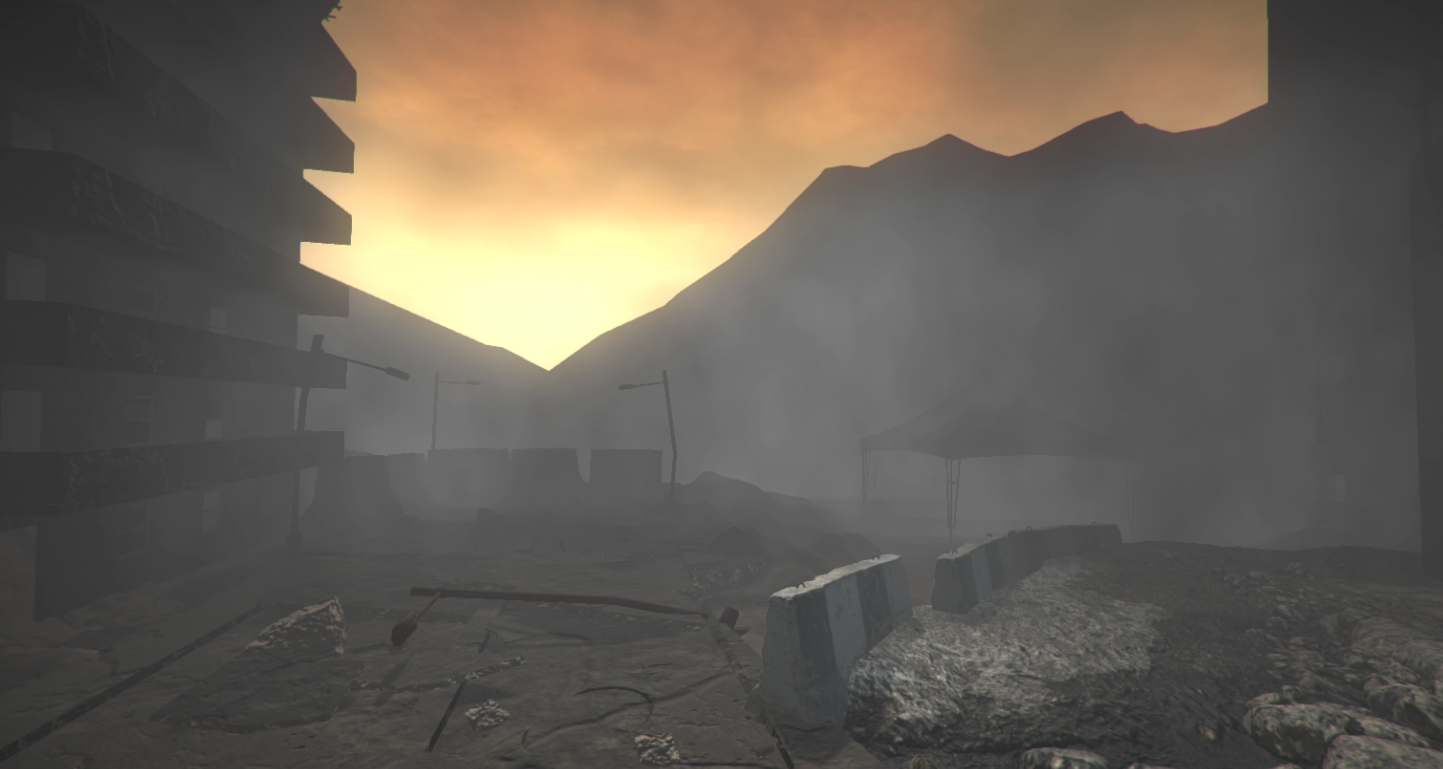
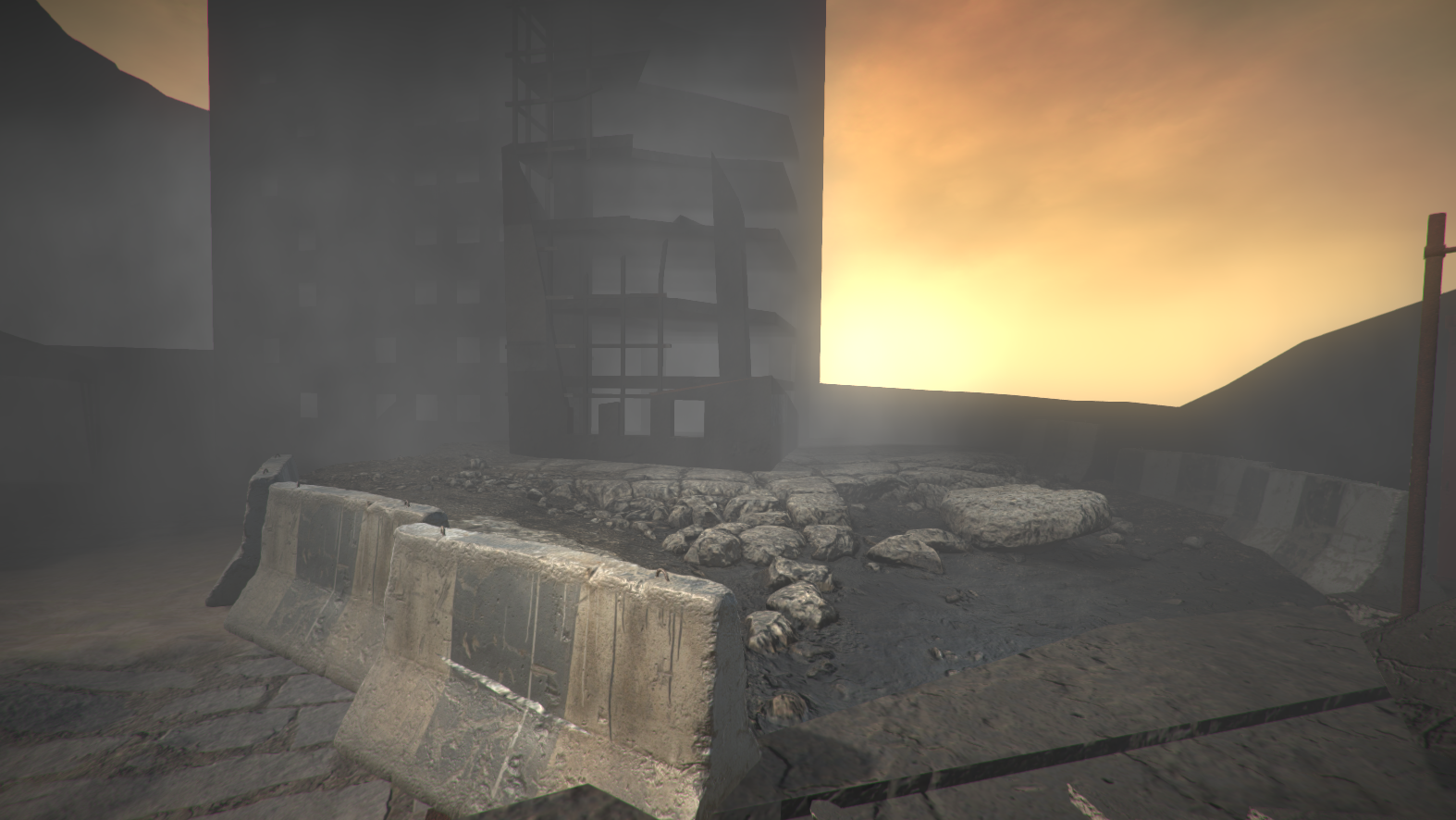
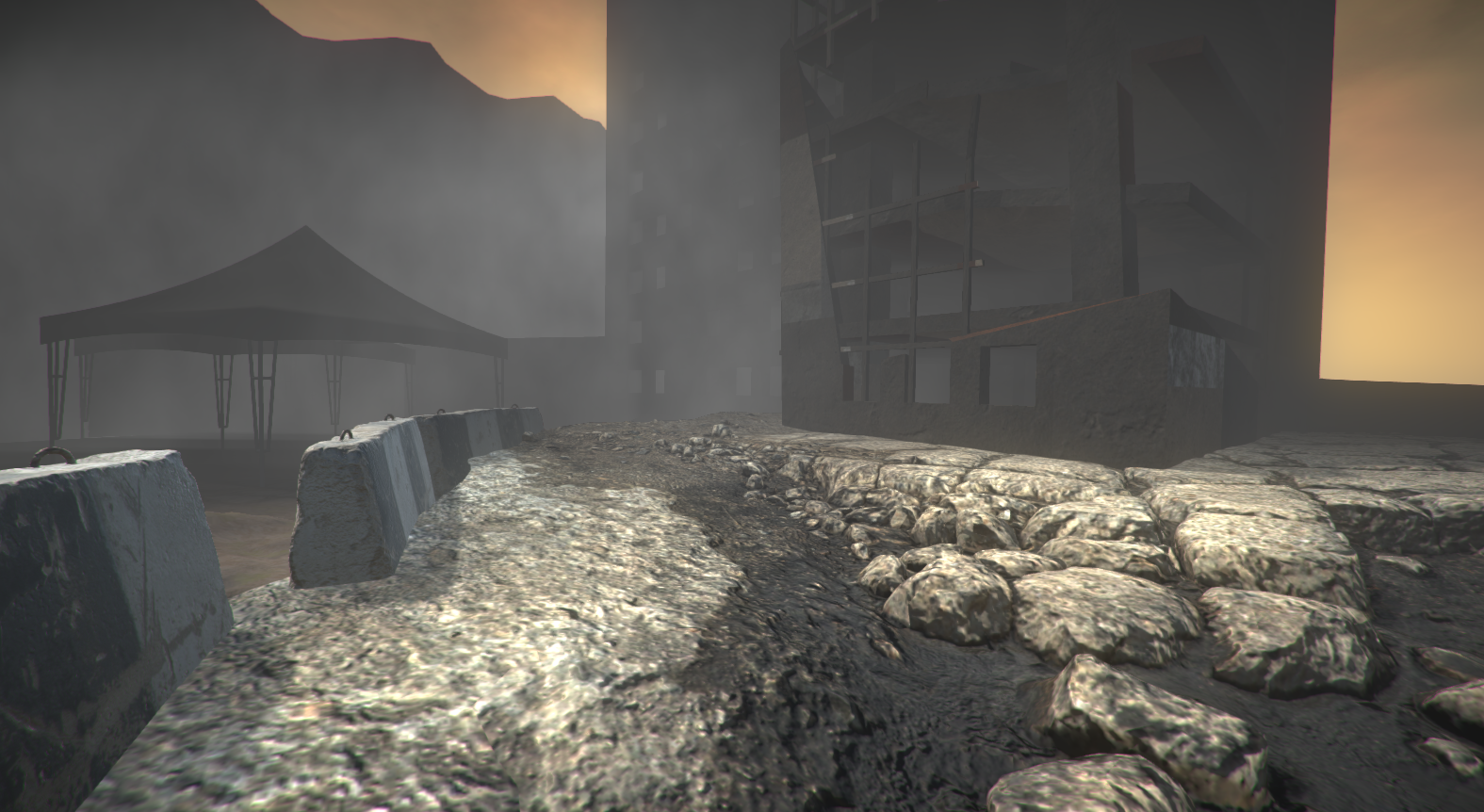
In the game, you are a search and rescue worker operating in a devastated earthquake zone with a realistic VR experience. Save people, help, and empathize while interacting and communicating with survivors trapped under the rubble. All the while, you’ll be learning the correct search and rescue techniques!
What it does
We developed this game in just 3 days using VR technology in Unity. Our primary goal was to offer an earthquake experience that cannot be realistically provided under normal circumstances. While theoretical knowledge about earthquake safety is commonly taught, practical knowledge is often lacking due to the unpredictable and instantaneous nature of such events. Dawn aims to bridge this gap by enhancing empathy, fostering cooperation, and improving search and rescue efforts through an immersive and realistic VR experience.
How we built it
We developed this game in just 3 days using VR technology in Unity. Our primary goal was to offer an earthquake experience that cannot be realistically provided under normal circumstances. While theoretical knowledge about earthquake safety is commonly taught, practical knowledge is often lacking due to the unpredictable and instantaneous nature of such events. Dawn aims to bridge this gap by enhancing empathy, fostering cooperation, and improving search and rescue efforts through an immersive and realistic VR experience.
Challenges we ran into
One of the primary challenges we faced was the time constraint, as the game was developed within just 3 days. Balancing both the technical complexity of VR and the emotional weight of the earthquake scenario was another key difficulty. Achieving a realistic yet functional environment in such a short time required significant optimization, especially when simulating dynamic elements like collapsing buildings and human interactions. Additionally, ensuring that the gameplay was both educational and engaging, without overwhelming players, was a fine line we had to walk.
Accomplishments that we're proud of
One of the primary challenges we faced was the time constraint, as the game was developed within just 3 days. Balancing both the technical complexity of VR and the emotional weight of the earthquake scenario was another key difficulty. this game was our first experience in vr as indie game developers.
What we learned
we usually develop and publish games. we live in vr. this experience provided us with a lot of technical experience and knowledge as well as a beautiful product.
What's next for "Dawn: After the Quake"
We aim to further develop this project into a multiplayer educational platform, raising public awareness about various disasters. In addition to earthquakes, the platform will also focus on other natural disasters such as wildfires and hurricanes. By expanding AI integration, we plan to provide a more advanced and effective educational experience.


Log in or sign up for Devpost to join the conversation.