Inspiration
Wildfires are devastating communities across the globe, but preventative measures like prescribed burning and fuel reduction are notoriously hard to track, verify, and incentivize. We wanted to bridge the gap between ground-level field work, satellite validation, and insurance companies to financially reward communities that proactively manage their wildfire risk.
What it does
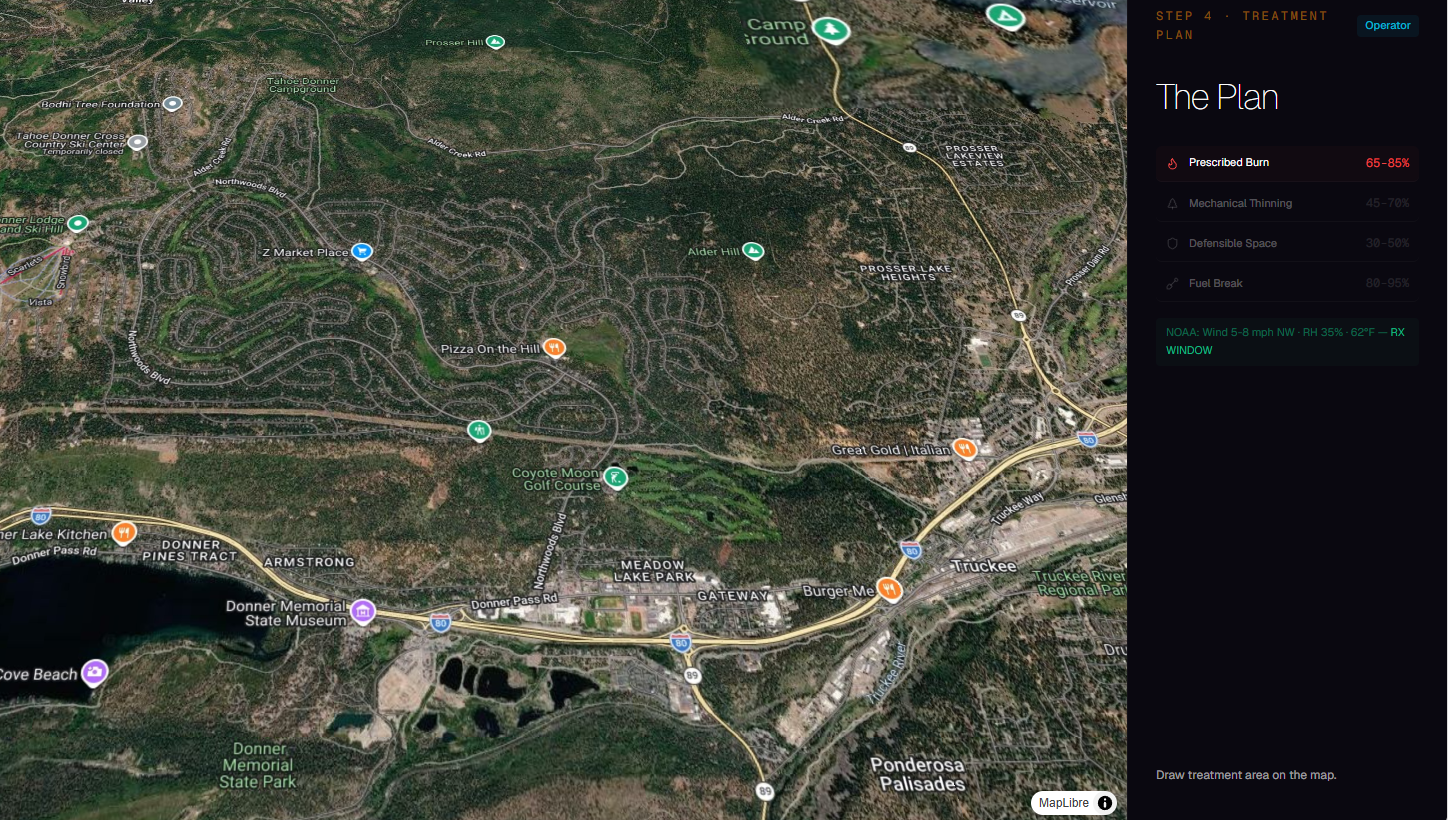
Davagni is a blockchain-powered wildfire resilience platform. It digitizes and cryptographically verifies prescribed burning and fuel reduction efforts using a decentralized workflow:
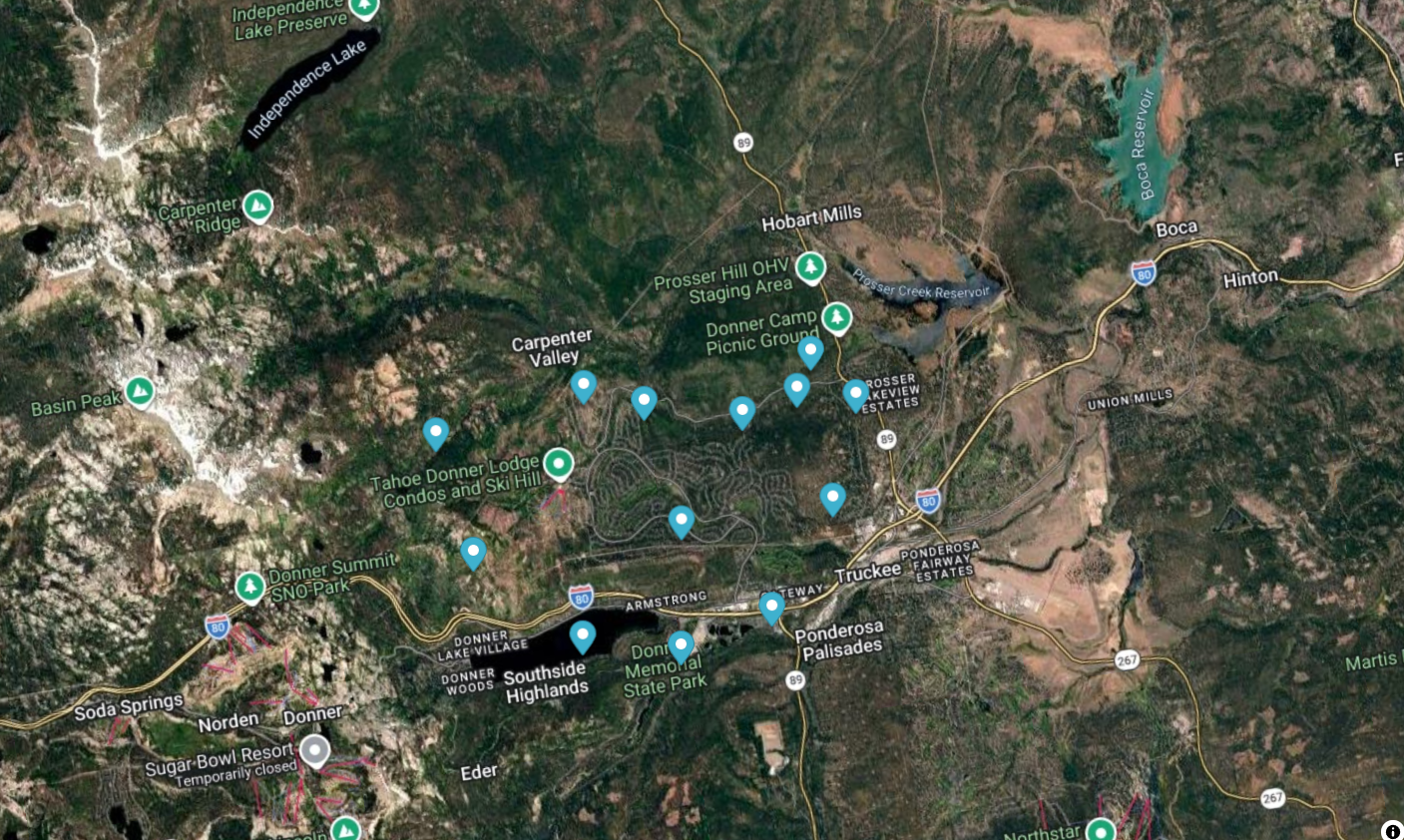
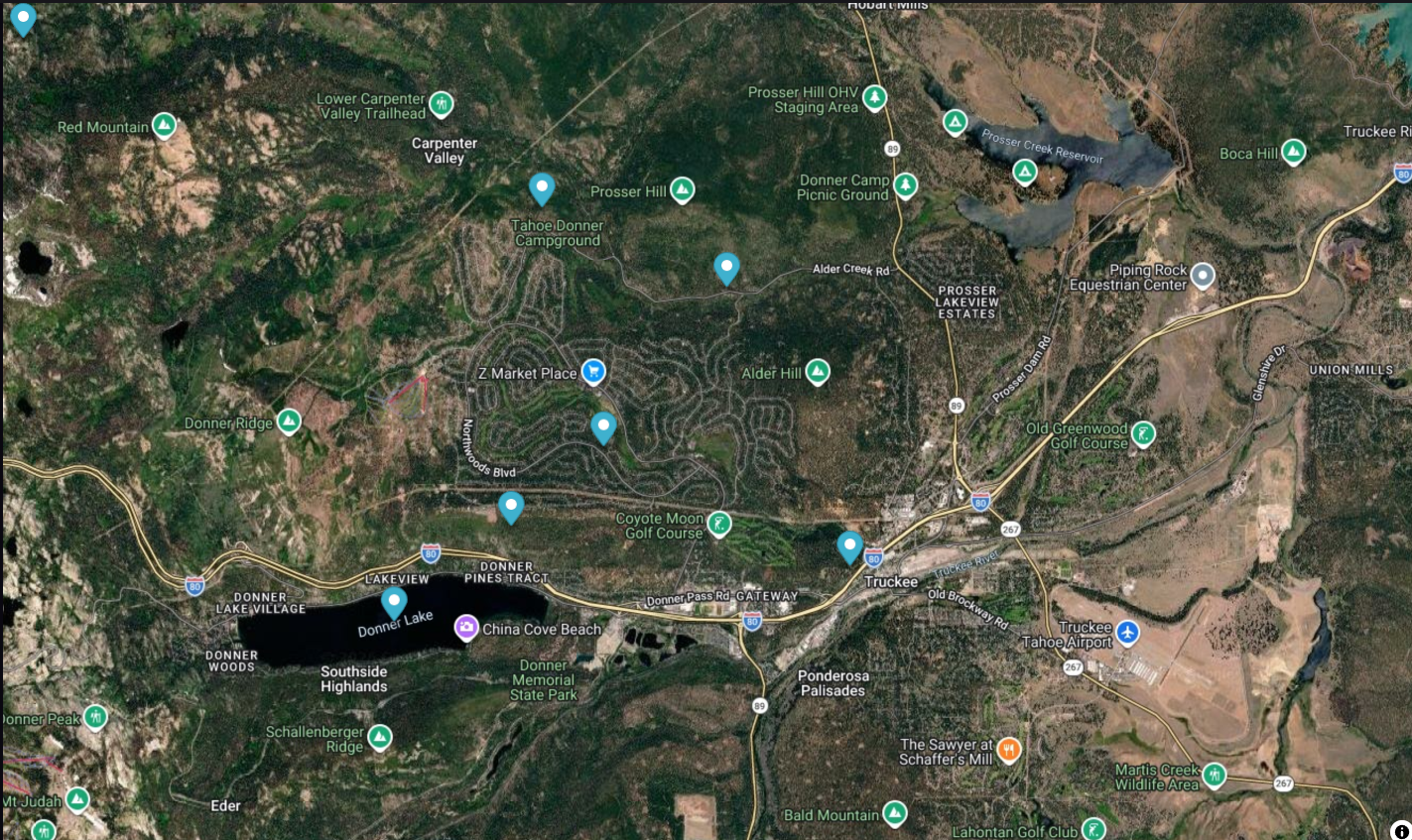
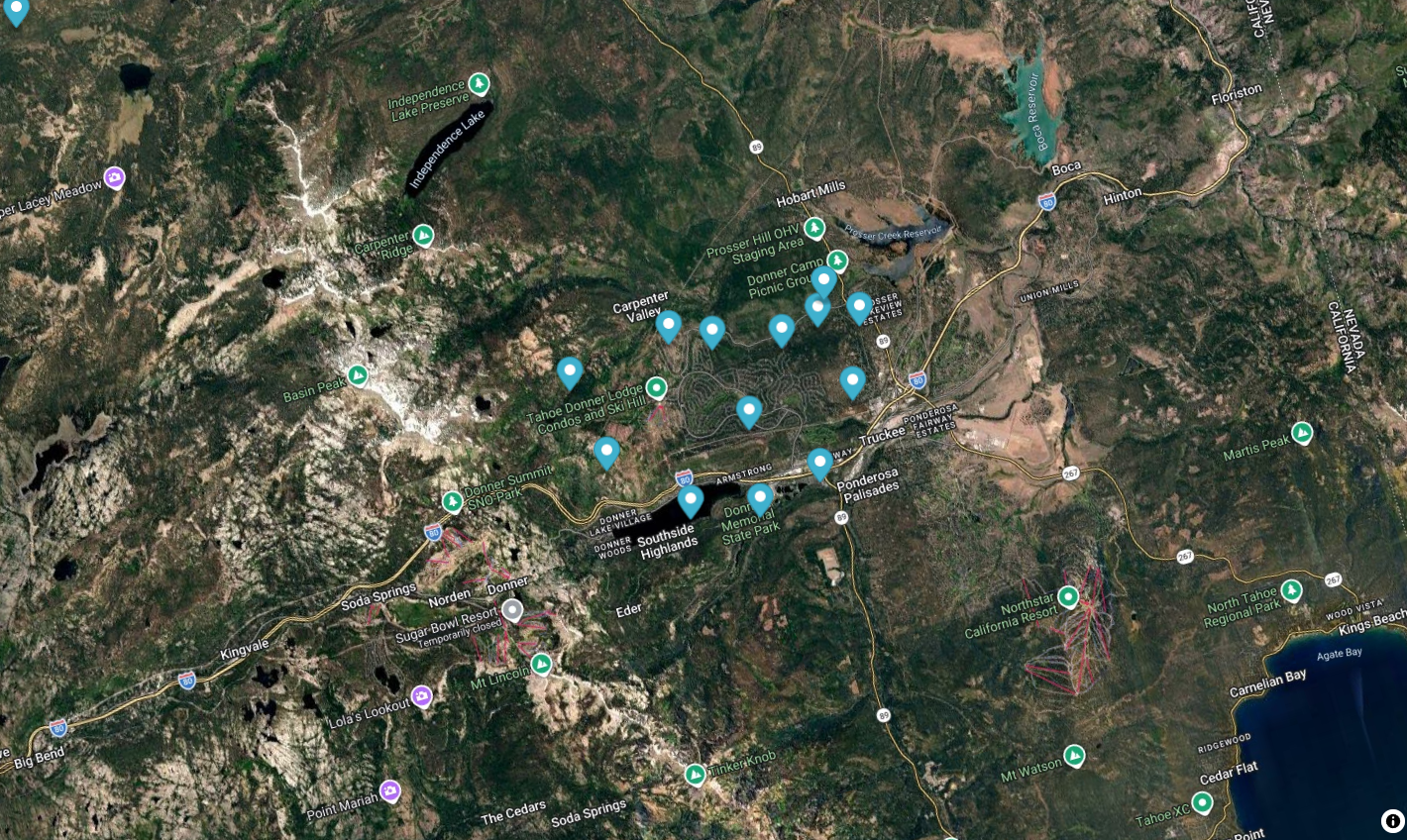
- Registration: Land managers register sites on the Hedera Guardian.
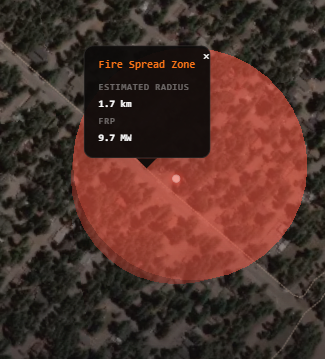
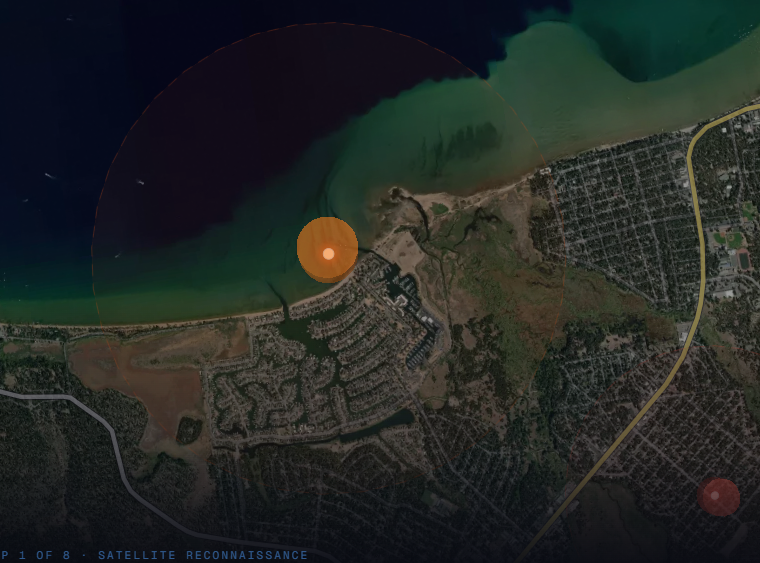
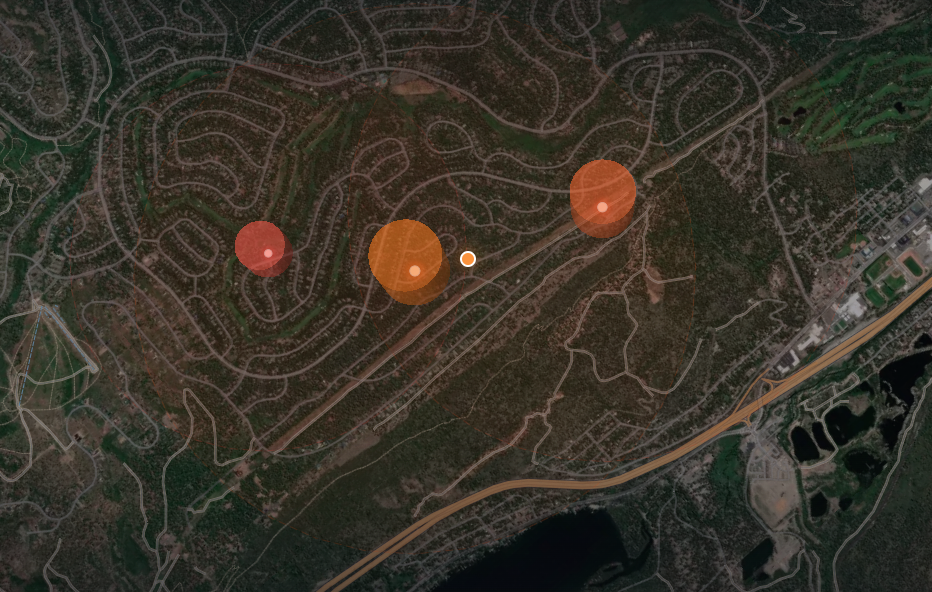
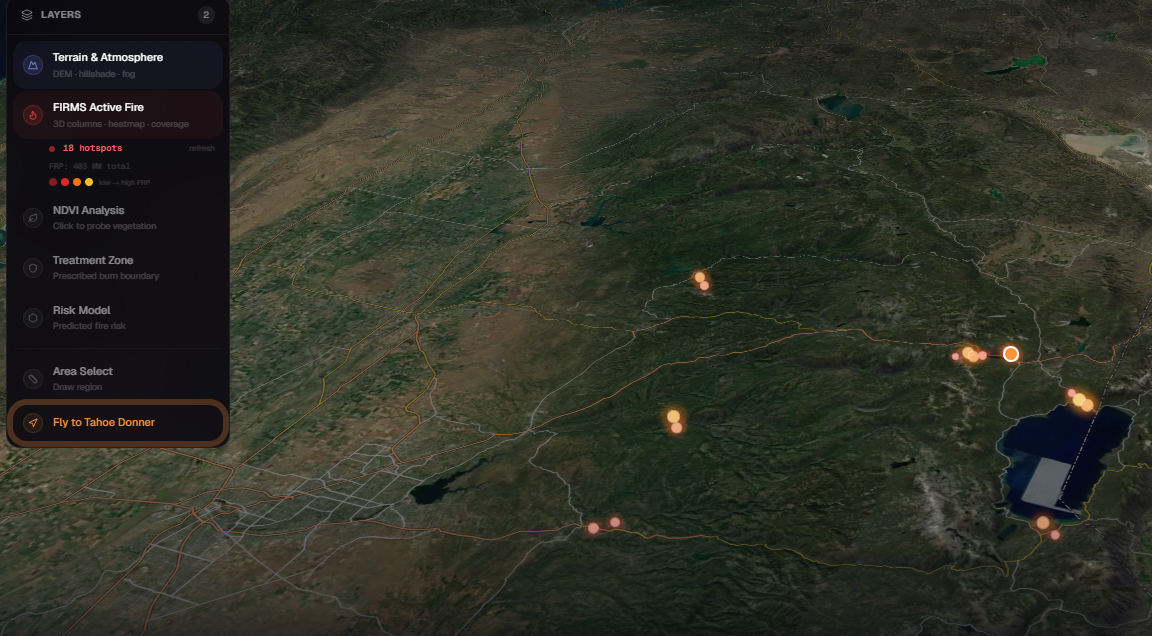
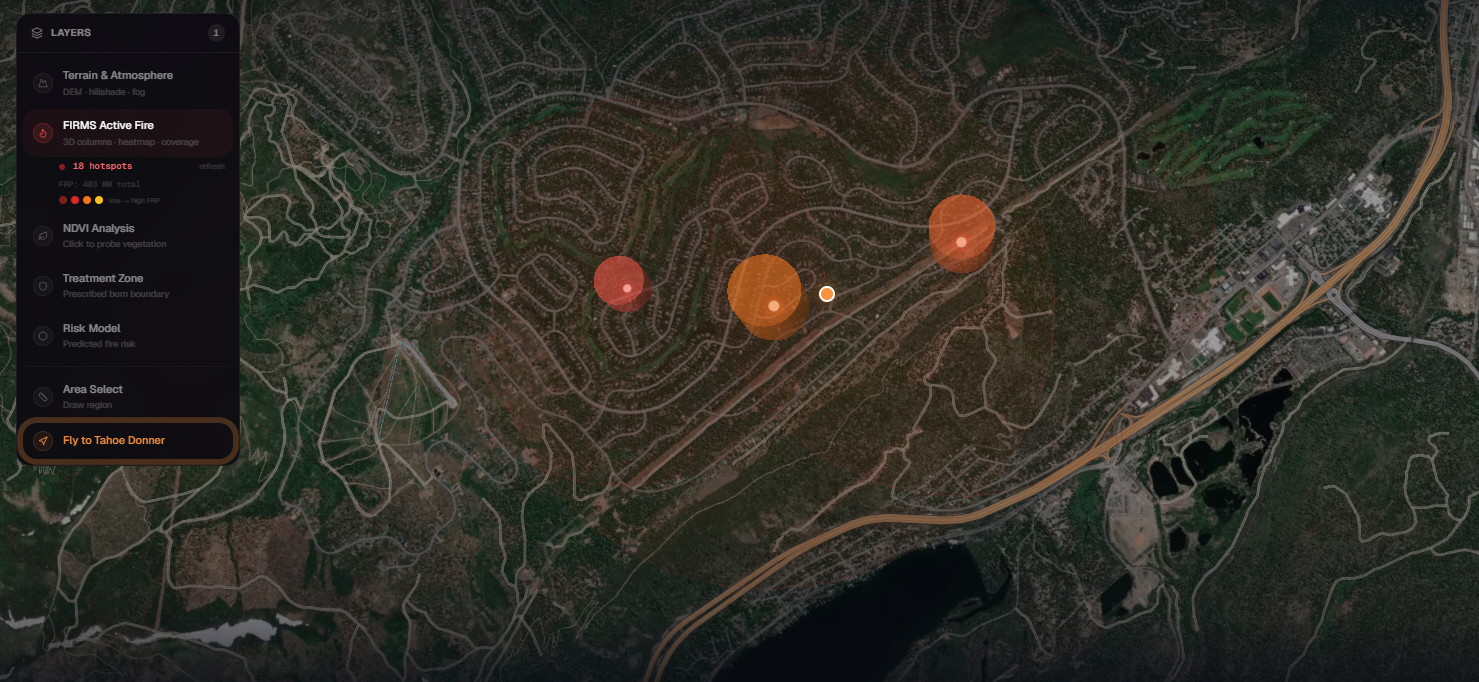
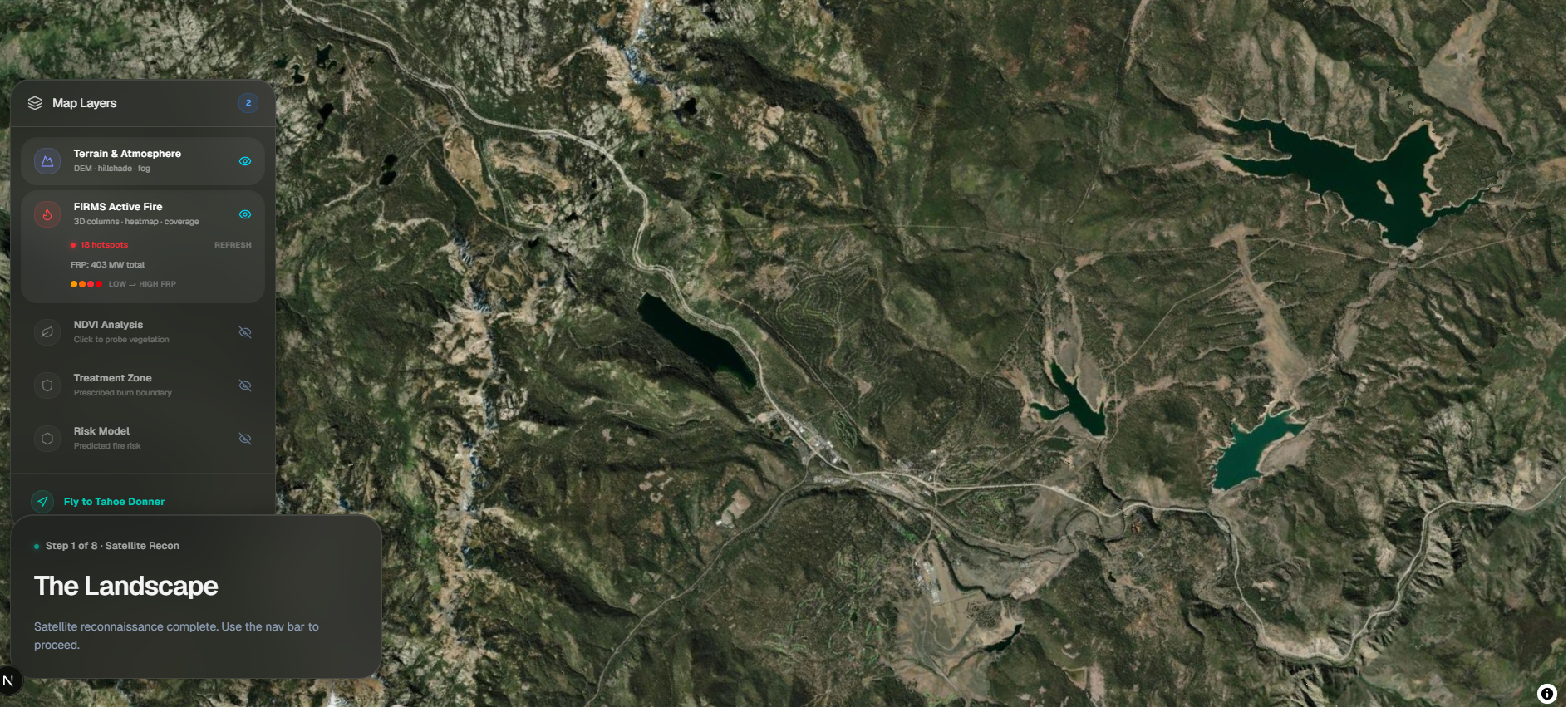
- Ground Reports & Proof: Operators submit ground reports (temperature/sensor data), which are autonomously cross-verified by our Python backend using NASA FIRMS and Sentinel-2 satellite (NDVI) imagery.
- Incentivization: Once verified cryptographically, communities are minted Wildfire Resilience Credits (WRCs).
- Insurance Impact: Smart contracts calculate parametric insurance premium reductions based on the community's accumulated WRCs and lowered risk scores.
How we built it
We built a monorepo consisting of a stunning, cinematic frontend and a robust Hedera-powered backend.
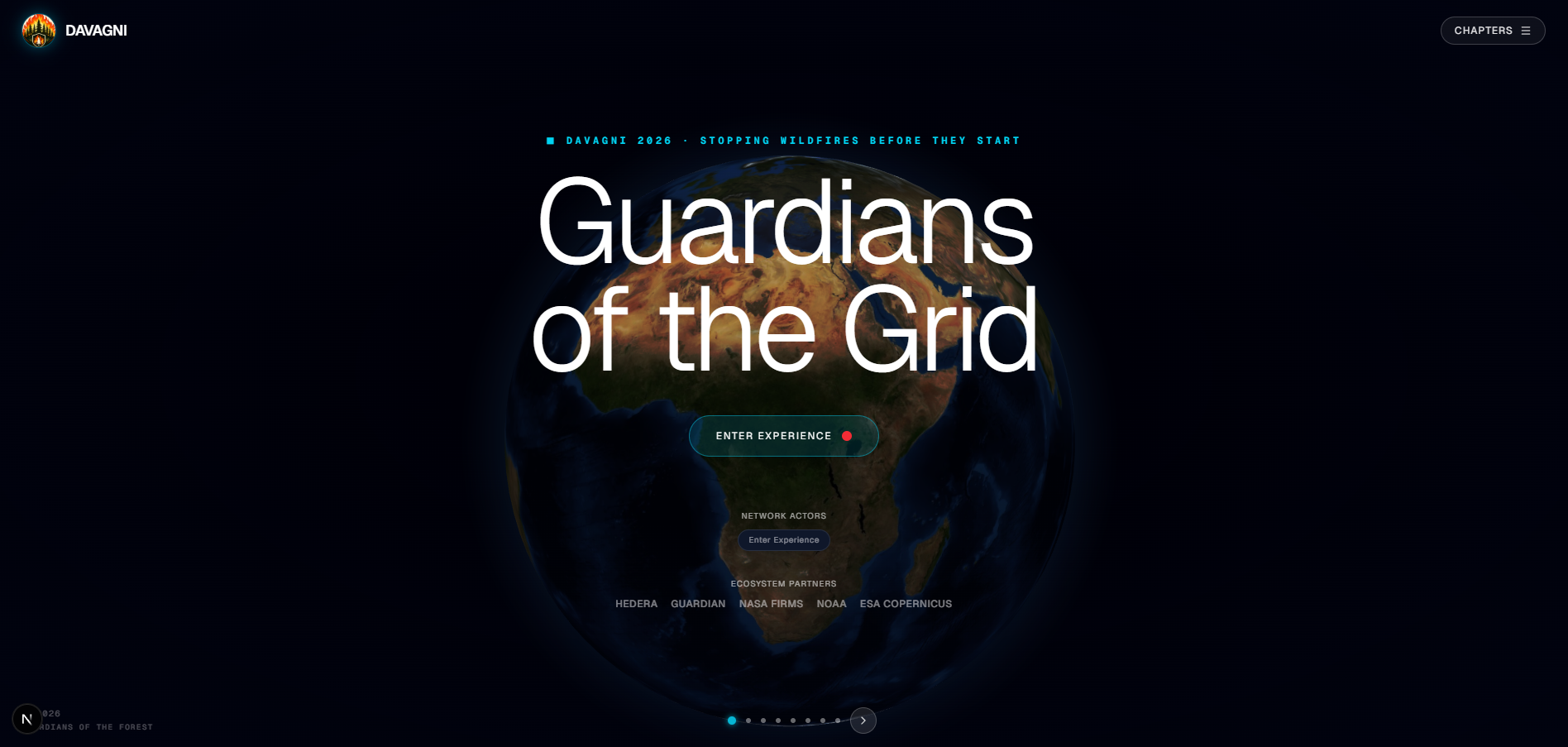
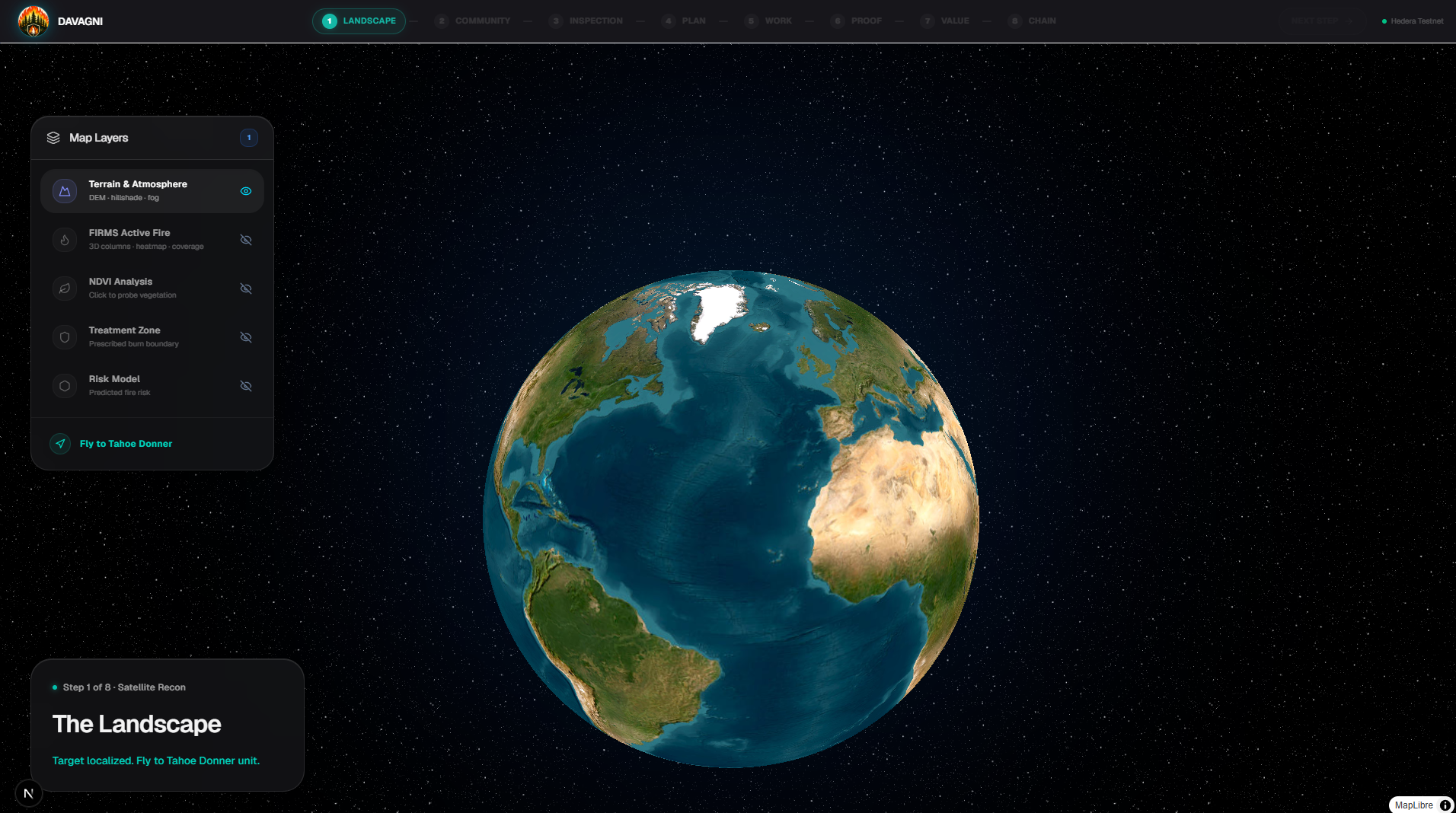
- Frontend: Next.js 16, React 19, Framer Motion, and react-globe.gl (Three.js) for an interactive 8-step workflow.
- Smart Contracts: Solidity smart contracts deployed on the Hedera Smart Contract Service (HSCS) act as a Risk Score Oracle and Insurance Premium Calculator.
- Policy Engine: Hedera Guardian handles the complex dMRV (digital Measurement, Reporting, and Verification) policy execution.
- Verifiable Data: We ingest live fire and vegetation data from NASA FIRMS and Sentinel-2, piping it through a Python FastAPI service.
- Immutability: Every step in the workflow writes to the Hedera Consensus Service (HCS), providing a fully auditable and transparent HashScan trust chain.
Challenges we ran into
Integrating complex mapping data (NASA FIRMS & Sentinel-2) seamlessly with Hedera Guardian's rigid dMRV policies required careful architectural planning. We also had to resolve tricky dependency mismatches between our Hardhat smart contract environment and the rest of our Turborepo workspace.
Accomplishments that we're proud of
We successfully built a complete end-to-end pipeline that connects real-world physical actions (clearing brush) to satellite verification, and all the way to on-chain financial logic (insurance premium discounts). Bringing this entirely on-chain using Hedera Guardian for absolute trust was a massive win for us.
What we learned
We learned a ton about deploying dMRV policies on Hedera Guardian, optimizing 3D globes and Mapbox visualizations in React, and writing precise smart contracts to handle parametric insurance logic.
What's next for Davagni
We want to expand our oracle network to include more environmental sensors (like live wind/humidity IoT devices) and partner with actual parametric insurance providers to accept WRCs for real-world premium discounts.
Built With
- fastapi
- framer-motion
- google-earth-engine
- hedera-guardian
- hedera-hashgraph
- maplibre-gl
- nasa-firms-api
- next.js
- python
- react
- sentinel-2
- smart-contracts
- solidity
- three.js
- typescript

Log in or sign up for Devpost to join the conversation.