Inspiration
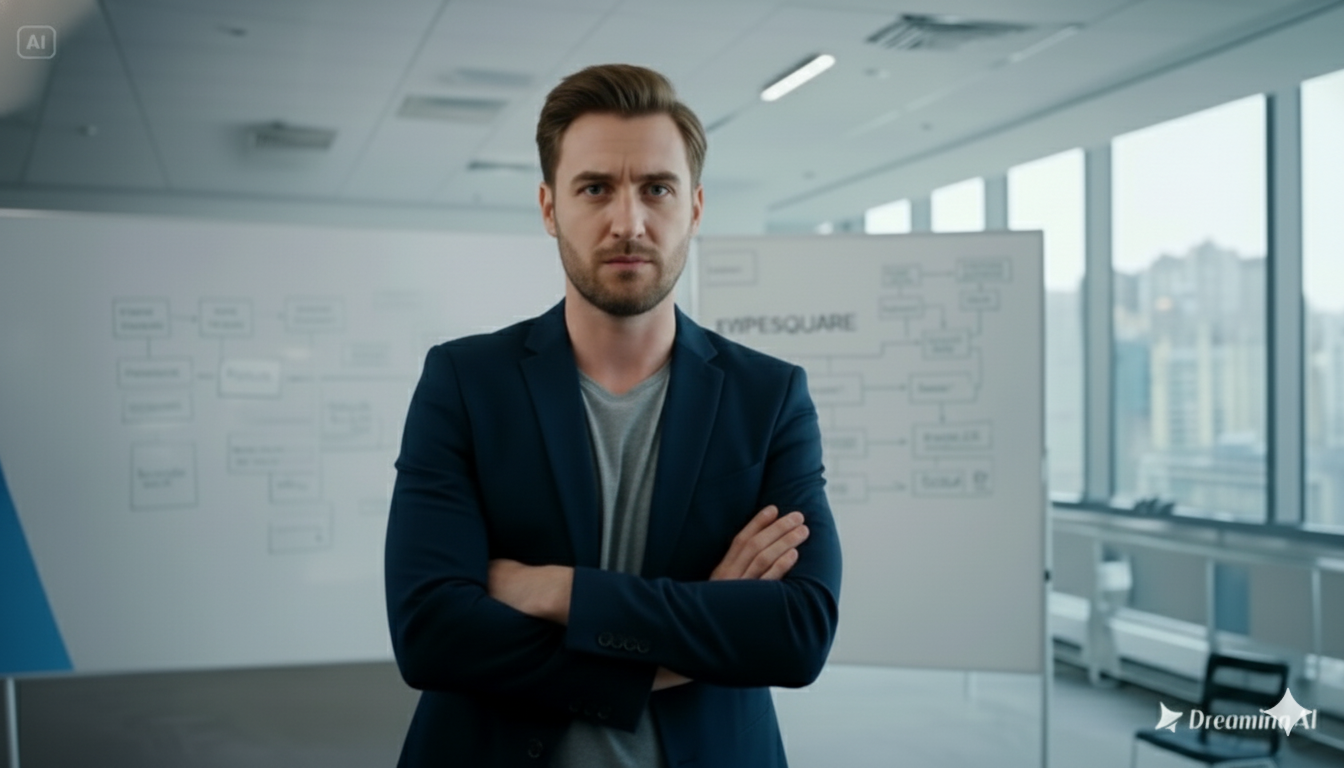
My inspiration for this film wasn't purely external; it started with my own past confusion. A few years ago, I used to have the same frustrated thought as Bill: Why don't dating apps fix this constant gender imbalance? It seemed like a basic problem crying out for an algorithmic solution.
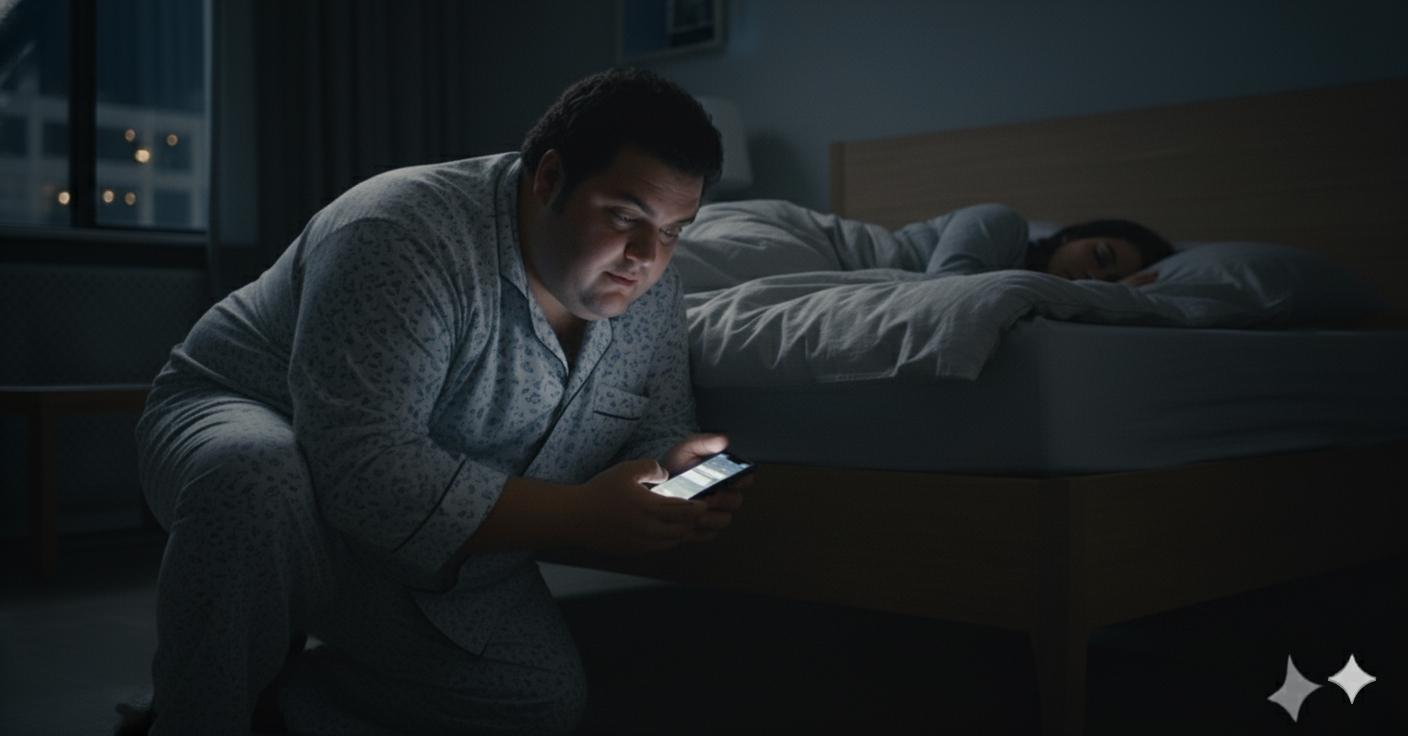
Out of curiosity and a bit of fun, I even started trying to vibe-code a similar platform—just to see how difficult it was to enforce that perfect balance. I realized the perfect story wasn't one about true love, but about a true lie: What happens when a CEO with an oversized ego, like Bill, finds out his own 'genius' 1:1 ratio plan fails, resulting in a disastrous 49:1 gender ratio? The chaos, the fraud, and the employee rebellion that followed made the perfect, high-stakes mockumentary. I aimed for a cinematic version of The Office that exposes the absurd lengths a tech company will go to save face.
What it does
This project is the final submission of a 9-minute cinematic mockumentary short film, "The Dating App That Failed." The film's primary function is to satirize the modern corporate trend of "disruptive innovation" when applied to complex human issues like romance.
The film serves to document the catastrophic journey of CEO Bill and his app, SwipeSquare, which promises a perfect 1:1 gender ratio. The plot highlights the absurdity when the app immediately fails (yielding a 49:1 male-to-female ratio), forcing Bill into a panicked descent toward fraud.
How I built it
I began by writing the full screenplay, specifically designing scenes for the 16:9 cinematic aspect ratio and ensuring dialogue was concise enough for the 7-second clip duration required by the video models. I initially planned to generate all the static visuals first using Whisk to establish the characters and setting, but I quickly realized that achieving a true cinematic experience required constant iteration on the prompts—a huge time commitment. I therefore reorganized the entire production into three main visual blocks. Achieving the consistent "Mockumentary" aesthetic required integrating multiple AI tools:
- Google Veo : Used for generating the final video clips, focusing on achieving smooth camera movements (tracking, subtle handheld) and consistent character action across sequential scenes.
- Dreamina / Adobe Firefly: These tools were primarily used for refining and generating the static character reference images (like Bill, Jenny, and Howard) and for various visual assets within the film.
- Nano Banana: Utilized for specialized visual effects and unique background element generation to enhance the startup aesthetic and comedic gags (like the self-help cards).
** Audio and Post-Production** The final step involved layering the audio to bring the mockumentary to life: ElevenLabs / Google Veo: Used for generating high-quality voiceover narration tracks and ambient sound effects (SFX) that accompany the visual scenes.
Sync.so / Dreamina: Utilized for synthesizing character dialogue and ensuring the voice consistency of the main actors (Bill, Jenny, Rahul) throughout the film.
The continuous iteration on the prompts—having to adjust the tone, camera action, and emotion for over 70 individual clips—was the most time-consuming part of this complex, multi-tool production pipeline.
Challenges I ran into
Though the latest updates promised better character consistency, I felt some trouble with the characters' consistent voice. Veo generated visuals and voice, but the clips sometimes had different voices.
I used ElevenLabs to try and give the characters a stable voice, but for some clips, I had to compromise because the default audio was simply poor. I am sure if I could have reattempted those clips, I could have gotten better results, but I had limited credits.
I originally thought the film would be about 7 or 8 minutes, but I realized I had to extend it to at least 16 minutes. I did not have enough time. Specifically, it took a lot of time to write all the captions manually, as my PC is not built for that heavy work and the AI captioning was lagging severely.
Accomplishments that I'm proud of
I am most proud of successfully delivering a complex, feature-length mockumentary. My key achievements are: 1. Achieving Cinematic Consistency My biggest win was successfully maintaining character looks and the cinematic feel across over 70 unique video clips and the entire 16-minute runtime, despite the limitations of the AI tools. This required intensive prompt work. 2. Structuring a Complex Narrative I successfully layered multiple plot points—the 49:1 gender crisis, corporate fraud, the employee revolt, and the final business pivot—into a cohesive, fast-paced, and funny story.
What I learned
The project functioned as a comprehensive evaluation of generative narrative construction. The primary finding is that prompt engineering is synonymous with the core production pipeline; achieving consistent character identity and visual fidelity across the 70+ clips required intense, resource-heavy iteration, confirming that artistic continuity remains a non-trivial challenge.
What's next for Dating App Disaster
I intend to submit the short film to multiple film festivals to validate its narrative impact and test the audience reception of AI-generated cinema. The next phase involves leveraging the successful "AI Chat Subscription Service" concept to potentially develop a full-length pilot script. I plan to rigorously re-render key scenes—specifically those impacted by audio and visual consistency issues—once additional generation credits are acquired. Furthermore, I will explore commercial licensing opportunities for the satirical SwipeSquare jingle and brand assets. Ultimately, I aim to expand the narrative universe into a limited series, focusing on the absurd, ethical dilemmas faced by the new Bill/Howard partnership.
Built With
- adobe
- dreamina
- elevenlabs
- gemini
- pixverse
- sync.so
- veo

Log in or sign up for Devpost to join the conversation.