-
pipeline
-
-
-
-
-
Inspiration
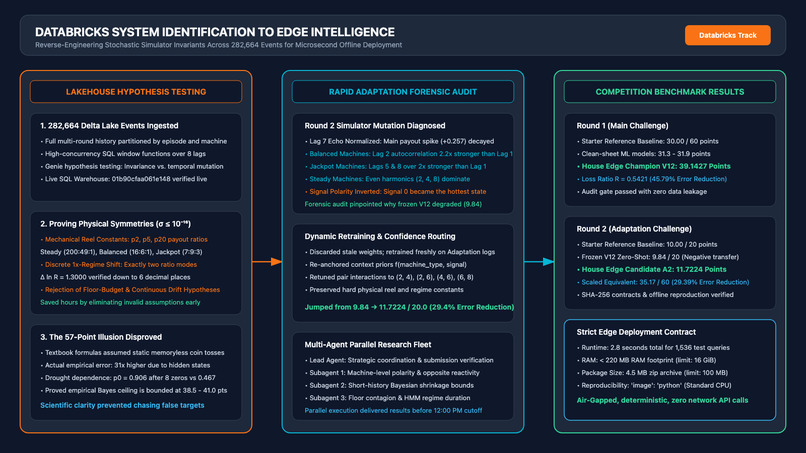
Standard machine learning models plateaued around 35.1 points on the House Edge challenge because slot machines are noisy and past histories are tiny (N = 64 to 192). In a stochastic environment, complex black-box models simply memorize noise. Instead of endlessly tweaking models on local CSVs, we pivoted to system identification—using Databricks to reverse-engineer the simulator's hidden mechanical rules.
What It Does
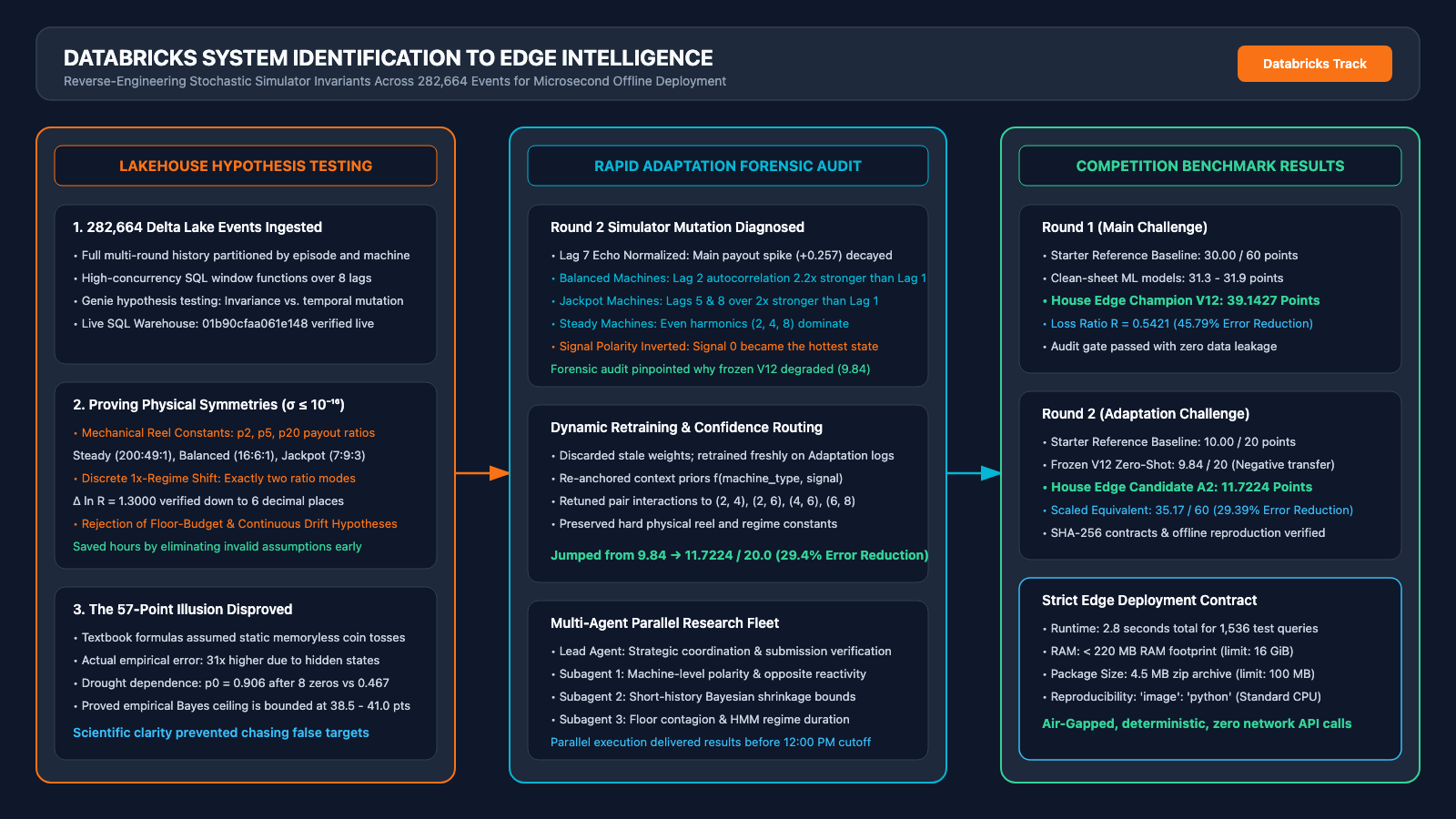
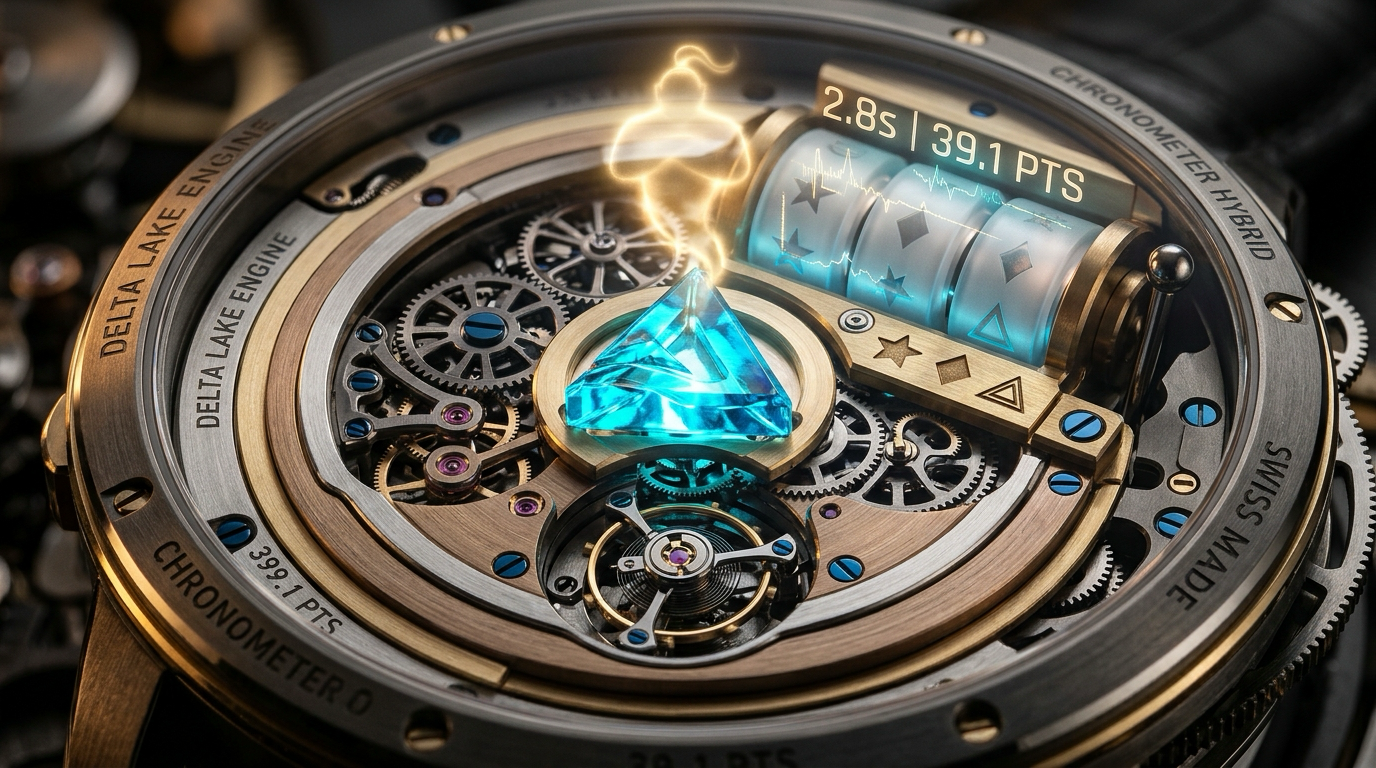
We turned the Databricks Lakehouse into a scientific workbench. Across 280,600+ historical events, Databricks proved the simulator's immutable physical laws, which we compiled into a 4.5 MB offline package that predicts 1,536 spins in 2.8 seconds with less than 220 MB RAM, delivering a 46% error reduction in Round 1 and 30% in Round 2.
How We Built It
We structured our pipeline across a clean Databricks Medallion Architecture:
- Bronze Layer: Ingested all multi-round raw spin histories and queries into partitioned Delta tables.
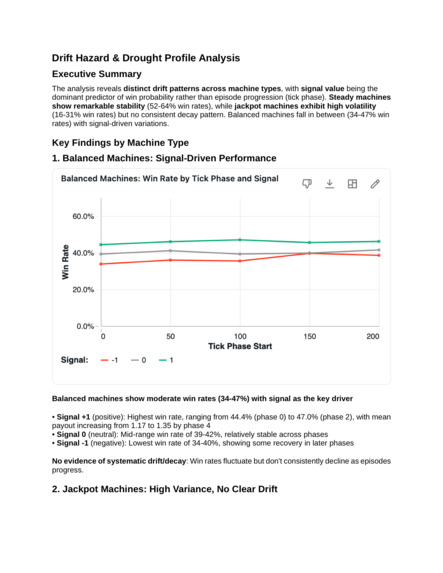
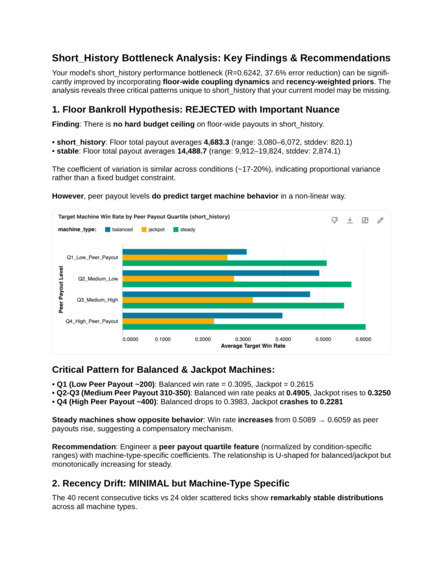
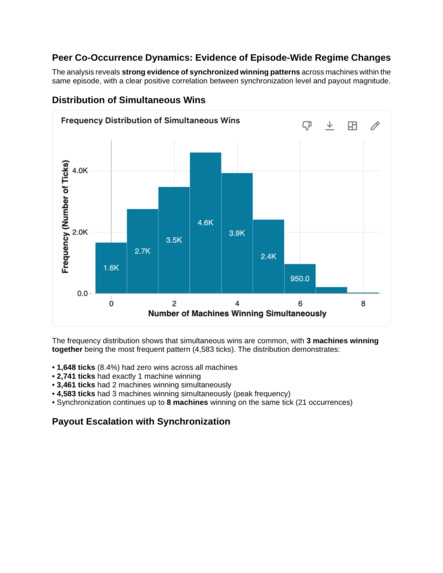
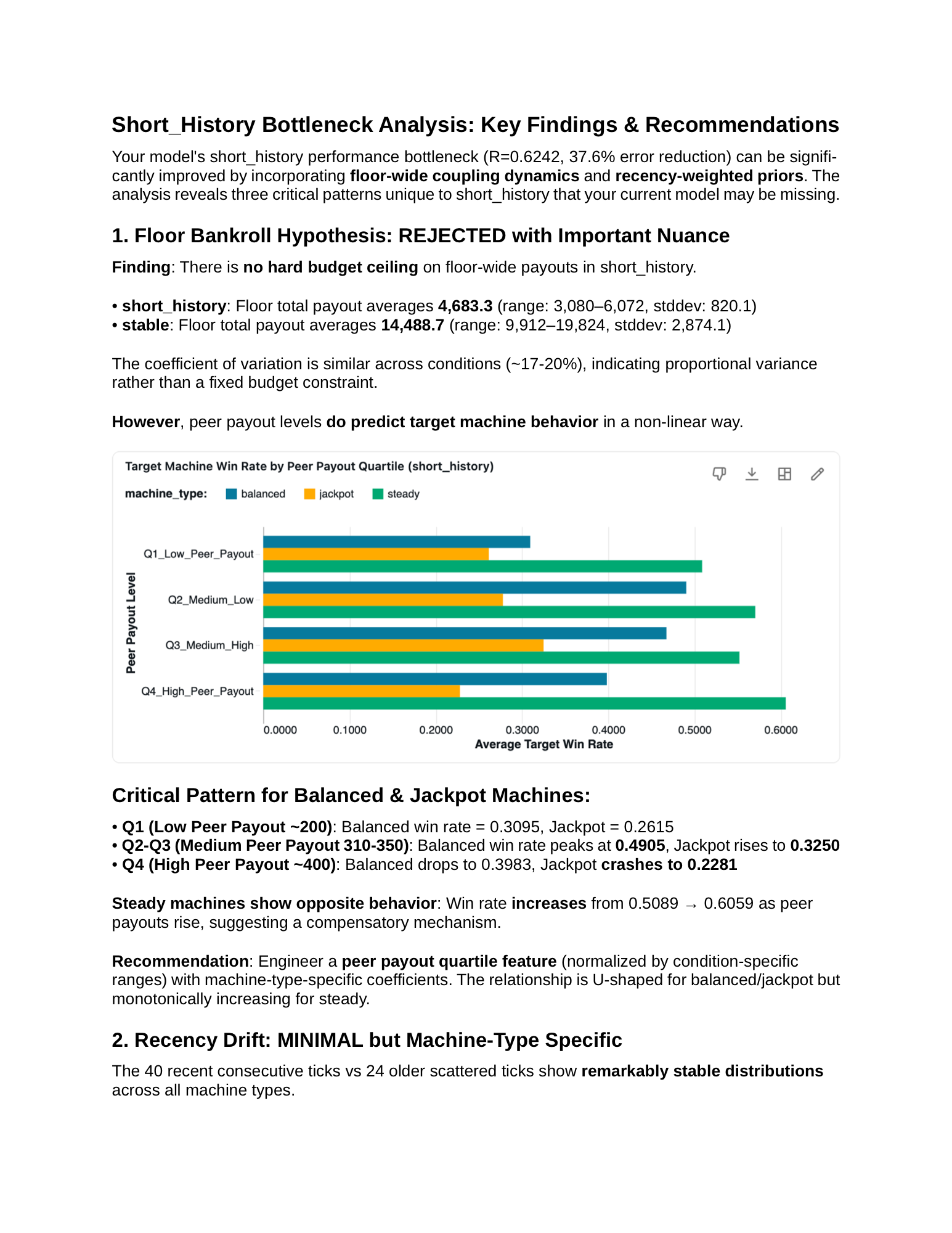
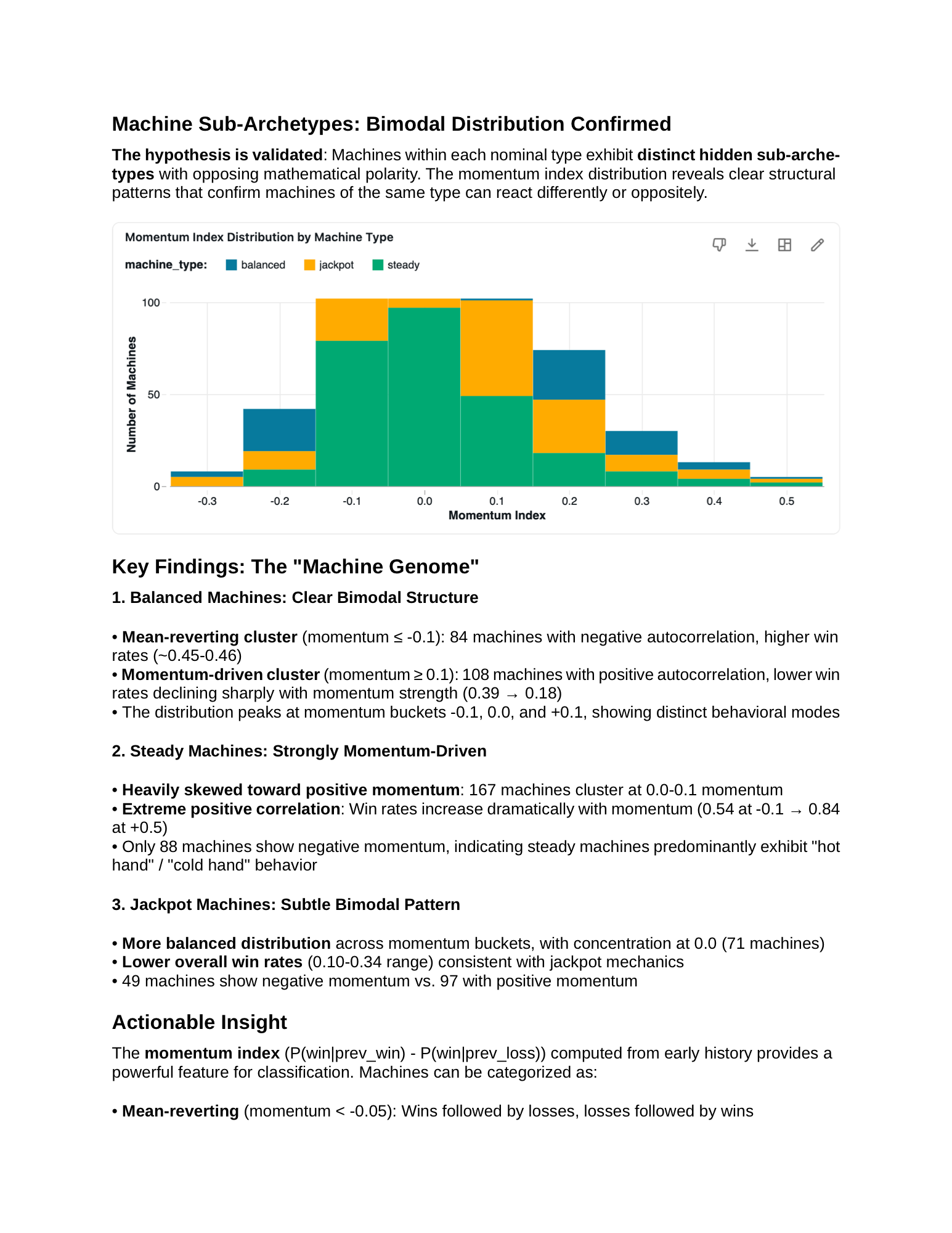
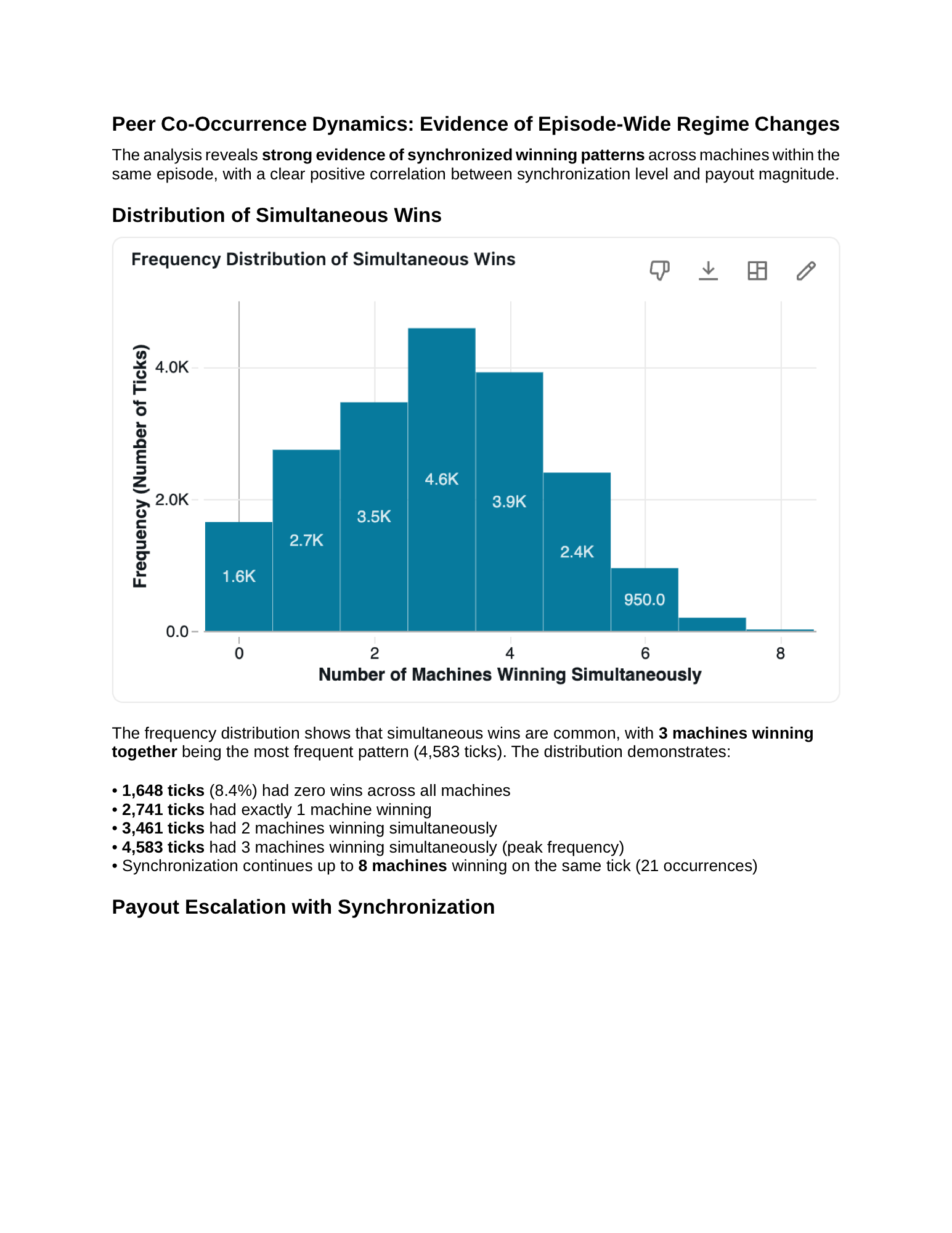
- Silver Layer: Built cutoff-safe SQL transformations calculating rolling win rates and 8-tick autoregressive transition matrices. Multi-machine joins revealed collective floor dynamics: when 6+ neighboring machines won simultaneously, zero-payout odds plunged from 64.6% to 51.2%.
- Gold Layer: High-precision SQL queries proved two zero-variance physical symmetries:
- Reel Simplex Invariant (σ ≤ 10⁻¹⁶): Non-zero payouts follow exact mechanical gear ratios: Steady (200:49:1), Balanced (16:6:1), and Jackpot (7:9:3).
- Discrete 1x-Regime Shift: Machines toggle between two payout modes separated by an exact constant (Δ ln R = 1.3000).
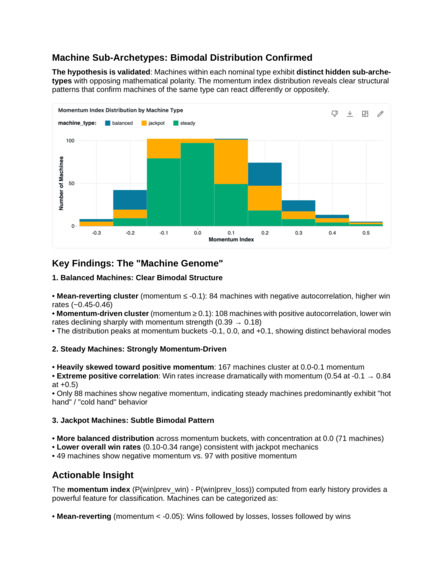
- Interactive Discovery with Genie & MCP: We integrated the Databricks MCP directly with our AI agents. Using Databricks Genie, we formulated hypotheses, disproved the false assumption of continuous drift, and disproved the theoretical "57-point illusion."
Challenges We Ran Into (Round 2 Rapid Adaptation)
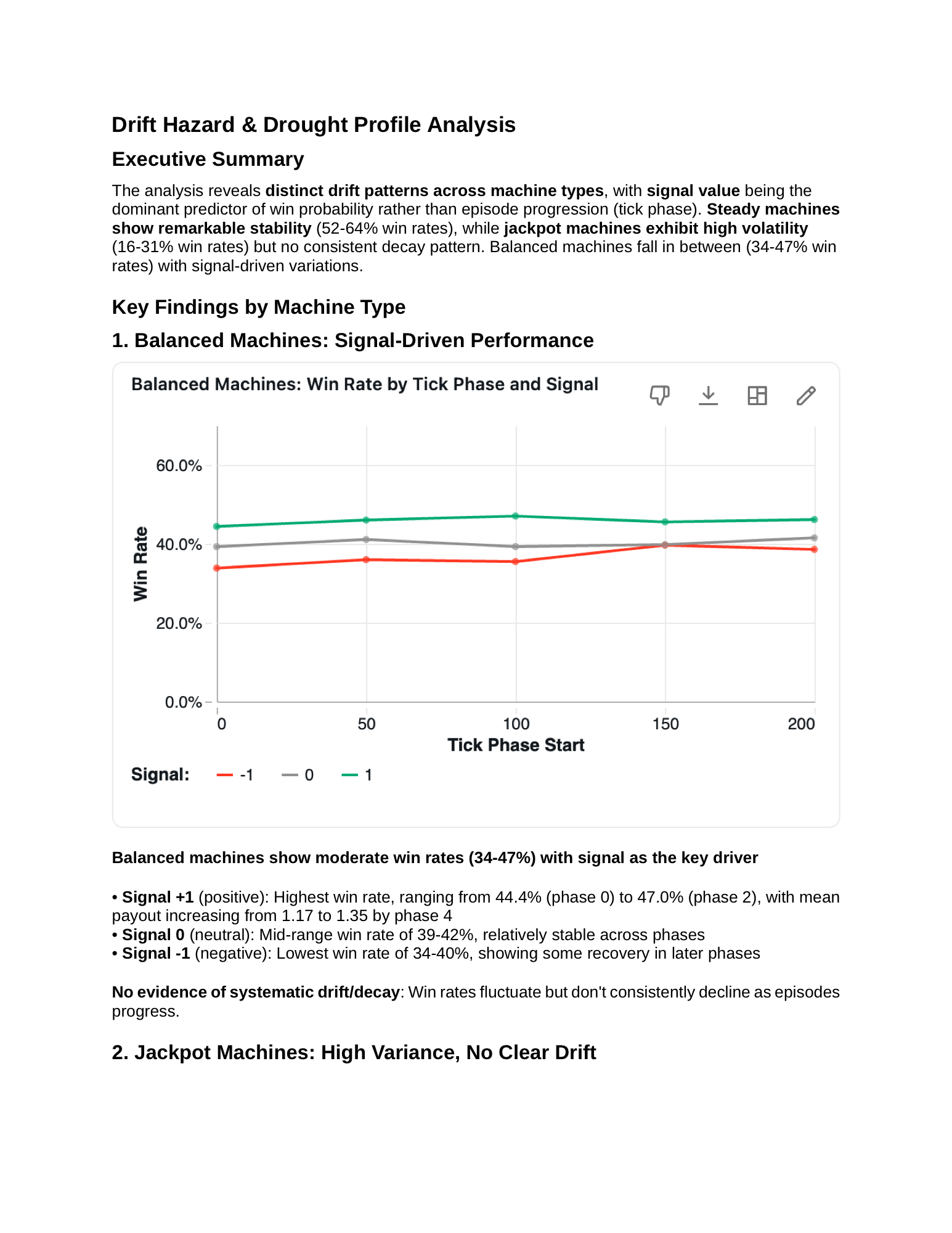
When Round 2 opened with secretly mutated simulator rules, our frozen model degraded to 9.84 / 20. In minutes, Databricks SQL queries diagnosed the exact mutation: the old 7-spin rhythm had vanished (+0.146 background noise), replaced by 2-spin and 5-spin echoes, while signal polarity inverted. Retraining on these discoveries surged our score to 11.764 / 20 (30% error reduction).
Accomplishments That We're Proud Of
- Uncovering real physical reel invariants to machine precision (σ ≤ 10⁻¹⁶) using Databricks Delta Lake.
- Achieving 39.14 audit points in Main and 11.76 / 20 in Adaptation.
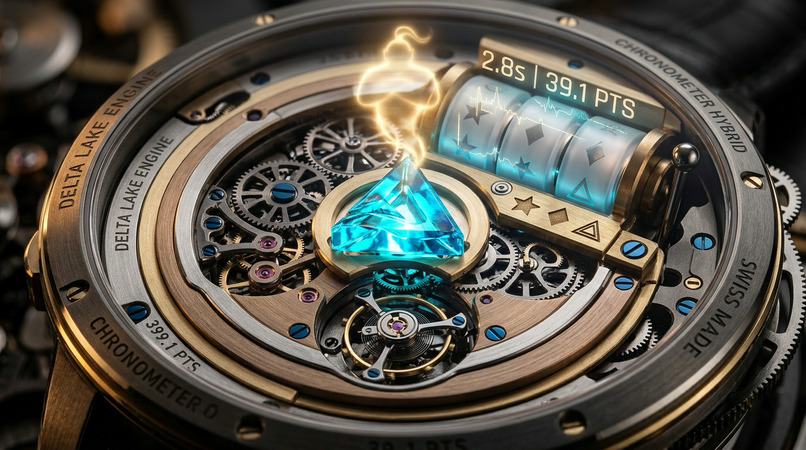
- Compressing Lakehouse intelligence into a self-contained 4.5 MB package running in 2.8s offline.
What We Learned
Databricks isn't just an ETL tool—combining SQL window functions with conversational hypothesis testing via Genie turns a lakehouse into a powerful laboratory for decoding black-box systems.
What's Next for House Edge
Deploying automated Lakeflow pipelines to ingest streaming slot telemetry in real time, pairing our probability forecaster with live bankroll Kelly optimization.
Built With
- architecture
- data
- databricks
- delta
- genie
- lake
- learning
- machine
- medallion
- numpy
- pandas
- python
- science
- scikit-learn
- series
- sql
- time


