-
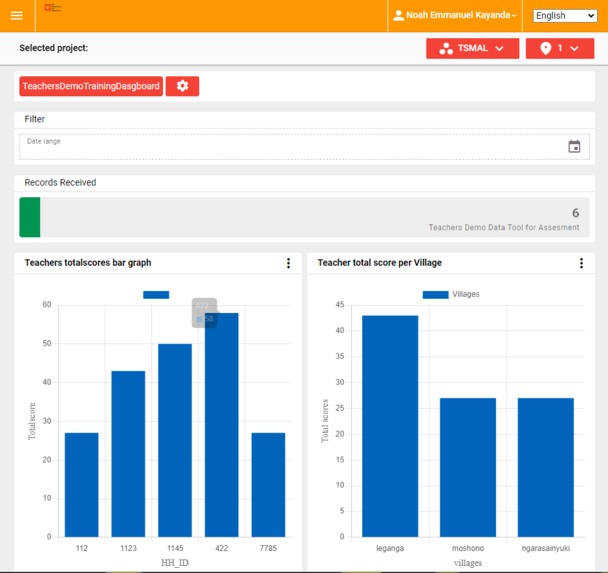
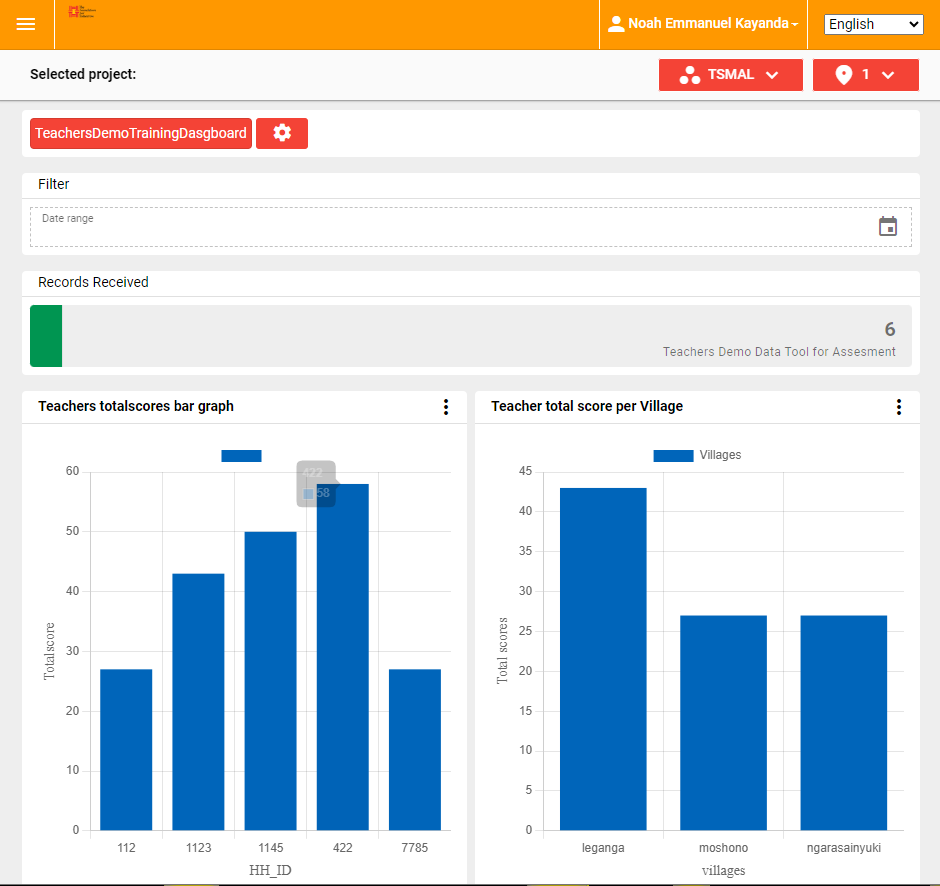
screen shoot from randomly data collected and the decision made at the same time in real time
Inspiration
The inspiration for my project stemmed from witnessing the inefficiencies and challenges plaguing traditional data collection methods. In various projects, I noticed a recurring theme: people were taking too long to make decisions due to cumbersome data collection processes. Additionally, there were instances of attempted fraud during surveys, leading to a lack of trust in the data. Moreover, substantial amounts of money were being spent on paper-based data collection, which not only incurred high costs but also resulted in delays in obtaining real-time information. This delay subsequently impacted the timeliness of reports and decision-making for interventions.
What it does
a comprehensive data management system that not only streamlined data collection but also facilitated analysis and mapping of indicators simultaneously. Throughout this process, I learned about the intricacies of data management, the importance of real-time information in decision-making, and the significance of integrating analysis and mapping functionalities into a unified system
How we built it
Identifying Requirements: I began by identifying the specific requirements of the system based on the challenges observed in existing data collection processes. This included ensuring real-time data access, implementing robust security measures to prevent fraud, and integrating analysis and mapping features. Designing the Architecture: Next, I designed the architecture of the system, outlining how different components would interact with each other. This included designing the user interface for data collection, backend systems for data storage and analysis, and mapping functionalities using geographic information systems (GIS). Development: The development phase involved coding the various components of the system. This included developing user-friendly interfaces for data collection, implementing algorithms for real-time analysis, and integrating mapping capabilities using GIS libraries. Testing and Iteration: Once the initial version of the system was developed, rigorous testing was conducted to identify and address any bugs or issues. Feedback from users and stakeholders was also incorporated into the system through iterative updates. Deployment: After thorough testing and iteration, the data management system was deployed for use in various projects. Training sessions were conducted to familiarize users with the system, and ongoing support was provided to address any technical issues.
Challenges we ran into
Technical Complexity: Integrating real-time data collection, analysis, and mapping into a single system required dealing with complex technical challenges, including data synchronization, algorithm optimization, and GIS integration. User Adoption: Convincing stakeholders to adopt a new data management system posed a challenge, especially when they were accustomed to traditional paper-based methods. Extensive training and support were necessary to facilitate user adoption. Security Concerns: Ensuring data security and preventing fraud were paramount concerns. Implementing robust authentication and encryption measures was essential to address these concerns. Resource Constraints: Developing and deploying a comprehensive data management system required significant resources, including time, expertise, and funding. Securing adequate resources posed a challenge, particularly in resource-constrained environments.
Accomplishments that we're proud of
Streamlined Data Collection: The system has successfully streamlined the data collection process, significantly reducing the time and effort required to collect, input, and manage data. By replacing paper-based methods with digital data collection interfaces, users can now input data more efficiently and accurately. Real-time Information Access: One of the key achievements of the system is its ability to provide real-time access to information. Users can now access up-to-date data instantly, enabling faster decision-making and more agile responses to changing circumstances. Enhanced Data Integrity and Security: By implementing robust security measures, including encryption and authentication protocols, the system has effectively safeguarded data integrity and prevented fraud. Users can trust the accuracy and reliability of the data, enhancing confidence in decision-making processes. Integrated Analysis and Mapping: The integration of analysis and mapping functionalities within the data management system has been a significant accomplishment. Users can perform data analysis and visualize trends and patterns on maps seamlessly, facilitating deeper insights and more informed decision-making. Cost Savings and Efficiency Gains: The transition from paper-based data collection to a digital system has resulted in substantial cost savings and efficiency gains. By eliminating the need for paper, printing, and manual data entry, resources can be allocated more effectively, leading to improved project outcomes and resource utilization.
What we learned
Flexibility and Adaptability: Projects and environments are dynamic, with evolving requirements and constraints. We learned the importance of designing systems that are flexible and adaptable to changing circumstances. This includes building in scalability, modularity, and interoperability to accommodate future needs and integrate with existing systems seamlessly. Data Security and Integrity: Ensuring data security and integrity is paramount, particularly in sensitive contexts. We learned the importance of implementing robust security measures, including encryption, authentication, and access controls, to safeguard data against unauthorized access, manipulation, or loss.
What's next for Data Management System
Enhance the system's analytical capabilities by incorporating advanced data analytics techniques such as machine learning and predictive modeling. Develop mobile-friendly interfaces and applications to facilitate data collection, analysis, and reporting on mobile devices. Data Management System can continue to evolve and adapt to meet the evolving needs of users and stakeholders, driving greater efficiency, effectiveness, and impact in data management and decision-making processes.
Built With
- javascript
- mongodb
- php
- springboot
- vue
