
Inspiration
The inspiration behind DocuSense stems from the need to efficiently extract knowledge from PDF documents. We noticed the time-consuming nature of manual reading and sought to leverage AI capabilities to automate the process. The goal was to empower users with a powerful tool that could provide instant answers to their questions based on the content of PDFs.
What it does
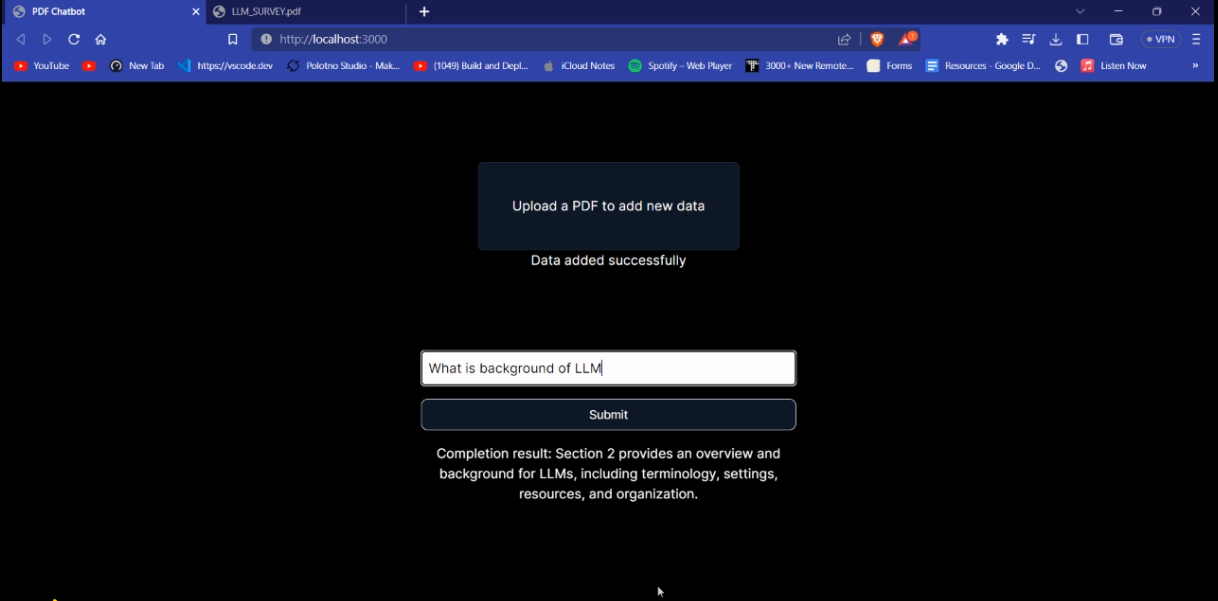
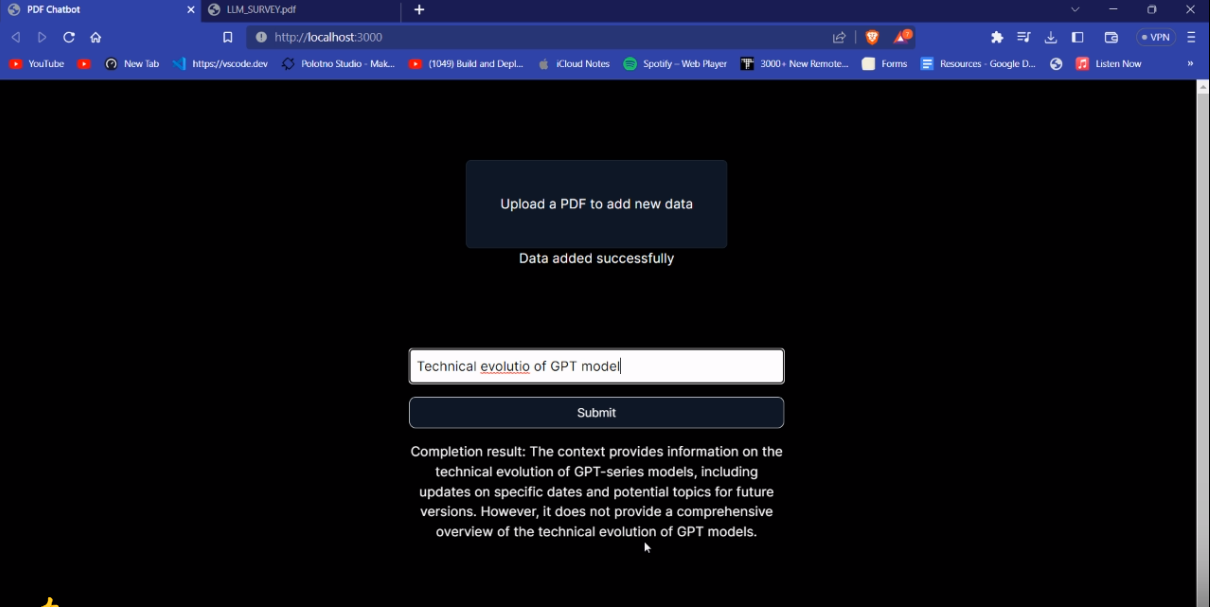
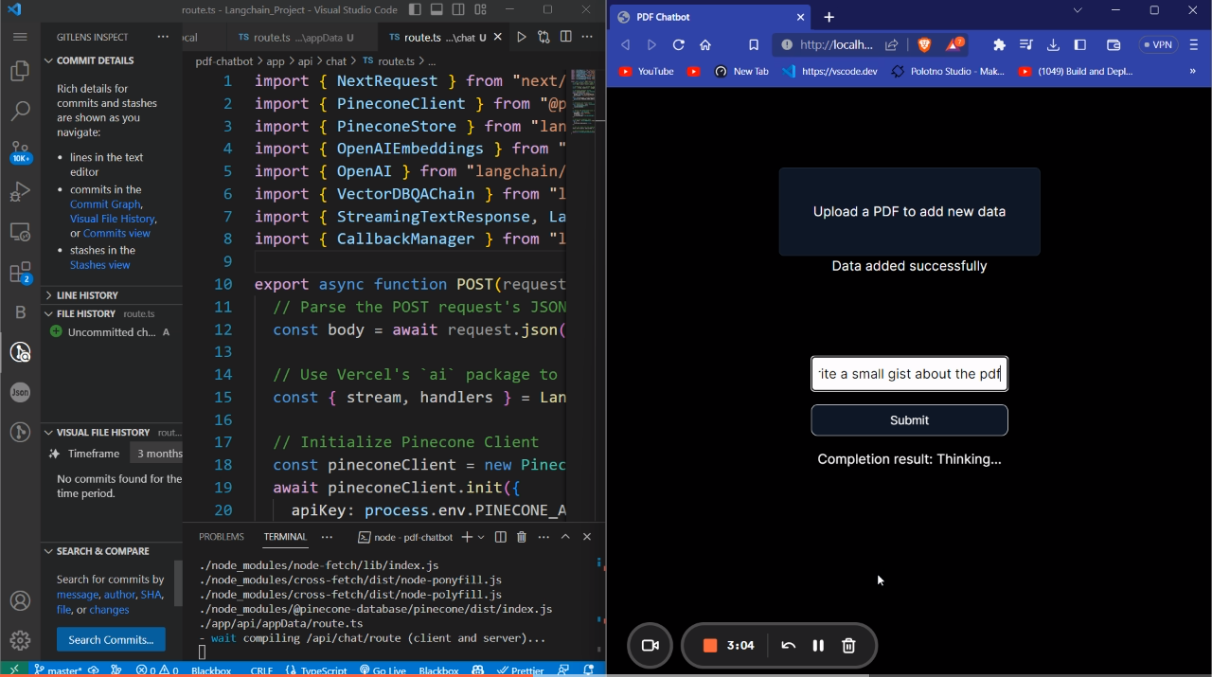
DocuSense is an AI-powered PDF question-answering platform. It allows users to upload PDF documents and utilizes LangChain, GPT-3.5-turbo, and Pinecone API to process the documents and generate answers to user questions. The platform automates the extraction of relevant information from PDFs and provides users with quick and accurate answers.
How we built it
We built DocuSense using a combination of Next.js, LangChain, GPT-3.5-turbo, Pinecone API, and Vercel. Next.js provided a solid foundation for building the web application. LangChain was used for language processing and understanding the textual content of PDFs. GPT-3.5-turbo was trained on the PDF documents to comprehend their content. Pinecone API enabled efficient vector indexing and similarity search. Vercel was utilized for seamless deployment and hosting of the platform.
Challenges we ran into
One major challenge we encountered was efficiently handling the processing and indexing of large PDF files. We optimized the code to manage memory-intensive operations effectively. Another challenge was aligning the vector dimensions between LangChain and Pinecone API to ensure accurate similarity search results. We had to carefully synchronize the dimensions for seamless integration.
Accomplishments that we're proud of
We're proud of successfully developing a user-friendly platform that streamlines information extraction from PDFs. The integration of multiple technologies, including LangChain, GPT-3.5-turbo, and Pinecone API, allowed us to achieve accurate and efficient question-answering capabilities. We're also proud of the seamless deployment and hosting achieved through Vercel.
What we learned
During the development of DocuSense, we gained valuable insights into Next.js for building robust web applications. We deepened our understanding of language processing using LangChain and leveraged the power of GPT-3.5-turbo for document comprehension. Additionally, we learned to harness the capabilities of Pinecone API for efficient vector indexing and similarity search. Deploying and hosting the application on Vercel enhanced our skills in scalable application deployment.
What's next for DocuSense: AI-Powered PDF Question-Answering Platform
In the future, we aim to enhance the platform's capabilities by incorporating additional features such as natural language understanding, advanced document analysis, and support for more file formats. We also plan to improve the user interface for a more intuitive and interactive experience. Additionally, we will explore possibilities for integrating DocuSense with other AI models and technologies to further optimize question-answering accuracy and efficiency.
Built With
- css
- html
- javascript
- langchain
- nextjs
- openai
- pinecone
- typescript
- vercel


Log in or sign up for Devpost to join the conversation.