-
-
-
-
-
-
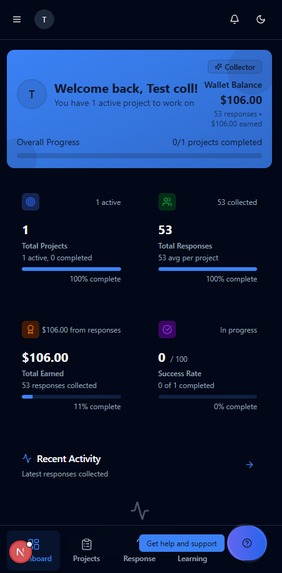
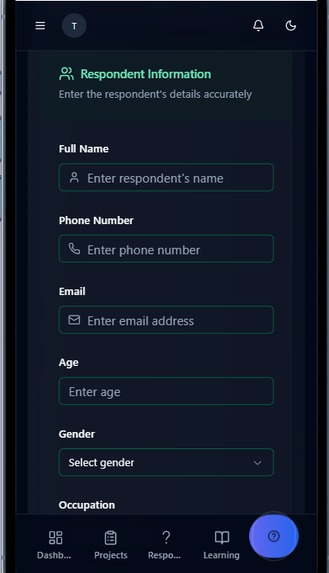
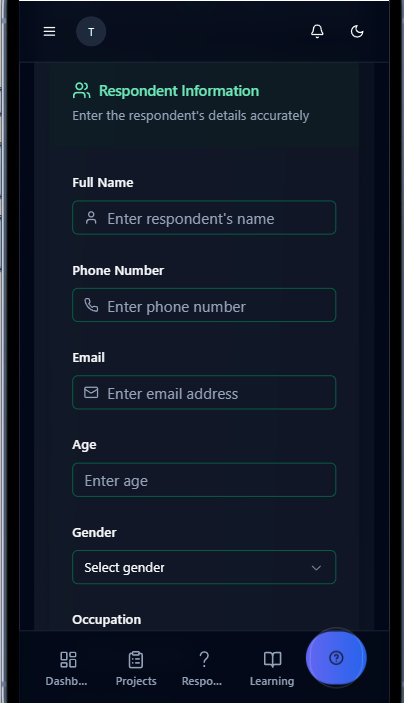
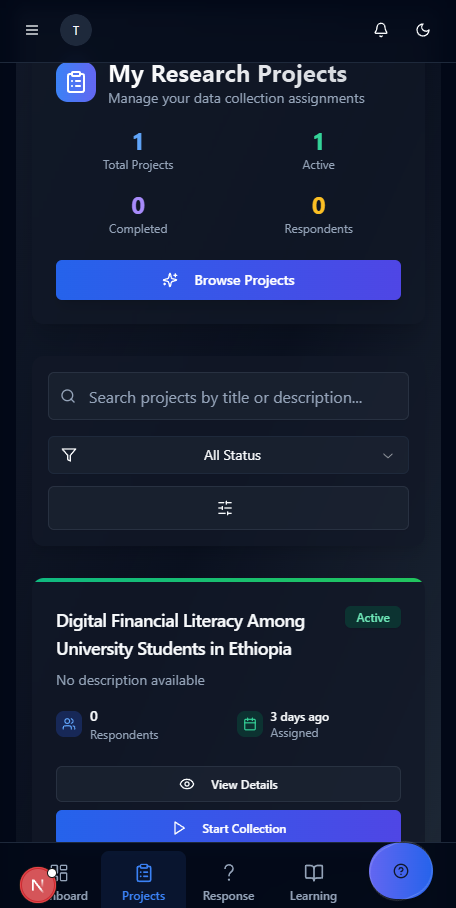
respondent page
-
-
-
-
-
-
-
-
-
-
-
-
-
-
-
-
-
-
-
-
-
Inspiration
The inspiration for Data Bridges was rooted in a personal struggle during my time building Lala Cars, a previous startup. One of the biggest hurdles I faced was accessing reliable market data—something that should have been straightforward, but instead felt fragmented, outdated, and incredibly inefficient. That experience opened my eyes to how broken data collection systems are, especially in emerging markets.
The idea truly crystallized when a university researcher reached out, frustrated with the manual process of gathering field data. I built a simple, automated workflow using basic tools—and it worked. Not only did it save time, but it also transformed how they approached their research. That moment was a turning point. I realized this wasn’t just a niche problem—it was a global one, affecting startups, academics, NGOs, and researchers everywhere. Data Bridges was born out of the need to fix that broken link between those who need data and those who collect it.
What it does
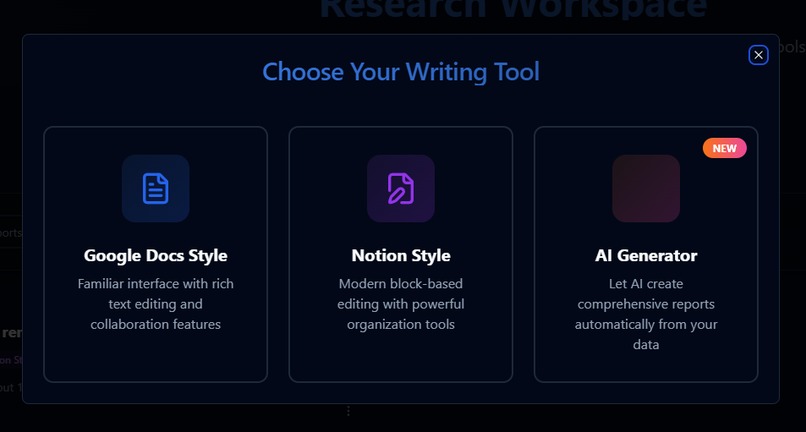
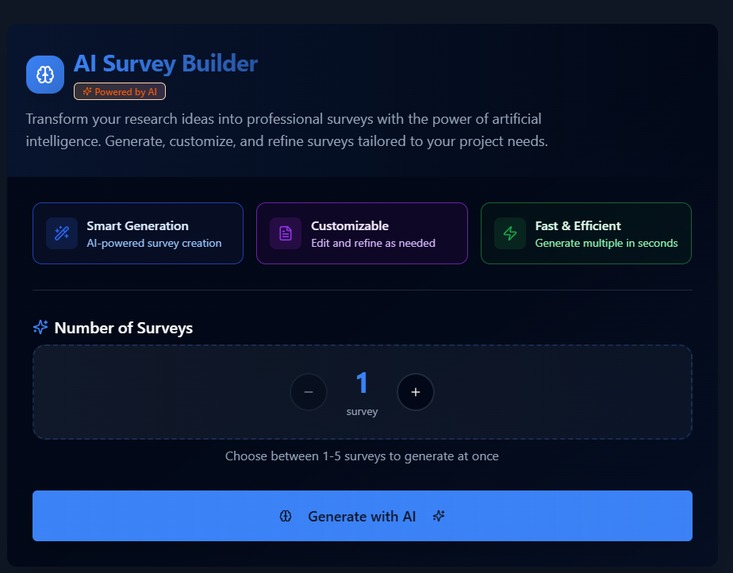
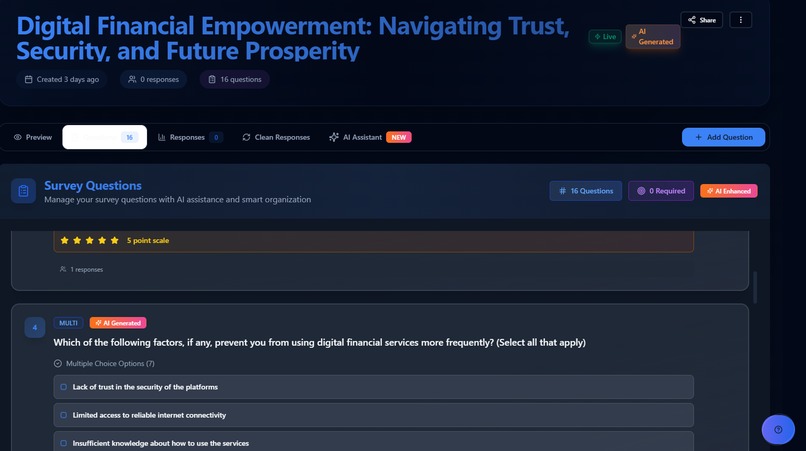
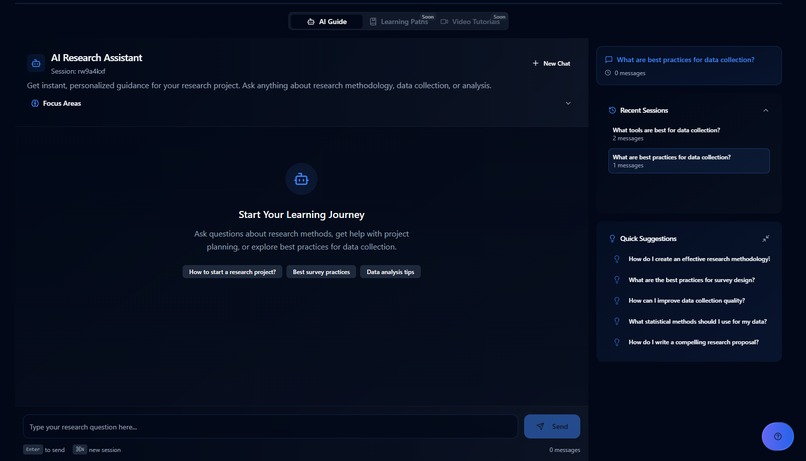
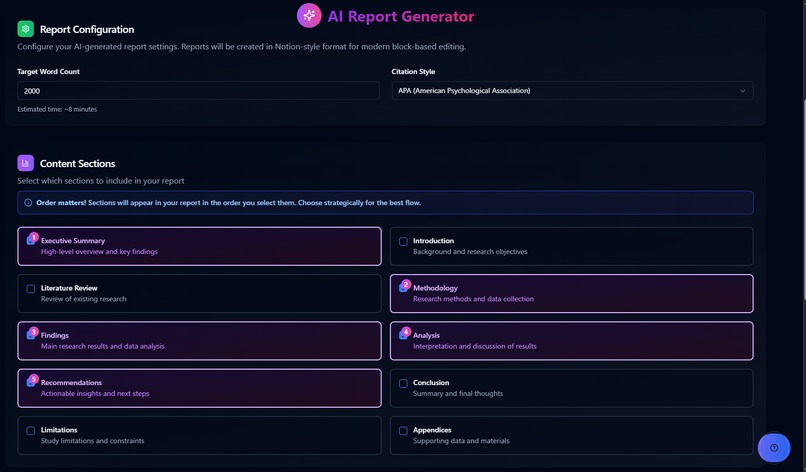
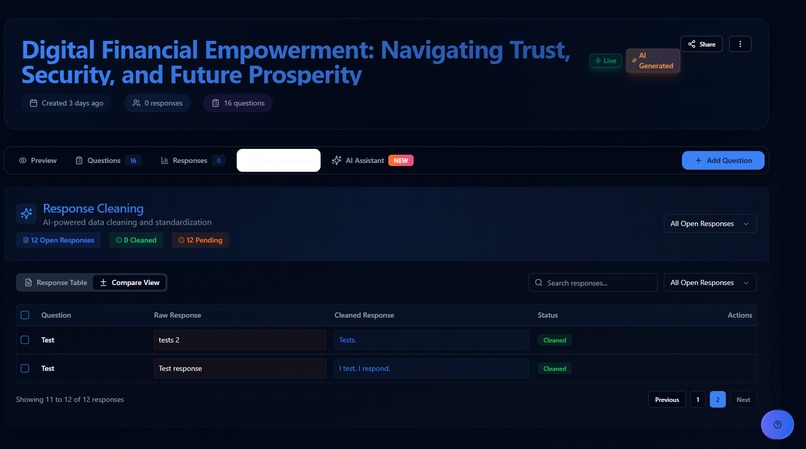
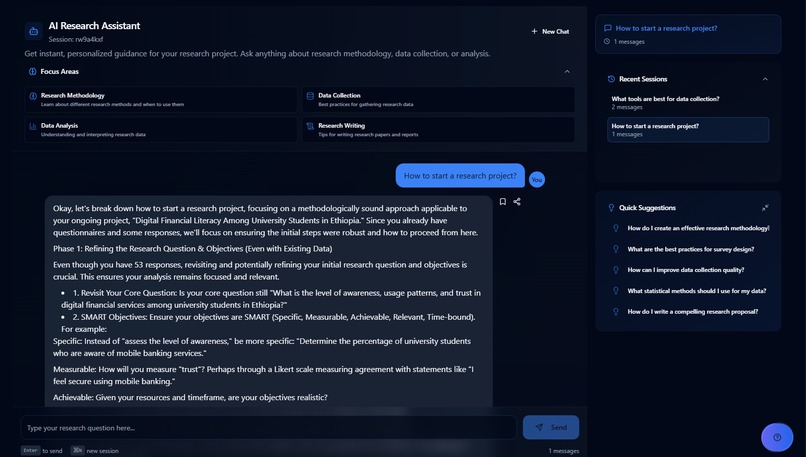
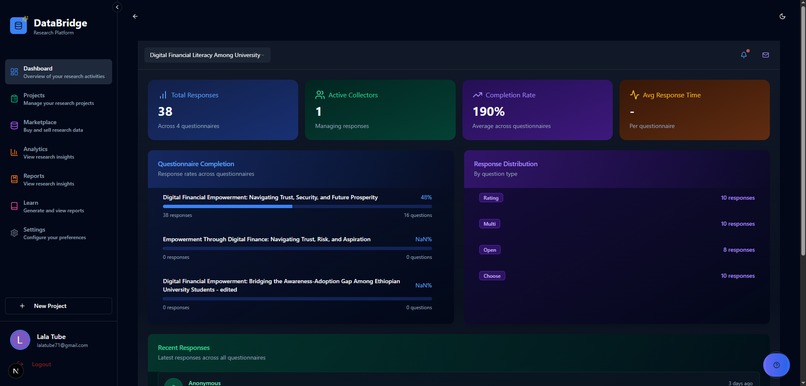
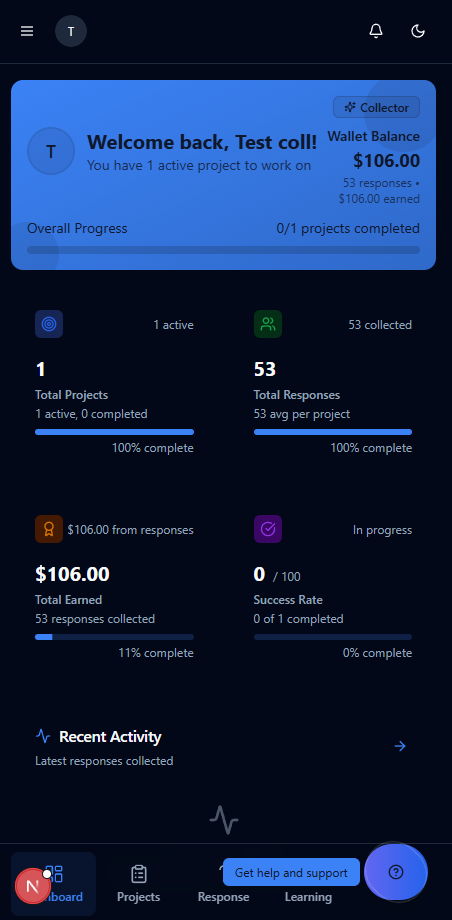
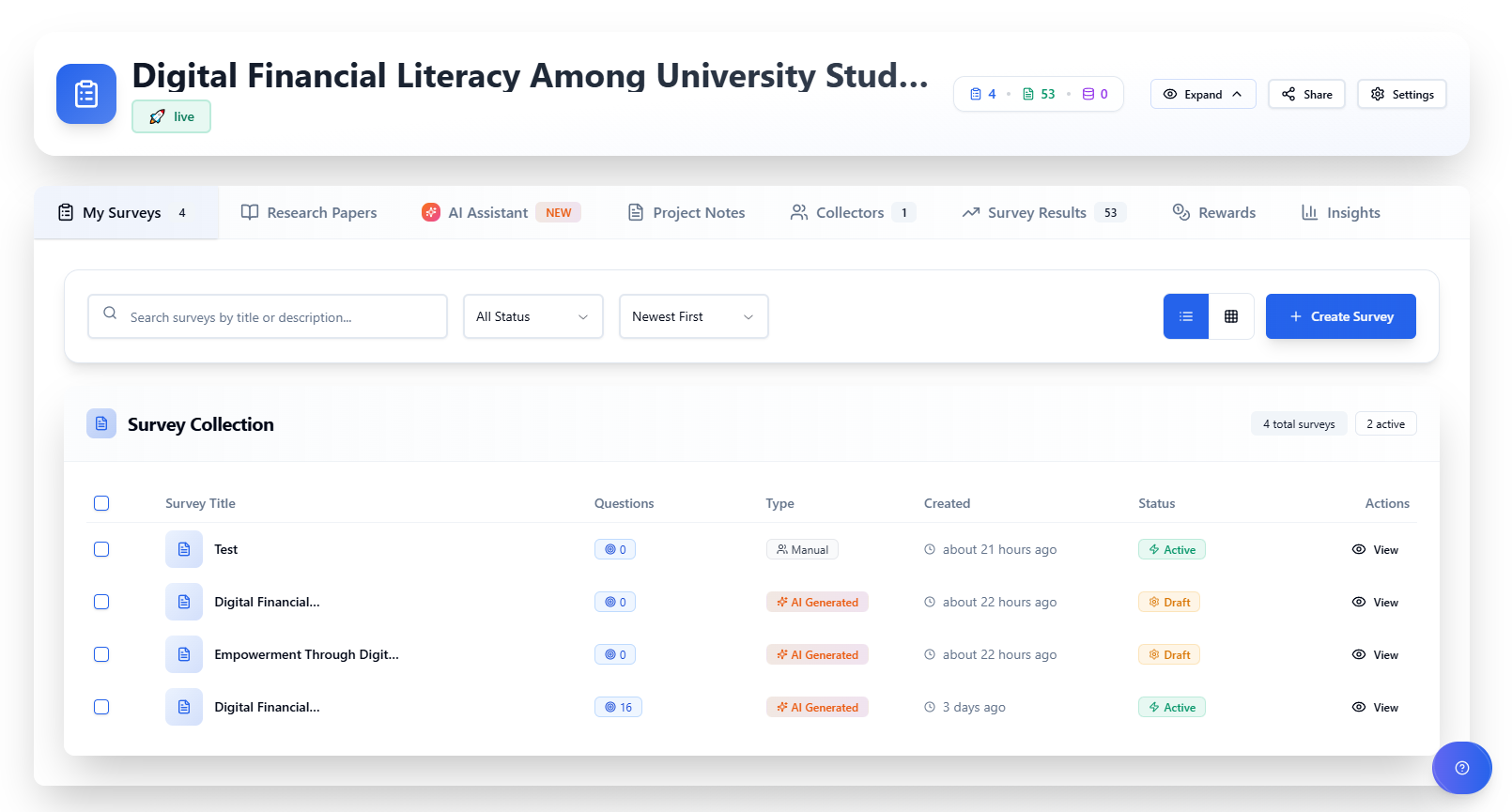
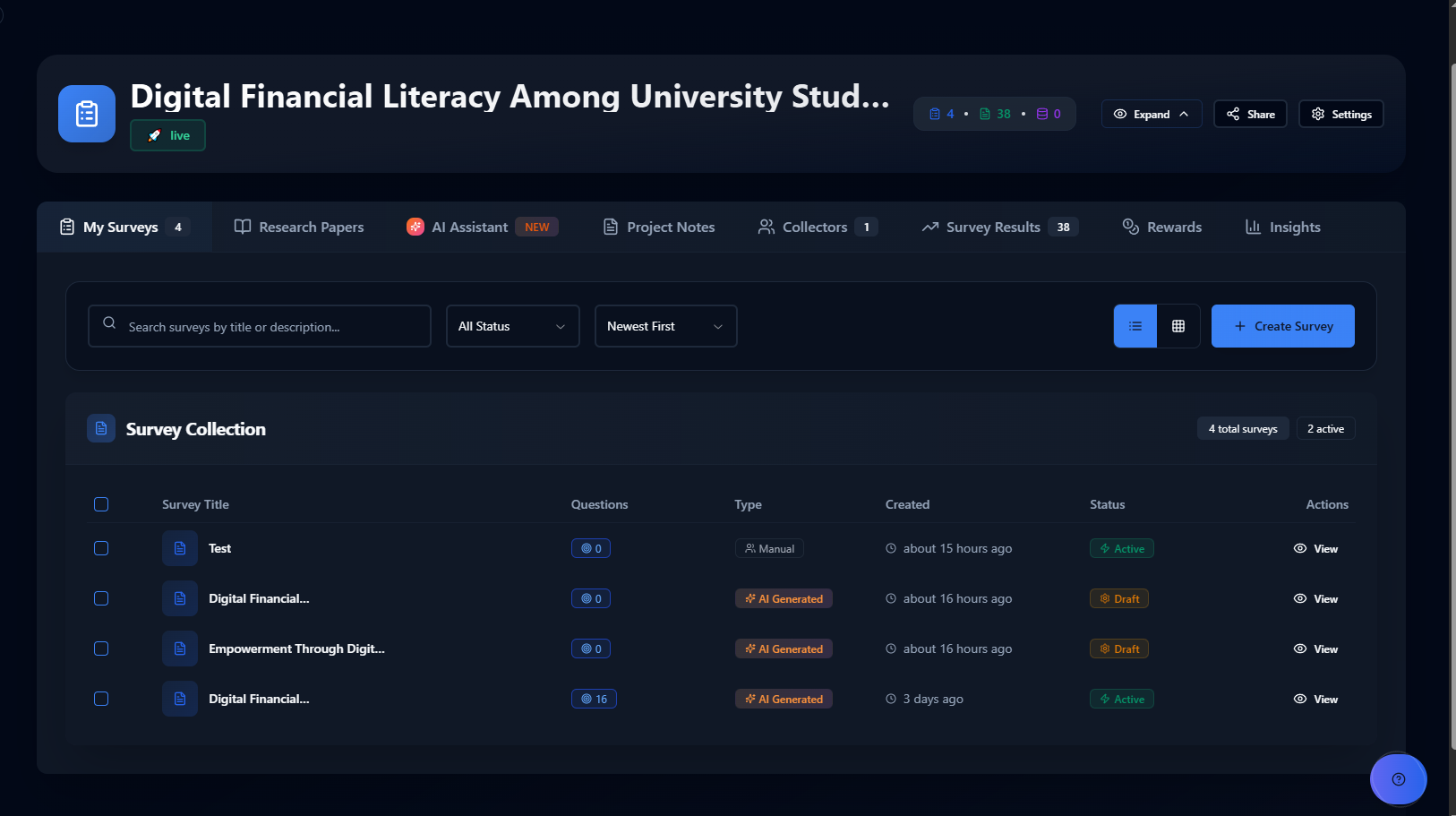
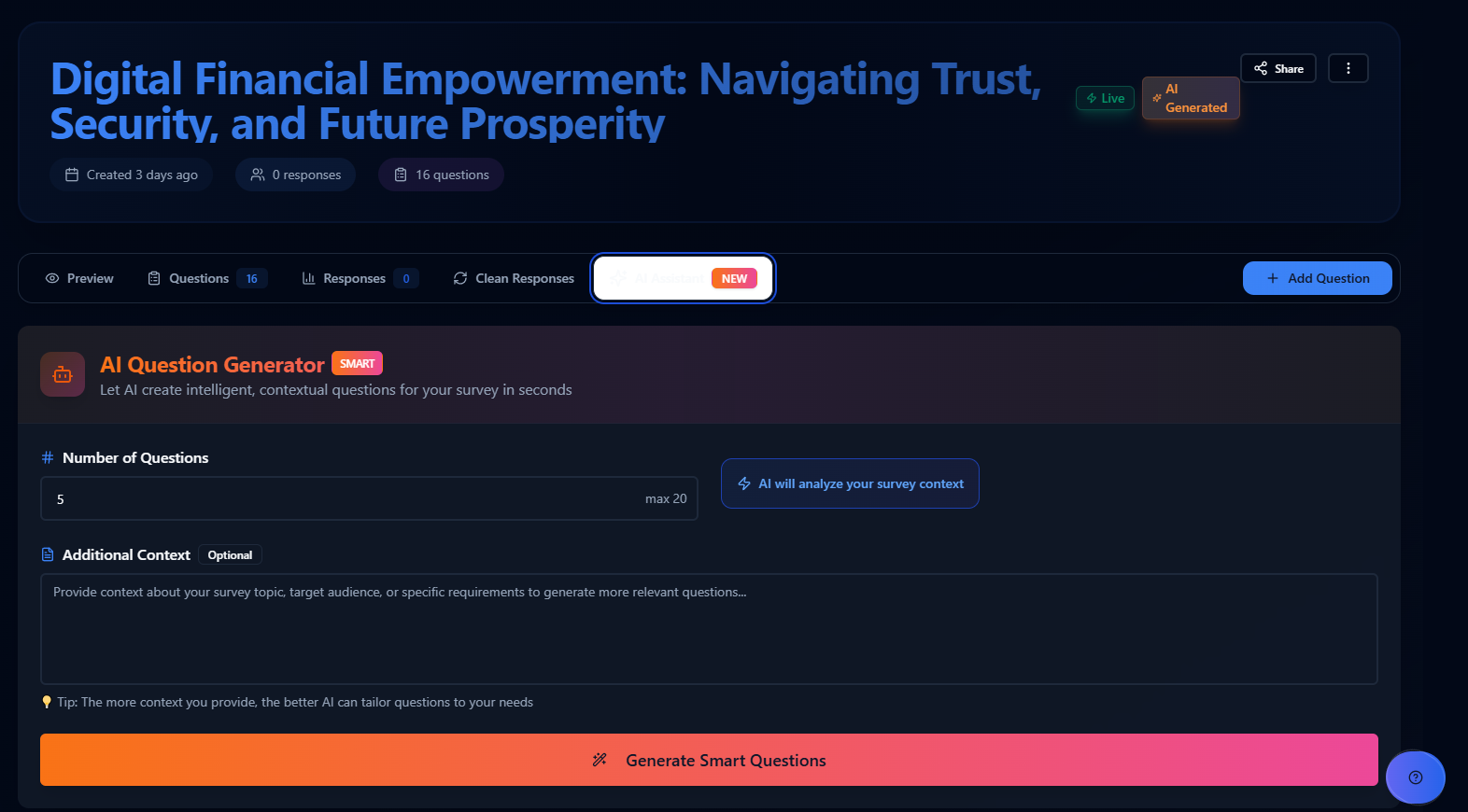
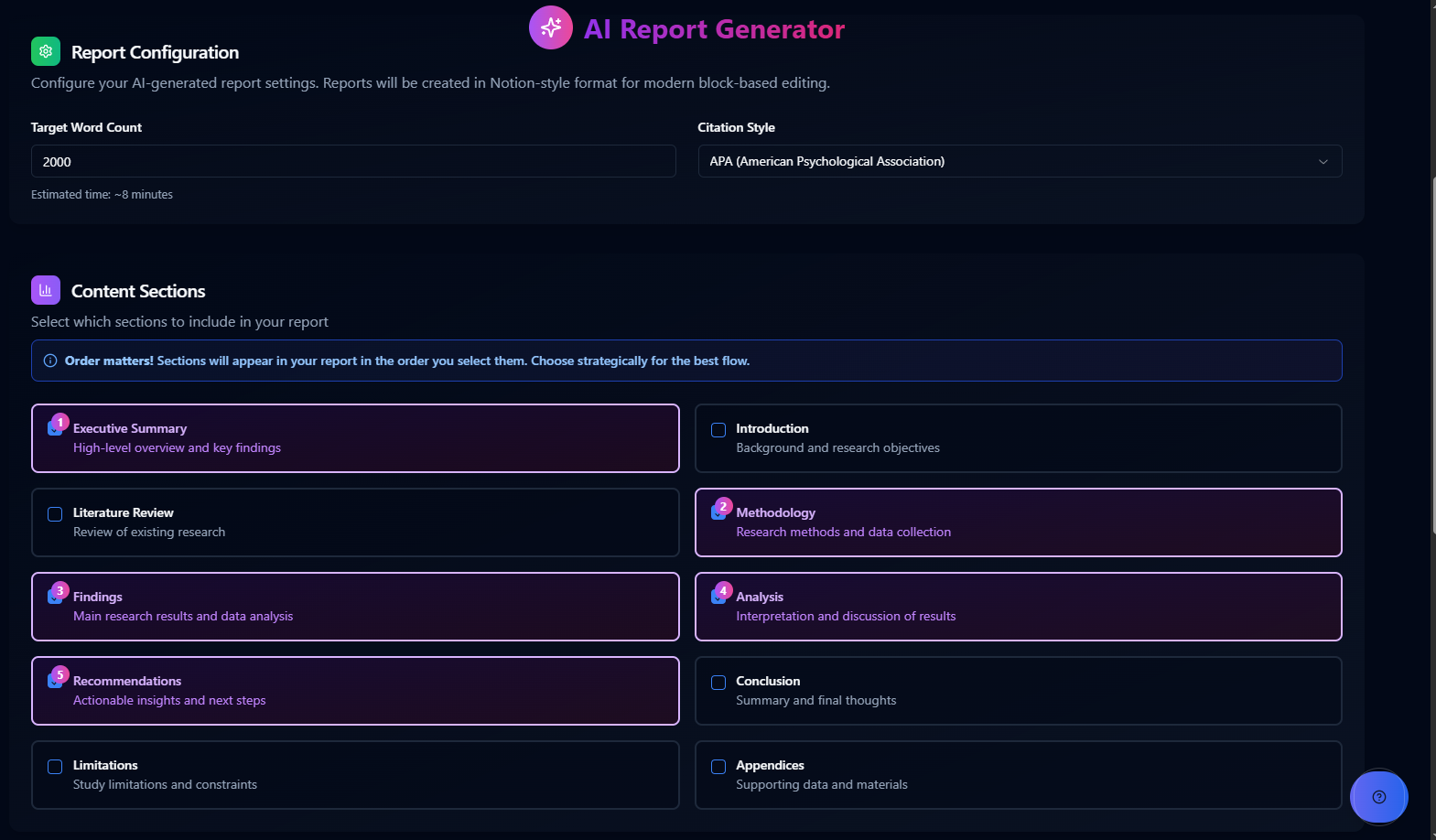
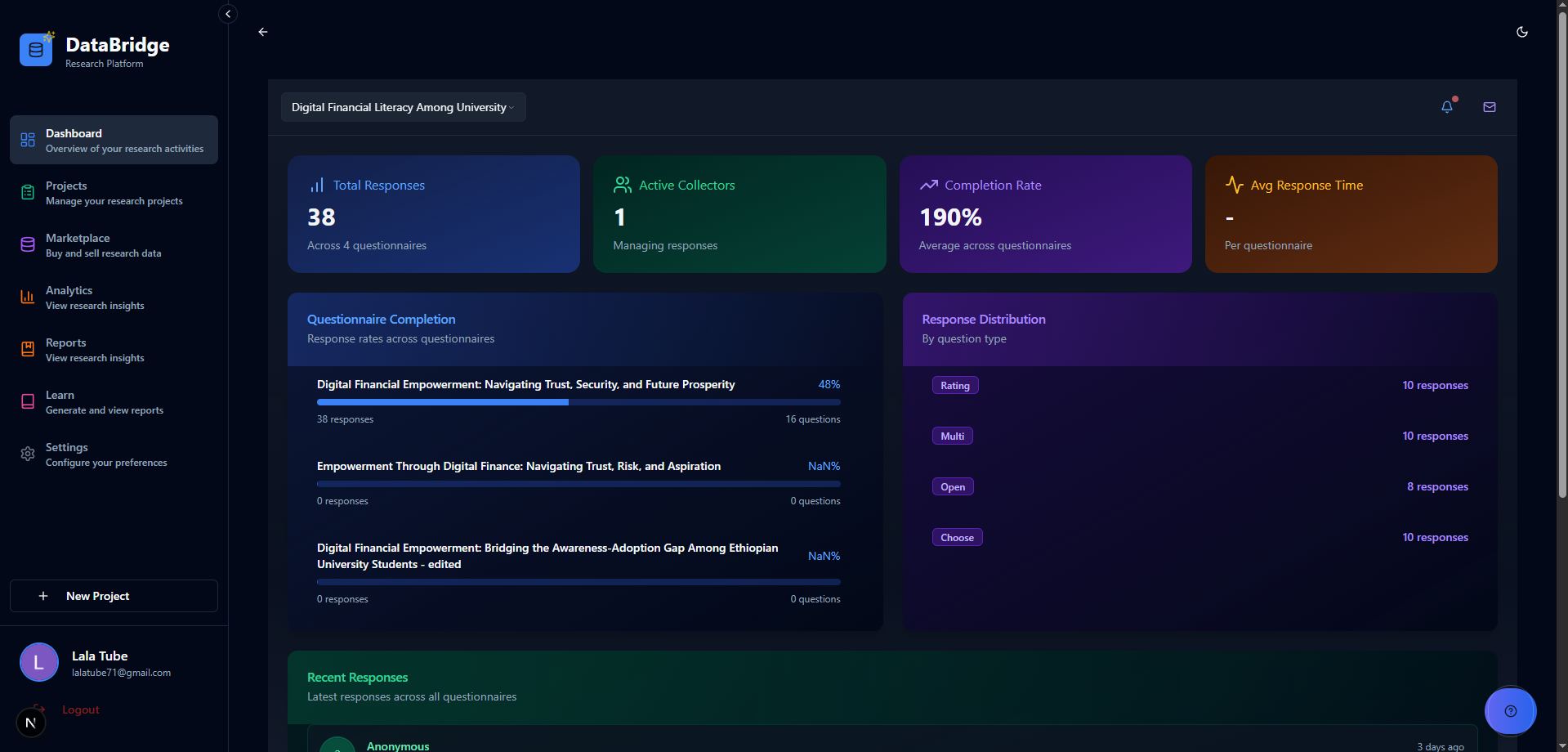
Data Bridges is an AI-powered platform and decentralized data marketplace designed to streamline the entire research process. It enables researchers to:
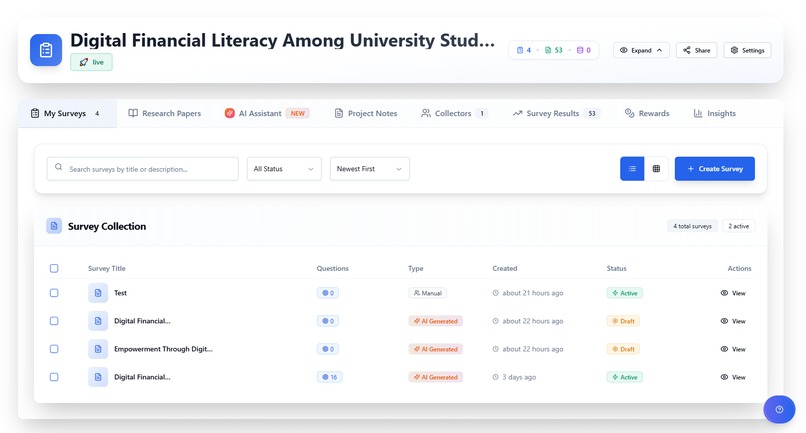
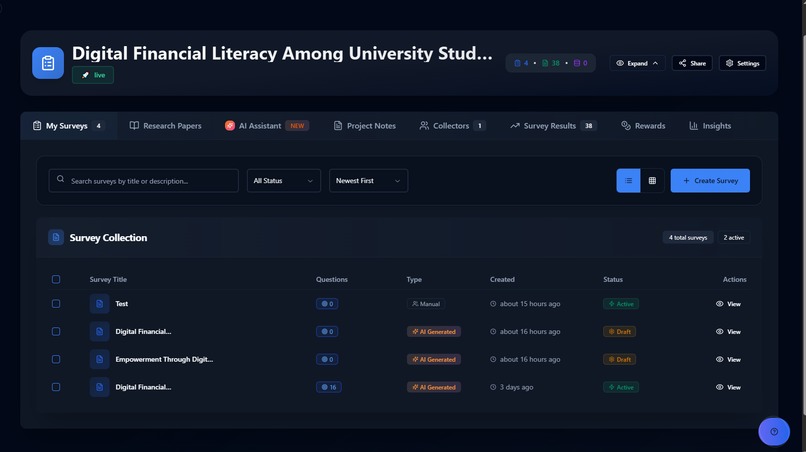
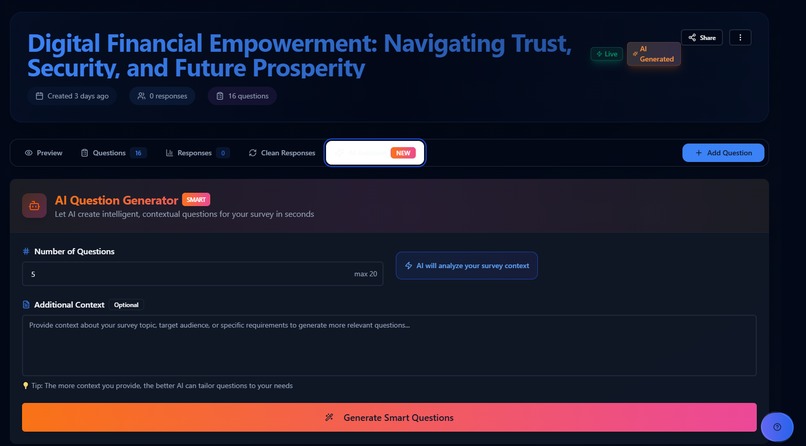
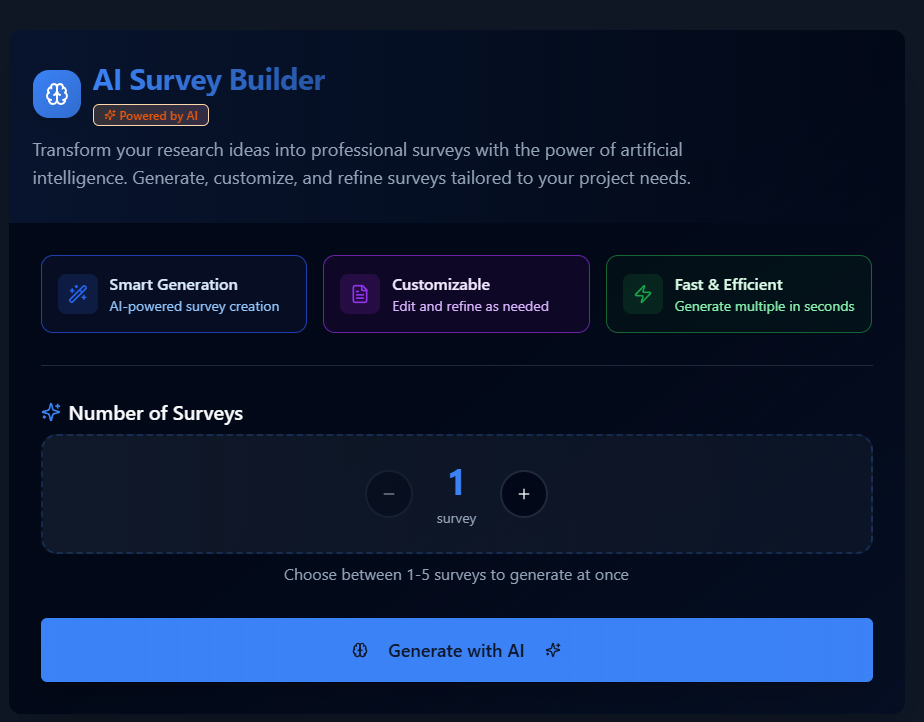
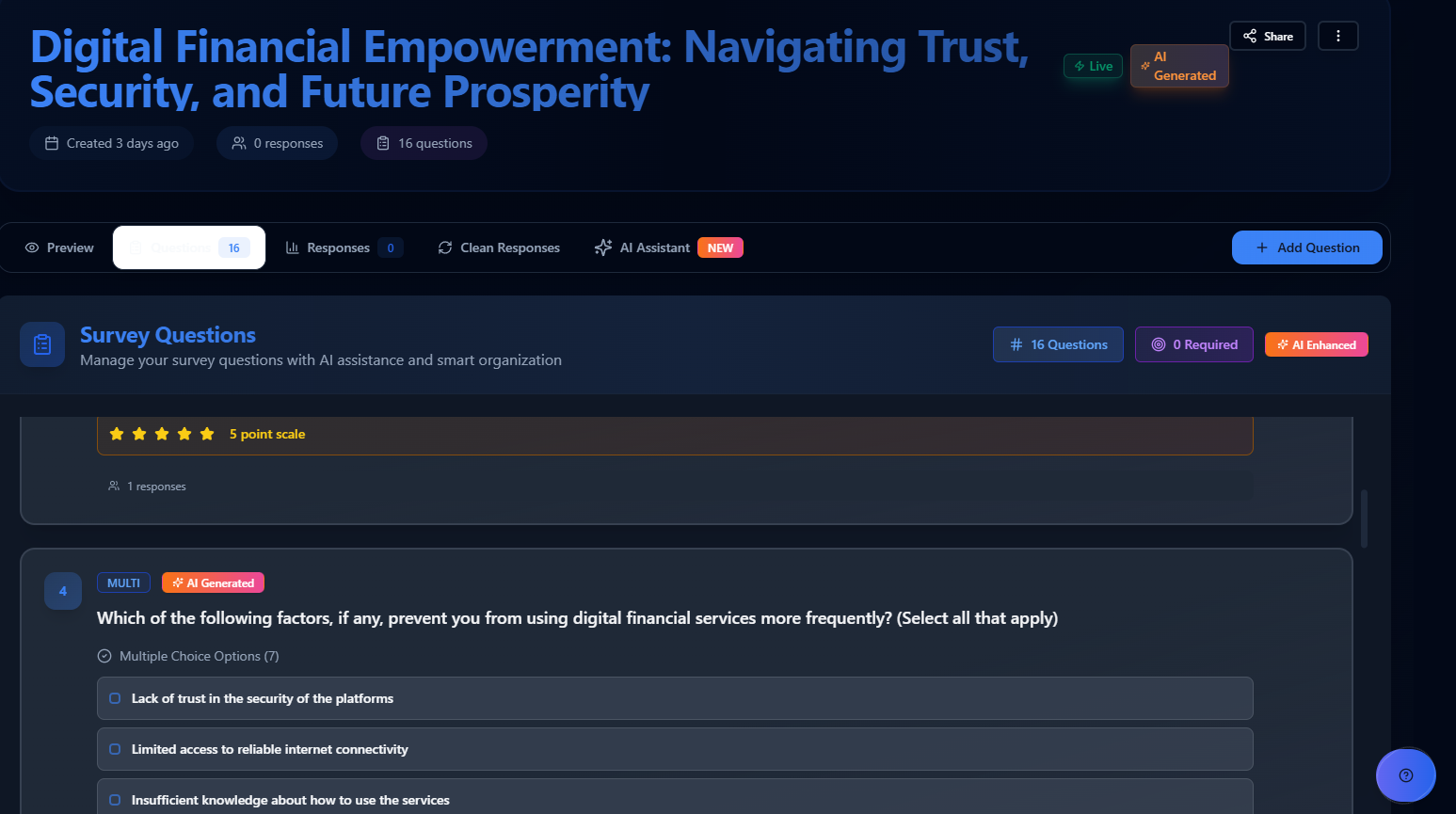
- Design and launch surveys with AI-assisted question generation
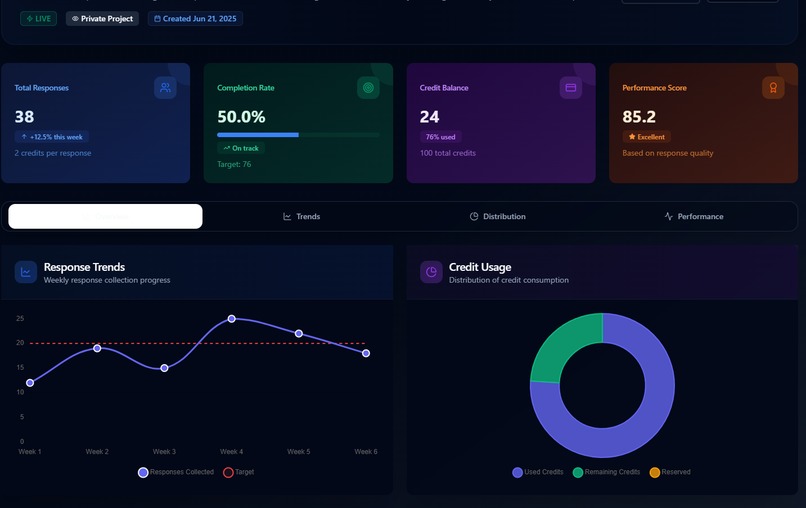
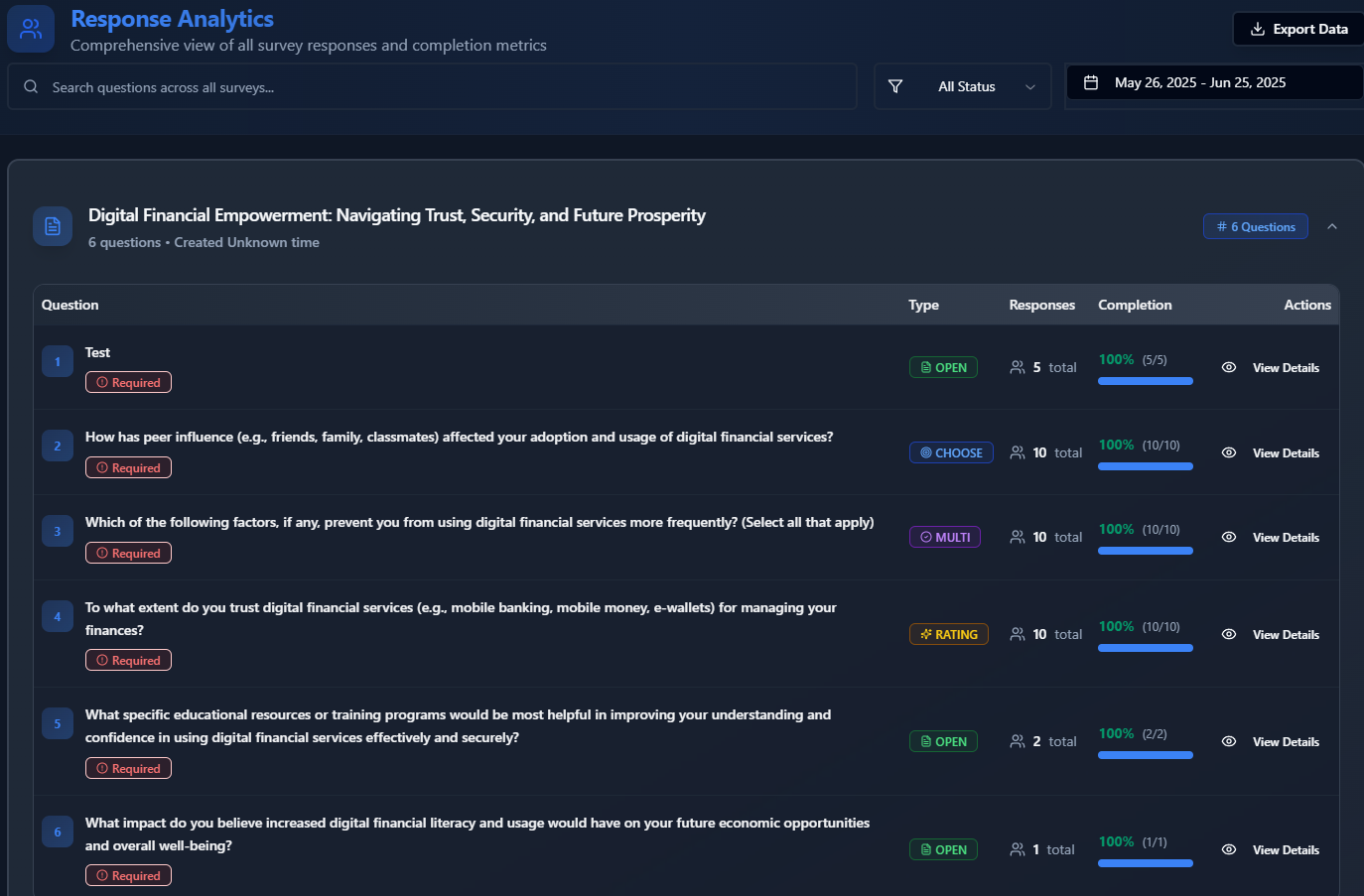
- Distribute surveys through shareable links and gather responses in real-time
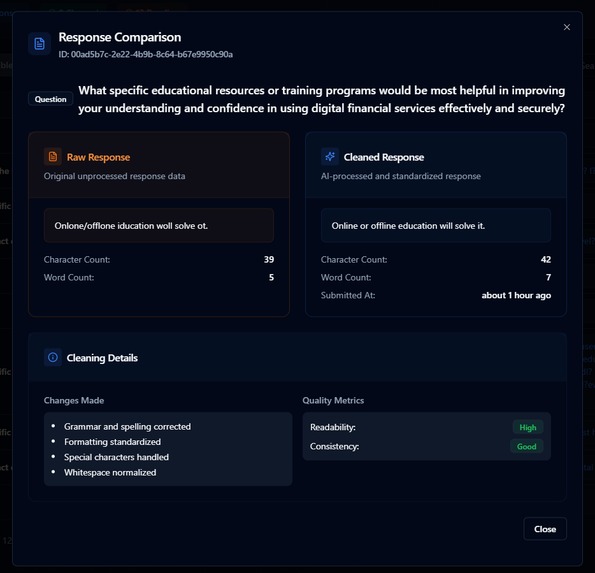
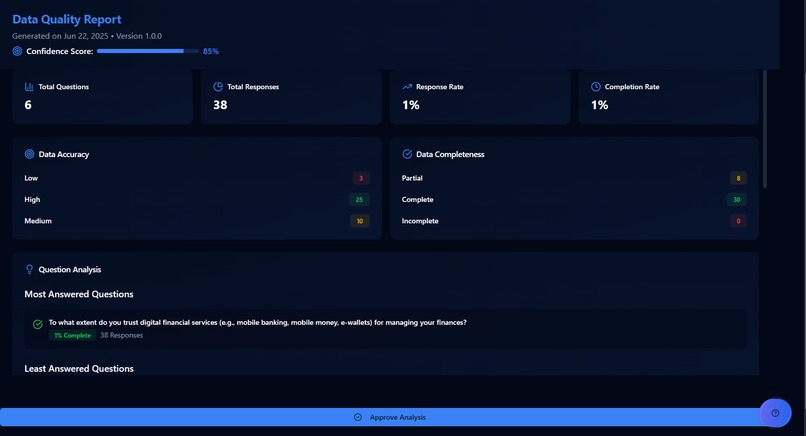
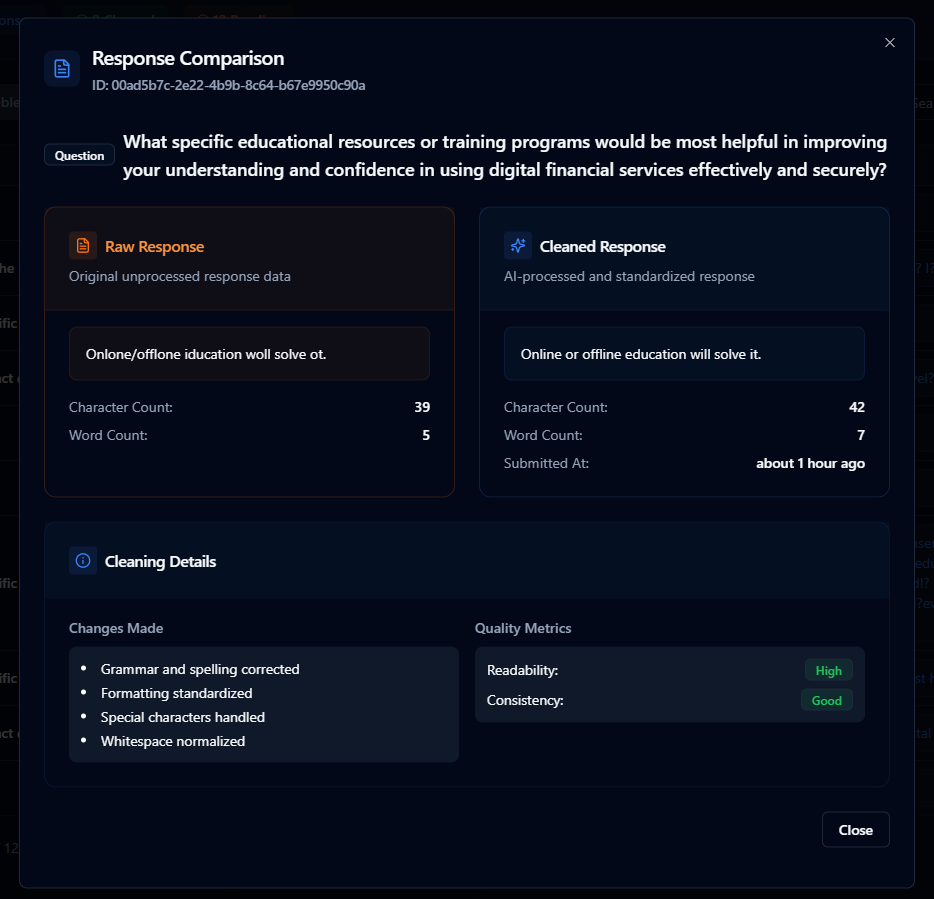
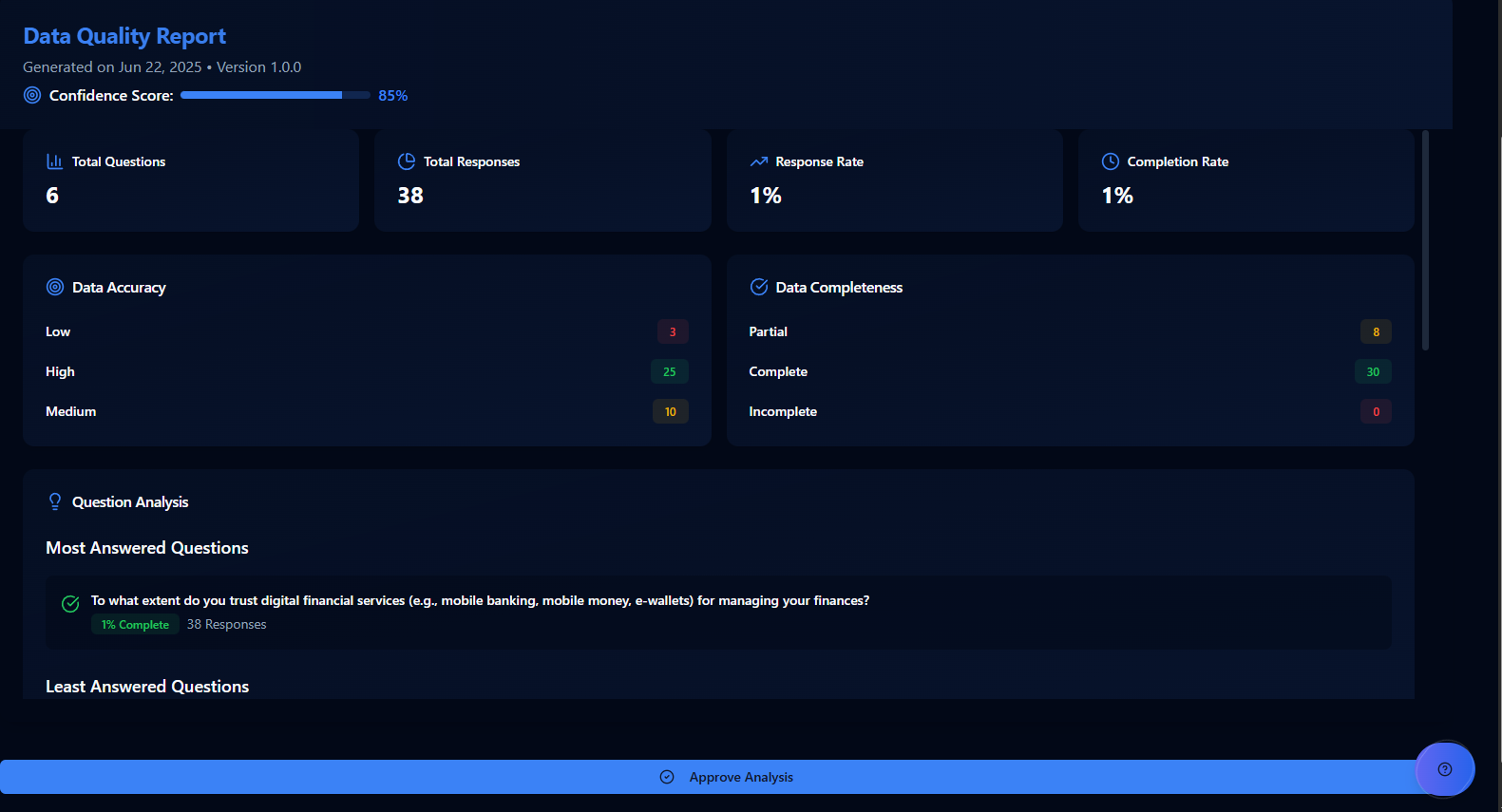
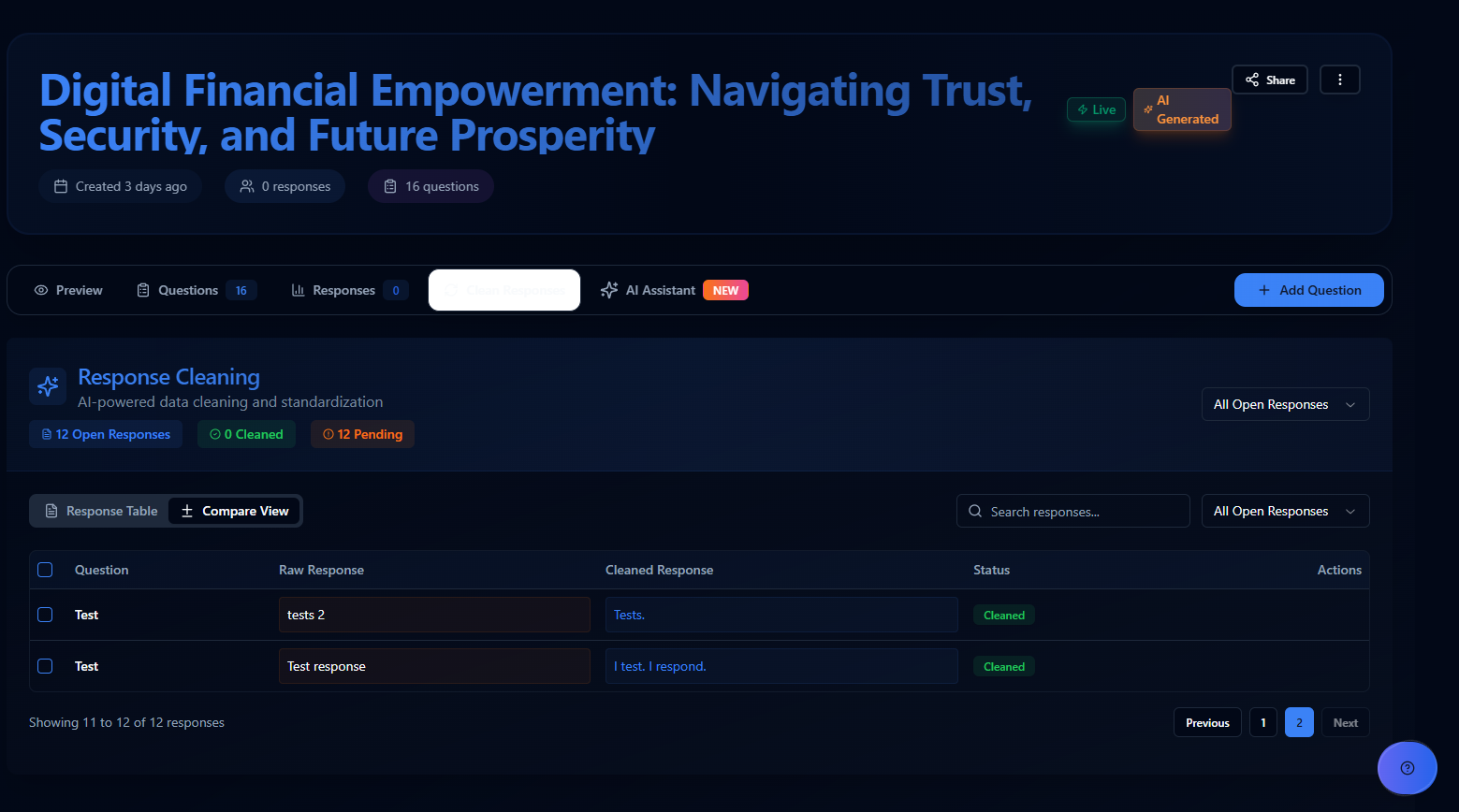
- Automatically clean and validate collected data using AI
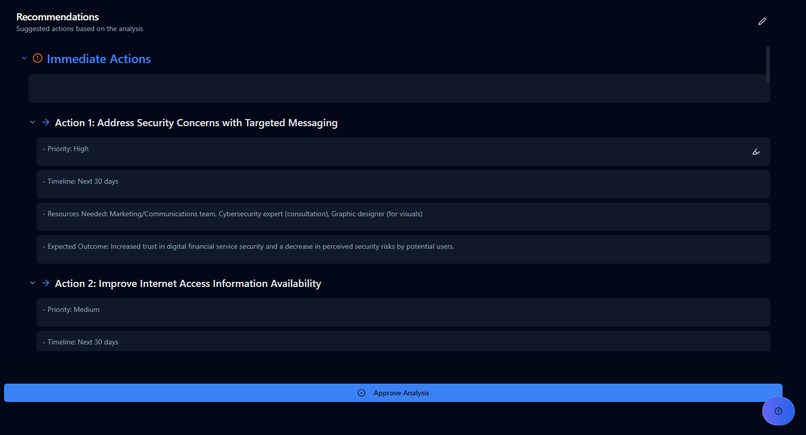
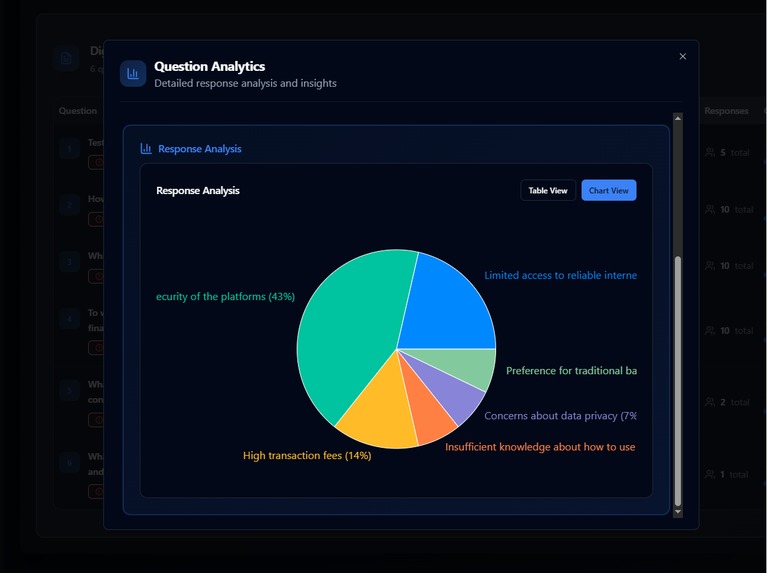
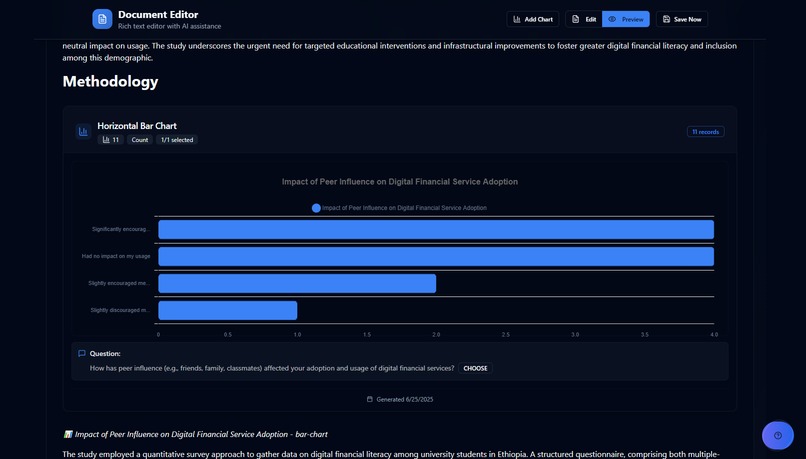
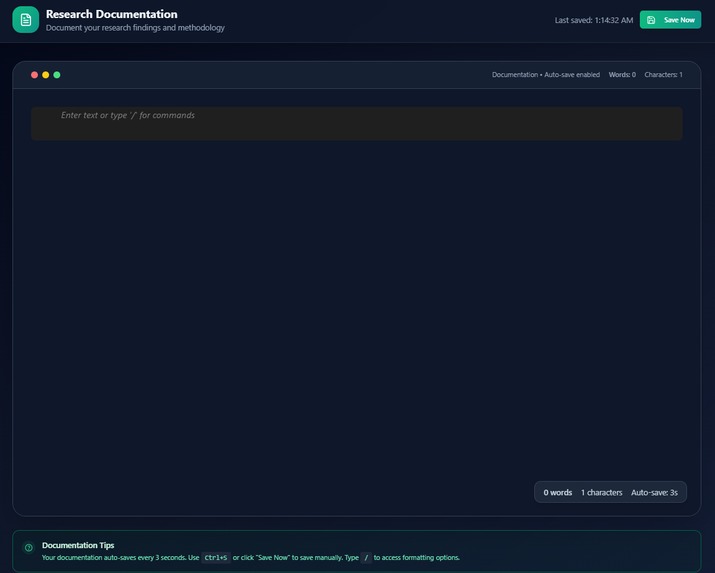
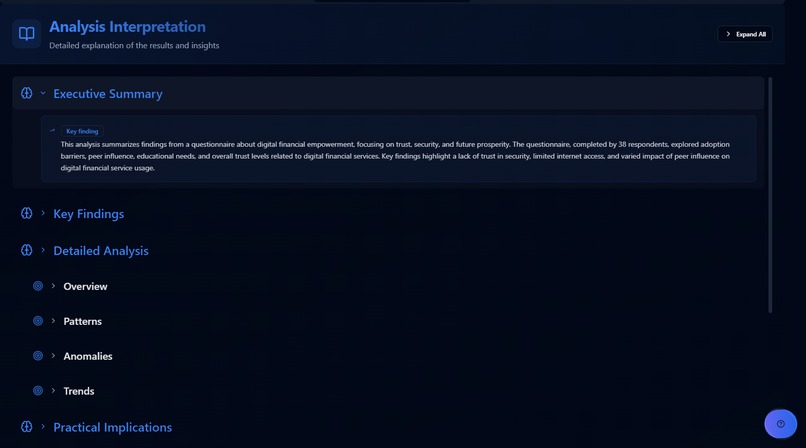
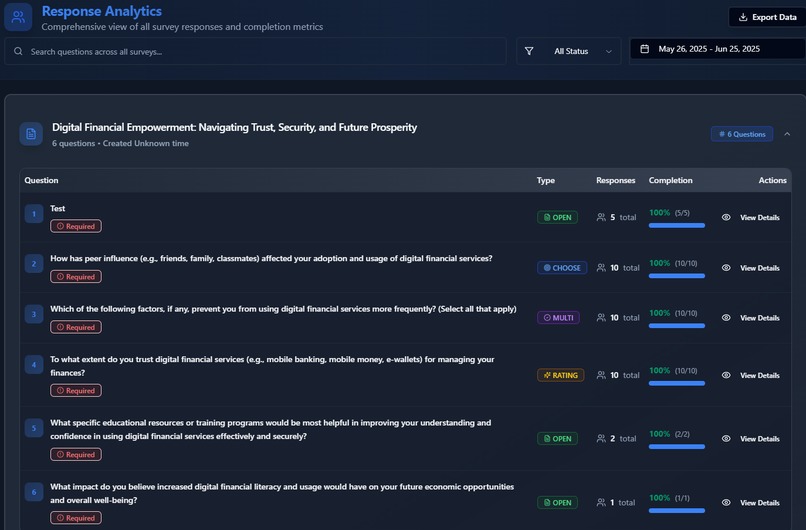
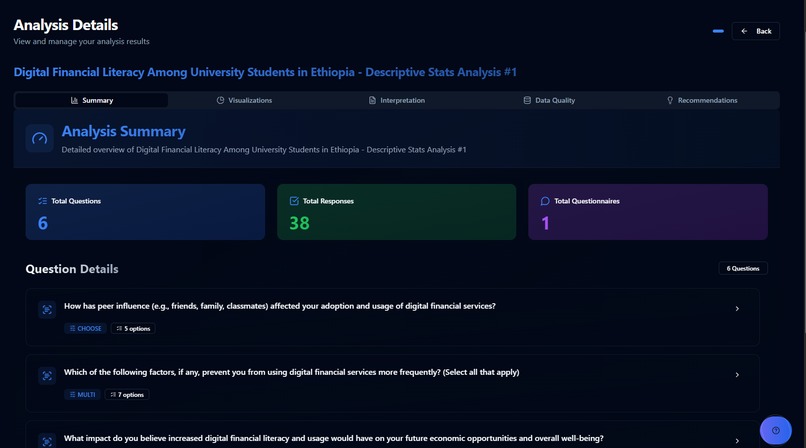
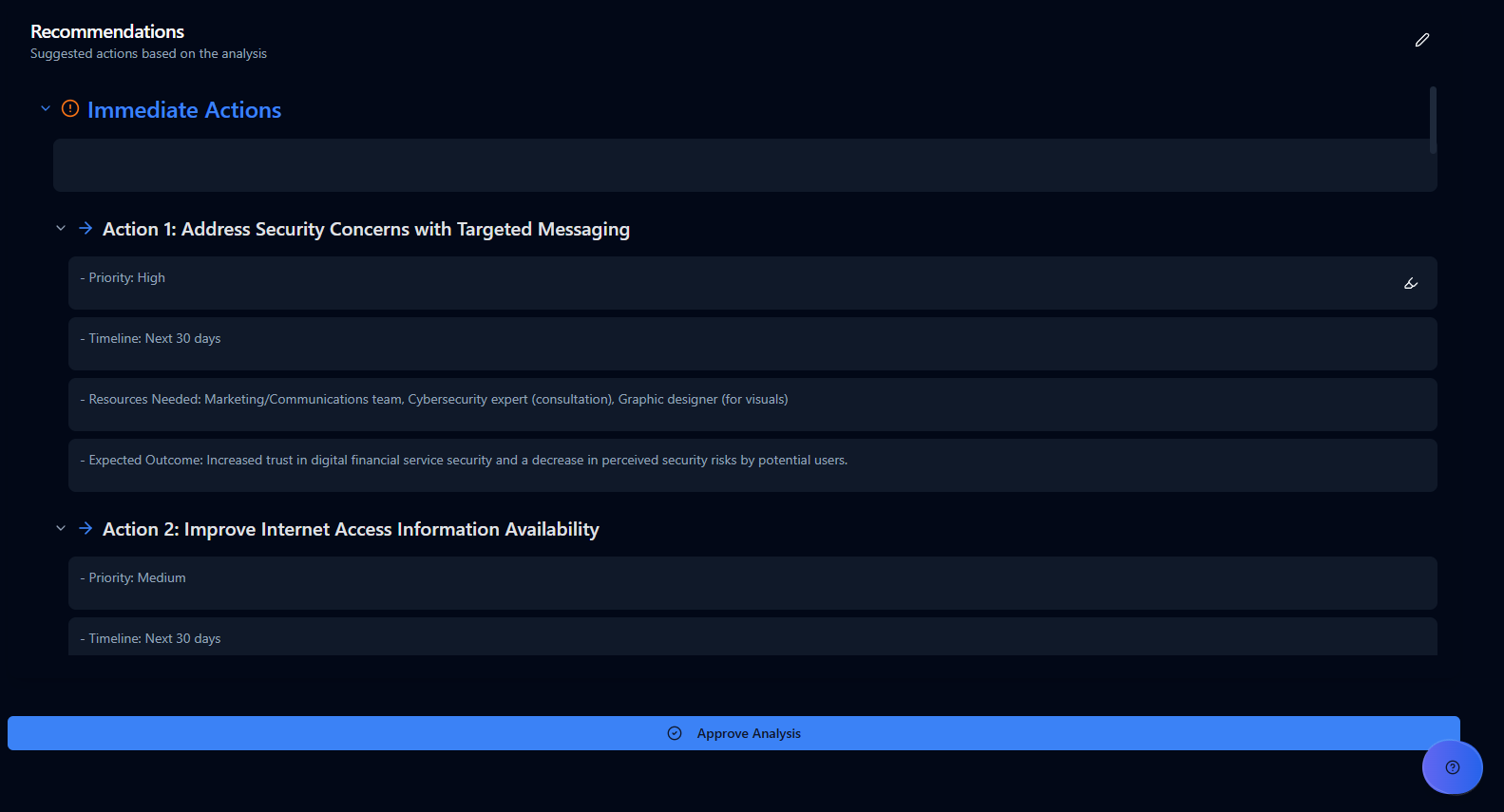
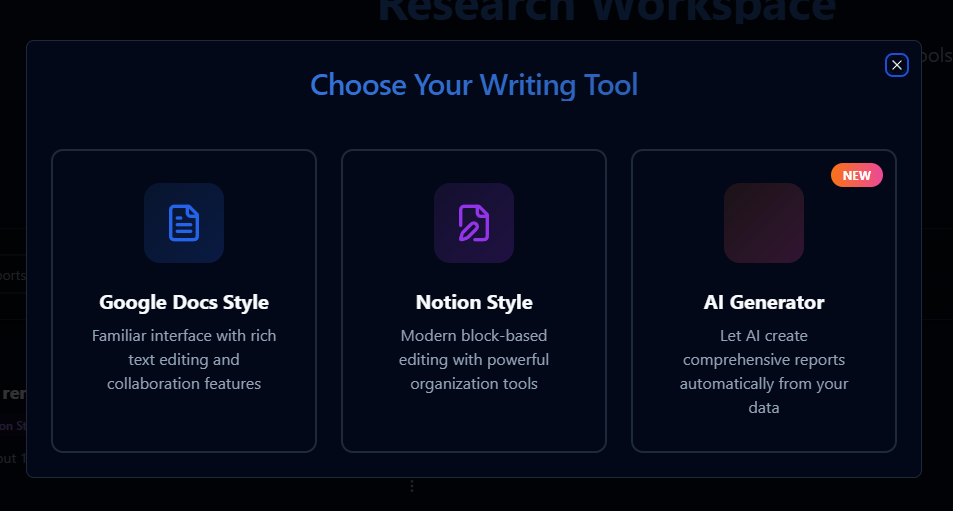
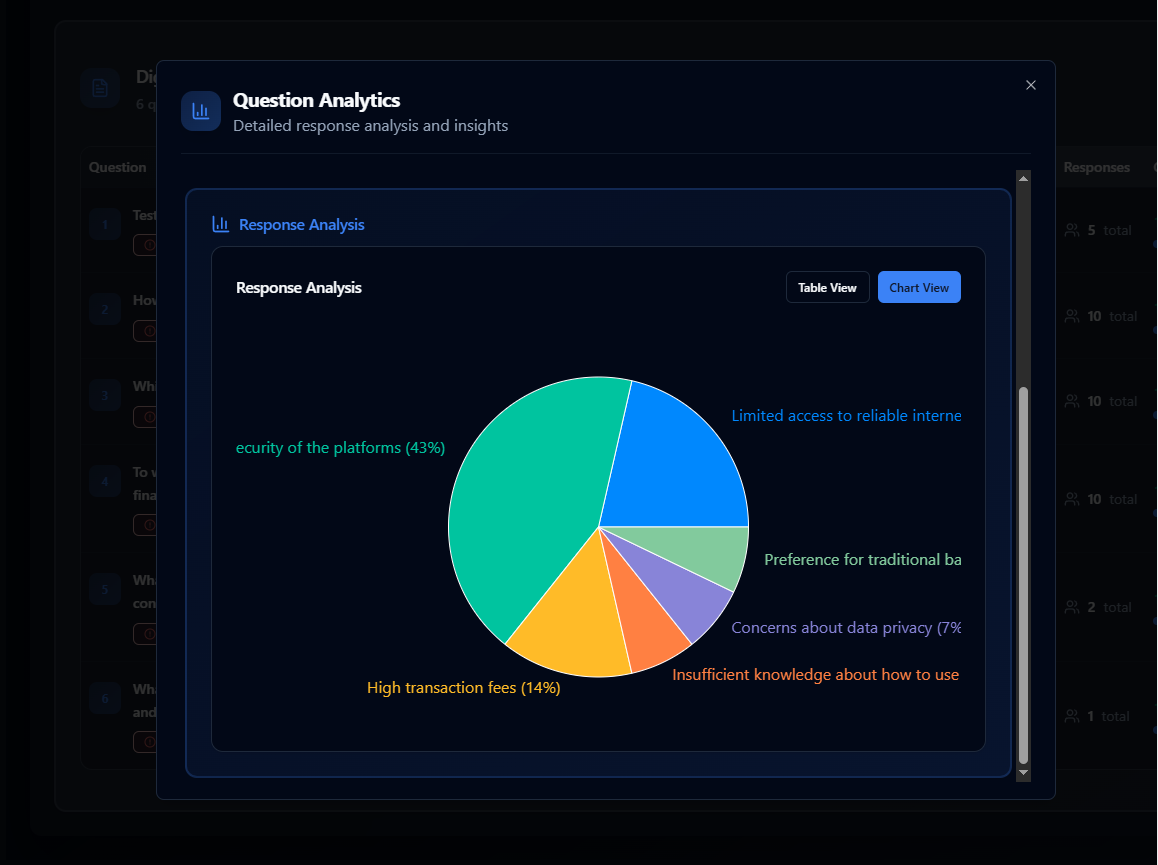
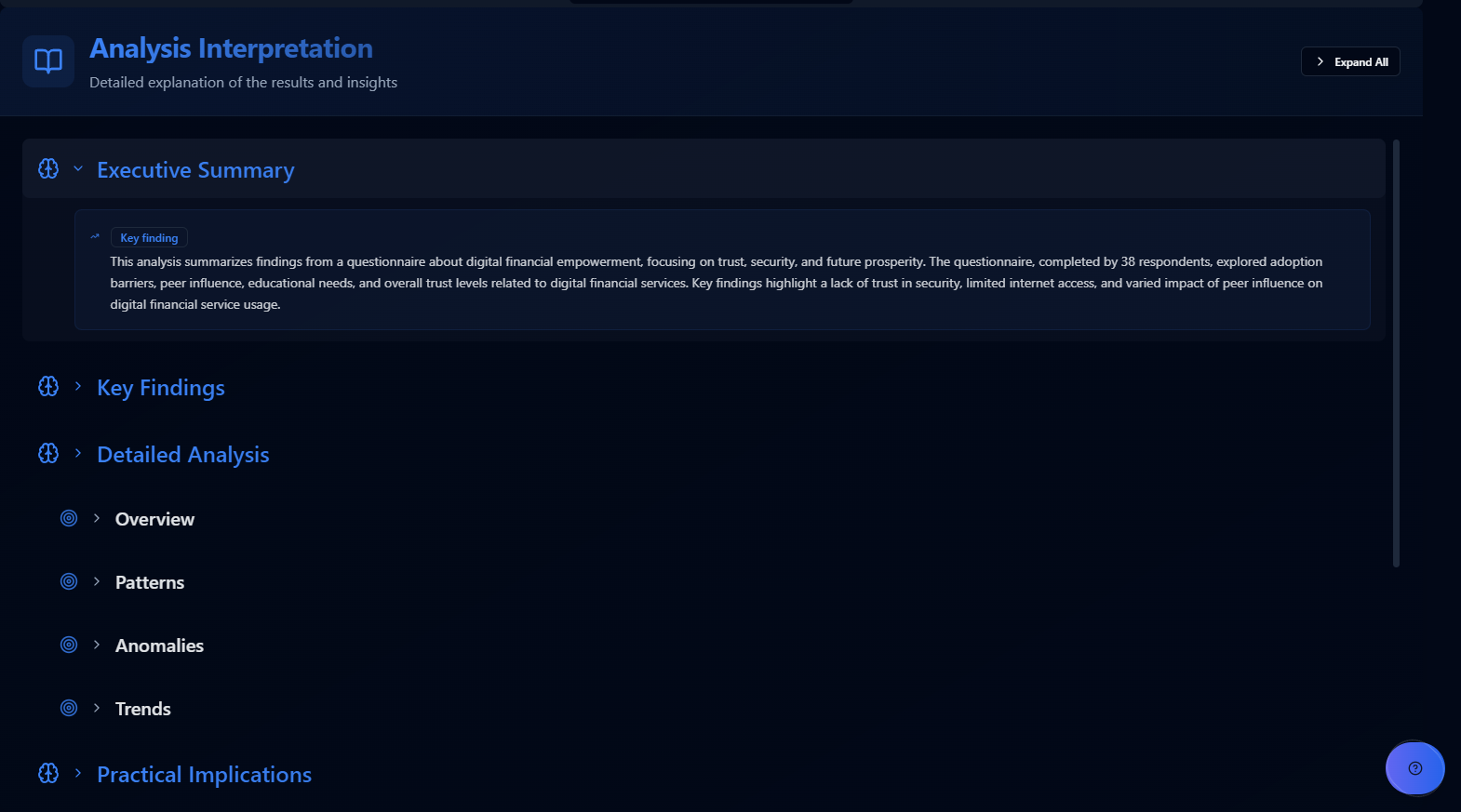
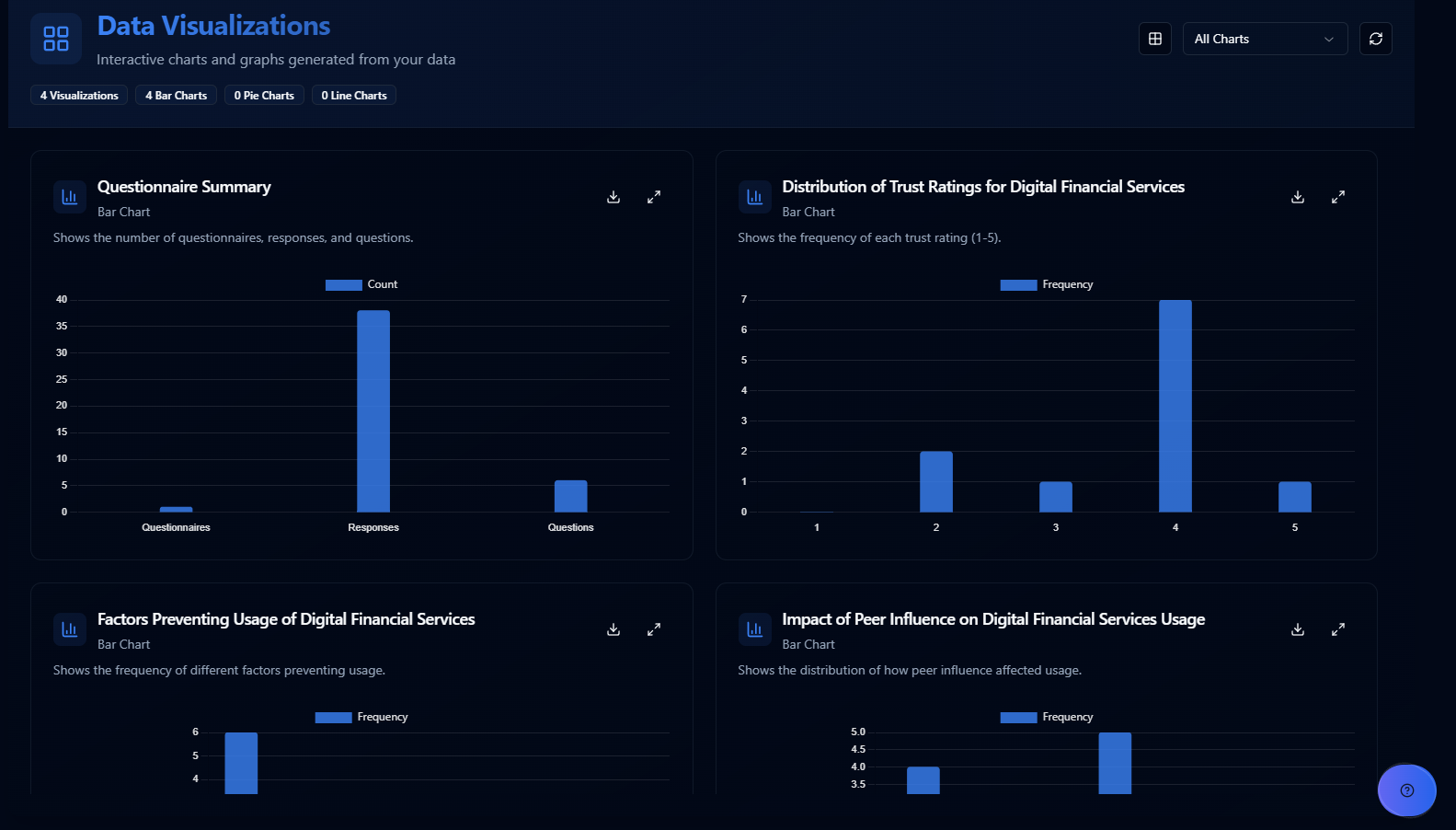
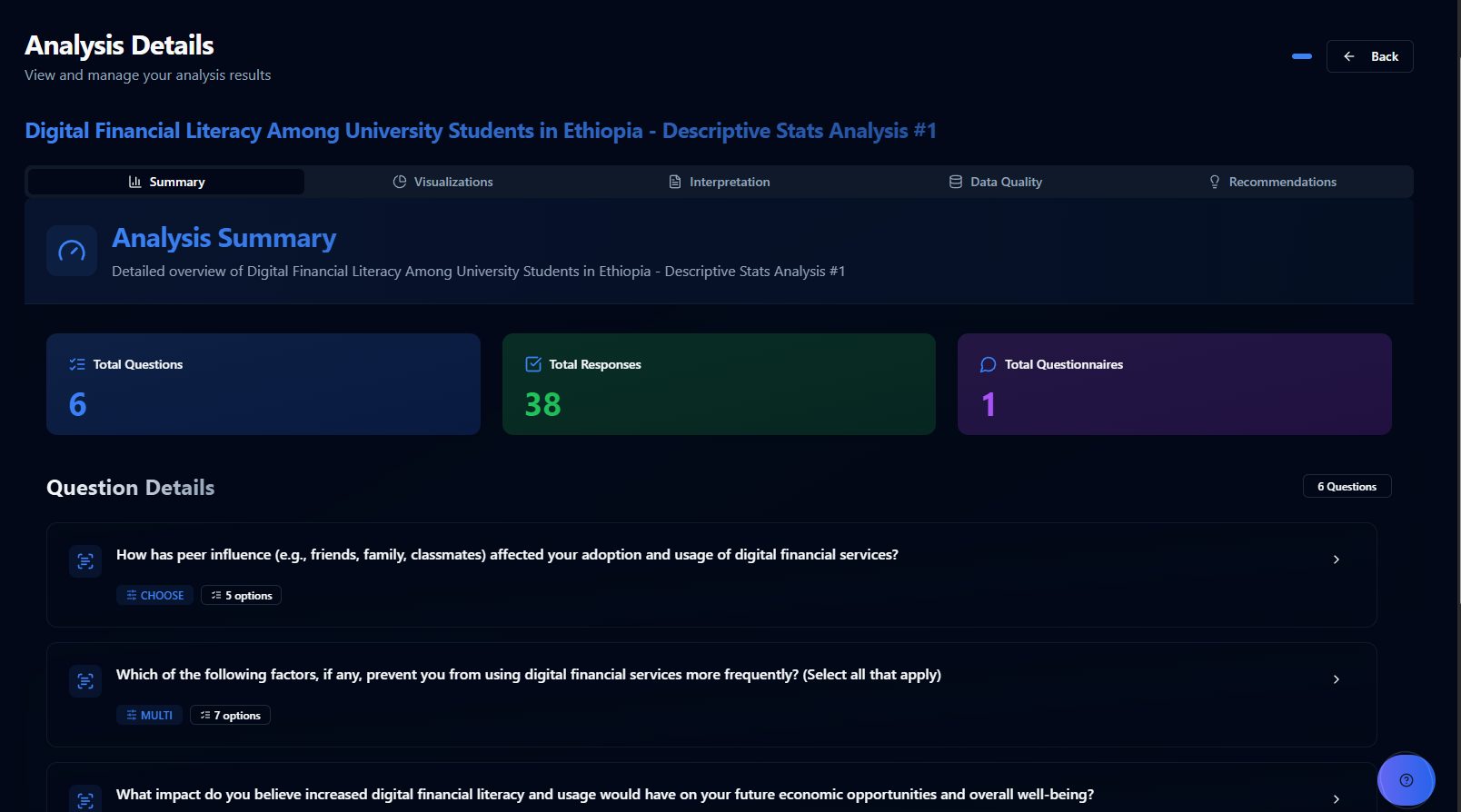
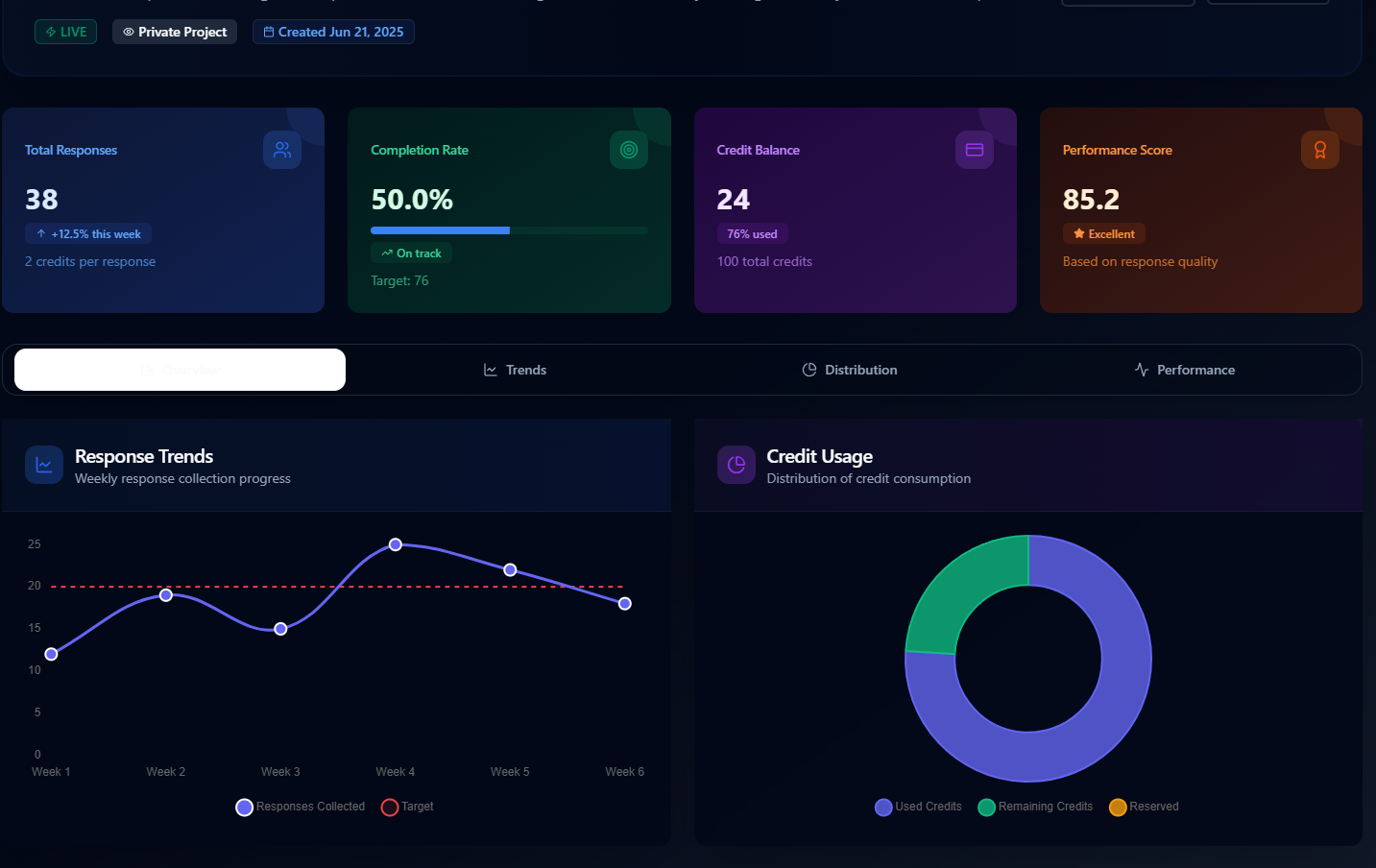
- Generate summaries, interpretations, and recommendations through AI-driven analysis
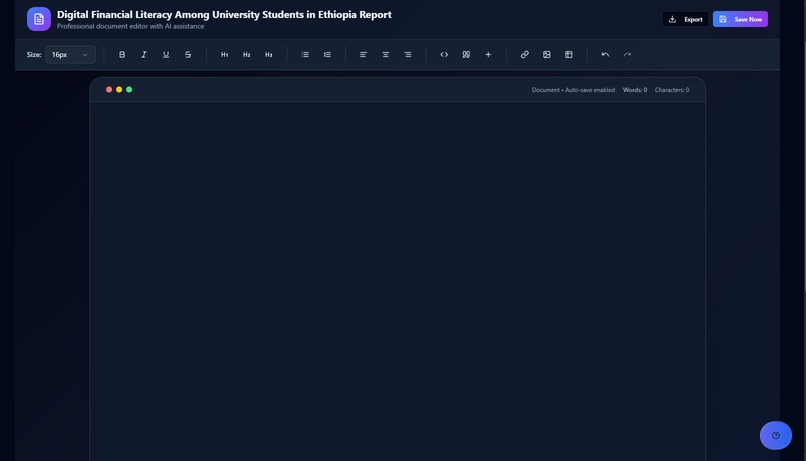
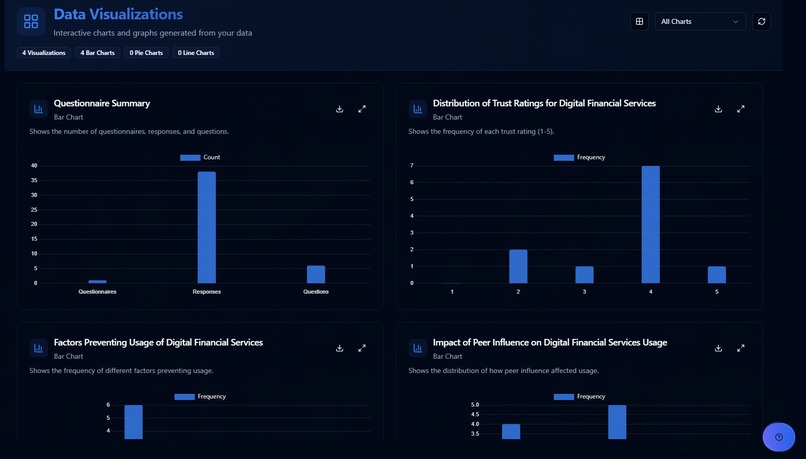
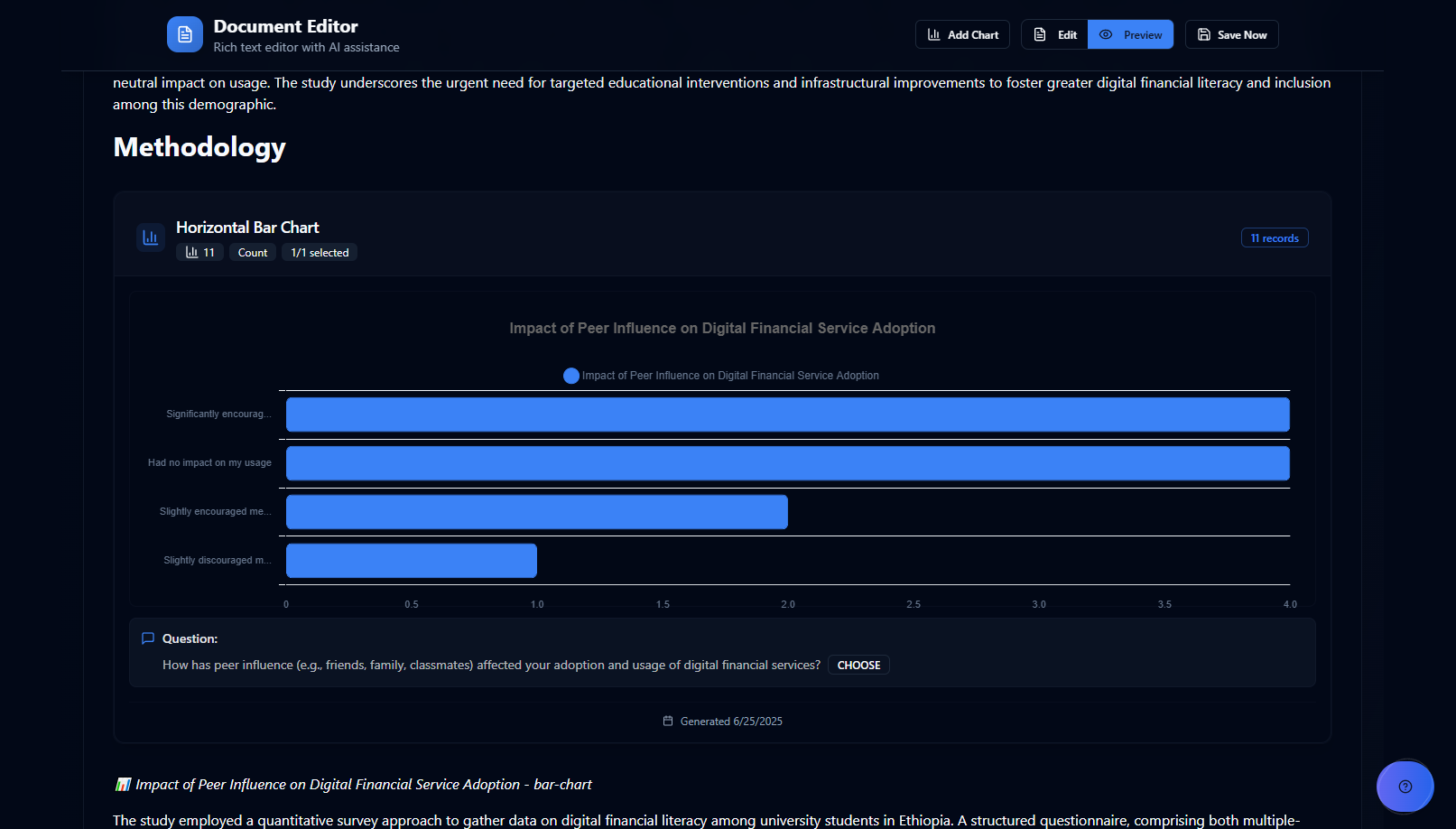
- Create interactive data visualizations directly within reports
- Collaborate seamlessly with team members and communicate with data collectors in real-time
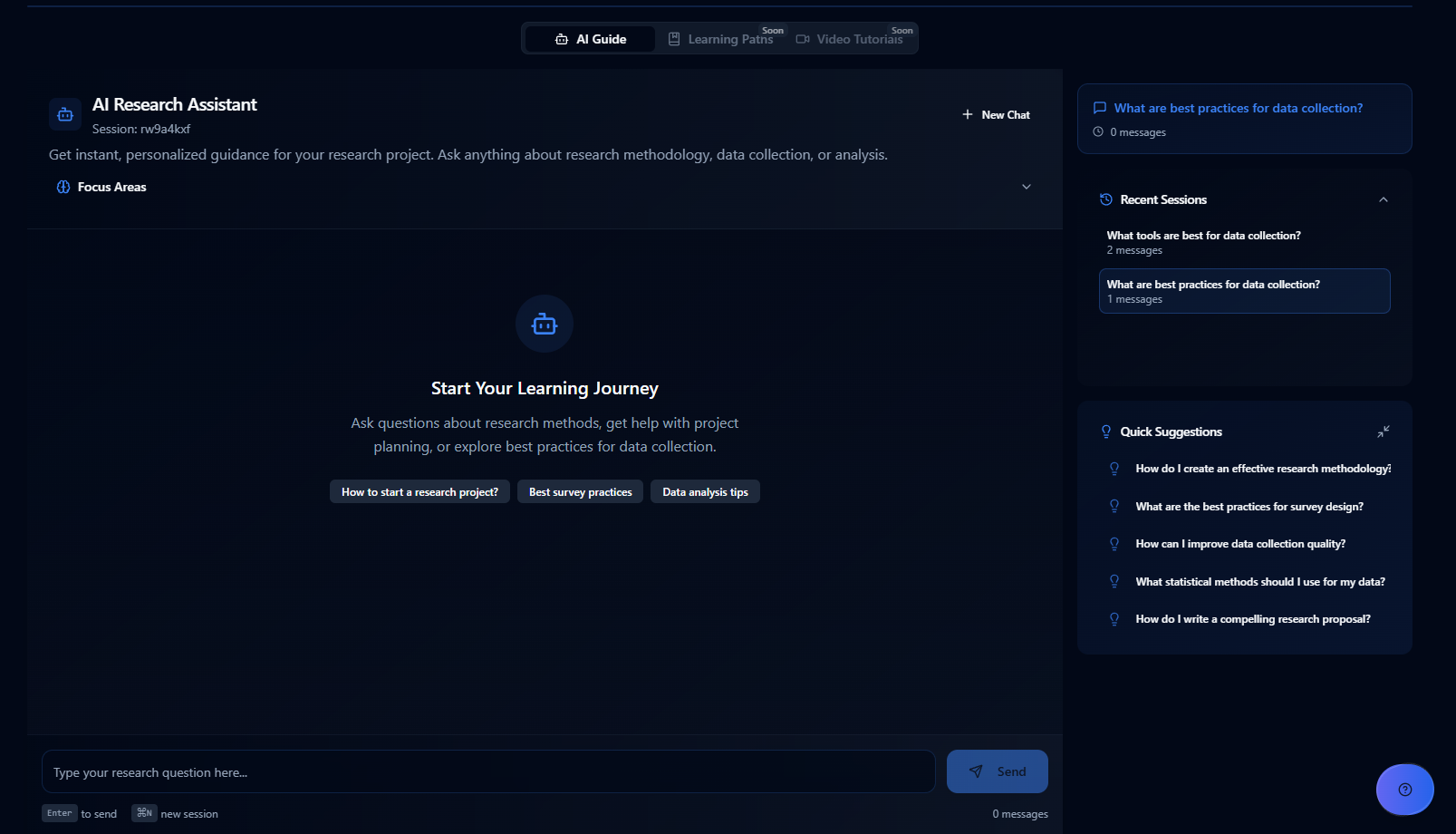
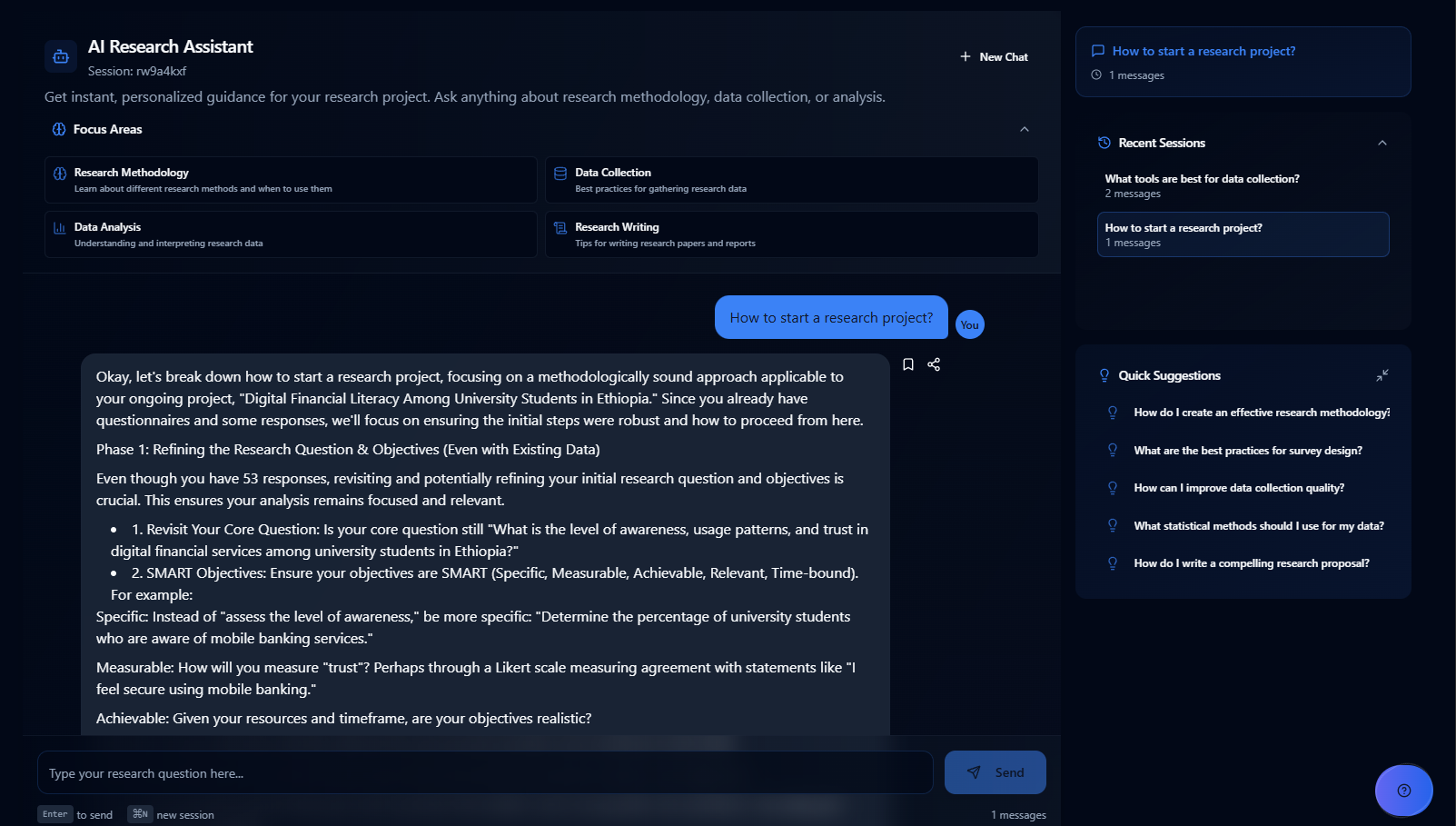
- Access AI-guided learning resources to enhance research skills
- Incentivize respondents with tokens or credits to improve participation and data quality
How we built it
Data Bridges was built using Next.js for the frontend and NestJS for the backend, with infrastructure powered by AWS. Cursor, an AI coding tool, served as the primary development environment, while Linear was used for task management and Notion for documentation and planning. The AI models primarily leverage the Gemini API for text generation and analysis. The entire product—from backend architecture to frontend—was developed solely by the founder and technical lead, without the involvement of external contractors.
Challenges we ran into
- Building a complex, end-to-end platform as the sole technical person from team of two, managing both frontend and backend development
- Operating under a tight financial constraint with a runway of only 4 months, which limited resources for infrastructure and scaling
- Developing an integrated solution that addresses the entire fragmented research workflow, requiring seamless coordination between multiple features and technologies
- Designing and implementing a token-based incentive system within a blockchain framework, which added complexity to both development and user adoption
- Managing infrastructure costs on AWS while ensuring reliability and performance under budget limitations
- Balancing rapid development and product quality to meet user needs within a constrained timeline
Accomplishments that we're proud of
- Successfully building and launching an MVP, currently in private beta since June 2025
- Testing early versions with real researchers to validate the concept and gather valuable feedback
- Creating a comprehensive solution that integrates AI-powered survey creation, automated data cleaning, and in-depth analysis
- Establishing partnerships with one educational institution and five startups across education, research, and health sectors, who are actively using the platform for their respective projects
- Engaging in ongoing conversations with local and international incubation programs to adopt the platform for their startup research needs, expanding its reach and impact
What we learned
- The critical value of firsthand experience in truly understanding and addressing the problem at hand
- That meaningful innovation often comes from solving "boring," overlooked problems faced by underserved users
- The effectiveness of a problem-first approach in guiding product development and ensuring real user impact
- The significant potential of blockchain technology to enhance data transparency, trust, and accountability within research workflows
What's next for Data Bridges
- Launching a fully functional public version within the next couple of months
- Expanding the user base to include thousands of active researchers and respondents
- Growing the decentralized data marketplace by adding initial dataset listings and facilitating transactions
- Building strategic partnerships with multiple academic institutions and research organizations to strengthen the platform’s reach and credibility
- Identifying and bringing on co-founders who complement the technical expertise and help drive the company forward
Built With
- amazon-web-services
- cloudflare
- github
- neon
- nestjs
- nextjs
- postgresql
- render
- restful
- swagger
- typescript
- vercel


Log in or sign up for Devpost to join the conversation.