-
-
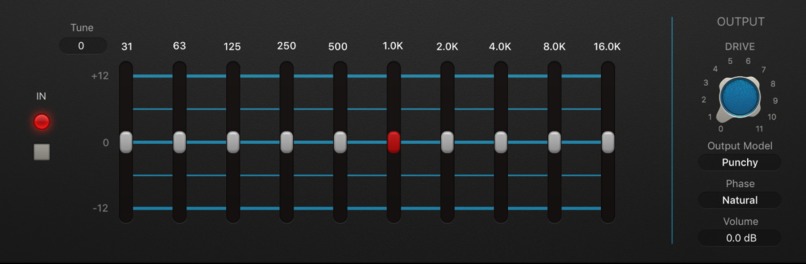
The mock screen the designer wants to test
-
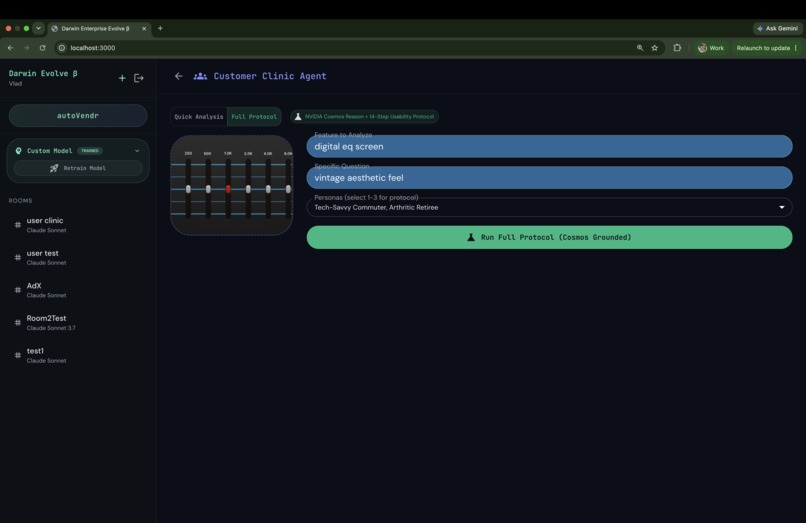
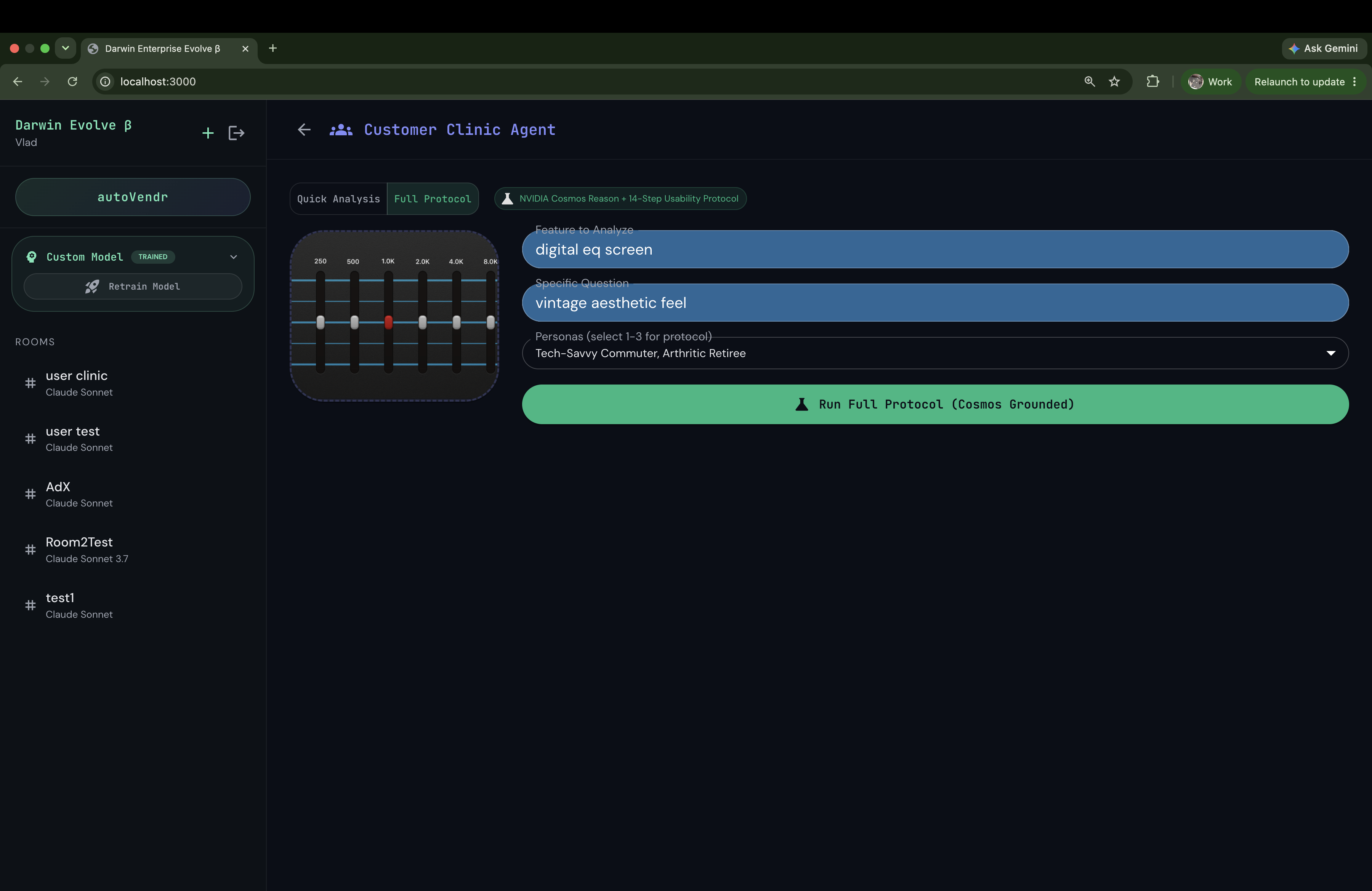
The clinic agent interface
-
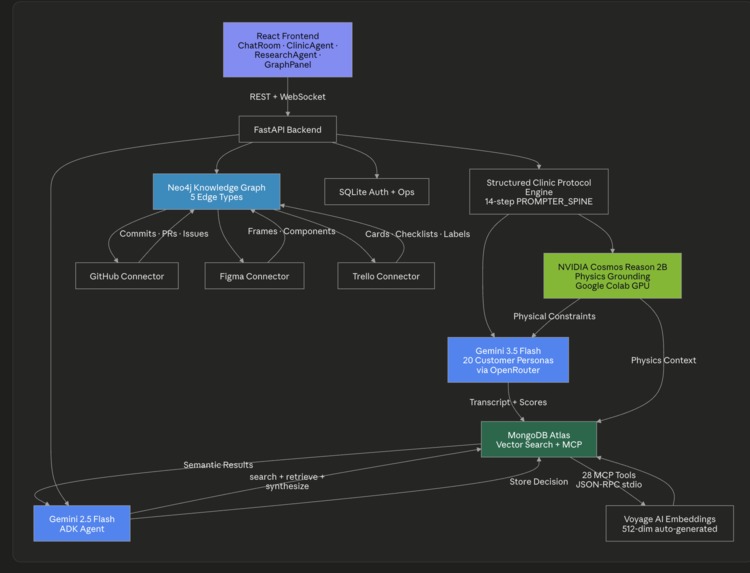
Architecture flow diagram
-
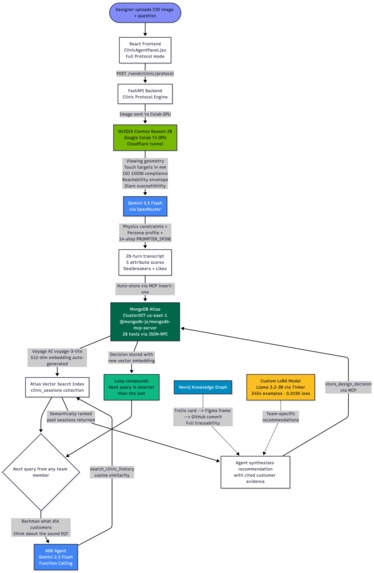
Architecture Flow Chart
-
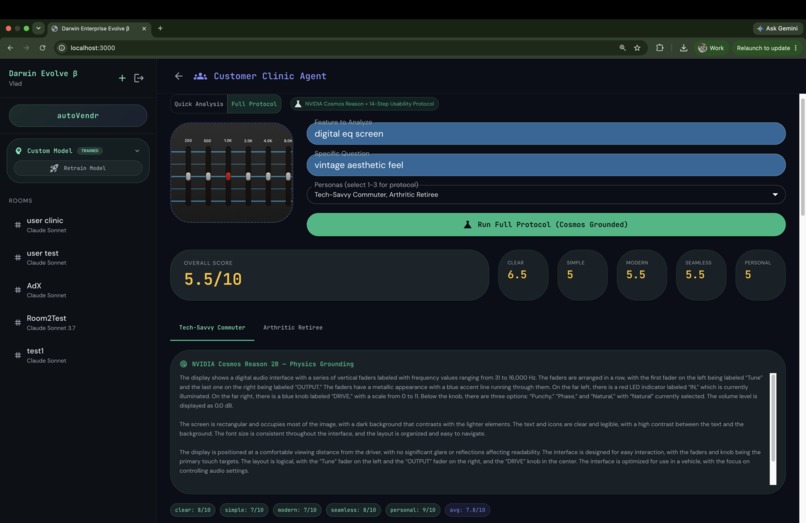
Clinic agent results + physics grounding
-
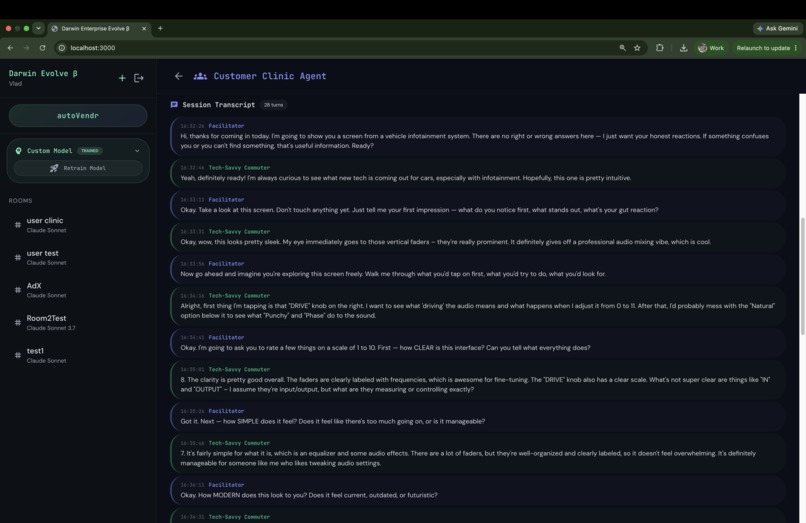
Clinic transcripts (UX prompter agent + customer persona agent)
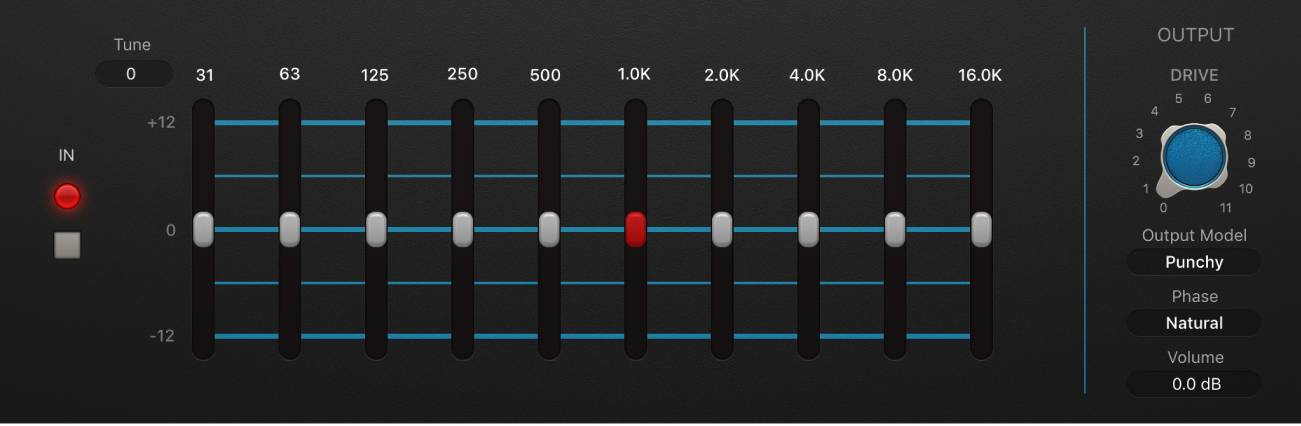
Inspiration
Automotive HMI teams are broken. Designers live in Figma. Engineers live in GitHub. PMs live in Trello. Nobody shares context. Product managers waste 60-70% of their time stitching information together instead of making decisions. Then they wait 3 months for a $250K in-person customer clinic to find out their design doesn't work. By then the designers have moved on. I build HMI systems at Subaru. I lived this problem every day. So I built the solution.
What it does
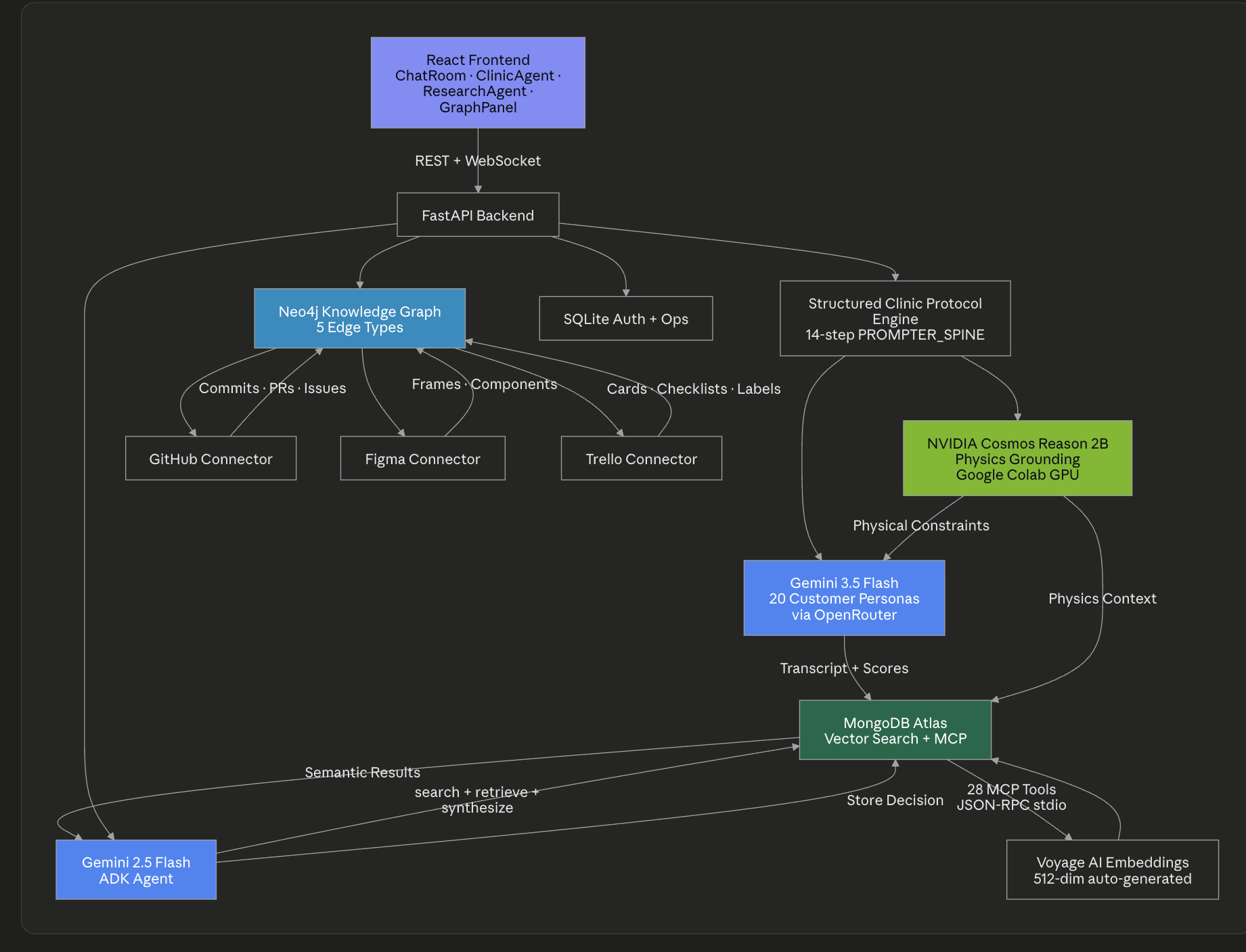
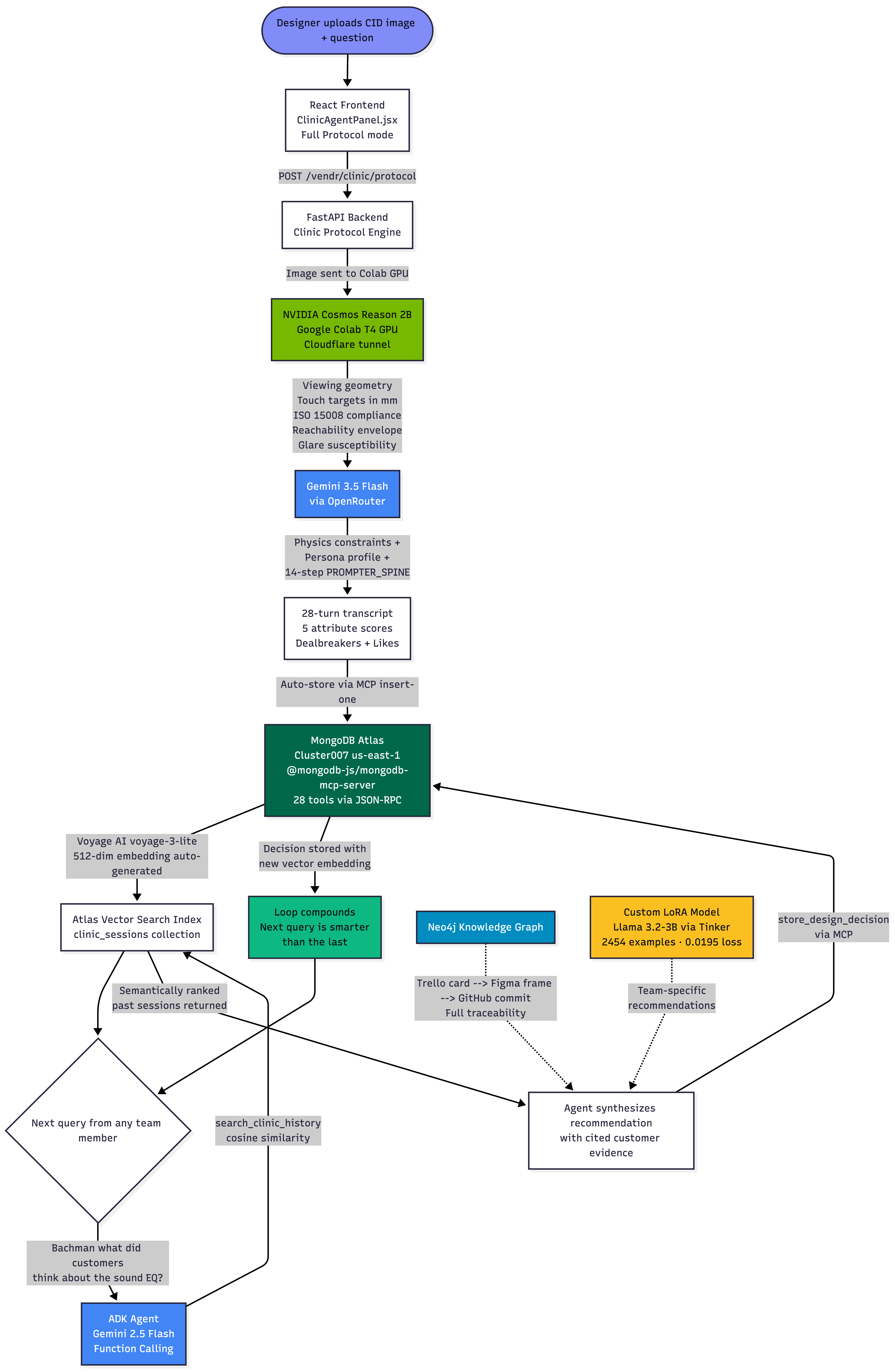
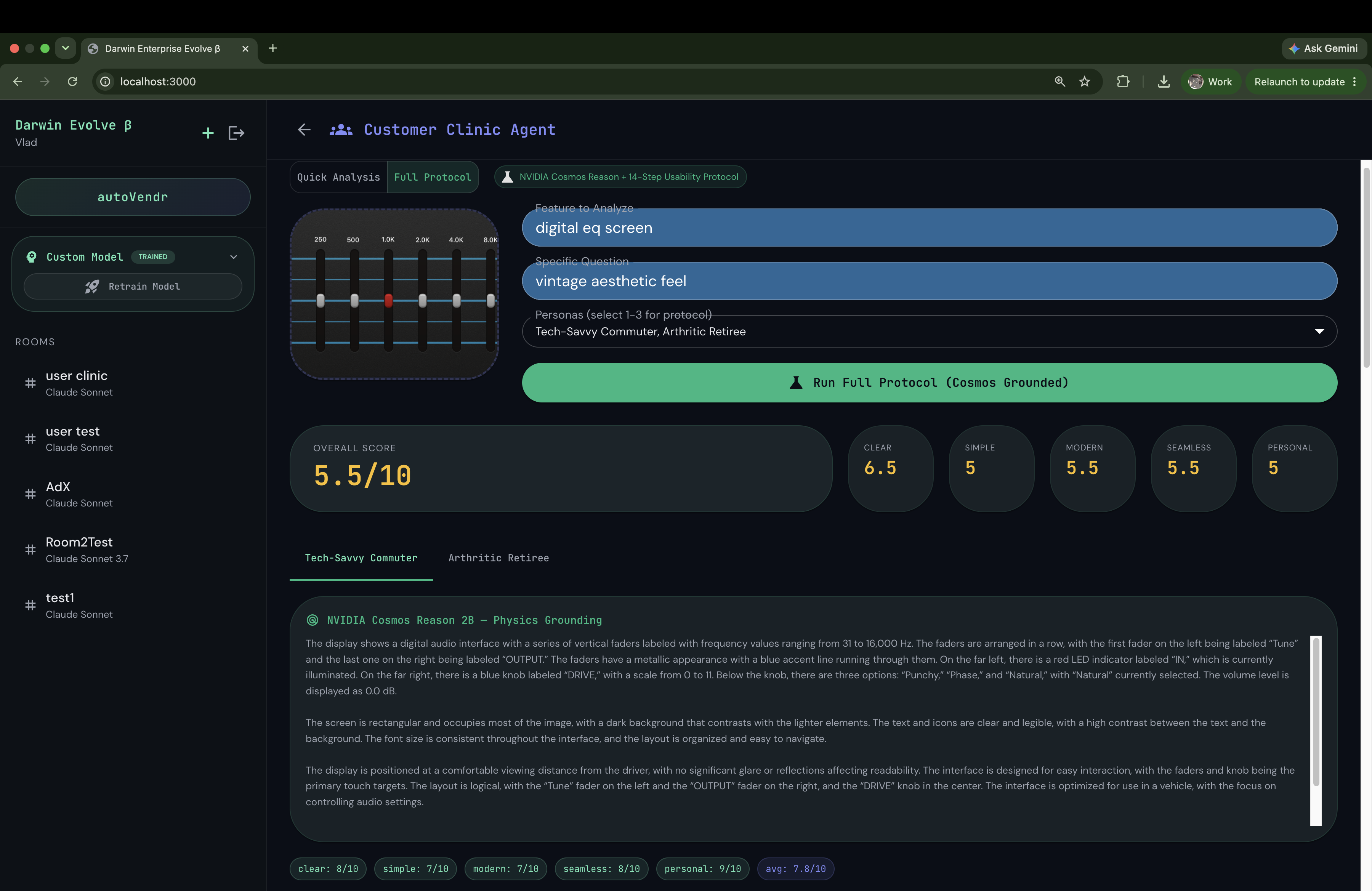
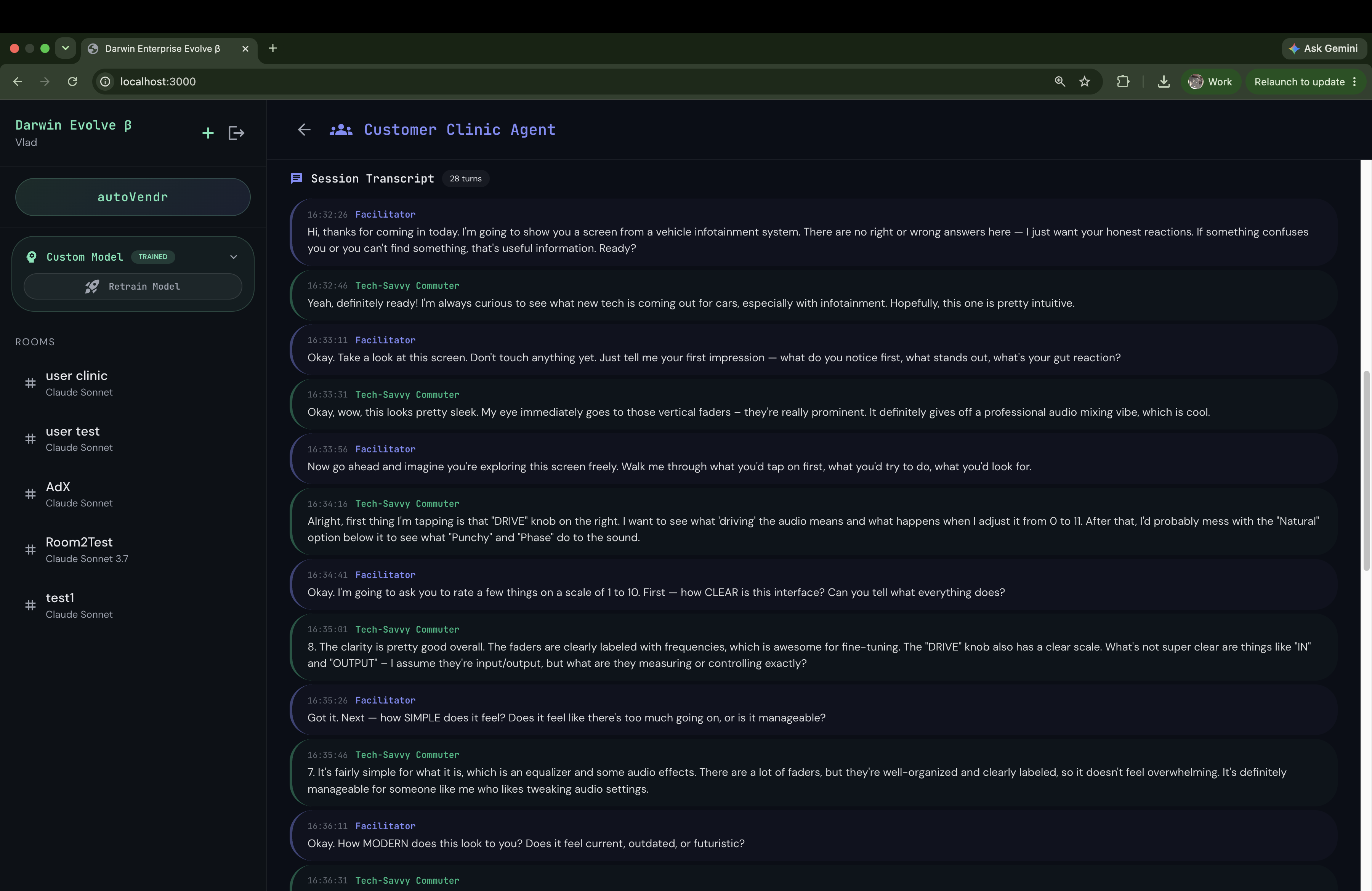
Enterprise Evolve is one AI workspace where the whole product team operates together. Upload any vehicle screen design and the Customer Clinic Agent runs it through NVIDIA Cosmos Reason 2B for physics-based ergonomic analysis: touch target sizing in millimeters against ISO 15008, viewing geometry from the driver's H-point, glare susceptibility, motion readability. Those physical constraints feed into Gemini 3.5 Flash, which runs 20 diverse customer personas through a structured 14-step usability protocol. The output reads like a real clinic transcript, not a JSON blob. Every session auto-stores in MongoDB Atlas with Voyage AI vector embeddings. The ADK Agent (Gemini 2.5 Flash with function calling) searches Atlas for semantically relevant past sessions, synthesizes recommendations with cited customer evidence, and stores decisions back, compounding the team's intelligence with every interaction. A Neo4j knowledge graph connects GitHub commits, Figma frames, and Trello cards with full traceability. A custom LoRA model trained on the team's own data via Tinker makes every recommendation specific to the team's product history.
How we built it
Seven services deep on every request. React frontend on Google Cloud Run. FastAPI backend on Google Cloud Run. NVIDIA Cosmos Reason 2B running on Google Colab GPU (T4) for physics grounding, exposed via Cloudflare tunnel. Gemini 3.5 Flash and 2.5 Flash via OpenRouter for persona analysis and ADK agent reasoning. MongoDB Atlas with three collections (clinic_sessions, design_decisions, feature_specs), Atlas Vector Search indexes (512-dim, cosine similarity), and @mongodb-js/mongodb-mcp-server running as a subprocess with 28 tools exposed via JSON-RPC over stdio. Voyage AI auto-generates embeddings on every write. Neo4j for the five-edge-type knowledge graph (Resource, Information, Authority, Constraint, Temporal). Tinker API for LoRA fine-tuning on Llama 3.2-3B using training data generated directly from the graph. WebSocket for real-time multi-user chat. Every connector (GitHub, Figma, Trello) syncs entities and relationships into the same graph schema.
Challenges we ran into
Physics grounding was the hardest problem. NVIDIA's hosted API for Cosmos Reason required org-level permissions we couldn't get at 5am. We pivoted to running the open weights locally on Google Colab GPU via Cloudflare tunnel. Same model, same physics, fully on Google Cloud infrastructure. MongoDB MCP Server required Python 3.13 but our stack runs on 3.12. Solved by running @mongodb-js/mongodb-mcp-server via npx as a Node subprocess with JSON-RPC over stdio. Graph sparsity: with a small team, the knowledge graph starts too thin for custom model training. We gated the Train Model feature behind a relationship density threshold and turned the progress bar into a retention mechanism. GCP org policies blocked public Cloud Run access from our corporate Google Workspace. Solved by redeploying under a personal Gmail account with no org restrictions.
Accomplishments that we're proud of
Physics-grounded customer simulation that doesn't hallucinate about button sizes. It reacts to ISO-referenced measurements from Cosmos Reason. A structured 14-step usability protocol that produces transcripts a real UX researcher would recognize. 28 MongoDB MCP tools discovered and callable at runtime. A multi-step ADK agent loop: 3 turns (search, retrieve, synthesize) confirmed in testing. Full traceability from a PM's Trello card through a designer's Figma component to an engineer's pull request. A custom model trained on 2,454 examples with 0.0195 final loss. The entire pipeline, 7 services deep, running end-to-end on Google Cloud.
What we learned
The physics model changes everything. When personas are grounded in Cosmos Reason's physical analysis, their feedback becomes defensible in a design review. Not just opinion, but engineering data. MongoDB Atlas as a compounding memory layer is fundamentally different from static RAG: every clinic session makes the next query smarter, and after 3 months the switching costs are prohibitive. The MCP protocol is the right abstraction for agent-database interaction. 28 tools discovered dynamically, called via a standard protocol, no custom integration code. And the best sales strategy for enterprise tools is not selling at all. It is being an engineer showing other engineers something that works.
What's next for Darwin Enterprise Evolve
Chinese OEM market entry. Geely, BYD, NIO, XPeng, and Xiaomi are entering the US market within 24-36 months with zero American consumer research infrastructure. Enterprise Evolve is the American consumer intelligence layer for their HMI teams. The Cosmos Reason integration extends to full video analysis. Record a driver interacting with a prototype and Cosmos reasons about the physical interaction in real time. Jira, Confluence, Slack, and Linear connectors are next. The custom model training pipeline will add industry baseline seed data so teams can train useful models from day one.


Log in or sign up for Devpost to join the conversation.