-
-

-
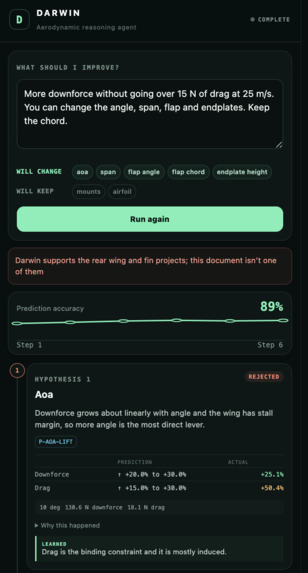
results
-
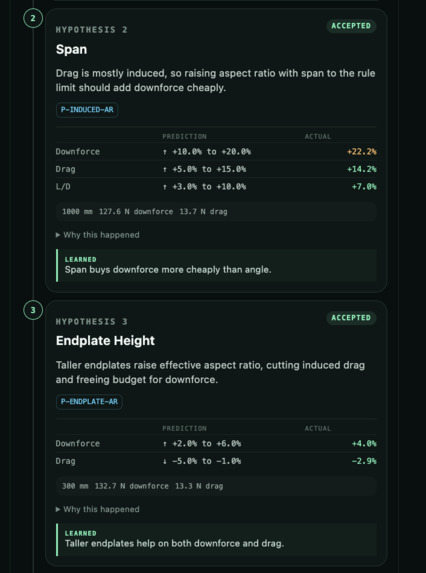
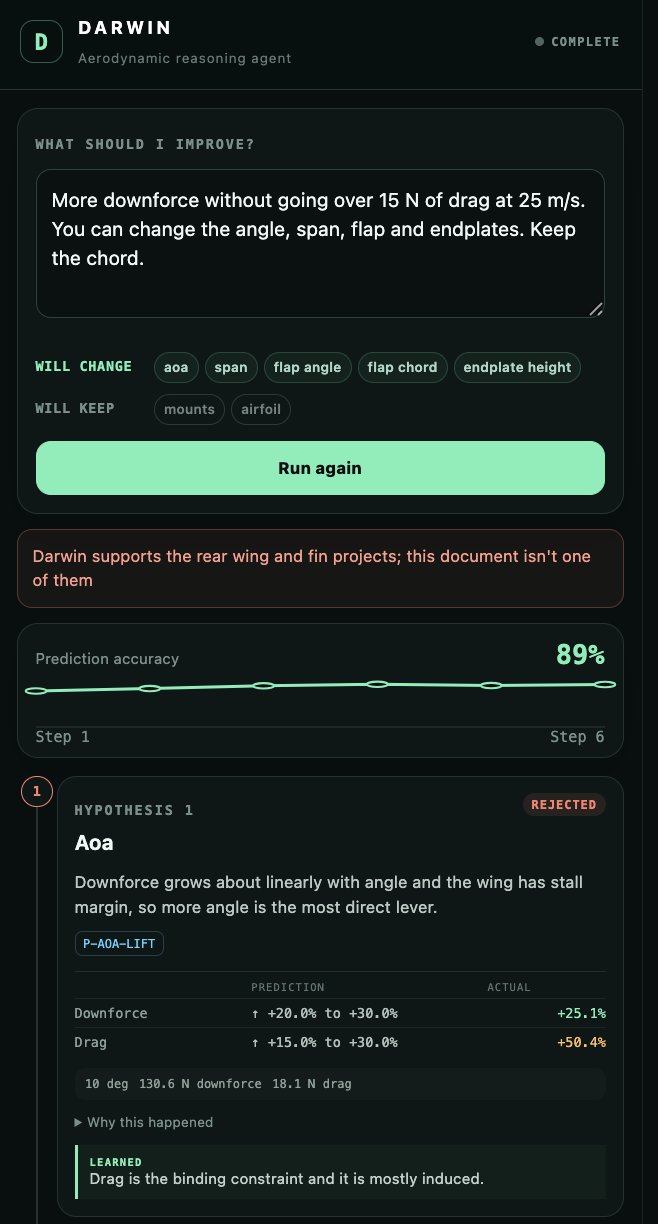
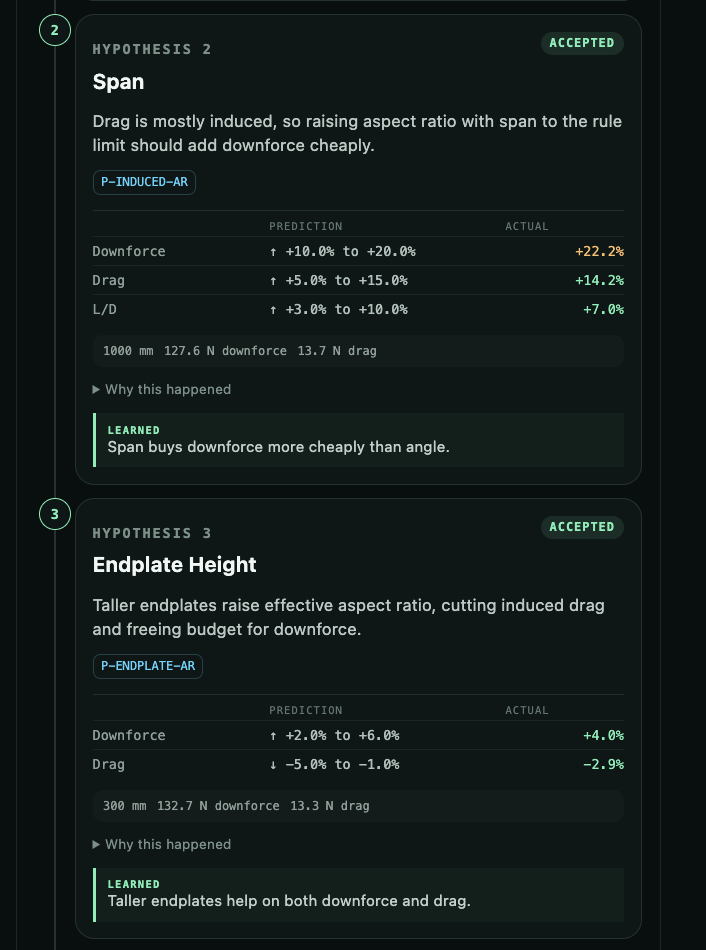
hypothesis and testing
-
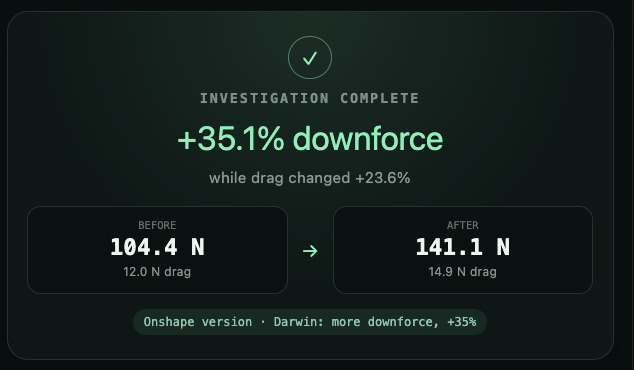
optimization
-
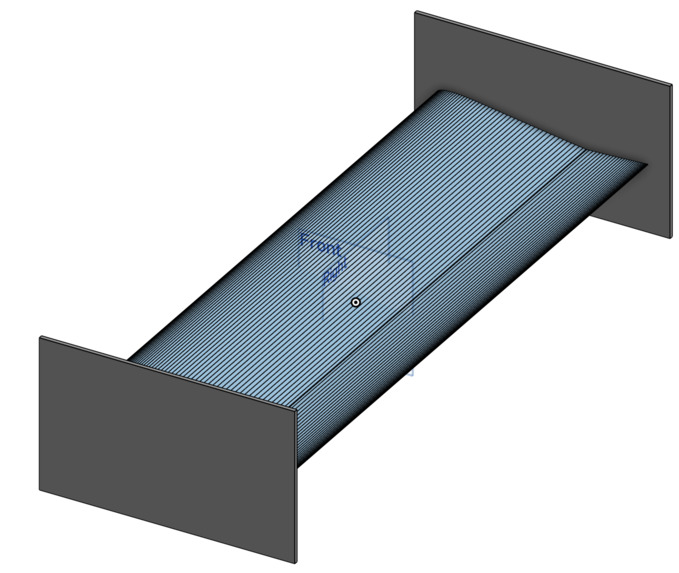
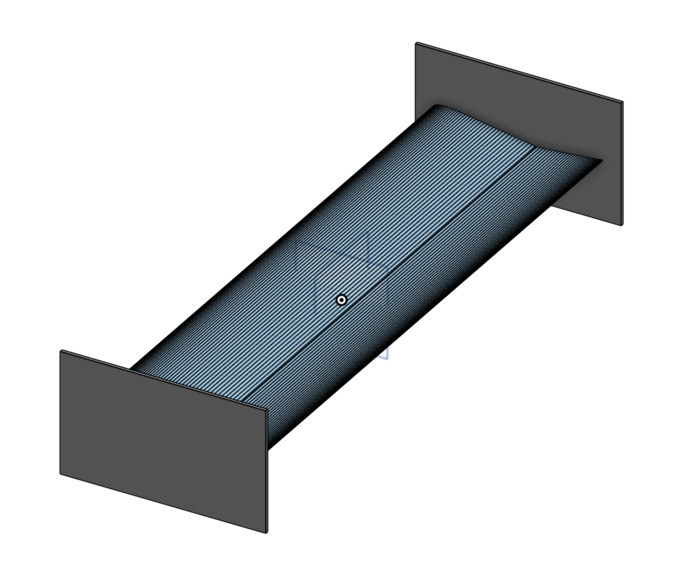
before running darwin
-
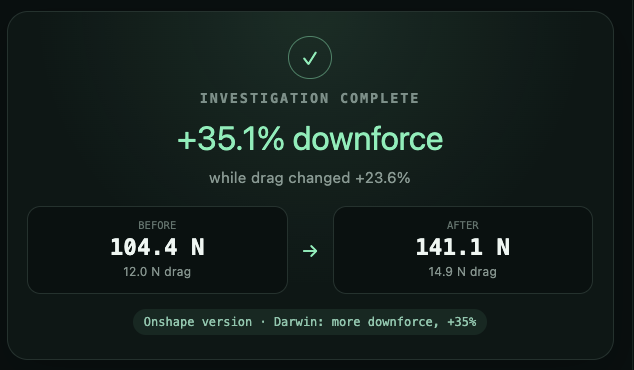
after running darwin

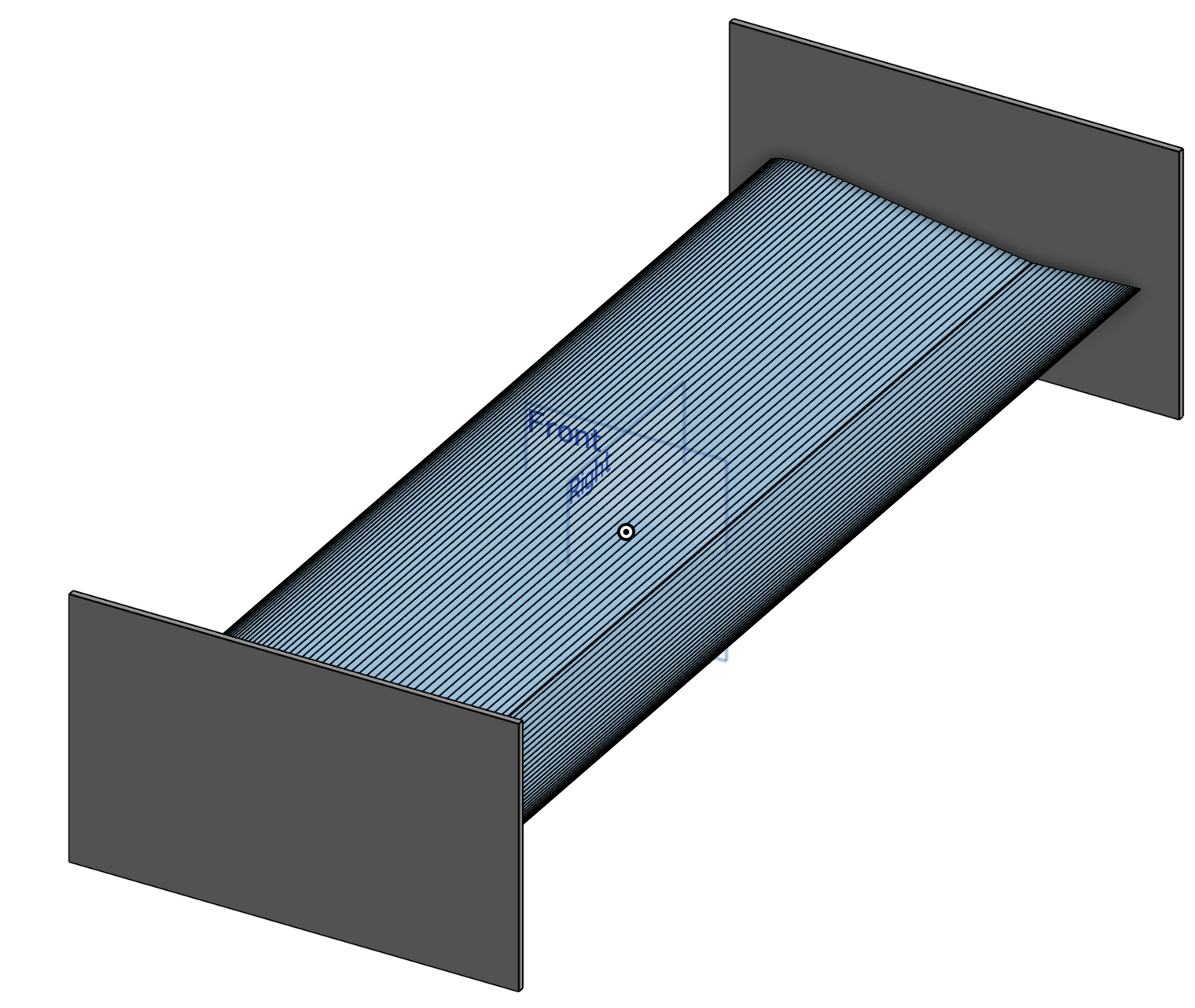
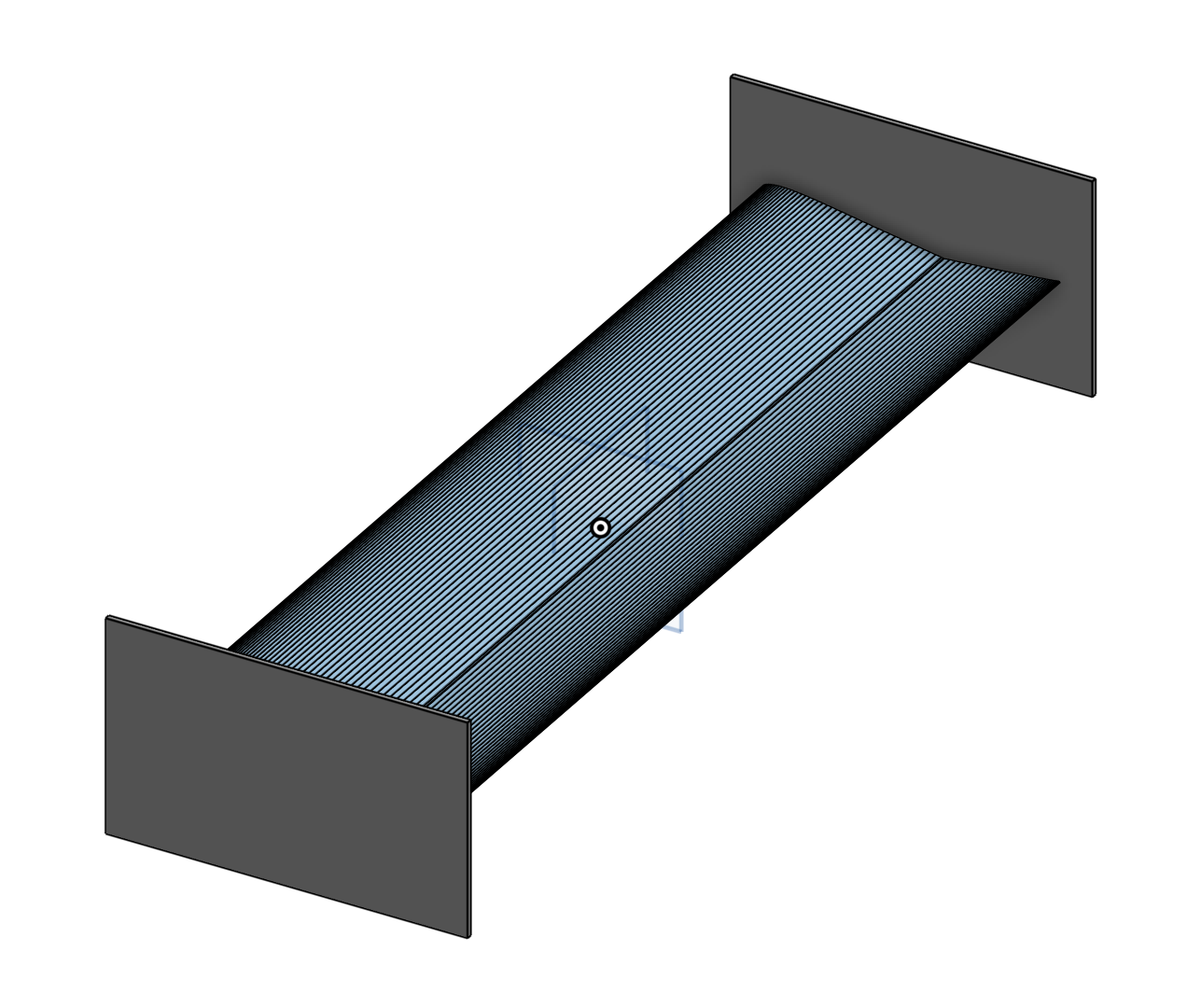
Inspiration
where will agentic tools go after coding, math, and other sciences? there are many relevant examples of ai tools revolutionizing these fields (think navier-stokes, alphafold, etc.), and at an accelerating pace. what’s next? we see HUGE potential of ai in actual mechanical and aerospace engineering.
with the way things are going, ai will soon be integrated into nearly every field. indeed, even for onshape (design software used by engineers) ai tools such as Leo AI currently exist, aiding in prototyping and design. HOWEVER, they fail at being truly agentic because they cannot propose changes, cannot test them in simulation, and cannot come up with reasons and hypotheses, all in one. this is the REAL gap that darwin addresses: creating an agent as useful as cursor, codex, or claude code, but for engineering practices.
What it does
darwin is an ai agent that can take a set of directions (vague or technical) and autonomously design, test, optimize, and iterate to fit the user’s needs. just as importantly, it communicates with the user and learns as it goes, working and building seamlessly with onshape rather than competing against it as a purely parametized optimization tool. its modifications and findings are driven by actual physical simulations!! how?
first, create a part in onshape and give it parameters, or variable dimensions. then, prompt darwin with your constraints and desired outcomes (e.g. maximize lift while keeping mass < 10 kg), and it automatically follows up with an optimization cycle: hypothesize, predict effects, simulate actual model, score against criteria, explain results to user, decide what to change, and learn how the parameters are connected.
by running actual, live simulations, darwin ensures that its modifications are accurate and data-driven. furthermore, it supports the user—not just works alongside them—by explaining findings, adhering to constraints, and documenting everything transparently. by doing so, darwin becomes a useful partner to innovation.
How we built it
we split the work into four areas, one manned by each team member: backend, frontend, simulations, and cad (onshape). our progress would be measured as well: in tiers, each with a goal time of completion. each person took an integral part to work on and employed either claude code or codex to implement.
it started in onshape with creating a part—a car wing—and giving it parameters. these parameters were exposed via the onshape api, connected to an llm that proposed changes and hypotheses based on its contextual knowledge. as the part changed, it got scored through simulations and this data informed the next changes.
for the physics, darwin doesn't simulate the cad file directly. it rebuilds the wing in python from its parameters and runs a vortex-lattice simulation (aerosandbox) with neuralfoil for real-air viscous effects. that's about 15 ms per design, so darwin can test lots of ideas before touching your model. every physics model is checked against textbook theory, and only the winning design gets written back to onshape.
during the build process, we pivoted multiple times in scope and direction. in the beginning, we focused on optimizing rocket fins, but then thought darwin should help engineers optimize anything (more so like an agentic tool) and used a car wing as an example. later we realized that, in order to be able to optimize anything, we had to get one area down first. this pivot came about after a discussion with a cal hacks mentor, who helped us narrow our scope to aerodynamics.
Challenges we ran into
at first, we couldn’t be sure whether darwin really was smartly optimizing using aerosandbox-iterations, or if it was guessing at which parameters were important and fooling itself into thinking something really was improving. of course, our test part being just a trapezoid did not help us answer this question. however, with generative ai models equipped with engineering & aerodynamical principles and directly integrated into onshape, we were able to power the logic of darwin after it collected valuable context and data from simulations.
we found a competitior: Leo, an existing ai assistant and mech-e copilot built specifically for physical product design and cad workflows. unlike existing generative tools that produced uneditable visual 3d meshes, Leo’s spike was that it worked directly with parametric, editable geometry, full feature trees, and engineering constraints within cad. however, we realized that it didn’t autonomously iterate upon designs, communicate with agency, or run simulations to determine exactly what to change—the areas that we built darwin for.
onshape has a steep learning curve, so for members of the team that didn’t have prior experience, it was difficult to tinker/build in and to create a prototype on which to test darwin.
was this just a simulator that’s worse than openrocket or aerosandbox? after careful thought and discussion, we concluded that simulation is only ONE part of darwin. by combining MANY aspects, darwin’s strength lies in its ability to iteratively test multiple approaches and communicate clearly with the user.
Accomplishments that we're proud of
we can differentiate ourselves by making darwin have the ability to simulate any proposed changes, big or small, and relay the consequences and feedback based off of its findings with those simulations (not necessarily just quantitative implications for the figure). darwin is able to modify onshape directly, and is satisfying to watch in action.
we can achieve measurable improvements via physical laws and principles upon various aerodynamic designs. darwin is able to satisfy its constraints while also optimizing what the user wants.
settling upon a final product (after unsettlement about project trajectory) that works, and demonstrably works well. :)
What we learned
- how to collaborate on complex projects without inviting conflicts
- agentic tools are very very powerful. we used them to both implement darwin (claude code + codex) as well as having them be a core part to what darwin is.
- the onshape api has enormous potential, especially when combined with other cad tools and simulation software
What's next for Darwin
- continuous hosting online
- expansion packs beyond aerodynamics
- fine-tuning of llms on engineering/cad knowledge
Built With
- claude
- fastapi
- github
- neuralfoil
- onshape
- openai
- openrouter
- pydantic
- python
- react
- vlm
- websockets


Log in or sign up for Devpost to join the conversation.