Inspiration
Processing information in the 3rd dimension can be a challenging task for many people. From children in school to adults in the workplace or higher education, being able to interact with a 3 dimensional visual that does not use an excess amount of space can incredibly optimize productivity and use of technology. To bring this idea to life, we came up with the idea of a 3 dimensional white board that displays user-drawn images using light projected in mid-air. To make this innovation more accessible to all, we have developed a system that is intuitive and minimizes contact with external technological devices.
What it does
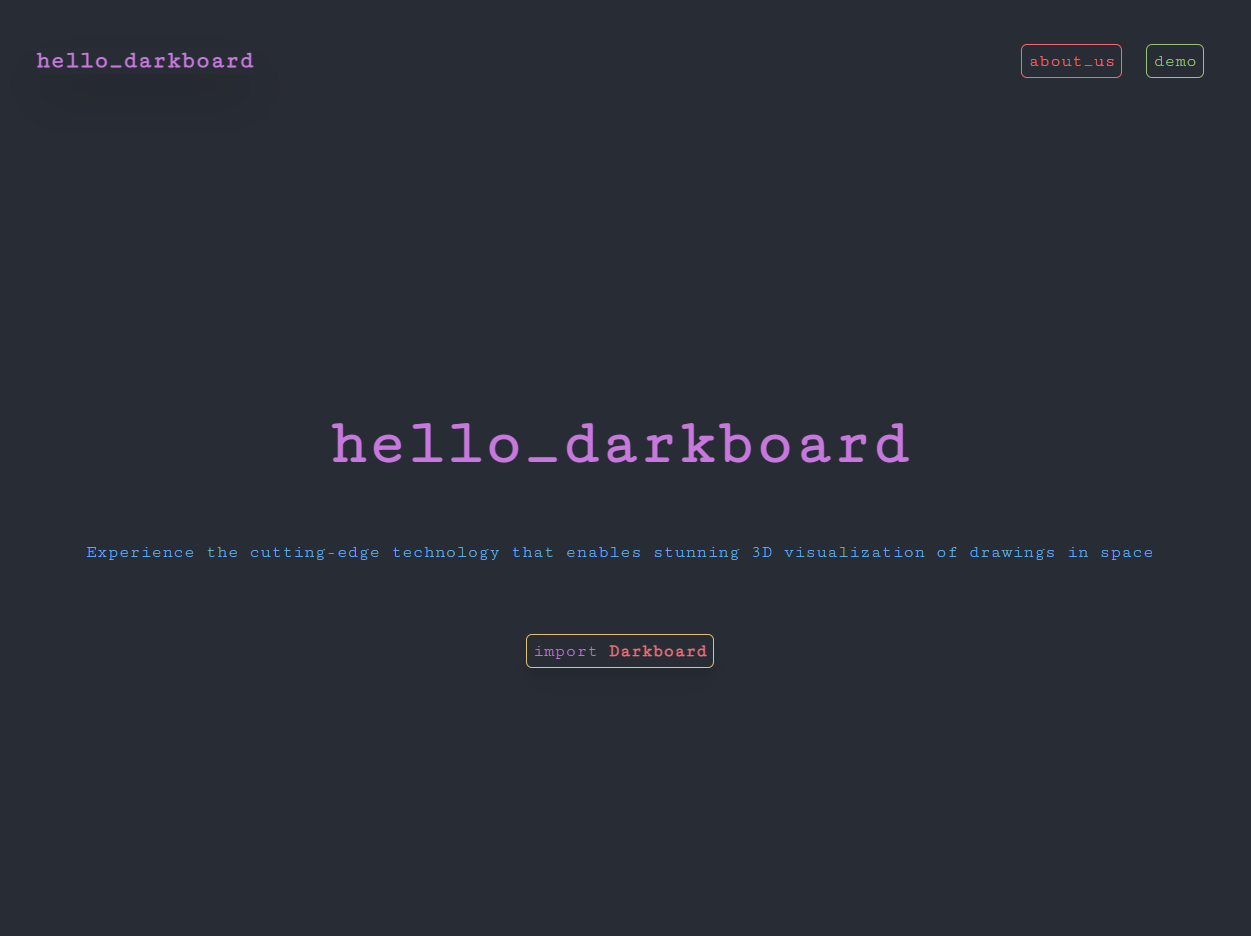
Our project consists of 3 elements: 1) a networking support complete with a dashboard web app, 2) the interactive user experience provided by the pen and visual processor technology, and 3) the construction that makes it all happen!
How we built it
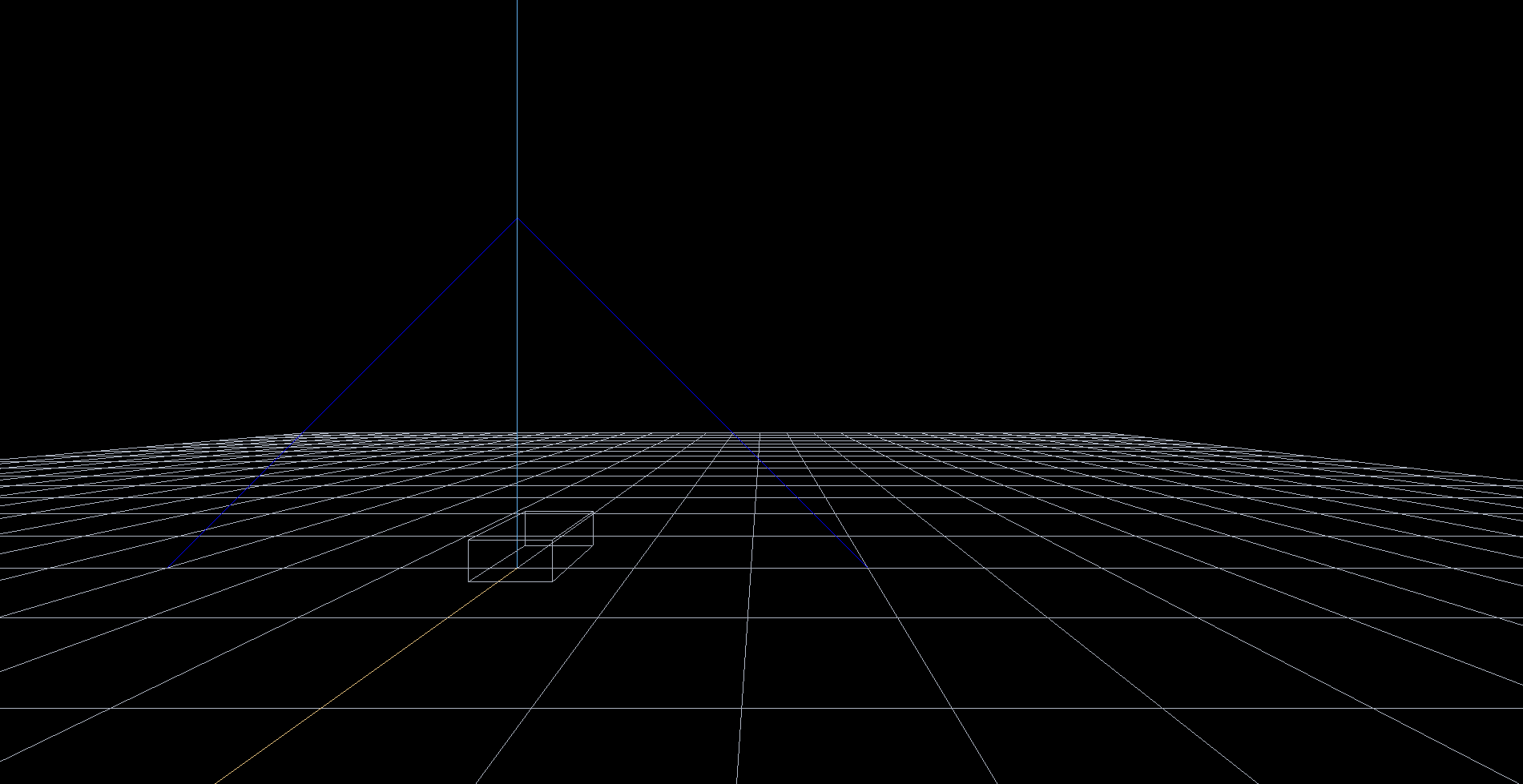
The motion sensor was built using OpenCV's color tracking API which processed two simultaneous data scenes from two perpendicular cameras for the purpose of capturing all three dimensions of space. The laser technology was incorporated by using a custom Galvanometer sensor using acrylic mirrors and servos. The laser was then projected on a board of frosted acrylic glass that was moving back and forth at a speed which allowed the user to visualize just the light and not the object reflecting it.
Challenges we ran into
With the amount of time we were given to plan and produce our project, we were not able to find the proper materials we needed before our deadline. With half of our team being sick the week prior to the hackathon, our team heavily lacked preparation and research. Additionally, this project is heavily mechanical based, yet our team consisted of members who primarily had experience in Software and Web Development. These obstacles were difficult to overcome, but presented situations that allowed us to grow as a team, both technically and personally.
Accomplishments that we're proud of
Forming a feasible plan that could be executed within 36 hours was probably one of the most difficult challenges we faced due to our lack of experience in mechanical engineering and the field of optics. However, with the support of professors, mentors, hackathon staff, and friends, we were able to pull together a plan that could come to life with the execution of our project. Building our network, successfully creating a functioning motion sensor with high precision, and producing a website that displayed the feats of this work are all on the list of accomplishments we are proud of as a team. As a group of individuals who primarily attended TreeHacks 2023 as first-time hackers, we are incredibly proud of our ability to work together, allocate tasks, and pull together a completed prototype of our vision.
What we learned
We, as a team, learned a lot about how mechanics work in correlation with software development. The physics, math, and engineering induced unforeseen challenges, but we pulled ourself together with a strong support system. We also explored the field of light optics and visual illusions to incorporate special effects into our project design. Implementing these features allowed us to achieve things that seemed physically impossible.
What's next for DarkBoard - 3D Whiteboard
Our prototype for the Darkboard is only at the beginning stages of a long journey. We plan on optimizing the features by improving overall precision, vision quality, incorporating various colors, adding more features to the website, and plenty more!
Built With
- arduino
- artificial-intelligence
- c++
- computer-vision
- flask
- javascript
- jetson-nano
- machine-learning
- python
- raspberry-pi
- react
- rest
- three.js


Log in or sign up for Devpost to join the conversation.