-
-
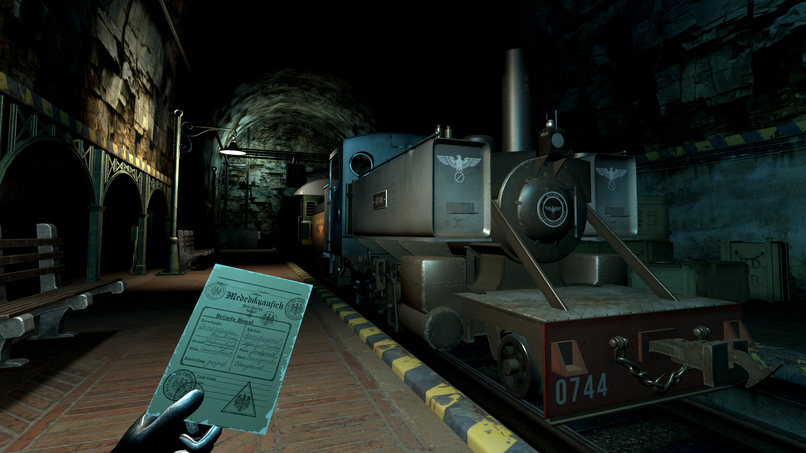
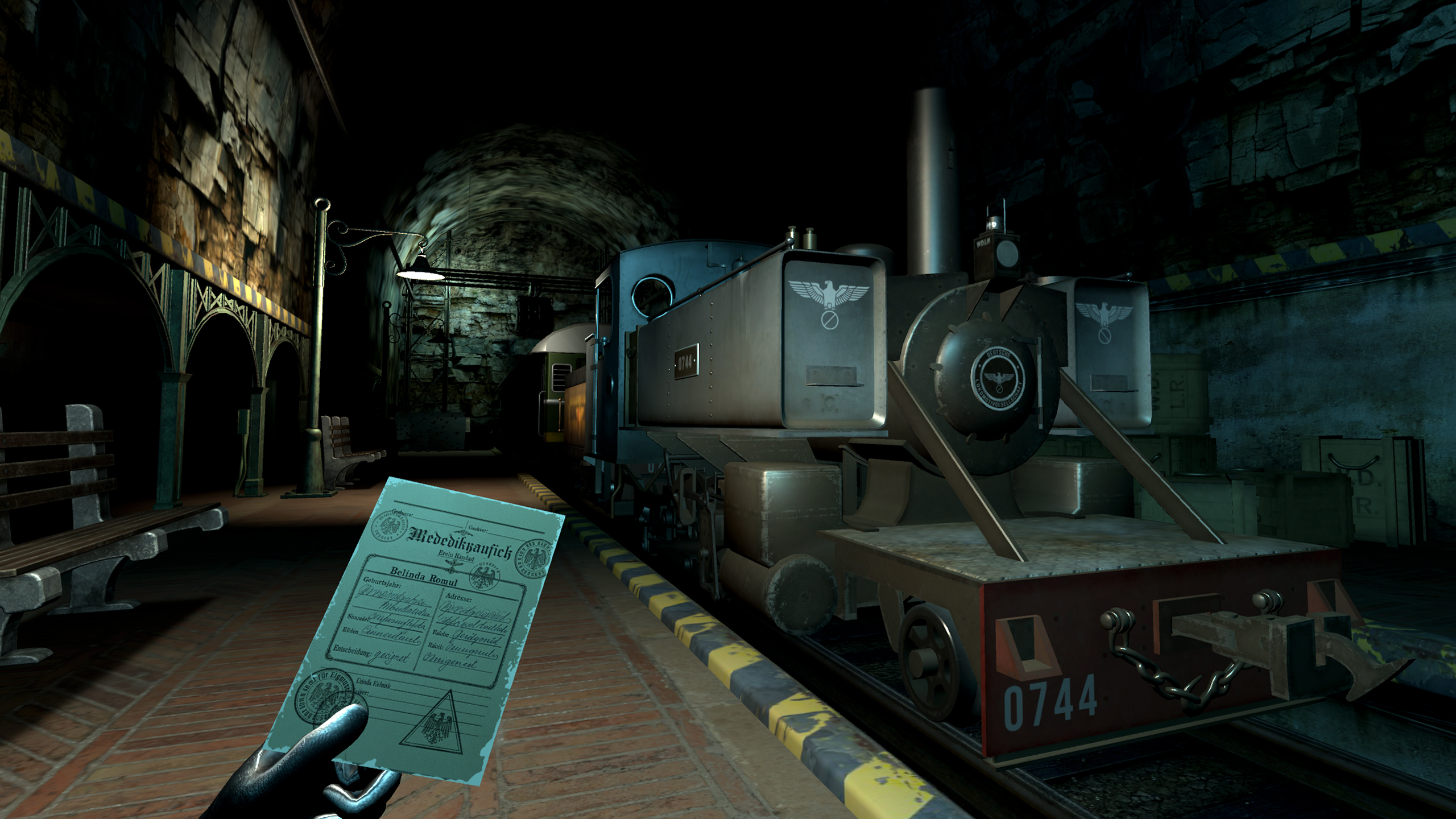
Room 13: Ritual Express - Gameplay Screenshot
-
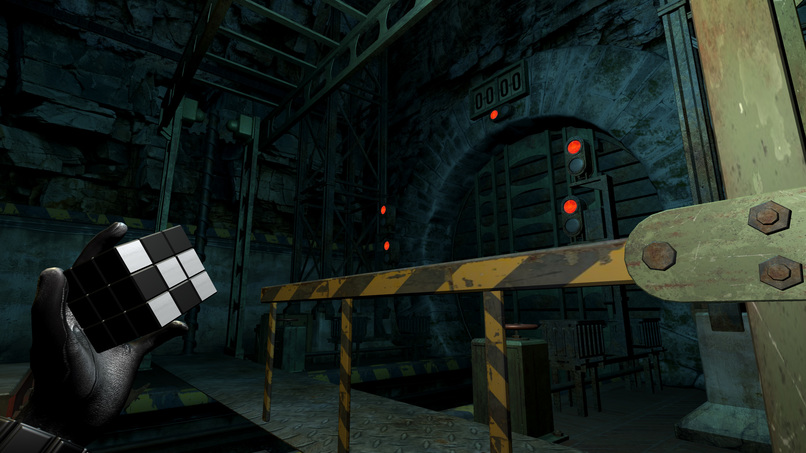
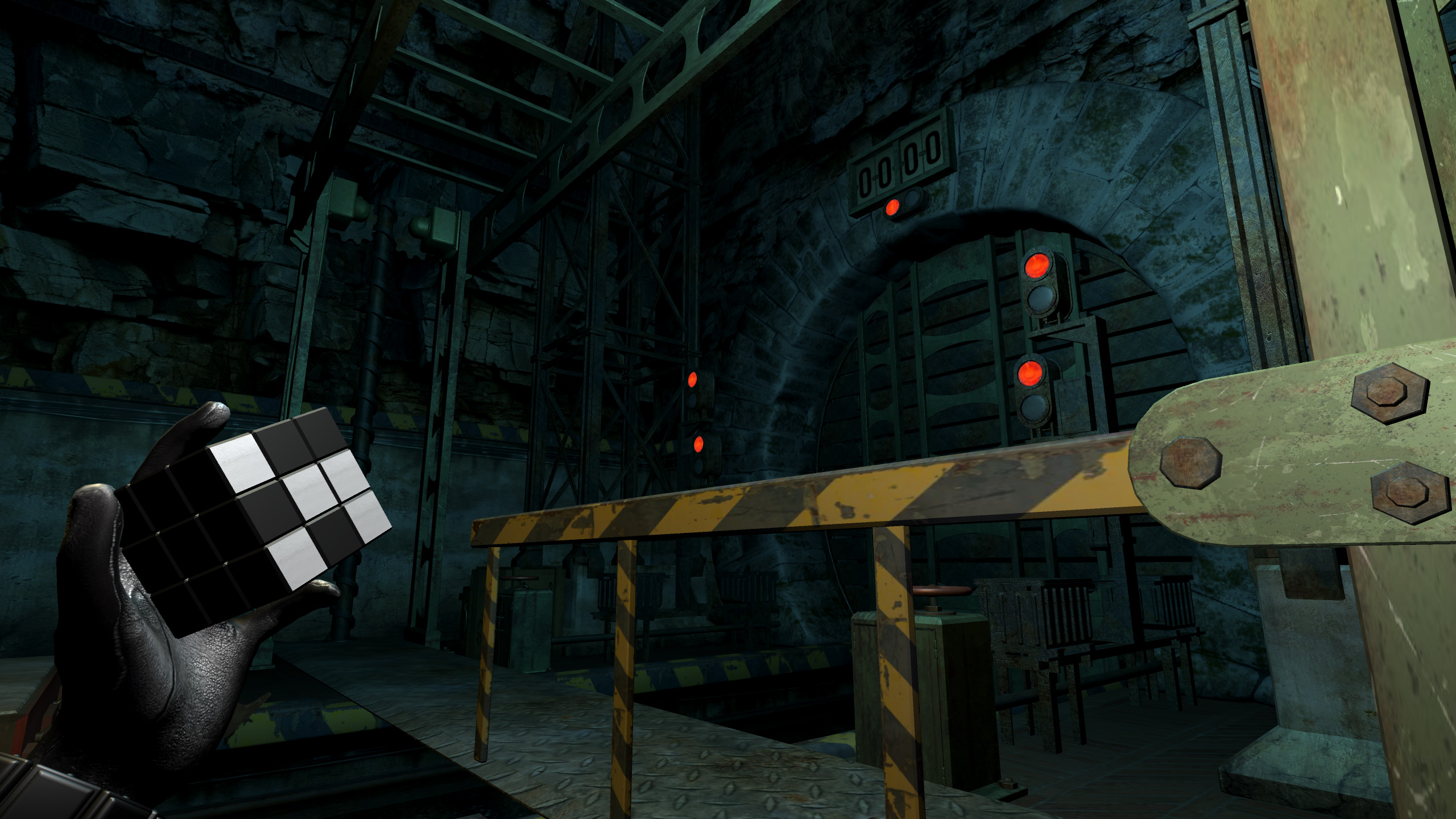
Room 13: Ritual Express - Gameplay Screenshot
-
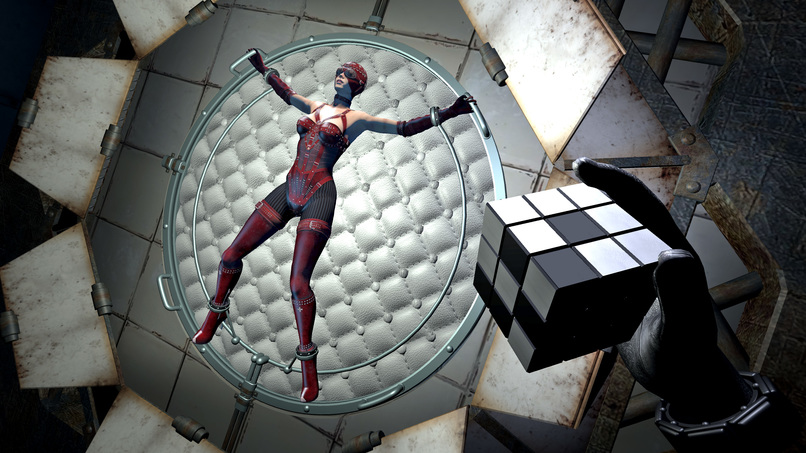
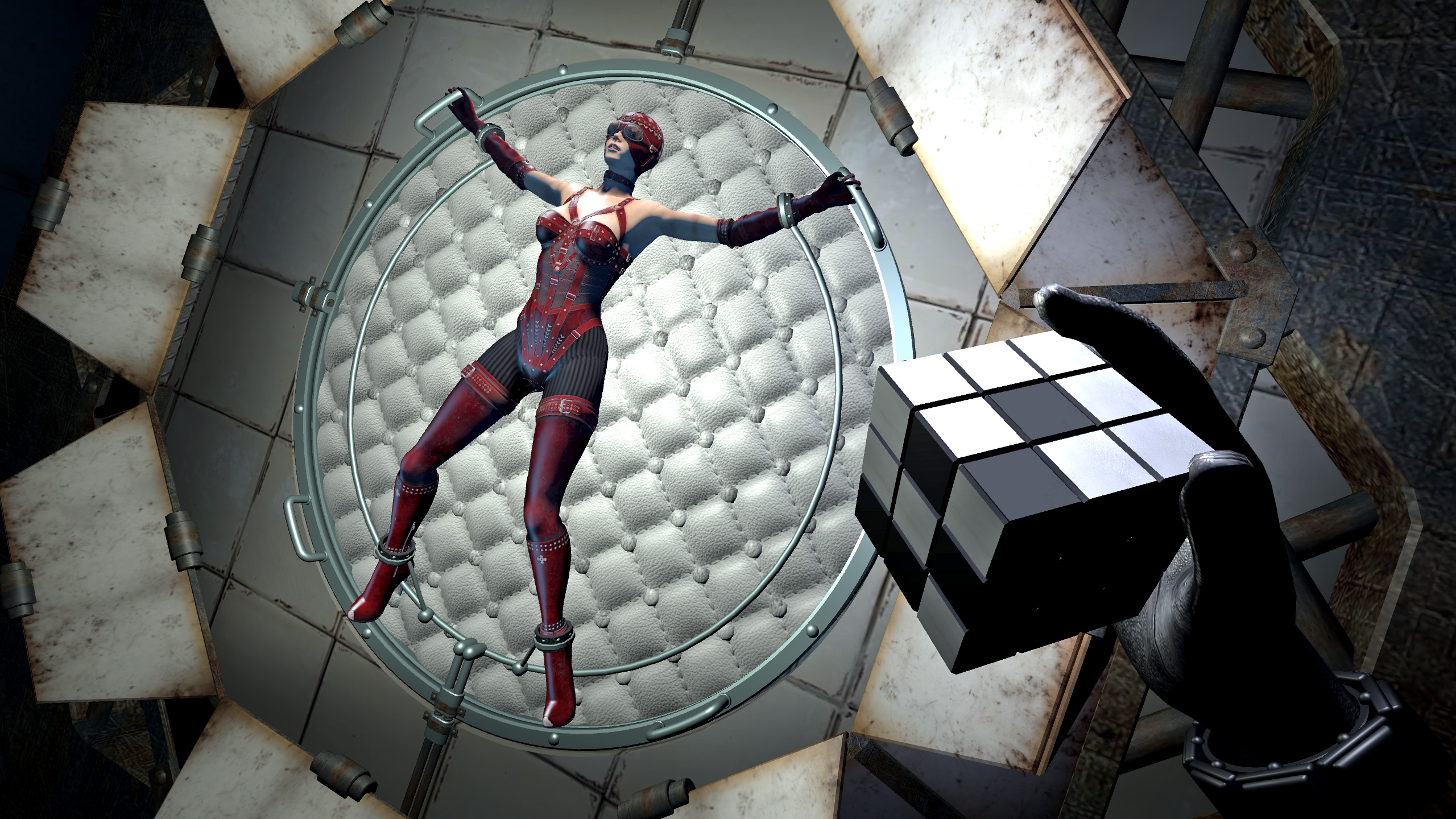
Laboratory - Gameplay Screenshot
-
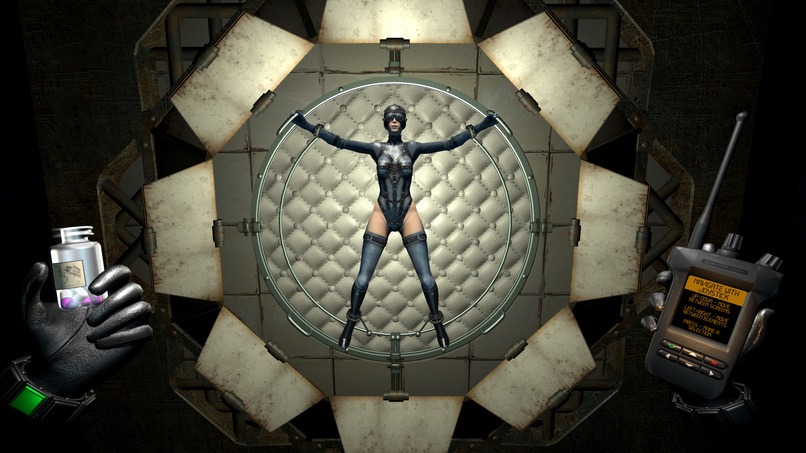
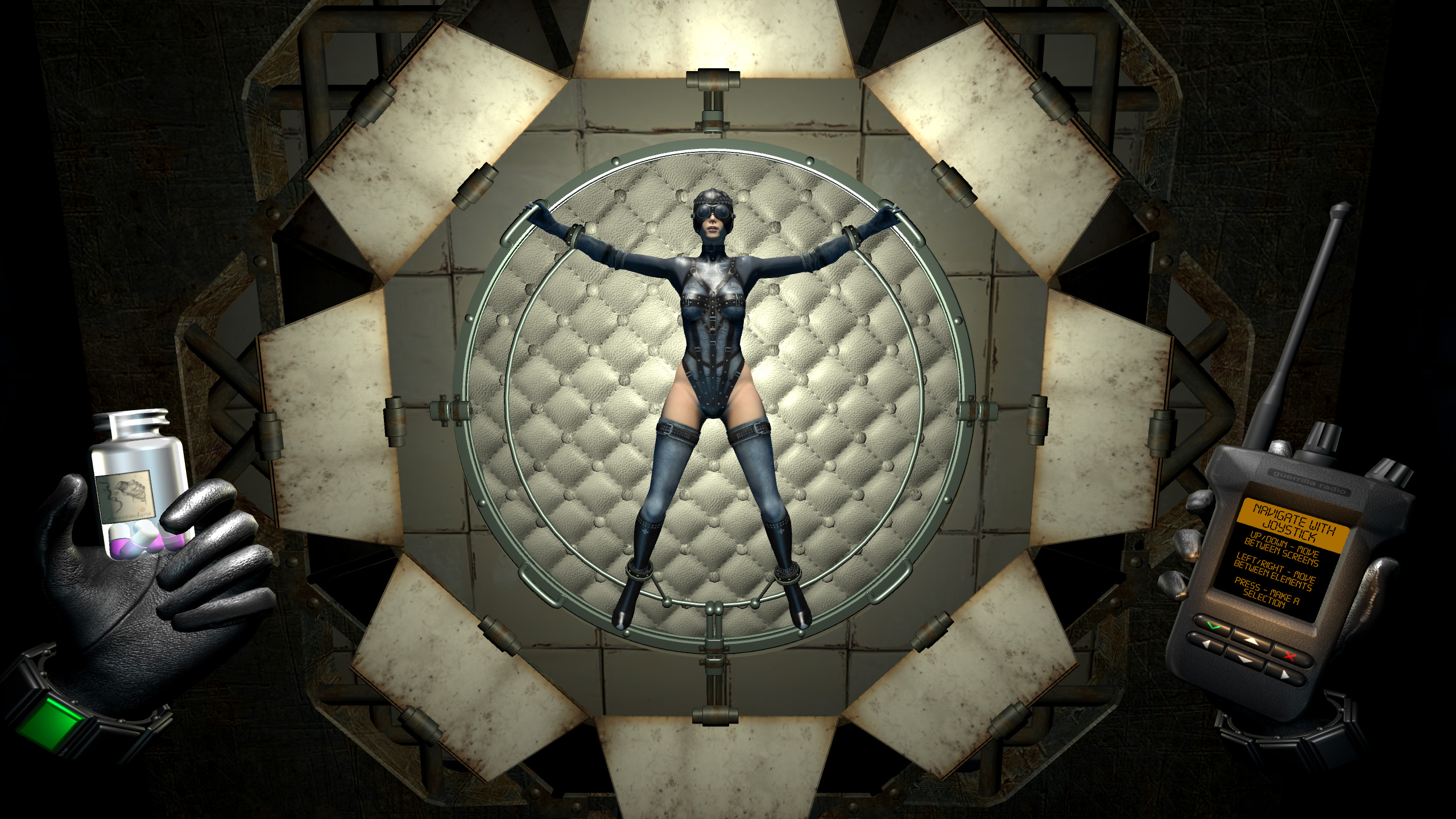
Laboratory - Gameplay Screnshot
-
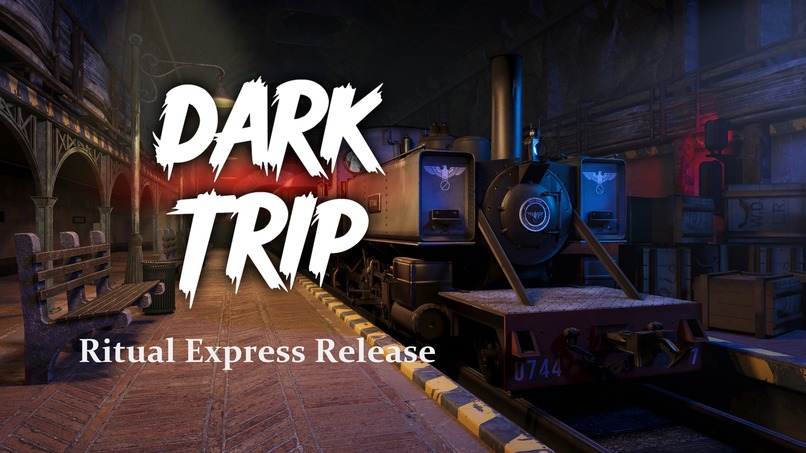
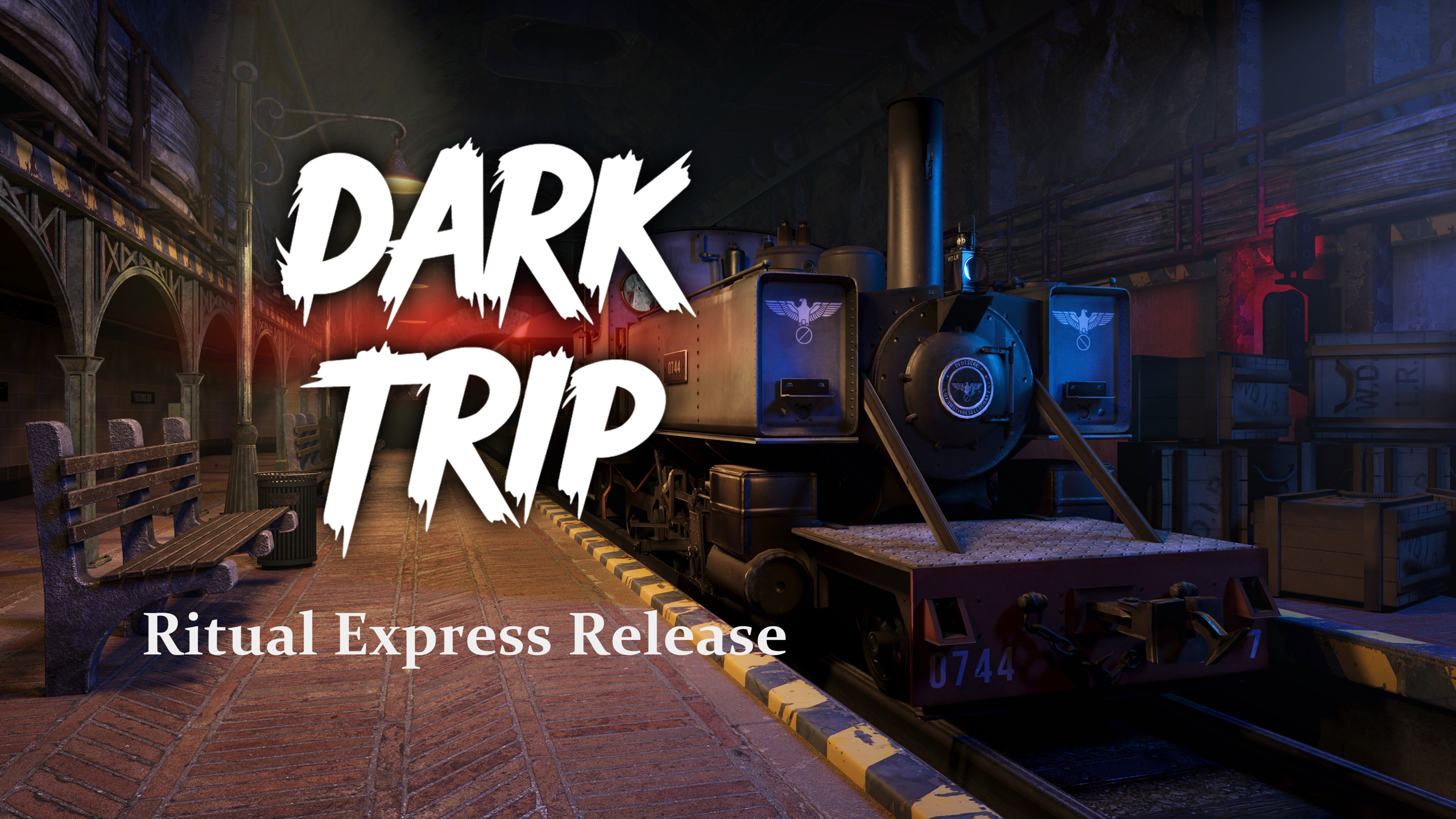
Room 13: Ritual Express - Promo Key Art
-
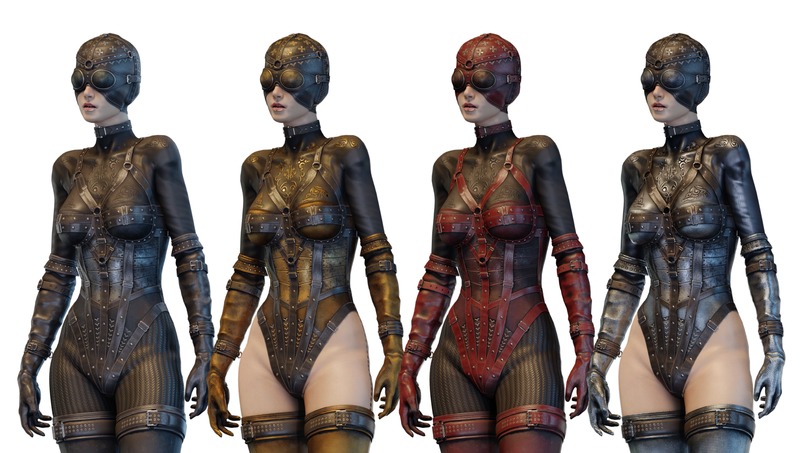
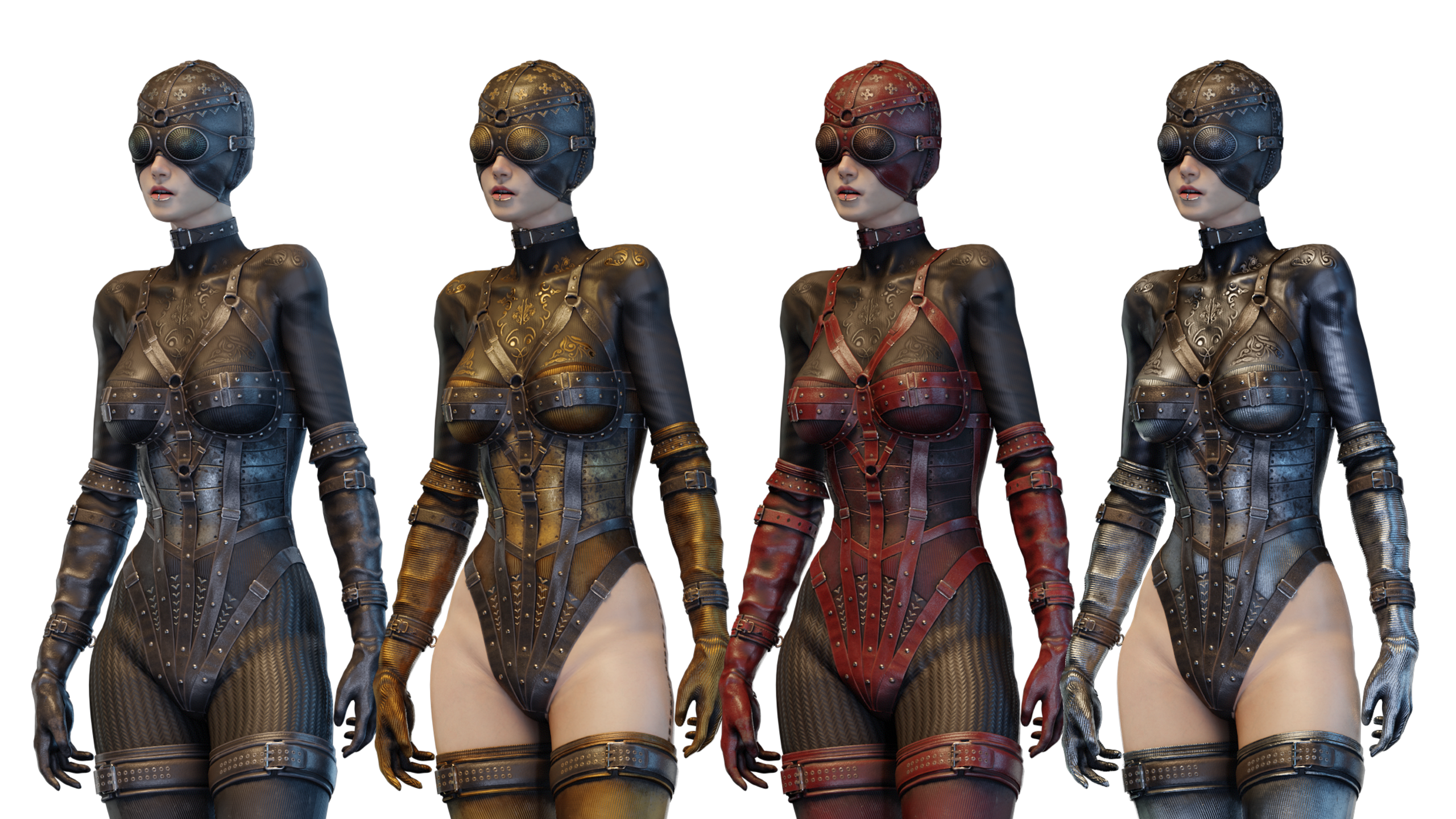
Laboratory - Character Customization Showcase
Inspiration
Dark Trip was born from our desire to push the boundaries of VR horror and create an experience that blends psychological tension, surreal symbolism, and experimental gameplay. Instead of relying on jump scares, we wanted to immerse players in a psychedelic detective story, one where truth can only be uncovered by stepping deeper into hallucinations. Hellraiser franchise, the cosmic dread of Lovecraftian themes, early David Lynch movies and escape room/adventure games like the Room VR and Lust from Beyond inspired us. Today Dark Trip has around 5,000 paid Early Access players and a 4.6 average rating on Meta Quest, which proves that players are hungry for a different kind of horror.
Dark Trip Early Access on Meta Store
The inspiration for our latest updates, developed along two production tracks during the time of the competition, lays in the following:
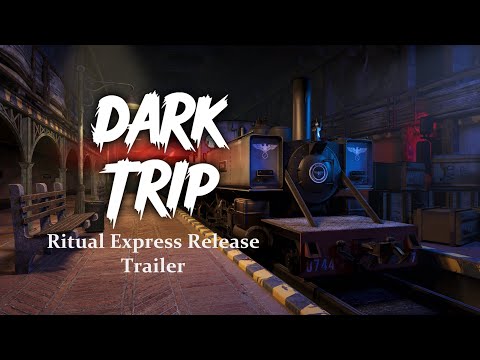
- Full version of Room 13 was created as part of our ongoing Early Access pipeline (during the hackathon’s timeframe), where we consistently expand Dark Trip with new escape-room chapters. For this chapter — and for the sequence of upcoming rooms set inside a moving train — we drew inspiration from games like Metro Exodus, Resident Evil 0, and The Last Express, adapting their design and art practices to our psychedelic horror format.
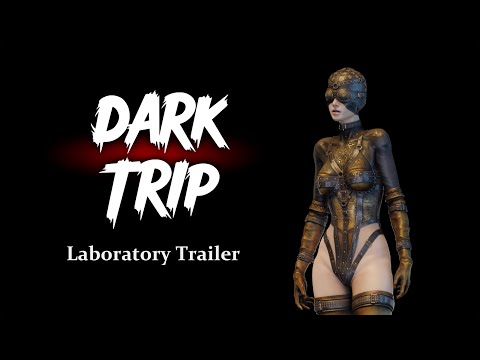
- The Laboratory Mode prototype, also developed during the hackathon, was driven by our intention to introduce a meta layer of gameplay focused on wicked biotechnological experiments. While the escape rooms emphasize deduction, the lab emphasizes streamer-friendly interactions, experimentation, and exploring how far the twisted science of the Dark Trip universe can be pushed. As a reference point, we examined the interaction design of the adult only title The Villain Simulator, but deliberately removed all hardcore content, preserving only mainstream, socially acceptable elements that suggest a provocative subtext without showing anything explicit.
What It Does
During the Competition, we focused on delivering two major additions:
Room 13, Ritual Express: A full new chapter that blends train station space with the game’s signature hallucinogenic mechanics. Players witness visions of preparations for mystic Ritual and uncover symbolic clues, while navigating a surreal narrative where the train itself becomes a psychological device. This is our biggest, most cinematic and complex game level to date, designed to elevate emotional immersion. Judges can check it in the project build and compare it with the other rooms.
The Laboratory Mode prototype: a new layer of gameplay centered around twisted biotechnological experiments. In this sandbox, players will interact with grotesque devices, perform experiments, customize characters and manipulate their ’s traits to unlock portals to different rooms of the game. While still a prototype, it already introduces replayability through character customization, experiment outcomes, and shareable moments meant for streamers and creators.
How We Built It
Engine: Dark Trip is built in Unity using a framework and libraries designed specifically for VR precision tasks such as grabbing objects and manipulating equipment.
Special Gameplay Features: Our bespoke hallucination system blends shaders, object replacement logic, and audio cues to ensure that reality and illusion feel seamlessly intertwine.
Assets: Environments and characters are made in Blender with the usage of some purchased third party assets. Substance 3D painter is used for production of hard surfaces objects.
Design: The two competition updates expand Dark Trip in complementary ways: Ritual Express advances the story, while Laboratory Mode deepens the metagame and long-term player engagement.
Challenges We Ran Into
One of our biggest challenges was delivering a visually rich, PCVR-level psychedelic horror experience on standalone VR hardware. Dark Trip relies heavily on intricate surreal environments, dense symbolism, and shifting hallucination layers—a visual style that traditionally demands far more GPU power than Meta Quest devices can offer. Achieving this level of fidelity without compromising performance required a lot of experimentation with shaders, optimized light baking and careful polygon budgeting. Maintaining stable framerates was especially difficult.
Art-wise, we faced the challenge of making Dark Trip feel visually unique—blending psychedelic aesthetics, biotechnological horror, and distorted dream logic—while operating under some of the strictest performance ceilings in the industry. Our solution was to design a “surreal minimalism” art direction: assets with stylized silhouettes, textures that carry symbolic meaning, and a color palette that communicates emotional shifts without heavy rendering costs. This balance allowed us to achieve the game's signature look.
Accomplishments That We're Proud Of
Ritual Express became our biggest and most complex chapter so far, combining narrative clarity, surreal tension and hallucinogenic puzzles. Early testers praise its design and symbolic cohesion, calling it one of Dark Trip’s most atmospheric experiences.
With the Laboratory Mode prototype we pave our way for increasing replayability and towards expanding Dark Trip beyond linear escape rooms and pushing it toward a hybrid of narrative horror, experimental gameplay, and long-term progression metagame that can be extended with new monetization mechanics which are not possible for straightforward narrative games.
The outcome of our general efforts in technical art is something our players point out again and again: Dark Trip looks and feels like a PCVR horror experience—even on Quest 2. This kind of feedback makes every technical challenge worth it and motivates us to push for even more ambitious visual features.
What We Learned
Throughout the hackathon, we learned how to operate under strict external deadlines while pushing forward two complex features in parallel. With only one full-time developer and a small supporting team, we had to streamline communication, prioritize aggressively, and make fast but safe technical decisions. This process taught us how to maintain quality while working in a high-pressure environment and how to structure our pipeline so that even ambitious VR features can be delivered on time.
In general while developing Dark Trip and operating its Early Access, we learned that players crave meaningful interaction and narrative depth even in horror games. We also learned the value of community-driven development—our Discord members helped us identify issues, refine puzzles, and shape the emotional tone of the experience.
What’s Next for Dark Trip
Our next steps focus on expanding Laboratory Mode into a full-featured meta-system with more experiments, more biotech devices, and deeper character progression. We want the lab to become a playground of unpredictable interactions tied closely to hallucination logic.
For Ritual Express, we plan to iterate on its symbolic themes and integrate its outcomes into later chapters. It sets the narrative foundation for the future arcs of Dark Trip.
In parallel, we’re planning work on a co-op version of hallucinations gameplay where a sober, and a hallucinating player have to cooperate together to solve psychedelic horror escape rooms puzzles: one doesn't see what another sees, and vice versa — a feature that players consistently request and one that we’re excited to explore.
If we receive the Meta award, we’ll be able to invest those funds into building a robust, polished, and fully-featured co-op experience by bringing in additional team members to accelerate development and ensure the game reaches the quality our players expect.


Log in or sign up for Devpost to join the conversation.