-
-
Dark Circus - Maze
Inspiration
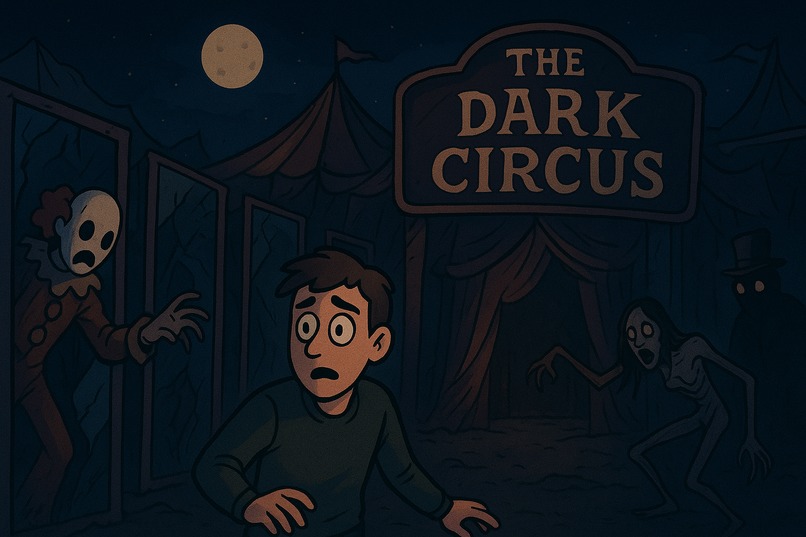
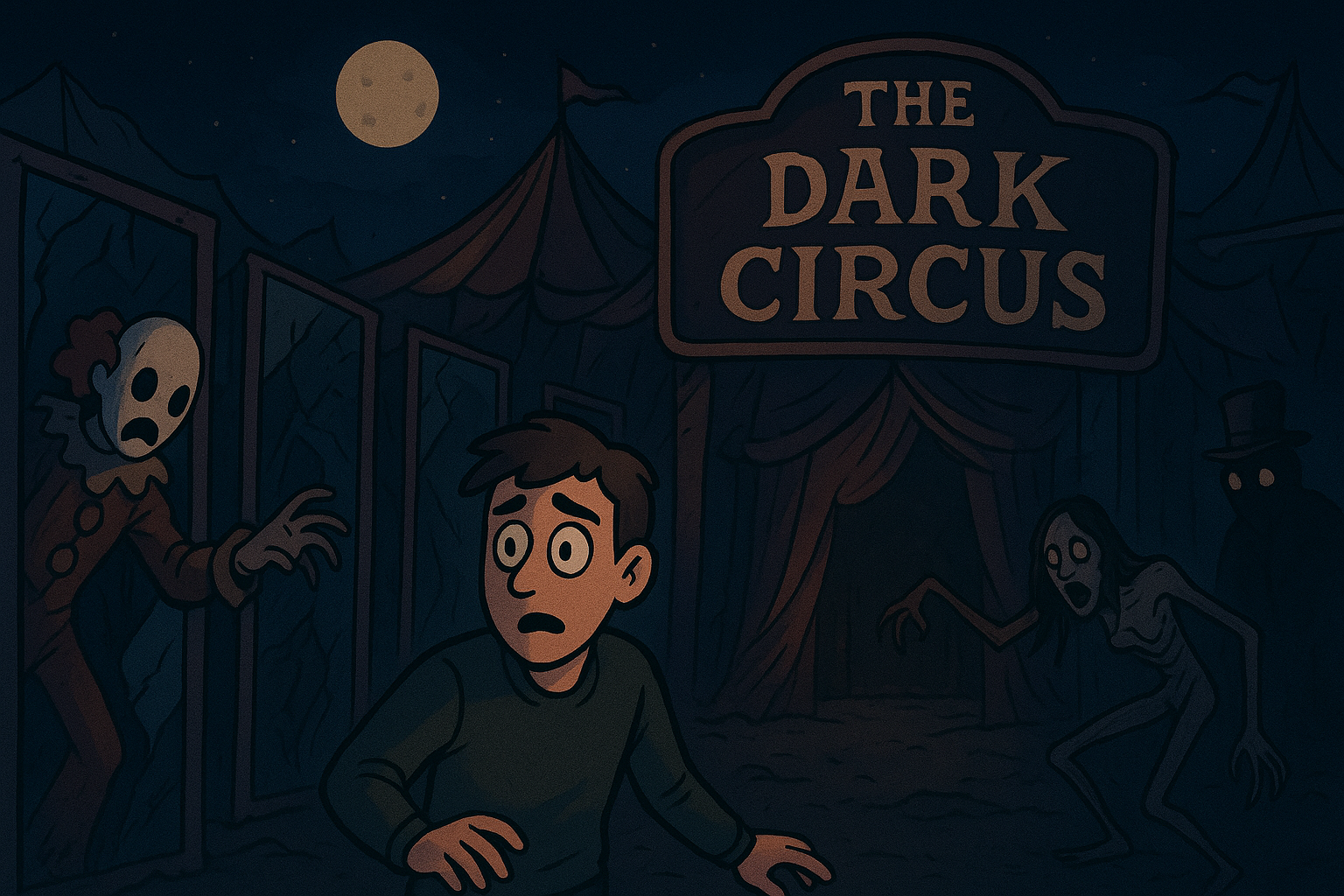
We wanted to capture the unease of childhood fears — the distorted laughter, the uncanny reflections, the strange charm of an abandoned circus. The idea of a maze that changes every time you enter felt like the perfect metaphor for psychological horror and loss of control.
What it does
Dark Circus – Maze is a psychological horror game where players must navigate a procedurally generated circus labyrinth filled with deceptive mirrors, eerie sounds, and twisted performers. Every path, reflection, and sound manipulates perception, creating a different experience each time.
How we built it
We developed the prototype in Unity using C# for the core mechanics. The labyrinth is generated dynamically with an algorithm inspired by recursive division mazes, and lighting is handled through Unity’s Universal Render Pipeline for eerie, dynamic shadows. Sound design was created in Audacity and layered through FMOD for adaptive ambience.
Challenges we ran into
Balancing fear and frustration was difficult — we wanted players to feel trapped but not lost forever. Implementing reflections and real-time lighting inside a procedural environment also pushed the limits of performance.
Accomplishments that we're proud of
We’re proud of achieving a haunting, immersive atmosphere that doesn’t rely on jump scares. The procedural system and adaptive sound design make every playthrough unique and unpredictable.
What we learned
We learned how to merge procedural generation with psychological storytelling, and how crucial sound and lighting are to creating tension. Collaboration between design, programming, and art was key to the final result.
What's next for Dark Circus - Maze
Next, we plan to expand the narrative, add new “performers” as unique enemies, and introduce co-op exploration where players can get separated inside different layers of the same maze. The show has just begun.


Log in or sign up for Devpost to join the conversation.