-
-

Dao logo — Wu Xing-inspired calligraphy title card
-
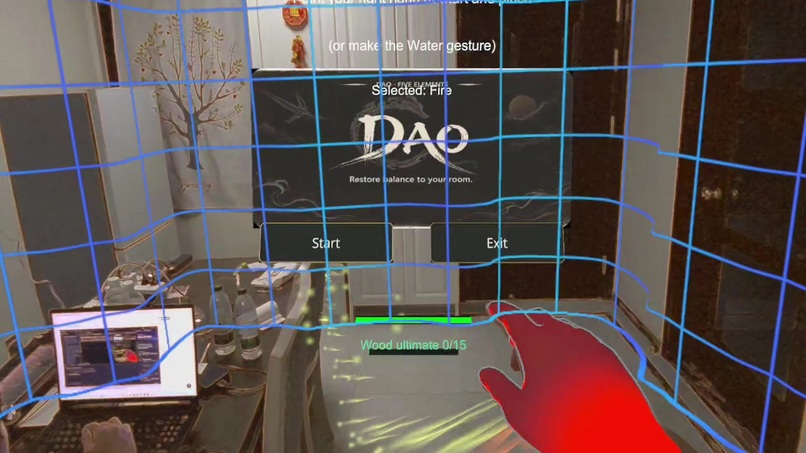
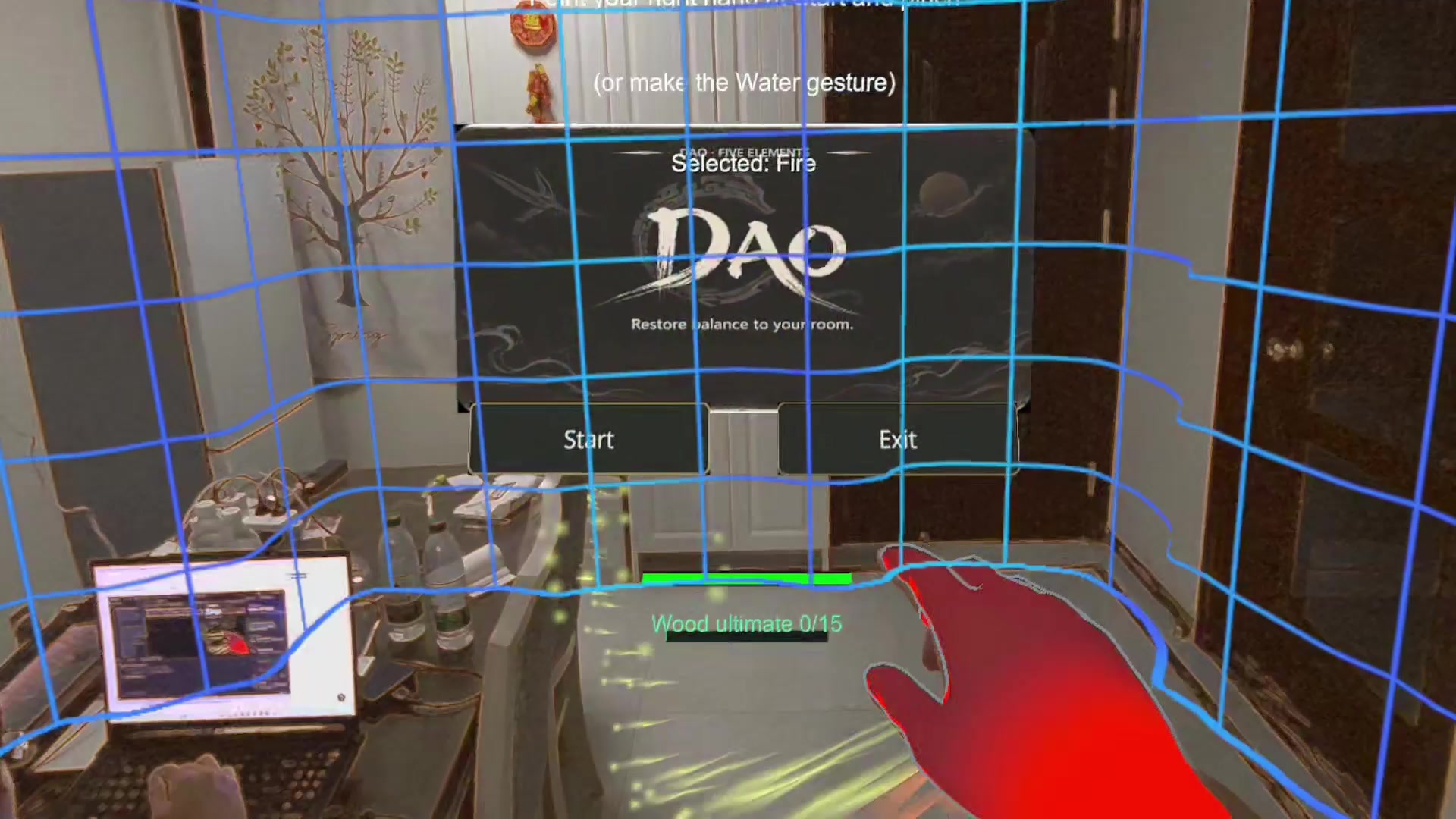
MR passthrough: entry screen floating in your real room
-
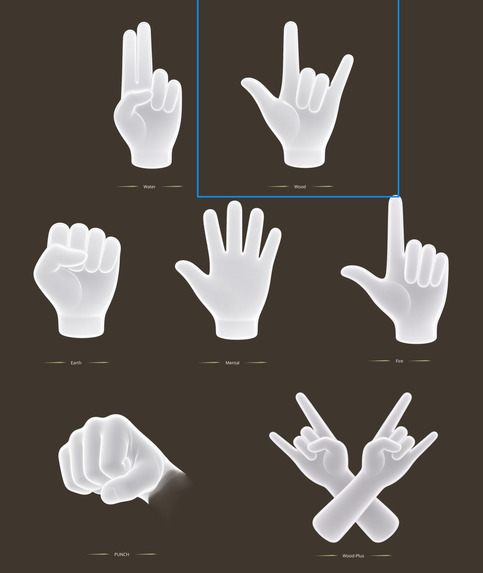
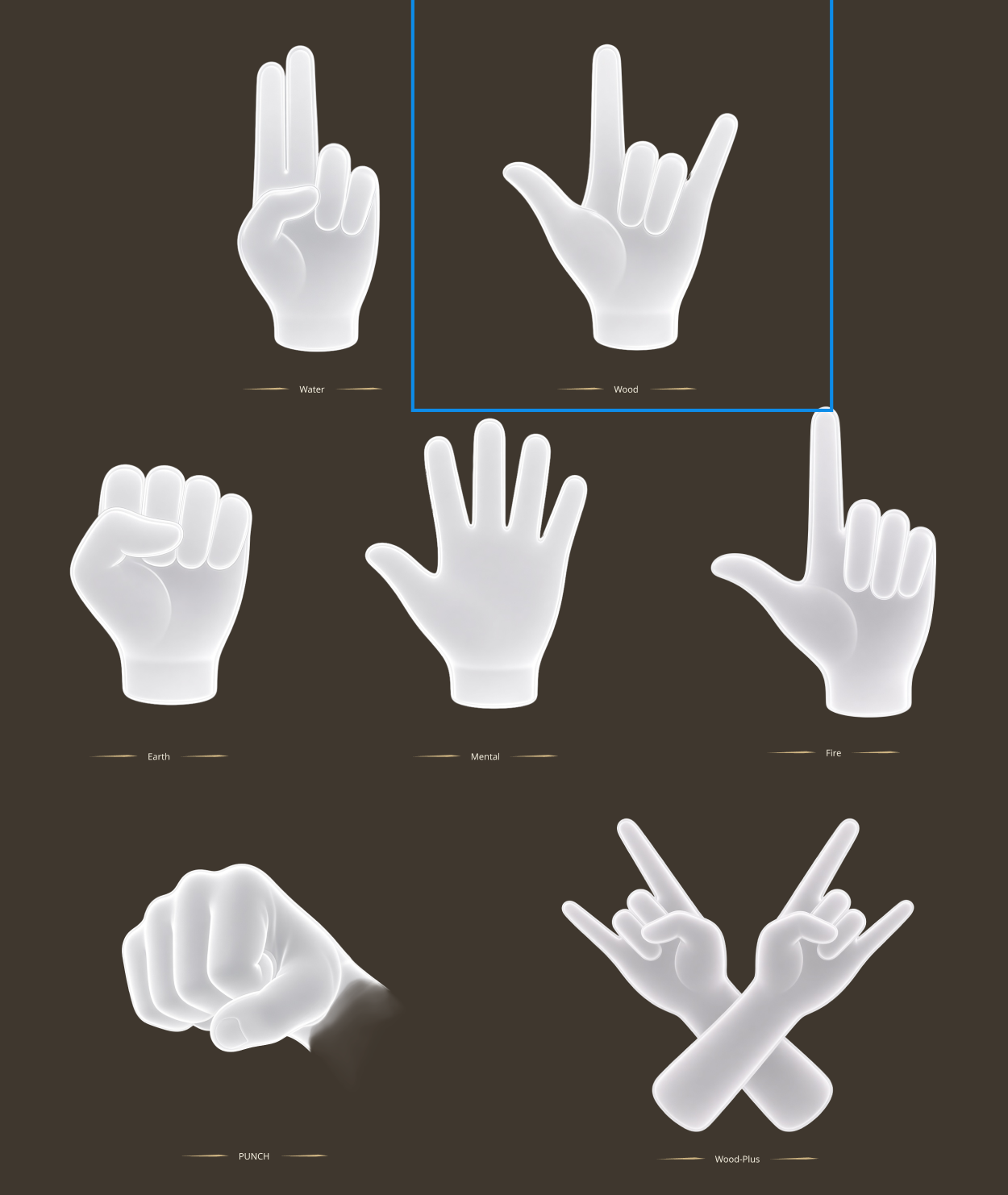
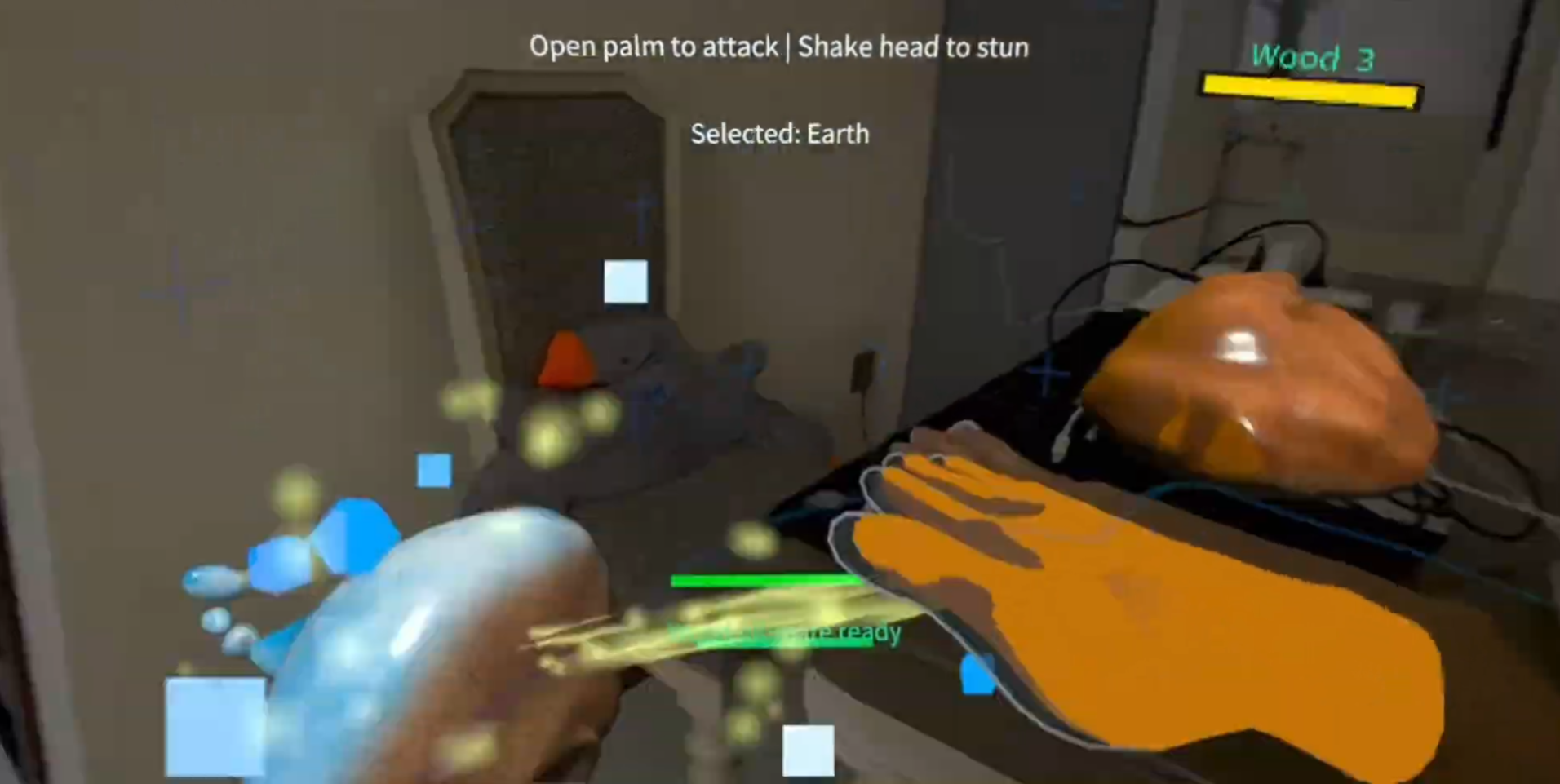
Six hand gestures for five elements — no controllers needed
-
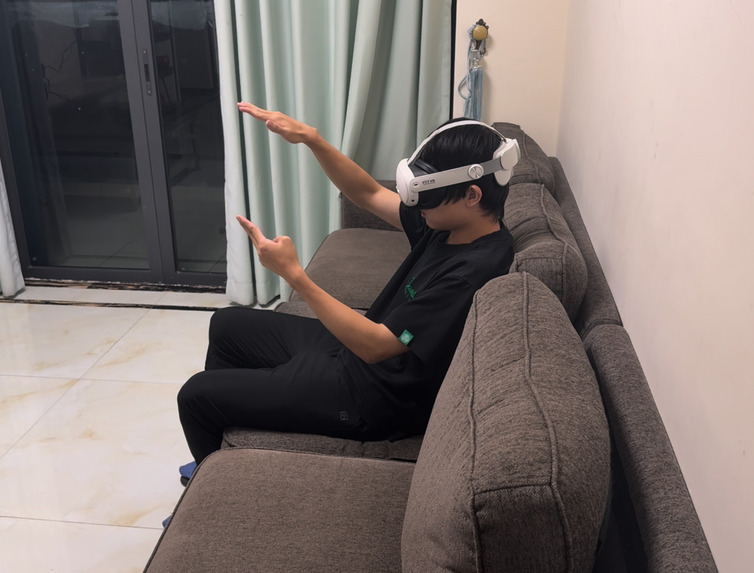
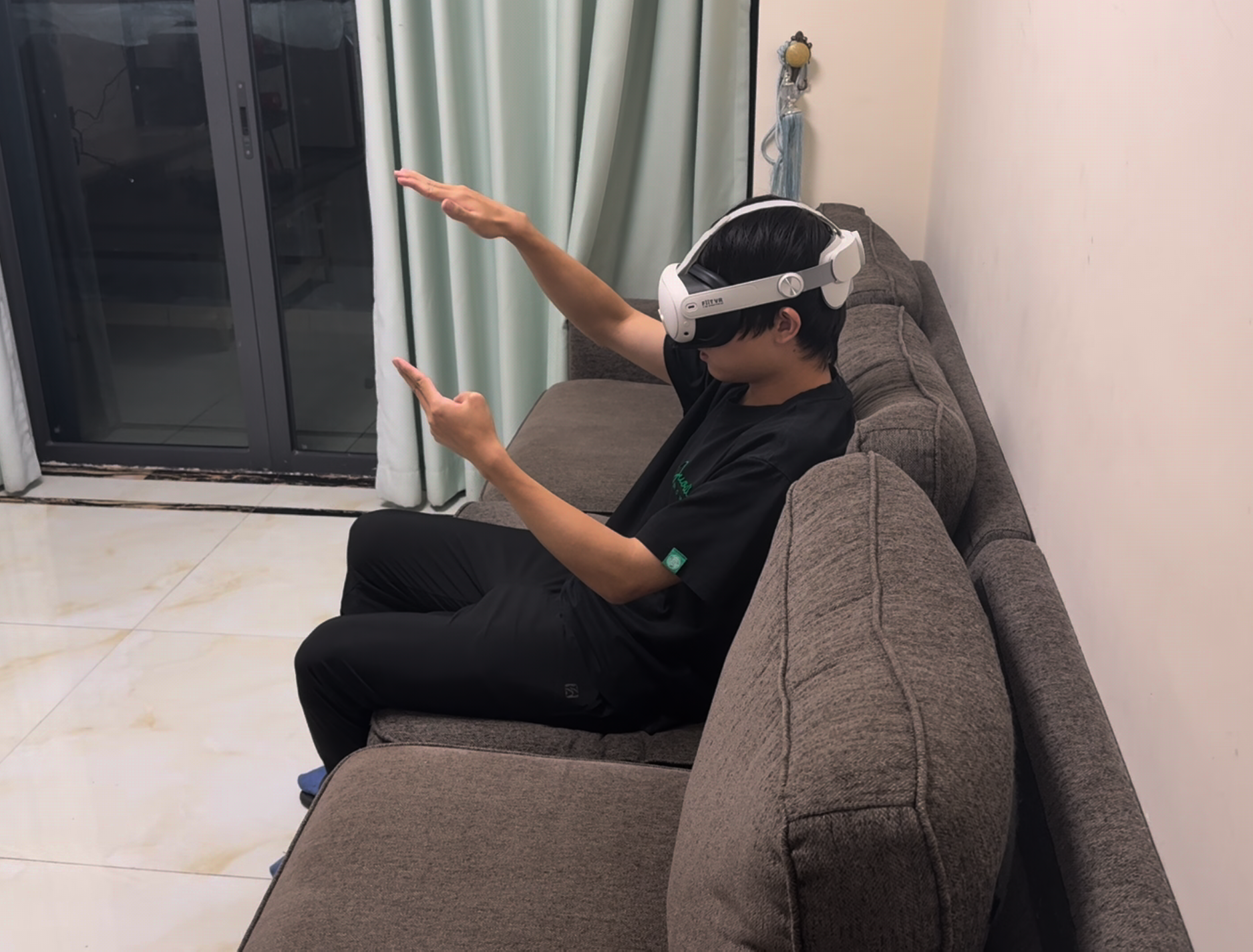
Fully playable while seated — designed for comfort
-
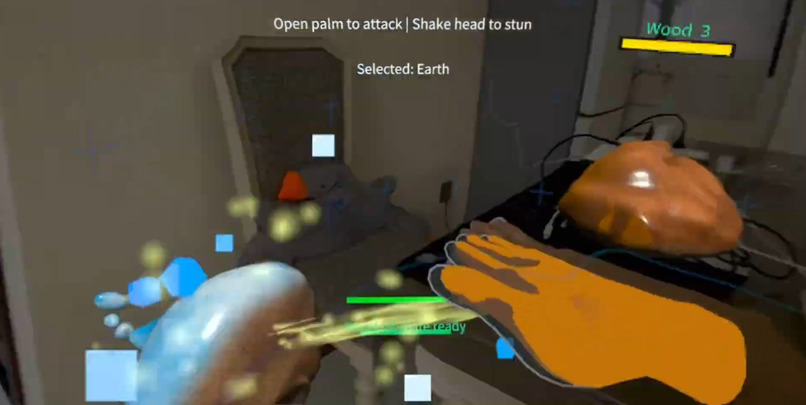
Slimes interact with real furniture via MRUK spatial anchors
-
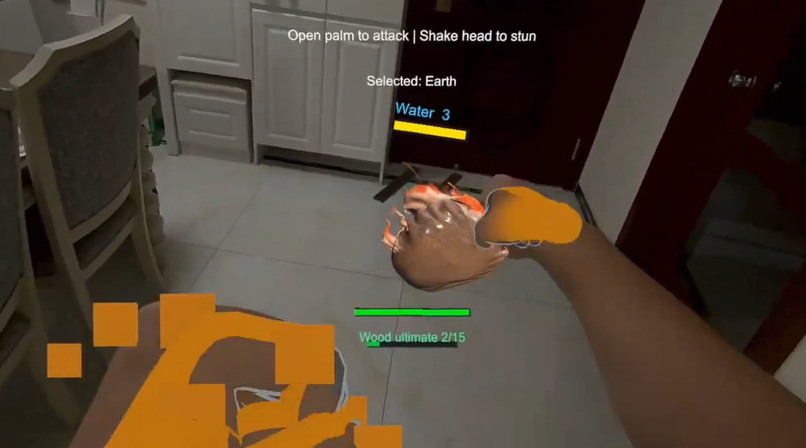
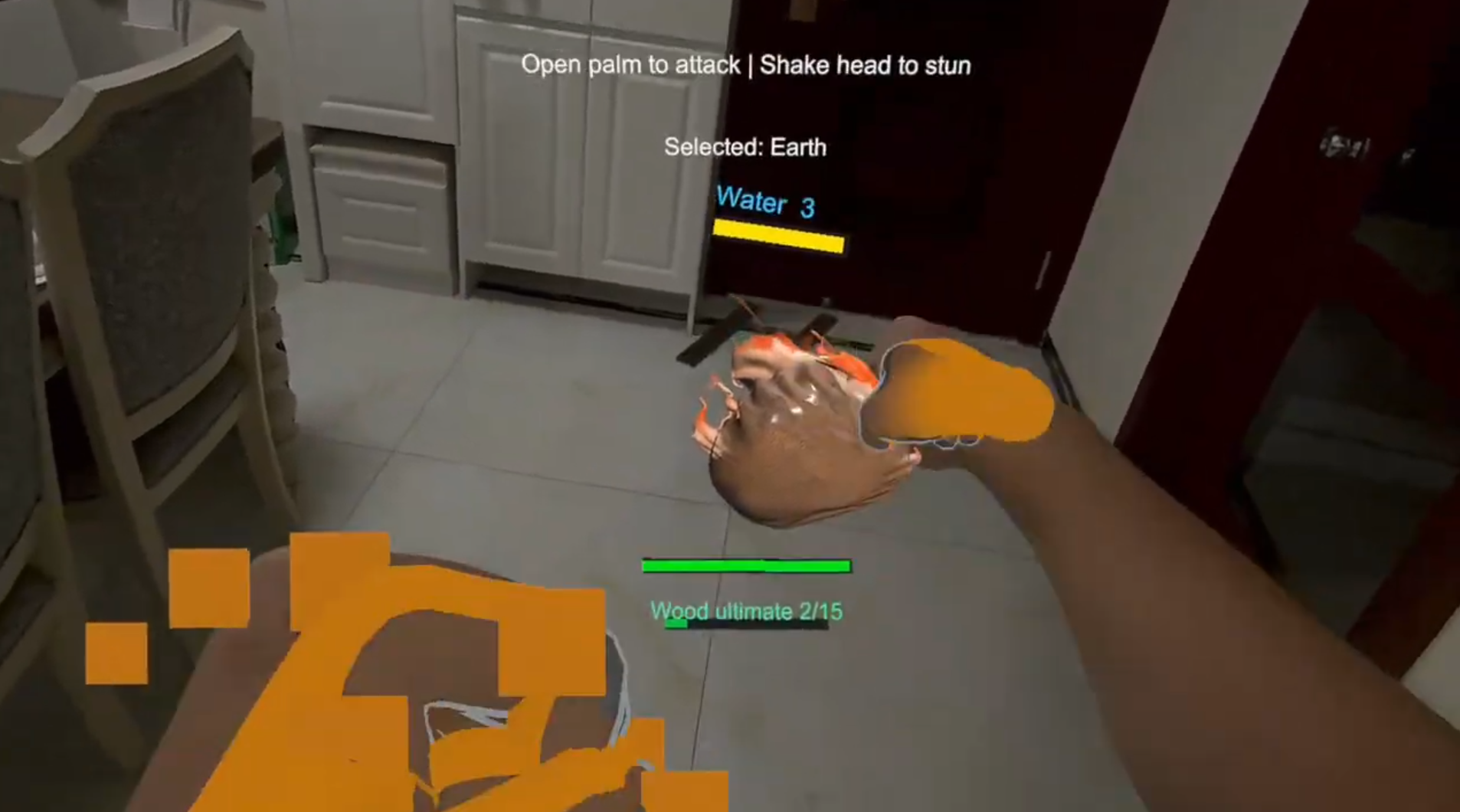
Close-range fist punch knocks slimes back with camera shake
-
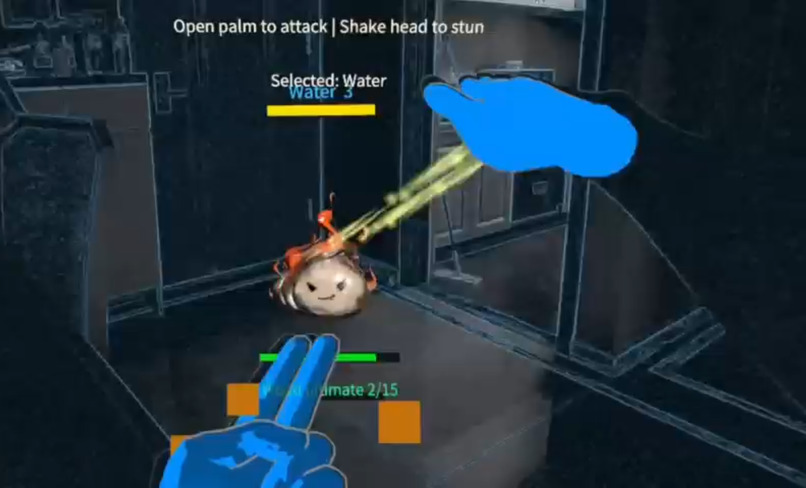
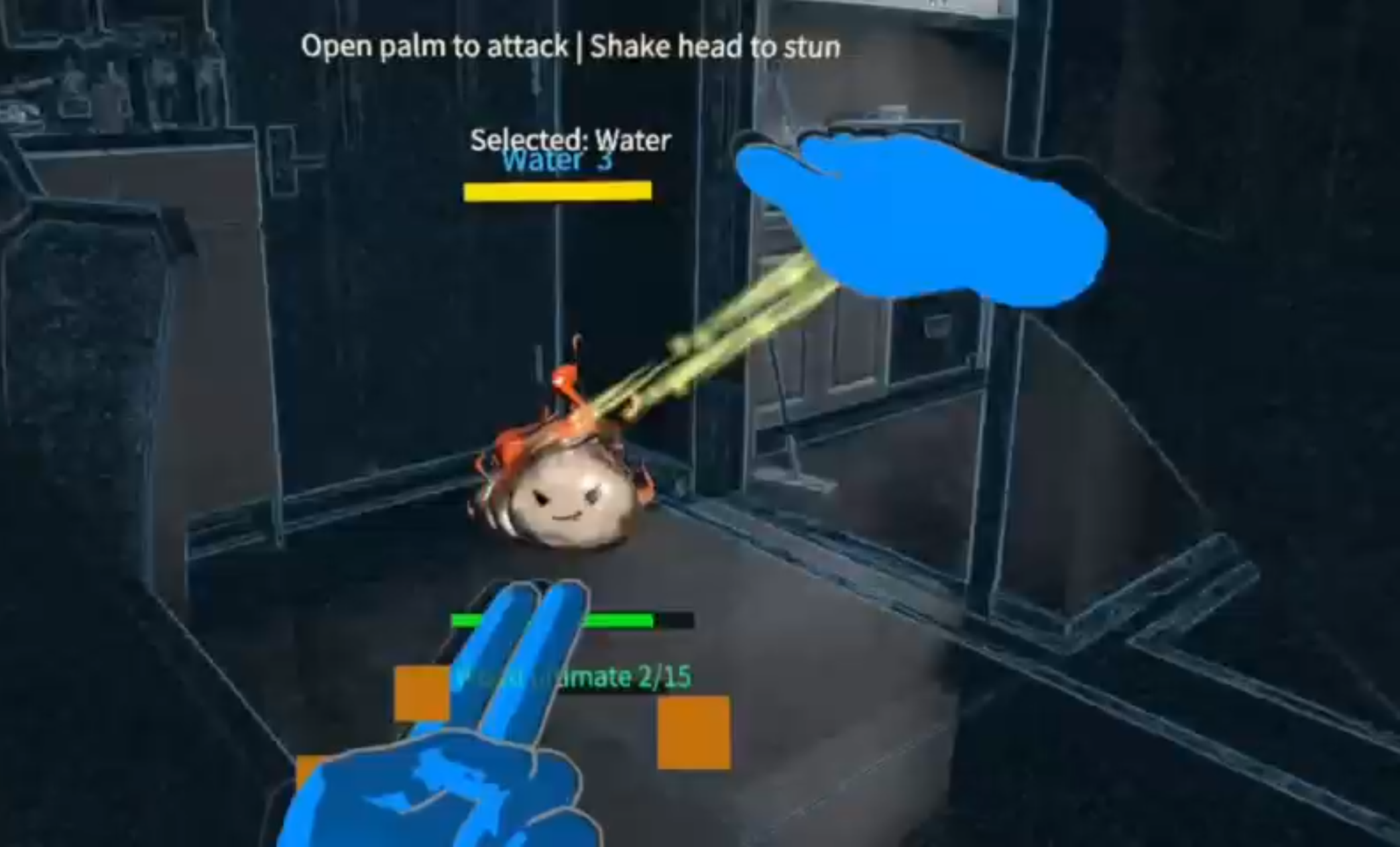
Long-range elemental attack using hand gesture casting
-

All five Wu Xing element slimes: Metal, Wood, Water, Fire, Earth


Inspiration
The Chinese Five Elements (Wu Xing) philosophy — Water, Fire, Earth, Metal, Wood — describes a cycle where each element counters another. We wanted to bring this ancient system into Mixed Reality, letting players cast elemental spells with their bare hands to fight creatures invading their real living space.
The core idea: your room becomes the battlefield. Slimes spawn on your floor, bounce off your walls, hide behind your furniture — and you fight them by forming hand gestures drawn from traditional Chinese finger seals (手诀).
What it does
Dao is a seated, hands-first MR combat game for Meta Quest 3. Players use six left-hand gestures to select elements and right-hand motions to attack:
- Water (index + middle finger) beats Fire
- Fire (thumb + index + pinky) beats Metal
- Metal (index point) beats Wood
- Wood (open palm) beats Earth
- Earth (fist) beats Water
- Punch (right fist push) shoves nearby slimes
Counter-element hits deal double damage. Five progressively harder levels introduce new element types, culminating in all five elements at once. Kill 15 slimes to charge a screen-wide Wood Ultimate blast.
The game uses passthrough MR — your real room is visible through the headset. MRUK (Meta Room Understanding Kit) scans your room geometry so slimes spawn on actual floors, bounce off real walls, and hide behind real furniture. A depth-occlusion system makes slimes genuinely invisible when behind your couch or table, only appearing when they emerge.
Tutorials teach each gesture in context. A right-hand ray pointer with pinch-to-confirm handles all menu navigation — no controllers needed at any point.
How we built it
- Unity 6000.0.85f1 with Universal Render Pipeline (URP)
- Meta XR SDK v207 — OVRSkeleton for hand joint tracking, OVRPassthroughLayer for MR, OVRHand for pointer ray and pinch detection
- MRUK (MR Utility Kit) for room scanning, anchor labels (TABLE, COUCH, BED, WALL_FACE, FLOOR), spawn placement via raycasting, and EffectMesh for furniture collision and depth occlusion
- Custom gesture recognition using bone joint angles with hysteresis deadbands (40°/90°) and hold/release debouncing for reliable hand tracking
- Depth-prepass occluder shader (ColorMask 0, ZWrite On) applied to furniture meshes so slimes behind real furniture are hidden by standard hardware z-testing — no per-material shader changes needed
- Performance: static enemy registry for zero-GC lookups, shared particle material cache, camera-shake trauma system
What's next
- Environment Depth API integration for pixel-accurate occlusion (current system uses bounding-box approximation)
- Multiplayer co-op mode
- More element creatures with unique movement and attack patterns
- Meta Quest Store publication via VR Start program


