-
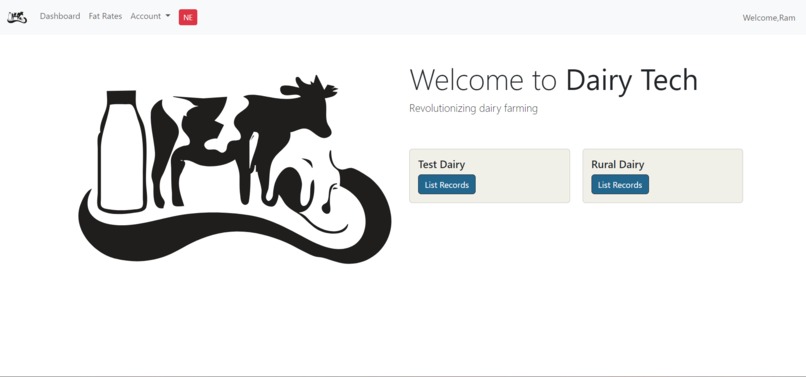
Landing Page
-
-
-
-
-
-
-
Email PDF
-
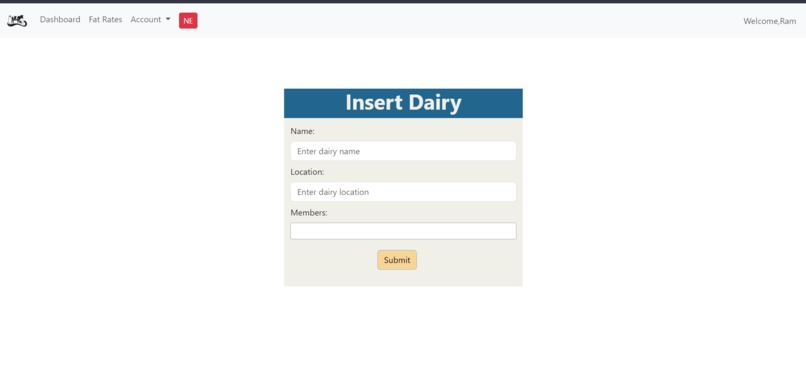
-
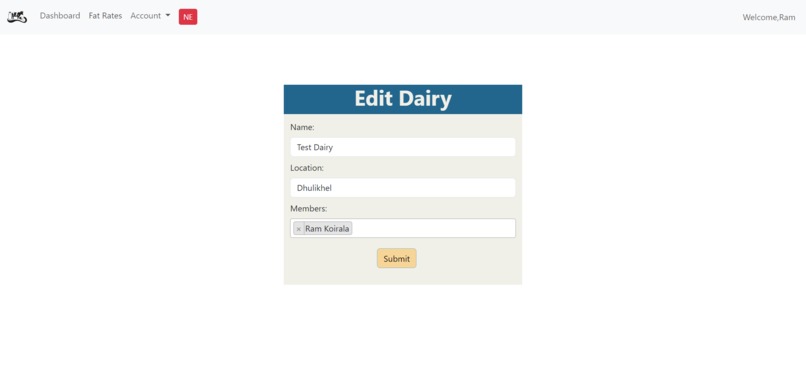
-
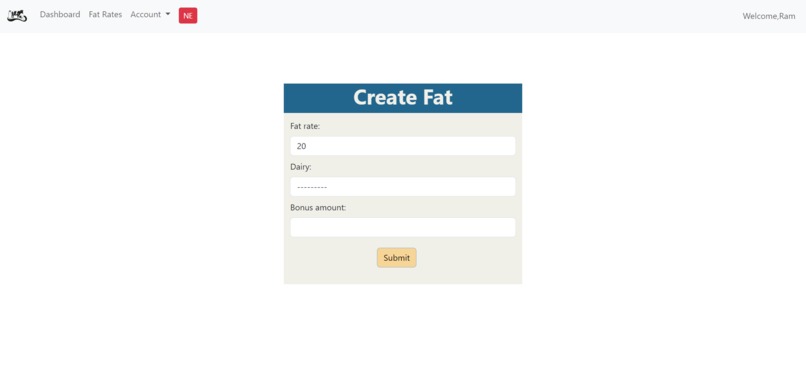
-
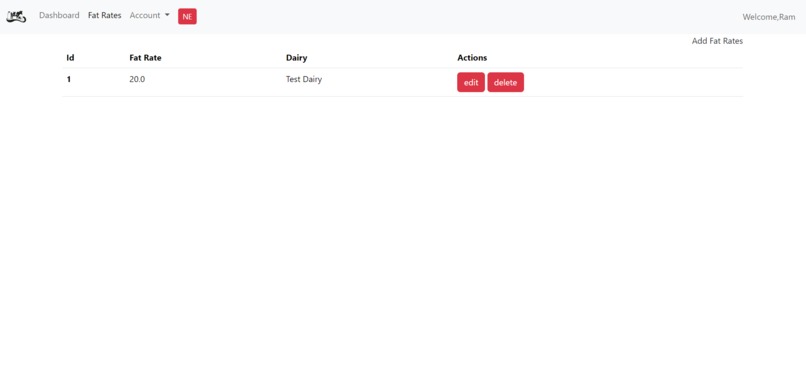
-
-
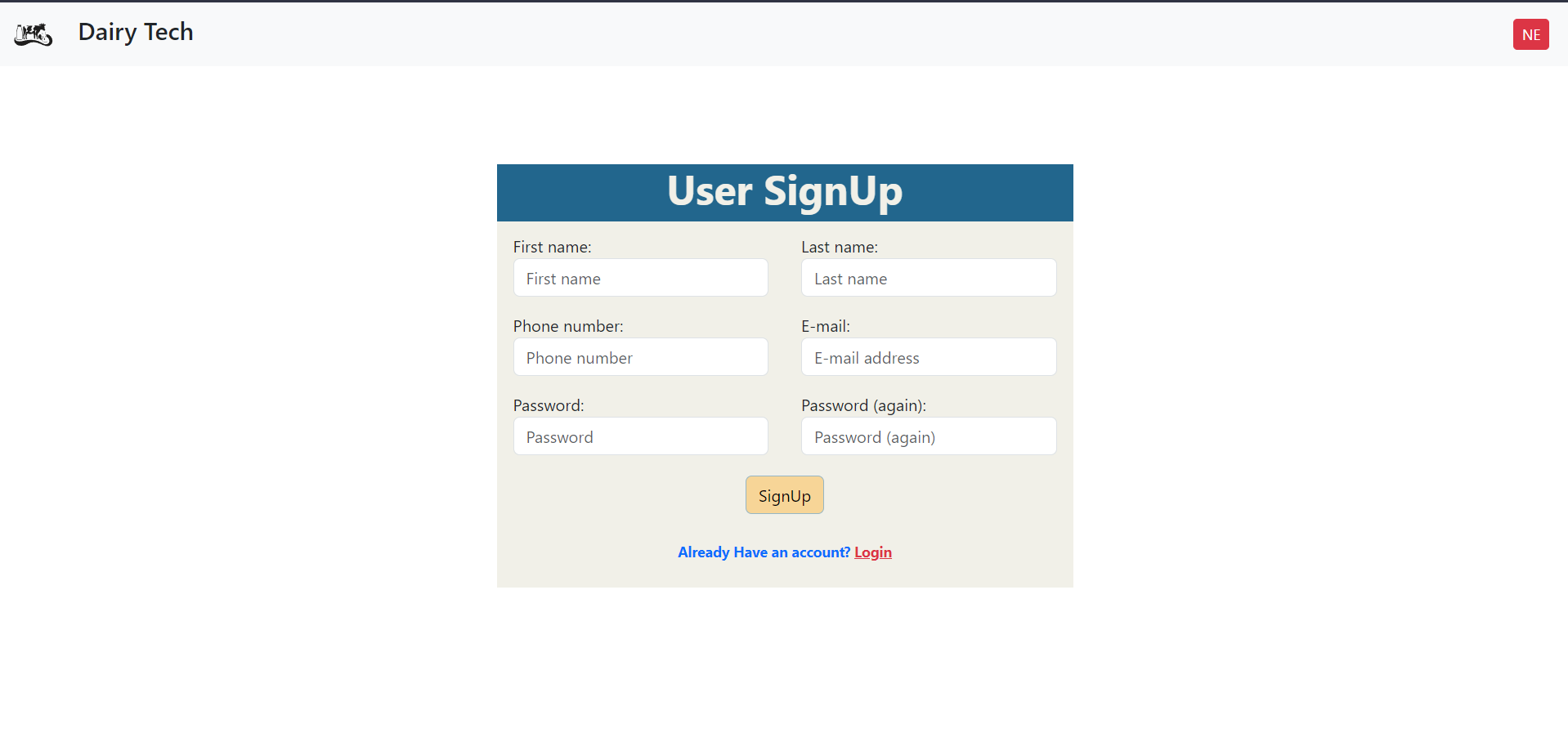
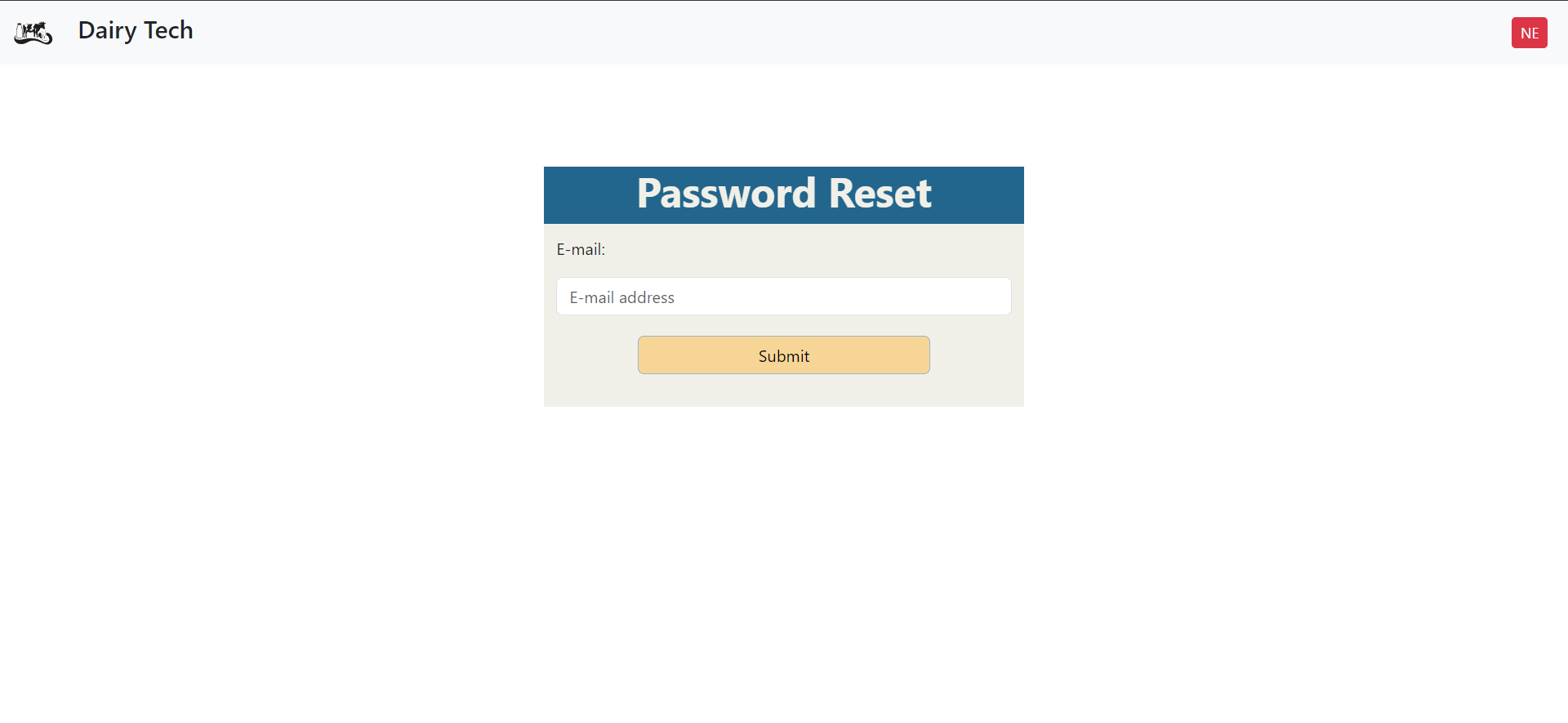
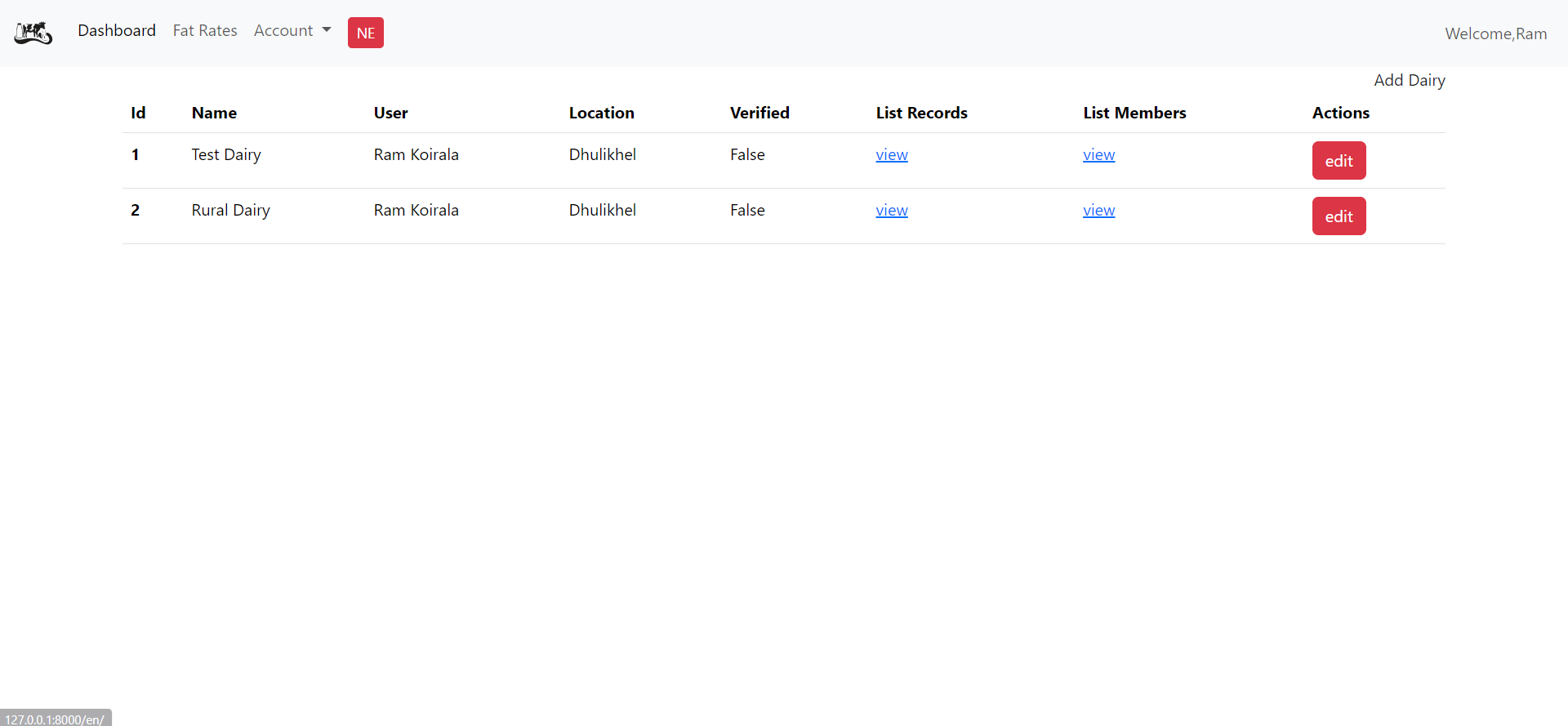
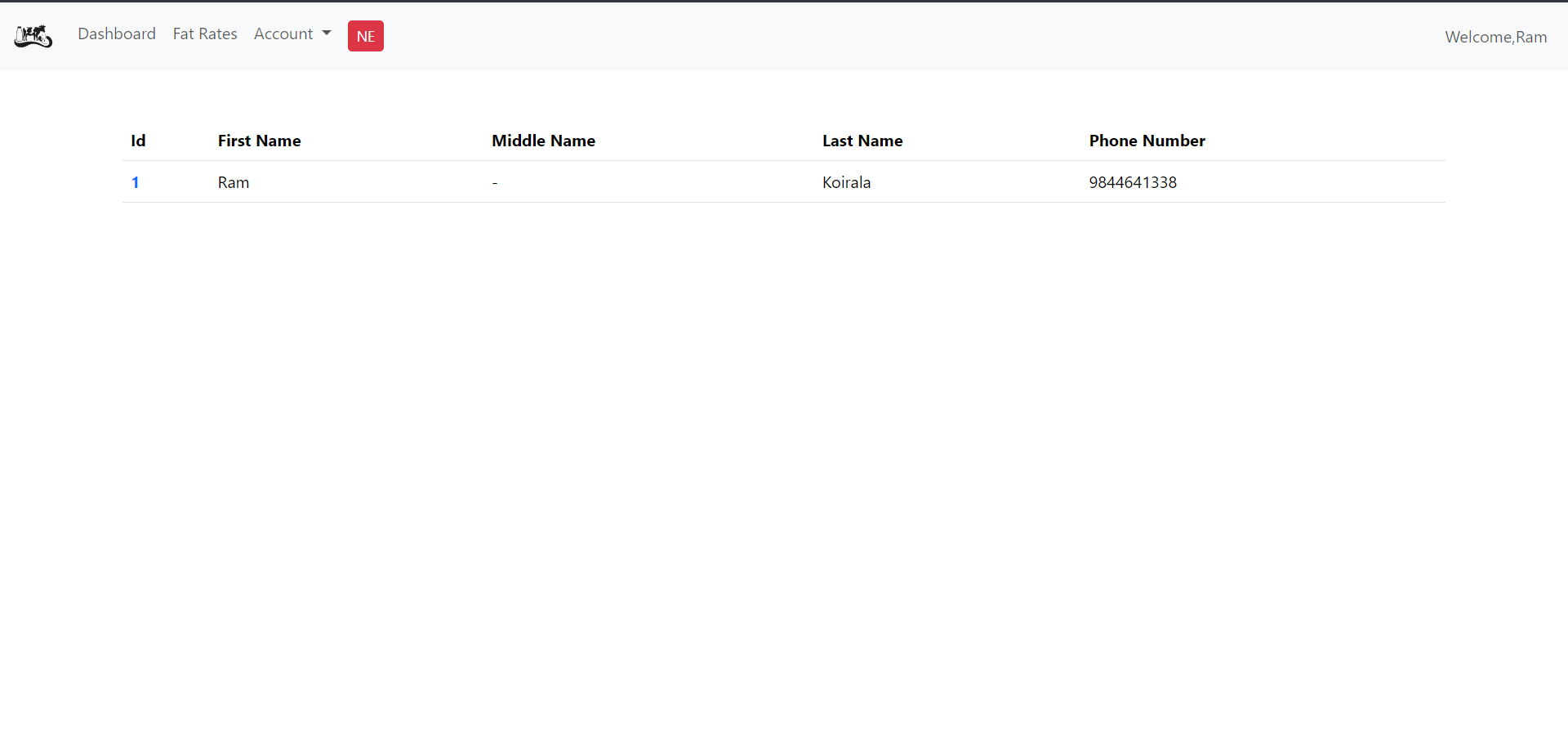
1. Inspiration
Rural areas of Nepal are highly invested in farming and rearing animals. Most of the people carry on such occupations in much smaller scale which individually can't be a viable option for supporting a diary farm. So, naturally, there exists a system where individual farmers pool their production and sell to a collector who manually keeps track of the quantity of the milk and the fat content of the milk. The collector then usually, after a fortnight, calculates manually the money to be given to individual farmers and gives to the farmers. The farmers then have no transparent means of validating whether the earnings reported and provided by the collectors is accurate to their production. Similarly, the farmers don't have any means to analyze their milk production and its fat quantity as they don't have access to tools which can visualize the manual data they might have.
This presents an obvious gap in communication, accessibility, and accuracy of data which in worse case could be manipulated and the farmers who don't get satisfactory price upfront could get duped further on.
Thus, this project aims to solve this problem, help collectors maintain the database and automate their process while also providing the farmers a way to know about the quantity and quality of their production. This project also considers the possibility of language barrier when the project is entirely based in English language. So, the project has localized the UI, so that people literate in the Nepali language can also use this tool, analyze their data. One of the team members of this project maintains a dairy farm where he has access to real world data which could be utilized to test this projects' accuracy and effectiveness.
2. What It Does
The core functionality and purpose of this project are centered around solving several critical problems faced by rural farmers and collectors in Nepal's dairy farming industry.
Problem Statement:
- Manual Data Management: The existing system relies on manual data collection, which is time-consuming and error prone.
- Lack of Transparency: Farmers have no means to verify the accuracy of their earnings or the quantity and quality of their milk production.
- Communication Gap: There's a gap in communication between farmers and collectors, which can lead to misunderstandings and potential manipulation of data.
- Language Barrier: English-language interfaces may not be accessible to all users in Nepal.
Problem it solves:
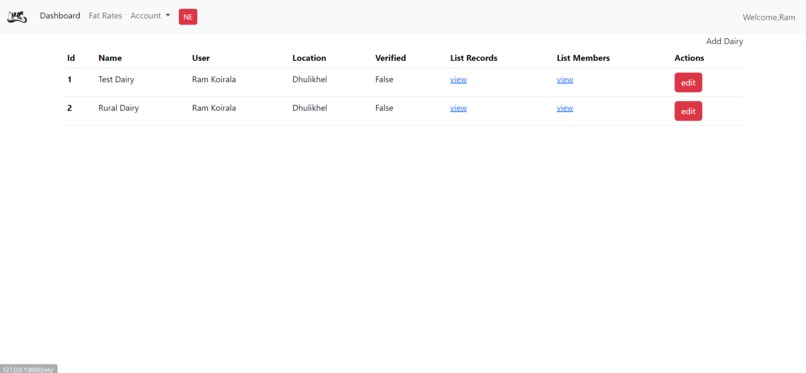
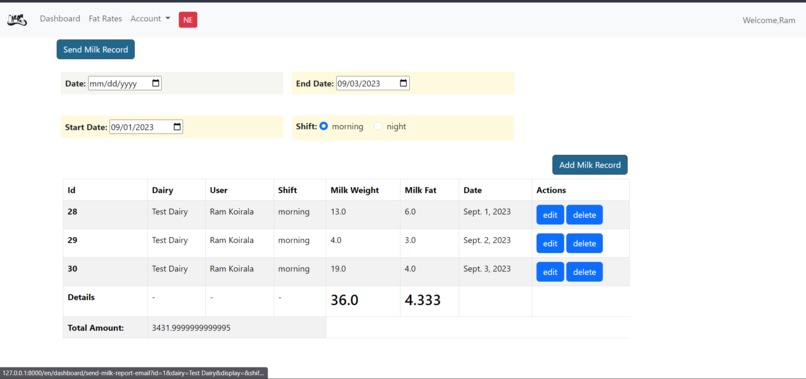
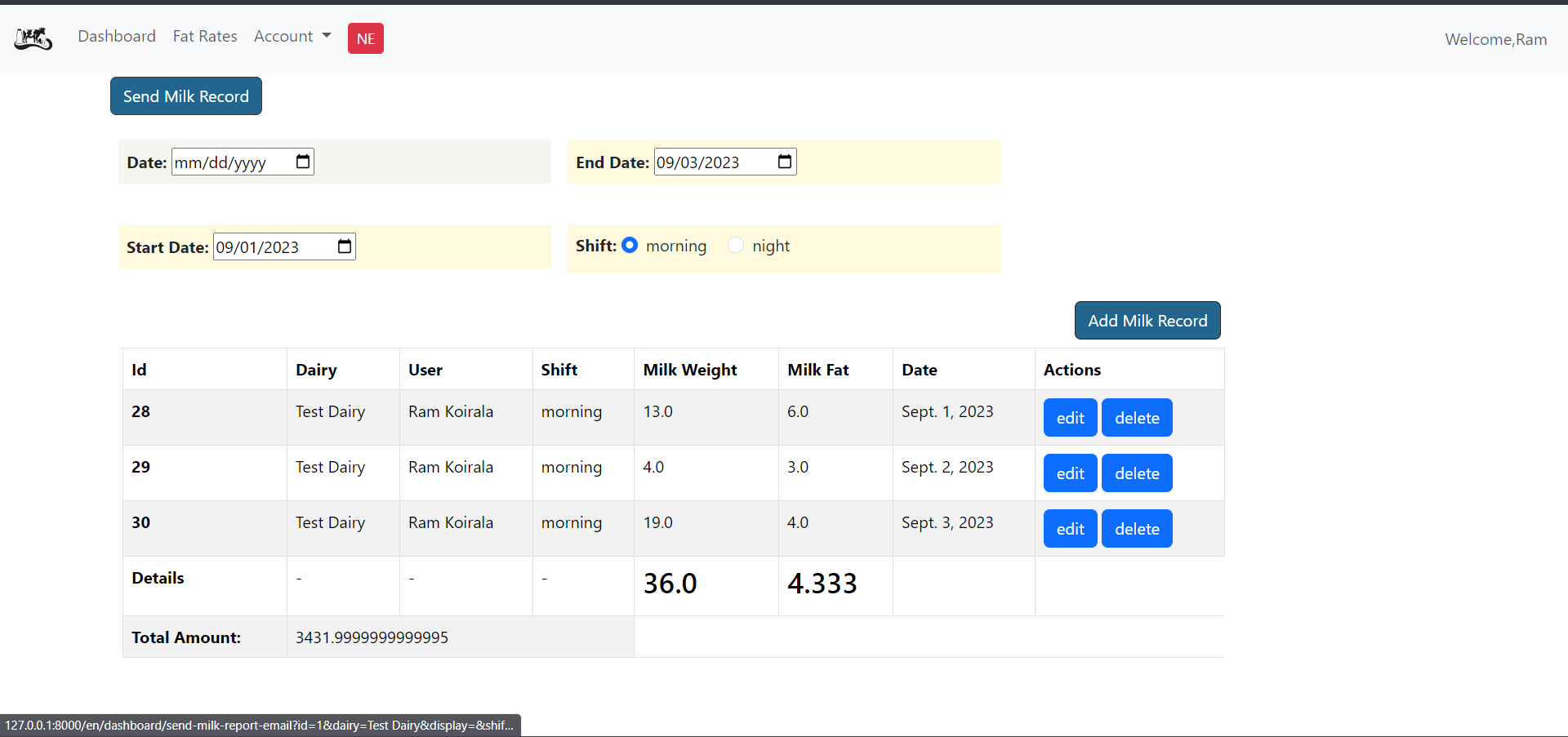
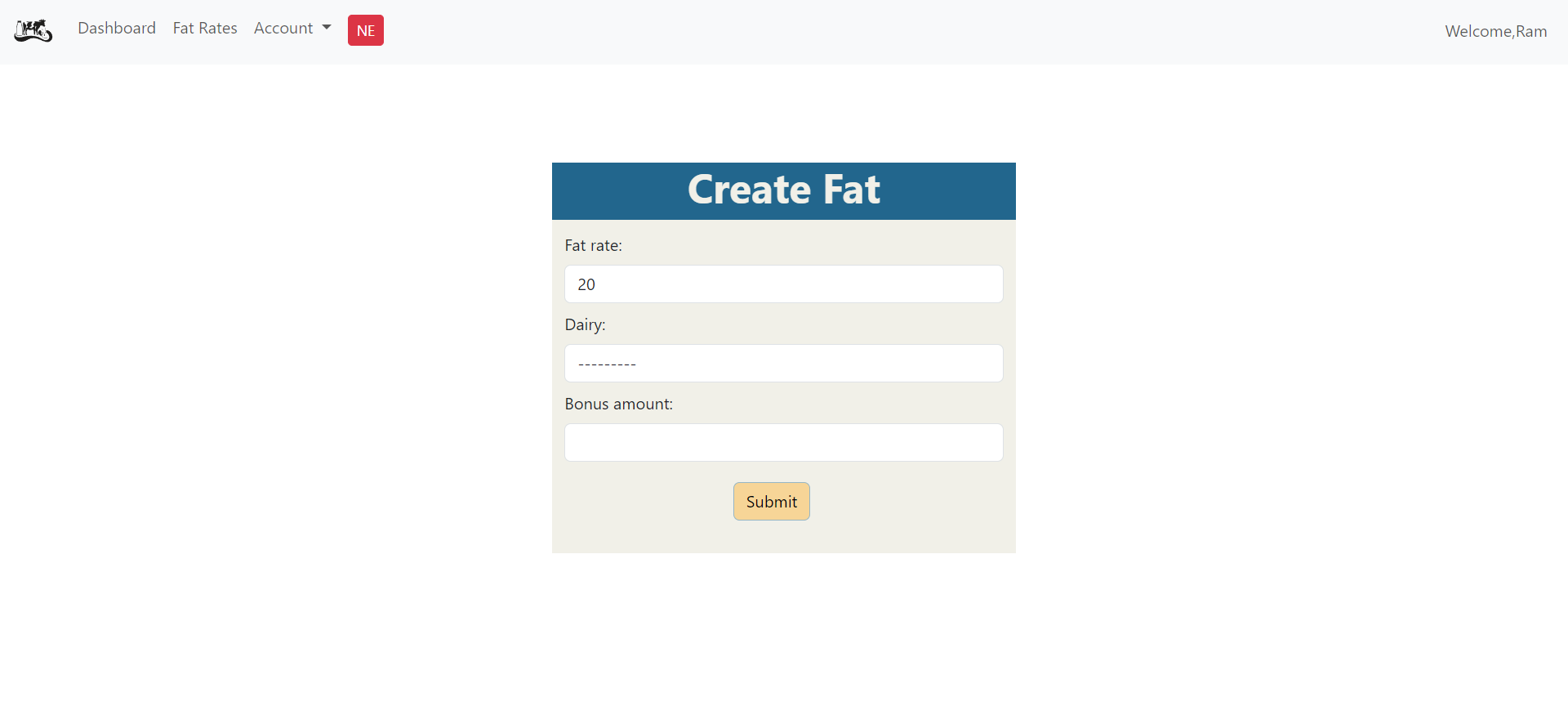
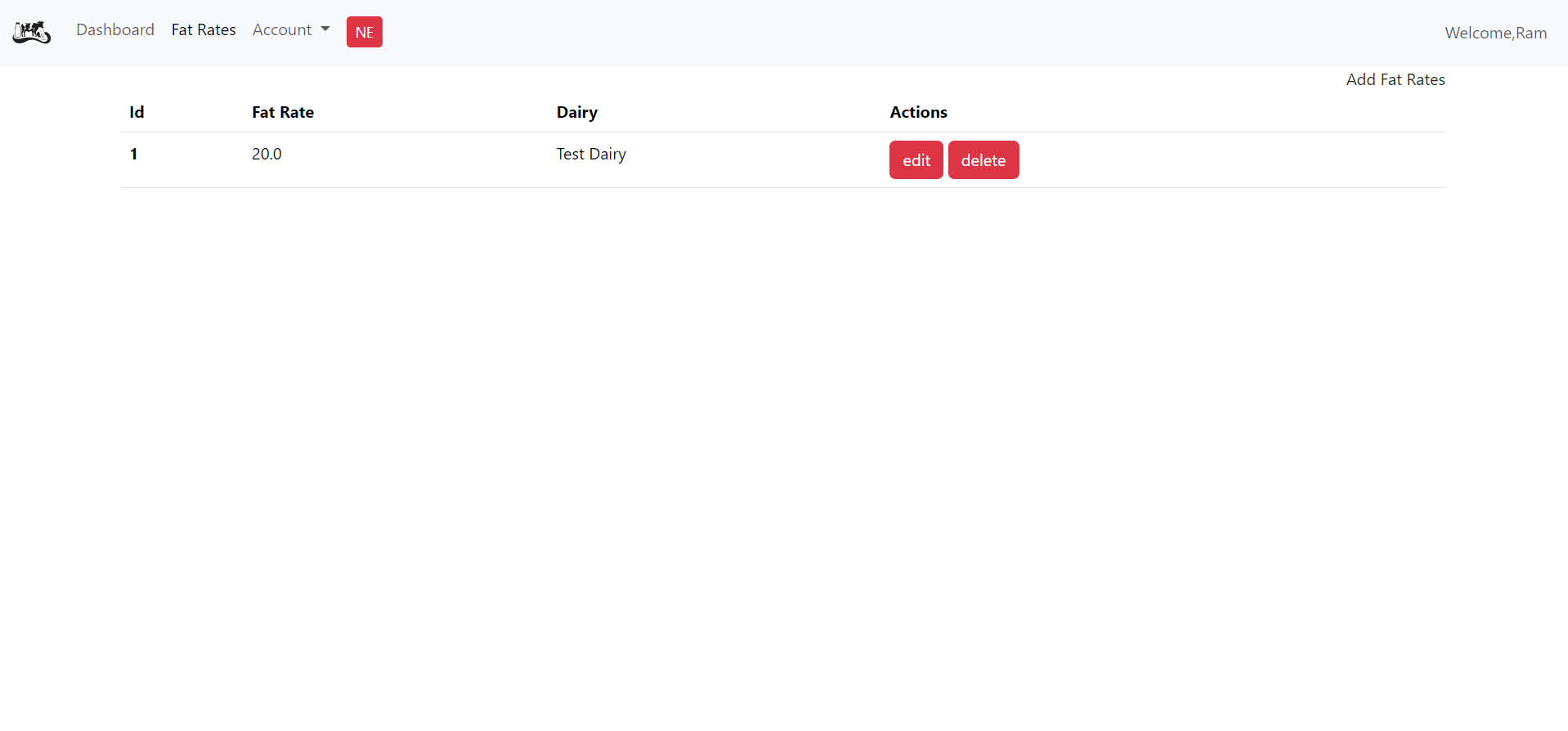
- Automated Data Management: This project automates the data collection and management process. It allows collectors to input data electronically, reducing the need for manual record-keeping.
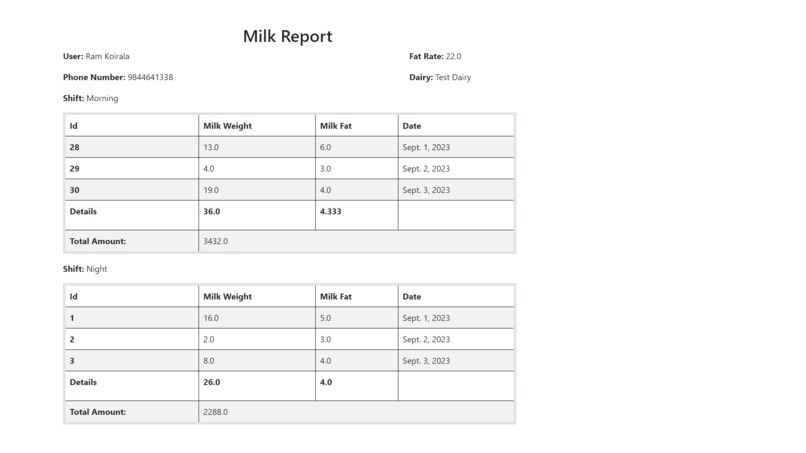
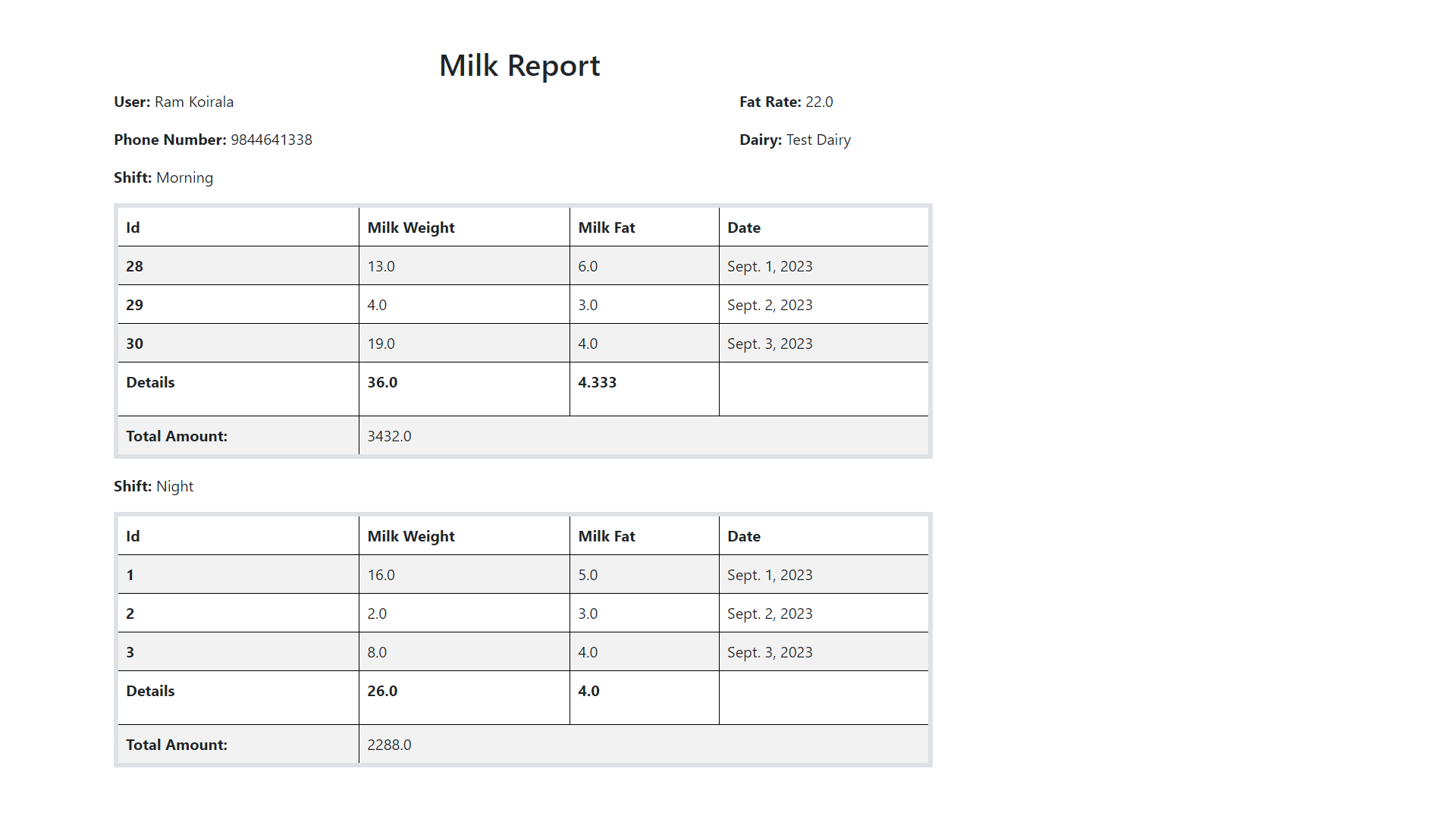
- Data Accuracy: By automating data collection and calculations, this project ensures that the earnings reported to farmers are accurate and based on their actual production.
- Transparency: Farmers can access a digital platform that shows them the quantity and quality of their milk production. This transparency helps build trust between collectors and farmers.
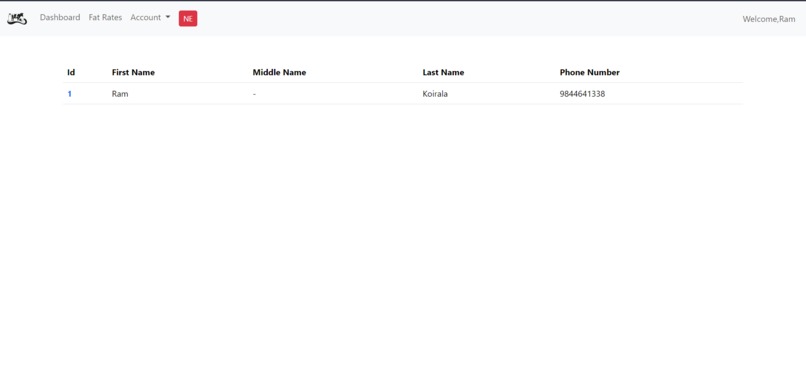
- Communication Bridge: The platform serves as a communication bridge between collectors and farmers. Farmers can interact with collectors and vice versa through the system, reducing misunderstandings.
- Localized UI: To overcome language barriers, our project offers a localized user interface in Nepali, making it accessible to a broader audience.
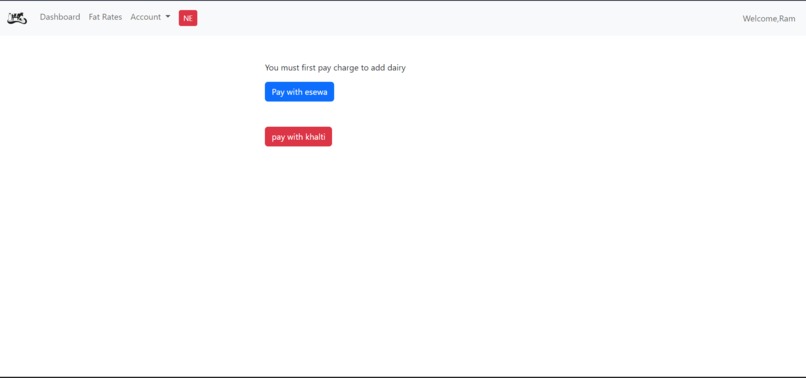
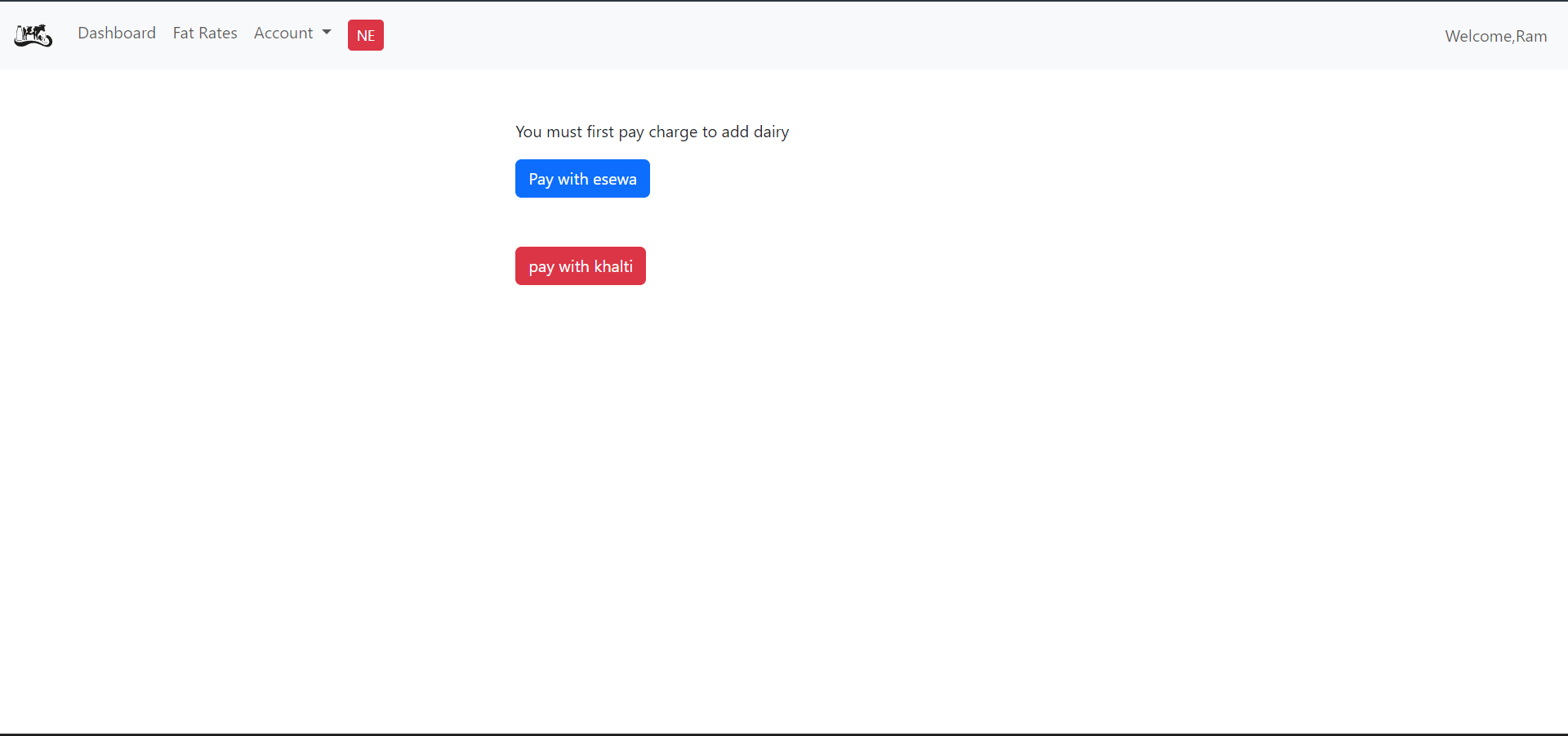
- Integration with Financial Services: The project has the prospect of integrating digital wallets like Esewa, Khalti to facilitate digital payments directly through the platform. This provides farmers with convenient access to their earnings.
Benefits to Users and the Community:
Farmers gain transparency and better earnings accuracy, enabling informed decisions and fair price negotiation. Collectors benefit from streamlined data management and enhanced trust with farmers. The entire rural farming community benefits from fair practices and improved economic stability. Collected data supports data-driven decisions, optimizing dairy farming operations.
3. How We Built It
Our project uses Django, Redis, and MySQL to make dairy farming better, automate data, and help farmers and collectors. It strives to make the dairy industry more efficient and transparent. We have used an array of technology and innovative solutions for our project.
Django Framework: We chose Django, a robust Python web framework, as the foundation of our project. Its versatile features, including built-in authentication, database management, and security, accelerated development.
Redis for Enhanced Performance: To optimize efficiency, we implemented Redis, a high-performance caching system. This decision proved invaluable for handling long-running tasks efficiently, ensuring responsive user experiences.
MySQL Database: MySQL served as our reliable database management system, effectively storing and managing structured data related to dairy farming, milk production, and financial transactions.
4. Challenges We Ran Into
Our project journey was not without its fair share of challenges and obstacles. Here are some of the key challenges we encountered and how we overcame them:
- Data Complexity: Managing and processing diverse data related to dairy farming, including milk production, quality, and financial transactions, posed a significant challenge. We overcame this by implementing data validation checks to ensure accuracy.
Redis Implementation: While Redis was instrumental in managing long-running tasks, configuring it optimally required extensive testing and fine-tuning. We studied available Redis docs and also performed benchmarking to achieve the desired performance.
User Localization: Adapting our platform for bilingual users (English and Nepali) required careful attention to linguistic nuances. We conducted various usability tests to ensure accessibility.
5. Accomplishments We're Proud of
Throughout the development of our Dairy Management Project, we've achieved several significant milestones and accomplishments that fill us with pride:
Automation of Data Management: We successfully automated the data management process for dairy farms, reducing manual effort and the potential for errors. This accomplishment streamlined operations for both farmers and collectors.
Transparent Compensation: Our project introduced a transparent compensation system, ensuring that farmers receive fair earnings for their milk production. This achievement promotes trust and equity within the dairy community.
User-Friendly Interface: Our user-centric design and localization efforts resulted in a user-friendly interface accessible in both English and Nepali. This milestone makes our platform inclusive and user-focused.
Redis for Long-Running Tasks:* Implementing Redis for efficient handling of long-running tasks was a technical feat that significantly improved system performance. This accomplishment demonstrates our commitment to optimization.
6. What We Learned
Our journey with the Dairy Tech has been a rich learning experience, providing valuable insights and lessons in various aspects:
Technical Proficiency: We deepened our technical skills in Django, Redis, MySQL, and containerization technologies like Docker. This hands-on experience enhanced our proficiency in developing robust, scalable web applications.
Redis Optimization: Implementing Redis for efficient long-running task management taught us the nuances of optimizing performance for specific use cases. We learned the importance of fine-tuning.
Agile Development: Embracing agile methodologies taught us the value of iterative development, rapid feedback cycles, and continuous improvement. This approach allowed us to respond effectively to evolving user needs.
Localization: Recognizing the importance of accommodating linguistic diversity, we gained insights into localization practices. This ensures that technology is accessible and relevant to diverse user groups.
7. What's Next
The team has a strong belief that this project has promising prospects beyond the hackathon. The team envisions several avenues for further development, improvements, and scaling to maximize its impact:
Continuous Improvement: We plan to continually refine the user interface and user experience based on feedback from farmers, collectors, and other stakeholders. This iterative process will ensure that the platform remains user-friendly and effective.
Scalability: Beyond the hackathon, we aim to expand the reach of our project to encompass a larger number of farmers and collectors. This involves scaling up the infrastructure to accommodate a growing user base.
Data Analytics: We foresee the incorporation of advanced data analytics tools and features into the platform. This will enable farmers and collectors to gain deeper insights into their operations, leading to data-driven decision-making.
Educational Resources: To empower farmers with knowledge, we plan to introduce educational resources within the platform. These resources may include articles, videos, and tutorials on best dairy farming practices.
Sustainability: Ensuring the sustainability of the project is a priority. This involves exploring revenue-generating models, such as subscription plans or partnerships with agricultural organizations or local governments.

Log in or sign up for Devpost to join the conversation.