Inspiration
DailyFold started from a simple frustration: everyday planning tools often become another thing to manage.
I wanted one place where I could quickly see what matters today, keep reusable lists, write notes, and plan upcoming days without creating an account, configuring a complicated productivity system, or depending on a cloud service for my personal data.
The goal became a calm, local-first organizer that stays out of the way while still being powerful when you need it.
What it does
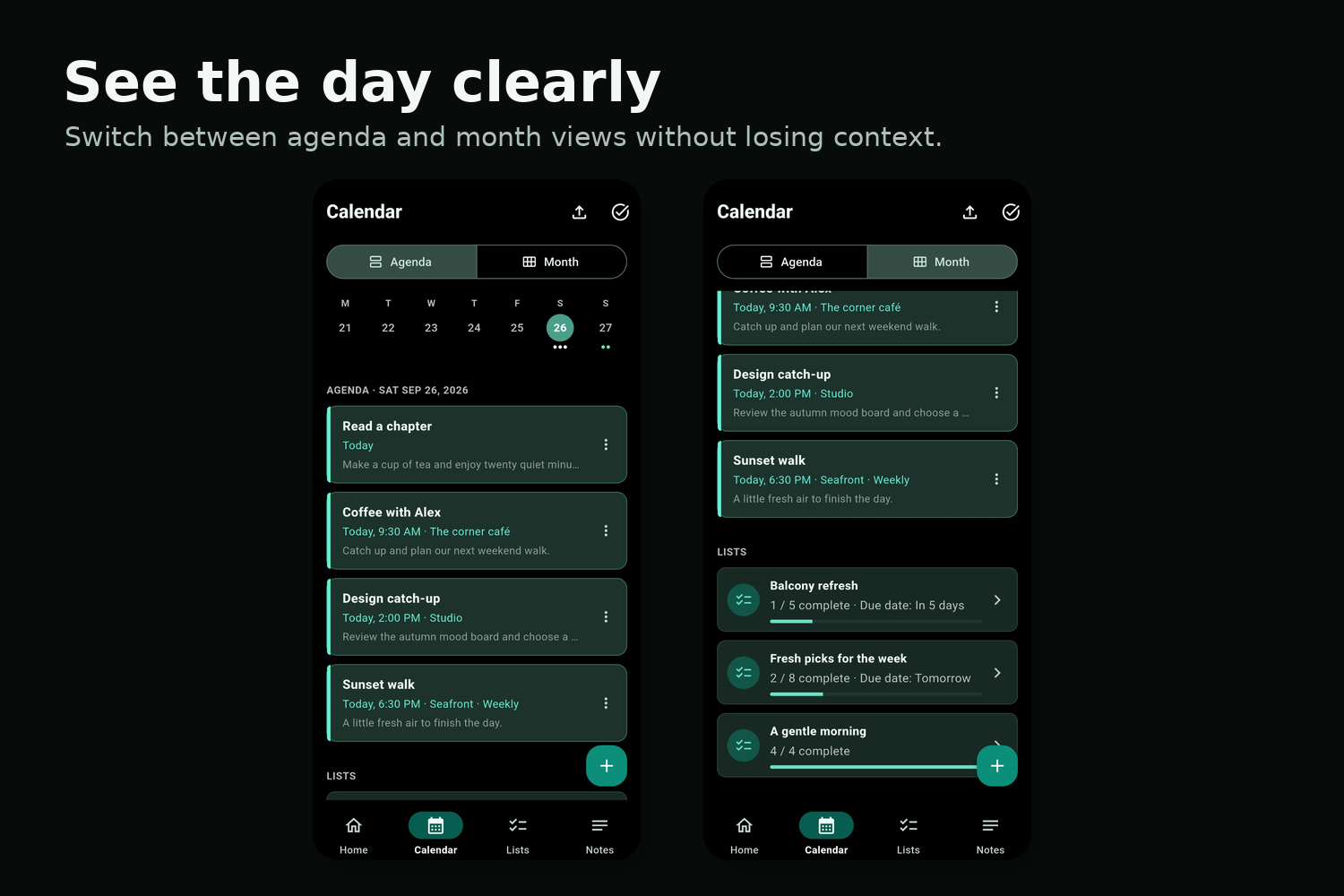
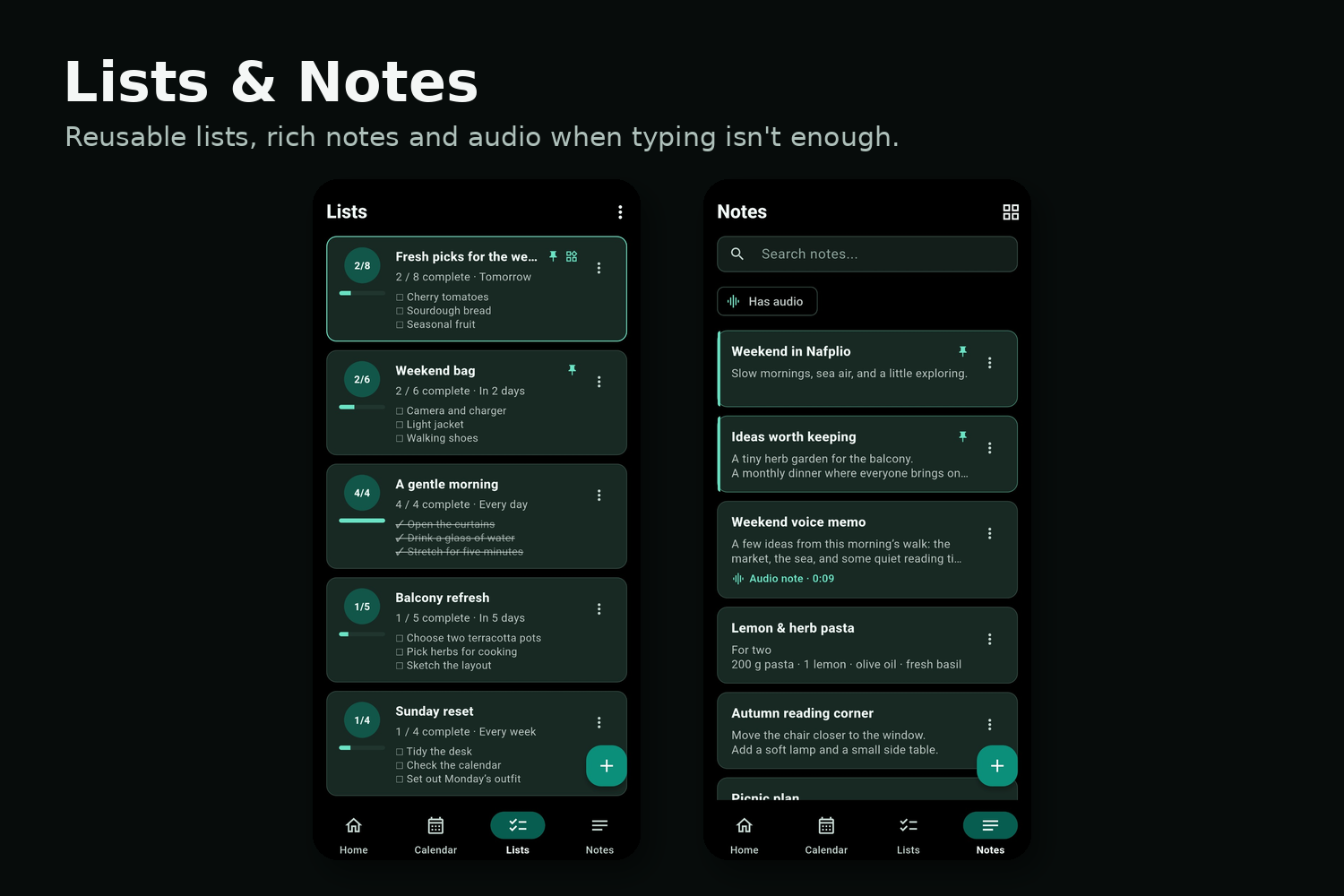
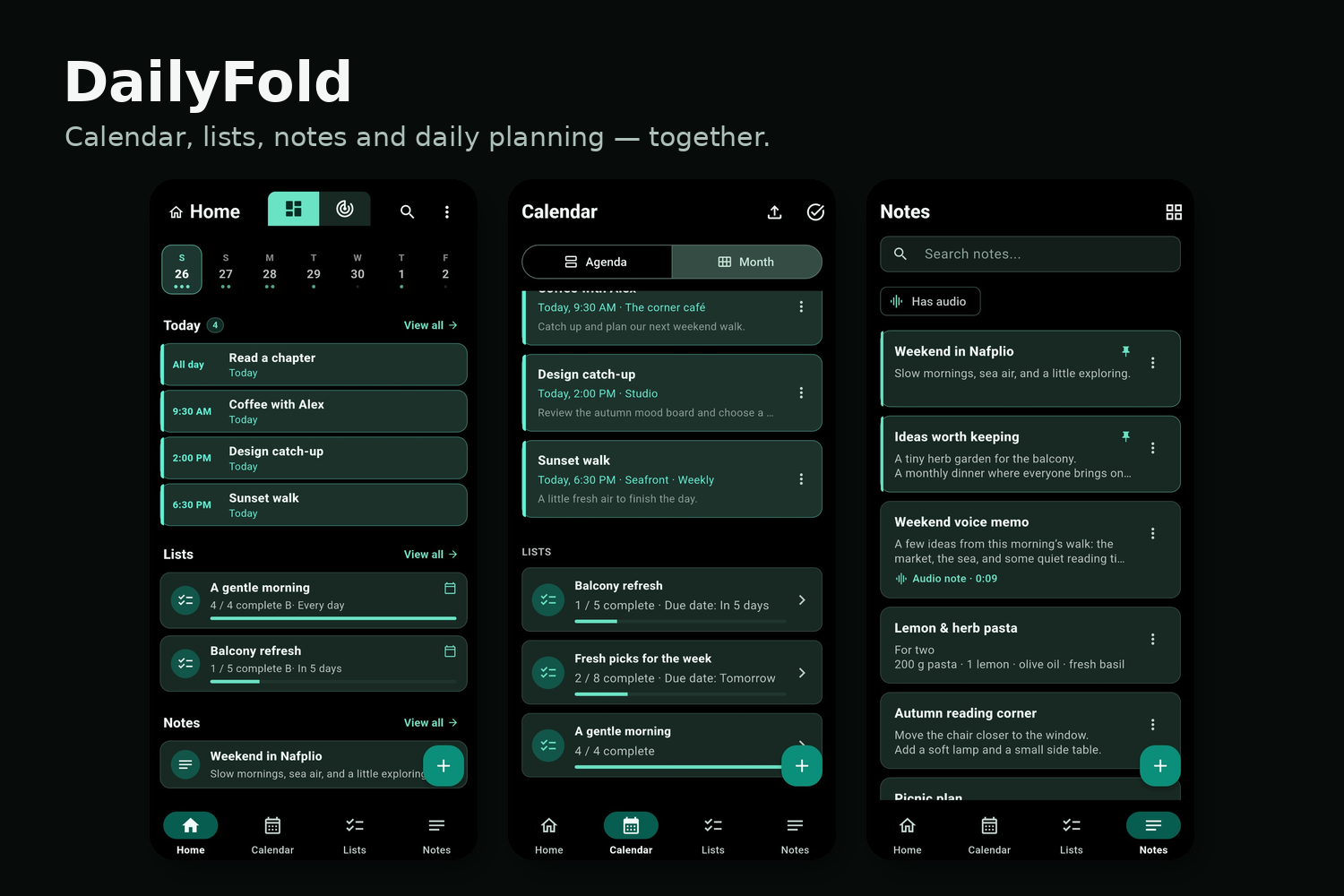
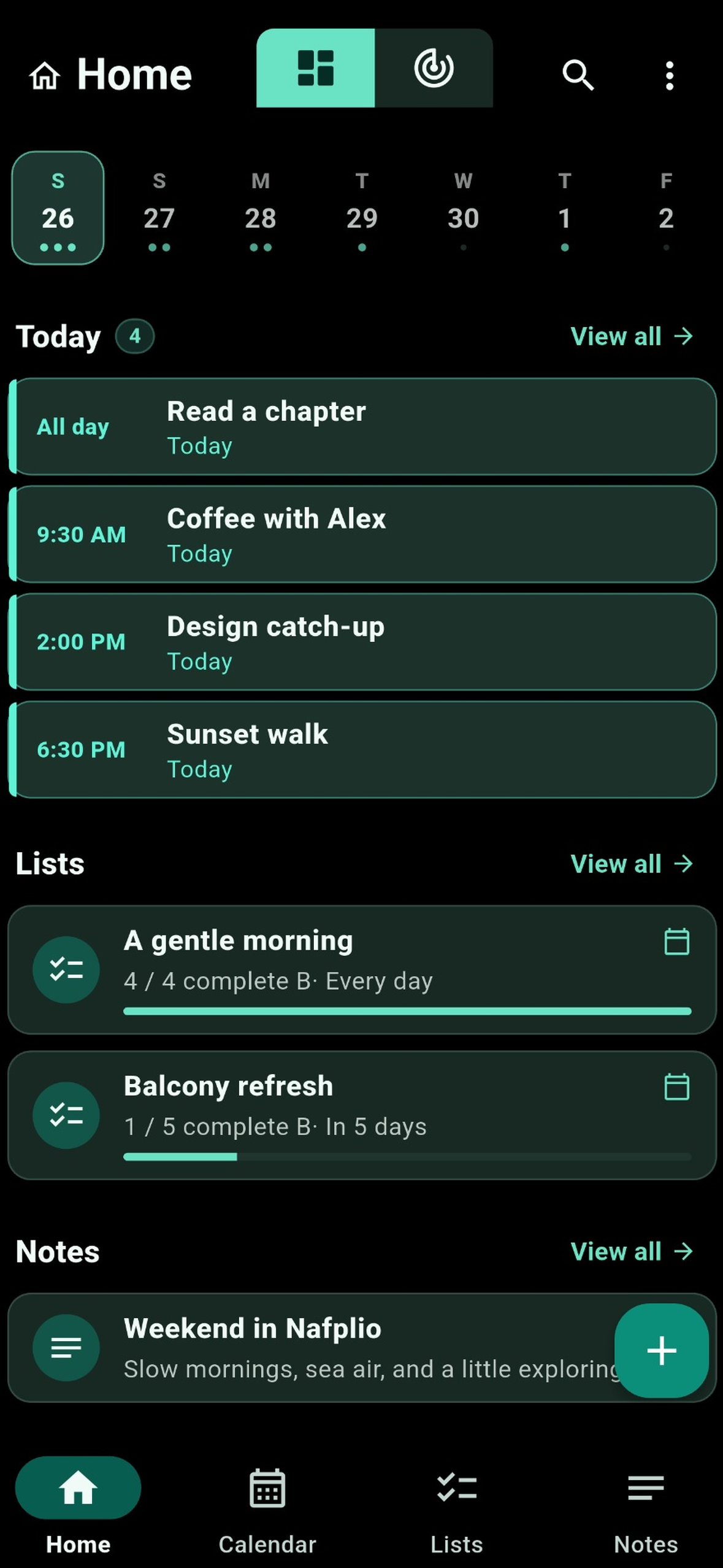
DailyFold brings together your calendar, lists, notes, and daily planning in one Android app.
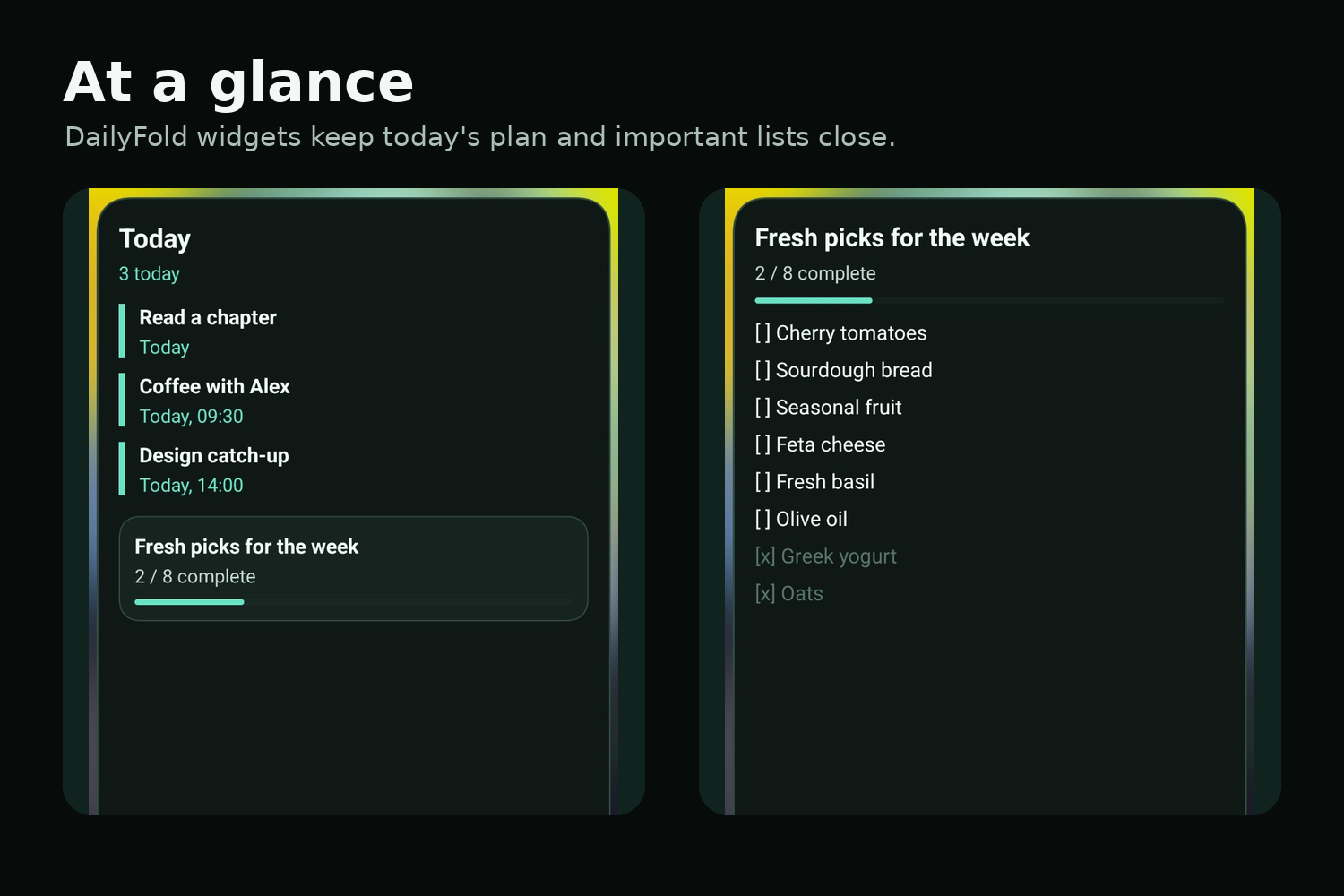
The core app includes calendar events and reminders, recurring events, reusable lists, notes, search, widgets, archiving, backup and other everyday organization tools.
DailyFold Pro expands this with:
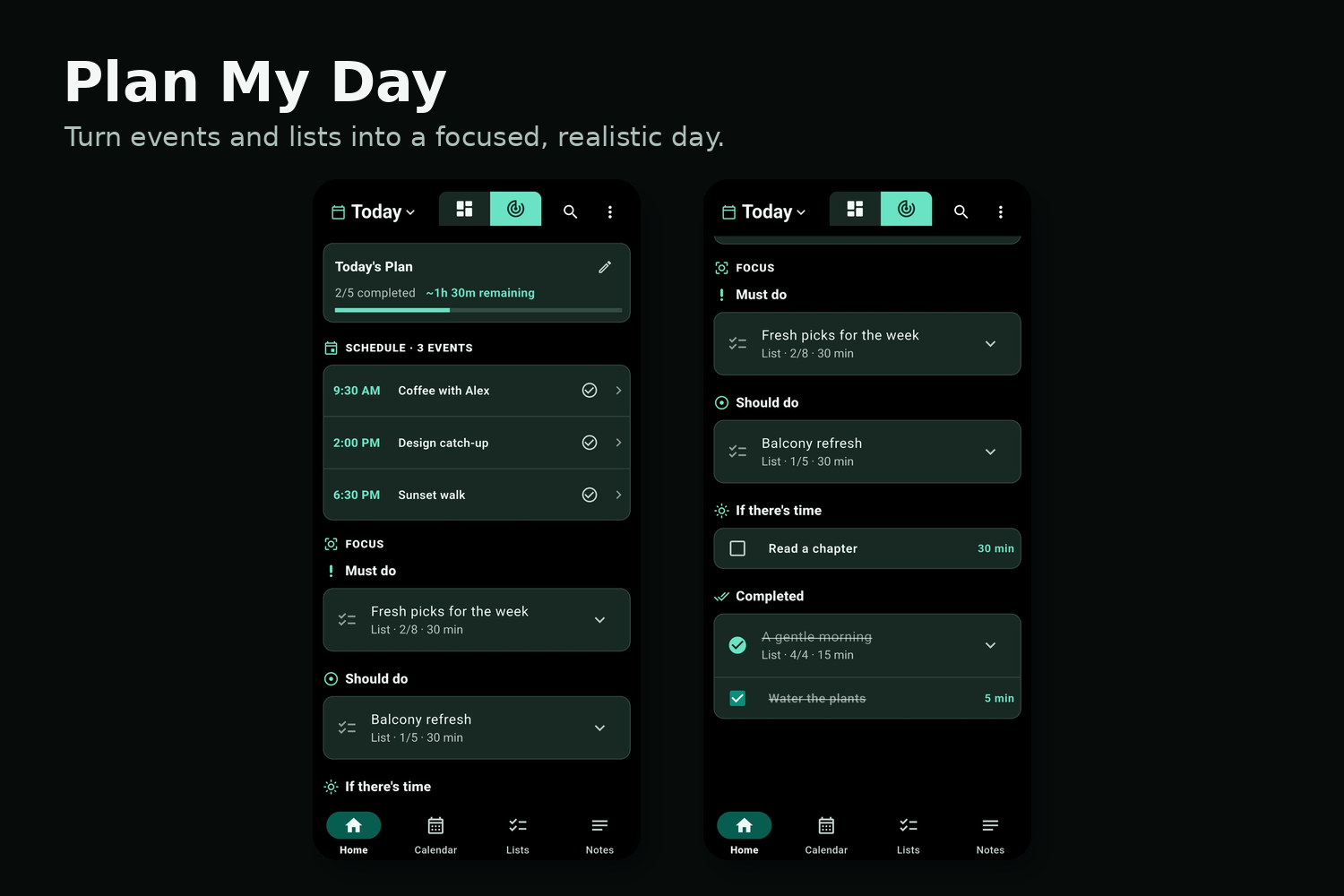
- Plan My Day for intentionally organizing the day ahead
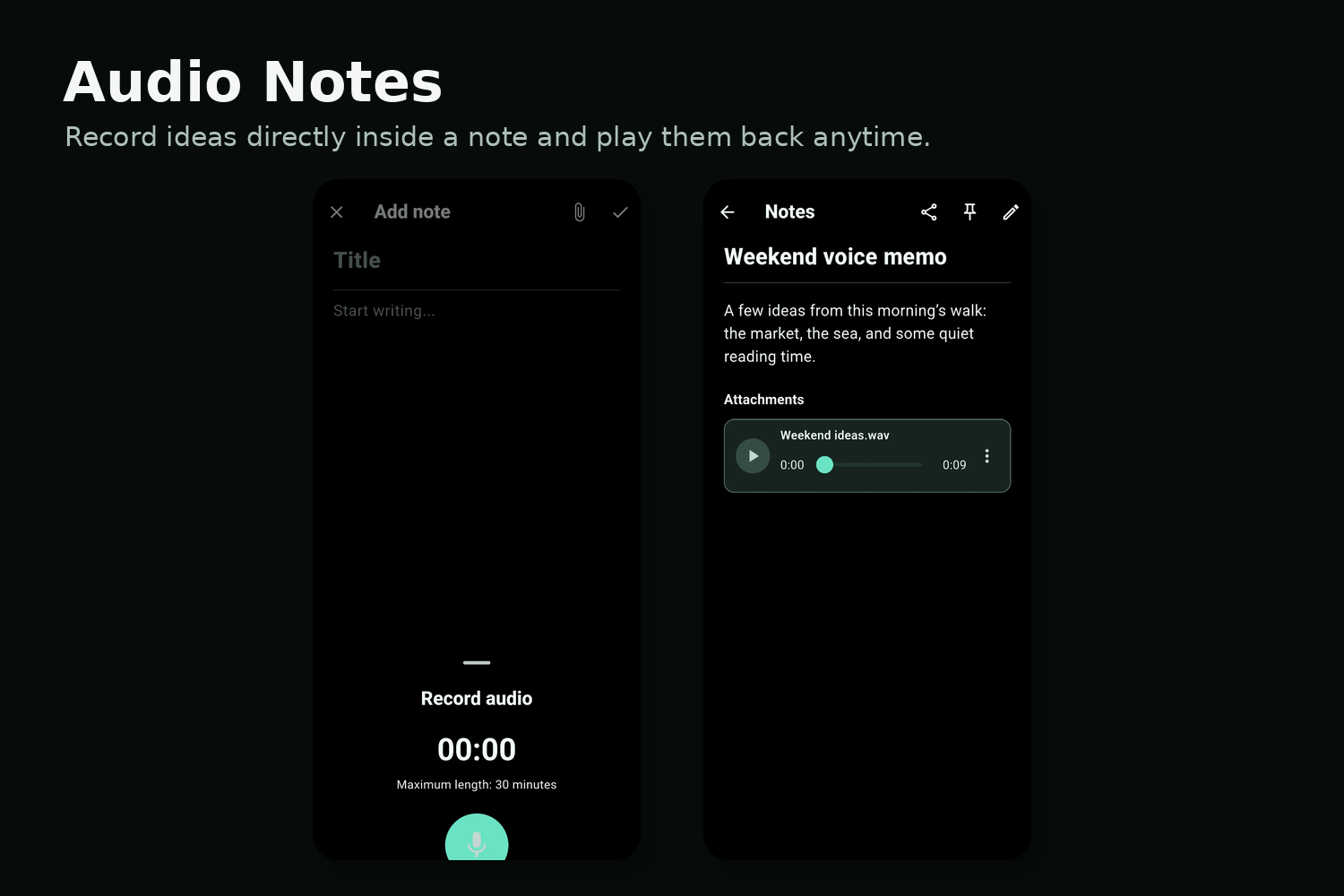
- Audio notes
- Image and file attachments
- Reusable list templates
- Shared collaborative lists through Google Drive
- Password-protected backups
DailyFold remains local-first and does not require a DailyFold account.
Pro is available as a one-time lifetime purchase rather than a subscription.
How we built it
DailyFold is built with Flutter and Dart for Android.
The app follows a local-first architecture, with everyday planning data stored on the user's device. This keeps the core experience fast and allows DailyFold to work without requiring an online account.
For Pro, I expanded the existing architecture to support richer note content, attachments, reusable templates, daily planning, protected backups, and collaborative lists using Google Drive.
Google Play Billing handles the Android purchase, while RevenueCat manages the DailyFold Pro lifetime entitlement and keeps purchase state separate from the feature implementation.
DailyFold was released publicly on Google Play during Ship-a-ton 2026 and continued evolving throughout the competition with the Pro release, monetization integration, UI improvements, and bug fixes.
Challenges we ran into
One of the biggest challenges was adding significantly more capability without turning DailyFold into the kind of complicated productivity app I originally wanted to avoid.
Plan My Day, for example, needed to complement the existing Today experience rather than simply duplicate it. Attachments and audio notes had to feel like natural extensions of notes instead of separate systems.
Collaboration created a different challenge. DailyFold was designed as a local-first app without its own user accounts or backend, so shared lists were implemented through Google Drive while preserving that philosophy.
Adding monetization was another important challenge. I wanted Pro to support continued development without advertising and without requiring a recurring subscription. Google Play Billing and RevenueCat made it possible to implement a lifetime entitlement while keeping purchase state reliable and separate from the rest of the application.
Accomplishments that we're proud of
The biggest accomplishment is taking DailyFold from an idea to a real, published Android application and then continuing to build it into a more capable product.
During Ship-a-ton, DailyFold gained its Pro experience with Plan My Day, audio notes, file and image attachments, list templates, Google Drive collaborative lists, and password-protected backups.
I also integrated the complete lifetime purchase infrastructure using Google Play Billing and RevenueCat, while keeping the existing free experience useful and free from advertising.
A lot of work also went into the less visible parts of shipping a real app: testing, production releases, fixing bugs, handling purchase state correctly, refining the interface, and making new features fit naturally into the existing application.
What we learned
Building DailyFold reinforced that creating more features is often easier than deciding how those features should fit together.
The biggest product lesson was that every new capability has a cost in complexity. Features such as Plan My Day and collaborative lists are only useful if they make the existing workflow better rather than adding another workflow the user has to maintain.
I also learned a lot about the parts of mobile development that happen after the code works: Google Play testing and releases, billing products, purchase entitlements, RevenueCat integration, and designing the boundary between a useful free product and a sustainable paid upgrade.
Ship-a-ton pushed me to finish that transition rather than leaving monetization and several larger features on the roadmap.
What's next for DailyFold
The next goal is to see how people actually use the new Pro features and improve them based on real-world usage.
I want to continue improving Plan My Day, templates, collaboration, attachments, and the overall planning experience without losing the simplicity that DailyFold started with.
The long-term goal isn't to turn DailyFold into the biggest productivity platform. It's to make it an increasingly capable personal organizer while keeping it fast, calm, private, and practical.
Built With
- android
- dart
- flutter
- google-drive-api
- google-play
- google-play-billing
- revenuecat

Log in or sign up for Devpost to join the conversation.