Inspiration
Epilepsy is not rare, around 50 million people worldwide live with it, but most consumer technology still ignores their needs. For people with epilepsy and their families, using screens can be stressful: they never really know if content might trigger a seizure or what will happen if one occurs while no one is around. As a team, we wanted to explore how technology could actively reduce that stress instead of adding to it.
What it does
The idea is simple: you use your phone or laptop as usual, and the system quietly protects you in the background.
It watches two things:
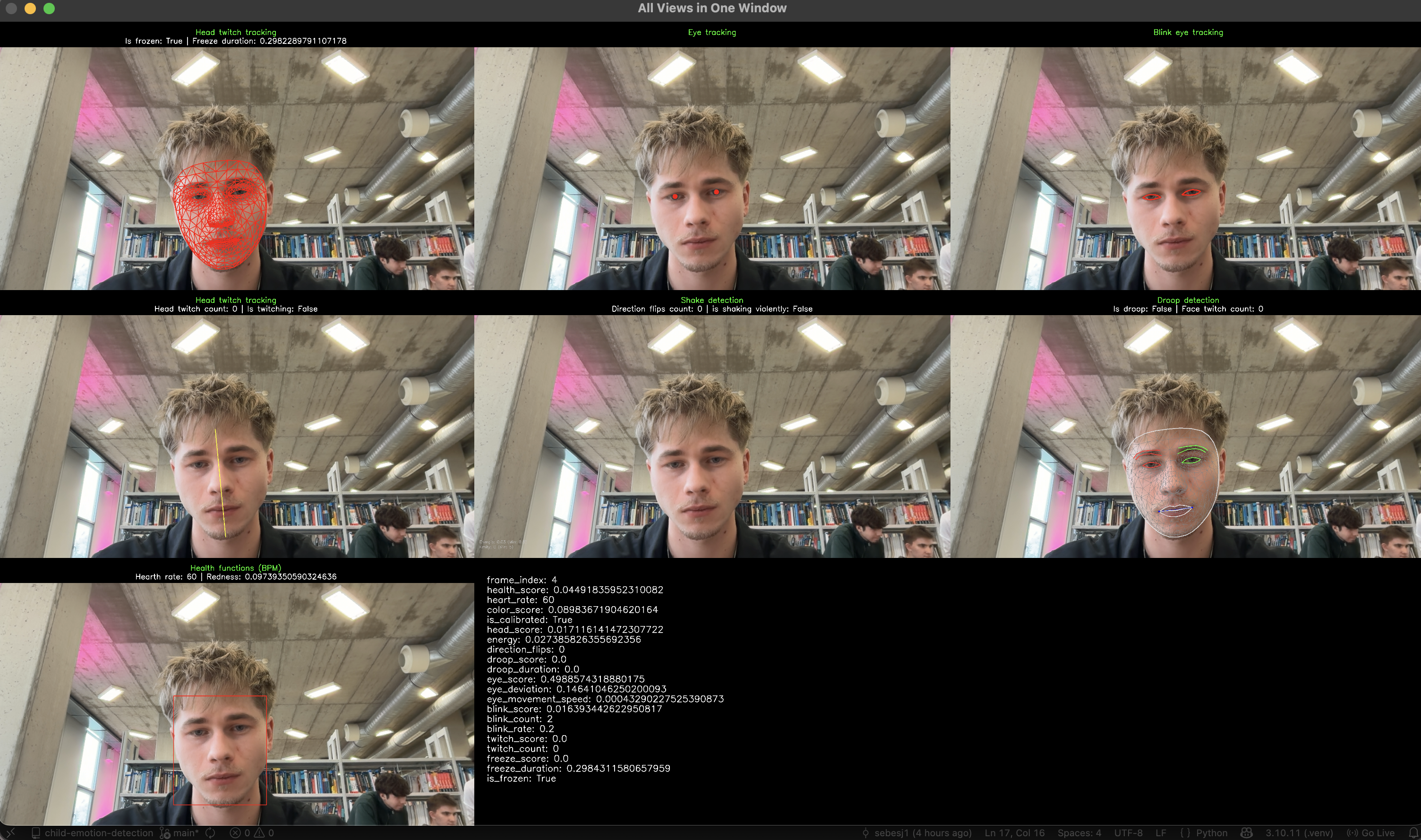
You - through the camera, looking for visible signs of a potential seizure.
Your screen - analyzing whether the content becomes too flashy or risky for photosensitive users.
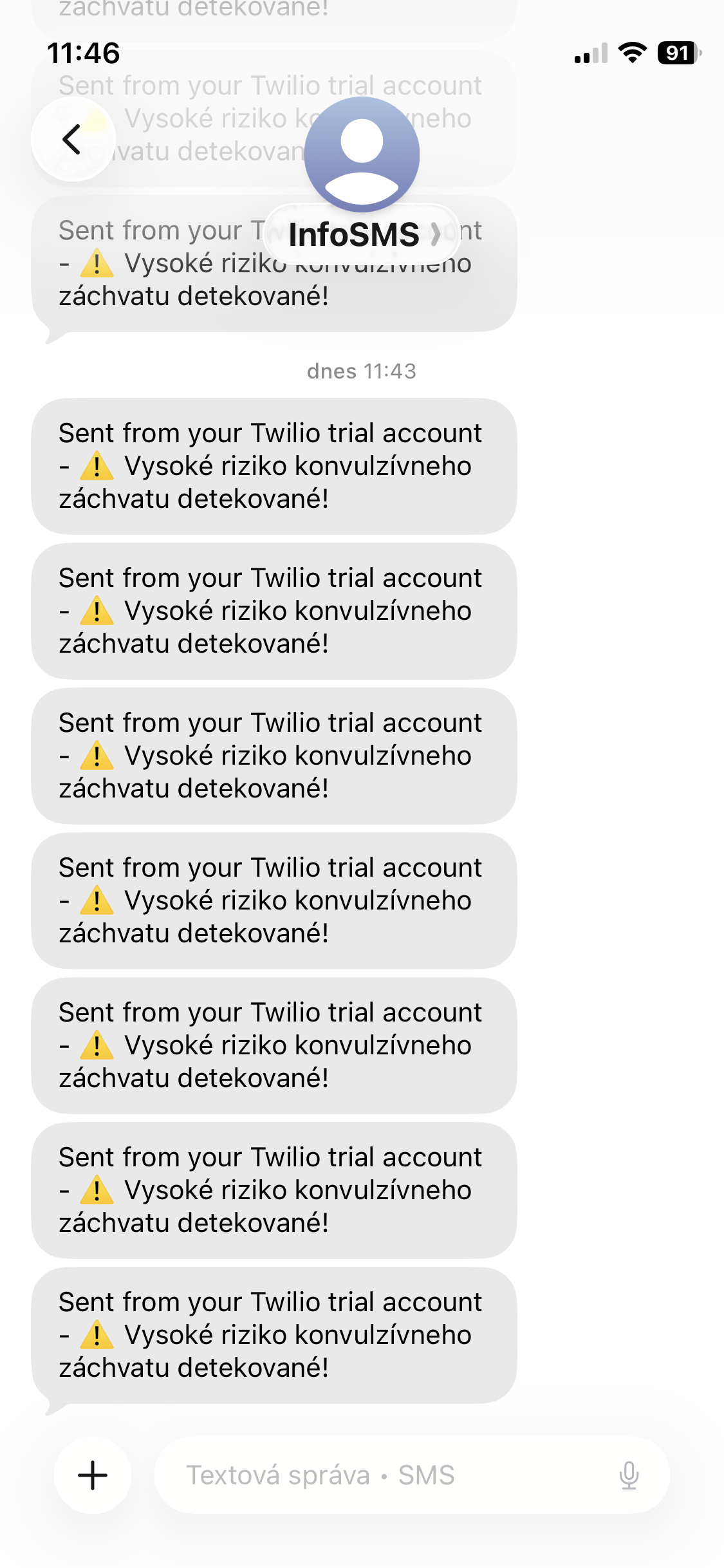
If the content looks dangerous, it can turn off the app on the screen before it becomes a trigger. If it detects a likely seizure, it doesn’t just log it - it alerts a family member or caregiver so someone can react quickly.
On top of that, an integrated AI assistant lets the user describe their usual symptoms and how they’ve been feeling lately in normal, everyday language. Based on this, the system automatically adjusts sensitivity and behavior, making the protection more personalized.
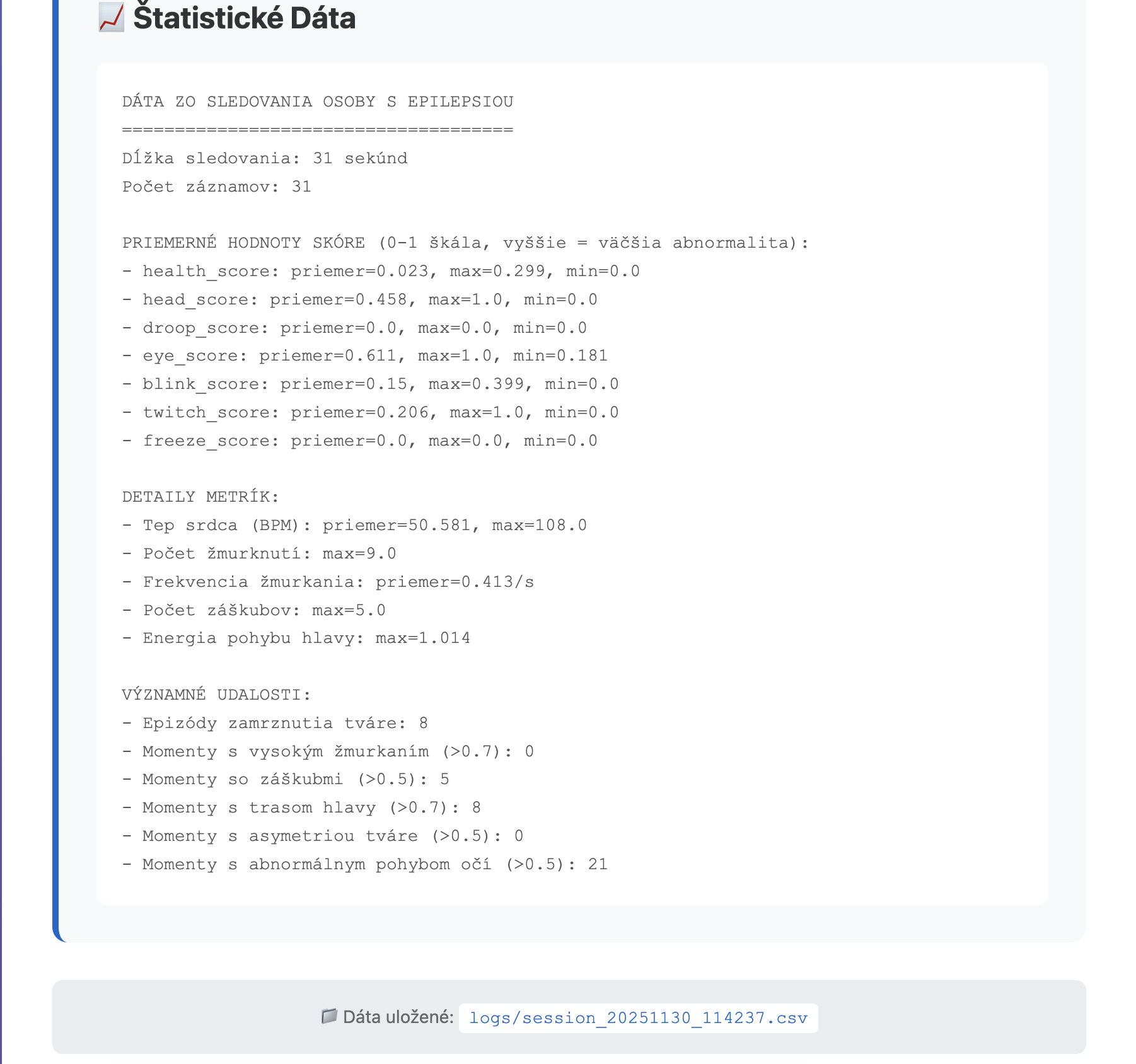
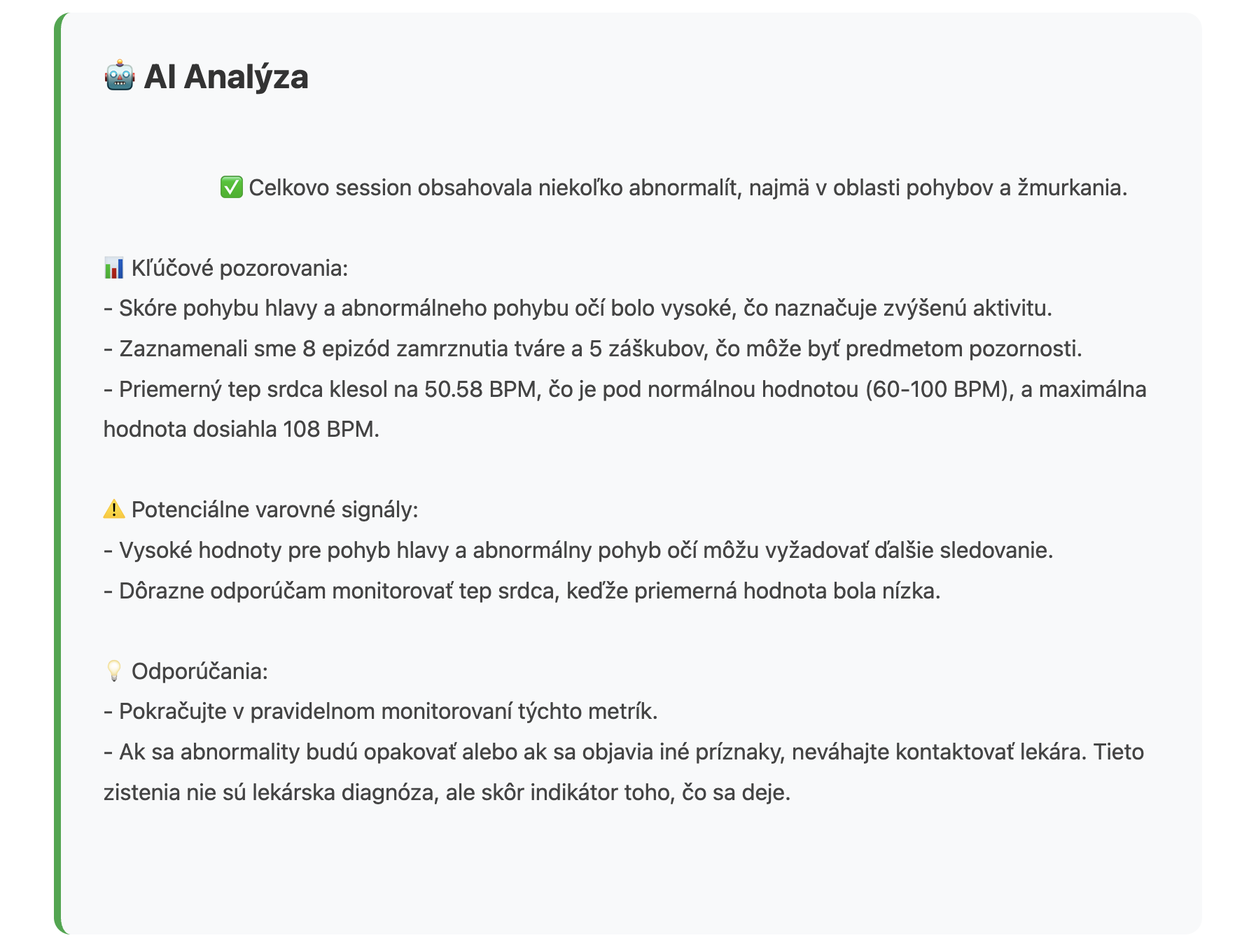
At the end of each session, the AI generates a short summary: whether there were any potential seizures, what might have triggered them. This gives users and their families a clearer picture of what’s happening over time, instead of just isolated events.
How we built it
Under the hood, the system combines several components:
- Computer vision to monitor the user via the camera and detect visible seizure-like movements or patterns.
- Real-time screen analysis to detect high-frequency flickering or other potentially risky visual patterns.
- An LLM-based AI assistant that processes free-text input from the user about their symptoms, mood, stress, and sleep, and translates it into internal sensitivity settings and thresholds.
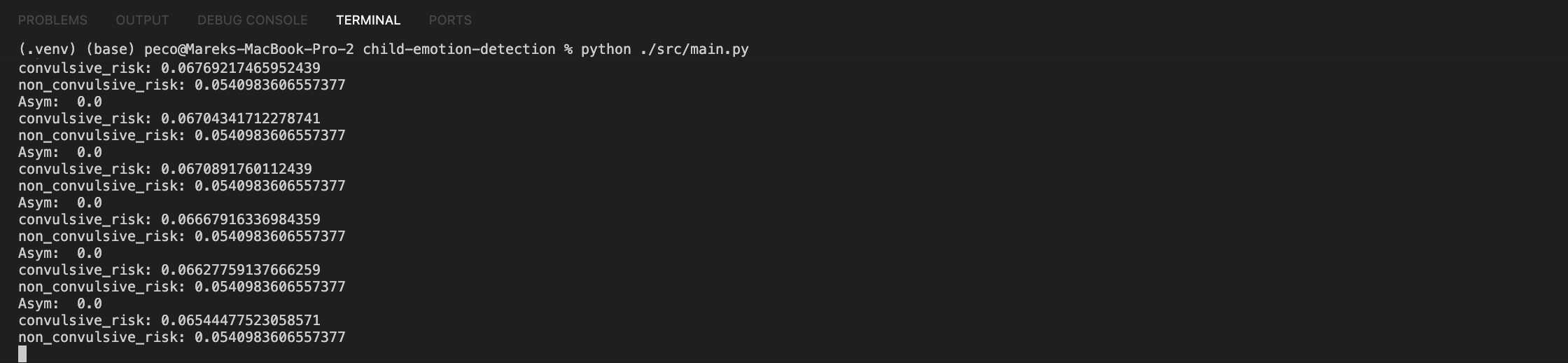
The app maintains a session log capturing what the user was doing, whether any risky patterns appeared, and if a potential seizure was detected. At the end of each session, the AI generates a human-readable summary to help users better understand what happened and in what context.
Challenges we ran into
One of the hardest challenges was tuning the “sensors” of the system - both the computer vision part and the screen analysis - so they detect seizure-like behavior as accurately as possible. We had to carefully adjust thresholds and parameters to reduce false positives (triggering alerts too often) while still erring on the side of safety.
Another challenge was designing the logic that combines all these signals: camera observations and the AI-driven sensitivity settings. The system has to take these different inputs, weigh them correctly, and decide whether a situation is likely to be a real seizure or not. Getting this aggregation and decision-making right required a lot of iteration and experimentation.
Accomplishments that we're proud of
We’re proud that this is not just a “nice dashboard” project, but something that could realistically reduce risk for people with epilepsy in their everyday digital life. Instead of just streaming video to a black-box model and hoping for the best, the system explicitly looks at concrete visual signals like facial cues, eye behavior, and characteristic movement patterns and combines them with screen analysis and user-specific sensitivity settings. On top of that, the AI doesn’t just detect events and forget them: it generates a clear session summary that highlights potential seizures, possible triggers, and how the system reacted, so users and caregivers actually get something understandable and useful out of all that data.
What we learned
Building this project taught us how hard it is to design assistive tech that deals with real health risks. It’s not just about accuracy of detection, but also about communication, expectations, and giving users and families more peace of mind.
What's next
Next steps would include:
Testing the system with real users and collecting feedback in collaboration with epilepsy organizations or medical professionals.
Improving the seizure detection systems with more accuracy.
Extending support to wearables (e.g. smartwatch sensors) to combine motion and heart rate data with camera & screen analysis.

Log in or sign up for Devpost to join the conversation.