Inspiration
Nepal, despite having huge potential to generate the energy, suffers from the energy spillage of around 600 mW, because of lack of energy storing facility. We lack the huge capital and infrastructures to build energy storing facility, making it far from achieving its full potential. To address the this problem, we, Green Tech, introduce the concept of decentralization of the energy, where local people and the local government can participate in storing the energy and distributing it based on the demand-supply of the national grid.
What it does
It works as a decentralized system overruling the disadvantages of the centralized energy system, encourages the local people and incentivizes people for contributing to the society, and working towards the goal of Nepal to achieve the 2045 Net Carbon Zero, which is supposed to be achieved by 2050 globally.
How we built it
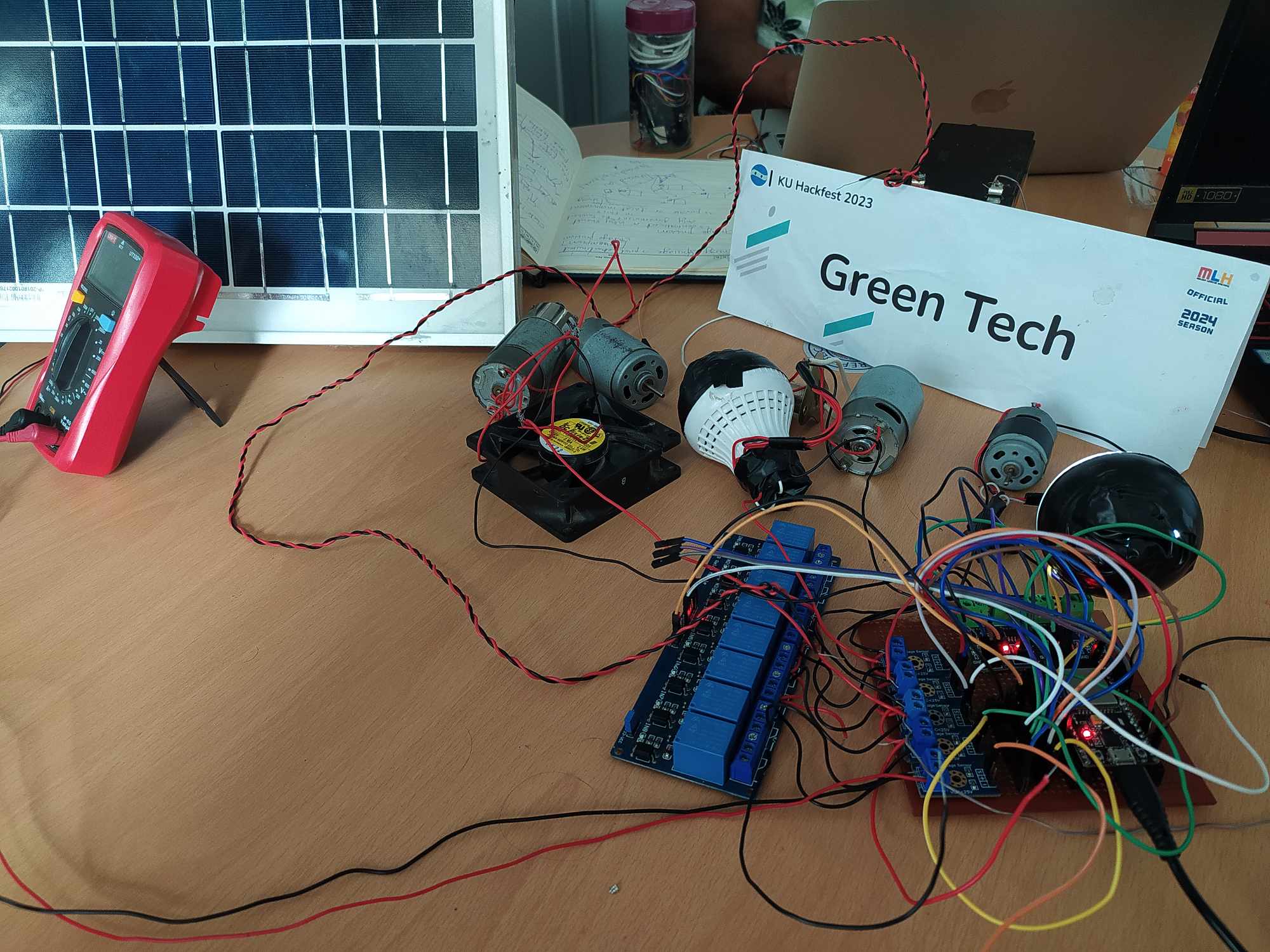
We used IOT based system to build a micro-grid, where each house of the community is connected, releasing the burden on national grid.
Challenges we ran into
We ran into problems for interfacing the microcontroller with different sensors and IOT cloud.
Accomplishments that we're proud of
We made a system where people can trade their energy and get incentives for contributing towards the sustainable goal.
What we learned
We learned about the loadbalancing, and working of the energy in the large scale and simulating them.
What's next for D-Urja (Decentralized Urja)
We will be implementing machine learning for fault avoidance and tolerance. Blockchain for maintaining the transparency of the project


Log in or sign up for Devpost to join the conversation.