-
-
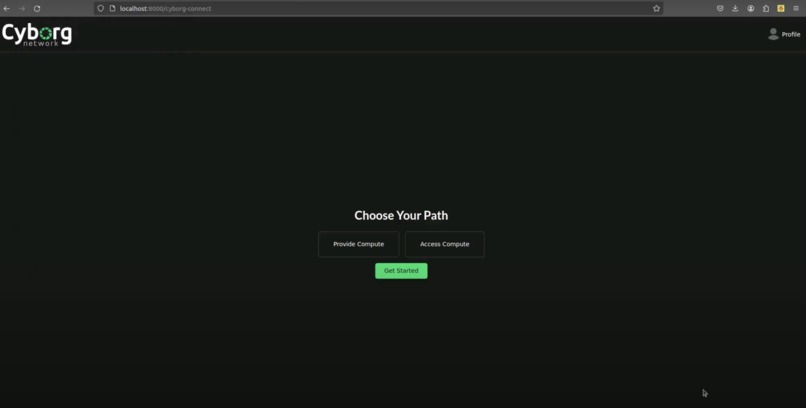
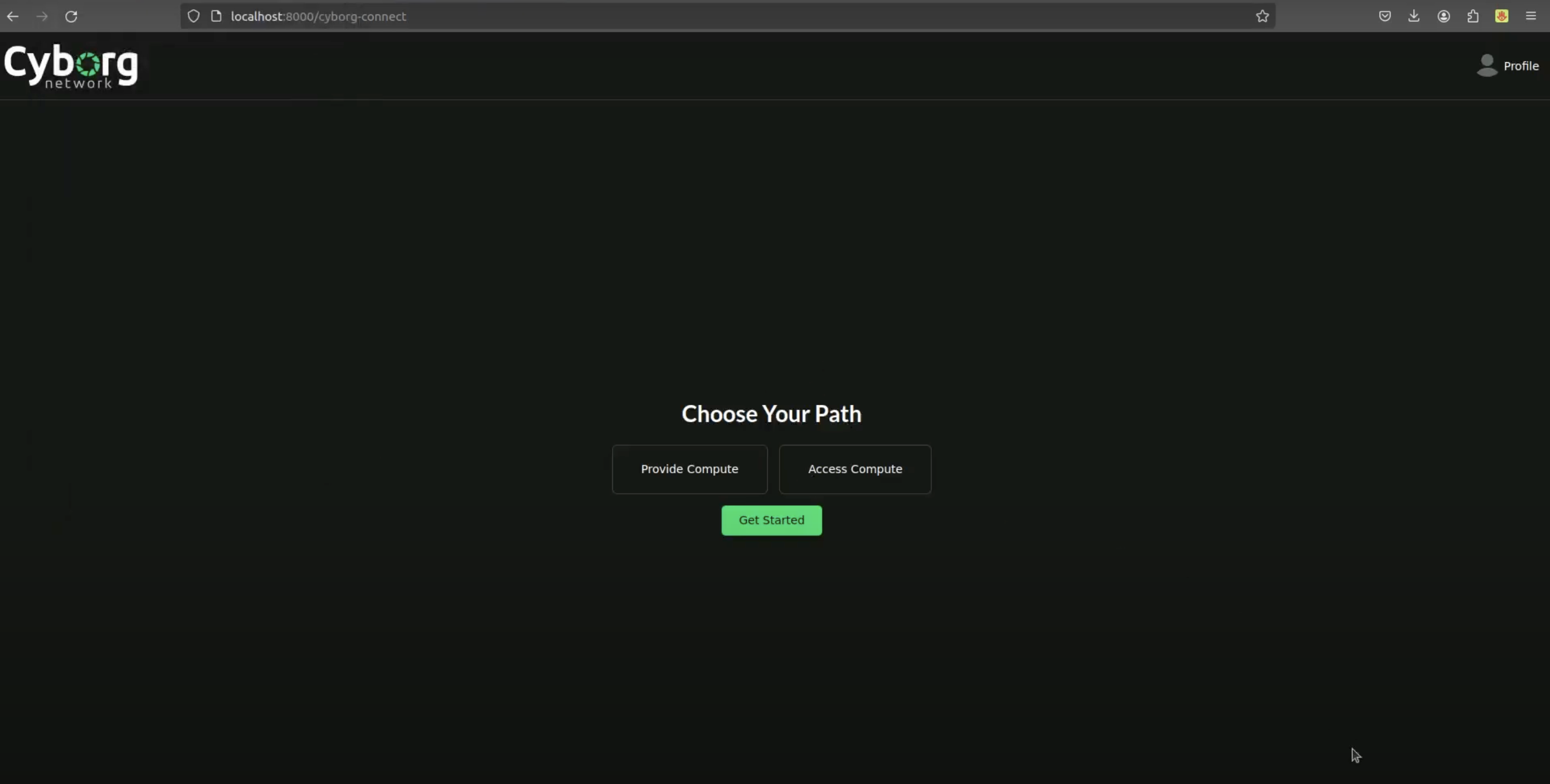
Providing Compute & Accessing Compute
-
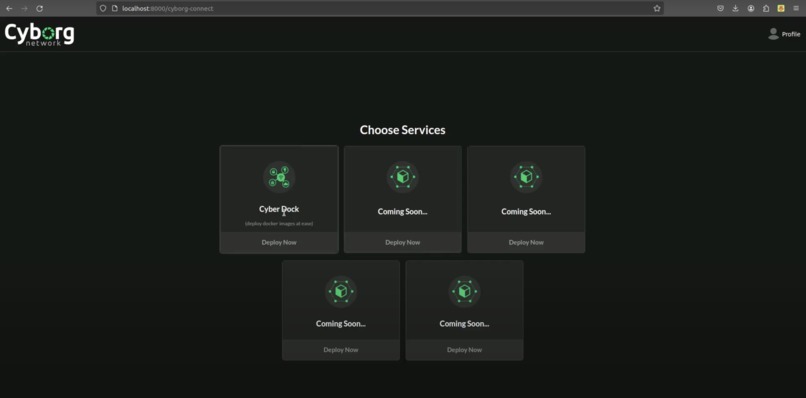
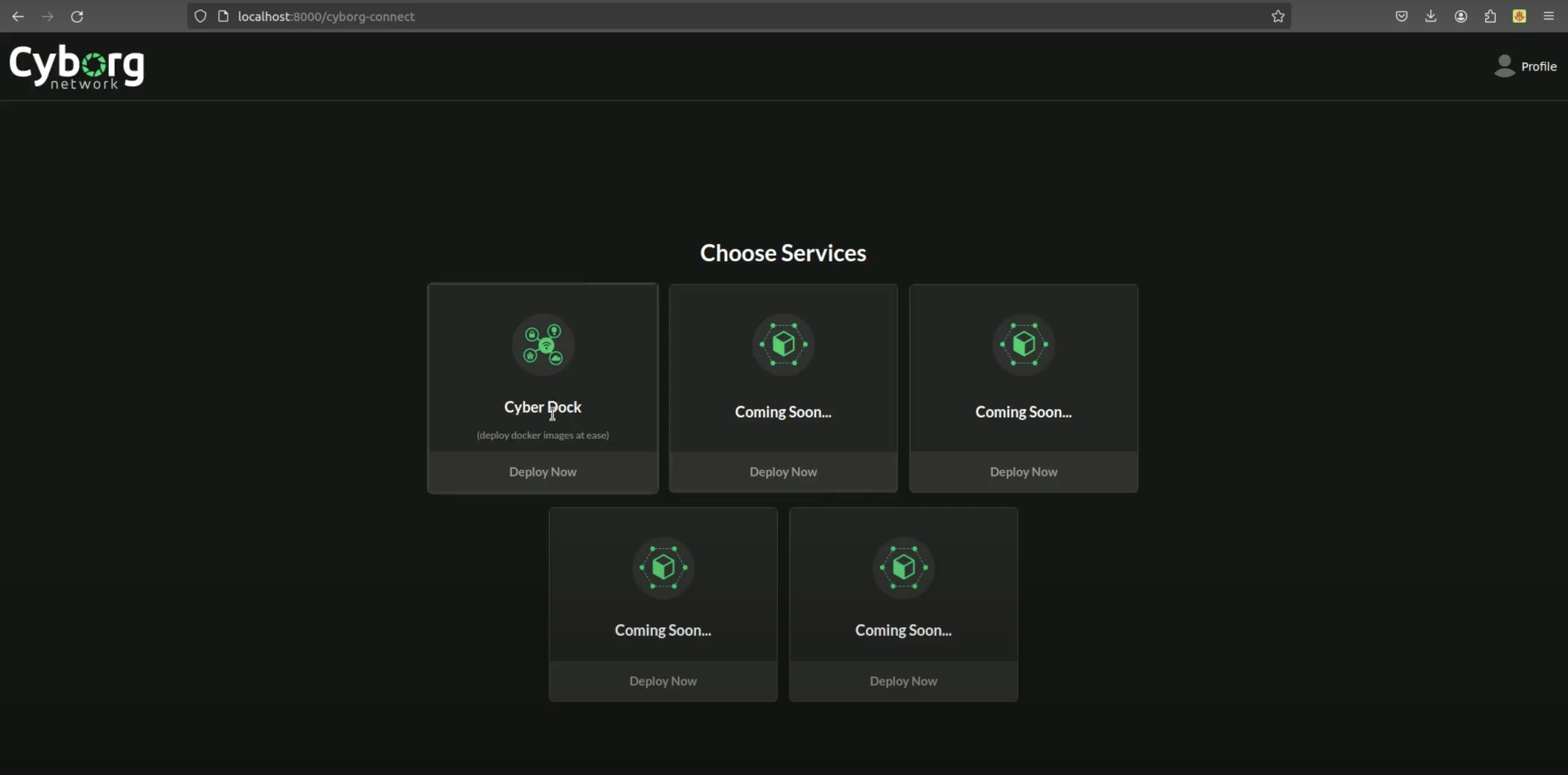
Choose Product screen
-
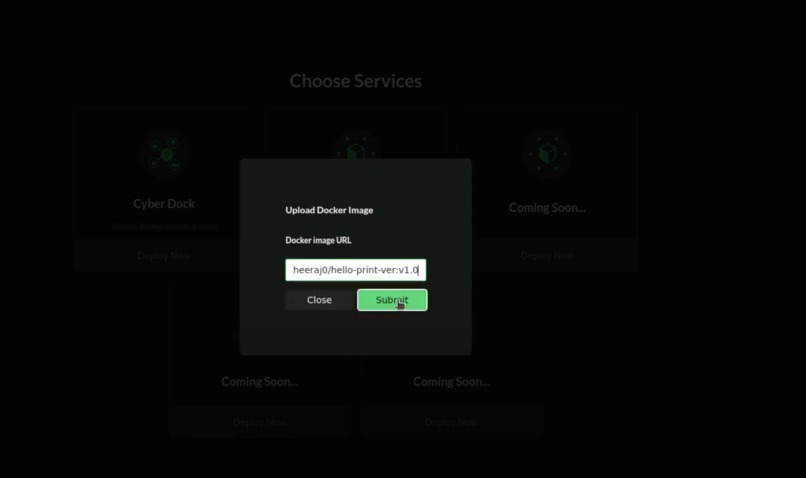
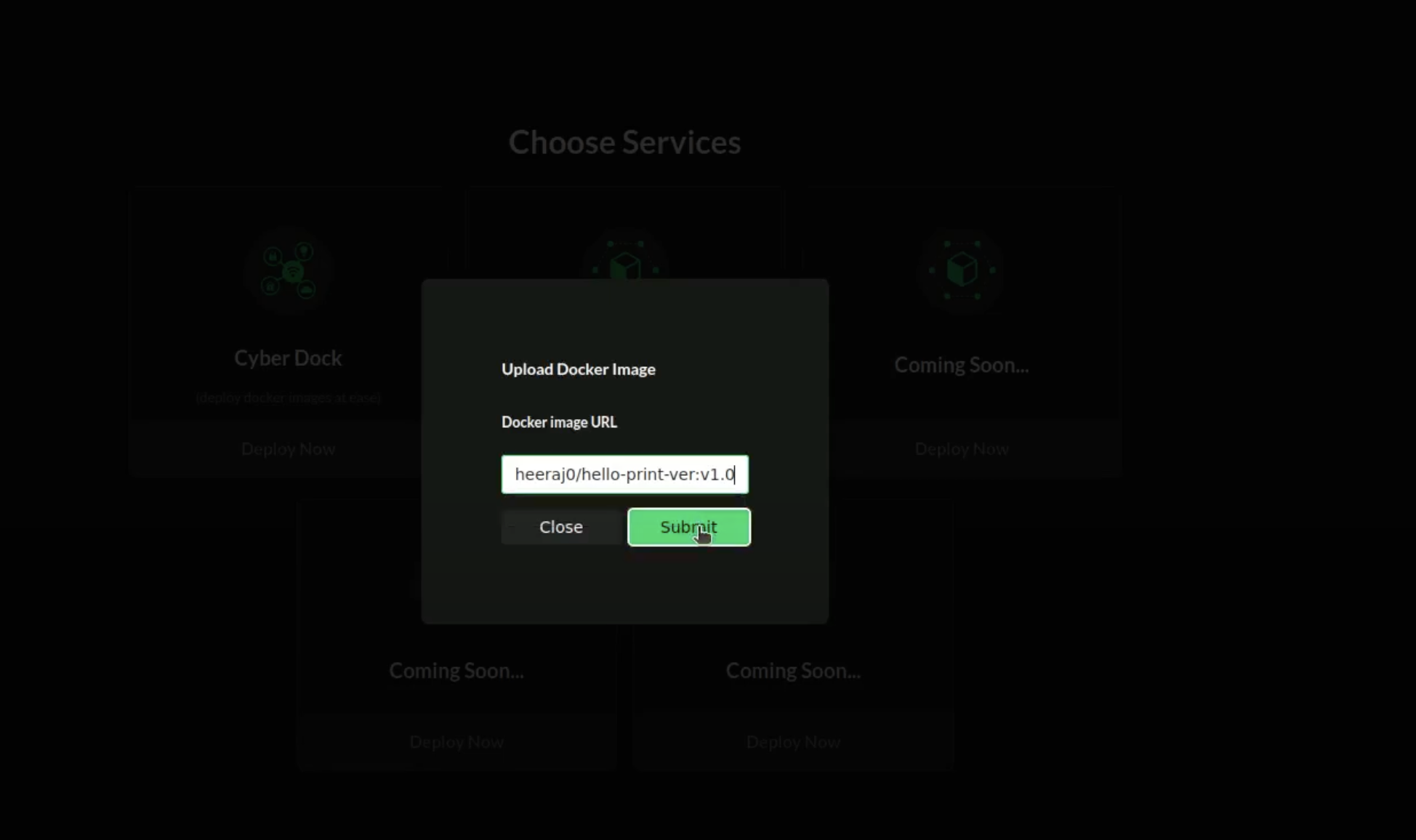
Docker image URL entry
-
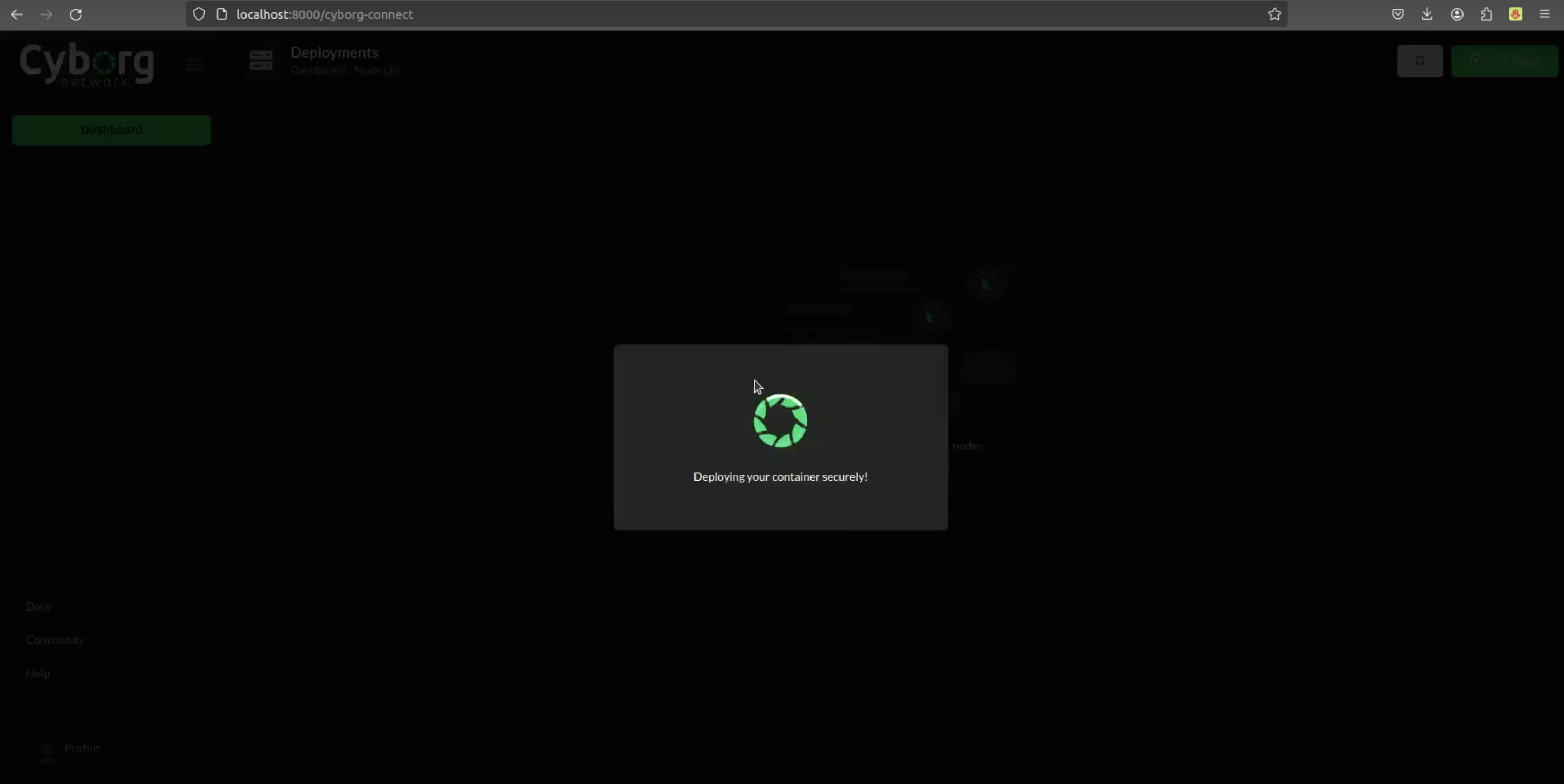
Loader screen
-
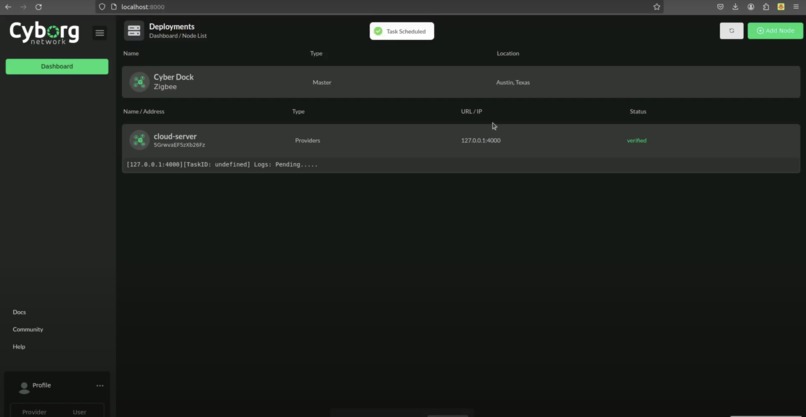
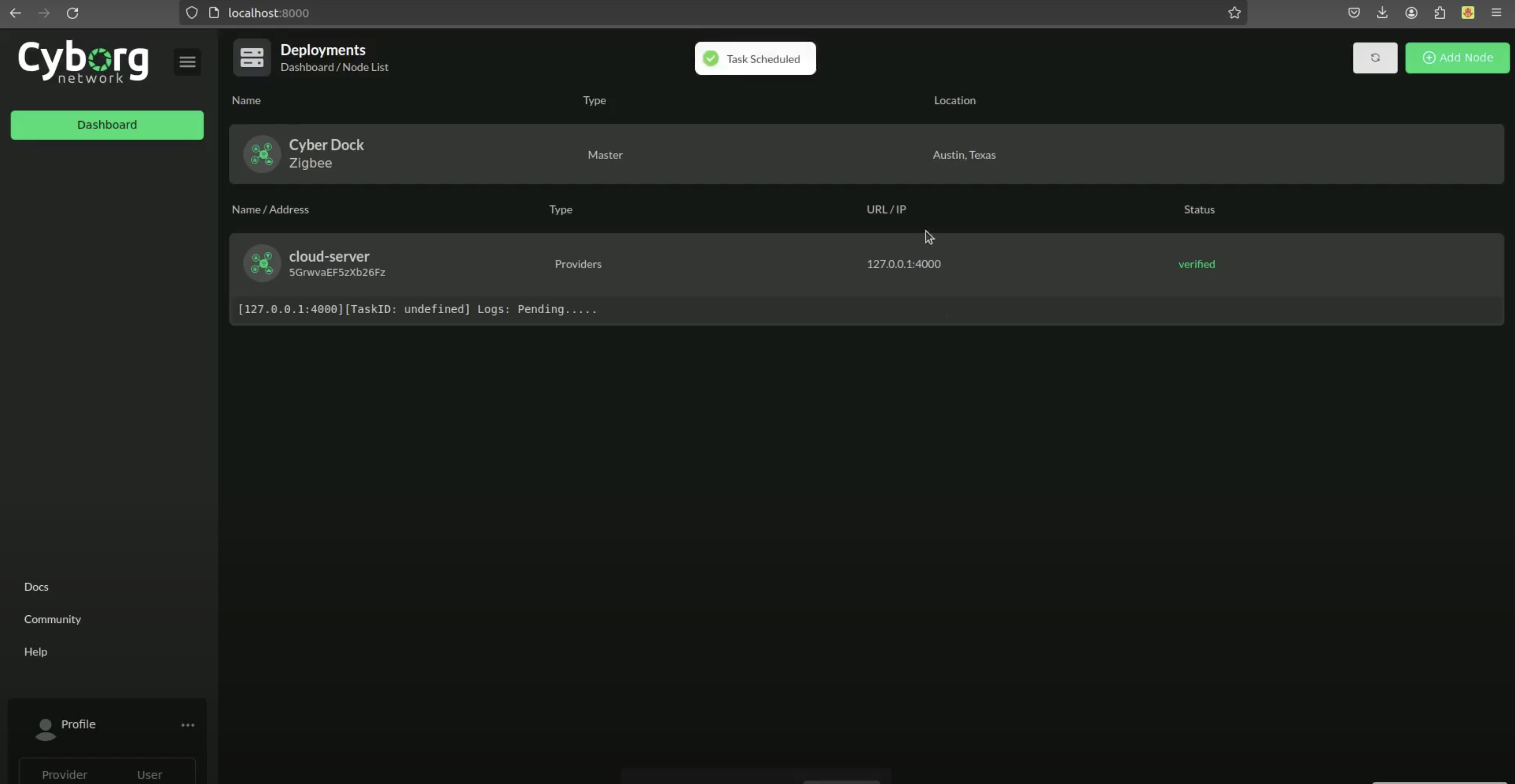
Deployments list screen
-
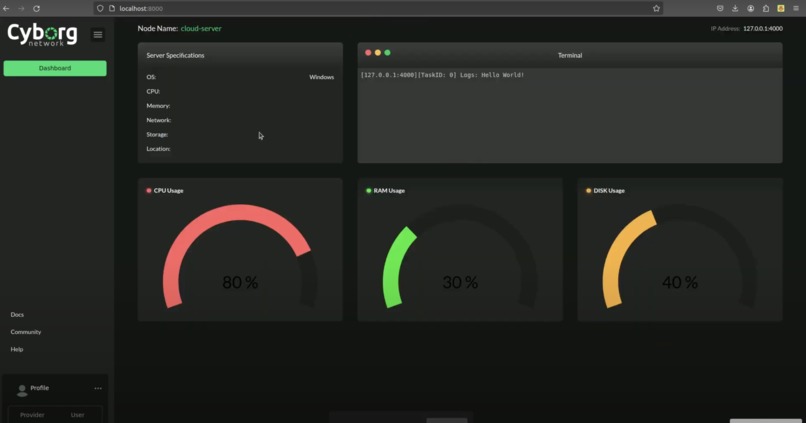
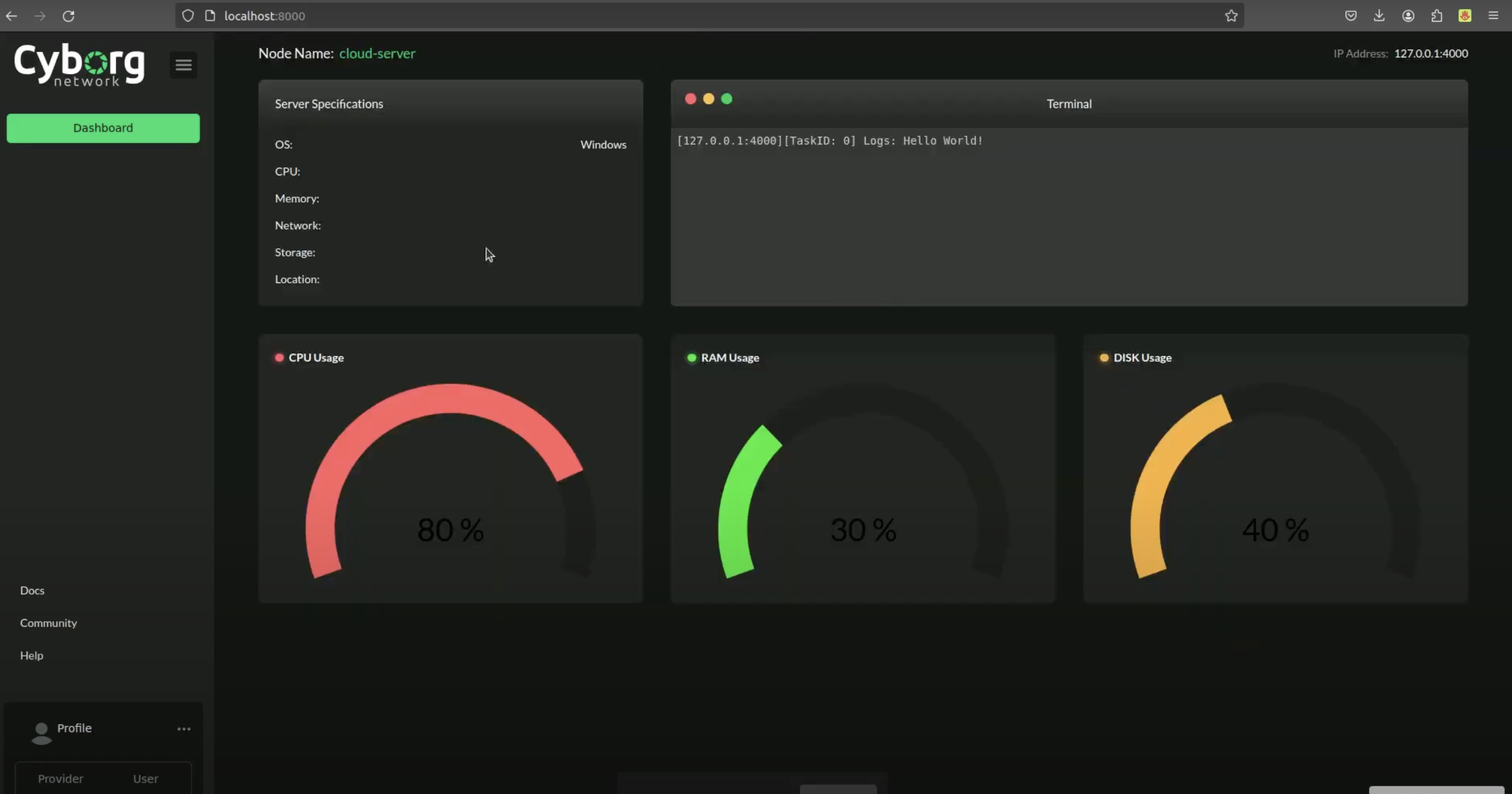
Post Deployment Dashboard for specific Deployment
Cyborg Network
Inspiration
As blockchain and tech enthusiasts, we aimed to create an enterprise-friendly solution that aligns with product offerings and regulatory standards. While numerous decentralized computing projects exist, we identified a significant gap in the market: over 70% of the cloud market remains untapped due to insufficient regulatory measures and the use of compute resources from unauthorized third parties. This insight inspired us to develop Cyborg Network.
Cyborg Network is a blockchain-based global network of distributed edge data centers. By leveraging a blockchain stack, we address critical issues inherent in traditional edge computing systems. Our solution ensures regulatory compliance and secure sourcing of compute resources, providing a robust and trustworthy infrastructure for enterprises.
What It Does
We have developed our first product line, CyberDock, designed to help users deploy dockerized containers across our edge server network. We chose Docker due to its widespread use in the edge computing domain.
For this hackathon, we are focusing on developing CyberDock to allow users to deploy public Docker images within our confidential computing clusters and view the results. This submission represents a functional base version, and we are actively working towards launching our alpha version soon.
Please take a look at our UX demo to get a glimpse of our vision towards framing products.
Objectives
Enable Datacenter Operators: Our app facilitates the setup of k3s clusters for datacenter operators, streamlining the process of creating and managing lightweight Kubernetes clusters.
Enable Users: Users can deploy Docker containers, monitor logs, and view results through our platform, making it easier to manage and utilize distributed edge computing resources.
How we built it
Our project integrates several state-of-the-art technologies to create a robust and secure platform for infrastructure management:
Solidity Smart Contracts: These contracts are the backbone of our platform, managing both provider-related data and task scheduling. They ensure that all transactions are secure and verifiable.
ChainLink VRF (Verifiable Random Function): We use this to guarantee fair and unbiased provider selection. Future updates will include optimizations based on dynamic resource availability, enhancing efficiency and provider fairness.
ChainLink Functions: This feature executes deployment tasks requested by consumers, ensuring reliable, decentralized computation.
IPFS (InterPlanetary File System): We utilize IPFS to store encrypted mappings of provider public keys to their resource IP addresses, leveraging its decentralized nature to enhance data security.
DON Hosted Secrets: This is used for securely storing encryption keys, crucial for accessing data on IPFS. Due to execution limits in the DON network during our demo, we employed a secondary backend for decryption, the details of which are securely stored within DON, reinforcing the security of our fallback processes.
Kubernetes (k3s): Orchestrates the final deployment processes. While currently supporting only Dockerized deployments, we plan to extend this to additional formats, broadening our infrastructure capabilities.
Challenges we ran into
The initial plan was to handle decryption directly within Chainlink Functions. However, we encountered execution limitations that prevented this from being feasible within the project's timeframe. Various approaches, including using Deno imports, ESM-compatible packages, standard node modules and CDN imports were tested but proved unsuccessful. To maintain progress, we implemented a secondary backend server for decryption, with strict measures to secure its IP address within the DON network. This workaround ensures security without stalling development.
Accomplishments that we're proud of
Our platform's security integrity is our proudest achievement. From the initial provider onboarding to the final task output, every step is secured, ensuring that only the task owner has access to specific details. This meticulous approach protects against potential network exploitations, a critical concern in infrastructure management systems. The successful integration of ChainLink functions and VRF into our platform plays a crucial role in maintaining this high level of security.
What we learned
Our experience provided deep insights into ChainLink's capabilities, particularly in areas we plan to explore further, such as Chainlink CCIP and Automation. Although our current implementation focuses on foundational functionalities due to complexity and time constraints, we identified significant potential in Chainlink Automation to advance our project beyond current industry standards. We are excited about integrating these features in future iterations, anticipating substantial competitive advantages in infrastructure management.
What's next for Cyborg Network
Throughout this project, we've navigated various challenges and implemented sophisticated solutions that pave the way for future enhancements. Our learning journey with ChainLink products has only just begun, and we look forward to expanding our use of their technologies to push the boundaries of what our infrastructure solutions can achieve. Our next steps include:
- Product Stabilization: Continue refining CyberDock to ensure stability and reliability.
- Real-World Testing: Test the platform with real-world applications to validate performance and usability.
- Deployment Partnerships: Collaborate with our datacenter partners to deploy applications on their servers, expanding our network and capabilities.
- User Feedback: Gather and incorporate feedback from early users to enhance features and address any issues.
- Alpha Launch: Prepare for the alpha launch, aiming to offer a robust solution for enterprise users and datacenter operators.
Our goal is to create a seamless, secure, and regulatory-compliant edge computing platform that meets the needs of modern enterprises.
Built With
- chainlink
- chainlink-functions
- ethersjs
- ipfs
- javascript
- k3s
- kubernetes
- oracle
- react
- solidity
- vrf
- web3js


Log in or sign up for Devpost to join the conversation.